
Why Do Teeth Break? What’s Good For Broken Toothache?
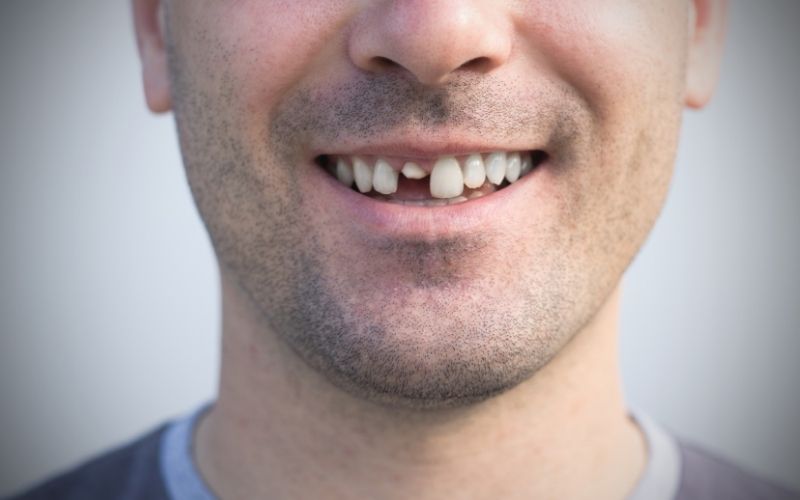
Why Do Teeth Break?
Teeth typically break when they are weakened by decay, trauma, or constant pressure. A hard hit to the teeth, grinding, age-related wear, or poor dental hygiene can all cause the tooth structure to crack.
When a tooth breaks, it can also indicate that something has been wrong inside the mouth for some time. Everyday habits such as biting hard foods, not brushing and flossing, and clenching while sleeping gradually wear away the enamel that is supposed to protect your teeth.
The surface thins over time, and small hidden cracks can form, especially if teeth are not properly aligned or have large old fillings. As we get older, our teeth have been subjected to years of chewing, accidents, and minor injuries, increasing their likelihood of chipping or breaking.
What is good for broken tooth pain? If you feel obvious pain, you should see a dentist as soon as you can so they can find the cause, relieve your pain, and help stop further damage.
Satisfied Patient Reviews
EXCELLENTTrustindex verifies that the original source of the review is Google. Service impeccable. Je suis venue pour des implants. La prise en charge a été rapide et la douleur pendant et après l’opération a été à peine ressentie. Clinique très professionnelle et chirurgien expert. Personnel très accueillant, en particulier la Directrice. Recommande à tous ceux qui sont à la recherche de professionnels pour régler des problèmes dentaires Suis venue finaliser la pose des implants et des couronnes. Résultat impécable!Posted on GoogleTrustindex verifies that the original source of the review is Google. I visited from England and had a positive experience. I went for a Hollywood Smile look and couldn’t be happier with them. The clinic was very aesthetic & clean, the staff were very attentive and supportive & I high recommend them.Posted on GoogleTrustindex verifies that the original source of the review is Google. İmplantlarımı ve zirkyonyumlarımı yaptırdım 2 sene önce iyiki yaptırmışım çok memnunum doktorum emrah hoca işinde çok iyi birisi tüm çalışanlara çok teşekkür ediyorum güler yüzlü anlayışları için gülşah hanıma ayriyetten teşekkür ederim 🌹Posted on GoogleTrustindex verifies that the original source of the review is Google. Çok güzel ve güveninirPosted on GoogleTrustindex verifies that the original source of the review is Google. Friendly and approachable staff, above all I haven’t experienced any pain what so ever, it does truly shows core professionalism. Coming from Wolverhampton, UK and made implant surgery with sinuslifting Gedi JafarPosted on GoogleTrustindex verifies that the original source of the review is Google. Ik Marco, hebt mijn gebit laten doen bij Avangart.. En ben door lieve mensen goed ontvangen en behandeld.. Kliniek zeer hygienisch en goede apparatuur.. Deze kliniek zo ik zeker aanraden om je laten behandelen..😁Posted on GoogleTrustindex verifies that the original source of the review is Google. I traveled from the U.S. and had Avantgart Clinic positively transform my smile in a manner that I wouldn’t have conceived as being possible. Dr. Egemen, a true master in his field, was patient, considerate, and communicative throughout the process and his assistant, Sevim, was a real joy to work with. Together, the two of them combined to make the overall experience much greater than I could have ever hoped for, and the end result is a smile that is on par with the most glamorous of Hollywood stars. I am extremely satisfied and would highly recommend Avangart Clinic to anyone looking to enhance their smile at a great price and of the highest quality.Posted on GoogleTrustindex verifies that the original source of the review is Google. Herkes mükemmel ıscılık mükemmel teşekkür edıyorumPosted on GoogleTrustindex verifies that the original source of the review is Google. Emrah bey‘in diş konusundaki tecrübesi, güler yüzü ve uzmanlığı nedeniyle diş tedavilerim için her seferinde Avusturya‘dan İstanbul’a gelmekteyim. Diş kliniği de son teknolojik donanıma sahip güven verici muayenehaneler içermekte.Posted on GoogleTrustindex verifies that the original source of the review is Google. Güler yüzlü ekip, temiz ve modern bir klinik. Tedavi sürecim baştan sona çok profesyoneldi. Gönül rahatlığıyla tavsiye ederim.Verified by TrustindexTrustindex verified badge is the Universal Symbol of Trust. Only the greatest companies can get the verified badge who has a review score above 4.5, based on customer reviews over the past 12 months. Read more
What Actually Happens When a Tooth Breaks?
When a tooth breaks, the strong outer enamel chips or cracks, and the softer inner layer is suddenly exposed. Because this inner part is close to the nerve, even normal things like air, cold water, or just normal food can make it sensitive or cause pain. You may also feel a rough or sharp edge with your tongue that was not there before.
If the crack is deep, it can hurt the nerve and blood supply inside the tooth, which makes it more likely to get infected. Food and bacteria can easily collect around the broken area, so the gums nearby may become red, swollen, and tender. This is often when people wonder why do healthy teeth break and realise that even a tooth that appears to be in good shape on the outside can have hidden issues.
What If a Child’s Milk Tooth Breaks?
A child’s milk tooth can break quite easily, especially during play, falls, or little bumps to the mouth. These baby teeth are the first teeth that appear, and they normally start to fall out around age six or seven, so parents sometimes think a broken one is not a big issue.
However, even though primary teeth are temporary, a broken one still needs attention.
The dentist will assess the depth of the break and whether the tooth is loose, painful, or affecting the gum. Milk teeth are only there for a short time, but they help you chew, talk, and make room for your adult teeth when they come in; for this reason, a broken primary tooth still needs proper care.
Sometimes a small chip only needs smoothing or monitoring, while a deeper break may need treatment. The safest thing to do is to go to the dentist, do what they say, and keep the area clean until the appointment.
Common Reasons Teeth Crack or Break on Their Own
Sometimes teeth appear to crack or break for no apparent reason, but there is usually an underlying cause. When your body does not receive enough minerals and vitamins, particularly calcium, the teeth can weaken over time. Some strong medications like those used to treat cancer can also make teeth more susceptible to sudden fractures.
Gum disease can damage the bone that holds your teeth in place. As the jawbone shrinks, the teeth may feel loose or move, and crack more easily when chewing. In this situation, biting on something hard that would not hurt a healthy tooth is enough to cause the break.
Some people are born with thinner or irregular enamel, which makes their teeth more likely to chip even with normal use. Overloading the teeth by constantly biting hard foods, pens, or other objects puts extra stress on a structure that is already weak. When these cracks deepen, you may start to ask Why does a broken tooth hurt? Because untreated fractures can lead to pain, infection, and even tooth loss.
How to Relieve Broken Tooth Pain Quickly
A broken tooth may throb, sting, or cause sharp pain that makes daily activities difficult. The most important step is to arrange an urgent visit with a dentist, because only professional treatment can fix the cause of the pain and prevent infection or an abscess. If your pain is intense or long-lasting, contacting your local clinic or one of the best dentist in Turkey for advice is always the safest choice.
Until you can see a dentist, you can use short-term methods to feel more comfortable. Over-the-counter pain relievers may help, as long as you follow the package directions and any medical advice you have been given. A cold compress held gently to the cheek can also calm swelling and dull the pain; the ice should never be placed directly on the tooth.
Good cleaning is just as important as pain relief. Brush the broken tooth gently with a soft toothbrush, rinse it with lukewarm water, and don’t chew on that side. Keeping the area free of bacteria and infection can help prevent the pain from increasing while you are waiting for treatment.
Treatment Options for a Broken or Cracked Tooth
When a tooth cracks or breaks, the appropriate treatment depends on the depth of the fracture, the tooth’s location in the mouth, and the condition of the surrounding teeth and gums. Your dentist will look at the tooth, usually with X-rays, and then tell you the best way to save it and keep your bite safe. This is important for both day-to-day comfort and for anyone aiming for a bright and even Hollywood smile.
Filling for smaller fractures
If the crack is shallow and only affects the enamel or dentin, a filling is usually sufficient. The dentist removes any weak or damaged areas before rebuilding the missing section with a strong filling material. This restores the tooth shape and stops the fracture from spreading.
Root canal treatment when the nerve is affected
If the break reaches the pulp, the nerve inside the tooth can become inflamed or infected. In this case, root canal therapy is used to remove the damaged tissue, disinfect the root, and carefully seal it. A filling or crown is then placed so the tooth can keep functioning without pain.
Crowns for larger cracks
A crown is often the best choice when a big piece of the tooth is missing, but the root is still strong. The dentist shapes the tooth and places a custom-made cap over it, which protects it during chewing and speaking. This makes it strong and looks natural.
Tooth extraction as a last resort
If the root is fractured or very little healthy tooth is left, extraction may be the only safe option. In children, a space maintainer might be used so the adult tooth has room to come in later. If you are asking what is good for tooth fracture pain? Proper treatment of the damaged tooth is what brings real and lasting relief.
What If a Broken Tooth Is Left Untreated?
Ignoring a broken tooth might seem easy if the pain is mild, but it can lead to serious problems over time. The crack or missing piece of the tooth gives germs an easy way into the tooth, which can lead to infection in the inner nerve and cause severe throbbing pain. Over time, the tooth becomes weaker and can chip or break even more.
An untreated broken tooth can also irritate the gums and affect the jaw, causing swelling, pain, and discomfort when chewing. Seeing a dentist early helps you avoid these issues and protect both your comfort and your oral health.
Natural Home Remedies to Ease Broken Toothache
If you have a broken tooth and can not see a dentist right away, some simple home remedies can help relieve the pain temporarily. These options do not repair the tooth, but they can make you more comfortable while you arrange for proper treatment.
You could try:
Salt water rinse:
Mix a small spoon of salt in a glass of warm water and swirl it around your mouth. This helps to wash away germs and food particles while also soothing the sore area.
Onion:
A small piece of raw onion placed on the painful tooth can help due to its antiseptic nature. It can cause irritation in some people, so do not use this if it stings too much or if you dislike the taste.
Garlic:
Crushed garlic or a thin slice applied gently to the tooth can act as a mild natural antibiotic. Use it briefly, then rinse your mouth with water.
Baking soda rinse:
To relieve irritation, mix a small amount of baking soda with water and swish it around your mouth; do not use this too frequently, as it can wear down enamel over time.
Ginger:
Fresh ginger or warm ginger tea can help soothe tooth pain. Once cooled to a comfortable temperature, it may reduce bacteria and provide gentle relief around the affected tooth.
Clove oil:
Put one drop of clove oil on a cotton ball and dab it on the painful area. Clove oil can numb the spot for a short period.
Wheatgrass juice:
Rinsing with wheatgrass juice or gently holding it in the mouth may help fight bacteria and freshen the area.
These remedies are only short-term support. A broken tooth still needs a dentist to prevent infection, ongoing pain, and further damage.
Before and After: Transformative Results with Avangart Clinic
We carry out all our dental treatments with care and strive to give your smile an elegant appearance.


FAQs
A broken or cracked tooth is usually painful because the inner portion of the tooth, including the nerve endings, can be exposed. However, not all broken teeth are painful, so it is important to have a dentist check even if the crack is not painful.
Pain from a broken tooth can last from a few days to a week or more, depending on how serious the damage is. If the tooth is not treated, the pain often keeps coming back or gets worse; it usually does not fully go away on its own.
Can a broken tooth be pulled? A broken tooth does not always need to be extracted. Dentists first attempt to save the tooth with procedures such as fillings, crowns, or root canal therapy. Extraction is usually recommended only when the damage to the tooth is too severe to be safely restored.
In some cases, it is more difficult to remove a broken tooth than a normal extraction. It is determined by the fracture of the tooth, its location in the mouth, and the shape of its roots. Your dentist will first consider these factors before recommending the safest and most comfortable treatment option for you.
A dental crown is often fitted to a tooth that has been partially broken, provided the root structure and remaining tooth structure remain healthy and stable. Your dentist will check the tooth with an exam and X-ray, then build it up and place a crown to protect it.