
Inlays and Onlays in Turkey:
Restore your smile with durable, natural-looking inlay and onlay restorations at our clinic in Turkey. Get high-quality, long-lasting dental restorations at reasonable costs.
Dr. Emrah YEŞİLYURT
Medically Reviewed by Dr. Emrah Yeşilyurt Founder of Avangart Clinic. Dr. Yeşilyurt ensures all clinical content meets the highest standards of dental accuracy and patient safety.
Inlays and onlays are an effective way to restore damaged teeth without always needing a full crown. These custom-made restorations are ideal for teeth with moderate decay or fractures, providing a more durable and long-lasting alternative to standard dental fillings. They are made of long-lasting materials such as porcelain, composite resin, or gold and blend in smoothly with your existing teeth. If your tooth is too damaged for a simple filling but does not yet require a full crown, inlays and onlays are the best options. At Avangart clinic in Istanbul, you can receive high-quality treatment at a more accessible price.
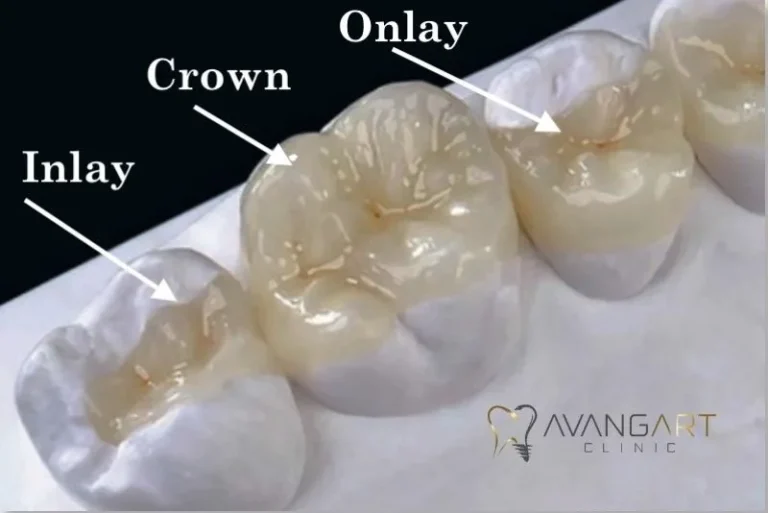
What Are Inlays and Onlays Fillings?
Inlays and onlays are special types of dental fillings made of durable porcelain or ceramic (or other materials like metal, zirconia, composite resin, etc). They are used when a tooth has lost too much structure, and a traditional filling would not be strong enough.
These fillings help in restoring the tooth’s structure and function while preserving as much of the natural tooth as possible. Any tooth decay is often cleaned before applying these restorations, and if the decay has already reached the nerve, root canal treatment may be needed first.
Think of inlays and onlays as puzzle pieces; When a tooth develops a cavity or is damaged, instead of filling it with soft material that hardens inside the tooth (as with traditional fillings), a custom-made ceramic piece is manufactured in a lab and glued into place. This increases its strength and durability.
Dentists often recommend inlays and onlays as a long-term, natural-looking, and comfortable solution for damaged teeth. These restorations are custom-made in a lab once the decay has been removed, and they are carefully attached to the tooth in the clinic. What was the result? A tooth that looks and feels exactly like it did before the trauma!
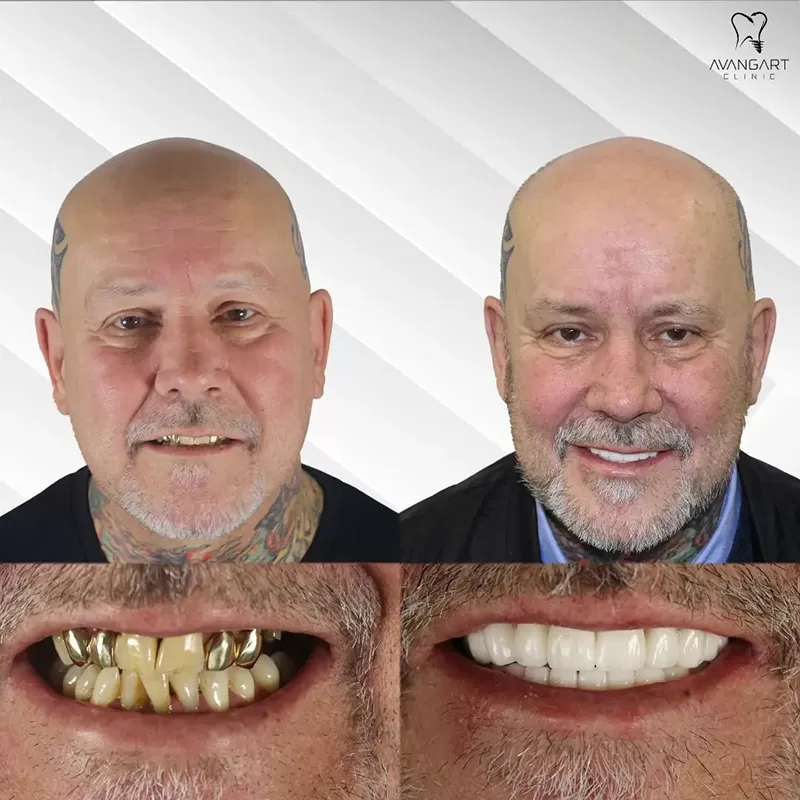
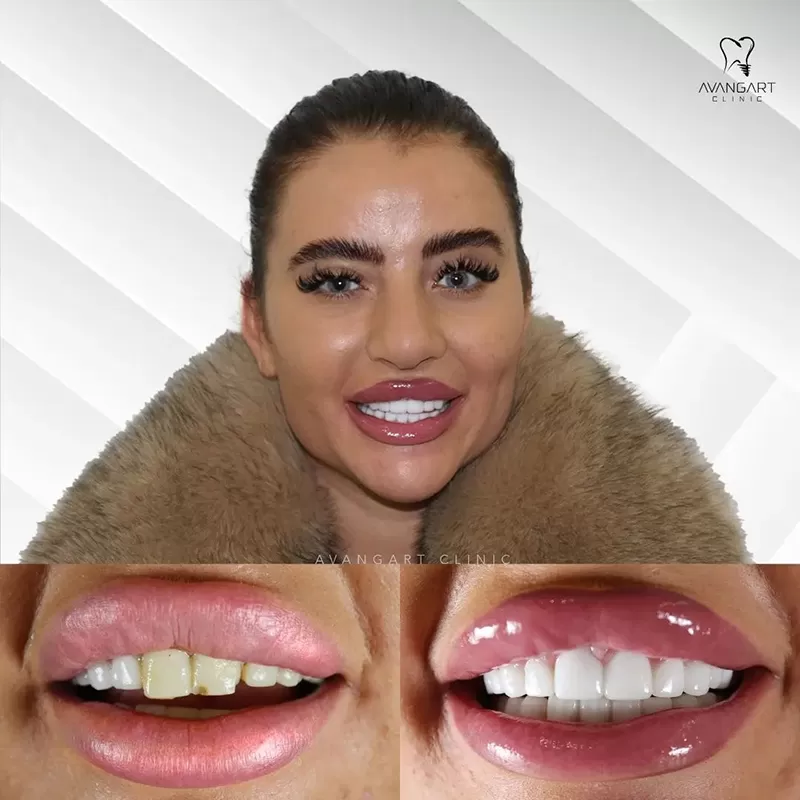
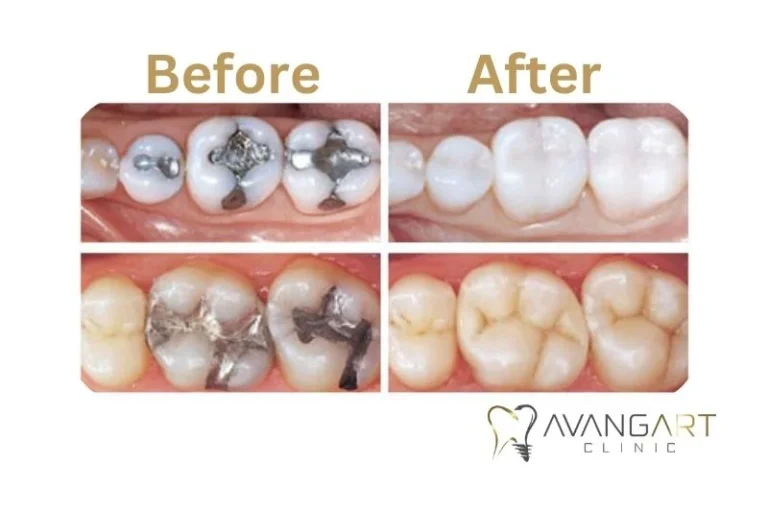
Real Patient Results Before & After
See how our inlay and onlay treatments restore damaged teeth with natural-looking, durable results. Each case below shows real restorative work completed at Avangart Dental Clinic using carefully selected materials for function, strength, and aesthetics.


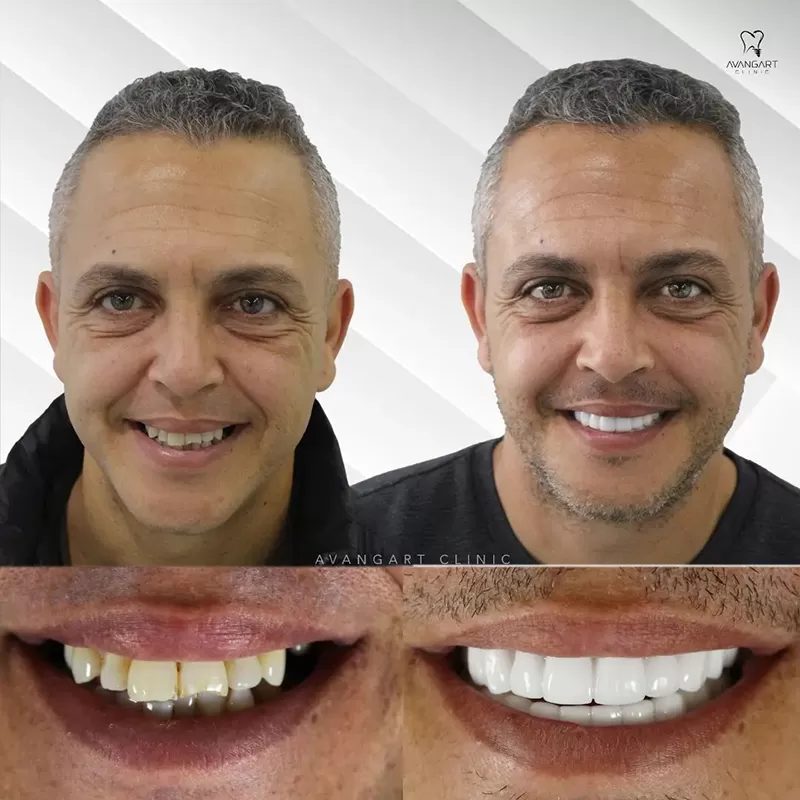
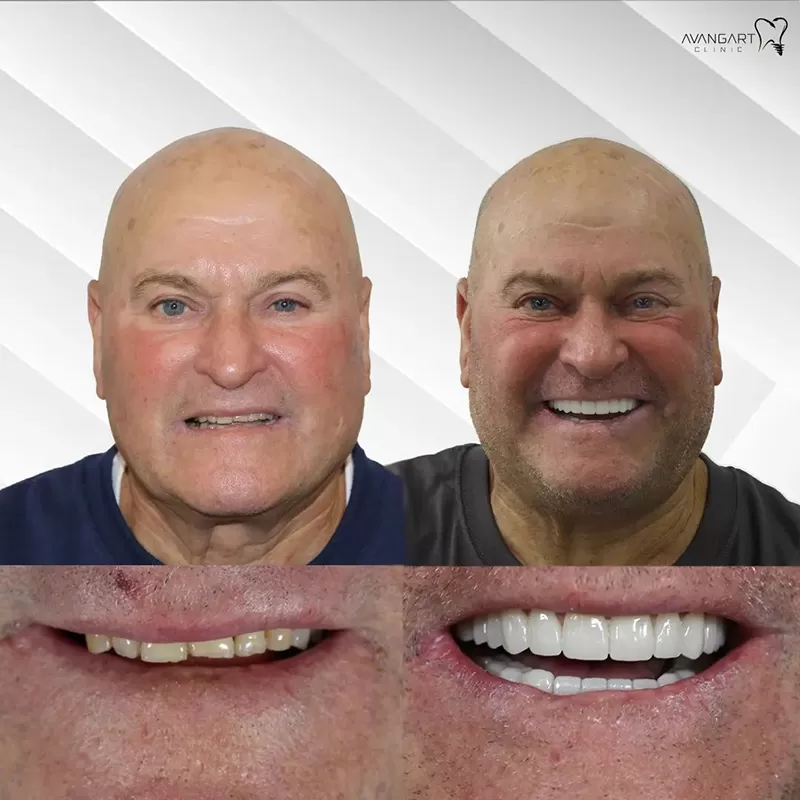
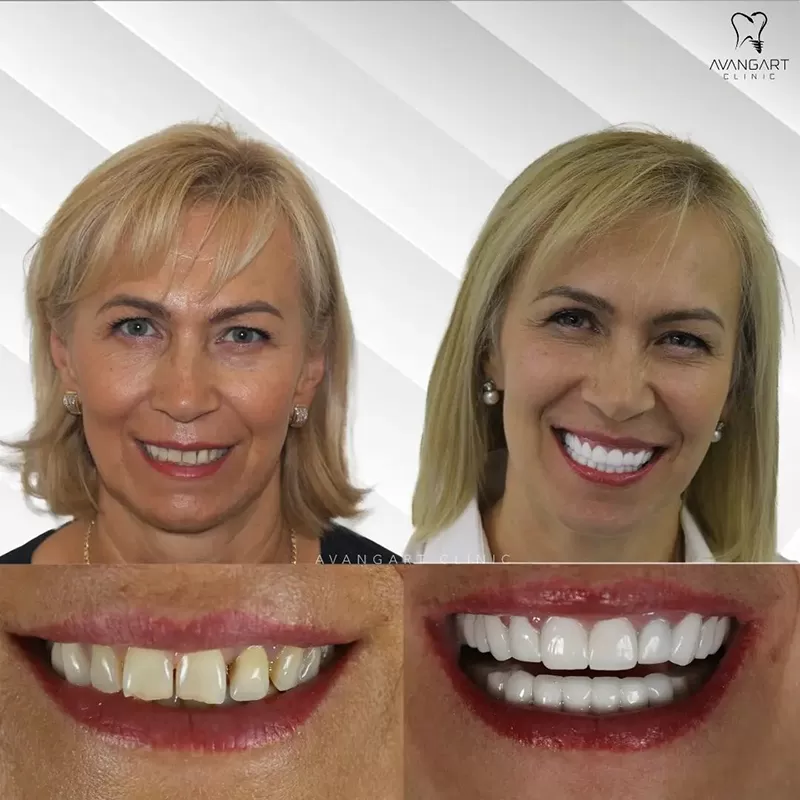
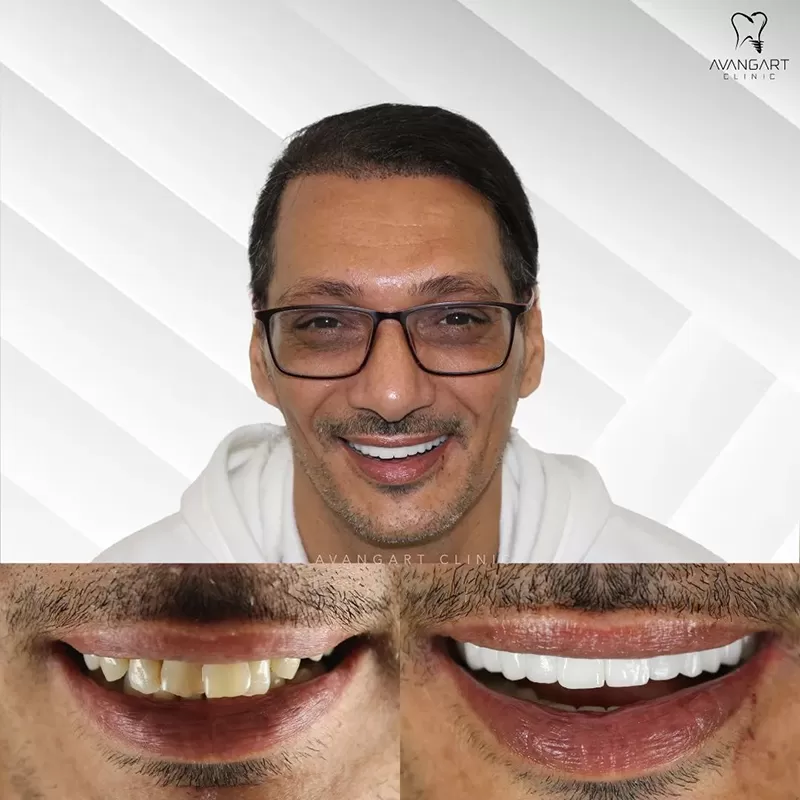

Inlays and Onlays Turkey Reviews
EXCELLENTTrustindex verifies that the original source of the review is Google. Service impeccable. Je suis venue pour des implants. La prise en charge a été rapide et la douleur pendant et après l’opération a été à peine ressentie. Clinique très professionnelle et chirurgien expert. Personnel très accueillant, en particulier la Directrice. Recommande à tous ceux qui sont à la recherche de professionnels pour régler des problèmes dentaires Suis venue finaliser la pose des implants et des couronnes. Résultat impécable!Posted on GoogleTrustindex verifies that the original source of the review is Google. I visited from England and had a positive experience. I went for a Hollywood Smile look and couldn’t be happier with them. The clinic was very aesthetic & clean, the staff were very attentive and supportive & I high recommend them.Posted on GoogleTrustindex verifies that the original source of the review is Google. İmplantlarımı ve zirkyonyumlarımı yaptırdım 2 sene önce iyiki yaptırmışım çok memnunum doktorum emrah hoca işinde çok iyi birisi tüm çalışanlara çok teşekkür ediyorum güler yüzlü anlayışları için gülşah hanıma ayriyetten teşekkür ederim 🌹Posted on GoogleTrustindex verifies that the original source of the review is Google. Çok güzel ve güveninirPosted on GoogleTrustindex verifies that the original source of the review is Google. Friendly and approachable staff, above all I haven’t experienced any pain what so ever, it does truly shows core professionalism. Coming from Wolverhampton, UK and made implant surgery with sinuslifting Gedi JafarPosted on GoogleTrustindex verifies that the original source of the review is Google. Ik Marco, hebt mijn gebit laten doen bij Avangart.. En ben door lieve mensen goed ontvangen en behandeld.. Kliniek zeer hygienisch en goede apparatuur.. Deze kliniek zo ik zeker aanraden om je laten behandelen..😁Posted on GoogleTrustindex verifies that the original source of the review is Google. I traveled from the U.S. and had Avantgart Clinic positively transform my smile in a manner that I wouldn’t have conceived as being possible. Dr. Egemen, a true master in his field, was patient, considerate, and communicative throughout the process and his assistant, Sevim, was a real joy to work with. Together, the two of them combined to make the overall experience much greater than I could have ever hoped for, and the end result is a smile that is on par with the most glamorous of Hollywood stars. I am extremely satisfied and would highly recommend Avangart Clinic to anyone looking to enhance their smile at a great price and of the highest quality.Posted on GoogleTrustindex verifies that the original source of the review is Google. Herkes mükemmel ıscılık mükemmel teşekkür edıyorumPosted on GoogleTrustindex verifies that the original source of the review is Google. Emrah bey‘in diş konusundaki tecrübesi, güler yüzü ve uzmanlığı nedeniyle diş tedavilerim için her seferinde Avusturya‘dan İstanbul’a gelmekteyim. Diş kliniği de son teknolojik donanıma sahip güven verici muayenehaneler içermekte.Posted on GoogleTrustindex verifies that the original source of the review is Google. Güler yüzlü ekip, temiz ve modern bir klinik. Tedavi sürecim baştan sona çok profesyoneldi. Gönül rahatlığıyla tavsiye ederim.Verified by TrustindexTrustindex verified badge is the Universal Symbol of Trust. Only the greatest companies can get the verified badge who has a review score above 4.5, based on customer reviews over the past 12 months. Read more
Avangart is Authorised by the Turkish Ministry of Health for International Dental Tourism.
Your health is our priority. Avangart Oral and Dental Health Polyclinic is fully authorized by the Ministry of Health to provide international health tourism services. This means our polyclinic has been independently verified to meet the high standards of safety, hygiene, and medical expertise required to serve the global community.

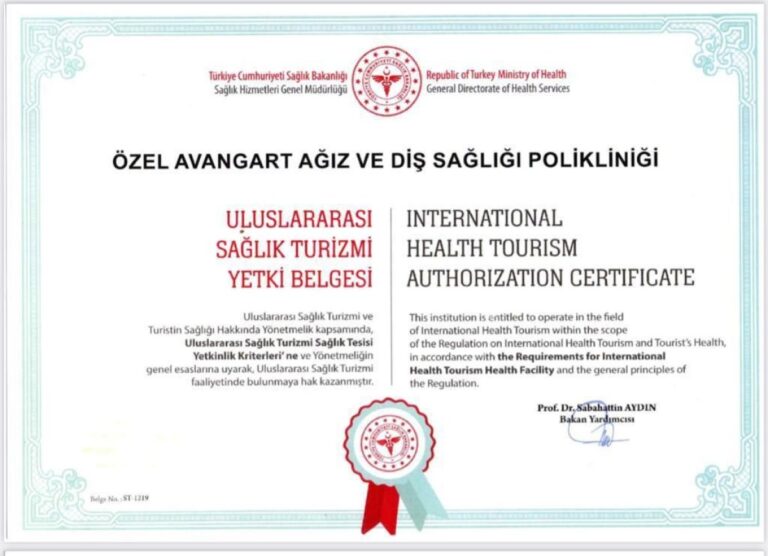
Table of Contents
In Which Situations Are Inlays and Onlays Preferred in Turkey?
These restorations are often used when a tooth has lost too much material for a standard filling but does not yet require a full crown. If a cavity is significant, eliminating the decay may leave only a small portion of the tooth. In these circumstances, inlays and onlays outperform composite fillings in terms of strength and durability.
They’re also an excellent choice for replacing old metal (amalgam) fillings. Ceramic inlays and onlays serve to protect and extend the life of teeth.
In a nutshell, these fillings are recommended for teeth that are too damaged for a basic filling but do not require a full crown. They help to restore strength, function, and look while preserving as much of the natural tooth as feasible.
How Much Do Inlays and Onlays Cost in Turkey? (UK vs. Turkey Comparison)
The inlay cost in Turkey is usually lower than the onlay price because an inlay restores a smaller area within the tooth, while an onlay covers more of the biting surface and extends over one or more cusps for added protection. At Avangart Clinic, treatment typically ranges from €250 to €500, depending on the size of the restoration, the material used, and the complexity of the case.
| Treatment | Prices in £ | Prices in € | Prices in $ |
|---|---|---|---|
| Ceramic Inlay | £205 - £237 | €237 - €275 | $277 - $321 |
| E-Max Inlay | £160 - £190 | €185 - €220 | $217 - $257 |
| Ceramic Onlay | £205 - £237 | €237 - €275 | $277 - $321 |
| E-Max Onlay | £160 - £190 | €185 - €220 | $217 - $257 |
In the UK, porcelain and ceramic inlays or onlays usually cost much more than they do in Turkey. In the USA, the price is often even higher, especially depending on the clinic, the material chosen, and how much of the tooth needs to be rebuilt.
These restorations also cost more than direct composite fillings for a simple reason: they are made outside the mouth as custom pieces. We take detailed measurements or create a digital model of your tooth, then your restoration is carefully prepared to match its shape and fit precisely. The price reflects that extra level of craftsmanship, the quality of the material, and the long-term strength and appearance of the final result.
Many of our international patients ask why treatment in Turkey is more affordable. The main reason is not lower standards. It is because clinic running costs, laboratory costs, and general living expenses in Turkey are lower than in countries like the UK and the USA. Turkey also has a strong medical tourism sector, which helps make high-quality dental treatment more accessible for overseas patients.
For this reason, a lower price in Turkey should not be seen as lower quality. Many patients choose our clinic in Istanbul because they want durable, aesthetic ceramic restorations at a more reasonable cost, while still receiving professional care and carefully planned treatment.
Inlay vs. Onlay vs. Crown: Which Restoration Do You Need?
If you are not sure whether you need a filling, an inlay, an onlay, or a crown, the main factor is how much healthy tooth is left. Once the decayed or damaged area has been removed, your dentist can see which type of restoration will give the best support.
| Restoration | Best for | Coverage | Main advantage | Main limitation |
|---|---|---|---|---|
| Dental filling | Small cavities and early tooth decay | Fills a small area only | Quick and cost-effective | Less durable for larger defects |
| Inlay | Damage inside the cusps | Fits within the tooth surface | Custom-fit, aesthetic, preserves more natural tooth substance | Not suitable if the tooth is too weak |
| Onlay | Larger damage affecting one or more cusps | Covers part of the biting surface and at least one cusp | Protects weak teeth without fully covering them | Requires more preparation than a filling or inlay |
| Dental crown | Severe damage, fractures, or very low remaining tooth structure | Covers the entire tooth | Best protection for heavily weakened teeth | More tooth reduction, more complex treatment |
Composite Filling vs. Inlays & Onlays: Key Differences Explained
Composite fillings, inlays, and onlays all serve to heal damaged teeth, although they do it in different ways. The composite fillings are placed directly in the mouth on the same day. The dentist removes the decay and fills the tooth instantly. Local anesthesia is often used to ensure patient comfort during this process.
Inlays and onlays, on the other hand, are customized porcelain fillings. After clearing the decay, the dentist takes measurements, and a lab manufactures a perfectly shaped filling that is then bonded to the tooth.
Porcelain inlays and onlays are tougher and more durable than composite fillings. They withstand chewing pressure better and do not discolor or stain over time. Composite fillings, on the other hand, can discolor if not cared for properly.
In short, composite fillings are quick and inexpensive, whereas inlays and onlays are longer-lasting and more resistant to wear.
Here is the simplest way to think about it:
- Small decay → Filling
- Damage within the cusps → Inlay
- Damage covering 1+ cusps → Onlay
- Extensive damage across the whole tooth → Crown
From our clinical perspective, we always prefer the most minimally invasive option that still gives long-term stability. When there is enough healthy tooth left, an inlay or onlay is often the more conservative choice because it allows us to keep more of your natural tooth than a crown would.
Inlays and onlays offer:
- natural appearance
- high compatibility
- strong wear resistance
- long shelf life
- protection for weakened tooth structure
However, when very little tooth structure remains, dental crowns usually provide better full coverage and long-term support.
How Much Do Inlays and Onlays Cost in Turkey?
The cost of inlays and onlays in Turkey varies according to the amount of the filling. Inlays cost less since they are tiny and fit inside the tooth. Onlays cost extra since they cover a bigger area and often extend beyond the edges.
In Turkey, the inlay price and onlay price are often between 250 and 500 Euros. Many patients ask about inlay cost, and the final amount depends on the tooth, the material, and the lab work involved. If you choose porcelain, the porcelain inlay cost is usually higher than composite because it is custom-made for a precise fit. Onlays may cost more because they cover a larger part of the tooth and usually require more detailed shaping.
Even though they are more expensive, they are an excellent investment. They protect teeth, blend seamlessly with your natural teeth, and can last for many years. Many patients choose them because they are durable, aesthetic, and conservative compared with full-coverage treatment.
What Materials Are Used for Inlays and Onlays?
At Avangart clinic, inlays and onlays can be made from several materials, each with its own advantages.
Gold:
Gold is a highly durable material for dental restoration, often used in the form of a gold inlay. It’s durable and long-lasting, making it an excellent solution for back teeth that do a lot of chewing. However, because it does not match the color of actual teeth, it is not ideal for use in conspicuous regions. Gold inlays are known for their quality and longevity, although they come at a higher price point compared to other materials.
Ceramic:
Ceramic is both durable and elegant. It withstands wear and blends well with natural teeth, making it a popular choice for individuals seeking durability and a natural appearance.
Composite Resin:
This material closely resembles the color of teeth and adheres effectively to their surfaces. It’s a durable and affordable choice with a natural appearance.
Zirconia:
zirconia, known for its strength, is frequently used when increased durability is required, particularly for rear teeth. It is also biocompatible, which means it works well with the body.
Porcelain:
Porcelain has a very natural appearance because it resembles the shine and color of real teeth. It’s an excellent option for people who want their dental work to blend in effortlessly.
Each material has advantages, and dentists select the best option based on the patient’s requirements! If the tooth needs a more premium full-coverage solution than an inlay or onlay can provide, we may also discuss emax crowns as part of your treatment options.
Inlays and Onlays Advantages: Why They're a Smart Choice for Restoration?
Inlays and onlays are excellent choices for repairing damaged teeth because they are durable, long-lasting, and natural-looking. They are effective for teeth that have lost a significant amount of structure, offering a long-lasting and exact fit that ordinary fillings may not achieve.
One significant advantage is that they do not shrink or change color over time, unlike certain other fillings. They are also resistant to temperature changes; consuming hot or cold foods will not harm them.
Porcelain inlays and onlays blend beautifully with natural teeth, making them one of the most aesthetic options available. They also help avoid future gum problems by providing a smooth, well-fitted surface.
Another advantage is that treatment time is shorter, making the experience more comfortable for patients. They are a reliable option for patients who want a restoration that is strong, aesthetic, and long-lasting.

Inlay vs. Crown: Which Is the Better Option?
The amount of damage to the tooth determines whether an inlay or a crown should be used. Inlays are ideal for moderate tooth damage. They are custom-made, look great with natural teeth, and last for more than 25 years. They offer a powerful, long-term solution without removing too much of the original tooth.
The dentist’s experience plays a crucial role in determining the cost and quality of the treatment. Crowns, on the other hand, are used when there is extensive damage or very little tooth remaining. They completely cover the tooth, providing exceptional protection and durability. Crowns, like zirconium crowns, also require more effort, are more expensive, and may not always be covered by insurance.
Both solutions are high-quality and effective, but if the damage is slight, an inlay is a safer option. If the tooth is too weak, a crown is the best option for long-term treatment.
What Is the Lifespan of Ceramic Fillings?
Ceramic fillings can last for 10 to 15 years without losing shape or strength. With proper oral care, they can last 20-30 years, if not a lifetime. Many Turkish patients have inlays and onlays that stay in excellent condition for decades. Brushing, flossing, and getting dental check-ups on a regular basis will help them last longer!
Your Treatment Timeline: How Many Days in Turkey?
The inlay and onlay process is usually organised into 2 visits over 3 to 5 days. This schedule allows us to prepare your tooth properly, make sure the restoration fits with precision, and deliver a result that looks natural and feels comfortable when you bite.
Day 1 – Consultation and tooth preparation
At your first visit, we will carefully examine the tooth and, if necessary, take X-rays. We then determine whether an inlay, onlay, or crown is the best choice. After numbing the area with local anaesthesia, we gently remove any decay or old filling material, shape the tooth, and take the necessary measurements for your custom restoration.
Day 2 or 3 – Design and fabrication
Once your tooth has been prepared, your ceramic restoration is created in a dental laboratory based on your digital scan or impression. It is then shaped to fit your tooth accurately and blend naturally with your bite and surrounding teeth.
Day 3 to 5 – Final fitting
We try in the restoration, check the contact points and bite pressure, then bond it securely in place. Small adjustments are made so it feels comfortable when you chew.
For suitable cases, we can also offer same-day ceramic restoration with CAD/CAM or CEREC technology. In this process, we use an optical impression instead of a traditional mould, create a digital 3D model, and design the restoration on computer software. A milling machine then shapes the ceramic piece from a solid block in just minutes.
This can reduce your treatment to a single day or one extended session, which is a major advantage if you are travelling to Turkey on a tight schedule.
Meet Our Expert Cosmetic Dentists
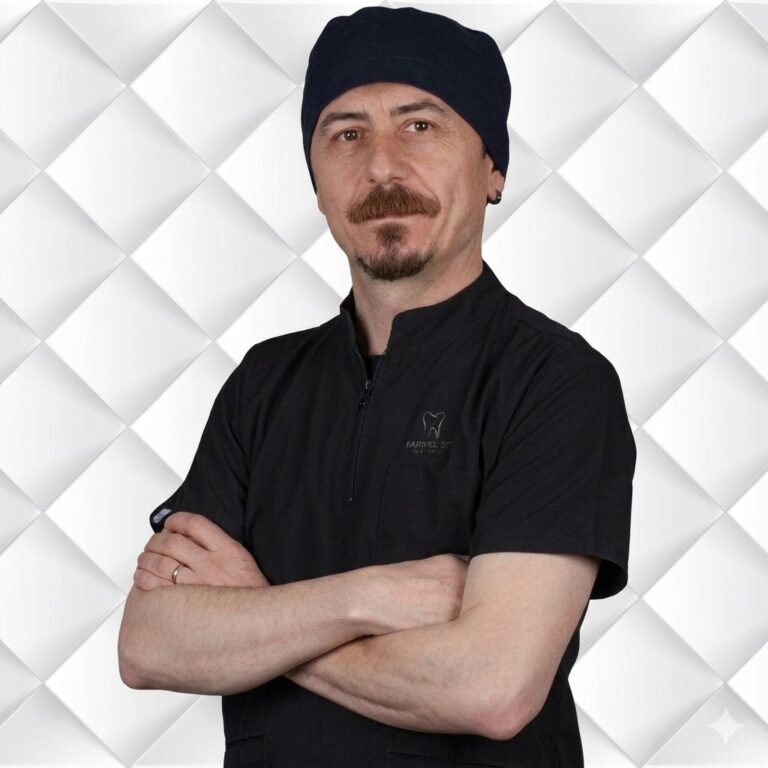
Dr. Egemen Aras is a cosmetic dentist with a strong focus on prosthetic dentistry, smile design, and implant-supported restorations. A graduate of Hacettepe University Faculty of Dentistry, he has built his career around restoring both function and appearance, which is especially important for patients who want natural-looking results as well as long-term comfort.
His background combines hands-on private practice, clinic management, and several years of treating both local and international patients in health tourism dentistry before joining Avangart Clinic in 2025. That mix of experience helps him take a careful, step-by-step approach, so patients can better understand their options, whether they are planning inlays and onlays, implant restorations, or a full smile makeover.
Why Choose Avangart Clinic for Your Dental Holiday?
At Avangart Clinic, we make your dental holiday in Istanbul simple, comfortable, and well organised from the moment you contact us. We know that travelling abroad for treatment can feel like a big step, so we guide you through each part of the process with clear communication and personal support.
Before you arrive, we will help you plan your treatment and provide detailed answers to your questions. During your stay, we assist you with airport transfers, hotel accommodations, and multilingual coordinators who keep you informed and comfortable.
In the clinic, our focus is always on care, precision, and natural-looking results. We use modern digital technology, including CAD/CAM systems, digital scanning, and CEREC workflows in suitable cases, to create custom restorations that fit well, feel comfortable, and look like a natural part of your smile.
We understand that peace of mind is important, especially once you return home after your treatment. That is why we offer detailed aftercare instructions and warranty coverage for eligible ceramic and zirconia restorations.
We believe your dental trip should feel smooth, comfortable, and well organised from start to finish.
Start Creating Your Treatment Plan!
You can contact us by filling out the pre-request form.
FAQs About Inlays & Onlays in Turkey
They help to rebuild damaged teeth while preserving the majority of the natural tooth structure. They outperform traditional fillings in terms of strength, longevity, and aesthetics, avoiding additional decay or damage.
The dentist eliminates decay, prepares the tooth, and makes an impression. After an examination, the dentist will discuss various treatment options, such as fillings and restorations, to help you understand the implications of each choice on cost and longevity. The inlay or onlay is then custom-made and attached with powerful dental cement. The inlay and onlay process is quick, often taking only one or two visits.
They can be more expensive than normal fillings and may require multiple visits. Some patients feel temporary sensitivity following placement, and in rare situations, the filling can crack if too much pressure is applied.
The procedure begins with the dentist removing any decay or damage from the tooth and thoroughly cleaning the surrounding area. After the tooth is prepped, an impression or digital scan is obtained to construct a custom-fitting inlay or onlay. This imprint is sent to a dental lab, or if the clinic uses CAD-CAM technology, the restoration can be completed on-site that day.
When the inlay or onlay is ready, the dentist places it into the tooth to ensure a precise fit. If everything looks good, a strong dental cement is applied to bind the repair to the tooth. Finally, the surface is polished and modified to provide a smooth, natural feel. The end result is a strong, long-lasting, and natural-looking restoration that blends in with your existing teeth!
Brush and floss your teeth every day, avoid biting hard objects, and schedule regular dental appointments. If you grind your teeth, a nightguard can protect the restoration.
Yes! They are made of solid, durable materials such as ceramic or porcelain and can survive for 10 to 30 years with adequate care. They also resist discoloration and temperature changes, making them a safe and dependable choice for long-term dental restoration.
Turkey provides high-quality dental care at a low cost. Clinics use the latest technology, and treatments are completed quickly—often in a single visit. Furthermore, you can have a relaxed vacation while receiving excellent dental care!
Some clinics offering dental ınlays and onlays restorations in Turkey include hotel and transfer packages, but it is not standard everywhere. Some packages may cover airport pickup, a hotel stay, and clinic transfers for patients coming from abroad. Always ask for a clear written list of what is included in the package, how many nights in the hotel are covered, and whether the price increases if your treatment needs an extra visit.