
Dental Crowns in Turkey: Types, Costs, and Complete Packages
Dr. Emrah YEŞİLYURT
Medically Reviewed by Dr. Emrah Yeşilyurt Founder of Avangart Clinic. Dr. Yeşilyurt ensures all clinical content meets the highest standards of dental accuracy and patient safety.
Our crown packages cover the crowns themselves, scans, temporary teeth, lab work, and hotel accommodation during your stay. Prices start from £175 per crown, although the final quote depends on how many teeth need treatment and which material suits your bite.
Travelling to Turkey for crowns can be worthwhile when the treatment is clinically necessary and planned by an accredited clinic. International patients can access recognised restorative materials, digital planning and affordable dental crowns in one coordinated trip.
At Avangart Dental Clinic, we provide dental crowns in Istanbul and are authorised by the Turkish Ministry of Health for international health tourism. We also hold AACI accreditation.
Türkiye has extensive experience in international healthcare. Official USHAŞ data show that 1,398,580 people travelled to Türkiye for healthcare services in 2025. Although the total includes all types of healthcare, it shows that Türkiye already has substantial experience in caring for patients travelling from abroad.
For suitable patients, crown treatment can protect damaged teeth, improve chewing, and create a balanced smile restoration. We assess each tooth individually and only recommend a crown when it offers a clear clinical benefit.
What Are Dental Crowns and How Do They Work?
A dental crown is a cap fitted to protect a damaged or weakened tooth. It restores the tooth’s shape and gives it enough protection to handle everyday biting and chewing.
A crown may be recommended when a tooth:
- Has a large fracture or extensive tooth decay
- Contains a filling that leaves little natural structure
- Has undergone root canal treatment
- Is severely worn by bruxism, erosion or an uneven bite
- Needs to support a dental bridge
- Has significant discolouration that cannot be treated conservatively
A crown restores and protects the tooth, but it cannot treat underlying dental problems. Before fitting the crown, we treat any decay, infection, damage to the tooth’s nerve or active gum disease.
When enough healthy enamel and dentine remain, dental fillings may be a less invasive alternative. Inlays, onlays or bonding may also preserve more natural tooth structure than full coverage.
Preparing a tooth for a crown is permanent because some enamel and dentine must be removed. Once this has been done, the tooth will always need a crown or a similar protective covering.
After treatment, you may notice temporary sensitivity, sore gums, or feel your bite has changed slightly. Less common problems include a loose or chipped crown, decay at its edge, or inflammation inside the tooth that may require root canal treatment.
Table of Contents
Dental Crowns vs. Veneers: Which Is Right for Your Smile?
Crowns and veneers can both change a tooth’s colour and shape, but they serve different clinical purposes. A veneer covers mainly the front surface, while a crown provides full coverage around the prepared tooth.
| Consideration | Dental crown | Veneer |
|---|---|---|
| Coverage | Encircles the visible tooth | Covers mainly the front surface |
| Main purpose | Protects and restores weakened teeth | Improves the appearance of relatively healthy teeth |
| Tooth reduction | Usually requires more preparation | Generally preserves more tooth structure |
| Suitable for | Cracks, large fillings, severe wear or root-canal-treated teeth | Staining, small chips, gaps or shape concerns |
| Bite protection | Provides broader structural coverage | Offers limited protection against heavy forces |
Veneers can be a conservative cosmetic option, although many types still require irreversible enamel reduction. They are not the right option when a tooth has lost substantial structure or needs protection from biting forces.
If a tooth is healthy but stained or slightly misshapen, a veneer may be suitable. If it is fractured, heavily restored or weakened, a crown will usually provide more appropriate coverage.
A professional assessment is still needed before deciding whether a crown or veneer is right for you. Send us clear photographs and a recent panoramic X-ray for an initial assessment, and we can explain which teeth may need crowns, veneers or no treatment at all.
Dental Crowns In Turkey: Before and After Results
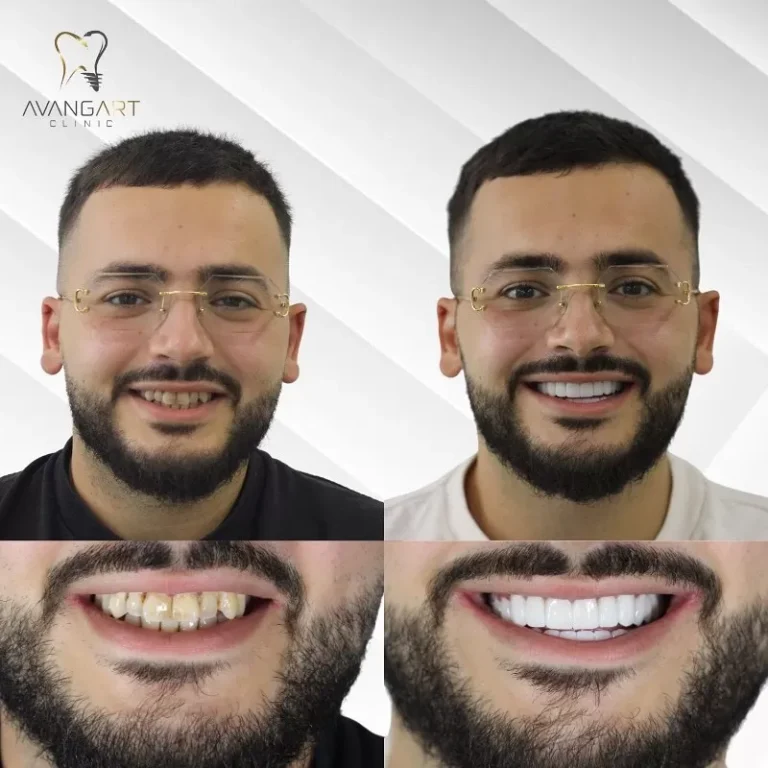
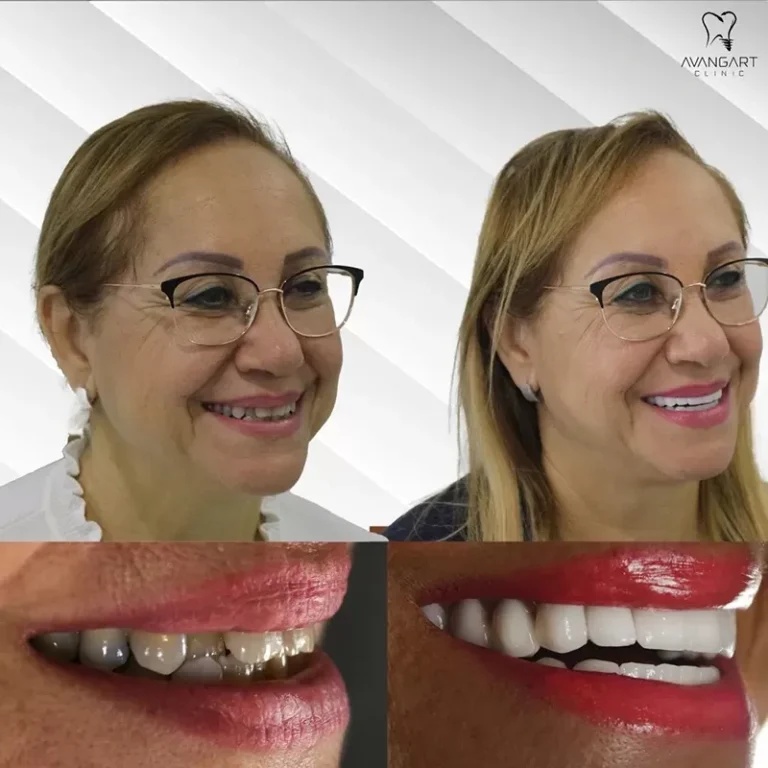
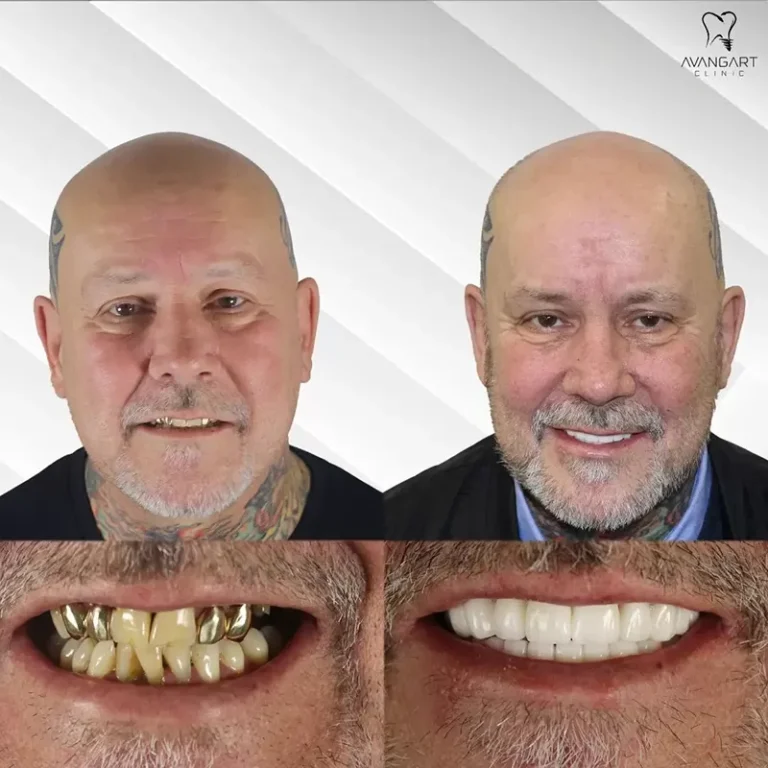
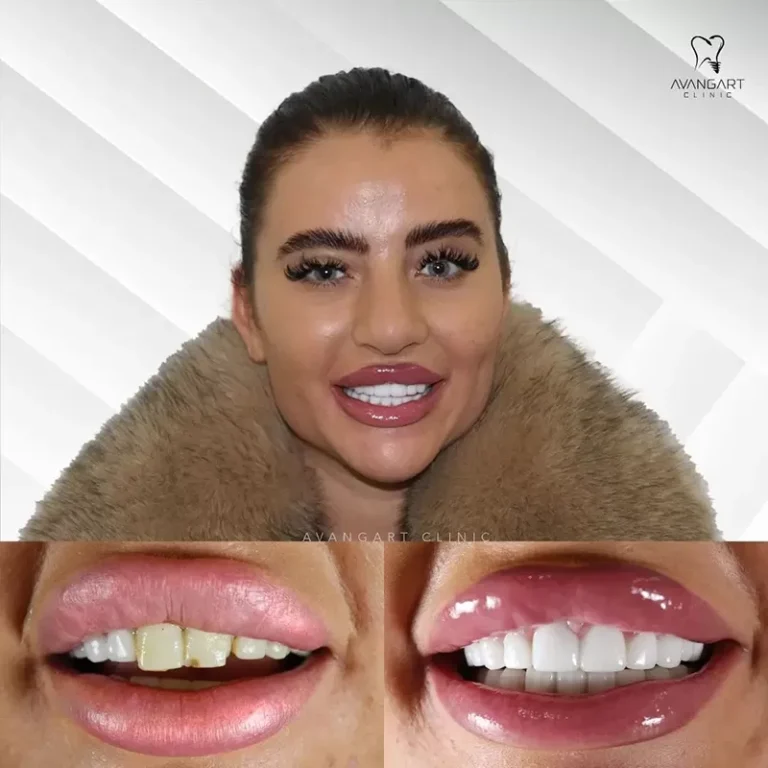
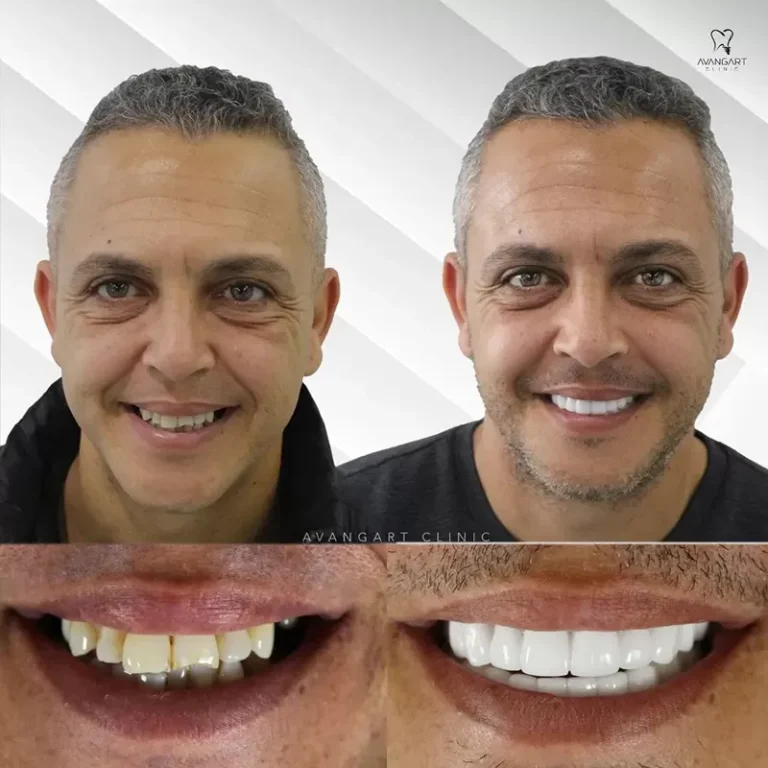
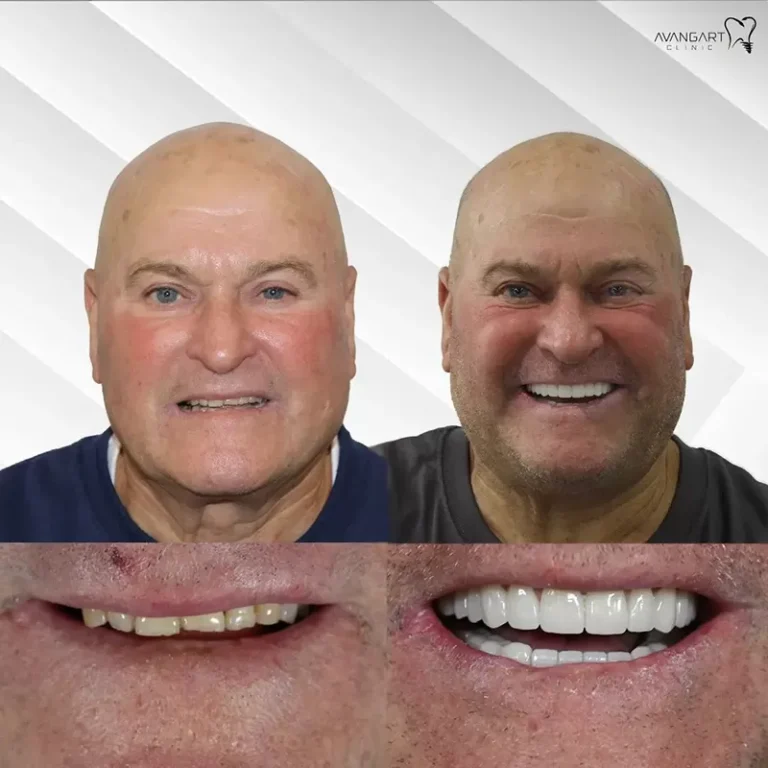
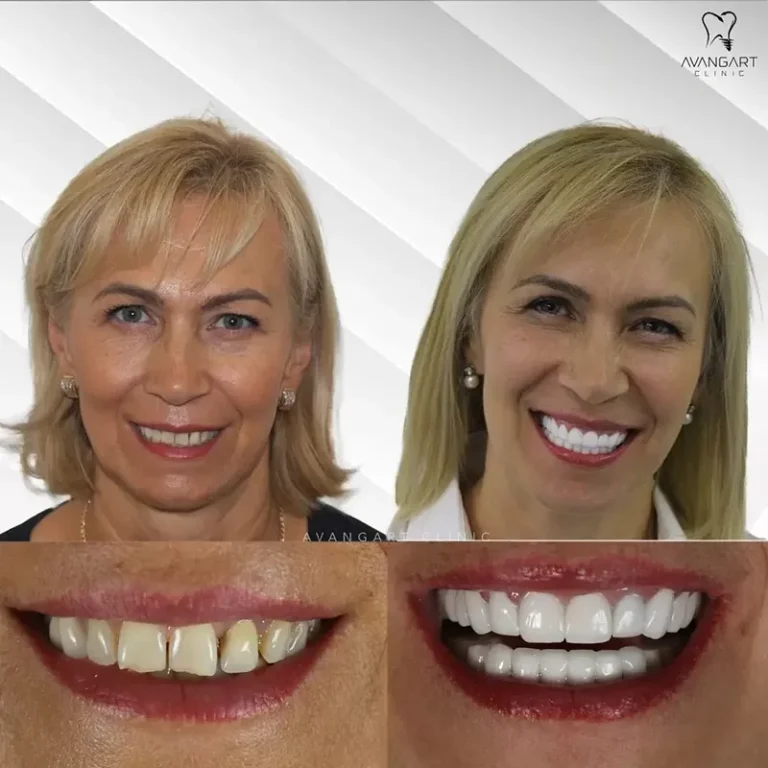
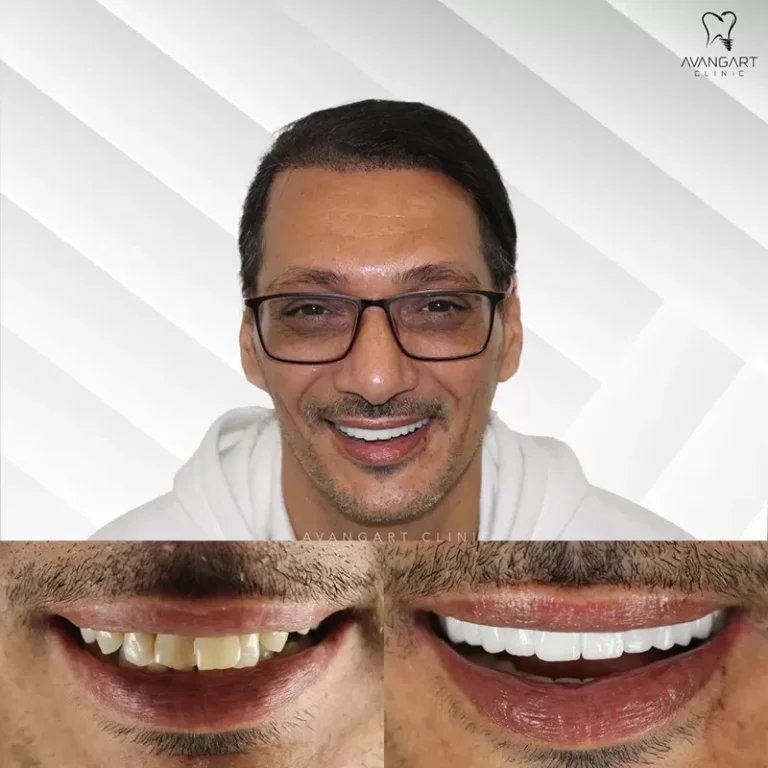
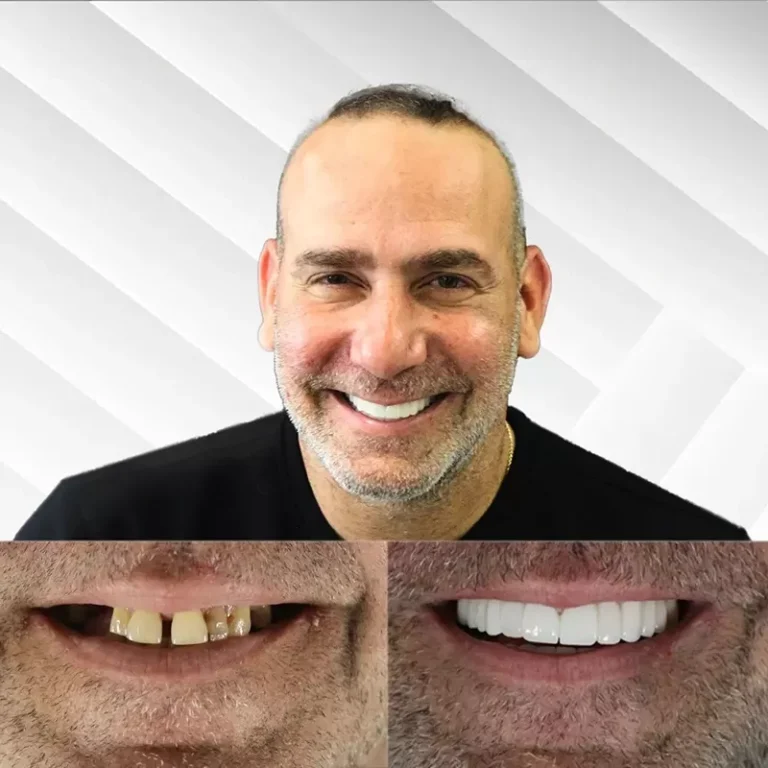
See how smiles change after crowns in our crown results gallery. In the “before” images, teeth may show chips, stains, or uneven edges. In the “after” images, they appear brighter, more even, and perfectly aligned. These transformations can restore masticatory function and confidence, helping patients chew more comfortably and smile more easily in photos.
EXCELLENTTrustindex verifies that the original source of the review is Google. Service impeccable. Je suis venue pour des implants. La prise en charge a été rapide et la douleur pendant et après l’opération a été à peine ressentie. Clinique très professionnelle et chirurgien expert. Personnel très accueillant, en particulier la Directrice. Recommande à tous ceux qui sont à la recherche de professionnels pour régler des problèmes dentaires Suis venue finaliser la pose des implants et des couronnes. Résultat impécable!Posted on GoogleTrustindex verifies that the original source of the review is Google. I visited from England and had a positive experience. I went for a Hollywood Smile look and couldn’t be happier with them. The clinic was very aesthetic & clean, the staff were very attentive and supportive & I high recommend them.Posted on GoogleTrustindex verifies that the original source of the review is Google. İmplantlarımı ve zirkyonyumlarımı yaptırdım 2 sene önce iyiki yaptırmışım çok memnunum doktorum emrah hoca işinde çok iyi birisi tüm çalışanlara çok teşekkür ediyorum güler yüzlü anlayışları için gülşah hanıma ayriyetten teşekkür ederim 🌹Posted on GoogleTrustindex verifies that the original source of the review is Google. Çok güzel ve güveninirPosted on GoogleTrustindex verifies that the original source of the review is Google. Friendly and approachable staff, above all I haven’t experienced any pain what so ever, it does truly shows core professionalism. Coming from Wolverhampton, UK and made implant surgery with sinuslifting Gedi JafarPosted on GoogleTrustindex verifies that the original source of the review is Google. Ik Marco, hebt mijn gebit laten doen bij Avangart.. En ben door lieve mensen goed ontvangen en behandeld.. Kliniek zeer hygienisch en goede apparatuur.. Deze kliniek zo ik zeker aanraden om je laten behandelen..😁Posted on GoogleTrustindex verifies that the original source of the review is Google. I traveled from the U.S. and had Avantgart Clinic positively transform my smile in a manner that I wouldn’t have conceived as being possible. Dr. Egemen, a true master in his field, was patient, considerate, and communicative throughout the process and his assistant, Sevim, was a real joy to work with. Together, the two of them combined to make the overall experience much greater than I could have ever hoped for, and the end result is a smile that is on par with the most glamorous of Hollywood stars. I am extremely satisfied and would highly recommend Avangart Clinic to anyone looking to enhance their smile at a great price and of the highest quality.Posted on GoogleTrustindex verifies that the original source of the review is Google. Herkes mükemmel ıscılık mükemmel teşekkür edıyorumPosted on GoogleTrustindex verifies that the original source of the review is Google. Emrah bey‘in diş konusundaki tecrübesi, güler yüzü ve uzmanlığı nedeniyle diş tedavilerim için her seferinde Avusturya‘dan İstanbul’a gelmekteyim. Diş kliniği de son teknolojik donanıma sahip güven verici muayenehaneler içermekte.Posted on GoogleTrustindex verifies that the original source of the review is Google. Güler yüzlü ekip, temiz ve modern bir klinik. Tedavi sürecim baştan sona çok profesyoneldi. Gönül rahatlığıyla tavsiye ederim.Verified by TrustindexTrustindex verified badge is the Universal Symbol of Trust. Only the greatest companies can get the verified badge who has a review score above 4.5, based on customer reviews over the past 12 months. Read more
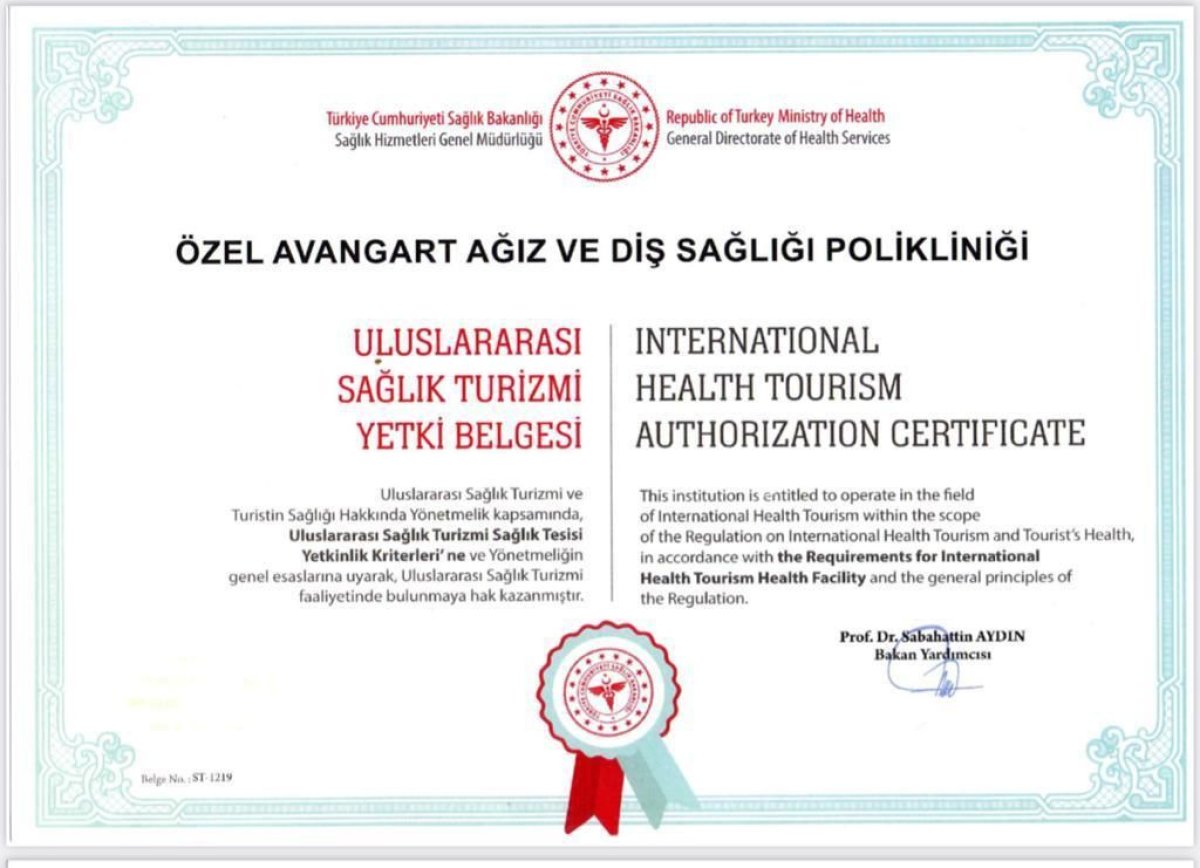
Avangart is authorized by the Turkish Ministry of Health for International Dental Tourism.
Your health is our priority. Avangart Oral and Dental Health Polyclinic is fully authorized by the Ministry of Health to provide international health tourism services. This means our polyclinic has been independently verified to meet the high standards of safety, hygiene, and medical expertise required to serve the global community.
Types of Dental Crowns Available in Turkey
The best material depends on where the tooth sits, how much biting pressure it receives and how much natural structure remains. We also consider gum tissue, the colour of the underlying tooth, available restoration thickness and any signs of teeth grinding.
We use digital scanners and CAD/CAM technology to check the fit, shape and colour of each crown. The most expensive material is not always the right one. A back tooth used for heavy chewing may need something different from a visible front tooth.
Zirconia Crowns: Maximum Strength and Aesthetics
Zirconia is a metal-free ceramic with high fracture resistance. Its strength makes it suitable for molars and premolars. Modern multilayered zirconia can also produce natural-looking results in visible areas.
Patients considering zirconium crowns in Turkey often choose them because they:
- Withstand substantial chewing pressure
- Contain no metal framework
- Avoid the grey gum-line effect associated with some metal-supported crowns
- Work well for patients who need greater fracture resistance
A monolithic crown is made entirely from zirconia, without a separate outer layer of porcelain. This can reduce the risk of chipping, although the dentist must still polish and adjust it carefully so it does not place unnecessary pressure on the opposing tooth.
In a five-year prospective study of posterior monolithic zirconia crowns, 98% remained in use, with no crown fractures or fissures reported. Longevity still varies according to the supporting tooth, bite pressure, bruxism and aftercare.
E-Max Crowns: Premium Translucency for Front Teeth
E-Max is a lithium disilicate glass ceramic known for its lifelike translucency. It reflects light in a way that can closely resemble natural enamel, which makes it particularly useful for front teeth and the visible smile zone.
We commonly consider E-Max crowns in Turkey when a patient wants:
- High translucency in the front teeth
- Detailed shade and character matching
- A metal-free restoration
- A natural-looking cosmetic smile makeover
- A bonded crown where sufficient tooth structure remains
Are E-Max crowns better than zirconia? E-Max usually looks more lifelike on front teeth because light passes through it in a way that resembles enamel. Zirconia is often the safer choice for a back tooth that takes more chewing pressure.
A patient who grinds heavily may be better suited to zirconia or may need a protective night guard. Material choice also depends on the colour of the prepared tooth because a dark underlying tooth can show through a highly translucent restoration.
Porcelain-Fused-to-Metal (PFM): Durable and Budget-Friendly
A PFM crown combines a metal substructure with an outer porcelain layer. The metal provides strength, while the porcelain creates a tooth-coloured surface.
For patients comparing porcelain crowns in Turkey, PFM can be a practical option for back teeth, long-span restorations and budget-conscious cases. These metal-supported crowns have a long clinical history and can provide reliable strength for everyday biting and chewing when carefully planned and fitted.
PFM is less translucent than E-Max and some modern zirconia materials. If the gum line recedes over time, the dark metal edge may become visible. The outer porcelain layer can also chip occasionally.







How Much Do Dental Crowns Cost in Turkey?
The current dental crown cost in Turkey at our clinic starts from £175 per tooth. Your final quote depends on the material selected, the number of crowns and the condition of each tooth. If a tooth needs additional care such as a core build-up, root canal treatment, or a post for a root-treated tooth with limited remaining structure, we will explain this in your treatment plan before you proceed.
Our complete crown pricing also covers related treatments such as scans, fillings and root canal treatment. Before you travel, we provide a written plan confirming the costs that apply to your case.
Crown Material Starting Price Per Tooth
Porcelain-fused-to-metal
£175
Zirconia
£175
E-Max
£295
Turkey, UK and US price comparison
Private fees vary by material, location and treatment complexity. Here is an indicative comparison of private crown fees in Turkey, the UK and the US.
| Treatments | Türkiye | UK | US | Europe | Save |
|---|---|---|---|---|---|
| Metal Porcelain Crown (Per Unit) | £115 | £800 | $1081 | €920 | 85.6% |
| Zirconium Crown (Per Unit) | £175 | £1200 | $1622 | €1380 | 85.4% |
| E-max Crown (Per Unit) | £300 | £900 | $2116 | €1035 | 66.7% |
These prices are not directly like-for-like. Laboratory work, preparatory treatments, crown materials and package inclusions can affect the final cost. Always compare itemised treatment plans rather than headline prices alone.
Turkey’s lower fees largely reflect operating costs, laboratory expenses, wages and currency differences. A lower price does not remove the need to examine clinical credentials, material traceability, infection-control standards and aftercare.
Remember to add flights, meals and any treatment excluded from the package when calculating out-of-pocket savings.
Price of a Full Set of Crowns in Turkey (Full-Mouth Restoration)
A full-mouth restoration does not automatically mean crowning every tooth. We examine each tooth separately and preserve healthy enamel wherever a more conservative treatment can achieve a reliable result.
For suitable patients considering full-mouth crowns, the following figures provide a range. Your final quote will depend on how many teeth can be safely crowned and which material is selected.
Zirconium Crowns Turkey
24 teeth: £4,200
28 teeth: £4,900
E-max Crowns
24 teeth: £7200
28 teeth: £8400
Metal-Supported Crowns
24 teeth: £2760
28 teeth: £3220
If a tooth is missing, an ordinary crown cannot be placed because there is no natural tooth beneath it to support the restoration.
Depending on the gaps and condition of the neighbouring teeth, we may discuss dental bridges or dental implants for crown support. Jawbone density is relevant to implant treatment, but it does not determine whether a natural tooth can support an ordinary crown.
Send us your panoramic X-ray for an initial smile design cost and tooth-by-tooth assessment. The final plan can only be confirmed after your physical examination in Istanbul.
What Is Included in Our Dental Crown Packages?
Our crown packages set out your treatment and agreed travel arrangements in one clear plan. Before you book, we confirm exactly what is included, what is optional and whether any additional costs may apply.
A package can include:
- The agreed number and material of permanent crowns
- Clinical examination and treatment planning
- Panoramic X-rays and CBCT imaging where clinically indicated
- Digital impressions with an intraoral scanner
- CAD/CAM design and dental laboratory work
- Shade selection and smile design
- Temporary crowns
- Trial fittings, bite adjustments and final cementation
- VIP airport, hotel and clinic transfers upon request
- Hotel accommodation upon request
- English-speaking patient coordinators and translation support
- Written aftercare instructions
- A five-year crown guarantee, subject to policy terms
Flights are not included. Your quote identifies the number of hotel nights, transfers and clinical procedures covered so you can compare it accurately with other all-inclusive dental packages.
If the in-person examination reveals an unexpected infection or another condition, we discuss the finding and any additional fee before proceeding. We do not add treatment without your informed consent.
- 8 Porcelain Crowns
- Panoramic X-Ray
- VIP Transfer (Upon Request)
- Hotel Stay (Upon Request)
- Free Consultation
- English-speaking Coordinators
- 5-7 Working Days
- 8 Porcelain Crowns
- Panoramic X-Ray
- VIP Transfer (Upon Request)
- Hotel Stay (Upon Request)
- Free Consultation
- English-speaking Coordinators
- 5-7 Working Days
- 8 Porcelain Crowns
- Panoramic X-Ray
- VIP Transfer (Upon Request)
- Hotel Stay (Upon Request)
- Free Consultation
- English-speaking Coordinators
- 5-7 Working Days
Book Your FREE Consultation For Dental Treatments!
Who Is the Ideal Candidate for a Dental Crown?
A crown needs a stable tooth underneath it. We therefore check how much healthy tooth remains, whether the root is sound and whether the surrounding gums are healthy enough for treatment.
Crowns may be appropriate for patients with:
- A fractured, cracked or severely worn tooth
- A large filling with weakened surrounding walls
- Extensive decay that cannot be restored predictably with a filling
- A root-canal-treated premolar or molar needing protection
- Severe discolouration combined with structural damage
- A tooth being used as part of a dental bridge
- A bite that can be stabilised before final crown placement
Active periodontitis must be treated and brought under control before crowns are placed. Swollen or bleeding gums can affect the crown’s fit at the gum line and make long-term cleaning more difficult.
A severely infected tooth may require root canal treatment before crown placement. If the natural root structure is fractured or cannot be restored, extraction and replacement may offer a safer prognosis.
Bruxism also requires attention. Grinding can overload crowns, natural teeth and jaw muscles, so we may adjust the material, bite design, or recommend a custom night guard.
Bone density does not usually affect a tooth-supported crown. It becomes important if an unsalvageable tooth must be extracted and replaced with an implant.
We can provide an initial opinion from photographs and an X-ray, but the final decision is made after examining you in person. Some cases need a panoramic X-ray or 3D dental scan, while a straightforward single crown may not require both.
The Dental Crown Procedure: Your 5-Day Journey in Turkey
Most uncomplicated crown cases take around five working days and involve three or four clinic visits. Complex treatment, active infection, gum therapy or significant bite changes may extend the stay to seven days or require staged care.
Before you book your flights, we confirm your expected schedule and explain each stage of the crown treatment process, from your consultation to the final fitting.
- Day 1: Examination, planning and preparation
We examine your teeth, gum tissue and bite and review the relevant X-rays. The dentist confirms which teeth genuinely require crowns and discusses material, shape, shade and expected limitations.
Local anaesthesia keeps the preparation comfortable. After removing decay or unsuitable restorations, the dentist carefully shapes each tooth while preserving as much healthy structure as the case permits.
An intraoral scanner captures digital impressions. We record your bite, smile line and shade before placing temporary crowns.
- Day 2: Digital design and laboratory production
Our clinical and laboratory teams use CAD/CAM technology to plan the contours, contact points and bite surfaces. We ensure every custom design allows easy cleaning along the gum line while creating a natural, balanced appearance.
Attendance on Day 2 is usually optional. You will only visit the clinic if your case requires a brief shade verification or digital smile review; otherwise, you can enjoy a rest day in Istanbul while our laboratory team crafts your custom restorations.
- Day 3: First trial fitting
We test the restorations before final cementation. Your dentist checks margin fit, contact between neighbouring teeth, speech, tooth length and how the upper and lower teeth meet.
This is the right time to discuss visible changes. Small laboratory refinements are easier to make before the crowns are permanently fitted.
- Day 4: Refinement and final try-in
Any requested and clinically appropriate changes are completed. We recheck your bite in multiple jaw positions to ensure the crown feels just as natural while actively chewing as it does when your jaw is relaxed.
Once you and your dentist approve the fit, shade and shape, the restorations are prepared for final placement.
- Day 5: Final fitting and aftercare
The teeth are cleaned, isolated and prepared for cementation or adhesive bonding. Each crown is fitted, excess cement is removed, and the bite is checked again.
Before you leave, we show you how to brush and floss around the new margins. We also provide aftercare guidance, relevant records and information about contacting us after you return home.
The Role of Temporary Crowns During Treatment
You will not be left with visibly prepared teeth while the laboratory makes the permanent restorations. We place temporary crowns immediately after preparation to cover exposed dentine, limit sensitivity and maintain your appearance.
Temporary restorations preserve tooth position and guide healthy gum contours while acting as a real-life preview, letting us test the fit, shape, and length before crafting your final permanent set.
You can eat and smile during this stage, but temporary cement is intentionally easier to remove. Avoid hard or sticky foods, chew carefully and contact us if a temporary crown becomes loose.
Dental Crowns Before and After Transformations
Before-and-after images can show improvements in tooth shape, visible fractures, severe discolouration and smile balance. They may also demonstrate how treatment restored contact between teeth and supported more comfortable chewing.
When reviewing a case, look beyond whiteness. Examine whether the tooth proportions suit the patient’s face, the midline appears balanced, the gum margins look healthy, and the final shade has natural variation.
Photos can show how a smile looks, but they cannot tell you whether the roots are healthy or whether the new teeth feel comfortable when biting. That is why we assess the clinical result as well as the appearance.
Even heavily damaged smiles may have several treatment options. Some teeth can be restored with crowns, while others may require periodontal care, root canal treatment, extraction or replacement.
Our crown results gallery includes completed patient cases showing changes in tooth shape, smile balance and visible damage. You can also send your own photographs for a free preliminary digital smile preview, although the final plan requires an in-person assessment.
Comprehensive Dental Treatments Offered at Avangart Clinic
Book Your FREE Consultation For Dental Treatments!
Why Choose Avangart Clinic for Your Dental Crown Treatment?
Price is important, but it should not be the only reason you choose a clinic abroad. Before booking, you should know who will treat you, which materials will be used and who you can contact if you need help after returning home.
Our approach includes:
- Experienced restorative and cosmetic dentists
- Digital impressions, CAD/CAM planning and detailed shade matching
- Recognised materials, including Ivoclar IPS e.max and Nacera zirconia
- Tooth-by-tooth planning that avoids unnecessary preparation
- English-speaking patient coordinators
- Itemised prices before treatment
- International aftercare support
- A written five-year crown guarantee
All treatments are delivered within an internationally accredited facility, backed by official licensing from the Turkish Ministry of Health and AACI certification.
Our crown and bridge guarantee covers breakage, chipping and cement failure for five years, subject to its exclusions and aftercare requirements.
Start Creating Your Treatment Plan!
You can contact us by filling out the pre-request form.
Frequently Asked Questions About Dental Crowns in Turkey
Tooth preparation is performed under local anaesthesia, so you should not feel sharp pain. Pressure and vibration are normal. While mild sensitivity is expected while wearing temporary crowns, please inform us immediately if you feel persistent pain or swelling so we can examine the tooth before your final fitting.
Brush twice daily with fluoride toothpaste and clean around each crown with floss or an interdental brush. Attend routine examinations and hygiene appointments. Avoid biting ice or hard objects, and wear a prescribed night guard if you grind your teeth.
The crown material cannot decay, but the natural tooth underneath it can. Plaque may collect where the crown meets the tooth, leading to decay around the margin. Daily brushing, flossing and regular dental examinations help protect the supporting tooth.
Longevity varies with the supporting tooth, crown fit, material, oral hygiene and bite forces. A study of 1,037 tooth-supported single crowns estimated survival of 89.9% at five years and 80.9% at ten years.
Once your numbness wears off, you can eat normally, though sticking to softer foods for the first day is best. Please avoid hard or sticky foods for 24 hours unless your dentist here directs otherwise. Reach out to our team immediately if the crown feels high or uncomfortable when biting so we can fine-tune your fit.
Stop chewing on that tooth and contact us promptly. Do not attempt to glue or push the crown back into place. We may request photographs or a local X-ray before advising whether the crown needs re-cementation, adjustment or replacement.