
Zirconium Crowns in Turkey: Costs, Quality & Safety
Dr. Emrah YEŞİLYURT
Medically Reviewed by Dr. Emrah Yeşilyurt Founder of Avangart Clinic. Dr. Yeşilyurt ensures all clinical content meets the highest standards of dental accuracy and patient safety.
A well-planned smile makeover should do more than cover damaged teeth. It should restore strength, improve harmony, and look natural in everyday life. At Avagart Dental Clinic in Istanbul, we provide zirconia crown turkey treatment using modern zirconium dioxide restorations that are durable, metal-free, and designed to blend with the surrounding teeth and gums.
For many international visitors, the biggest advantage is value without compromise. When comparing zirconium crowns cost turkey options with prices in the UK, Europe, or other overseas markets, the savings can be substantial, especially for multiple teeth. That makes Turkey an attractive choice for people who want high clinical standards, careful smile planning, and a more affordable route to treatment.
Cost matters, but so does how the work is done. We plan each case around the condition of the enamel, bite, gingival margin, and overall smile line before any tooth preparation begins. With digital smile design, digital impressions, and CAD/CAM technology, we create zirconium crowns with a precise fit, reliable fracture resistance, and the translucency needed for a brighter, more natural appearance across both front teeth and back teeth.
That is why choosing a full set of zirconia crowns can often be a smarter long-term investment than correcting each dental issue separately. Instead of treating one visible problem at a time, a full smile makeover can address worn teeth, severe discoloration, old restorations, and uneven proportions in one coordinated treatment plan. When needed, we can also organize a zirconium crown turkey package that makes the treatment journey to Istanbul smoother and more predictable from consultation to final fitting.
- Medical Disclaimer: The information provided in this article is for educational purposes only and is medically reviewed by Dr. Emrah Yeşilyurt. It does not constitute medical advice, diagnosis, or treatment. Dental procedures carry inherent risks, and individual results vary based on clinical health. A comprehensive in-person examination is required to determine the suitability of Zirconium crowns for your specific case.
Zirconium Crowns in Turkey Reviews - Before & After
Below are a few before and after images from our transformation gallery of previous patients.


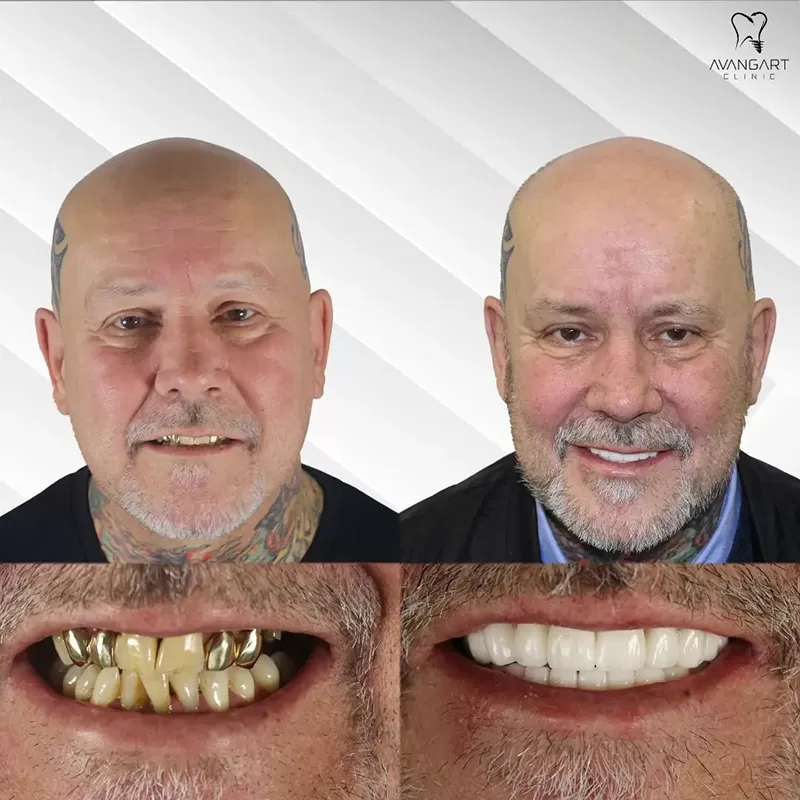
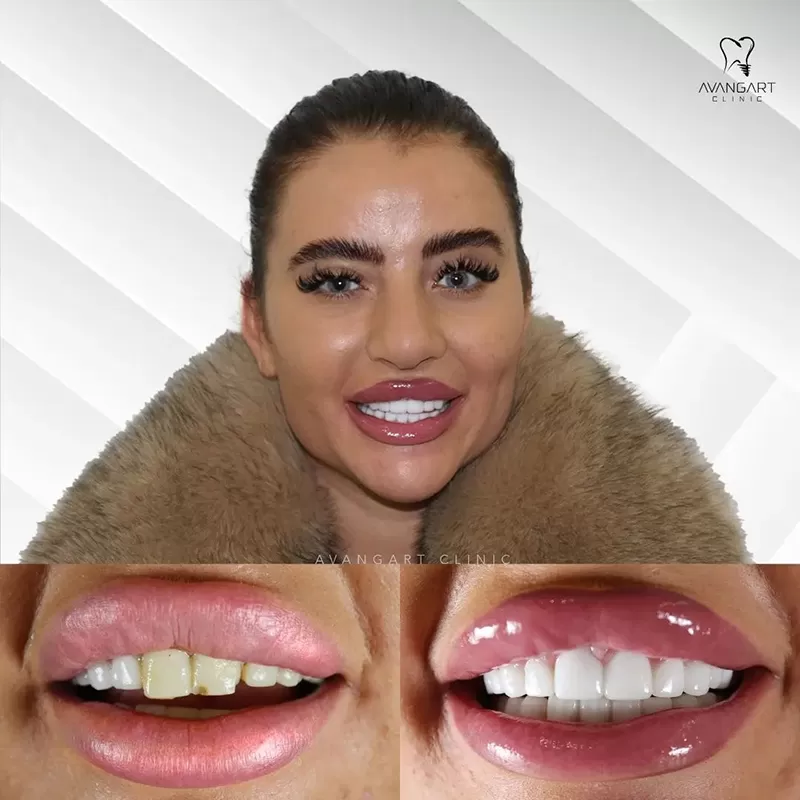
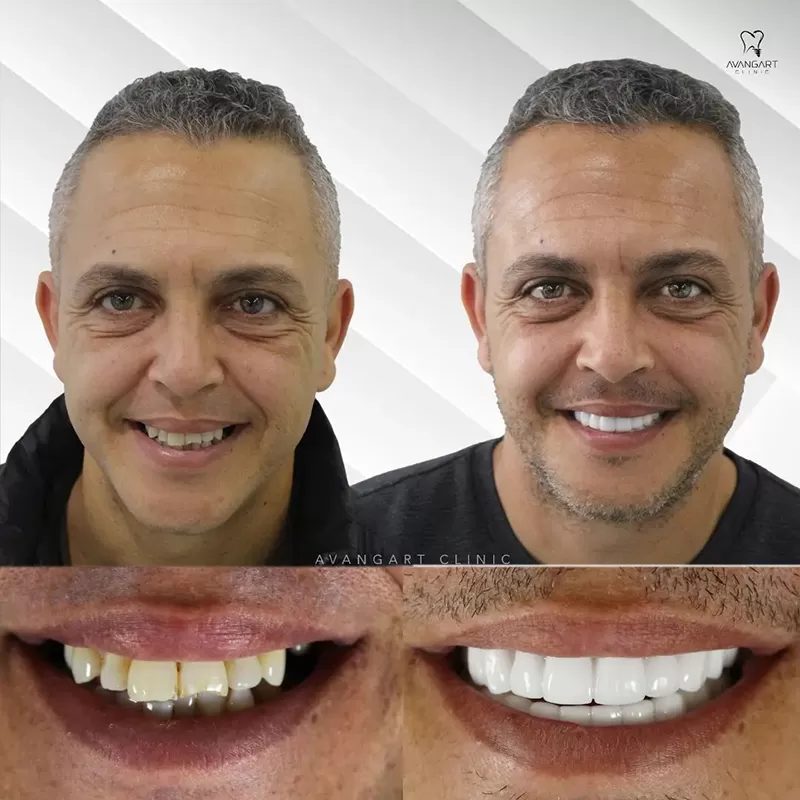
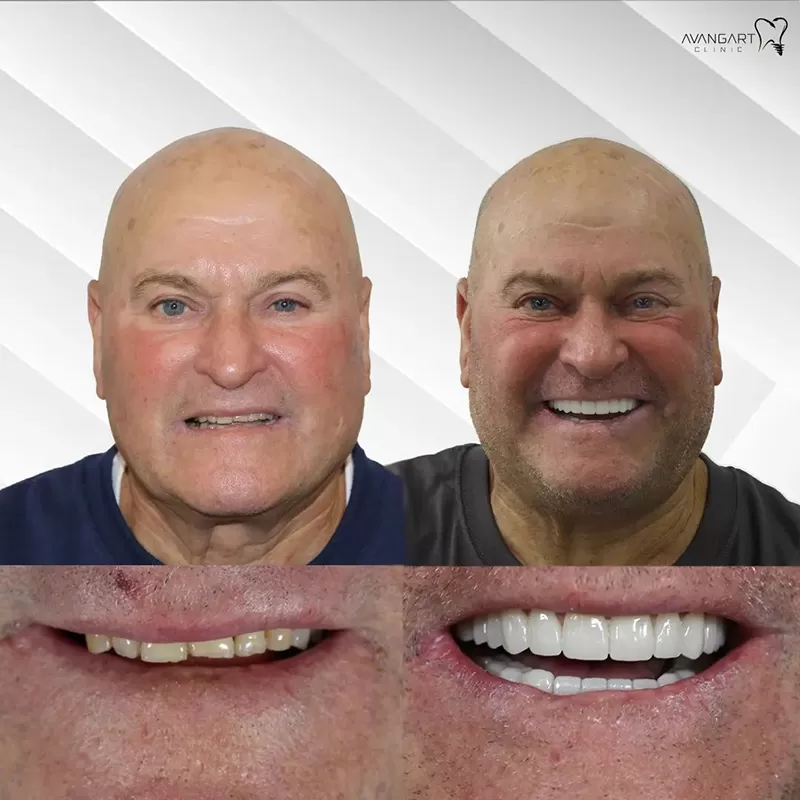
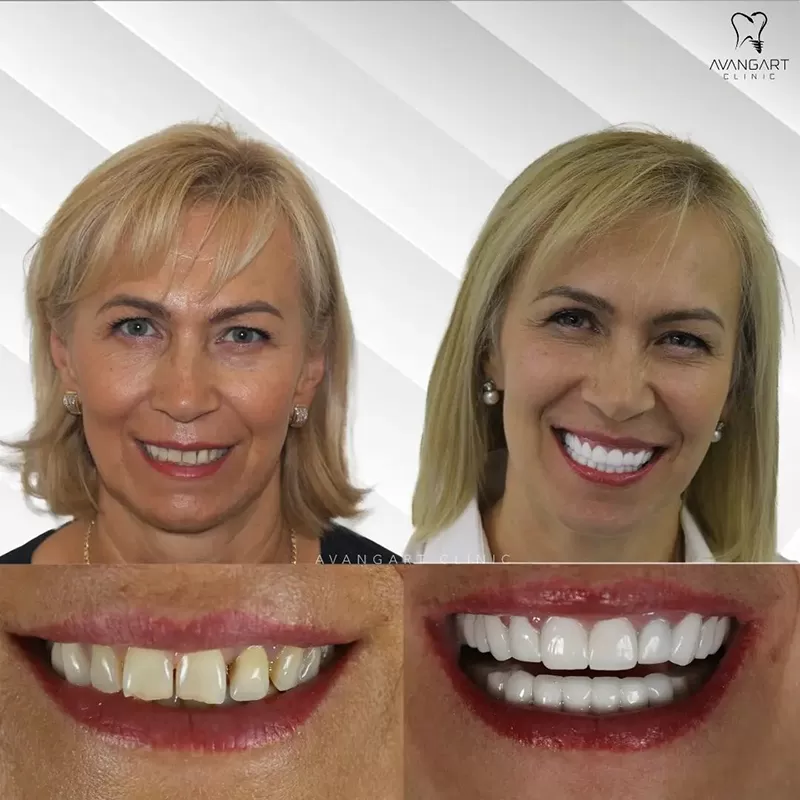
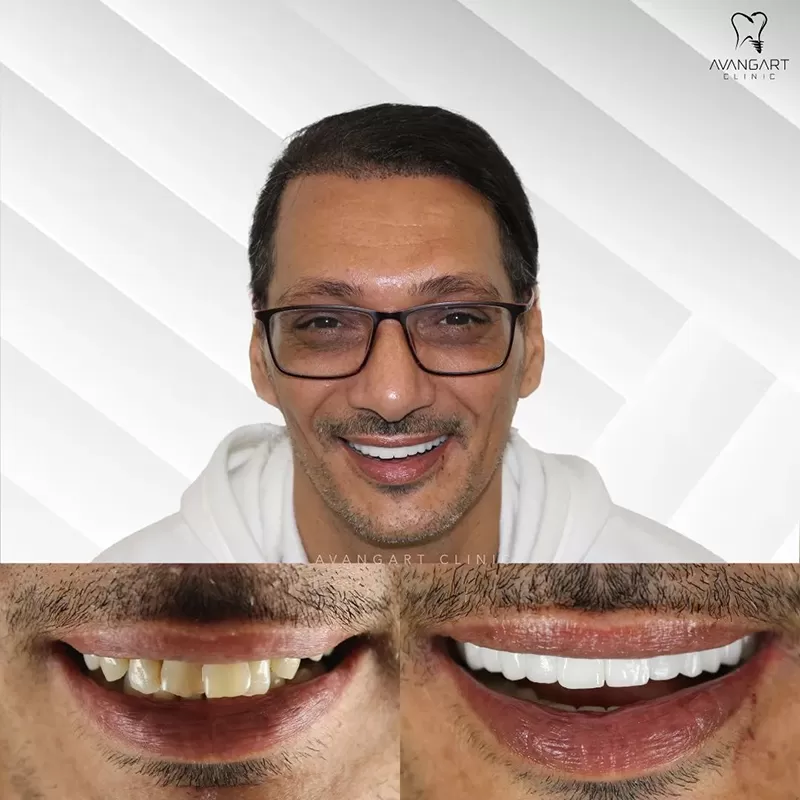

Zirconium Crowns Turkey Reviews
EXCELLENTTrustindex verifies that the original source of the review is Google. Service impeccable. Je suis venue pour des implants. La prise en charge a été rapide et la douleur pendant et après l’opération a été à peine ressentie. Clinique très professionnelle et chirurgien expert. Personnel très accueillant, en particulier la Directrice. Recommande à tous ceux qui sont à la recherche de professionnels pour régler des problèmes dentaires Suis venue finaliser la pose des implants et des couronnes. Résultat impécable!Posted on GoogleTrustindex verifies that the original source of the review is Google. I visited from England and had a positive experience. I went for a Hollywood Smile look and couldn’t be happier with them. The clinic was very aesthetic & clean, the staff were very attentive and supportive & I high recommend them.Posted on GoogleTrustindex verifies that the original source of the review is Google. İmplantlarımı ve zirkyonyumlarımı yaptırdım 2 sene önce iyiki yaptırmışım çok memnunum doktorum emrah hoca işinde çok iyi birisi tüm çalışanlara çok teşekkür ediyorum güler yüzlü anlayışları için gülşah hanıma ayriyetten teşekkür ederim 🌹Posted on GoogleTrustindex verifies that the original source of the review is Google. Çok güzel ve güveninirPosted on GoogleTrustindex verifies that the original source of the review is Google. Friendly and approachable staff, above all I haven’t experienced any pain what so ever, it does truly shows core professionalism. Coming from Wolverhampton, UK and made implant surgery with sinuslifting Gedi JafarPosted on GoogleTrustindex verifies that the original source of the review is Google. Ik Marco, hebt mijn gebit laten doen bij Avangart.. En ben door lieve mensen goed ontvangen en behandeld.. Kliniek zeer hygienisch en goede apparatuur.. Deze kliniek zo ik zeker aanraden om je laten behandelen..😁Posted on GoogleTrustindex verifies that the original source of the review is Google. I traveled from the U.S. and had Avantgart Clinic positively transform my smile in a manner that I wouldn’t have conceived as being possible. Dr. Egemen, a true master in his field, was patient, considerate, and communicative throughout the process and his assistant, Sevim, was a real joy to work with. Together, the two of them combined to make the overall experience much greater than I could have ever hoped for, and the end result is a smile that is on par with the most glamorous of Hollywood stars. I am extremely satisfied and would highly recommend Avangart Clinic to anyone looking to enhance their smile at a great price and of the highest quality.Posted on GoogleTrustindex verifies that the original source of the review is Google. Herkes mükemmel ıscılık mükemmel teşekkür edıyorumPosted on GoogleTrustindex verifies that the original source of the review is Google. Emrah bey‘in diş konusundaki tecrübesi, güler yüzü ve uzmanlığı nedeniyle diş tedavilerim için her seferinde Avusturya‘dan İstanbul’a gelmekteyim. Diş kliniği de son teknolojik donanıma sahip güven verici muayenehaneler içermekte.Posted on GoogleTrustindex verifies that the original source of the review is Google. Güler yüzlü ekip, temiz ve modern bir klinik. Tedavi sürecim baştan sona çok profesyoneldi. Gönül rahatlığıyla tavsiye ederim.Verified by TrustindexTrustindex verified badge is the Universal Symbol of Trust. Only the greatest companies can get the verified badge who has a review score above 4.5, based on customer reviews over the past 12 months. Read more
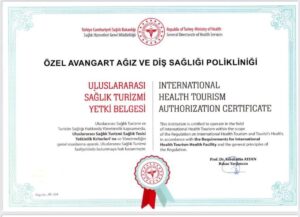
Avangart is Authorized by the Turkish Ministry of Health for International Dental Tourism.
Your health is our priority. Avangart Oral and Dental Health Polyclinic is fully authorized by the Ministry of Health to provide international health tourism services. This means our polyclinic has been independently verified to meet the high standards of safety, hygiene, and medical expertise required to serve the global community.
What Are Zirconium Crowns?
Zirconium crowns are dental restorations made from zirconium dioxide, a strong ceramic material used to rebuild teeth that are damaged, worn, or heavily restored. In modern dentistry, this material is valued because it combines high strength with a clean, natural appearance, making it suitable for both functional and cosmetic treatment.
In simple terms, when people wonder what zirconium looks like, the closest answer is that it has a naturally white base and a light-transmitting quality that helps it sit more harmoniously alongside natural teeth. This matters because a crown should not look flat, dark, or opaque under daylight. Zirconium allows us to create restorations that look brighter and more lifelike than many older metal-based options.
Another reason zirconium is so widely used is its durability. It has high fracture resistance, allowing it to withstand daily biting forces better than many weaker restorative materials. That makes it especially useful when a crown needs to combine natural aesthetics with the strength to handle long-term chewing forces on both front teeth and back teeth.
Its metal-free structure also supports good tissue adaptation around the gums. Because there is no dark metal substructure underneath, the crown can achieve a cleaner result near the gingival margin and reduce the risk of the grey shadow sometimes seen with older restorations. This is one reason zirconium crowns have become such a popular choice in advanced dental crown treatments where both appearance and durability matter.
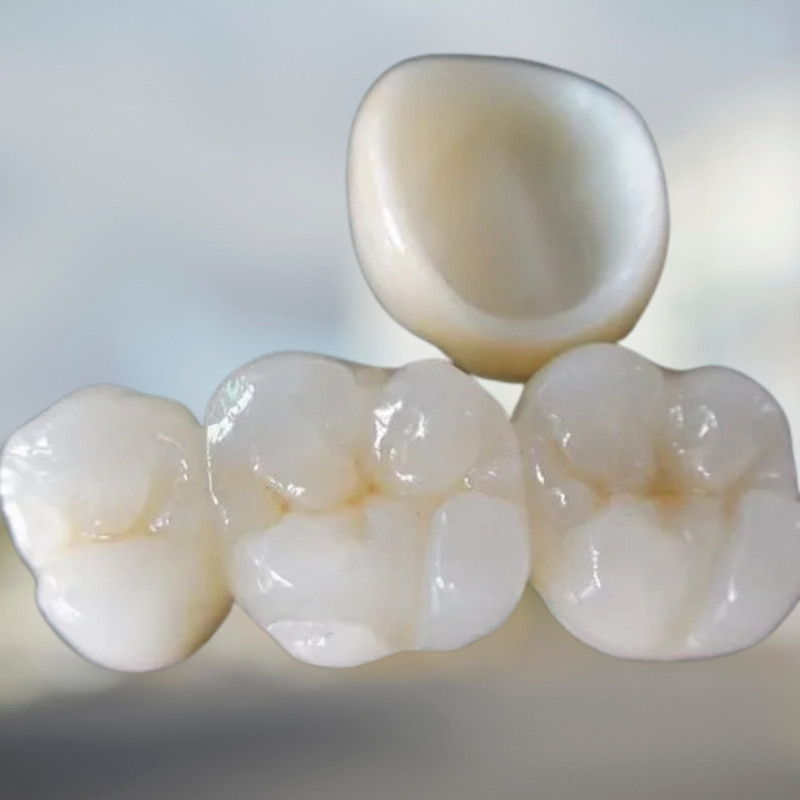
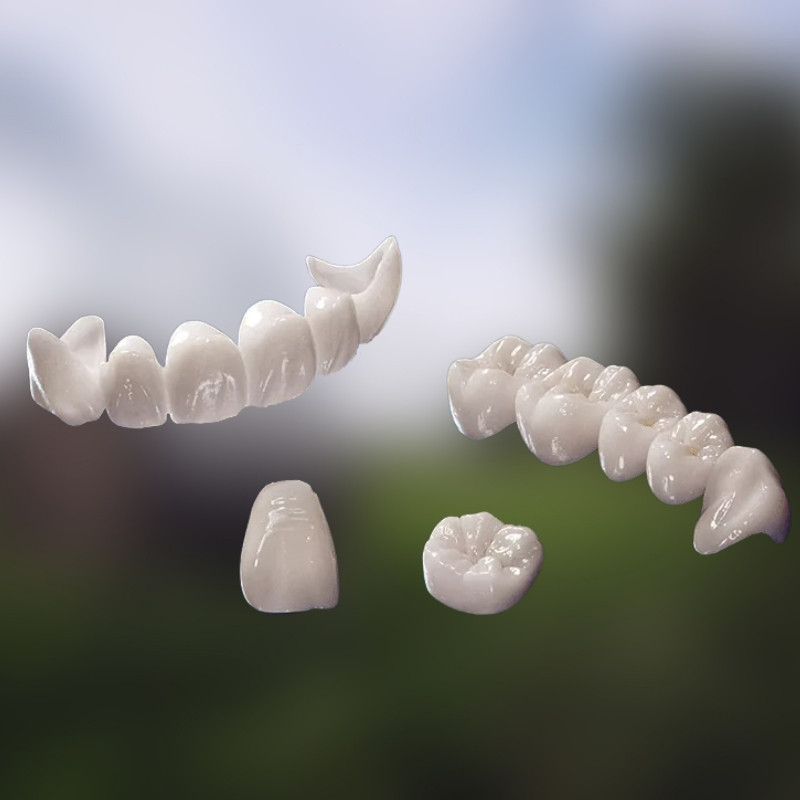
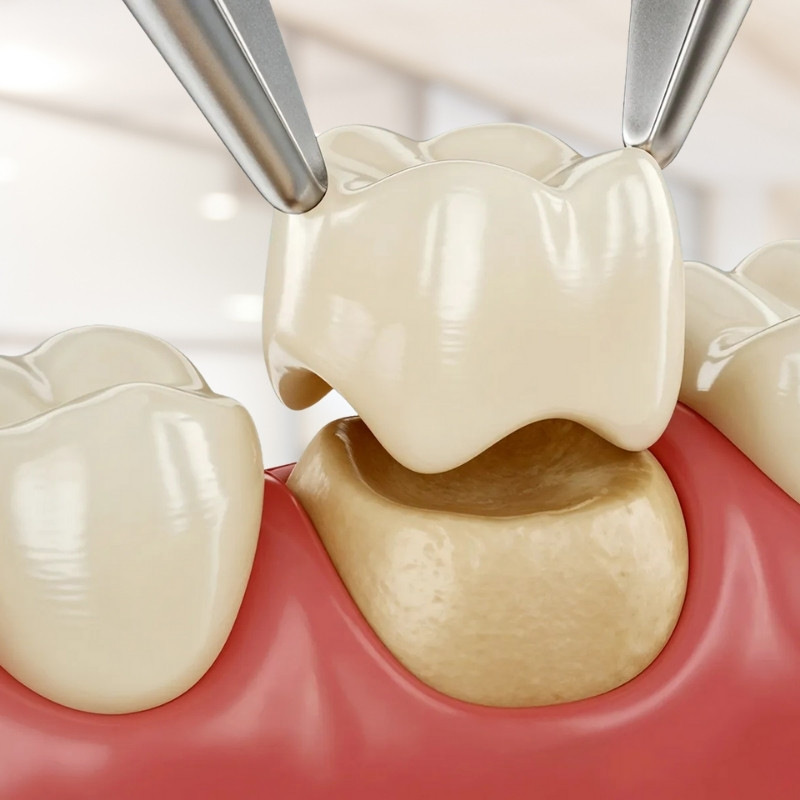
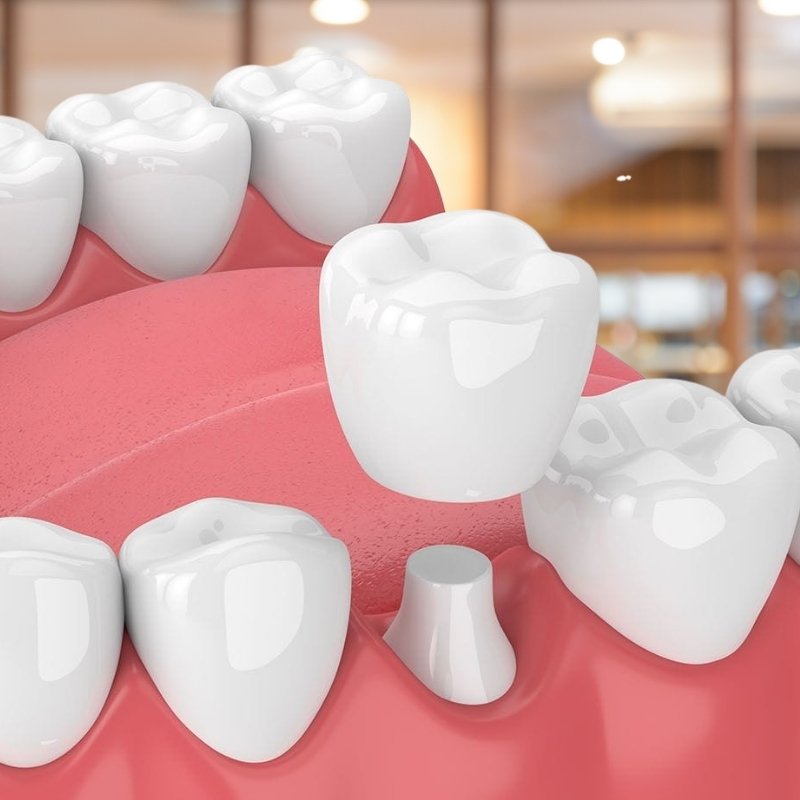
What does zirconium look like?
Zirconia (zirconium) crowns look like natural teeth, bright white with a smooth, enamel-like shine that reflects light similarly to real tooth enamel. Here are some images of zirconia crowns.
Zirconium vs. Porcelain vs. E-max: Which is Right for You?
The right crown material depends on where the tooth sits in the mouth, how much biting force it takes, and how natural you want the final result to look. We do not treat zirconium, porcelain, and E-max as interchangeable options. Each one has a different role in smile design.
Zirconium is usually the stronger option, porcelain can offer a natural cosmetic finish, and E-max is often chosen when front-tooth aesthetics are the main priority. The best choice depends on your enamel condition, bite pattern, and whether the tooth is in the front or back of the mouth.
| Material | Aesthetics | Strength | Tooth Preparation Required | Ideal Placement |
|---|---|---|---|---|
| Zirconium | Very good, bright, natural-looking, slightly less translucent than E-max | Excellent, highly resistant to fracture and chewing pressure | Usually less tooth reduction than many traditional porcelain-based options | Front teeth and back teeth, especially where strength matters |
| Porcelain | Good natural appearance, often more translucent than older metal-supported restorations | Moderate, but more prone to chipping than zirconium | Often needs more reduction for support and appearance | Commonly used for visible areas, but suitability depends on the remaining natural tooth structure |
| E-max | Excellent aesthetics, very lifelike light reflection and translucency | Strong, but not as durable as zirconium under heavy load | Conservative in the right cases, especially when minimal preparation is possible | Best for anterior teeth where cosmetic detail matters most |
If your goal is a full smile makeover with durability, zirconium is often the more practical choice. It works well when teeth are worn, heavily filled, or exposed to clenching and grinding. Its metal-free structure also allows for a cleaner, more natural-looking finish along the gum line.
If the main concern is achieving the most enamel-like look on one or two front teeth, E-max crowns can be a better fit. Its lithium disilicate structure reflects light beautifully, which can make it ideal for highly visible anterior teeth where fine aesthetic detail matters more than maximum strength.
Porcelain remains a useful material in dentistry, but it is not always the best all-round option when compared with newer ceramics. In many cases, zirconium offers better fracture resistance, while E-max offers better translucency. That is why the best material choice depends on the specific demands of the case, balancing strength, aesthetics, and the functional role of the tooth.
A simple way to think about it is this: if a back tooth needs to handle years of chewing force, zirconium is often safer. If a front tooth needs the most refined cosmetic finish, E-max may be the better choice. If you need several crowns across both visible and load-bearing teeth, we plan the material choice tooth by tooth rather than using the same crown type everywhere.
Book Your FREE Consultation For Dental Treatments!
Zirconium Crowns Cost in Turkey
At Avagart Dental Clinic in Istanbul, we keep our zirconium crown price structure clear and easy to understand. The total fee depends on how many teeth we restore, how much preparation is needed, and whether you need a single crown or a full smile makeover.
For smaller cases, we usually price treatment per tooth. For larger cases, we group treatment into packages so your travel, stay, and clinical steps are easier to plan before you arrive. This also helps many international visitors compare the zirconium dental crown cost in Turkey with treatment costs in the UK, Europe, and the US.
A single crown is often enough when we are restoring one damaged tooth. A 20-tooth case is more suitable when we are reshaping the visible smile line. A larger reconstruction is the better choice when we need to restore both appearance and bite across more of the mouth.
Our packages are designed to keep the process simple and organised.
| Treatments | UK | Türkiye | Save |
|---|---|---|---|
| Metal Porcelaine Crowns | £4500 | £1,500 | 70% |
| Zirconium Crowns | £16000 | £1700 | 90% |
| E-max Crowns | £10,260 | £2150 | 80% |
20-Tooth Smile Makeover – £3,500
- 20 zirconium crowns
- Panoramic X-ray
- Hotel accommodation
- VIP transfers
- Temporary crowns
- Final fitting and bite adjustment
Single Zirconium Crown – £175
- 1 zirconium crown
- Clinical examination
- Tooth preparation
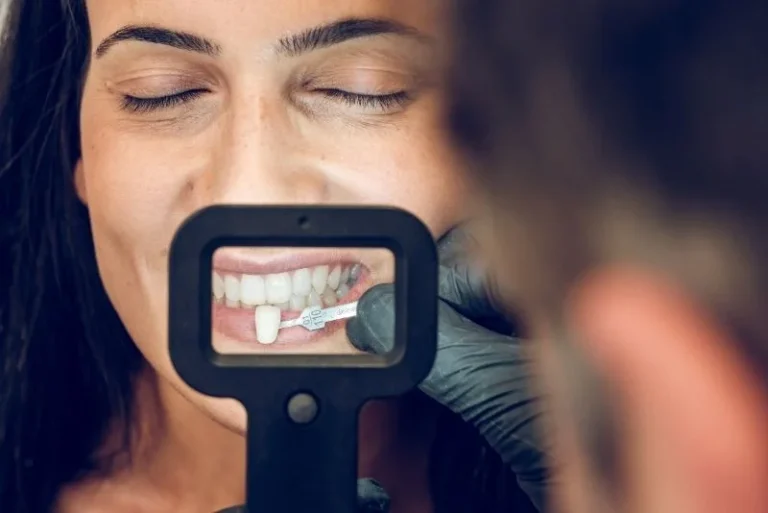
- Shade matching
- Final fitting and bite adjustment
24-Tooth Smile Makeover – £4,200
- 24 zirconium crowns
- Panoramic X-ray
- Hotel accommodation
- VIP transfers
- Temporary crowns
- Final fitting and bite adjustment
28-Tooth Full Reconstruction – £4,900
- 28 zirconium crowns
- Panoramic X-ray
- Hotel accommodation
- VIP transfers
- Temporary crowns
- Final fitting and bite adjustment
When you choose zirconium crown Istanbul treatment with us, you are not only paying for the number of crowns. The fee also covers the clinical work behind the result, including case planning, tooth preparation, smile design, fit, and bite adjustment. These steps are essential because even high-quality zirconium can fail to look or function properly if the treatment is not planned and executed with precision.
Who is the Ideal Candidate?
You may be a good candidate for zirconium crowns if your teeth are structurally stable but affected by wear, fractures, large fillings, severe discoloration, or old restorations that no longer look or function well. We often recommend this treatment when the goal is to improve both strength and appearance at the same time.
Before we begin any Zirconium Crowns procedure in Turkey, we first check whether the teeth and gums can safely support crowns. This part matters. A crown can protect and rebuild a tooth, but it cannot replace a tooth that has lost too much structure or has an untreated infection around the root.
You may not be an immediate candidate if:
- You need dental bridges rather than individual crowns.
- The tooth is severely decayed below the gum line.
- There is an active infection or unresolved root damage.
- The tooth has too little healthy structure left to hold a crown.
- Gum disease is present and not yet controlled.
- Several teeth are missing and need dental implant support first.
In these cases, we may recommend treatment in stages. For example, a severely damaged tooth may need extraction and implant planning before we move to the smile makeover phase. This helps us build the final result on a stronger and healthier foundation.
Heavy grinders and patients with strong clenching habits also need closer assessment. Zirconium is highly durable, but bruxism places repeated stress on crowns, the bite, and adjacent teeth. If we see signs of grinding, we evaluate bite force, enamel wear, and jaw function before deciding how many crowns are suitable and whether extra protection, such as a night guard, is needed.
The ideal candidate is not simply someone who wants a better smile. It is someone whose teeth, gums, and bite can support a long-lasting result safely.
Your Dental Tourism Journey: Step-by-Step
We plan your trip so the clinical steps feel clear, manageable, and realistic from arrival to final fitting. The full dental tourism journey in Istanbul for most zirconium crown cases takes about 5 to 7 days, depending on how many teeth we are treating and how many changes your smile design needs.
Day 1: Consultation, scans, and preparation
We begin with your clinical examination, smile assessment, panoramic imaging if needed, and treatment confirmation. Once the plan is approved, we carry out tooth preparation under local anesthesia and take digital impressions.
Estimated chair time:
- Consultation and planning: 30 to 45 minutes
- Tooth preparation: 30 minutes to 1 hour
- Digital impressions: 5 to 10 minutes
If your case is simple, most of the clinical work for the day can be done in 1.5 to 2 hours.
Day 2 to Day 3: Laboratory stage and temporary phase
During this stage, your crowns are designed and produced using CAD/CAM technology. This includes digital design, milling, and staining or glazing when needed. If temporary crowns are part of your plan, you wear them while the final restorations are being completed.
Estimated laboratory timeline:
- CAD design: 20 to 30 minutes
- Milling process: 30 to 60 minutes
- Staining and glazing: 10 to 20 minutes
Most of this stage happens outside the chair, so you usually have free time to rest and enjoy Istanbul.
Day 4 to Day 5: Trial fitting and final adjustments
We check the fit, shade, bite, and smile line carefully before permanent bonding. Small refinements are made at this stage to improve comfort and symmetry.
Estimated chair time:
- Trial fitting and checks: 30 to 60 minutes
- Final placement: 10 to 15 minutes
- Bite adjustment and finishing: 15 to 30 minutes
Day 6 to Day 7: Final control if needed
For larger smile makeovers, we may schedule one last review before you travel home. This gives us time to confirm comfort, function, and final aesthetics.
The Medical Procedure: Tooth Preparation and Fitting
Zirconium crown treatment is a structured medical procedure, not a superficial cosmetic change. To properly place each crown, we must first reshape the natural tooth so that the restoration sits securely, appears balanced, and functions properly in the bite.
This step is irreversible. A thin layer of enamel is removed from around the tooth, and once that enamel is shaved, it does not grow back. We only recommend this treatment when the tooth has enough healthy structure to support a crown and when the long-term benefit justifies that reduction.
We carry out tooth preparation under local anesthesia, so the area is numb during treatment. You may feel pressure or vibration, but you should not feel sharp pain while the tooth is being shaped. If a tooth has deep decay, old restorations, or nerve-related symptoms, we assess that first before moving forward.
Once the teeth are prepared, we take digital scans instead of relying only on traditional moulds. Using CAD/CAM technology, we record the exact shape of the teeth, bite, and spacing. This allows us to design crowns with better precision in fit, contact points, and smile symmetry.
After scanning, we place temporary crowns. These protect the prepared teeth, reduce sensitivity, and help you function comfortably while the final zirconium crowns are being made. Temporary restorations also give us a chance to check basic shape and length before the final fitting.
When your permanent crowns are ready, we try them in first. We then assess:
- fit against the tooth
- shade and overall appearance
- bite balance
- comfort when biting and chewing
If everything is correct, we complete the final bonding and make small bite adjustments where needed.
Book Your FREE Consultation For Dental Treatments!
Potential Risks and Complications
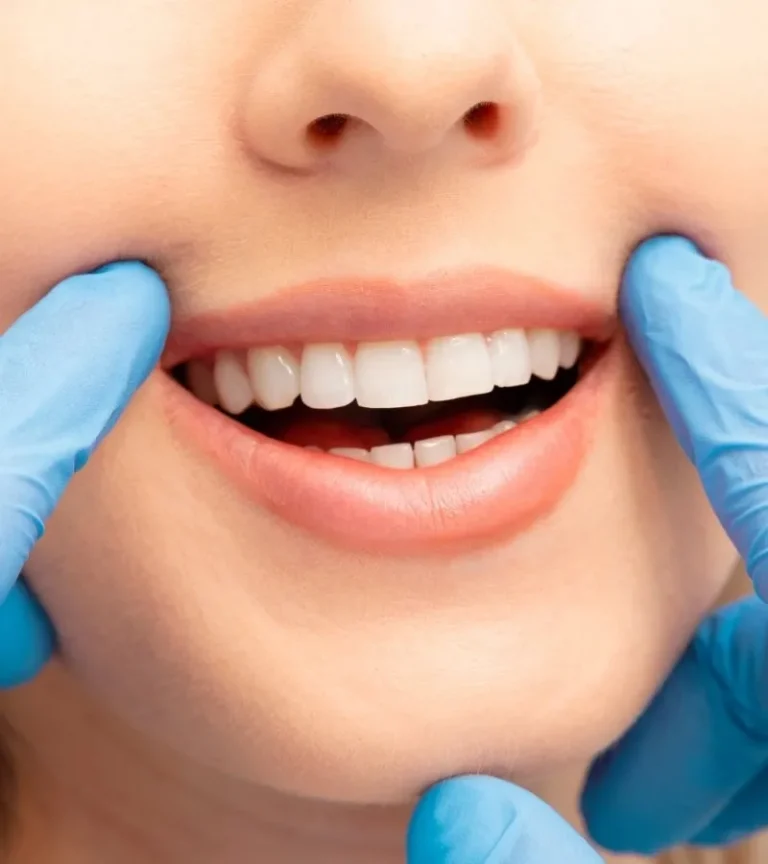
Every crown treatment involves some level of risk, and it is better to explain that clearly from the start. Zirconium crowns are strong and reliable, but the tooth underneath is still a living structure. Once we prepare the tooth, it may react for a short time while it settles.
The most common issue is temporary sensitivity. After enamel is reduced, some teeth become more sensitive to cold, pressure, or biting for a few days. This usually improves as the tooth adjusts and the final crown seals the prepared surface.
A smaller but important risk is nerve irritation. If a tooth already has deep fillings, old trauma, cracks, or hidden inflammation, the nerve can react after preparation.
In some cases, this may lead to pulp inflammation, and the tooth may later need root canal treatment. This does not happen in every case, but it is a real possibility, especially in teeth that were already weakened before treatment.
Bite imbalance is another possible complication. Even a very small high spot on a new crown can make the tooth feel uncomfortable or sore when chewing. That is why the final bite adjustment is as important as the crown itself.
We reduce these risks by being careful at every stage:
- We examine the tooth and root condition before preparation.
- We check for deep decay, cracks, and old restorations.
- We use precise digital scanning for fit and contact points.
- We use temporary crowns to protect prepared teeth.
- We thoroughly test the bite prior to final bonding.
- We make small adjustments until the crowns are in balance.
No clinic can promise zero risk. What we can do is plan carefully, work conservatively, and respond early if a tooth shows signs that it needs extra attention.
How to Maintain Your Zirconia Smile
Good aftercare is a major factor in how long zirconia crowns last. Zirconia is strong, but the gums, bite, and tooth structure around the crowns still need daily care. A well-made smile lasts longer when it is kept clean and protected from unnecessary stress.
Brush twice a day with a soft-bristle toothbrush. Hold the brush at a 45-degree angle to the gum line and scrub in small, gentle circular motions. This helps to clean the crown margins without irritating the gums.
Choose a non-abrasive toothpaste. Very gritty whitening pastes can dull the polished surface of the crowns over time and may also irritate exposed areas near the gum line. A gentle fluoride toothpaste is usually the safer option for long-term daily use.
Floss every day, especially around the edges of the crowns. Slide the floss carefully between the teeth and clean along the sides rather than snapping it down hard. If you have several crowns together, we may also advise interdental brushes or a water flosser.
To protect your zirconia smile, we recommend:
- avoiding chewing ice, pens, and very hard foods.
- not using your teeth to open packaging.
- wearing a night guard if we recommend one.
- attending routine dental check-ups and hygiene visits.
If you clench or grind your teeth at night, a night guard is especially important. Zirconia can handle strong forces, but repeated pressure can still affect the bite, the crown edges, and the surrounding teeth over time.

Meet Our Expert Cosmetic Dentists
Dr. Egemen Aras is a cosmetic dentist with a strong focus on prosthetic dentistry, smile design, and implant-supported restorations. A graduate of Hacettepe University Faculty of Dentistry, he has built his career around restoring both function and appearance, which is especially important for patients who want natural-looking results as well as long-term comfort.
His background combines hands-on private practice, clinic management, and several years of treating both local and international patients in health tourism dentistry before joining Avangart Clinic in 2025. That mix of experience helps him take a careful, step-by-step approach, so patients can better understand their options, whether they are planning Zirconium Crowns, implant restorations, or a full smile makeover.
Start Creating Your Treatment Plan!
You can contact us by filling out the pre-request form.
FAQs
No, not when they are designed properly. We choose the right shade, shape, and proportions so they blend naturally with your smile. The final result depends more on design and fit than on the material alone.
We perform tooth preparation under local anaesthesia, so the treatment should not be painful. You may feel pressure or vibration during the appointment, and mild sensitivity may occur afterwards, particularly for a few days while the teeth settle.
No, zirconia crowns do not respond to whitening gel like natural teeth do. That is why we choose the shade carefully before treatment begins. If you plan to whiten your natural teeth, do so first so that the crown colour can be properly matched.
In most cases, the treatment takes about 5 to 7 days. We usually complete the consultation, tooth preparation, digital scans, lab work, fitting, and final adjustments during that stay. If more teeth are involved or your bite needs extra fine-tuning, it can take a little longer.
Zirconia crowns often last 10 to 15 years, and sometimes longer with good care. Their lifespan is determined by how well you clean them, whether you grind your teeth, and how frequently you get check-ups. Good aftercare makes a significant difference.
Yes, for the first day or two, it is better to eat softer foods and chew gently while your mouth gets used to the new crowns. Initially, try to avoid foods that are extremely hard, sticky, or tough. It is also best to avoid chewing ice or hard sweets in the long run.
Yes, they can improve the appearance of mildly crooked or uneven teeth. If the teeth are more heavily misaligned, we first need to see whether crowns are the right option or if another treatment would make more sense.
We numb the area before treatment, so you should not feel pain during the procedure. Afterward, it is normal to have a little sensitivity or mild discomfort for a few days while everything settles.
If you experience persistent pain or discomfort after the initial recovery period, it could indicate an issue, and we recommend contacting your dentist or us for further evaluation.
Yes, absolutely. We often use a single zirconia crown to restore one damaged, worn, broken, or heavily filled tooth while making sure the result looks natural alongside the surrounding teeth.
Treat them like natural teeth. Brush twice a day gently, floss every day, use a gentle toothpaste, and avoid chewing very hard things. If we advise a night guard, it is important to wear it consistently.
They are not direct alternatives. We use a zirconia crown when the natural tooth can still be saved, and an implant when the tooth is missing or cannot be restored safely.
No, a properly fitted zirconia crown should not produce bad breath or smell. If there is an odor, it is usually linked to plaque buildup, gum issues, or poor fit, not the zirconia itself.
It depends on how much strength and coverage your teeth need. Zirconia is usually the better choice when durability matters, while Lumineers may suit more conservative cosmetic cases.
Zirconia holds its colour very well and does not stain easily. Good oral hygiene and regular cleanings help keep the crowns looking bright and natural.
Allergic reactions to zirconia are extremely uncommon. It is a metal-free material that the gums and soft tissues tolerate well.
If a zirconia crown ever needs to be removed, we do it carefully and in a controlled way. The crown is gently cut and lifted off so we can protect the tooth underneath as much as possible.
Yes, it can, but not because of the crown. Decay can still occur at the edges if plaque accumulates or cleaning is not done properly.
That is determined by the number of teeth being restored and the scope of the work involved. Full-set zirconia crown treatment at our clinic typically starts around £3,500 and increases depending on the number of crowns.
References
Khijmatgar, S., Tumedei, M., Tartaglia, G. et al. Fifteen-year recall period on zirconia-based single crowns and fixed dental prostheses. A prospective observational study. BDJ Open 10, 54 (2024). https://doi.org/10.1038/s41405-024-00214-7