What to Do If Your UK Dentist Refuses to Repair Overseas Implants?

Dr. Emrah YEŞİLYURT
Dr. Emrah Yeşilyurt is the Founder of Avangart Clinic. He combines advanced dental expertise with a genuine commitment to helping patients feel comfortable and informed about their oral health journey.
If a UK dentist has refused to repair your overseas implant, it does not mean your situation cannot be resolved or that you made the wrong decision by having treatment abroad. Many patients face this after a loose crown, early inflammation, an abutment problem, or another mechanical issue, and often worry they are being judged for getting treatment overseas. In most cases, though, the refusal reflects the limits of that clinic, not the quality or value of the treatment you originally received.
You are also far from alone. According to Grand View Research, the global dental tourism market was valued at $14.8 billion in 2025, and dental implants accounted for 37.37% of that market in the same year.
This shows your situation is part of a much wider pattern. More people now travel abroad for implant treatment, so questions about repairs and aftercare are increasingly common.
A refusal from a UK dentist does not automatically mean your treatment in Turkey was unsafe. In many cases, the issue is simply that the dentist does not recognize the implant system, does not have the right components or tools, or is not comfortable taking on the case without full records and a clear treatment history. That can feel discouraging when you are already worried, but it does not mean your implant cannot be repaired.
Long-term implant care is much easier when the hardware is traceable, and another qualified clinician can identify it and work with it later. That is why the next step is to confirm which implant system was used, understand what has gone wrong, and find a safe, practical way to move forward.
The Reality Check: Why UK Dentists Turn Down Foreign Implant Repairs
When a UK dentist refuses to repair an implant placed overseas, the decision is usually based on risk rather than hostility. Modern implant dentistry involves technical, regulatory, and insurance issues, so a loose crown or unstable abutment is not treated like a simple filling or chipped tooth. According to the General Dental Council, dental professionals must work within their knowledge, skills, competence, and indemnity arrangements, and refer when appropriate.
This becomes even more important in a stretched system, where urgent dental care is mainly focused on pain, swelling, infection, and immediate safety, while implants are usually treated privately and are only available on the NHS in limited circumstances.
1. The Component Compatibility Nightmare (The Hardware Lock)
An implant is not a universal screw that works the same way in every case. The fixture, platform, internal connection, abutment screw, and crown connection all need to match the original system precisely. Because manufacturers use their own component designs and fitting tools, a dentist cannot safely “try a tool and see if it fits.”
If the dentist does not know the implant brand, product range, diameter, platform, or recommended torque settings, even a small adjustment can go wrong. Using the wrong tool can damage the screw head, compromise the internal connection, or turn a straightforward restorative issue into a more complex surgical problem. Because these connections are often specific to each implant system, clear records and recognized components matter so much.
When an implant system comes from a recognized manufacturer such as Straumann or Nobel Biocare, future maintenance is usually easier than it is with unknown or poorly documented hardware.
According to the British Dental Association’s (BDA) landmark dental tourism report, 94% of surveyed UK dentists have examined patients who traveled abroad for treatment. The BDA’s official findings indicate that 86% of those clinicians had to treat post-operative complications, with 85% identifying dental implants as one of the most common treatments requiring remedial care.
2. The GDC Legal Trap: Transfer of Clinical Liability
Once a UK dentist adjusts, tightens, re-cements, or replaces a component, that intervention becomes their work. They may not become responsible for every step taken abroad, but they do assume professional responsibility for the decisions they make from that point onward. If the implant later fails and the case record is incomplete, that puts the clinician in a difficult medico-legal position.
The GDC requires dentists to work within their competence and under appropriate indemnity or insurance cover. That can make undocumented overseas implant cases difficult to take on, especially when there is no implant passport, no batch code, no CBCT history, and no clear record of bone support around the implant or any previous complications.
3. NHS Mandate vs. Private Elective Complications
Many patients assume the NHS will fully take over if an implant starts failing once they are back in the UK. In reality, NHS urgent dental care is mainly there to deal with immediate problems such as pain, infection, swelling, and anything else that needs prompt attention. It is not designed to provide routine aftercare for elective implant treatment carried out abroad.
That means a patient with peri-implant mucositis, an abscess, or a loose implant may still be able to get urgent help locally, but not full restorative repair. A private clinic may also decide not to take on non-urgent treatment if the implant system is unfamiliar or the risk is too high. That can feel frustrating, but it usually reflects the limits of the case, not a sign that your implant cannot be saved.
Immediate Steps: Your Action Plan When Refused Care
Once a UK clinic turns you away, the most useful response is to stop chasing random opinions and start collecting the exact information that will move your case forward. The goal is to give the next clinician a clear, documented picture of the case, because refusals often happen when a patient arrives in pain and without proper records.
Step 1: Secure Your "Implant Passport" and Surgical Records
Your first move is to contact the original clinic and ask for the full record from your implant procedure. This should include your implant passport, batch code, brand name, product line, implant length, diameter, fixture platform, connection type, torque values, surgical notes, and any CBCT scan or panoramic X-ray taken before or after treatment.
Without those records, a UK clinician may have no safe way to identify exactly what implant system is in place. A loose crown can happen for several different reasons, and the right solution depends on where the problem is coming from, whether that is the screw, the abutment, the crown, the connection itself, or the implant body.
Many patients hesitate at this stage because they feel embarrassed contacting the original provider after a problem. We would strongly encourage the opposite. A reputable clinic should respond quickly, provide English-language records, and give you the details from your implant procedure in a format another dentist can easily review.
Step 2: Differentiate Emergency Stabilization from Structural Repair
When you call a UK practice, the wording matters. If you ask, “Can you repair my Turkish implant?” many clinics will decline immediately because they hear unknown hardware, unknown liability, and a possible restorative rebuild.
A better first request is something clear and specific, such as:
- I need urgent assessment for pain, swelling, or possible infection around an implant.
- I need emergency stabilization and diagnostics.
- I am looking for a clinical exam, X-rays, and advice on whether there is active inflammation or an abscess.
That approach gives the practice room to help with what they can safely do. A local dentist may be willing to assess the soft tissue, check for peri-implant mucositis or peri-implantitis, take a localized X-ray, prescribe medication if needed, or clean the surrounding area. They may still refuse to tighten, remove, or replace foreign components on that first visit, but you will at least have a diagnosis and a documented starting point.
If you have swelling, discharge, fever, a bad taste in your mouth, a loose implant, or pain that is getting worse, do not delay getting urgent assessment while waiting for the ideal long-term solution.
Step 3: Source a UK-Based Specialist Prosthodontist
After urgent assessment, move past high-street general dentistry and look for a prosthodontist or periodontist on the GDC Specialist Register. These clinicians handle complex restorative cases more often, understand multi-system hardware, and are more likely to know how to assess compatibility before touching anything.
This matters even more in larger reconstructions such as All-on-4 Dental Implants or Full Mouth Dental Implants, where one loose or fractured component can affect bite balance, prosthetic fit, hygiene access, and long-term stability across the whole case.
When you contact a specialist, send everything in one email: your records, scan images, photos, symptoms, and a short timeline of what has happened.
Sending that information in advance can make a big difference to how the specialist responds. A clinician looking at a documented case with brand information and imaging is in a very different position from one being asked to “just fix it” without any reliable background.
How to Navigate Your Original Overseas Clinic’s Warranty
Before you book another flight, treat the warranty as a practical aftercare document instead of taking the headline at face value. Many patients see “lifetime guarantee” and assume that future problems will be handled smoothly, then discover later that the clinic covers only the replacement part while the patient pays for flights, hotel stays, new scans, temporary restorations, and local laboratory work.
At this stage, it helps to ask clear and specific questions:
- What exactly is covered: implant fixture, abutment, crown, bridge, or only selected parts?
- Who pays for travel and accommodation if a return visit is needed?
- Are there exclusions for bone loss, peri-implantitis, broken prosthetics, or missed review visits?
- Is there a named contact person for post-operative cases, or only a generic sales channel?
Identifying "Paper-Tiger" Warranties vs. True Corporate Continuity
A weak warranty often looks generous on the surface but becomes hard to use the moment something goes wrong. The clinic may respond slowly, ask for repeated new payments before review, or make return logistics so expensive that the “free correction” has little real value for a UK patient.
A reliable clinic should handle aftercare in a clear and practical way. You should expect clear written terms, stable communication, traceable implant records, support with diagnostics, and realistic discussion about whether return travel is actually the best option. That kind of continuity matters more than a flashy headline.
The cost of dental implants in Turkey should never be judged by the upfront figure alone. A lower starting price can become far more expensive if the warranty is vague, the components are hard to trace, or follow-up support is weak.
The Proactive Solution: How to Ensure Your Implants Are Universal Before You Travel
If you want to avoid aftercare problems later, the safest time to make that decision is before treatment begins. The clinic you choose should be able to show you exactly which implant system it uses, how it plans the surgery, what records you will receive, and how another clinician could review your case if you ever needed support in the UK.
Before booking anywhere, ask for clear answers to these points:
- Which implant brands and product lines are used?
- Will you receive an implant passport with batch numbers and component details?
- Is a CBCT scan included in planning?
- Are the restorative files and scans stored in a format that can be shared later?
- What aftercare support is available once you return home?
A good clinic will answer those questions without hesitation. If the replies are vague, if the brand is unclear, or if the team keeps pushing the conversation back toward price alone, that is a warning sign.
The Tier-1 Global Implant Ecosystem (Straumann, Nobel Biocare, MIS)
The most reliable cross-border cases use implant systems that are widely recognized and globally supported. Brands such as Straumann, Nobel Biocare, and MIS are used in many established clinics because their components, restorative workflows, and documentation are familiar to trained implant clinicians in many countries.
If a crown loosens in London, Manchester, or Edinburgh, a UK implantologist has a much better chance of identifying the system, sourcing the correct abutment screw or restorative part, and managing the case safely when the original hardware comes from a known Tier-1 manufacturer.
That is why recognized implant systems matter. They support not only the original treatment, but also make future maintenance and repair far easier if care is needed later.
Complete Digital Traceability: CBCT Scans and Open-Source Restorations
Implant safety starts long before the implant is placed. It begins with careful planning. A CBCT scan gives the clinician a three-dimensional view of the bone, implant angle, nearby sinus area, and nerve position, which makes placement far more precise than relying on a standard two-dimensional panoramic X-ray alone.
The restorative side matters just as much. Open-format intraoral scans and shareable digital files give another clinician or laboratory a far clearer picture of the implant position, prosthetic design, and bite relationship. In some cases, that can save time, reduce guesswork, and avoid unnecessary disassembly.
Future implant care depends on two things: hardware that other clinicians can recognize and records that clearly show what was used and what was done. When both are in place, any repairs, maintenance, or follow-up treatment are usually much safer and easier to manage.
FAQs
Yes. A private dentist in the UK can decline treatment if the case falls outside their scope of practice, competence, or indemnity cover. According to the General Dental Council, dental professionals must work within their knowledge and skills, and they should refer patients when treatment is outside their competence.
Most refusals are due to compatibility and risk. If the dentist does not know the implant brand, connection type, torque values, or restorative parts, even a small adjustment can damage the internal connection. The same GDC standards on competence and indemnity make many clinicians cautious about undocumented implant systems.
The NHS may help with urgent symptoms such as severe pain, swelling, or infection, but that does not mean it will rebuild or maintain an overseas implant restoration. According to NHS guidance, urgent dental care focuses on assessment and stabilization, while implants are usually only available privately and are only funded by the NHS in limited circumstances.
Start with the original clinic and ask for your implant passport, surgical records, batch code, treatment plan, and any CBCT scan or panoramic X-ray linked to the case. If you do not have a formal implant passport, ask for the brand name, product line, implant diameter, length, platform connection, and prosthetic components in writing. At Avangart, we view that level of documentation as a basic part of responsible aftercare because it gives any future clinician a clear starting point.
A prosthodontist is often the most suitable first option for a crown, bridge, screw, abutment, or full-arch prosthetic problem. A periodontist may also be appropriate if the concern involves inflammation, soft tissue breakdown, or bone loss around the implant.
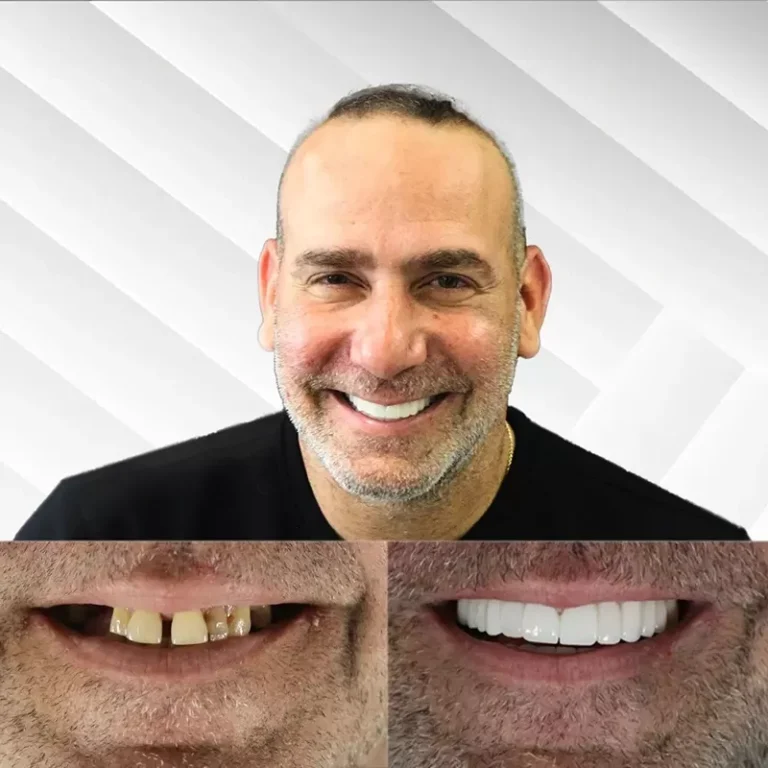
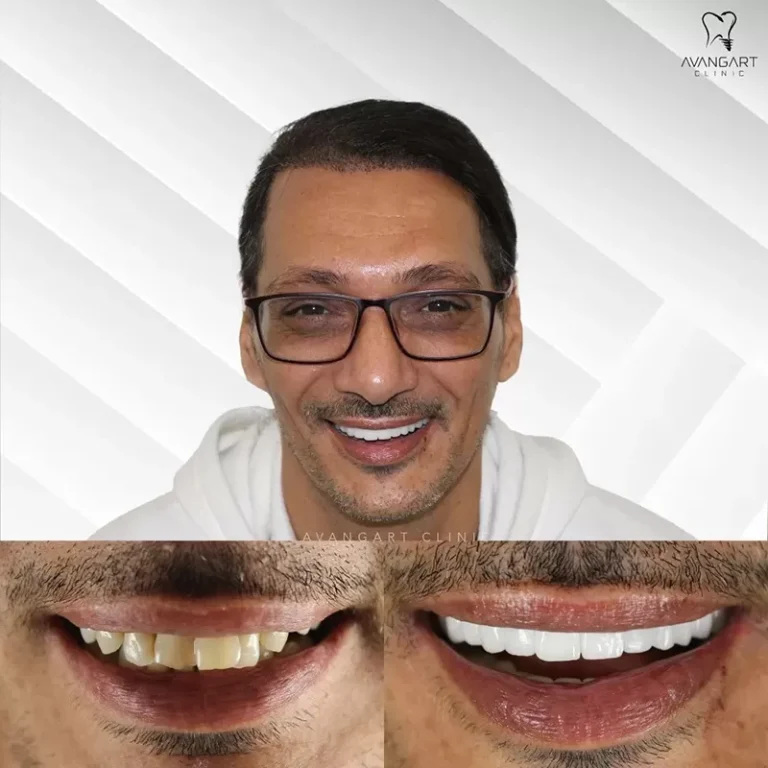
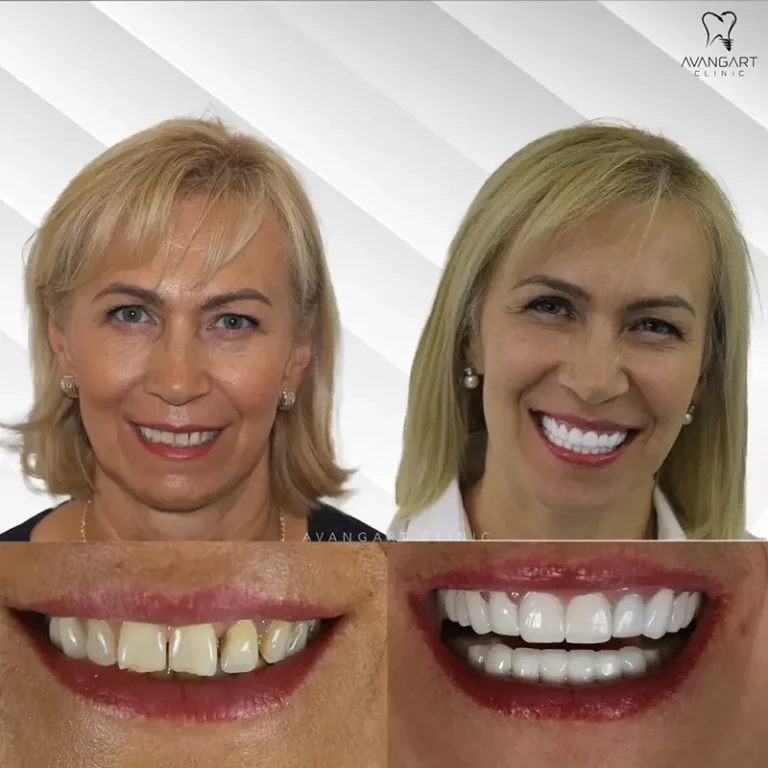
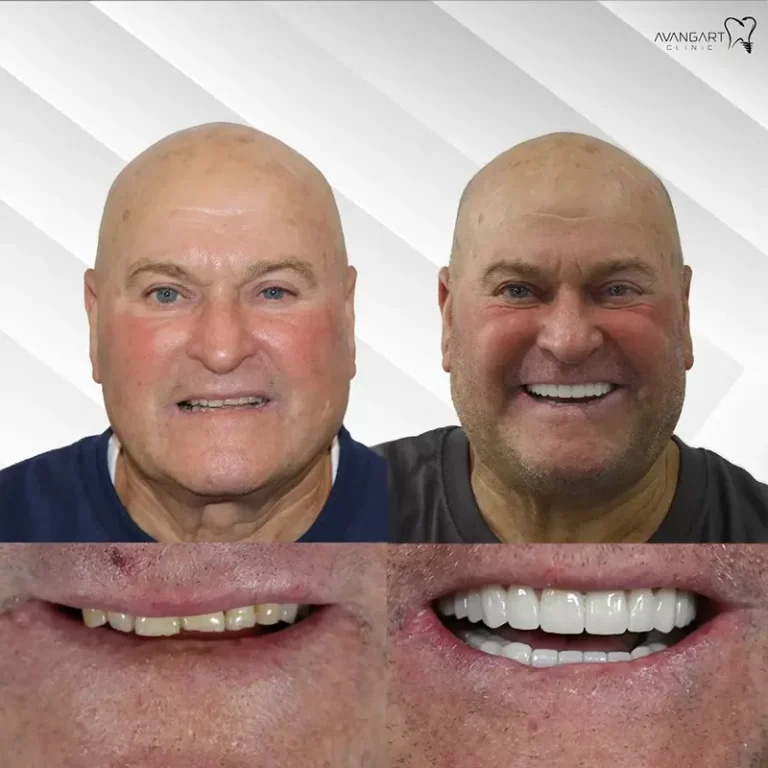
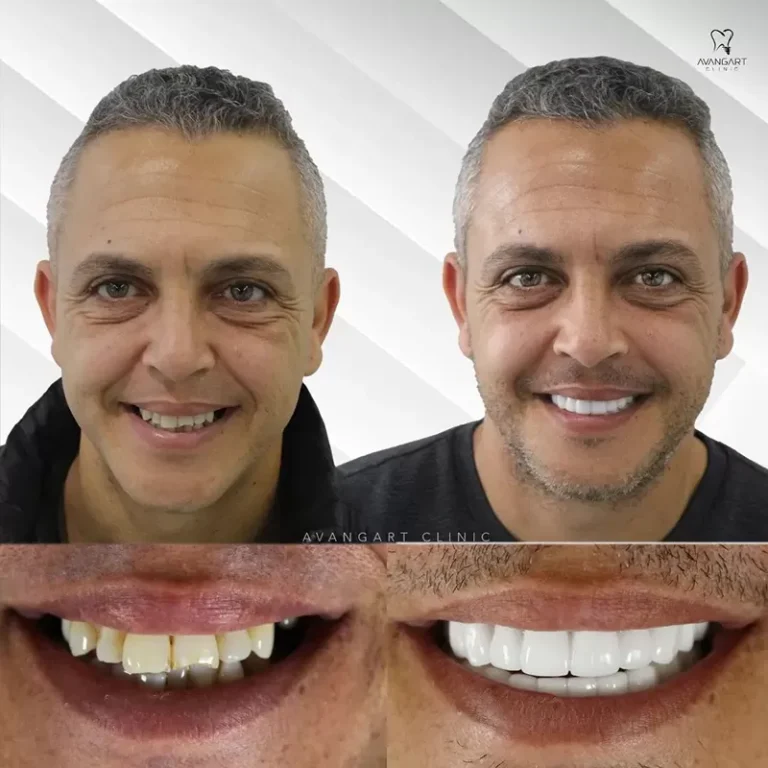
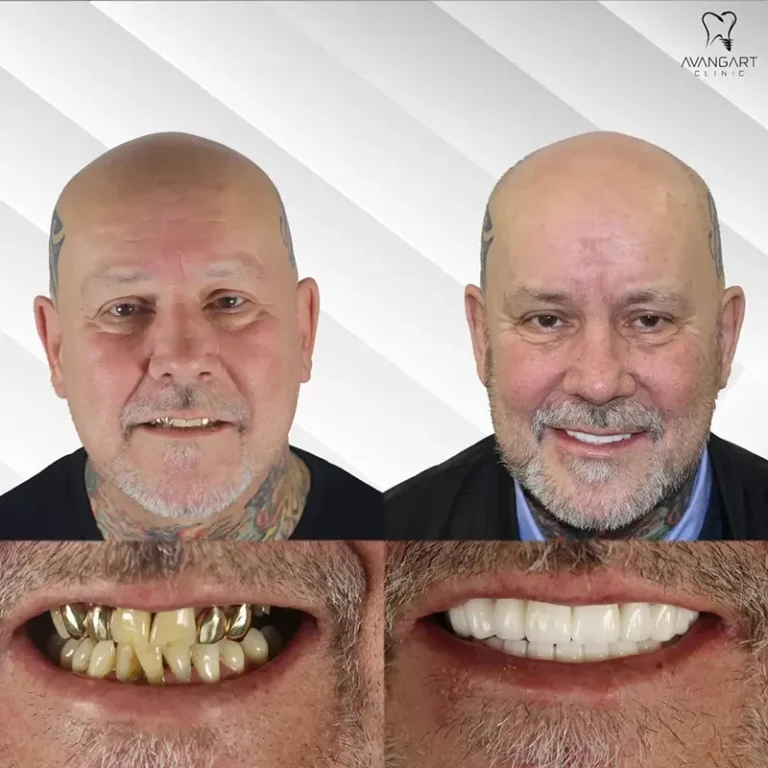
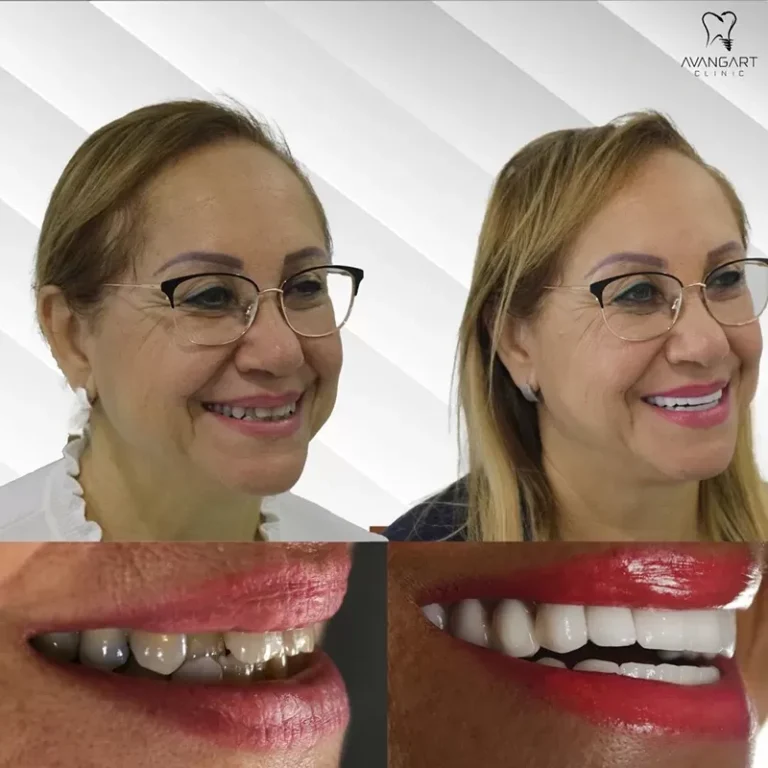
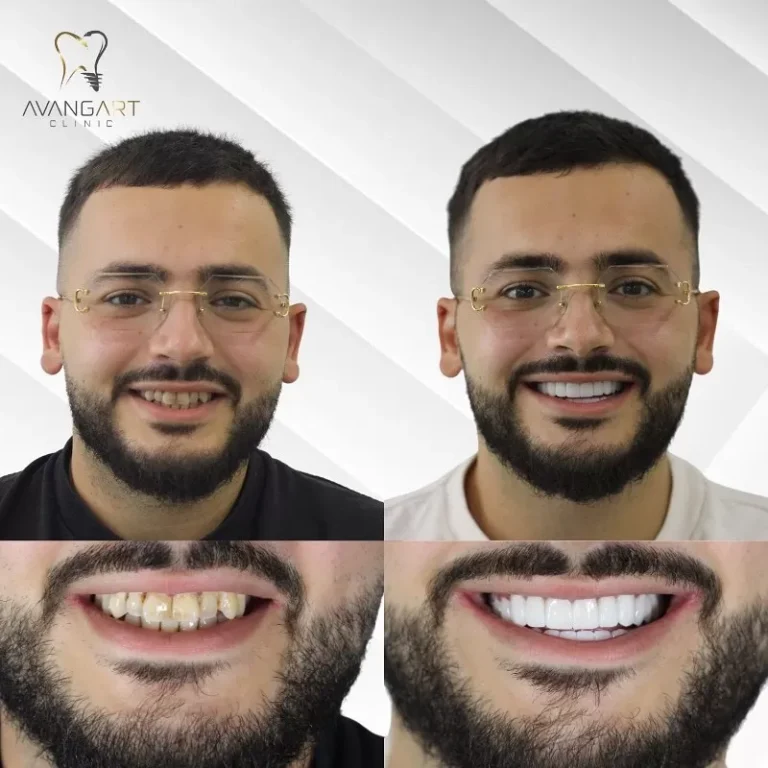
Before and After: Transformative Results with Avangart Clinic
We carry out all our dental treatments with care and strive to give your smile an elegant appearance.