How to Claim German Health Insurance Subsidies for Dental Implants in Turkey: GKV & PKV Guide

Dr. Emrah YEŞİLYURT
Dr. Emrah Yeşilyurt is the Founder of Avangart Clinic. He combines advanced dental expertise with a genuine commitment to helping patients feel comfortable and informed about their oral health journey.
Private health insurance (PKV) or a supplementary dental policy (Zahnzusatzversicherung) may help cover the cost of dental implant surgery in Turkey. However, Germany’s statutory public health insurance (GKV) follows different rules. Because Turkey is located outside the EU and EEA, standard public health insurance does not cover planned elective treatments here.
PKV and supplementary dental insurance may cover treatment in Turkey if the patient’s policy includes overseas dental care. Standard GKV coverage is completely excluded for planned private dental tourism in third-party countries outside the EU. The cross-border reimbursement routes that apply to EU nations do not extend to private dental clinics in Turkey.
The most important step is to contact your insurer before booking treatment. Ask it to confirm in writing whether the treatment, clinic, and payment process are accepted.
At Avangart Dental Clinic in Istanbul, we help German patients prepare treatment details, cost estimates, X-ray findings, and itemised supporting documents. We can also provide German explanations or professional translations where required.
However, your insurer makes the final decision. A clinic cannot guarantee that GKV, PKV, or supplementary insurance will approve a particular treatment or reimbursement amount.
Can I Use My German Health Insurance for Dental Work in Turkey?
Yes, in some cases, but it depends on your type of insurance and the terms of your cover.
The normal GKV process for claiming a Festzuschuss for dental treatment in another European country generally applies to treatment in the EU, the United Kingdom, Iceland, Liechtenstein, Norway, and Switzerland. Turkey is not included in this standard route.
Because standard public insurance leaves such high out-of-pocket gaps for advanced treatments, private safety nets have surged. According to the Verband der Privaten Krankenversicherung (PKV), a record 17.8 million Germans now maintain a private supplementary dental policy to cover the exact types of clinical costs that standard baseline health insurance excludes.
PKV and supplementary dental insurance work differently. Their decisions are based on the patient’s policy. Some policies include worldwide dental treatment, while others restrict treatment outside the EU, limit the number of covered implants, or apply lower reimbursement limits.
Before requesting an insurance assessment, you can review our dental treatment prices to understand the estimated cost range. Your final quote will depend on your dental condition and treatment plan.
If you hold a private health policy (PKV) or a supplementary dental plan (Zahnzusatzversicherung).
Contact Your Provider Before Booking And Ask:
- Does my policy include worldwide coverage (weltweiter Versicherungsschutz) for treatments outside the EU?
- Do you require a detailed private cost estimate (Kostenvoranschlag) in German before treatment?
- What are the specific material, laboratory, and fee schedule (GOZ) limits applied to overseas dental implants?
- Will you accept itemized, translated diagnostic records directly from our clinical team in Turkey?
- Which procedures may be reimbursed?
- Is implant placement covered, or only the crown, bridge, or denture?
- Do you require professional German translations?
- What information must appear on the final invoice?
- Must I pay the clinic first?
- How will the approved amount be paid?
- Will changes to the treatment plan require fresh approval?
Get the answers in writing before booking non-refundable flights or beginning treatment. A telephone conversation does not guarantee payment.
The European Health Insurance Card (EHIC) does not cover planned implant treatment in Turkey. In fact, the EHIC is not valid in Turkey, so you will need to speak to your insurer about the correct approval and payment process before booking treatment.
Understanding the Festzuschuss (Fixed Subsidy) for Implants
The Festzuschuss is the fixed amount that GKV contributes towards medically necessary dental prosthetics, known in German as Zahnersatz.
The amount is based on:
- The patient’s dental condition, known as the Befund
- The standard treatment for that condition, known as the Regelversorgung
The Regelversorgung is the basic treatment that GKV considers medically suitable, practical, and cost-effective.
For example, if one tooth is missing, the standard treatment may be a conventional bridge. If the patient chooses an implant and crown instead, this is normally treated as an andersartige Versorgung, meaning a different type of care.
GKV generally does not cover routine implant placement or implant surgery. However, when the treatment is eligible, the patient may still receive the Festzuschuss that would have applied to the standard bridge or another standard restoration. The patient pays the extra cost of choosing an implant.
It is critical to note that the standard GKV Festzuschuss cannot be transferred to a private clinic in Turkey. This financial subsidy only applies if you undergo treatment inside Germany or within the EU/EEA boundaries.
Public (GKV) vs. Private (PKV) Insurance Coverage in Turkey
GKV and PKV use different systems for assessing dental treatment.
| Insurance Metric | Public Health Insurance (GKV) | Private / Supplementary Insurance (PKV) |
|---|---|---|
| Coverage Calculation | Excluded for planned care outside the EU/EEA. | Based on the individual policy tariff. |
| Routine Implant Surgery | No coverage for elective dental tourism. | Covered if overseas care is explicitly included in the policy. |
| Prosthetics (Crowns/Bridges) | No coverage; the fixed subsidy (Festzuschuss) is not transferable. | Reimbursement depends on individual contract parameters. |
| Automatic Coverage | No. | No; subject to specific policy terms. |
| Written Approval | Not applicable; standard applications for non-EU planned care will be rejected. | Strongly recommended or required before booking treatment. |
| Bonusheft Applicability | No; only valid for treatments within Germany or the EU/EEA boundaries. | Usually not applicable. |
| Payment Process | 100% patient out-of-pocket. | Patient typically pays upfront and requests reimbursement later. |
| Required Documents | None; no public authorization or reimbursement pathway exists. | Treatment plan, itemized estimate, clinical records, and policy assessment. |
PKV patients may have broader coverage. Some policies reimburse 80%, 90%, or even 100% of eligible dental costs. However, the stated percentage may apply only to accepted treatment costs or fee limits, not necessarily to the full amount shown on a Turkish invoice.
PKV patients should check:
- Whether treatment outside the EU is covered
- Whether implant placement is included
- The maximum number of implants covered
- Annual reimbursement limits
- Waiting periods
- Limits during the first years of the policy
- Deductibles
- Bone-grafting cover
- Laboratory and material limits
- Whether zirconium crowns are eligible
- Whether full-mouth implant restorations (such as all on 4 or all on 6) are covered
- Whether sedation or anaesthesia is included
- Whether prior assessment or approval is required
- Which invoice and fee levels does the insurer accept
At Avangart Clinic, we can provide an itemised invoice that separates the surgical, prosthetic, and laboratory parts of the treatment. This helps the insurer understand what was provided.
However, a Turkish clinic cannot issue an official German GOZ invoice as though the work were performed by a German dentist. The clinic can instead provide a detailed Turkish invoice that allows the insurer to compare each treatment item with the terms of the patient’s policy.
HKP vs. Private Cost Estimate: What You Actually Need
In the standard German healthcare system, any major tooth restoration requires a Heil- und Kostenplan (HKP). Because German statutory health insurance (GKV) excludes planned treatments in third-party countries like Turkey, public insurers will not issue, review, or process an HKP for an international clinic. If you are a standard GKV patient, you do not need an HKP, as your care cannot be subsidized by public funds.
If you have private health insurance (PKV) or a supplementary dental plan (Zahnzusatzversicherung), your provider bypasses the public HKP system entirely. Instead, they require a detailed, itemized private cost estimate, known as a Kostenvoranschlag, to verify your reimbursement eligibility before you travel.
To support your reimbursement request, our team at Avangart Clinic prepares a comprehensive clinical cost estimate that mirrors the specific documentation private insurers expect.
Your Turkish dental plan will clearly itemize:
- Anatomical Mapping: Specific tooth numbers, current diagnostic findings, and missing teeth.
- Surgical Scope: Proposed extractions, precise implant positions, sinus lifts, or bone-grafting procedures.
- Prosthetic Specifications: The exact types of abutments, temporary teeth, permanent crowns, bridges, or dentures selected.
- Financial Breakdown: Clear, individual lines separating clinical fees, surgical costs, and laboratory manufacturing expenses.
- Treatment timeline: The expected treatment stages and necessary biological healing periods between visits.
A Turkish clinic cannot issue an official German GOZ invoice. However, a clear, itemised cost estimate gives your private insurer the information it needs to compare the treatment with the benefits and limits in your policy.
Step-by-Step: How to Get Your Turkish Dental Plan Approved
Step 1: Contact your insurer
Tell your private (PKV) or supplementary dental insurer that you are considering planned implant treatment in Turkey. Ask whether treatment at your chosen private clinic is covered under your specific worldwide tariff and verify their exact pre-approval requirements.
Ask your dentist in Germany for relevant records, including:
- Recent X-rays
- Dental findings
- Treatment notes
- Details of missing or damaged teeth
- Information about existing crowns, bridges, or implants
- Relevant periodontal records
A panoramic X-ray may be enough for an initial review. Complex implant cases may require CBCT imaging.
Step 3: Receive an initial clinical assessment
Send your available records to the Turkish clinic.
The clinic can identify the likely implant, prosthetic, and preparatory procedures. You can also review our Dental Implant Treatment Procedure to understand the stages from the first assessment and implant placement to healing and the final restoration.
However, the initial plan remains provisional until you receive an in-person examination. Additional examination or scans may reveal infection, low bone volume, gum disease, tooth fractures, sinus-related limitations, or the need for grafting.
In cases of severe upper-jaw bone loss, the final treatment plan may include advanced options such as zygomatic implants, but only after a detailed clinical examination and CBCT assessment.
Before choosing a provider, read our guide on Is It Safe to Get Dental Treatment in Turkey? for more information on dentist qualifications, clinic licensing, sterilisation, treatment planning, and aftercare.
Step 4: Request a detailed treatment and cost plan
Ask the clinic to list each procedure separately. The document should show the tooth numbers, diagnosis, treatment stages, implant procedures, prosthetic work, laboratory costs, and any possible additional treatment.
Ask whether your insurer requires the plan in German or with a professional translation.
Step 5: Submit the documents before treatment
Send the requested documents to every relevant insurer. PKV and supplementary-insurance patients should request a written assessment under their individual policies.
Step 6: Wait for the written decision
The insurer’s decision should explain whether treatment in Turkey is eligible under your policy, which specific procedures are approved for reimbursement, and what documents must be submitted after care. Private insurers and supplementary plans handle these timelines based on their own contract terms, so make sure you receive this confirmation in writing before booking flights.
Step 7: Book treatment after approval
Check that the written decision applies to the exact clinic, dentist, and treatment plan you intend to use.
Do not assume that general approval for treatment in Turkey includes every private clinic.
Bring the approved plan and written decision with you.
If the examination in Istanbul changes the plan significantly, contact the insurer before agreeing to major extra work. Additional implants, grafting, or a different restoration may fall outside the original approval.
Step 8: Follow the approved payment process
PKV and supplementary-insurance patients often pay the clinic first and then submit a reimbursement claim. If you are a standard public insurance (GKV) patient without additional private cover, you must be prepared to settle 100% of your clinical invoice out-of-pocket, as no public reimbursement option is usually available.
Step 9: Submit the final claim
After treatment, send the insurer the documents it requested. Keep copies of the treatment plan, approval decision, final invoice, receipts, treatment report, and translations until the claim is settled.
What Documents Do German Insurers Require After Treatment?
The exact documents depend on the insurer, policy, and approval route.
Common requirements may include:
- The approved private cost estimate (Kostenvoranschlag) or treatment plan
- The insurer’s written approval
- The final itemised invoice
- Confirmation that the invoice has been paid
- Proof of payment, such as a bank transfer or card receipt
- Treatment dates
- Number of teeth treated
- A treatment report
- Any required German translations
Depending on the case, the insurer may also request:
- A laboratory invoice
- Updated panoramic X-rays
- Updated CBCT images
- Surgical records
- Details of bone-grafting materials
- An implant passport
- Implant brand and model
- Implant dimensions
- Batch or lot numbers
- Details of the abutments and restorations used
The final invoice should list each treatment item separately, including where relevant:
- Extractions
- Implant placement
- Bone grafting
- Sinus procedures
- Abutments
- Temporary teeth
- Crowns
- Bridges
- Implant-supported dentures
- X-rays and scans
- Sedation or anaesthesia
- Medication
- Laboratory work
Avoid invoices that show only a package name and one total price. A description such as “complete smile package” may not give the insurer enough information to identify the eligible parts of the treatment.
Before patients return to Germany, we can prepare a reimbursement pack containing their treatment report, itemised invoice, proof of payment, implant information, and details of the implant brands used.
This reduces the administrative work for the patient, but it does not guarantee reimbursement. The patient must still follow the requirements stated by their own insurer.
FAQs
Usually not for PKV or supplementary-insurance claims. The patient often pays first and claims reimbursement. Follow the payment process stated in your insurer’s written decision.
Usually not. Flights, accommodation, companion expenses, and normal return visits are generally paid by the patient. Travel costs may be considered only in rare, medically exceptional cases where appropriate treatment is available only outside the EU or EEA.
Send the treatment plan to your supplementary insurer before treatment. Coverage depends on the policy’s overseas-treatment rules, reimbursement percentage, waiting periods, annual limits, implant limits, and whether the treatment was already recommended before the policy began.
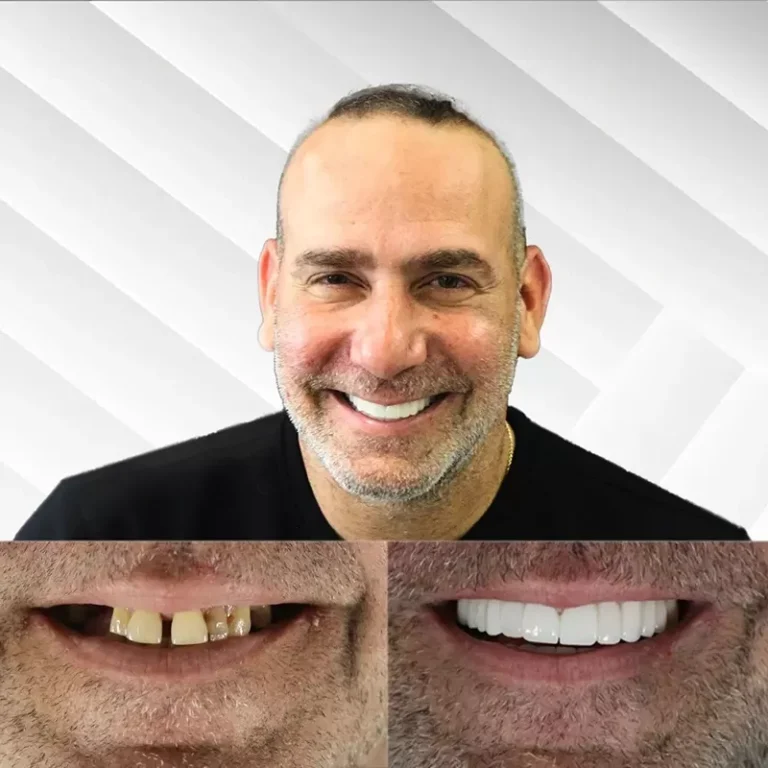
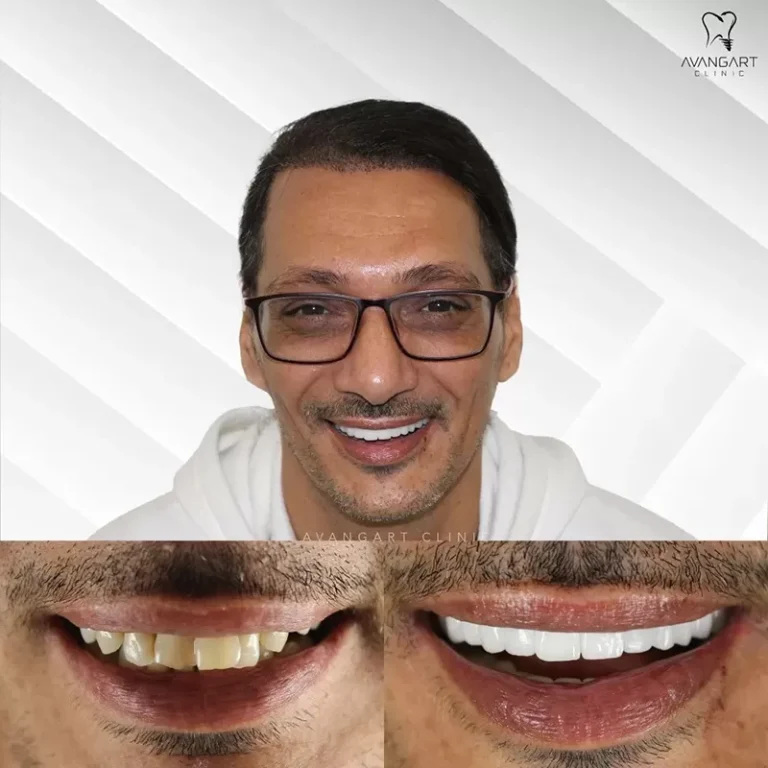
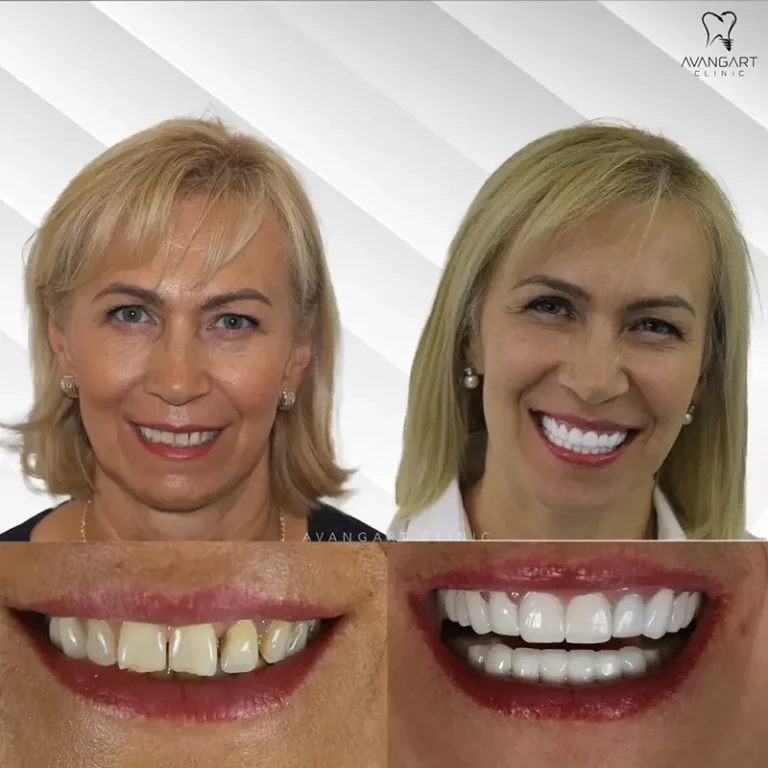
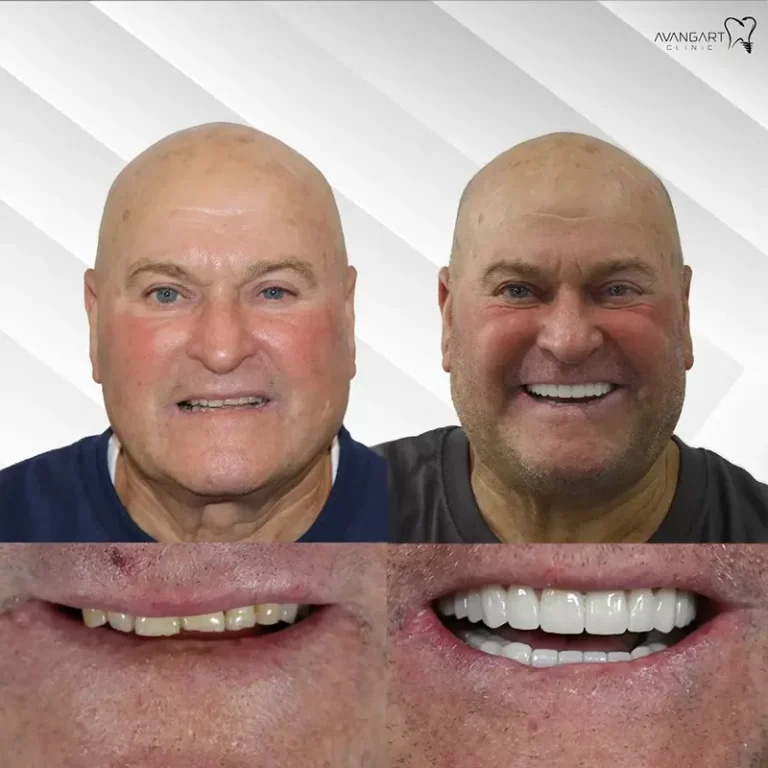
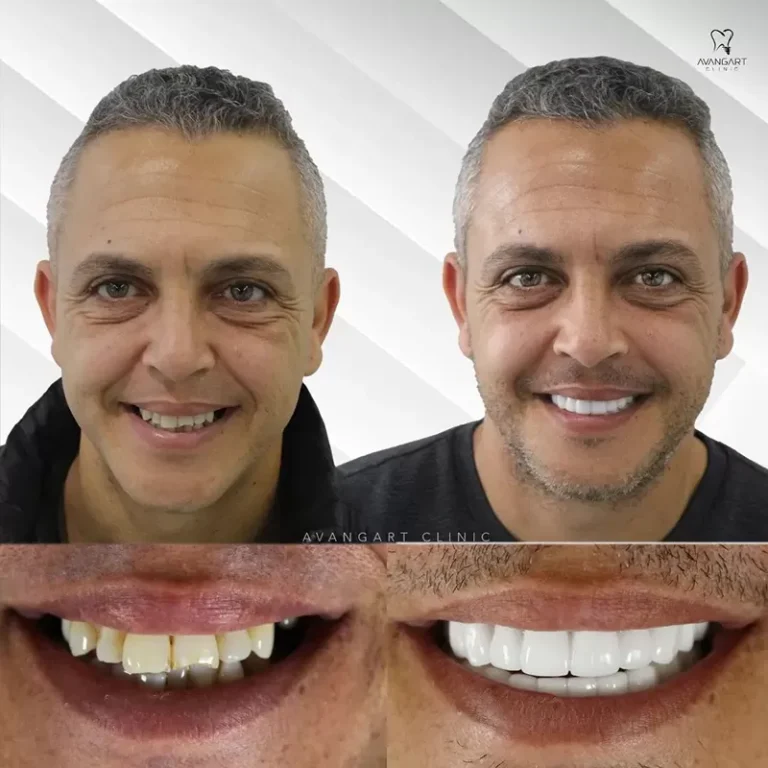
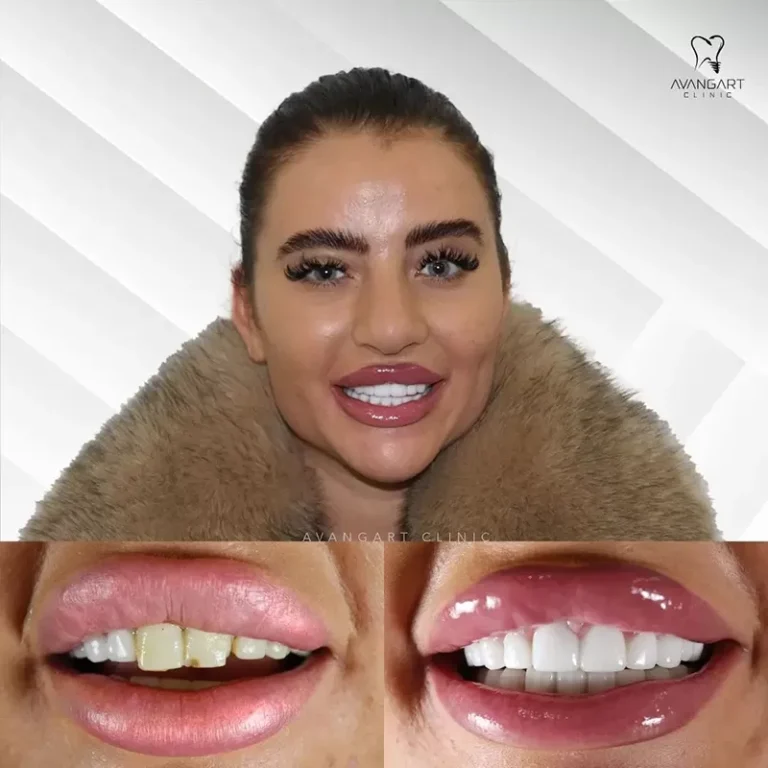
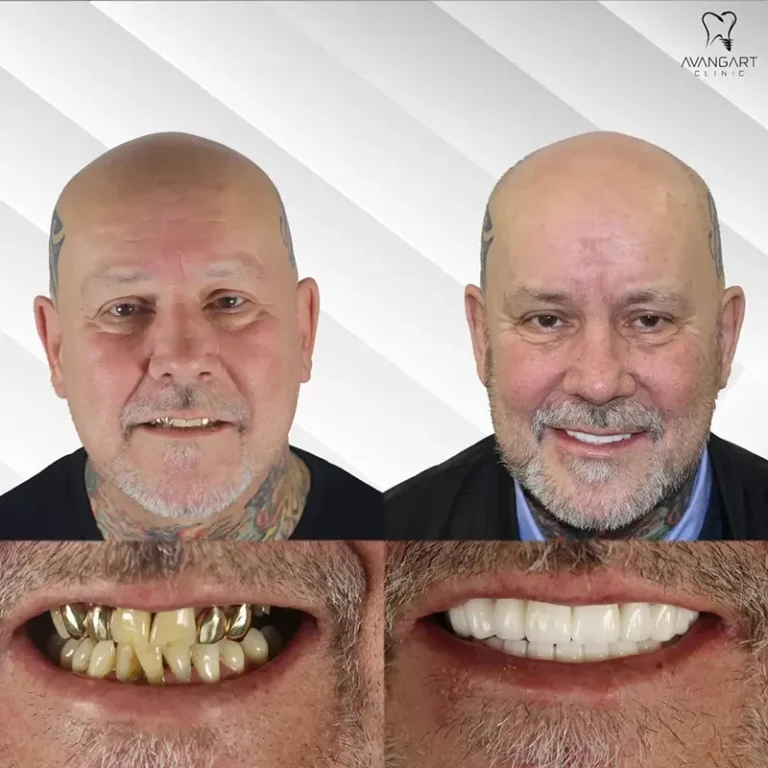
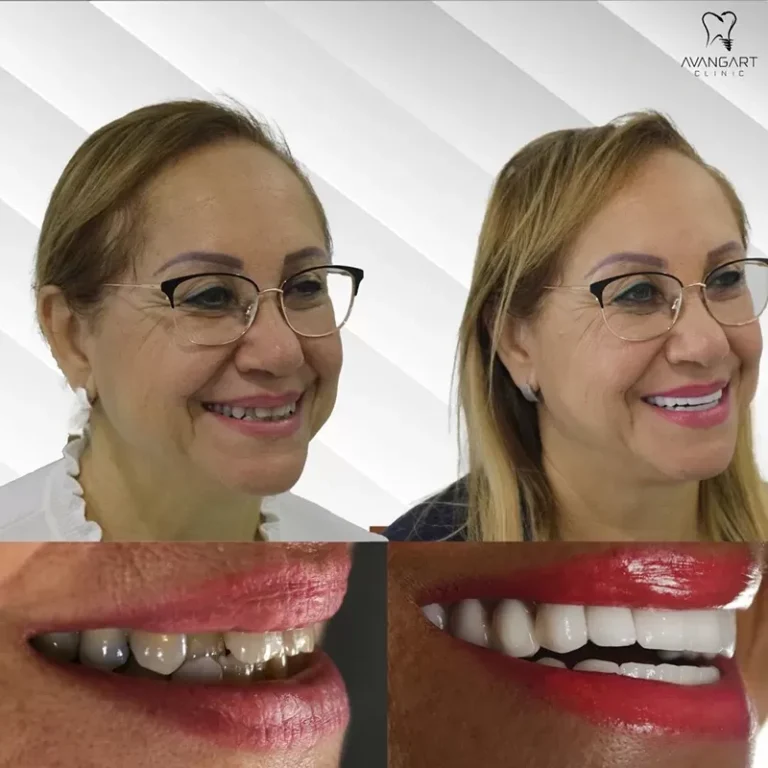
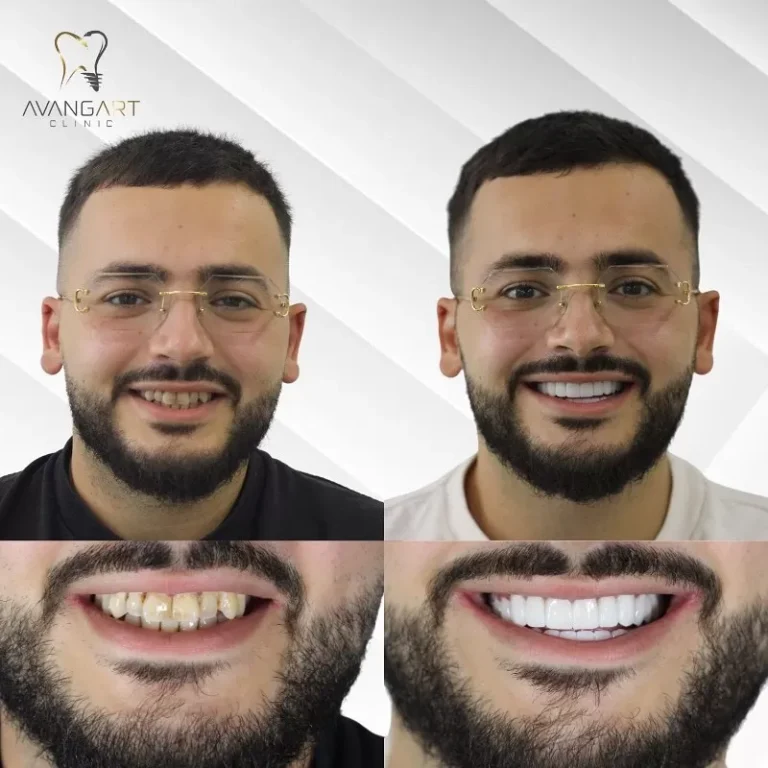
Before and After: Transformative Results with Avangart Clinic
We carry out all our dental treatments with care and strive to give your smile an elegant appearance.