Lifetime Warranties on Turkish Implants: Legal Realities vs. Marketing Promises

Dr. Emrah YEŞİLYURT
Dr. Emrah Yeşilyurt is the Founder of Avangart Clinic. He combines advanced dental expertise with a genuine commitment to helping patients feel comfortable and informed about their oral health journey.
Dental treatment abroad can reduce costs, but the word “lifetime” often creates more certainty than a dental clinic can medically provide. Patients planning implant treatment in Turkey therefore need to know exactly what is guaranteed, who provides that protection and which future expenses remain their responsibility.
A lifetime dental implant warranty is not automatically a scam. In many cases, however, “lifetime” applies only to an eligible implant fixture supplied by the manufacturer, not to the abutment, ceramic crown, surgery, travel expenses or the biological success of the treatment.
This article explains how to distinguish a meaningful written warranty from a marketing promise. It also covers the conditions that may invalidate an implant guarantee and the practical limits of claiming from another country.
- Disclaimer: This article explores standard industry practices for informational purposes. Always request a written contract from your specific provider. It does not constitute legal advice.
Turkish Official Gazette issue 33075, published on 12 November 2025, is sometimes described online as imposing a blanket ban on lifetime dental warranties. The regulation does not expressly state that every lifetime warranty is automatically illegal. It does, however, restrict misleading healthcare promotion, unsupported clinical claims and advertising that exploits a patient’s lack of knowledge.
For that reason, a clinic should never use a warranty to imply that an implant cannot fail or that a result will remain unchanged for life. Biological changes, disease, trauma and patient habits all affect long-term outcomes.
Why Warranties Matter More in Dental Tourism Than Regular Dentistry
When a locally placed implant needs attention, the patient can usually return to the same dentist without crossing a border. With dental tourism, even a small problem may involve international travel, time away from work and accommodation in your target city.
Türkiye’s cross-border healthcare sector operates on a large scale. According to official Turkish health-tourism data, 1,398,580 people visited the country for healthcare in 2025. A further 302,487 healthcare visitors were recorded in the first quarter of 2026. (These figures cover all healthcare services, not dentistry alone)
The size of the market makes transparent aftercare especially important. Anyone researching patient safety in Turkey should examine what happens after returning home, rather than relying only on informal messages or verbal explanations.
| Warranty issue | Local dentistry | Dental tourism |
|---|---|---|
| Initial assessment | Usually completed in person | Often begins remotely, followed by examination and imaging in Türkiye |
| Minor adjustment | A short local appointment may be enough | The clinic may first request photographs, X-rays or a local dental report |
| Revision treatment | Usually available without international travel | May require return flights, hotel stays and time off work |
| Legal recourse | Usually pursued within the patient’s home system | Depends on the written agreement, provider and applicable jurisdiction |
| Out-of-pocket costs | Travel costs are normally limited | You may still need to pay for return travel, local X-rays, scans, or dental assessments |
| Continuity of care | Often managed by one local practice | May involve the Turkish clinic and a separate dentist at home |
A verbal promise cannot resolve these questions. Before paying a deposit, ask for the written warranty document and check the clinic’s registered details, claim procedure and response time.
What a Proper Dental Implant Warranty Should Include
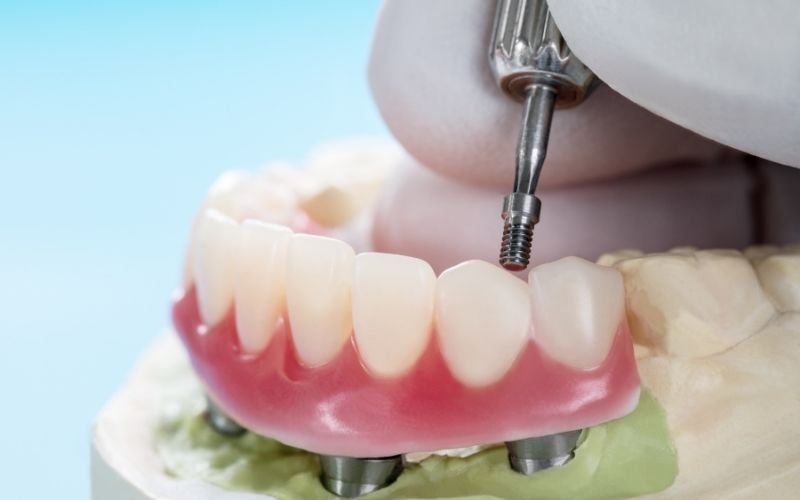
A dental implant is a system of separate parts. The implant fixture, often described as the titanium screw, is placed in the jawbone. It must achieve osseointegration, meaning that the surrounding bone heals around and stabilises it.
An abutment connects that fixture to the visible ceramic crown. Each part can develop a different problem and may carry a different warranty period.
A clear warranty should address the following separately:
- Implant fixture: State whether eligible fracture, material defect or loss of integration is covered. Clarify whether the benefit is limited to a free replacement component.
- Abutment and retaining screw: Explain whether loosening, fracture or component failure is included.
- Ceramic crown or bridge: Specify the period for chipping, fracture, de-bonding or cement failure.
- Clinical work: State whether removal, replacement surgery, fitting and laboratory work are covered.
- Associated procedures: Explain whether a bone graft, temporary restoration or additional imaging would be charged separately.
- Number of claims: State whether replacement is available once or can be claimed again.
- Claim evidence: List any required X-rays, clinical reports, photographs or returned components.
The distinction becomes even more important with full-mouth rehabilitation. For example, All-on-6 dental implants involve several fixtures supporting a full-arch prosthesis. A fixture warranty does not automatically mean that every tooth, retaining screw and prosthetic section carries the same coverage.
The same principle applies to advanced implant solutions for patients with severe bone loss. More complex surgery may involve treatment-specific exclusions and review requirements, so a generic one-line guarantee is inadequate.
Implants have high survival rates, but treatment cannot be presented as risk-free. A 2025 large-scale dental implant registry study examined 158,824 implants in 53,874 patients and reported an overall failure rate of 2.21%, equivalent to 97.79% survival.
How Manufacturer Warranty Programmes Work
Implant manufacturers offer their own product warranty and replacement programmes, but the level of cover differs by brand and component.
Straumann’s Guarantee provides different warranty periods for eligible implants, abutments and restorations. Neodent’s Lifetime Guarantee lists lifetime cover for eligible metallic and ceramic implants, ten years for abutments and metallic restorations, and five years for ceramic restorations.
These programmes mainly provide replacement products under stated conditions. They do not automatically cover removal surgery, bone grafting, laboratory work, travel or other treatment costs. Warranty claims are usually handled through the treating dentist, clinic or an authorised distributor, rather than by the manufacturer paying compensation directly to the patient.
What a Proper Travel Warranty Should Include
A free implant fixture has limited practical value if the patient must fund an international trip to receive it. Before booking, ask whether the clinic’s travel warranty is separate from its clinical or manufacturer’s warranty.
The document should answer:
- Will the clinic contribute towards a round-trip economy flight?
- Is accommodation coverage included, and for how many nights?
- Are airport transfers provided?
- Must the clinic approve your return visit before you book flights or accommodation?
- Does the clinic cover a companion where medically necessary?
- Can minor local repairs be completed at home with prior approval?
- Who pays for new X-rays, a pre-treatment CBCT scan or specialist reports?
- Are missed wages and other indirect costs excluded?
Review implant treatment pricing alongside these possible expenses. A low initial quote may still be worthwhile, but patients should understand the hidden costs before comparing it with local care.
Travel support should also distinguish between an urgent complication and a non-urgent cosmetic concern. Symptoms such as increasing pain, swelling, discharge, fever or suspected peri-implantitis may need prompt assessment by a local dentist rather than waiting to travel back to Türkiye.
Concerns about the colour, shape or appearance of a crown or smile makeover are usually less urgent and can follow the clinic’s normal review process. Never book a return visit based only on a verbal message. Ask the clinic to confirm in writing what it will cover before purchasing tickets or accommodation.
Health First: Do Not Delay Urgent Care
A warranty claim should never delay necessary treatment. Seek emergency care where you are if you have difficulty breathing or swallowing, rapidly worsening swelling of the mouth, face or neck, or bleeding that will not stop.
Contact a local dentist promptly if you have severe or worsening pain, swelling with a fever, discharge, or other signs of infection. Do not wait for the clinic to approve a return trip before being assessed.
Once you are safe, contact the treating clinic and keep copies of your dental reports, X-rays, photographs, prescriptions and receipts. These records may be needed when the clinic reviews your case.
The Conditions That Make or Break a Warranty
A warranty normally requires the patient to protect the treatment. These conditions are reasonable when they are clear, clinically relevant and explained before consent.
Depending on the written terms, requirements may include:
- Maintaining good oral hygiene
- Attending regular dental and hygiene checks
- Following instructions during healing
- Avoiding smoking after surgery
- Managing gum disease or periodontitis
- Wearing a prescribed night guard for bruxism
- Completing all planned treatment stages
- Informing the clinic before another dentist alters the restoration
- Providing requested X-rays and treatment documentation
Smoking restrictions have a recognised clinical basis. A 2024 systematic review of smoking and early implant failure included 59,246 implants and 14,115 patients. The review found that smokers had 2.59 times higher odds of early implant failure than non-smokers.
Poor plaque control may contribute to inflammation, gum disease, peri-implantitis and progressive bone loss. Bruxism can place repeated force on a ceramic crown, abutment or retaining screw. These risks explain why aftercare conditions appear in many warranty documents.
Problems arise when the exclusion is vague or disproportionate. A clinic should not simply write “poor hygiene voids all coverage” without explaining how hygiene will be assessed, what records are required and whether an unrelated implant fracture would still receive consideration.
Patients should review the full treatment process before travelling. This may involve a clinical examination and imaging, such as a panoramic X-ray or CBCT scan, when the dentist considers it necessary.
The same care is needed for porcelain veneers, composite restorations and root canal treatments. These procedures age differently from an implant fixture and should not be grouped under one undefined lifetime promise.
Manufacturer Warranties vs. Clinic Guarantees
A manufacturer’s warranty and a clinic guarantee protect different things.
The manufacturer’s warranty usually concerns eligible products, such as the implant fixture or specified restorative components. It follows the manufacturer’s conditions and may require the dentist to submit records, X-rays, product information or the removed component.
The clinical warranty concerns the clinic’s own services. Depending on the written terms, it may cover replacement surgery, laboratory work, an abutment, crown fitting or local repairs.
A workmanship guarantee may apply to issues such as early loosening, fit or cement failure. It should never be confused with a promise that the patient’s bone and gums will remain healthy indefinitely.
If a clinic closes, its free clinical work, travel assistance and other treatment-related promises may no longer be available. A manufacturer’s product warranty may remain relevant after a clinic closes, but the patient should contact the manufacturer directly. Another provider is not automatically required to carry out the replacement or accept the original clinic’s guarantee.
Always request an implant passport or equivalent treatment record containing:
- Manufacturer and implant system
- Implant dimensions and placement location
- Reference, serial or batch number
- Date of placement
- Abutment and prosthetic details
- Treating clinic and dentist
- Relevant material specifications
An implant passport helps another dentist identify the components if maintenance or revision dentistry becomes necessary. It does not itself guarantee free treatment.
Before relying on long-term protection, check the clinic’s physical address, health-tourism authorisation, treatment documentation and professional accreditations. An implant guarantee is only useful when the provider can be identified, contacted and held to clear written terms.
FAQs
They may be enforceable, but patients should never assume that enforcement abroad will be simple or automatic. The result depends on the written contract, the legal identity of the provider, the governing law, the chosen jurisdiction and the exact promise made. Obtain independent legal advice for a specific dispute.
It depends entirely on the written terms. Some lifetime warranties cover only specified implant components, while others also cover eligible abutments or restorative components. Items such as the abutment, crown, bridge, removal procedure, laboratory work and replacement surgery may be covered for a shorter period, or not covered at all.
Smoking, poor oral hygiene, missed reviews, untreated gum disease and failure to follow aftercare instructions may invalidate coverage. Bruxism damage may also be excluded when a prescribed night guard is not worn. The clinic should state every condition in writing before treatment.
The patient usually pays unless the written travel warranty expressly covers flights, accommodation or transfers. A free replacement component from the manufacturer does not automatically cover the cost of returning to Türkiye, additional surgery or time away from work.
An implant passport records the system and identifying details of the components placed in your mouth. It helps future dentists verify the implant fixture, dimensions and batch information when maintenance, compatible parts or revision treatment is required.
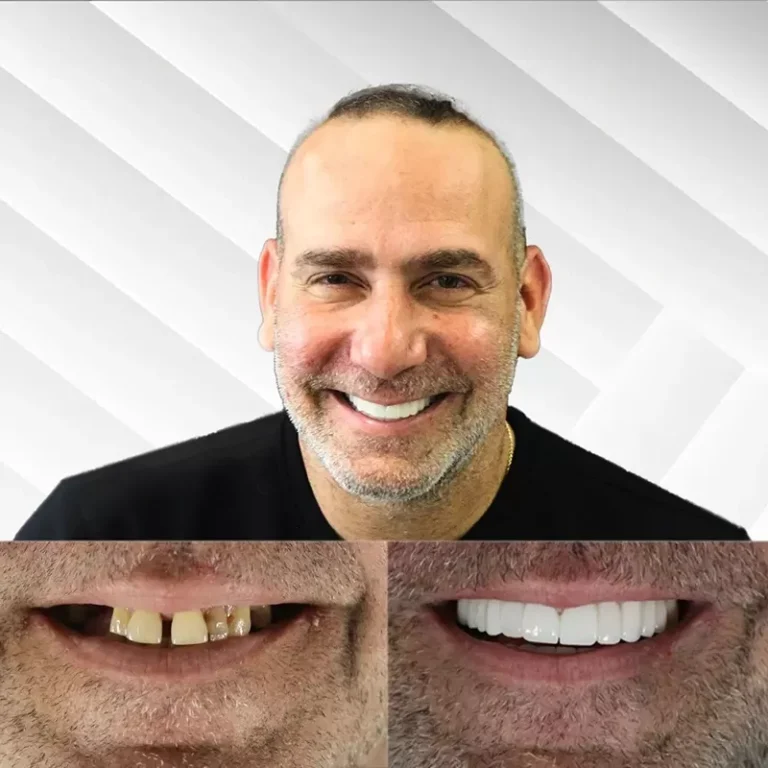
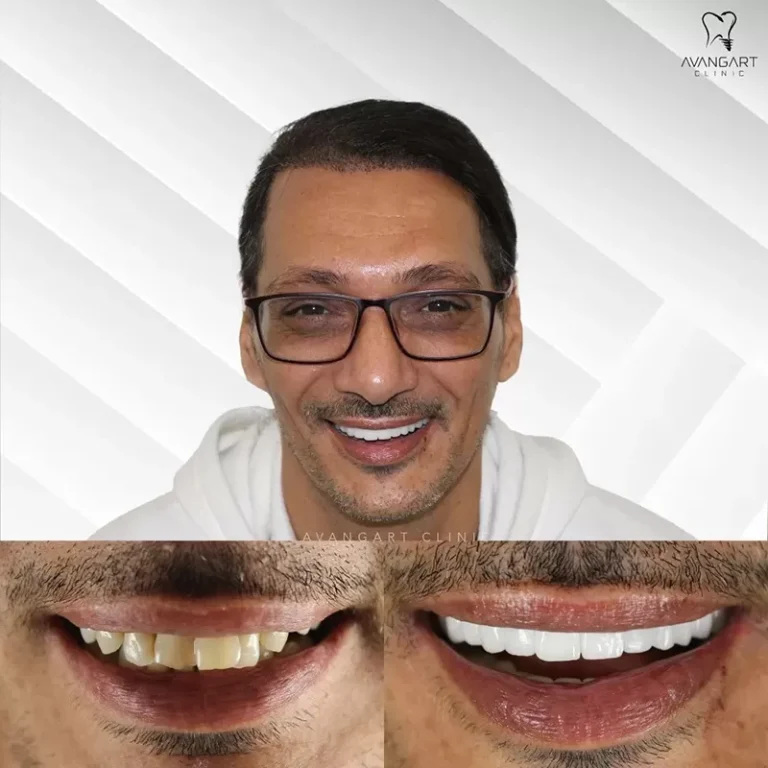
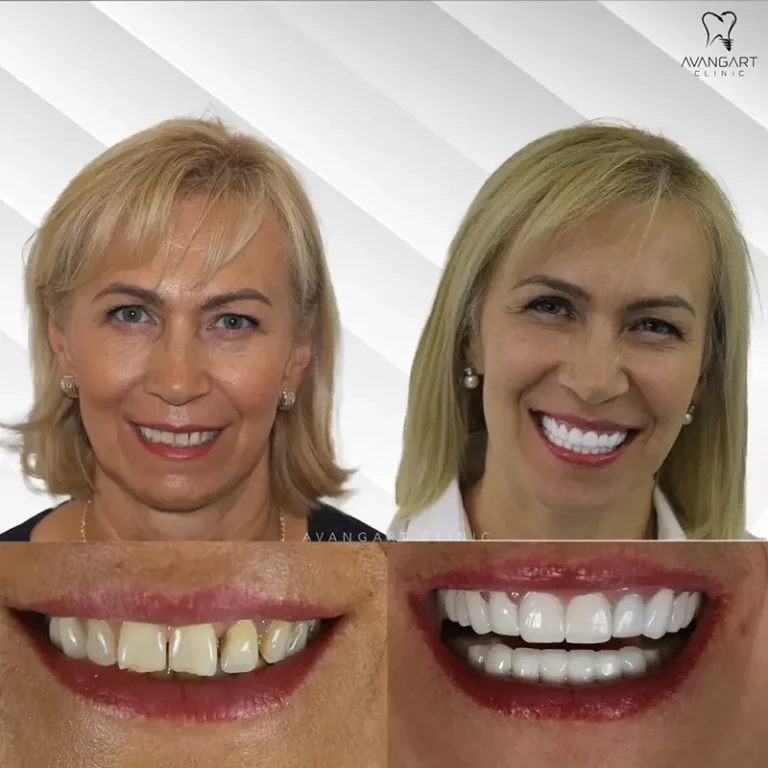
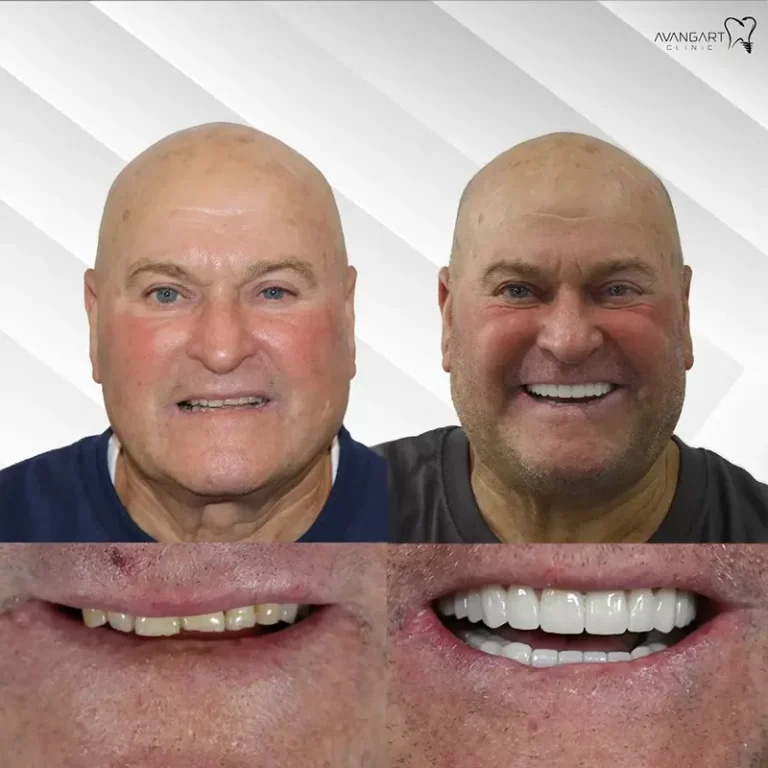
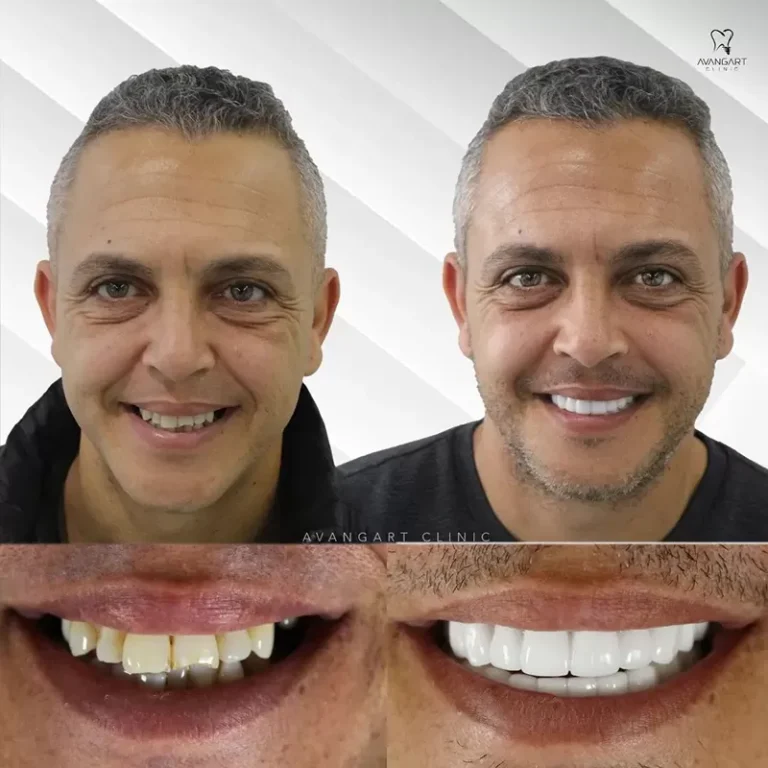
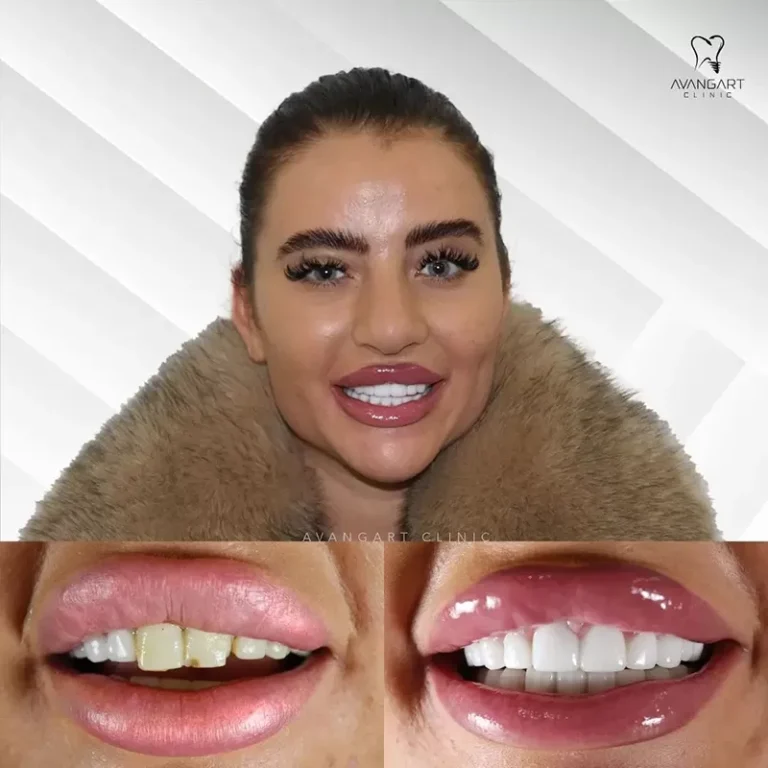
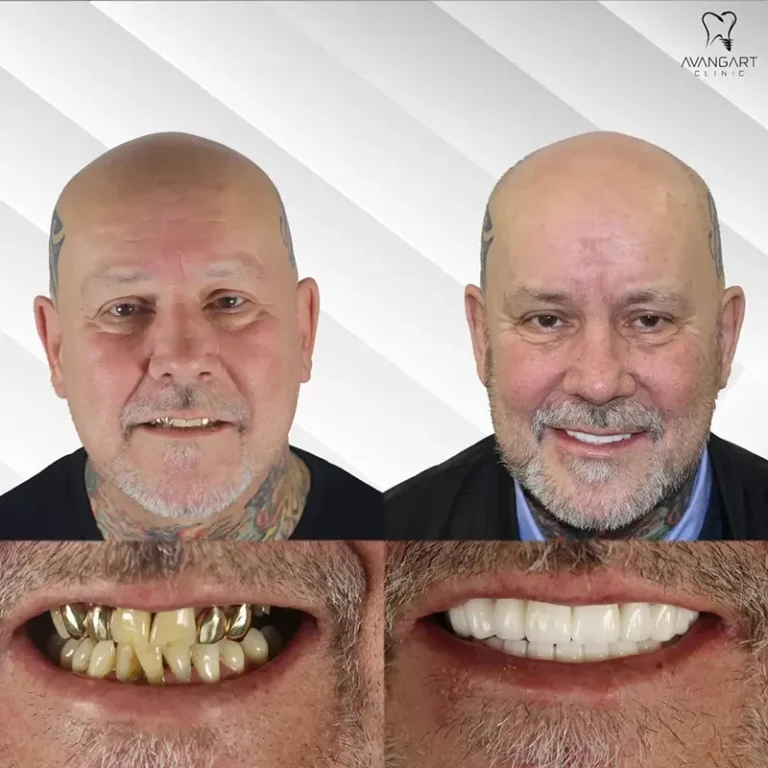
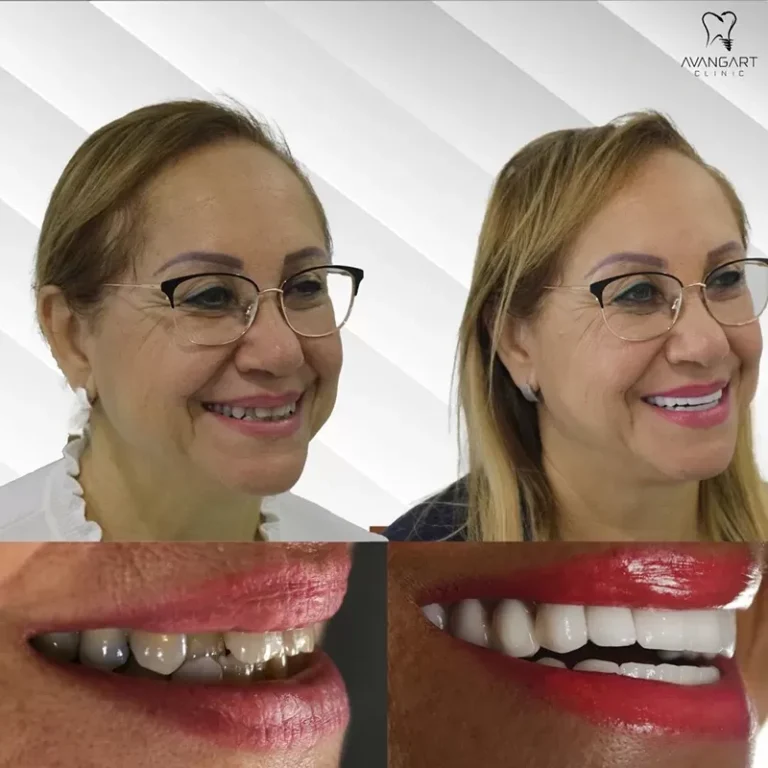
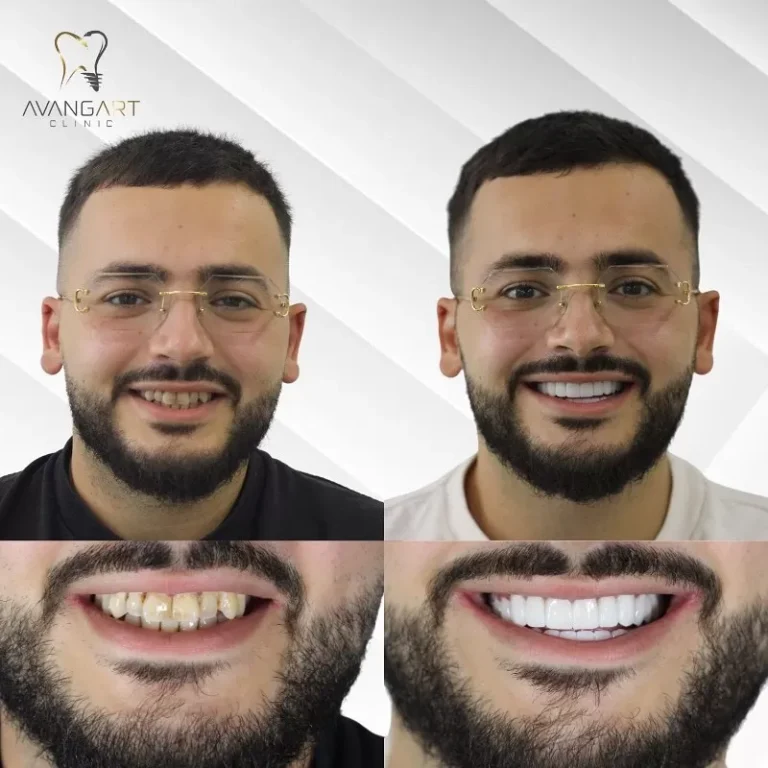
Before and After: Transformative Results with Avangart Clinic
We carry out all our dental treatments with care and strive to give your smile an elegant appearance.