
What Can You Eat After Dental Implant Surgery?

Dr. Emrah YEŞİLYURT
Dr. Emrah Yeşilyurt is the Founder of Avangart Clinic. He combines advanced dental expertise with a genuine commitment to helping patients feel comfortable and informed about their oral health journey.

Recovery from dental implant surgery requires careful attention to your food. It is critical to stick to soft foods to eat after dental implant surgery to help with healing and reduce discomfort. This period can vary, but for the first few days, you’ll stick to liquids and chilled foods to minimize irritation. As the healing process continues, you can gradually introduce soft, nutrient-dense foods such as scrambled eggs, mashed potatoes, and smoothies.
Avoid foods that are crunchy, hard, or acidic, as these may disrupt your healing. By following these suggestions, you can help your implants fuse with your jawbone while also staying nourished during this critical healing time.
What Foods Are Safe to Eat After Dental Implant Surgery?
While dental implants Turkey provide the long-term benefit of eating your favorite foods painlessly, the initial healing period requires some careful dietary choices. After surgery, your mouth will require time to heal, so stick to soft and easy-to-eat meals. In the first few days, stick to liquids like smoothies or broths, which are gentle on your gums while still providing essential nutrients. These are ideal for your dental implant recovery diet. As you heal, you can gradually introduce soft meals such as mashed potatoes, scrambled eggs, and yogurt. You’ll be able to eat a larger variety of foods once your implants fully integrate with your jawbone.
First-Day Diet: What to Eat Within 24 Hours Post-Surgery
Post-Op Nutrition: General Dietary Guidelines After Implants
Your diet after dental implant surgery has a significant impact on how well and quickly you heal. For the first few days, focus on soft, easy-to-swallow foods that are high in nutrients. Avoid anything crunchy, chewy, or overly hot since they might irritate the surgery site and potentially interfere with the healing process. Hydration is also essential but drink from a glass, not a straw, to avoid disrupting the implant site.
Aim for smaller, more frequent meals during the day. This maintains your energy levels and promotes tissue repair without overwhelming your healing mouth. Listen to your body and change the texture of your food to what feels comfortable.
Soft-Foods To Eat After Dental Implants
As you move beyond the first day of the liquid diet, gradually introduce nutrient-dense soft meals. Scrambled eggs, mashed potatoes, and baked oatmeal are all gentle on the mouth and simple to make—ideal options in your diet after implant surgery. Yogurt, smoothies, and soft fruits such as bananas or ripe peaches include vitamins and protein, which aid in healing.
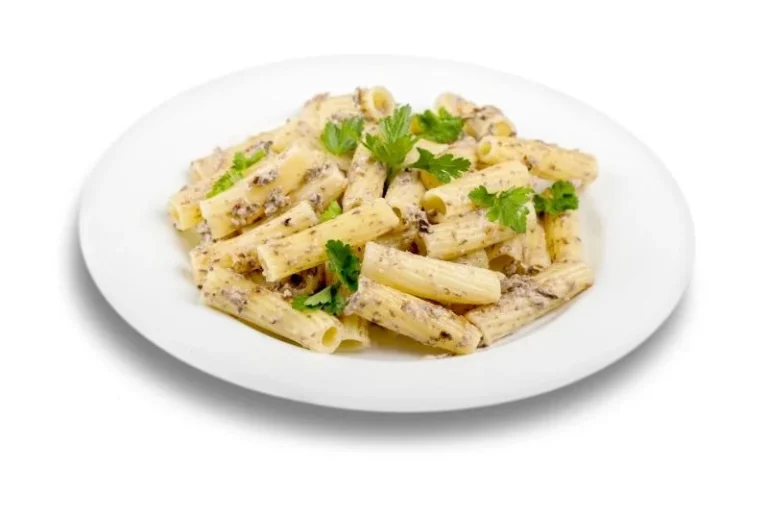
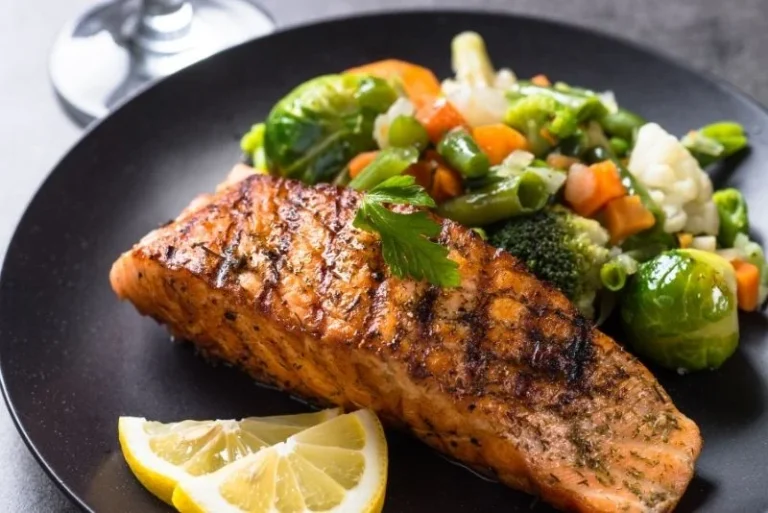
Steamed vegetables, soft pasta, and tender seafood such as salmon or cod can be reintroduced as your comfort level grows. If you eat meat, start with ground or finely shredded options.
The key is to maintain a post dental implant diet that is both soothing and nutritional—fueling your recovery without compromising your comfort.
Soft-Food Dental Implant Diet Plan for the First Few Weeks
After the initial recovery period, your mouth will still be sensitive, and your implants will continue to integrate with the jawbone. This stage normally lasts several weeks, during which you must eat soft foods to avoid placing stress on the implant site.
Think of this as a time to eat smart—meals should be easy on your tongue yet be rich in nutrients to aid healing. Soft proteins like scrambled eggs, well-cooked seafood, and finely ground meats are excellent options for your dental implant recovery diet. You can also eat mashed vegetables, ripe fruits like bananas and peaches, soft noodles, and porridge.
Dairy items, such as yogurt and soft cheeses, can provide protein and calcium, but if you’ve noticed any sensitivity or nausea, seek non-dairy alternatives. Blended soups, stews with tender vegetables, and soft-cooked grains are also great for maintaining variety.
Avoid anything hard, sticky, or crunchy, as these can harm the implant site or dislodge temporary Crowns (Before you get real Dental Crowns Turkey). It’s also a good idea to avoid extremely spicy dishes until you feel more comfortable.
Patience is key throughout this period. Sticking to soft, nutritional foods not only protects your healing implants but also lays the groundwork for a seamless return to normal eating in the future.
Foods To Avoid After Dental Implant Surgery
Avoid anything that could irritate or harm your healing gums. This includes avoiding hard, crunchy meals such as chips, raw vegetables, or nuts, as well as sticky foods like caramel or taffy. Spicy foods and anything too hot might also hinder the healing process. Acidic meals like tomatoes and citrus fruits may cause discomfort, and alcohol or drinking through a straw might disrupt clot formation. When in doubt, choose soft and soothing over risky and rough.
Maintaining Proper Nutrition During Recovery
Healing after dental implant surgery doesn’t just depend on rest—it also relies on what and how you eat. While you may be eager to return to your normal meals, following the prescribed soft-food diet protects your implants and promotes tissue regeneration. Eating at regular intervals keeps your energy up and promotes faster healing.
If getting enough protein through meals is challenging, consider including nutritional drinks or powders. They are a simple way to maintain your intake while giving your mouth a break from chewing.
For those with diabetes, it is critical to maintain a consistent meal schedule and monitor blood sugar levels. A balanced diet throughout the recovery period can help prevent complications and support stable healing.
When Can You Resume Normal Eating After Tooth Implant?
Returning to your usual meals takes time—most people require several months to fully recover. While some people feel ready sooner, others may need up to six months to be comfortable eating tougher foods. The best approach is to listen to your body. If chewing causes pain or discomfort, it is too early.
As you recover, focus on building your meals on soft, protein-rich options. Consider broiled fish, scrambled eggs, porridge, or steamed vegetables. Soft fruits like bananas and pears, as well as dishes like thin noodles, pancakes, and mashed potatoes, keep things gentle while still nourishing your body.
There is no haste. Returning to solid foods gradually provides your implants the best chance to settle properly and maintain long-term health.
Oral Hygiene Tips After Implant Surgery
Dental implants are designed to last—but only if they are cared for properly. They, like your real teeth, rely on proper hygiene and smart habits to remain healthy in the long run. That means brushing and flossing every day, using non-abrasive toothpaste, and rinsing with a soft mouthwash to keep your gums healthy and inflammation at bay.
Water flossers or interdental brushes are especially useful in hard-to-reach areas surrounding implants. They effectively remove the debris between teeth and under the gumline, which regular floss may miss, especially when bridges are involved.
Regular dental checks are an absolute must, regardless of your everyday activity. While you can keep an eye on the surface (your crown and gums), only a specialist can look beneath where the implant is attached to your jawbone. Periodic X-rays aid in detecting any problems early.
However, dental hygiene goes beyond brushing. Your own lifestyle is also important. Eating a well-balanced diet, minimizing sugary snacks, controlling stress, and avoiding smoking all help to ensure the health and life of your implants.
Think of it like this—whatever you would do to care for your natural teeth, you should do the same for your implants. Consistency and care now can help protect your smile for years to come.
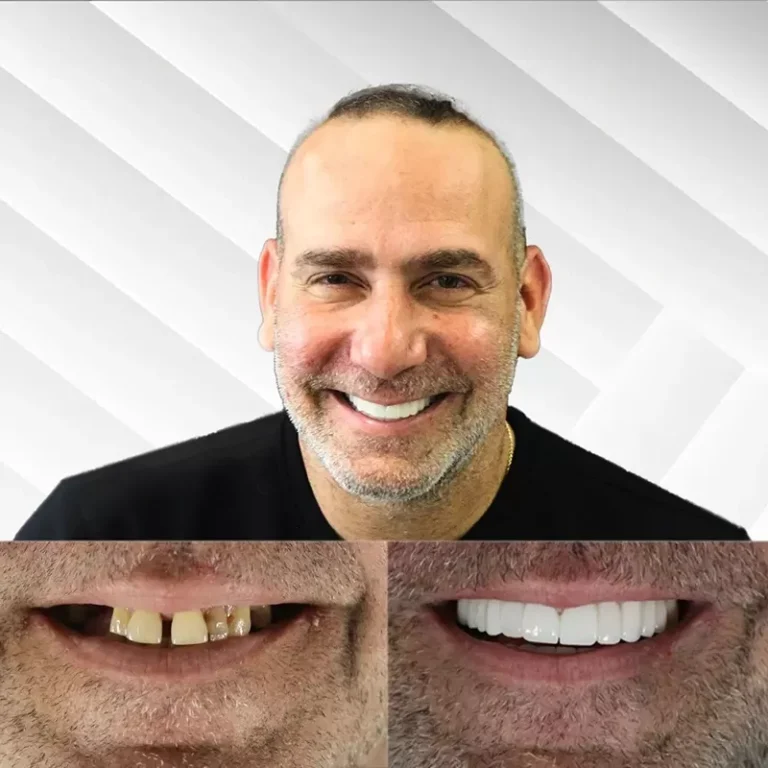
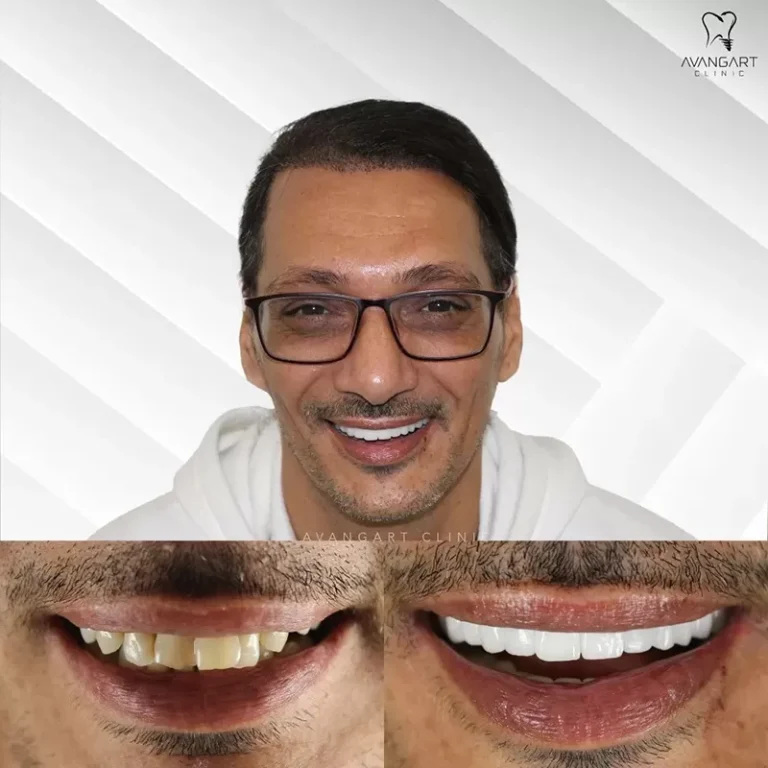
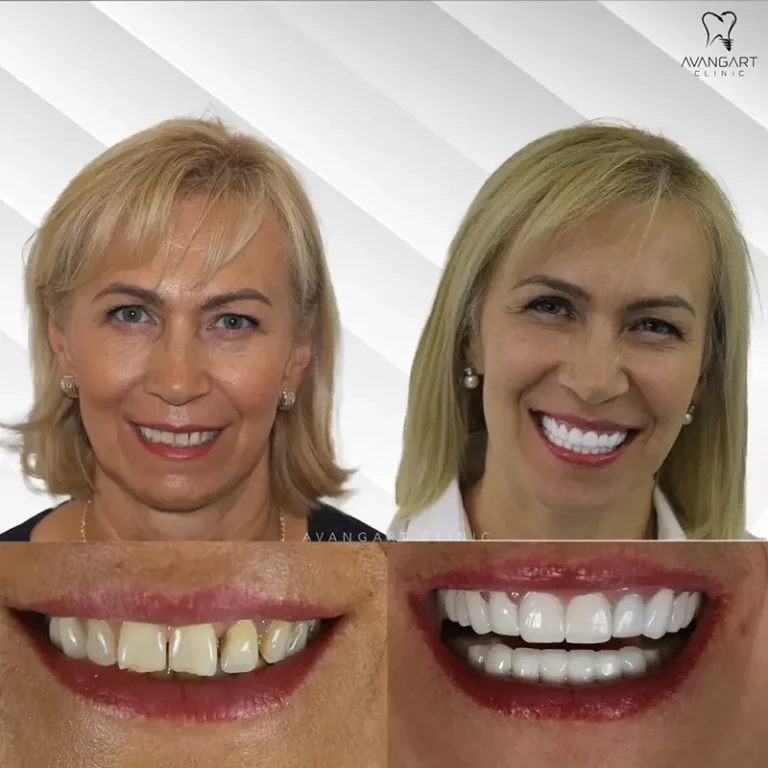
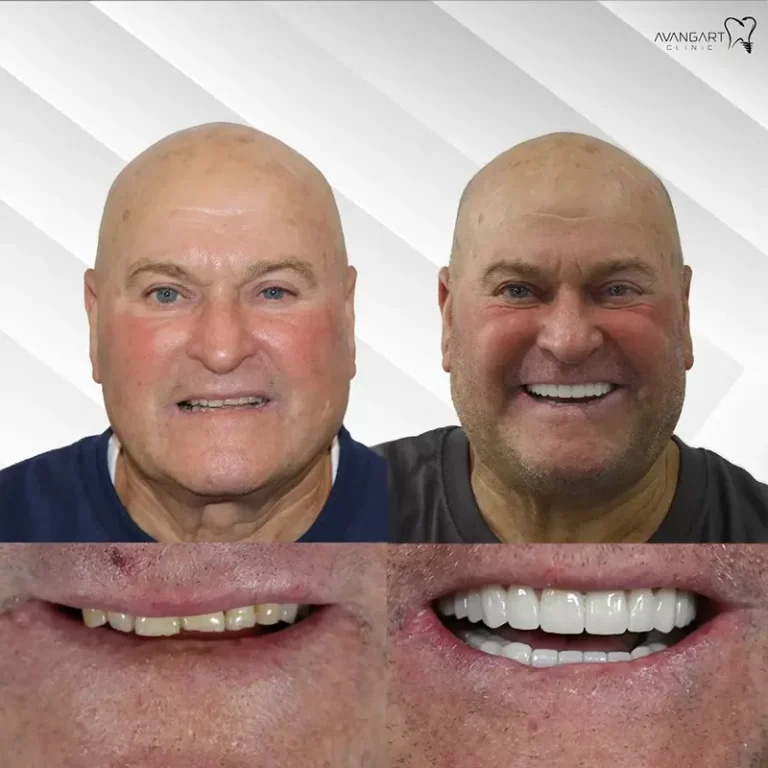
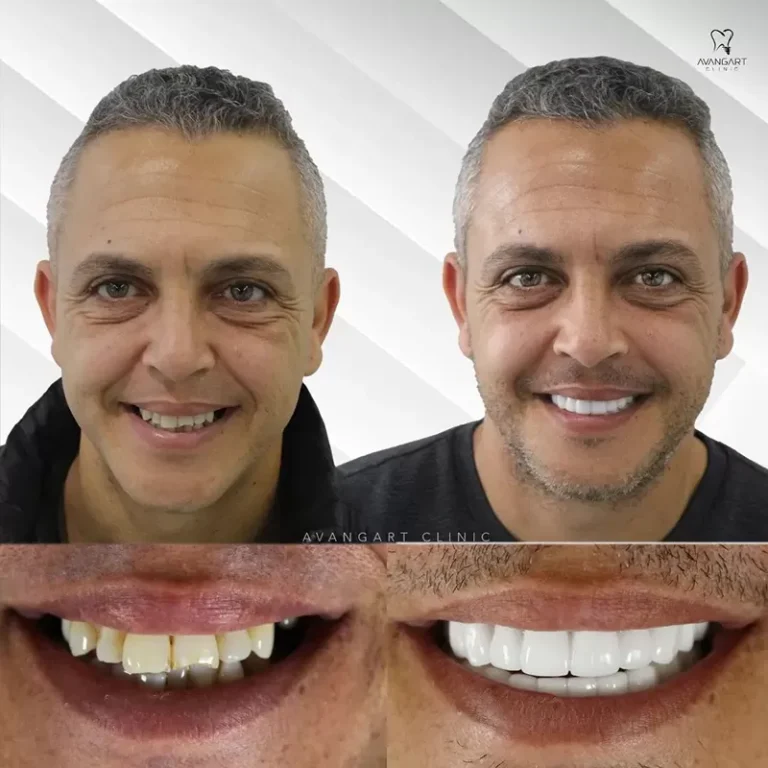
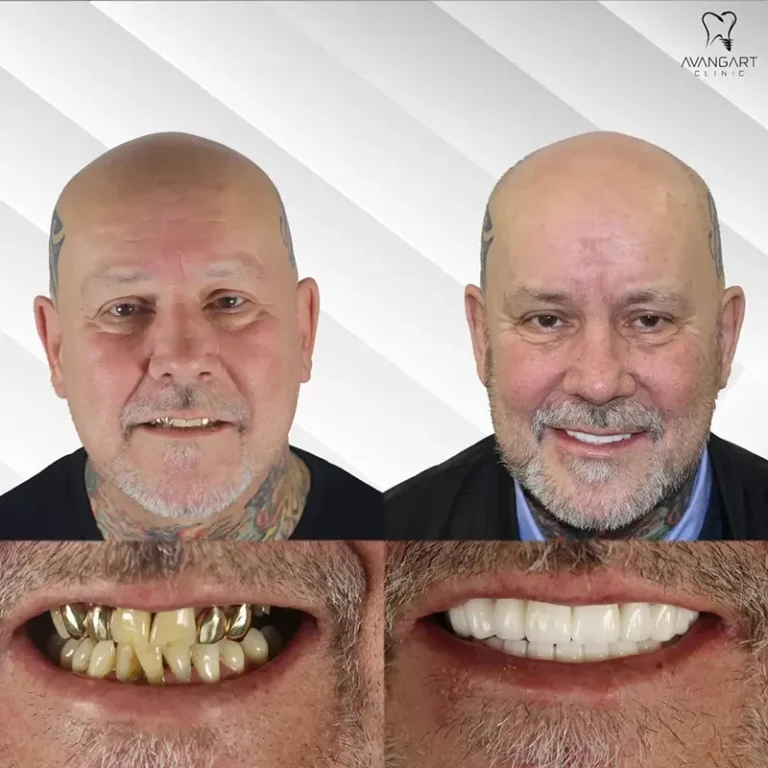
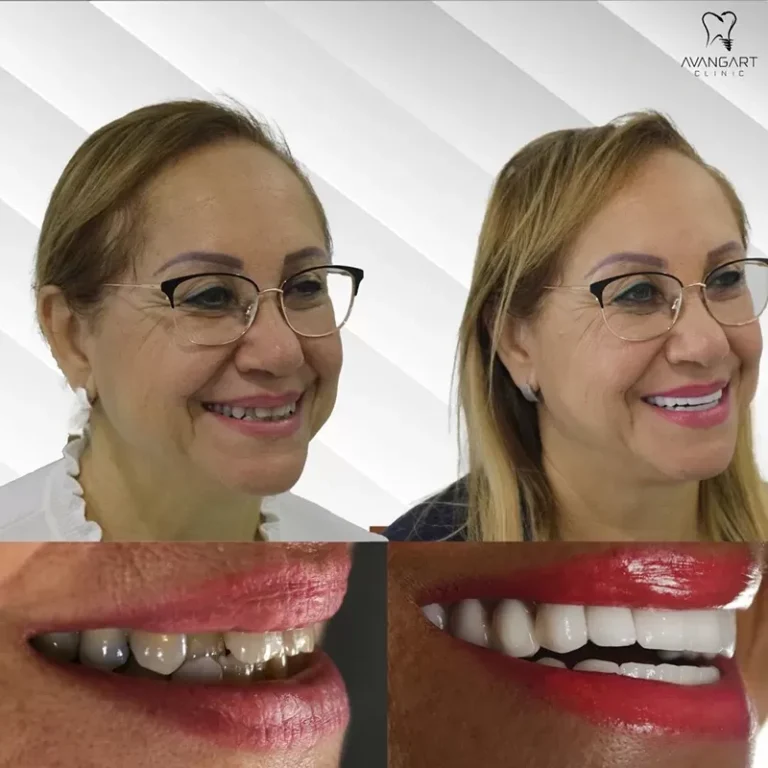
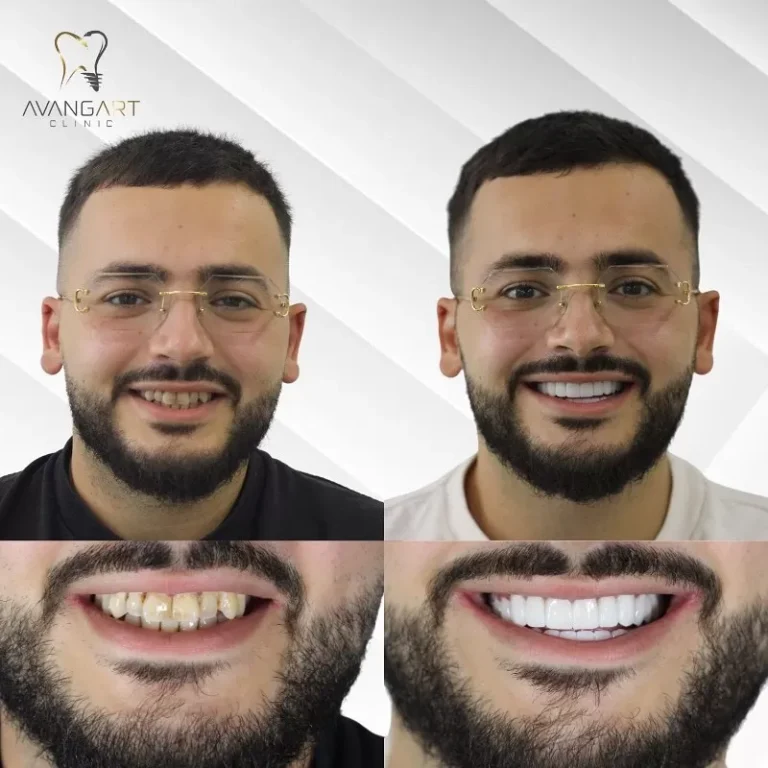
Before and After: Transformative Results with Avangart Clinic
We carry out all our dental treatments with care and strive to give your smile an elegant appearance.

Enjoy a Healthy, Functional Smile with Dental Implants
If you’ve lost one or more teeth, dental implants can help you regain your comfort and confidence. At Avangart Dental Clinic, Dr. Emrah YEŞİLYURT provides specialized care to restore your smile. Call +90 212 211 82 11 to schedule your consultation.