When Is It Too Late For Gum Grafting? Act Now To Save Your Gums

Dr. Emrah YEŞİLYURT
Dr. Emrah Yeşilyurt is the Founder of Avangart Clinic. He combines advanced dental expertise with a genuine commitment to helping patients feel comfortable and informed about their oral health journey.
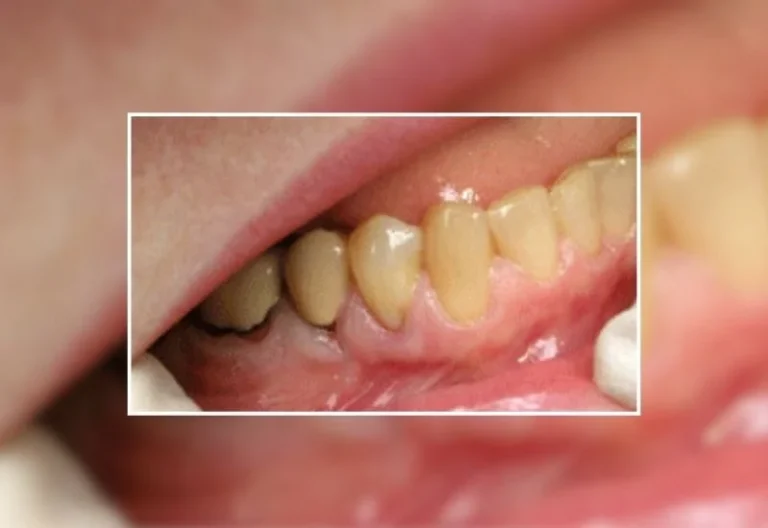
When Is It Too Late For Gum Grafting?
If your dentist has mentioned gum grafting, timing is important. Early treatment protects your smile and makes the procedure more predictable. Waiting too long can allow gum recession and disease to worsen, making recovery more difficult.
When is gum grafting necessary? People frequently ask. It is usually considered when the gums pull back, the roots are exposed, or the sensitivity continues to worsen. Grafting can help restore coverage, strengthen thin tissue, and promote long-term oral health.
Grafting can’t solve every problem. If the gums have receded severely and the roots are exposed, or if there’s major bone loss from advanced gum disease, the chances of success are much lower. In these situations, it may be healthier to remove the tooth and replace it with a dental implant.
Satisfied Patient Reviews
EXCELLENTTrustindex verifies that the original source of the review is Google. Service impeccable. Je suis venue pour des implants. La prise en charge a été rapide et la douleur pendant et après l’opération a été à peine ressentie. Clinique très professionnelle et chirurgien expert. Personnel très accueillant, en particulier la Directrice. Recommande à tous ceux qui sont à la recherche de professionnels pour régler des problèmes dentaires Suis venue finaliser la pose des implants et des couronnes. Résultat impécable!Posted on GoogleTrustindex verifies that the original source of the review is Google. I visited from England and had a positive experience. I went for a Hollywood Smile look and couldn’t be happier with them. The clinic was very aesthetic & clean, the staff were very attentive and supportive & I high recommend them.Posted on GoogleTrustindex verifies that the original source of the review is Google. İmplantlarımı ve zirkyonyumlarımı yaptırdım 2 sene önce iyiki yaptırmışım çok memnunum doktorum emrah hoca işinde çok iyi birisi tüm çalışanlara çok teşekkür ediyorum güler yüzlü anlayışları için gülşah hanıma ayriyetten teşekkür ederim 🌹Posted on GoogleTrustindex verifies that the original source of the review is Google. Çok güzel ve güveninirPosted on GoogleTrustindex verifies that the original source of the review is Google. Friendly and approachable staff, above all I haven’t experienced any pain what so ever, it does truly shows core professionalism. Coming from Wolverhampton, UK and made implant surgery with sinuslifting Gedi JafarPosted on GoogleTrustindex verifies that the original source of the review is Google. Ik Marco, hebt mijn gebit laten doen bij Avangart.. En ben door lieve mensen goed ontvangen en behandeld.. Kliniek zeer hygienisch en goede apparatuur.. Deze kliniek zo ik zeker aanraden om je laten behandelen..😁Posted on GoogleTrustindex verifies that the original source of the review is Google. I traveled from the U.S. and had Avantgart Clinic positively transform my smile in a manner that I wouldn’t have conceived as being possible. Dr. Egemen, a true master in his field, was patient, considerate, and communicative throughout the process and his assistant, Sevim, was a real joy to work with. Together, the two of them combined to make the overall experience much greater than I could have ever hoped for, and the end result is a smile that is on par with the most glamorous of Hollywood stars. I am extremely satisfied and would highly recommend Avangart Clinic to anyone looking to enhance their smile at a great price and of the highest quality.Posted on GoogleTrustindex verifies that the original source of the review is Google. Herkes mükemmel ıscılık mükemmel teşekkür edıyorumPosted on GoogleTrustindex verifies that the original source of the review is Google. Emrah bey‘in diş konusundaki tecrübesi, güler yüzü ve uzmanlığı nedeniyle diş tedavilerim için her seferinde Avusturya‘dan İstanbul’a gelmekteyim. Diş kliniği de son teknolojik donanıma sahip güven verici muayenehaneler içermekte.Posted on GoogleTrustindex verifies that the original source of the review is Google. Güler yüzlü ekip, temiz ve modern bir klinik. Tedavi sürecim baştan sona çok profesyoneldi. Gönül rahatlığıyla tavsiye ederim.Verified by TrustindexTrustindex verified badge is the Universal Symbol of Trust. Only the greatest companies can get the verified badge who has a review score above 4.5, based on customer reviews over the past 12 months. Read more
Understanding Gum Grafting and Why It’s Needed
Gum grafting protects teeth when the gums thin or recede. A periodontist moves healthy tissue, often from the palate, to cover exposed roots and strengthen weak areas. Donor tissue can be used when a palate sample is not ideal.
Your visit begins with local anesthesia to keep you comfortable. The doctor creates a small flap, cleans the root surface, and places the graft where support is needed. Stitches hold the tissue in place while it heals.
Surgery for one tooth often takes about an hour, and most people are sore rather than in real pain afterward. The recovery is smooth when you follow the post-op plan, keep the area clean, and avoid hard foods. Ask your dentist about activity limits during the first few days.
Many patients ask, “When to get gum graft?” or “Do I need a gum graft?” A consultation with your dentist or periodontist is the best way to confirm if treatment is needed.
Another common question is about gum graft cost. The price can vary depending on how many teeth are involved, which technique is used, and whether your own tissue or donor tissue is chosen.
What Causes Gum Recession and Tissue Loss?
Gum recession happens when the gum edge slowly moves away from the teeth and exposes the roots. This can start with gum disease or with everyday habits that wear tissue down. Over time, the change can increase sensitivity and make teeth look longer.
Several risks can speed this process. Smoking weakens healing, grinding or clenching puts extra stress on the teeth and gums, and poor hygiene leaves plaque that irritates tissue. Injuries to the gums or a bite that is out of balance can also push the gums back.
If you notice tenderness, bleeding, or a small indentation forming along the gumline, see a periodontist. A careful dental exam can find the cause and map out treatment, from disease control to bite or habit changes. When treated early, gum grafting can cover exposed roots and help protect your teeth from further damage.
1. Aggressive Brushing Or Flossing Habits
Brushing or flossing your teeth too forcefully might actually harm your gums, causing them to recede with time. Excessive force can wear away the fragile gum tissue, causing the gums to tear away from the teeth. To protect your gums and maintain good oral hygiene, use gentle techniques and soft-bristle brushes.
2. Poor Oral Hygiene Leading To Plaque And Tartar Buildup
When you don’t clean your teeth properly, plaque can accumulate along the gum line. Plaque hardens into tartar over time, causing gum irritation and eventually leading to gum disease. If not addressed, gum disease can cause the gums to recede, exposing the roots of your teeth. Regular checkups and cleanings can help prevent gum disease and protect your gums from further damage.
3. Periodontal (Gum) Disease
Gum disease is among the main causes of gum recession. When bacteria in plaque accumulate near the gum line, it can cause inflammation and infection. If not addressed, this can destroy gum tissue and possibly the bone that supports your teeth. Regular checkups and cleanings can help you avoid gum disease and protect your gums from additional harm.
4. Teeth Grinding Or Clenching (Bruxism)
Grinding or clenching your teeth, which is often done unconsciously, can put significant pressure on your gums and teeth. Gum recession can occur over time because the force can push the gums back. If you grind your teeth, wearing a nightguard or managing stress can help preserve your gums and prevent future damage.
5. Smoking Or Use Of Tobacco Products
Smoking or using tobacco products can seriously injure your gums. Tobacco smoking lowers blood flow to the gums, making it difficult for the body to fight infections. This can cause gum disease and gum recession. Quit smoking and avoid tobacco products to improve gum health and reduce gum recession.
How to Recognize Early Signs of Gum Damage
Catching gum problems early can make a real difference. Look for red or puffy gums that bleed when you brush or floss, and pay attention to soreness along the gum line. These changes often show up before the recession becomes noticeable.
Sensitivity is another early clue. Cold water, hot coffee, or sweet foods may sting if roots are starting to show. If you notice a small indentation forming at the gum edge or your teeth look longer, schedule a checkup soon.
Don’t delay seeing your dentist if chewing feels uncomfortable or if a tooth feels slightly loose. If left untreated, inflammation can get worse and make the support around your teeth weaker. Seeking care early can really help avoid serious issues and reduce the chances of needing a tooth extraction down the line.
1. Severe Gum Recession Exposing The Tooth Roots
When your gums recede severely, they expose the sensitive roots of your teeth. This can cause increased tooth sensitivity, making it uncomfortable to eat or drink hot or cold foods. If left untreated, this type of gum recession can lead to more significant problems, such as tooth decay or loss. Early intervention can help restore gum health before the problem becomes too severe.
2. Loose or shifting teeth
Loose or shifting teeth are generally a symptom that the gums no longer provide enough support due to extensive recession. If you’ve undergone a bone graft and still experience gum recession after the bone graft, it’s important to see your dentist. This could indicate that more grafting or other treatment options are required to restore both gum tissue and bone support.
3. Extreme Tooth Sensitivity To Hot And Cold
If you notice that your teeth are unusually sensitive to hot or cold foods and drinks, this could be an indication of gum recession. When the gums pull back, they expose the tooth roots, which are far more sensitive than the crowns of your teeth. This sensitivity can make eating or drinking painful and may indicate that the recession is worsening, requiring immediate attention.
4. Persistent Gum Inflammation Or Infection
Ongoing inflammation or infection in the gums should never be ignored. If your gums are red, puffy, or bleed frequently, they may indicate an underlying problem, such as gum disease or severe recession. Persistent infection can cause further damage, so contact a dentist to prevent complications like tooth loss.
5. Teeth That Appear Longer Than Normal
If your teeth appear to be longer than usual, this is most likely due to gum recession. As the gums recede, more of the tooth becomes visible, making it appear unusually long. This can have an impact on both the beauty of your smile and your overall oral health, as exposed tooth roots are more susceptible to damage and decay.
6. Loss Of Gum Tissue Volume Or Contour
A visible change in the size or shape of your gums can indicate that gum recession is progressing. If the contour of your gums is no longer smooth or even, it may be time to see your dentist. Loss of gum tissue can weaken the support structure surrounding your teeth, increasing the risk of tooth loss and other issues.
7. Frequent Bleeding Gums During Brushing Or Flossing
If your gums bleed when you brush or floss, it could indicate gum disease or recession. Healthy gums should not bleed; thus, this symptom is not to be overlooked. Persistent bleeding may signal that your gums are inflamed or damaged, and if not treated, it can lead to other issues, such as gum loss or infection.
8. Visible Bone Loss On Dental X-rays
Dental X-rays allow your dentist to view what’s going on beneath the surface. If your X-rays show visible bone loss around your teeth, it may indicate that gum disease has progressed too far. Bone loss can weaken the support around your teeth, making it harder for treatments like gum grafting to be effective.
9. Difficulty Chewing Or Biting Food Due To Gum Issues
If you are having difficulty chewing or biting food due to gum irritation, this may indicate that gum recession has progressed to the point where it is threatening the stability of your teeth. As the gums recede from the teeth, the roots may become exposed, causing pain and trouble swallowing. This can signal the need for immediate dental care to avoid further damage.
10. Chronic Bad Breath Caused By Gum Disease
Chronic bad breath, or halitosis, is often associated with gum disease. When the gums become infected or inflamed, bacteria can accumulate and create persistent bad breath, even after brushing. This is a serious sign that gum health is compromised and may indicate that you’re dealing with gum disease, which requires treatment to avoid further complications like tooth loss.
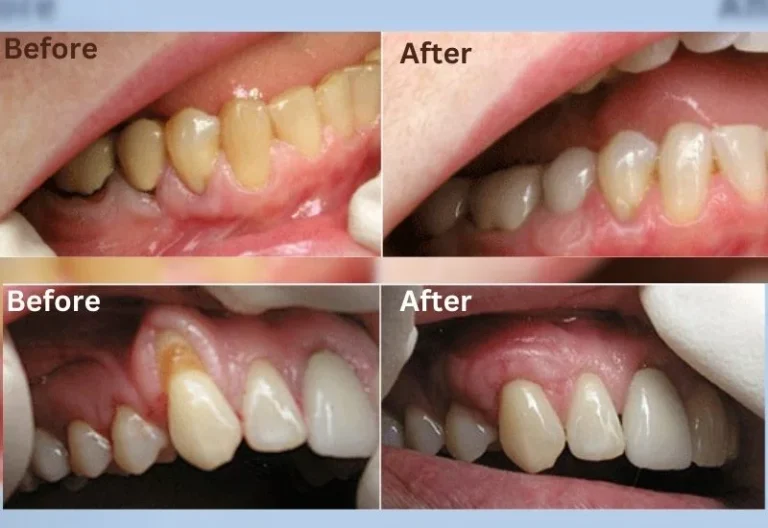
Visual Guide: Gum Grafts and What to Look For!
Periodontal Disease: A Major Risk Factor for Gum Grafting
Periodontal disease is an infection that affects the gums and the bone supporting your teeth. It usually begins subtly, and a lack of daily care can make it progress more quickly. A family history of gum disease can also increase your risk.
The earliest stage is gingivitis, which shows as red gums that bleed when you brush or floss. The good news is that gingivitis can be reversed with better home care and regular cleanings. Acting early protects both gum tissue and bone.
Gingivitis can become periodontitis if it is not treated. At this point, the jawbone starts to break down, the teeth become loose, and the chances of needing gum grafting increase. Results are best when the infection is treated before any surgery.
If grafting is needed, your periodontist may use your own tissue or an artificial gum graft from donor materials. Either way, disease control comes first. Healthy habits and regular checkups can keep your graft and gums stable.
Gum Grafting or Tooth Extraction: Which Option Is Right for You?
Choosing between gum grafting and tooth removal depends on how much support remains around the tooth. If recession is limited and the bone between teeth is stable, grafting can cover roots, thicken tissue, and help you keep your natural tooth. Your periodontist will first control any infection and then assess the chance of predictable healing.
When bone loss is significant, grafting may not provide lasting support. In that case, removing the tooth and placing dental implants can restore function and protect the bite. Implants act like roots in the jaw. They are placed under local anesthesia, and most patients experience only brief soreness.
Think about your goals, timeline, and long-term maintenance. Saving a tooth with a graft may be the simpler option if the prognosis is good, while dental implants may be the stronger option when stability is poor. Implants work like natural tooth roots in the jaw, are placed under local anesthesia, and usually cause only mild, short-term soreness (any immediate pain can be managed with over-the-counter pain medications).
Is There Ever a Point Where Gum Grafting Becomes Impossible?
Gum grafting works best when you act early. If the recession is mild and the bone support is still healthy, your periodontist can often cover roots and thicken fragile tissue. A careful dental exam helps confirm whether grafting is likely to succeed.
There are limits. When gums and bone have broken down too much, the chances of full root coverage drop. In these cases, removing the tooth and placing implants may protect your bite and provide better comfort than a graft.
Even a full mouth gum graft is not a solution if active disease is present. First, control infection with professional cleanings and home care, then reassess your options. Timely treatment keeps choices open and improves the outlook for any surgical plan.
Considering Gum Grafting? Speak With a Specialist Today
If you are noticing bleeding gums, sensitivity, or your teeth becoming longer, do not wait. Early care protects your smile and keeps more options open. Treatment is easier and results are more predictable when we act soon.
At Avangart Dental Clinic, our specialists assess your gums, explain your choices, and design a plan that fits your health and goals. We consider whether gum contouring, gum grafting, periodontal therapy, or even dental implants make the most sense for your situation. You will know what to expect at every step.
Call us or use our online form to schedule a consultation today. We’ll guide you on what to expect for comfort, recovery time, and aftercare.
Frequently Asked Questions
A graft is usually recommended when gums have receded enough to expose roots or cause persistent sensitivity. It is also helpful when the tissue is thin and keeps pulling back despite careful home care. Your periodontist will confirm the need after treating any active gum disease.
Not always. Some mild, stable recession can be monitored with good cleaning, gentle brushing, and habit changes. Your dentist may suggest other care, such as deep cleaning, a nightguard, or orthodontics, before surgery.
Most single tooth grafts take about an hour under local anesthesia. Treating several areas can take longer, sometimes over two hours. Initial healing often takes one to two weeks, while complete recovery and tissue stability develop over several more weeks.
Your periodontist numbs the area, then places healthy tissue from your palate or donor material (if the tissue from your palate is not an option) over the exposed root. The graft is stitched in place so it can join with the nearby gum. This adds coverage, reduces sensitivity, and helps stop further recession.
A graft can last for many years if you brush it carefully, clean it regularly, and take good care of it at home. Success depends on daily habits—such as avoiding teeth grinding, quitting smoking, and keeping gum disease under control. Using a nightguard, brushing gently, and scheduling regular checkups all help protect your results.
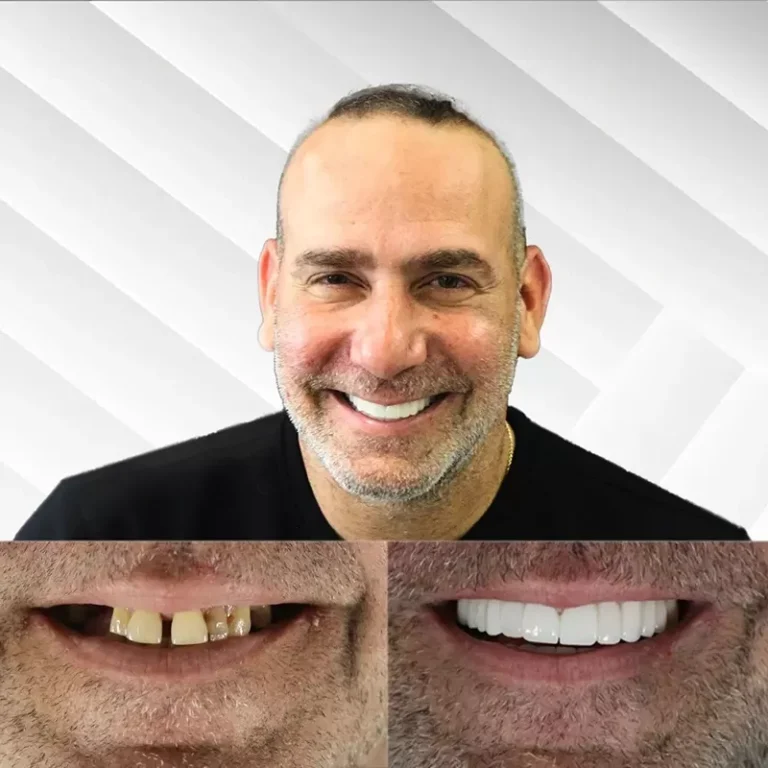
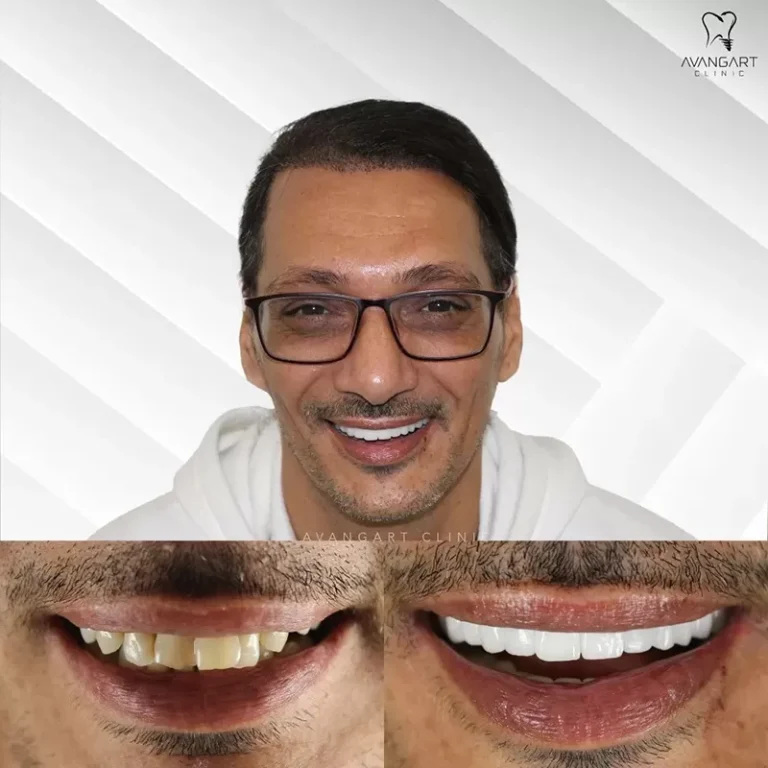
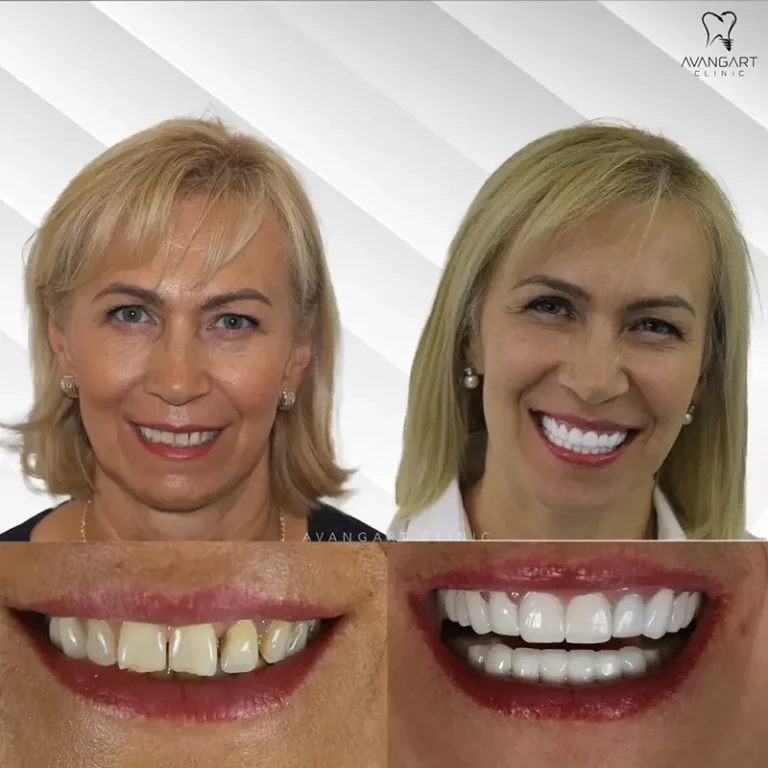
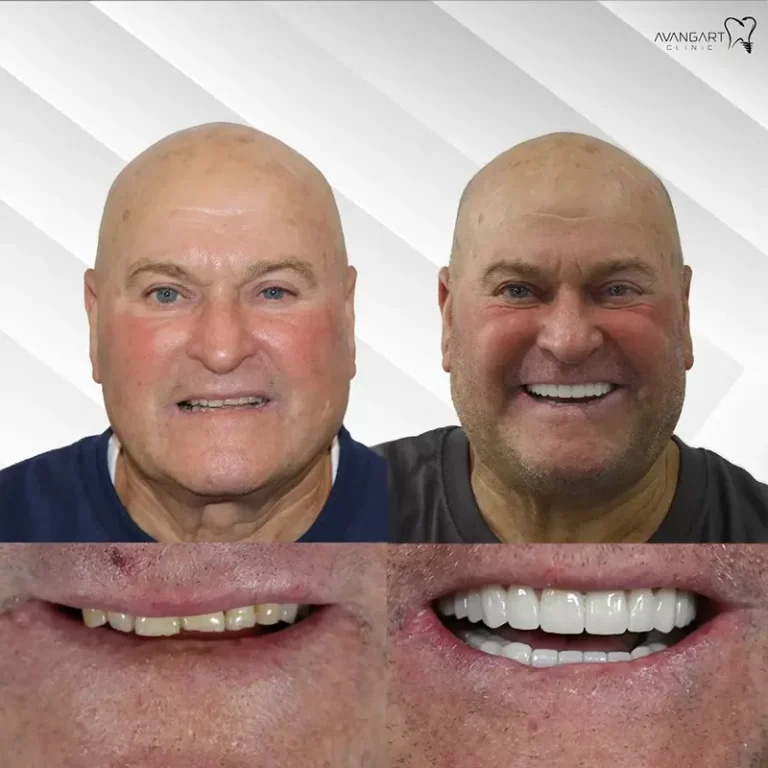
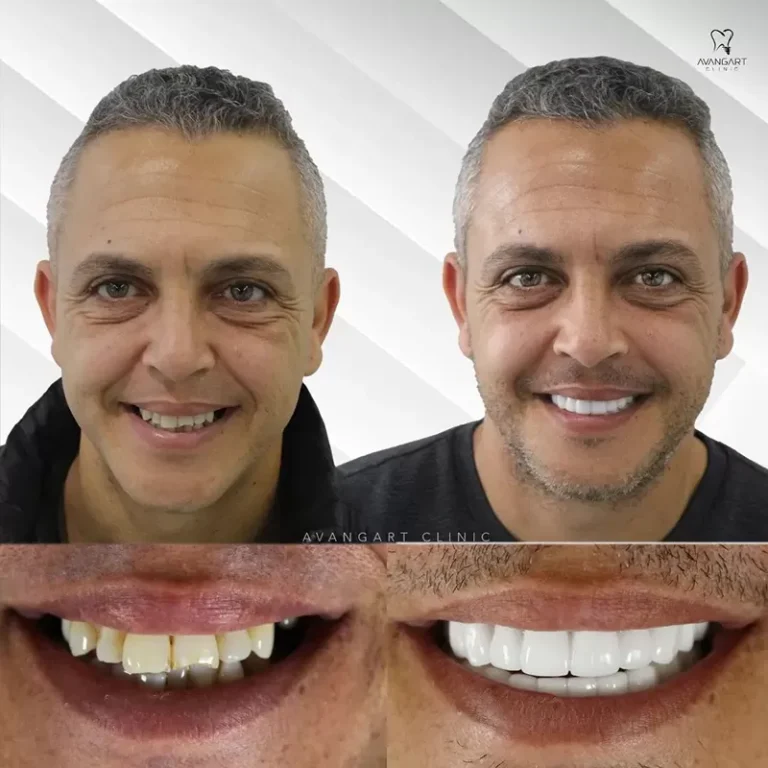
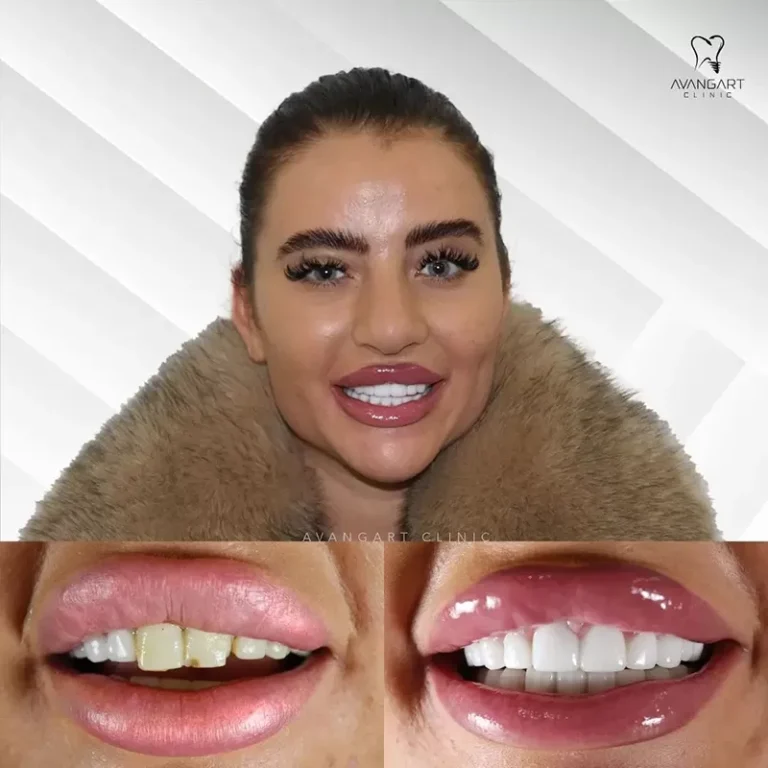
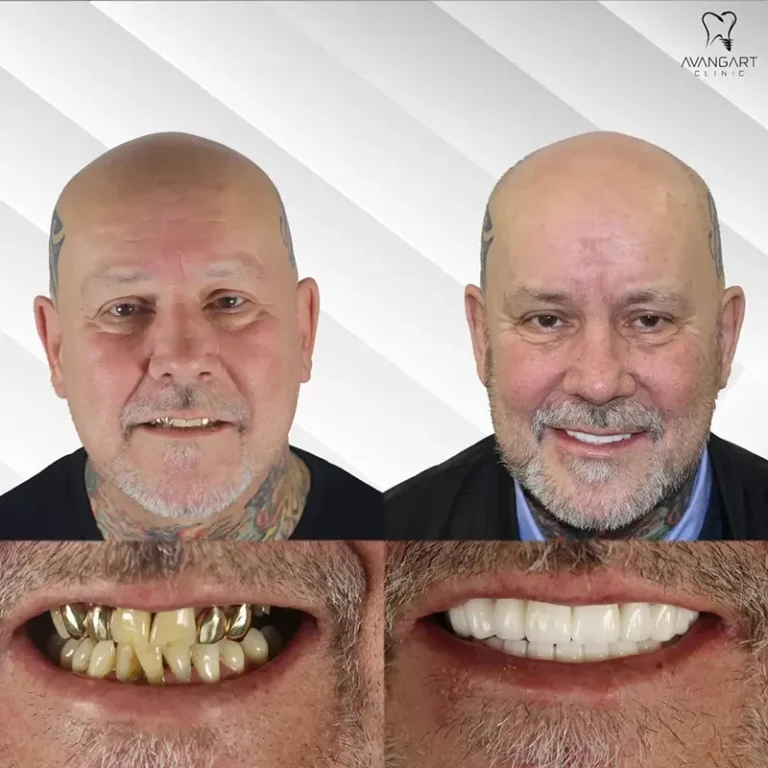
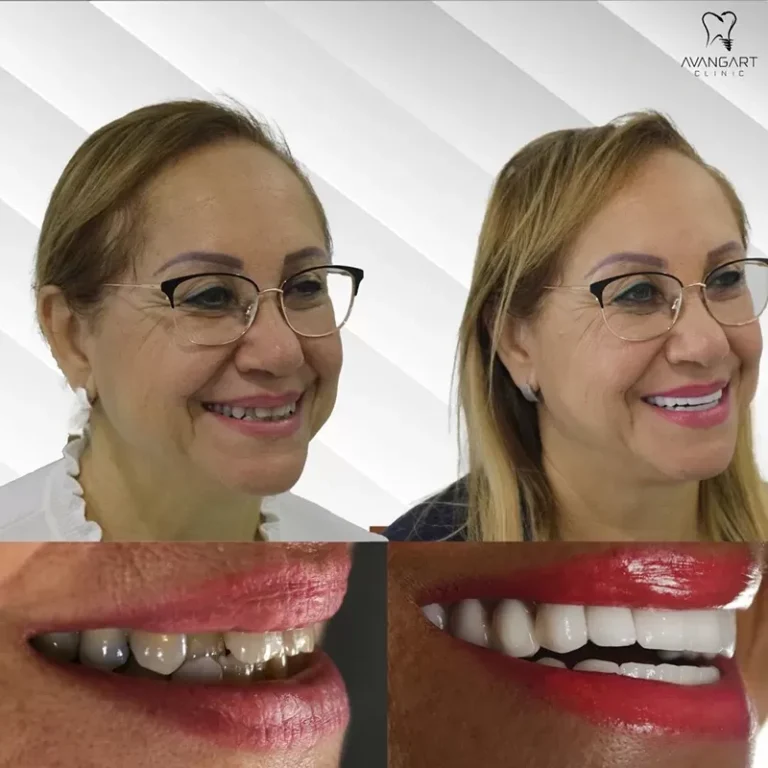
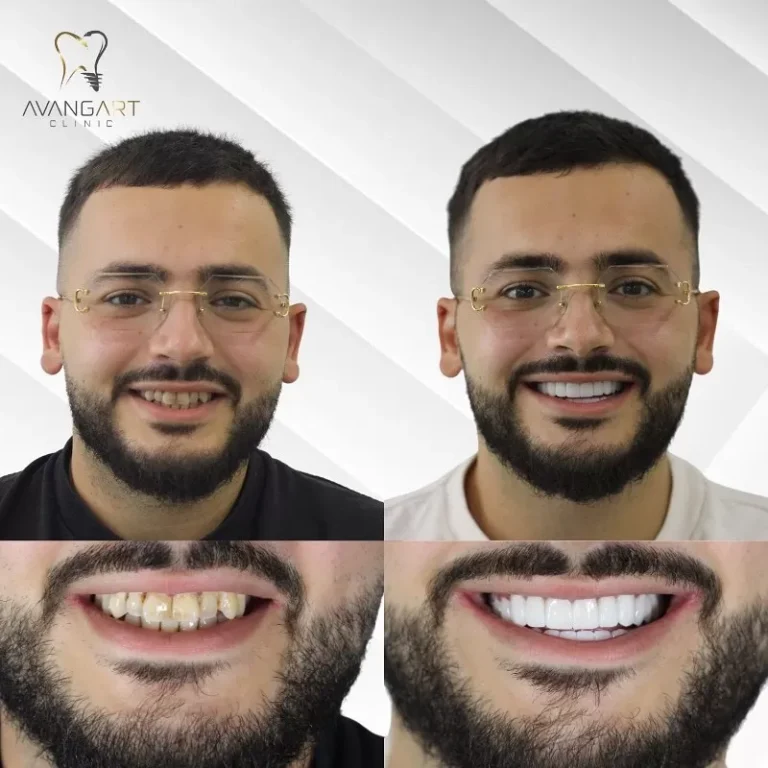
Before and After: Transformative Results with Avangart Clinic
We carry out all our dental treatments with care and strive to give your smile an elegant appearance.