
Are Veneers Haram in Islam?
Dr. Emrah YEŞİLYURT
Dr. Emrah Yeşilyurt is the Founder of Avangart Clinic. He combines advanced dental expertise with a genuine commitment to helping patients feel comfortable and informed about their oral health journey.
Are Veneers Haram in Islam? Insights from Ulama
When it comes to personal appearance, Islam encourages cleanliness and self-care, but it also sets boundaries on altering one’s natural features. Dental veneers Turkey have become a popular choice for those looking to improve their smile, but for Muslims, the question is—are veneers halal or Haram? Different ulama have weighed in on this issue, considering intention, necessity, and the material used. In this article, we’ll look into the Islamic perspective on veneers, what makes them halal or Haram, and what conditions must be met to be in line with Islamic teachings.
Are Veneers Permissible in Islam? Key Considerations and Guidelines
Medical and Corrective Use:
Islam promotes taking care of one’s health, especially dental hygiene. Veneers that are used to correct medical or functional issues are typically considered permitted (halal). For example, if a person’s teeth are damaged, excessively stained, or misaligned, making it difficult for them to eat, talk, or maintain oral hygiene, veneers can be a corrective solution rather than a purely cosmetic one.
Islam also recognizes the importance of psychological well-being. If a person suffers from emotional distress, poor self-esteem, or social anxiety as a result of serious dental issues, veneers can be used to restore confidence. However, the procedure should be done in moderation and not result in excessive or unneeded changes.
Cosmetic Use: Permissible or Not?
When it comes to having veneers for cosmetic purposes, Islamic scholars have differing opinions. Some feel that if the surgery is performed only for cosmetic reasons, it may be discouraged (makruh) or even prohibited if it results in a significant change in one’s natural appearance. Islam preaches moderation and warns against vanity or pursuing unrealistic beauty standards. Changing one’s appearance solely to follow trends may violate the concept of embracing Allah’s creation.
Other scholars, however, support cosmetic veneers (Emax Veneer, laminate veneers) provided they increase confidence in a fair manner and do not cause harm or involve forbidden materials.
Impact on Wudu and Prayer:
Scholars agree that veneers do not invalidate wudu since water simply has to enter the mouth and not soak through the teeth. Because veneers are permanently attached, they are considered like natural teeth or fillings.
Veneers have no effect on the legitimacy of prayer as long as the treatment does not include haram materials. However, if there is any blood or impurities in the mouth after the procedure, one must clean the mouth properly before praying.
Seek Guidance from Scholars:
The Islamic laws regarding veneers differ according to the intention, necessity, and materials used. If you’re not sure if having veneers is permissible under Islamic principles, it’s best to consult a trusted scholar or religious authority. They can provide guidance based on your individual circumstances and ensure that your decision adheres to Islamic standards.
Is Teeth Whitening Haram in Islam?
Teeth whitening is halal in Islam as it’s for hygiene and self-care. Unlike other cosmetic procedures, whitening doesn’t change the structure of the teeth; it only removes the stains and brings back the original color. However, it may be discouraged if it uses dangerous chemicals. Teeth whitening is halal in Islam as long as it’s safe, moderate, and free of haram ingredients.
Is Composite Bonding Haram in Islam?
Composite bonding is generally halal in Islam, especially when used to fix dental problems like chipped, fractured, or discolored teeth. Most scholars consider it halal as it restores the natural function and look of the teeth without much alteration. But it may be discouraged if it’s just for vanity and has no practical use.
Are Braces Haram in Islam?
Braces are not considered Haram in Islam since they are used to treat dental abnormalities such as misalignment, overcrowding, and bite difficulties. They are permitted as long as they are used for correction rather than unwanted change and do not interfere with wudu or prayer.
Are Tooth Gems Haram in Islam?
Tooth jewels are typically avoided in Islam since they have no medical or corrective function and are solely decorative. Many scholars see superfluous physical alterations as vanity, arrogance, and a waste of money, which Islam discourages. Wearing tooth jewels with the goal of seeking attention or imitating trends that are contrary to Islamic beliefs may be considered Haram. However, if they do not cause damage, are not permanent, and do not interfere with wudu, they might be considered makruh (discouraged but not forbidden).
Do Porcelain Veneers Count as Haram in Islamic Law?
Porcelain veneers are not inherently haram. Most scholars consider them permissible when the aim is sound and the method is safe. The key considerations are intention and avoiding unnecessary harm.
Many scholars believe that veneers are permissible if they clearly address a problem. This includes fractures, severe staining, worn edges, and spacing that impairs function or confidence. Restoring normal function and social ease is generally considered permissible.
If the goal is only to chase a beauty trend, scholars caution against it. Islam values moderation and warns against vanity and waste. A small, natural-looking change is more in line with Islamic values than a dramatic makeover.
The materials used also matter. Dental porcelain is inert and not from a haram source, so it is generally fine. Check to make sure that cements and bonding agents are medically safe and free of haram-derived components.
Veneers do not invalidate wudu (ablution). In wudu, water must reach the mouth, not permeate the teeth; fixed veneers are treated like fillings or crowns. After treatment, ensure any blood is cleaned before praying.
Men should avoid gold in dental work unless there is a medical need. Porcelain has no such concern. Your dentist can confirm the exact components.
Choose a dentist who puts health first and avoids excessive reduction of enamel. A conservative plan keeps more of what Allah created.
When Can Veneers Be Considered Acceptable in Islam?
Veneers can be acceptable when they solve a real dental problem. This includes cracks, severe stains, enamel wear, gaps, or shape issues that affect chewing or speaking. Helping you eat, speak, and smile with ease supports well-being.
Intention (niyyah) is paramount in Islam. Scholars are more supportive of veneers used to restore function or normal appearance. If the aim is to chase trends, the case is weaker.
Mental health is also important. If serious dental flaws cause distress or harm to confidence, careful treatment can be justified. Islam values dignity and peace of mind.
Safety must come first. The dentist should use materials that are halal and medically safe. The plan should avoid unnecessary removal of healthy enamel.
Moderation is necessary. Natural-looking outcomes are preferred over dramatic makeovers. Keep the changes in sync with your features.
Costs should be reasonable. Taking on heavy debt for vanity is discouraged. Choose care that fits your means and real needs.
Materials should be checked. Porcelain, composite, and zirconia are generally acceptable when free from forbidden sources. Men should avoid gold unless there is a medical reason.
Choose a dentist who explains risks and alternatives; ask about bonding agents, aftercare, and how much enamel will be removed. A second opinion can help you make a better decision.
Consult a trusted scholar about your specific case. Share your reasons, health issues, and the expected changes; with sound intentions, safe methods, and modest results, veneers can be acceptable in Islam.
What Ethical Concerns Does Islam Raise About Veneers?
In Islam, intention comes first. If you are getting veneers driven by vanity or a wish to copy harmful beauty trends, they are discouraged.
Avoiding harm is central. Unnecessary tooth shaving, weak aftercare, or risky materials can make a choice unethical. Heavy spending or incurring debt for cosmetic purposes is also against Islamic teachings.
Materials should be halal and safe. Men should avoid gold unless there is a medical need. Be open about the change and do not use veneers to mislead others.
Worship must remain unaffected. Clean the mouth after treatment so no blood remains before prayer. When in doubt, seek advice from a trusted scholar and a careful dentist.
Does the Quran Offer Guidance on Cosmetic Dentistry Like Veneers?
The Quran also praises cleanliness and care of the body. Surah al-Baqarah 2:222: ‘Indeed, Allah loves those who constantly repent and loves those who purify themselves.’ This supports general good hygiene, oral care, and sensible treatment.
Harm must be avoided. Surah al-Baqarah 2:195: ‘Do not throw yourselves with your own hands into destruction.’ This verse encourages the use of safe methods and halal materials.
Excess is discouraged. Surah al-A‘raf 7:31: ‘Eat and drink, but do not be excessive.’ Veneers should be modest and in tune with a natural look.
How Do Different Islamic Schools of Thought View Veneers?
Most Sunni Islamic schools of thought share the same foundations. They look at intention, harm, materials, and whether worship is affected. None gives a blanket ban when treatment is needed and methods are safe.
Hanafi scholars generally allow corrective work that restores function or a normal appearance. They warn against needless change and waste, and men should avoid gold unless medically required. Fixed veneers do not break wudu in this view.
Shafi’i scholars give weight to intention and harm. If veneers treat a clear defect or bring sound benefit, they are usually allowed. Extravagance, deceit, and risky methods are discouraged.
Maliki scholars consider public and personal welfare and seek to block routes to harm. They accept treatment that protects health and dignity. They prefer minimal enamel removal and natural-looking results.
Hanbali scholars prohibit mutilation and self-harm while permitting necessary treatment. Restoring teeth and confidence is acceptable if materials are lawful and risk is controlled. Vanity and excess remain concerns.
How Can Muslims Balance Modern Cosmetic Dentistry with Islamic Values?
- Start with niyyah: ask yourself why you want treatment. Aim for real need or clear benefit — not trends or show. Choose plans that restore function and keep a natural look.
- Put health first: use halal, safe materials and gentle methods. Avoid heavy enamel removal and risky shortcuts. Favour modest, well-thought-out changes.
- Protect worship: Veneers do not invalidate wudu, but ensure any blood is cleaned after treatment. Men should avoid gold unless medically needed. Keep your daily care simple and consistent.
- Spend wisely: set a reasonable budget and avoid taking on debt for vanity. Seek a second opinion and speak with a trusted scholar about your case’s reasons, risks, and outcomes.
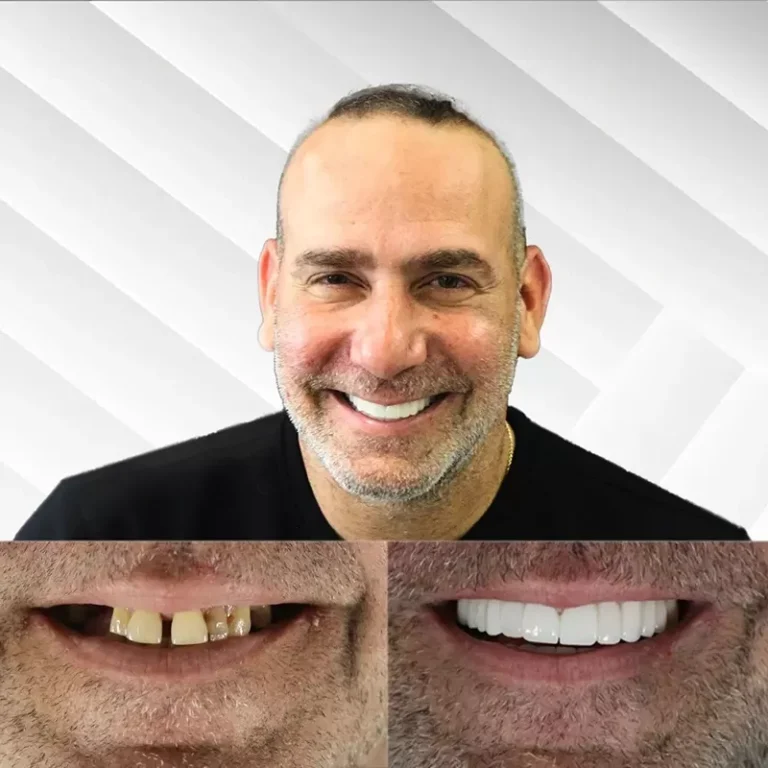
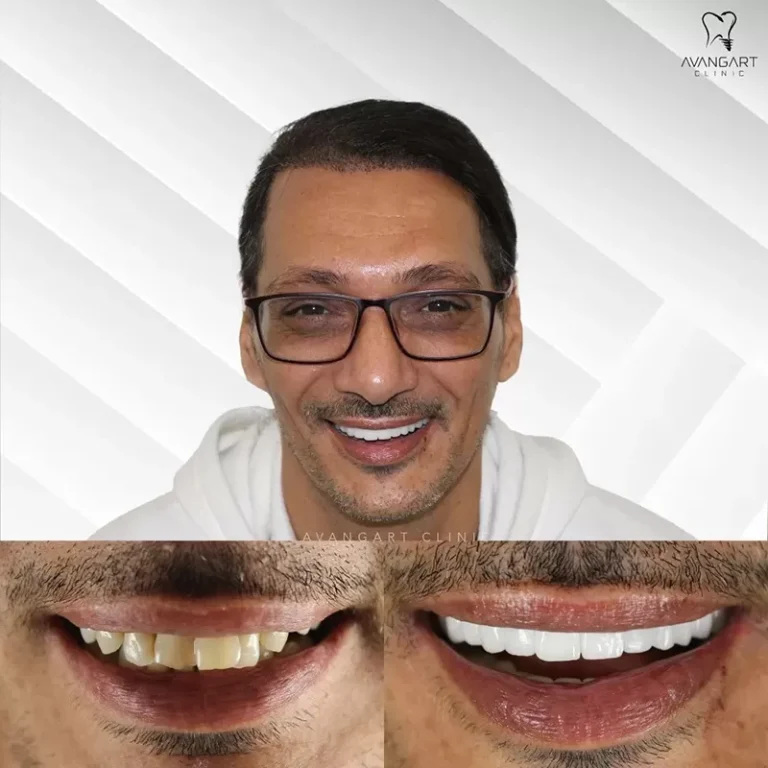
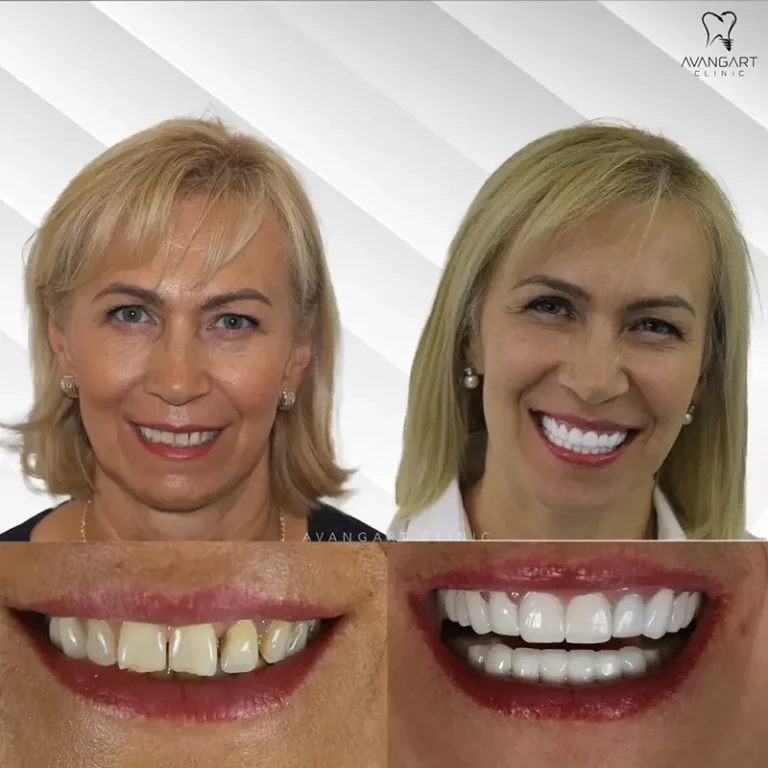
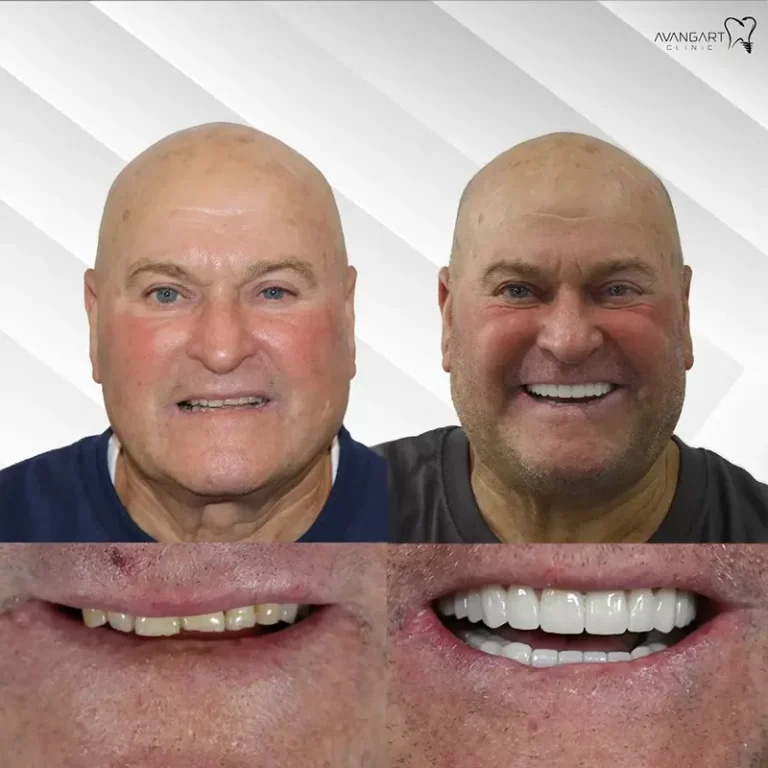
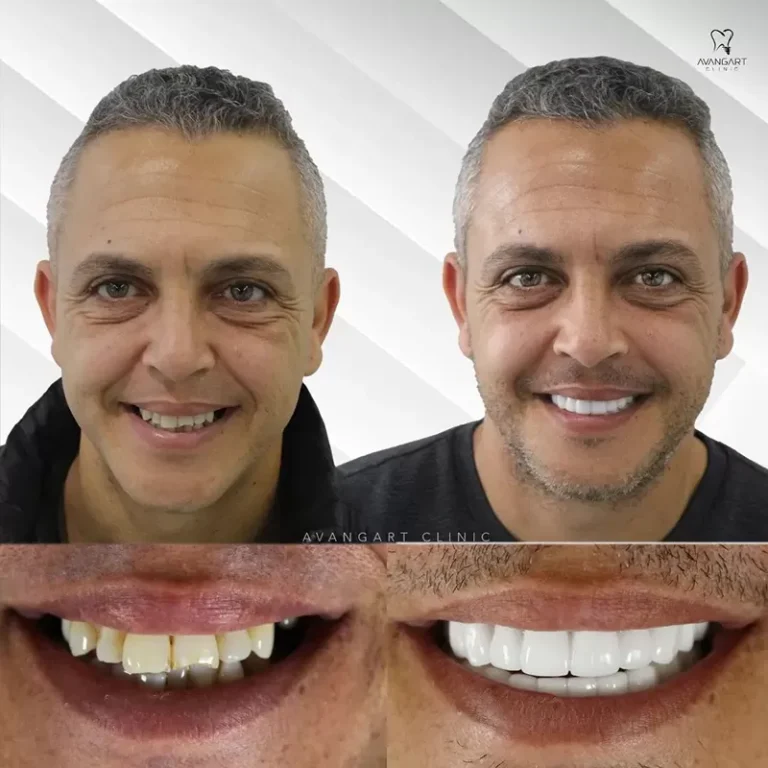
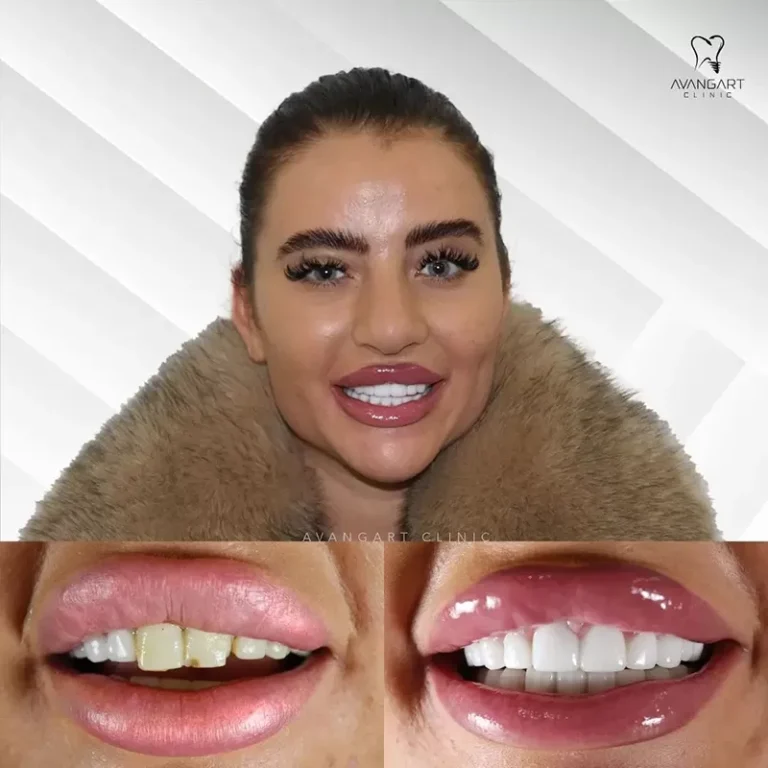
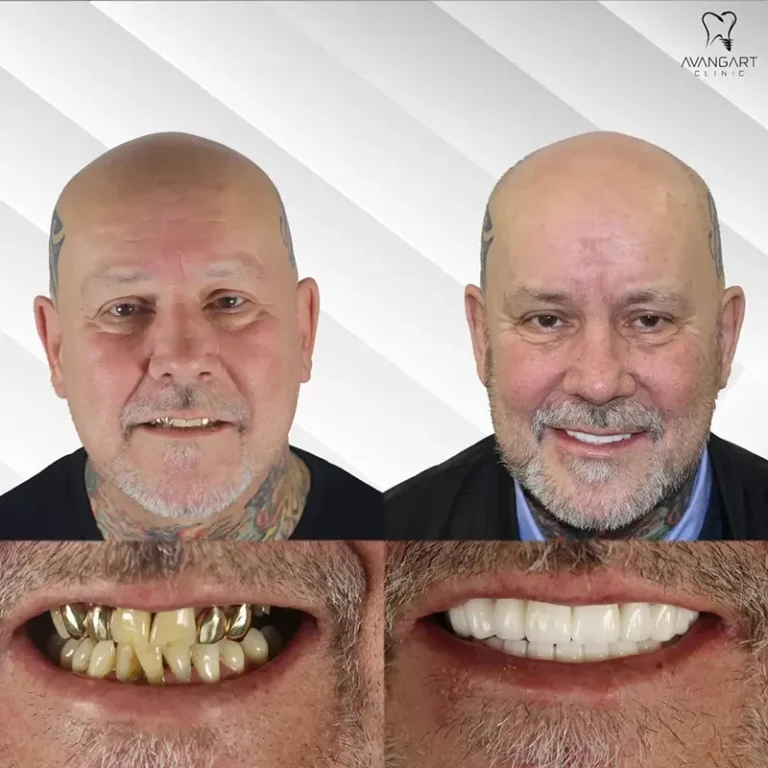
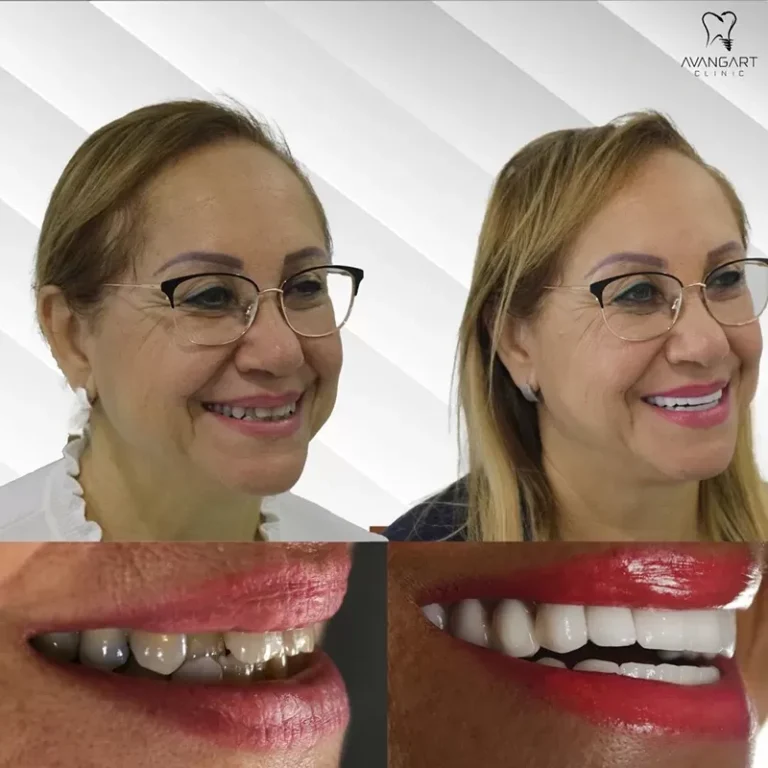
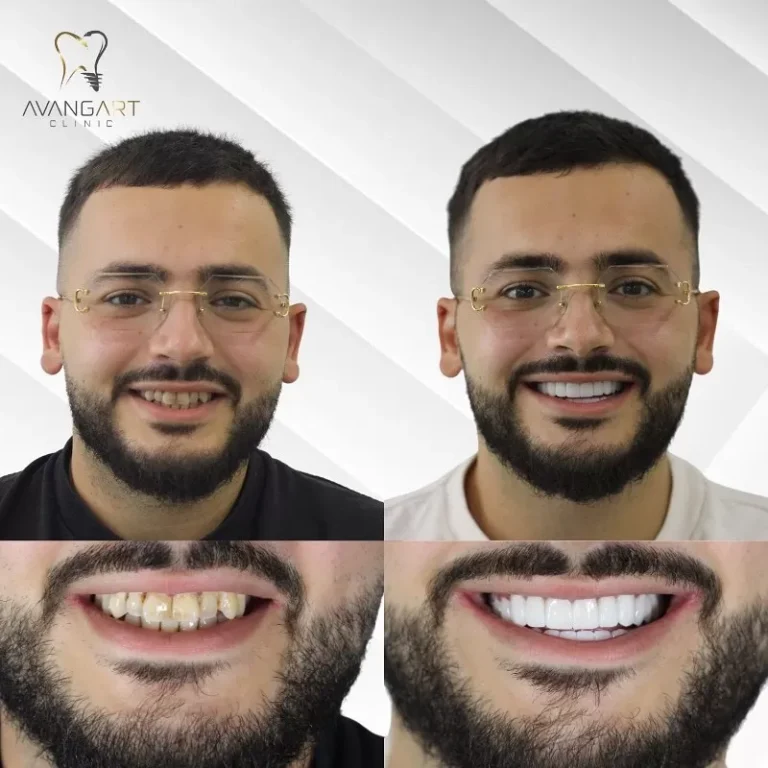
Before and After: Transformative Results with Avangart Clinic
We carry out all our dental treatments with care and strive to give your smile an elegant appearance.
Frequently Asked Questions:
Is veneers haram? Getting veneers is not a sin in Islam if done for a legitimate reason, like to fix damaged or misaligned teeth. Islam encourages self-care, but veneers done only for vanity are discouraged; the key is to have good intentions (niyyah) and not to excess.
Cosmetic dentistry is allowed if it’s for oral health or to correct flaws. If it is done just for beauty and vanity, it is discouraged, but it’s not Haram. Islam is about moderation, so any unnecessary alteration should be avoided.
Yes, Dental Crowns Turkey are considered legal (halal) in Islam when used to repair or preserve teeth. Men, on the other hand, should avoid wearing gold crowns since it is illegal for them (however, if they have a medical condition that requires the use of Gold in Crowns, that is permitted). Crowns are permitted as long as the material is halal and the intended use is medicinal.