
Can You Go To The Dentist While Pregnant?

Dr. Emrah YEŞİLYURT
Dr. Emrah Yeşilyurt is the Founder of Avangart Clinic. He combines advanced dental expertise with a genuine commitment to helping patients feel comfortable and informed about their oral health journey.
Before and After: Transformative Results with Avangart Clinic
We carry out all our dental treatments with care and strive to give your smile an elegant appearance.


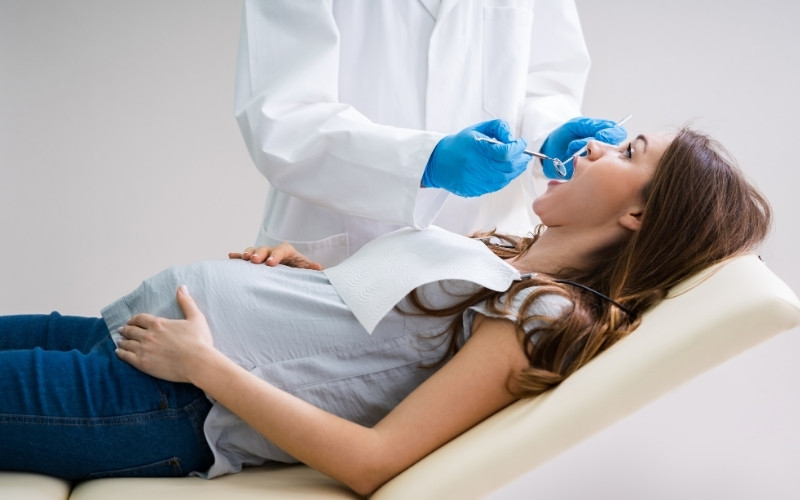
Pregnancy and Dental Care: Is It Safe to Visit the Dentist While Pregnant?
Many people still hear that going to the dentist while pregnant is risky, but the truth is the opposite. Good oral care supports a healthy pregnancy and a healthy parent. Your mouth connects with your blood vessels and digestive system, so it can reflect your overall health.
It is normal to have questions during pregnancy, especially when you see conflicting advice online. Many patients tell us they want clear guidance that feels safe and practical. You deserve simple answers you can trust.
With insight from decades of dental practice, we address some questions we hear most about dental care in pregnancy. Our goal is to help you feel calm and prepared before you book your visit. We want you to get the care you need with confidence.
We will cover routine cleanings, X-rays, anesthesia, and choices about dental filling pregnancy. You will learn what to expect when planning care and visiting a dentist when pregnant. These tips will also guide you in choosing safe and reliable care, even if you are exploring treatment options at a dental clinic Turkey during travel or relocation.
Satisfied Patient Reviews
EXCELLENTTrustindex verifies that the original source of the review is Google. Service impeccable. Je suis venue pour des implants. La prise en charge a été rapide et la douleur pendant et après l’opération a été à peine ressentie. Clinique très professionnelle et chirurgien expert. Personnel très accueillant, en particulier la Directrice. Recommande à tous ceux qui sont à la recherche de professionnels pour régler des problèmes dentaires Suis venue finaliser la pose des implants et des couronnes. Résultat impécable!Posted on GoogleTrustindex verifies that the original source of the review is Google. I visited from England and had a positive experience. I went for a Hollywood Smile look and couldn’t be happier with them. The clinic was very aesthetic & clean, the staff were very attentive and supportive & I high recommend them.Posted on GoogleTrustindex verifies that the original source of the review is Google. İmplantlarımı ve zirkyonyumlarımı yaptırdım 2 sene önce iyiki yaptırmışım çok memnunum doktorum emrah hoca işinde çok iyi birisi tüm çalışanlara çok teşekkür ediyorum güler yüzlü anlayışları için gülşah hanıma ayriyetten teşekkür ederim 🌹Posted on GoogleTrustindex verifies that the original source of the review is Google. Çok güzel ve güveninirPosted on GoogleTrustindex verifies that the original source of the review is Google. Friendly and approachable staff, above all I haven’t experienced any pain what so ever, it does truly shows core professionalism. Coming from Wolverhampton, UK and made implant surgery with sinuslifting Gedi JafarPosted on GoogleTrustindex verifies that the original source of the review is Google. Ik Marco, hebt mijn gebit laten doen bij Avangart.. En ben door lieve mensen goed ontvangen en behandeld.. Kliniek zeer hygienisch en goede apparatuur.. Deze kliniek zo ik zeker aanraden om je laten behandelen..😁Posted on GoogleTrustindex verifies that the original source of the review is Google. I traveled from the U.S. and had Avantgart Clinic positively transform my smile in a manner that I wouldn’t have conceived as being possible. Dr. Egemen, a true master in his field, was patient, considerate, and communicative throughout the process and his assistant, Sevim, was a real joy to work with. Together, the two of them combined to make the overall experience much greater than I could have ever hoped for, and the end result is a smile that is on par with the most glamorous of Hollywood stars. I am extremely satisfied and would highly recommend Avangart Clinic to anyone looking to enhance their smile at a great price and of the highest quality.Posted on GoogleTrustindex verifies that the original source of the review is Google. Herkes mükemmel ıscılık mükemmel teşekkür edıyorumPosted on GoogleTrustindex verifies that the original source of the review is Google. Emrah bey‘in diş konusundaki tecrübesi, güler yüzü ve uzmanlığı nedeniyle diş tedavilerim için her seferinde Avusturya‘dan İstanbul’a gelmekteyim. Diş kliniği de son teknolojik donanıma sahip güven verici muayenehaneler içermekte.Posted on GoogleTrustindex verifies that the original source of the review is Google. Güler yüzlü ekip, temiz ve modern bir klinik. Tedavi sürecim baştan sona çok profesyoneldi. Gönül rahatlığıyla tavsiye ederim.Verified by TrustindexTrustindex verified badge is the Universal Symbol of Trust. Only the greatest companies can get the verified badge who has a review score above 4.5, based on customer reviews over the past 12 months. Read more
11 Things To Know About Dental Care During Your Pregnancy
1. Why Dental Health Matters During Pregnancy
During pregnancy, hormone changes can make your gums swollen and your mouth feel dry. Brushing and flossing twice a day helps prevent cavities caused by sweet cravings and protects gum tissue. Morning sickness bathes teeth in stomach acid, which can thin enamel over time.
Some people notice small gum growths that are not dangerous but can be bothersome. Schedule a checkup if anything looks different, and keep visiting your dentist for regular cleanings. A consistent routine prevents minor problems from escalating into pain or infection.
Between the third and sixth months of pregnancy, your baby’s tooth buds develop. A diet rich in calcium, protein, and vitamin D promotes healthy development. Rinse your teeth with water after eating or vomiting to remove any acid residue.
Pregnancy can make dental routines tricky, especially if you have a sensitive gag reflex. Using a smaller toothbrush or a mild toothpaste flavor can make brushing easier and more comfortable. For more guidance, talk with your dentist about safe treatment options, such as a dental filling during pregnancy if necessary.
2. How Pregnancy Affects Your Teeth and Gums
Pregnancy hormones alter the way your gums react to plaque and increase blood flow to gum tissue. Gingivitis is a condition in which the gums swell, bleed, and trap food. It affects approximately six to seven in ten pregnant women, so you are not alone.
Without treatment, gingivitis can progress to periodontitis, which causes bone damage and tooth loss. Many people have gum problems before pregnancy, and hormonal changes can exacerbate them. Going to dentist while pregnant for regular checkups and cleanings helps identify changes early on and keep you comfortable.
Morning sickness brings stomach acid into your mouth, and that acid weakens enamel. A strong gag reflex can also make brushing hard, which lets cavity-causing bacteria multiply and remain on the teeth. Gentle home care and regular dental visits, such as a teeth cleaning while pregnant first trimester, can help to reduce this risk.
If your teeth are already hurt or sensitive, talk to your dentist about safe ways to treat them. Some problems, like cavities, may need to be fixed right away, while others can wait until after the baby is born. If you are thinking about getting treatment abroad, like teeth replacement Turkey, talk to your dentist about the best time to go and any safety precautions.
3. Can Pregnancy-Related Oral Issues Affect Your Baby’s Health?
Oral health problems during pregnancy may affect pregnancy outcomes, but the link is complex. Gum disease has been associated with preterm birth and poor growth of the baby. While improving dental care later may not erase earlier risks, maintaining good habits throughout pregnancy still supports your overall health.
Many people feel more motivated to seek care during this time. So, can you go to the dentist while pregnant? Yes, and regular visits are a smart step. Early checks find issues before they turn into pain or infection.
Cavity-causing bacteria can pass from parent to baby. Higher levels of germs in your mouth can raise the chance that your child carries those germs, even before the first tooth appears. Delivery type may also play a role, with some studies noting faster colonization after a C-section.
Daily actions matter. Brush and floss daily, rinse with water after vomiting, and treat cavities promptly to reduce bacterial accumulation. Taking these precautions lowers the risk of tooth decay during pregnancy and promotes the healthy development of your baby.
4. When Is the Safest Time to See a Dentist During Pregnancy?
Yes, routine care is safe in all trimesters, and the second trimester is often the most comfortable time for treatment. The third trimester is also safe, though lying back for a long session can be hard. If you wonder is it safe to go to the dentist while pregnant, the short answer is yes.
You do not need to delay the most common procedures until after birth. Waiting can allow gum disease or cavities to worsen, and gum disease has been linked with poorer pregnancy outcomes. On the other hand, there is no clear evidence that dental care increases the risk of miscarriage.
Keep to your regular six-month dental visit schedule and book care when it is due. If severe nausea makes visits early in the pregnancy tough, go when symptoms settle, and tell the team that you are pregnant.
Hold off on major optional work that can wait, such as cosmetic procedures. Plan large restorations or orthodontics after delivery if there is no urgent need. If you are comparing options like teeth whitening in Turkey, treat it as elective and schedule it for the postpartum period.
5. Safe Dental Treatments During Pregnancy
The majority of routine care during pregnancy is safe. Cleanings, fillings, extractions, and even root canals can all be performed as needed. Talk to your dentist about ways to make each visit more comfortable and relaxing.
Local anesthesia is safe to use for dental treatments during pregnancy. Many common antibiotics are also safe when a dentist prescribes them for an infection. General anesthesia is usually avoided unless there is a special medical need.
Do not put off problems that hurt or keep you from eating or sleeping for later. Treating a cavity or repairing a chipped tooth protects your gums and enamel. If it has been a while since your last visit, book a dental cleaning while pregnant to remove plaque and check for any early signs of decay before they cause discomfort.
If you notice a dark spot or a small pit that feels sharp, you might have a cavity. Get it checked so it does not turn into a larger hole in tooth pregnancy concern. Early care is simpler, safer, and helps you stay comfortable.
6. Which Anesthetics Are Safe for Pregnant Patients?
Local numbing used for dental work is considered safe in pregnancy. Dentists often use bupivacaine, lidocaine, or mepivacaine to keep you comfortable while they treat the problem.
If your dentist thinks you need stronger pain control, talk with your OB, Gyn, or certified nurse midwife first. They can help you weigh the options and choose the safest plan for you and your baby.
7. Are Dental X-Rays Safe During Pregnancy?
Modern dental X-rays use very low radiation, and the risk to your baby is very small. The benefit is that your dentist can find infections and other problems before they become painful. If you are asking can I go to the dentist while pregnant, the answer is yes; X-rays that are necessary for your treatment are safe when proper shielding is used.
Always tell your dental team that you are pregnant. They will place a lead apron over your abdomen and a collar over your thyroid, which adds an extra layer of protection. This is standard practice and helps ensure you feel at ease.
If you still feel unsure, ask whether the X-ray can wait until after delivery. Many urgent problems cannot wait, since untreated infections can harm your overall health. Your dentist can explain the plan so you feel informed and comfortable.
8. Managing Pain and Discomfort After Dental Work While Pregnant
Acetaminophen is the first choice for pain after dental work during pregnancy. If pain is stronger, your dentist may add a short course of a narcotic like codeine or hydrocodone. Use the smallest dose for the shortest time that controls your pain.
Plan to go back to plain paracetamol as soon as possible. Long-term opioid prescriptions are not recommended; use only the smallest dose for the shortest possible time. This approach reduces the risk of dependency while keeping you comfortable.
Unless your prenatal clinician tells you otherwise, avoid taking NSAIDs during pregnancy, including ibuprofen. If you have any questions about a medicine, contact your dentist or prenatal clinician. They can assist you in selecting a safe plan for you and your baby.
9 Antibiotics and Medications Safe for Use During Pregnancy
Some antibiotics are considered safe to use during pregnancy when a dentist is treating an infection. Penicillin, amoxicillin, and cephalosporins like cephalexin are among the most commonly used antibiotics. Inform your dentist about any allergies you have, as well as any medications or supplements you are using.
Tetracycline should not be used during pregnancy because it can stain the baby’s developing teeth. Your dentist and prenatal clinician can recommend an alternative treatment plan that will treat the infection while also protecting your baby. Ask them to explain the dosage and timing so you can be confident.
Take the antibiotics exactly as prescribed and finish the entire course. Do not keep or share extra pills. Contact your dentist if you miss a dose or experience any side effects.
10. How to Handle Toothaches and Other Dental Problems During Pregnancy
Toothaches during pregnancy need prompt care so problems do not turn into infections. So, can I go to the dentist when I’m pregnant? You can, as necessary treatment helps you stay healthy.
Fillings and crowns are safe and help stop pain and swelling. The second trimester is usually the most comfortable time for dental care. Long visits during the third trimester can be difficult due to the discomfort of lying on your back.
Some emergencies, such as a severe infection, a root canal, or a tooth extraction, cannot be postponed. If you are experiencing severe pain, fever, or swelling, call your dentist right away. Quick treatment protects both you and your baby.
Hold off on cosmetic work like teeth whitening until after birth. Saving these optional steps reduces even small risks and keeps visits simple. Ask your dentist to plan what must be done now and what can wait.
11. Postpartum Dental Care: What to Know After Your Baby Arrives
Taking care of your mouth after birth is still important, and your baby needs oral care, too. Brush and floss every day, and keep up with cleanings. For your baby, use an infant toothbrush and a tiny smear of toothpaste (use fluoride toothpaste if your dentist allows it) to clean gums and new teeth.
Do not put your baby to bed with a bottle. Milk or juice that sits on the teeth can cause decay. Offer water after feedings when your pediatrician says it is okay.
Plan your baby’s first dental visit at six months or when the first tooth appears. The dentist will look for tongue tie and other issues that can affect feeding and speech. Early visits help your child get used to the dental chair.
Good oral health supports overall wellness for both of you. If you have questions about a dentist pregnancy plan or a postpartum visit, ask your Ob or Gyn for guidance. They can help you choose the right timing and keep your family on track.
Key Takeaways for Expecting Mothers About Oral Health
Regular dental care is safe during pregnancy, and skipping it can let small problems turn into infections. The second trimester is often the most comfortable time for longer visits, but you can get necessary care in every trimester. Tell your dentist that you are pregnant so they can plan shielding and comfort steps.
Treat pain or swelling right away instead of waiting. Local anesthetics like lidocaine are safe, and many common antibiotics are safe if an infection is present. Avoid tetracycline because it can stain a baby’s developing teeth.
Choose acetaminophen first for pain relief. Short courses of prescribed opioids may be used if pain is severe, but switch back to acetaminophen as soon as you can. Ibuprofen and other NSAIDs should be avoided unless your prenatal clinician prescribes them.
Maintain strong daily habits to reduce risk. Brush twice a day with fluoride toothpaste, floss once a day, and rinse with water after vomiting or eating snacks. Book routine cleanings and ask for shorter visits if you feel uncomfortable lying back.
Healthy mouths support healthy pregnancies. Lowering cavity bacteria now may also help your baby later. If you are unsure about any treatment, ask your dentist and prenatal clinician to agree on a plan that fits your needs.