
How Much Does A Dental Implant Cost In Germany?
Before and After: Transformative Results with Avangart Clinic
We carry out all our dental treatments with care and strive to give your smile an elegant appearance.


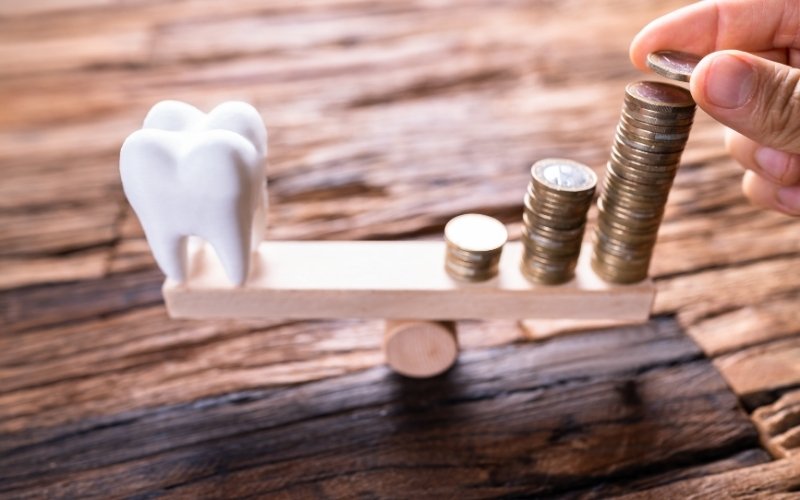
Dental Implant Costs in 2025: Prices, Coverage, and Financing Options
Dental implants are an excellent option for replacing missing teeth, but the cost can be difficult to estimate. Because each person’s dental needs are unique, there is no one-size-fits-all answer to the question “How much do dental implants cost?” The cost of your implants is determined by the number of implants needed, the materials used, and whether or not additional procedures like bone grafting are required.
The price also varies depending on where you travel. Dental implants, for example, may be less expensive in Turkey than elsewhere. In this article, we will discuss how much dental implants will cost in 2025, as well as how insurance and financing options can help make the cost more manageable.
Understanding these costs can help you make a more informed decision about whether to get dental implants in Turkey or stay in your home country. Let us now get into the details!
Satisfied Patient Reviews
EXCELLENTTrustindex verifies that the original source of the review is Google. Service impeccable. Je suis venue pour des implants. La prise en charge a été rapide et la douleur pendant et après l’opération a été à peine ressentie. Clinique très professionnelle et chirurgien expert. Personnel très accueillant, en particulier la Directrice. Recommande à tous ceux qui sont à la recherche de professionnels pour régler des problèmes dentaires Suis venue finaliser la pose des implants et des couronnes. Résultat impécable!Posted onTrustindex verifies that the original source of the review is Google. I visited from England and had a positive experience. I went for a Hollywood Smile look and couldn’t be happier with them. The clinic was very aesthetic & clean, the staff were very attentive and supportive & I high recommend them.Posted onTrustindex verifies that the original source of the review is Google. İmplantlarımı ve zirkyonyumlarımı yaptırdım 2 sene önce iyiki yaptırmışım çok memnunum doktorum emrah hoca işinde çok iyi birisi tüm çalışanlara çok teşekkür ediyorum güler yüzlü anlayışları için gülşah hanıma ayriyetten teşekkür ederim 🌹Posted onTrustindex verifies that the original source of the review is Google. Çok güzel ve güveninirPosted onTrustindex verifies that the original source of the review is Google. Friendly and approachable staff, above all I haven’t experienced any pain what so ever, it does truly shows core professionalism. Coming from Wolverhampton, UK and made implant surgery with sinuslifting Gedi JafarPosted onTrustindex verifies that the original source of the review is Google. Ik Marco, hebt mijn gebit laten doen bij Avangart.. En ben door lieve mensen goed ontvangen en behandeld.. Kliniek zeer hygienisch en goede apparatuur.. Deze kliniek zo ik zeker aanraden om je laten behandelen..😁Posted onTrustindex verifies that the original source of the review is Google. I traveled from the U.S. and had Avantgart Clinic positively transform my smile in a manner that I wouldn’t have conceived as being possible. Dr. Egemen, a true master in his field, was patient, considerate, and communicative throughout the process and his assistant, Sevim, was a real joy to work with. Together, the two of them combined to make the overall experience much greater than I could have ever hoped for, and the end result is a smile that is on par with the most glamorous of Hollywood stars. I am extremely satisfied and would highly recommend Avangart Clinic to anyone looking to enhance their smile at a great price and of the highest quality.Posted onTrustindex verifies that the original source of the review is Google. Herkes mükemmel ıscılık mükemmel teşekkür edıyorumPosted onTrustindex verifies that the original source of the review is Google. Emrah bey‘in diş konusundaki tecrübesi, güler yüzü ve uzmanlığı nedeniyle diş tedavilerim için her seferinde Avusturya‘dan İstanbul’a gelmekteyim. Diş kliniği de son teknolojik donanıma sahip güven verici muayenehaneler içermekte.Posted onTrustindex verifies that the original source of the review is Google. Güler yüzlü ekip, temiz ve modern bir klinik. Tedavi sürecim baştan sona çok profesyoneldi. Gönül rahatlığıyla tavsiye ederim.Verified by TrustindexTrustindex verified badge is the Universal Symbol of Trust. Only the greatest companies can get the verified badge who has a review score above 4.5, based on customer reviews over the past 12 months. Read more
Average Cost of a Dental Implant Treatment
The typical cost of a single dental implant in Germany ranges from €1,000 to €2,500. This covers the implant along with the crown that takes the place of the missing tooth.
If you need multiple implants or extra procedures like bone grafting, the price can go up. A full set of implants can be priced at around €10,000 or even higher. Many dental clinics provide a dental implant cost calculator to assist with your planning, giving you a rough estimate based on your needs.
Remember that dental implants costs can be lower in countries like Turkey, where treatments are more affordable. Using a cost calculator and talking with your dentist can help you figure out how much your treatment will cost, allowing you to plan and budget accordingly.
Cost Breakdown: Single vs. Multiple Dental Implants
When you’re considering dental implants, just know that the implant tooth costs can really differ based on a bunch of factors. For a single implant, the dental implant costs Germany typically range around €2,000. This includes both the cost of the implant itself and the crown that is placed on top, with each part typically priced at about €1,000.
The price goes up if you need to replace more than one tooth. For instance, if you are missing all of your teeth in either the upper or lower jaw, full dentures that are held in place by implants can cost between €8,000 and €16,000 per jaw. How much it costs in the end will depend on whether you choose fixed or removable dentures and which implant method is used.
In either case, dental implants are a popular choice for many patients because they are a long-term option that looks like natural teeth.
Key Factors That Influence Dental Implant Costs
There are several important aspects that determine complete dental implant costs. First and foremost, the number of implants required can have a considerable impact on the cost. If you only require one implant, the cost will be less than replacing a full arc of teeth.
Implant materials also affect cost. High-quality ceramic implants cost more than metal ones. The surgery’s complexity and additional procedures like bone grafting may increase costs.
Finally, a dentist’s experience and location may affect cost. Urban dental implant costs may be higher than rural ones.
Additional Expenses Beyond the Implant Itself
When considering how much does a complete set of teeth with implants cost, remember that there might be extra costs on top of just the implant itself. So, if your jawbone needs a little extra support, you might need some bone grafting, which could set you back around €175 to €450.
Other possible expenses include 3D X-ray images, which typically cost between €150 and €250, as well as surgical splints or 3D drilling templates, which can cost between €250 and €450. In some cases, a sinus lift is required, which increases the total cost by €200 to €400. In some cases, these extra services can make your dental implant treatment more expensive overall.
How Materials and Quality Affect Implant Prices
When it comes to implant tooth costs Germany, the material used for them makes a difference. Titanium is a strong, durable material that bonds well to bone. It is also the most popular choice for implants, costing slightly more than €1,000.
Ceramic implants made of zirconium are another option. They look more natural because they are white and blend in with your teeth. These implants are ideal for patients with allergies, but they cost more, usually between €2,200 and €3,600.
Your choice of material will depend on your budget and personal preference for a more natural look.
Are Dental Bridges a More Affordable Alternative to Implants?
Dental bridges are a less expensive alternative to implants, but they are not suitable for everyone. Bridges are faster to install and require no surgery, making them a more cost-effective solution. However, they require the grinding down of healthy neighboring teeth, which results in the loss of some natural tooth structure.
Implants, as opposed to dental bridges, have no impact on the adjacent teeth. They are inserted directly into the jawbone, eliminating the need to grind down healthy teeth. However, they take longer to install, sometimes taking several months to heal and fit properly.
Dental bridges are a faster fix, but they might not last as long as implants. Implants, on the other hand, last longer and are more reliable, but they cost more and need surgery. You should talk to your dentist about whether a bridge or an implant is better for you.
Other Alternatives to Dental Implants You Should Know
If dental implants are not right for you, there are other options to consider. Bridges are an excellent option for filling gaps, particularly when teeth are missing on both sides. They can effectively replace a single tooth.
If you’ve lost some teeth but still have some healthy ones, you could consider partial dentures. Full dentures can be used to replace all of the teeth in either the upper or lower jaw in cases of complete tooth loss.
Advantages of Choosing Dental Implants for Tooth Replacement
Dental implants provide numerous benefits as a tooth replacement option. They are designed to look and feel like natural teeth, making them the most visually appealing option. You can eat, talk, and smile comfortably because they fit snugly in your mouth.
One of the primary advantages of implants is that they are extremely durable and, over time, can be less expensive than alternative options. They also help to prevent bone loss caused by missing teeth. Unlike other treatments, dental implants do not require regular adjustments and do not interfere with speech.
Furthermore, when installing dental implants, no healthy teeth must be ground down, allowing your teeth to retain their natural structure.
Risks and Considerations Before Getting Dental Implants
Dental implants are a popular method of replacing missing teeth, but they, like any medical procedure, carry some risks. One of the most common complications is infection, also known as periimplantitis, which occurs when the tissue surrounding the implant becomes infected. This may necessitate the removal of the implant or additional treatment.
Another risk is the body’s reaction to foreign substances. Some people may be allergic to the materials used in the implants, such as titanium or ceramic. This can result in pain, redness, and swelling around the implant site.
In rare cases, implants can loosen or break over time. This could happen because of too much pressure or normal wear and tear (after a long period of time). If this happens, the implant may have to be replaced or adjusted.
Before deciding on dental implants, you should consider all of the costs and seek a thorough evaluation from your dentist. Always talk to dentists you trust and look at different treatment plans to find the one that works best for you.
When Does Health Insurance Cover Dental Implant Costs?
Statutory health insurance in Germany does not cover the full cost of dental implants. However, they do provide a fixed subsidy for the dentures attached to the implant, which is typically 60% of the cost for standard care. For example, if you need a tooth replaced, the standard benefit would cover the cost of a metal bridge, which is about €330 for a missing tooth.
If you choose an implant instead of a bridge, the health insurance subsidy remains the same at €330, but the implant’s total cost might be around €1,600. This means that the health insurance company will only cover about 20% of the implant’s cost. However, if you maintain a bonus booklet showing that you’ve had regular dental check-ups, you could increase your subsidy. The fixed subsidy increases to 70% after five years and 75% after ten years of continuous check-ups.
Statutory health insurance may provide additional subsidies or even cover the entire cost of the implant for people with low incomes or certain medical conditions. To be eligible for a subsidy, you must submit a treatment and cost plan (HKP) from your dentist to your insurance provider before beginning treatment.
Depending on your insurance contract, private health insurance will usually cover more of the cost of dental implants. This can be anywhere from 50% to 100%. Before you go, you should talk to your insurance company to find out more about your coverage.
How Much Will You Pay Out of Pocket for Dental Implants?
The amount you’ll have to pay out of pocket for dental implants is determined by the total cost minus the health insurance provider’s subsidy. A single missing tooth can result in a statutory health insurance subsidy of around €487.04. This subsidy can be increased if you keep a bonus booklet that shows regular dental check-ups, which can boost coverage from 60% to 70% after five years and up to 75% after ten years.
If you qualify for hardship relief, you may be eligible for a 100% subsidy of standard care. However, the remaining costs for the implant are still your responsibility, which means you must cover the difference. This varies depending on the nature of your treatment and your health insurance plan.
Payment Plans and Financing Options for Dental Implants
Many dental clinics offer financing solutions that allow you to pay in installments rather than a single hefty payment. These plans can let you spread the expense over several months or even years, eliminating the need to pay everything all at once.
Some financing options include low interest rates or even zero interest for the first few months. You can pick a payment plan that fits your budget. For example, you may be able to make smaller monthly payments or opt for a longer term if necessary.
Before you agree to any payment plan, it’s a good idea to take a look at the terms and conditions, including any fees that might come into play. Some plans may include a small processing fee, while others may let you pay off the balance early or give you other options. Talking about payment options with your dentist ahead of time helps you get a clear picture of what works best for you financially.
Are Dental Implants More Affordable Abroad?
Dental implants can be less expensive in countries such as Poland, Hungary, and Turkey due to lower labor and material costs. While this might seem like a good deal, it comes with some risks.
Even though some dentists abroad have good qualifications, there can be big differences in equipment and aftercare. If something goes wrong after your surgery, it might be hard and cost a lot to fix, especially if you’re in a different country.
Cost Calculator for Dental Implants: Estimate Your Treatment Price
You can easily estimate the cost of your dental implants using our online calculator. Whether you’re getting a single implant or multiple implants, the calculator gives you an instant, non-binding estimate without needing to share any personal information. It’s a quick way to get an idea of the treatment price.
If you have questions or want more details, feel free to contact us at +90 212 211 82 11. We’re happy to assist you!