
Dental Implants Abutments: Procedure and Aftercare

Dr. Emrah YEŞİLYURT
Dr. Emrah Yeşilyurt is the Founder of Avangart Clinic. He combines advanced dental expertise with a genuine commitment to helping patients feel comfortable and informed about their oral health journey.
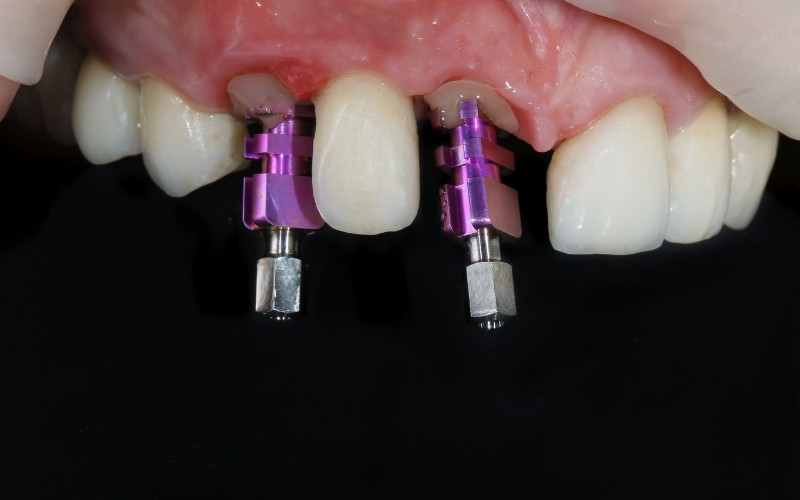
If you have one or more missing teeth, your dentist may suggest dental implants. An implant is a small post that sits in the jaw, and over time, your bone grows around it to keep it steady, much like a natural tooth.
On top, a small connector called an Implant abutment links the implant to the new tooth. The abutment dental implant component helps hold a prosthetic tooth in place, restoring both its shape and function. Your dentist may fit an abutment for dental implant first, then design the final crown or bridge to match your bite.
Satisfied Patient Reviews
EXCELLENTTrustindex verifies that the original source of the review is Google. Service impeccable. Je suis venue pour des implants. La prise en charge a été rapide et la douleur pendant et après l’opération a été à peine ressentie. Clinique très professionnelle et chirurgien expert. Personnel très accueillant, en particulier la Directrice. Recommande à tous ceux qui sont à la recherche de professionnels pour régler des problèmes dentaires Suis venue finaliser la pose des implants et des couronnes. Résultat impécable!Posted on GoogleTrustindex verifies that the original source of the review is Google. I visited from England and had a positive experience. I went for a Hollywood Smile look and couldn’t be happier with them. The clinic was very aesthetic & clean, the staff were very attentive and supportive & I high recommend them.Posted on GoogleTrustindex verifies that the original source of the review is Google. İmplantlarımı ve zirkyonyumlarımı yaptırdım 2 sene önce iyiki yaptırmışım çok memnunum doktorum emrah hoca işinde çok iyi birisi tüm çalışanlara çok teşekkür ediyorum güler yüzlü anlayışları için gülşah hanıma ayriyetten teşekkür ederim 🌹Posted on GoogleTrustindex verifies that the original source of the review is Google. Çok güzel ve güveninirPosted on GoogleTrustindex verifies that the original source of the review is Google. Friendly and approachable staff, above all I haven’t experienced any pain what so ever, it does truly shows core professionalism. Coming from Wolverhampton, UK and made implant surgery with sinuslifting Gedi JafarPosted on GoogleTrustindex verifies that the original source of the review is Google. Ik Marco, hebt mijn gebit laten doen bij Avangart.. En ben door lieve mensen goed ontvangen en behandeld.. Kliniek zeer hygienisch en goede apparatuur.. Deze kliniek zo ik zeker aanraden om je laten behandelen..😁Posted on GoogleTrustindex verifies that the original source of the review is Google. I traveled from the U.S. and had Avantgart Clinic positively transform my smile in a manner that I wouldn’t have conceived as being possible. Dr. Egemen, a true master in his field, was patient, considerate, and communicative throughout the process and his assistant, Sevim, was a real joy to work with. Together, the two of them combined to make the overall experience much greater than I could have ever hoped for, and the end result is a smile that is on par with the most glamorous of Hollywood stars. I am extremely satisfied and would highly recommend Avangart Clinic to anyone looking to enhance their smile at a great price and of the highest quality.Posted on GoogleTrustindex verifies that the original source of the review is Google. Herkes mükemmel ıscılık mükemmel teşekkür edıyorumPosted on GoogleTrustindex verifies that the original source of the review is Google. Emrah bey‘in diş konusundaki tecrübesi, güler yüzü ve uzmanlığı nedeniyle diş tedavilerim için her seferinde Avusturya‘dan İstanbul’a gelmekteyim. Diş kliniği de son teknolojik donanıma sahip güven verici muayenehaneler içermekte.Posted on GoogleTrustindex verifies that the original source of the review is Google. Güler yüzlü ekip, temiz ve modern bir klinik. Tedavi sürecim baştan sona çok profesyoneldi. Gönül rahatlığıyla tavsiye ederim.Verified by TrustindexTrustindex verified badge is the Universal Symbol of Trust. Only the greatest companies can get the verified badge who has a review score above 4.5, based on customer reviews over the past 12 months. Read more
what an Implant Abutment is and Their Importance
Dental abutments are small connectors that link your implant to the new tooth. During treatment, an abutment is attached to the implant so the crown, bridge, or denture can fit securely. They matter because they create a stable connection that lets you chew and smile with confidence.
First, healing abutments are used to shape the gums and protect the site while you heal. Once the area is ready, final abutments are placed so the prosthesis can be joined to the implant. This may happen in one stage at the time of placement or later in a second procedure.
With abutments dental implants work as a complete system, not just a post in bone. This careful process is different from quick trips for turkey teeth implants you may see online. Done well, it supports health and leads toward the smile of your dreams.
Step-by-Step Process of Placing Implant Abutments in Dental Implants
It starts with an initial consultation, where your dentist checks your mouth and plans the steps. You’ll also learn the types of abutments used, including healing and final placement options.
With abutment dental implants, a short second visit may be needed after implant surgery. The dentist makes a small cut to expose the implant, then places a healing abutment to shape the gum.
When the gums heal, impressions are taken to make your prosthetic, and the final abutment is fitted for your crown or bridge. There is a brief wait to get the smile you want, especially with full mouth implants.
Healing and Recovery After Abutment Placement
After the dental implant procedure, gums usually need about four to six weeks to heal around the connectors. In implant dentistry, your clinician will guide you on soft, easy meals and when to move back to normal foods.
Clean gently around the abutment on implant with a soft brush and any other tools your dentist suggests. Careful daily cleaning helps prevent infection and supports steady healing. If you notice ongoing bleeding, fever, or a loose part with your abutment tooth implant, call the clinic right away.
What Is The Abutment Made Of?
What is a dental abutment? It is the small connector that links your implant to the crown, bridge, or denture. It is part of the dental implant process, sitting on top of the implant screw to hold the new tooth steady.
Titanium is commonly used for abutments due to its strength and biocompatibility. Zirconia provides a tooth-colored option near the front of the mouth, while stainless steel, gold, or PEEK may be used in certain cases. Your dentist chooses the material that balances strength, comfort, and aesthetics.
The choice depends on the implant site, your bite, gum thickness, and how wide you smile. In some cases, a custom implant dental abutment gives a better fit and cleaner gum line. Ask which material suits your mouth and why.
How Prostheses Are Made and Attached to Implants
Your restorative dentist will begin working on the permanent prosthesis after the implant has osseointegrated with the jaw. This phase is dependent on accurate records and close coordination with the lab. Understanding dental implant timelines is critical; you should anticipate multiple visits.
The first step is to replace the healing cap with a transfer coping (a temporary component used specifically for taking an impression of the implant’s position). Its accuracy ensures the crown lands in the correct location.
A final impression is then taken to capture your gums, teeth, and implant position. The team may also take bite registrations to record how your jaws meet. These records let the lab build a precise model of your mouth.
On this model, technicians design and fabricate the prosthesis, whether a single crown, a bridge, or a part of a denture. Contact points and bite are set on the model before any try-in.
When the prosthesis is ready, you’ll come back for a fitting to ensure it looks and feels perfect before it’s permanently attached. The dentist checks margins, bite, and comfort, then makes measured adjustments. If you have a fixed restoration, fine-tuning can take a little longer.
Finally, the prosthesis is attached to the abutments and tightened. If you wonder what is a abutment in dentistry, it is the connector that links the implant to the tooth. You may be advised to avoid hard foods for a few weeks while tissues heal and settle.
Maintaining Good Oral Hygiene with Dental Implants and Abutments
Caring for implants feels much like caring for your natural teeth. Brush twice a day, angle the bristles along the gumline, and clean toward the biting surface to lift plaque away. Use gentle pressure so you clean the abutment area without irritating the gums.
Clean between teeth and around implant connectors once daily. Interdental brushes or a water flosser help reach the curved sides of abutments and the spaces a normal brush misses. An antimicrobial mouthwash and a tongue scraper can further reduce bacteria.
Choose a soft brush and a low-abrasive toothpaste. Work carefully around the polished collar of the implant to avoid scratching. If you see persistent bleeding or discomfort, pause and ask your clinician for guidance.
It’s important to conduct regular reviews. Your dentist may take X-rays to determine bone levels and examine the gum tissue around each abutment for signs of inflammation. Early care prevents minor gum irritation from becoming a bigger problem.
Full-arch implants, such as all-on-4 and all-on-6, need special cleaning under the fixed bridge. Use a water flosser tip or super floss with a threader to sweep beneath the bridge where food can hide. Make this a nightly habit to keep the tissues fresh and odour-free.
With consistent home care and routine check-ups, implants and abutments can look and function beautifully. Good hygiene protects comfort, preserves bite, and helps your restorations last. A few minutes of focused care each day is a small price to pay for a lifetime of comfort and confidence.
When to Contact Your Dentist During the Implant Process
During the implant process, especially after your prosthesis is fitted, do not wait to get help if something feels off. Early review protects the implant, the abutment, and your bite.
Contact your restorative dentist immediately if you develop jaw pain, if your bite feels wrong, or if the prosthesis feels loose, chips, or breaks. Book a check as well if the implant or abutment feels loose at any time.
Before and After: Transformative Results with Avangart Clinic
We carry out all our dental treatments with care and strive to give your smile an elegant appearance.