What Are CEREC Dental Crowns?

Dr. Emrah YEŞİLYURT
Dr. Emrah Yeşilyurt is the Founder of Avangart Clinic. He combines advanced dental expertise with a genuine commitment to helping patients feel comfortable and informed about their oral health journey.
More than 2,000 cosmetic and restorative dental procedures are performed every single day across Turkey. That level of treatment volume reflects how established modern restorative care has become, including advanced options such as CEREC dental crowns for patients who want strength, accuracy, and less waiting.
If you have been asking what CEREC is in dentistry, it refers to Chairside Economical Restoration of Esthetic Ceramics. It is a digital method of creating and placing CEREC crowns in a single visit, often without the delays that come with traditional lab-made restorations.
A CEREC crown is made using digital dentistry rather than conventional impression materials and off-site lab work. Your dentist scans the tooth, builds a digital 3D model, mills the restoration from a ceramic block, and fits it on the same day when the case is suitable.
This changes the patient experience in a meaningful way. Instead of attending multiple appointments and wearing temporary crowns while the final restoration is being made elsewhere, many patients can complete treatment in one visit and leave with a tooth-coloured, metal-free restoration already in place.
For patients with a cracked tooth, a large filling, a tooth weakened after root canal treatment, or general loss of tooth strength, CEREC can be an effective way to restore both function and appearance. The benefit is not only the shorter treatment time, but also the accuracy of the digital process from scan to final fit.
How CEREC Works?
CEREC uses CAD/CAM technology, which stands for Computer-Aided Design and Computer-Aided Manufacturing. This digital workflow allows your dentist to plan and create certain restorations in the clinic, rather than sending impressions to an external dental laboratory and waiting days or weeks for the final piece to return.
Treatment usually begins after the tooth is examined, prepared, and numbed if needed. An intraoral scanner then captures optical impressions of the tooth and the surrounding bite, creating a digital 3D model on screen instead of relying on messy impression putty.
That digital model gives the dentist a close view of the tooth’s shape, the contact points with nearby teeth, and the bite alignment. Using the software, the restoration is adjusted in real time so the final fit works both functionally and aesthetically before anything is made.
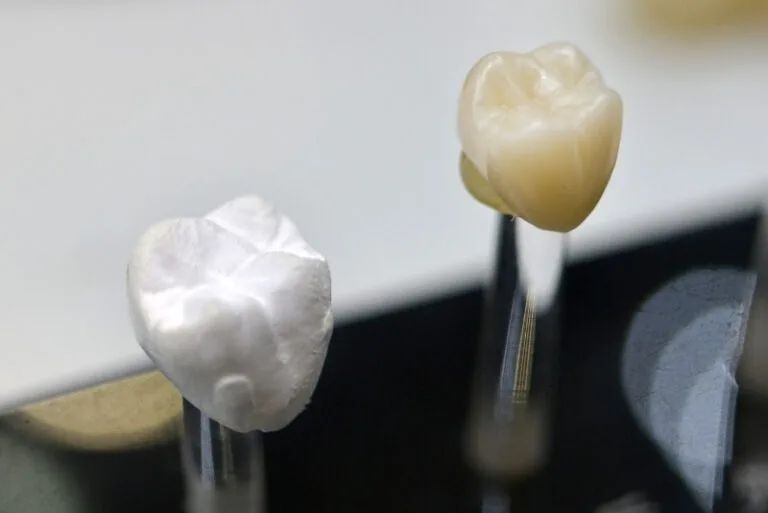
If you are wondering what CEREC crowns are made of, they are typically milled from a solid block of high-strength ceramic selected to match the planned shape and shade of the tooth. The milling unit then carves the restoration with a high level of precision while you are still at the clinic.
Once the ceramic crown is ready, your dentist checks the fit, refines the margins if needed, and bonds it into place. The same digital workflow can also be used for other restorations. For dental crown treatment, the main advantage is that the crown is scanned, made, and fitted through one smooth digital process.
How Do CEREC Crowns Work? The Step-by-Step Process
A CEREC appointment is usually much easier than patients expect. Everything is completed in one visit, so you do not have to move between temporary and final restorations or come back again just to have the crown fitted.
Preparing the tooth
Your dentist begins by checking the tooth carefully and removing any decay, old damaged filling material, or weak areas that could affect the result. The tooth is then shaped so the crown can sit securely and protect it properly.
Taking a 3D digital scan
Once the tooth is ready, we take a digital intraoral scan of the area. This replaces the traditional putty moulds that many people find uncomfortable (if they have a sensitive gag reflex), so the process feels cleaner, quicker, and much easier.
Designing the crown on screen
The scan creates a detailed digital model of your tooth and bite. Your dentist then adjusts the shape, fit, and bite alignment on screen so the crown looks natural and feels comfortable when you close your mouth and chew.
Milling the crown in the clinic
After the design is finalised, it is sent to the milling machine, where the crown is carved from a solid ceramic block in around 15 to 20 minutes. This means the restoration is made in the clinic during the same visit.
Fitting and bonding the final crown
Once the crown is ready, your dentist checks the fit, makes any small refinements, and matches the shade to the surrounding teeth. It is then bonded into place, so you leave with the final crown the same day rather than wearing a temporary and returning later.
For most patients, this is the part that changes the experience completely. You come in with a damaged tooth and leave with a finished restoration that has already been scanned, designed, made, and fitted in one appointment.
Benefits of CEREC Crowns Over Traditional Crowns
Treatment Finished in One Visit
For many patients, the biggest benefit is how straightforward the process feels. With CEREC, the tooth can be prepared, scanned, made, and fitted in the same appointment, so you are not left waiting days or weeks for the final crown.
This can make a real difference when the tooth is already causing discomfort or when it is hard to return for another visit. You come in for treatment and leave with the permanent crown already in place.
No Temporary Crown in Between
Traditional crowns usually involve a temporary crown while the final one is being made in a dental lab. That part of the process can be inconvenient, especially if the temporary feels bulky, comes loose, or makes eating feel awkward.
CEREC removes that in-between stage. Because the final crown is made in the clinic on the same day, there is no need to spend time managing a temporary restoration.
A More Accurate Fit
Digital scanning gives your dentist a very detailed view of the tooth, the surrounding teeth, and how your bite comes together. That helps create a crown that fits more precisely and feels more natural in daily use.
Patients often notice this after the treatment rather than during it. The crown tends to feel more settled, and the bite usually feels more balanced from the start.
More of the Natural Tooth Can Often Be Kept
Another advantage is that the crown can often be made with less unnecessary removal of healthy tooth tissue. Keeping as much of the natural tooth as possible matters, because the crown needs a solid base underneath it.
This is especially important when the tooth is already weak from decay, a large filling, or previous treatment. The aim is to protect what is left, not strip away more than needed.
A Natural Look Without Metal
CEREC crowns are usually made from metal-free ceramic, which gives them a more natural appearance. The shade can be matched closely to the surrounding teeth, and there is no dark metal edge to affect the final look.
This is very important when the crown is placed on a visible tooth. Patients usually want the restoration to feel secure, but they also want it to blend in comfortably with their smile.
A Simpler Experience Overall
Compared with traditional crowns, CEREC usually makes treatment feel simpler. Fewer visits, no temporary crown, and same-day fitting reduce the disruption and make the process easier to manage.
It is still a dental procedure, and it still needs proper planning and case selection. But for the right patient, it can be a much smoother way to restore a damaged tooth.
Fitting and bonding the final crown
Once the crown is ready, your dentist checks the fit, makes any small refinements, and matches the shade to the surrounding teeth. It is then bonded into place, so you leave with the final crown the same day rather than wearing a temporary and returning later.
For most patients, this is the part that changes the experience completely. You come in with a damaged tooth and leave with a finished restoration that has already been scanned, designed, made, and fitted in one appointment.
Potential Disadvantages
CEREC is a strong option for many patients, but it is not the right answer for every tooth. A good dentist should make that clear before treatment starts, because speed only matters if the restoration is also appropriate for the case.
One limitation is how well the scanner can capture the edges of the tooth. If a fracture or cavity extends deep below the gumline, the margin can be harder to record clearly with a digital scan, and that can affect how accurately the crown fits. In those situations, a different approach may give a more reliable result.
However, patients who grind their teeth, clench heavily, or have severe bruxism can place too much force on a same-day ceramic crown, especially on back teeth. IIn those cases, a lab-made crown in a higher strength material may be a better option, such as zirconium crowns.
CEREC does not offer the same range of materials as a full lab-made crown. That does not mean the result is poor. It means the dentist has to decide whether the available same-day material is the best match for the tooth, the bite, and the pressure it will need to handle.
In some clinics, CEREC crowns cost more because the treatment uses advanced in-house equipment and digital technology. This is also where patients often start comparing dental crown replacement costs, especially when an older crown needs to be removed and replaced.
Availability can vary as well. Not every clinic offers this technology, and not every case should be treated with it even when the equipment is available.
This is why proper assessment matters more than the promise of a one-visit crown. If the tooth has serious damage, deep margins, limited remaining structure, or very heavy bite pressure, a more traditional lab-made restoration may be the safer and longer-lasting option.
Are CEREC Crowns Right for You?
According to the CDC, 21% of adults aged 20 to 64 have at least one untreated cavity in their permanent teeth. Untreated decay is one of the most common reasons a tooth loses strength and ends up needing a crown for protection and support.
CEREC can be a very good option when a tooth needs to be restored quickly, and there is enough healthy structure left to support the crown properly. It is often a strong fit for patients with a decayed tooth, a cracked tooth, or a tooth that has already had root canal treatment and now needs full coverage.
This option can be especially appealing when the damaged tooth is in the visible smile zone. Patients want a crown that is strong, looks natural, and can be completed without extra visits.
You may be a good candidate for CEREC if:
- The tooth has enough sound structure to hold a crown securely
- The margins can be captured clearly with a digital scan
- You want a faster treatment process with no temporary crown
- The tooth would benefit from a metal-free, natural-looking restoration
CEREC may be less suitable if the damage runs too far below the gumline, the bite places very heavy pressure on the tooth, or the case requires a different material option. In some cases, a lab-made crown is the better option, especially when the tooth would benefit from a different material such as Emax crowns in Turkey.
The only reliable way to know if CEREC is right for you is through a clinical exam. Your dentist needs to check the amount of remaining tooth structure, the position of the margins, your bite, and how the tooth will function over time before making the final recommendation.
How Long Does a CEREC Crown Last?
A well-made CEREC crown can last 10 to 15 years, and in many cases longer, if it is placed on the right tooth and looked after properly. The fact that it is made in one day does not make it short-term or fragile. The ceramic used for these restorations is strong enough for everyday function when the case is planned well.
That long-term performance is backed by clinical evidence. Published clinical data showed a 98.66% success rate over 7 years, with most restorations needing no replacement or further treatment during that time.
How long a crown lasts depends on what happens after it is bonded, not only on the material itself. Daily brushing, flossing, regular dental check-ups, and keeping plaque away from the crown margins all help protect both the restoration and the tooth underneath it.
Bite pressure also makes a difference in a CEREC crown’s lifespan. A patient who clenches or grinds their teeth heavily will usually place more stress on the crown than someone with a stable bite, which is why a night guard may be advised in some cases.
Small habits matter more than many people expect. Chewing ice, opening packaging with your teeth, or ignoring gum inflammation around the crowned tooth can shorten the life of any restoration, including a same-day ceramic crown.
These daily habits make a real difference over time. The goal is to keep the crown stable, comfortable, and healthy for years, without repeated repairs or regular adjustments becoming part of the experience.
How to Care for Your CEREC Crown?
While a CEREC crown does not need complex care, it needs consistent care. The crown itself won’t decay, but the tooth under it and the gum around it still need daily care.
Brush twice a day and floss carefully around the crowned tooth, especially near the gumline. Plaque tends to build up where the crown meets the natural tooth, and that area needs to stay clean to help prevent gum irritation or decay at the margin.
Try not to chew on hard objects such as ice, pens, fingernails, or bottle caps. Even a strong ceramic crown can chip or crack if it is used for things your teeth were never meant to handle.
If you clench your jaw, grind your teeth at night, or wake up with tension in the muscles around your face, your dentist may recommend a custom nightguard to protect the crown and the surrounding teeth.
It also helps to keep up with your regular dental check-ups. Small changes in the bite, early gum inflammation, or wear from grinding are easier to manage when they are found early, before they turn into a bigger problem.
Most patients settle into their new crown quickly. The best approach is simple: keep it clean, avoid unnecessary force, and have it reviewed as part of your normal dental care.
Restore Your Smile Today: Schedule Your Consultation
If you are dealing with a cracked tooth, a heavily filled tooth, or a crown that no longer feels right, the next step is a proper clinical assessment. A consultation helps show whether CEREC is the right option for your tooth, your bite, and whether your smile can be restored in a single visit.
You can also explore our dental crowns and restorative dentistry services if you would like to compare treatment options before booking. In many cases, the right treatment becomes much clearer after the tooth and surrounding area have been examined properly.
If you would like to arrange a consultation, contact us on +90 542 146 82 11 or email contact@avangartclinic.com. We will help you understand your options and whether same-day crown treatment is suitable for your case.
FAQs
The biggest difference is the timeline. A CEREC crown is made and fitted in the clinic on the same day, while a traditional crown is usually sent to a dental lab, which means you often need a temporary crown and another visit later.
A CEREC crown can last 10 to 15 years, and sometimes longer, if it is well looked after. Good brushing, flossing, regular check-ups, and a stable bite all help it last longer.
They can be very strong, but the right choice depends on the tooth. Some teeth do very well with a same-day ceramic crown, while others are better restored with a lab-made option.
Most appointments take about 1.5 to 2 hours. That usually includes preparing the tooth, taking the scan, designing the crown, milling it, and bonding it into place.
Yes, they often work very well for front teeth. Patients usually like them in visible areas because they can be matched closely to the surrounding teeth and do not have a metal core that could affect the appearance.
Yes, they can look very natural when the shade and shape are planned carefully. The ceramic blends in well with natural teeth, which is why many patients feel comfortable choosing it for teeth that show when they smile.
The procedure is usually no more uncomfortable than having a normal crown prepared. The tooth is numbed first, so most people feel pressure and movement rather than pain, and any mild soreness afterwards usually settles quite quickly.
Sometimes they do, and sometimes the cost difference is smaller than patients expect. The price can reflect the digital equipment, the same-day workflow, and the type of material being used, so it is always worth comparing the treatment value, not just the number on the quote.
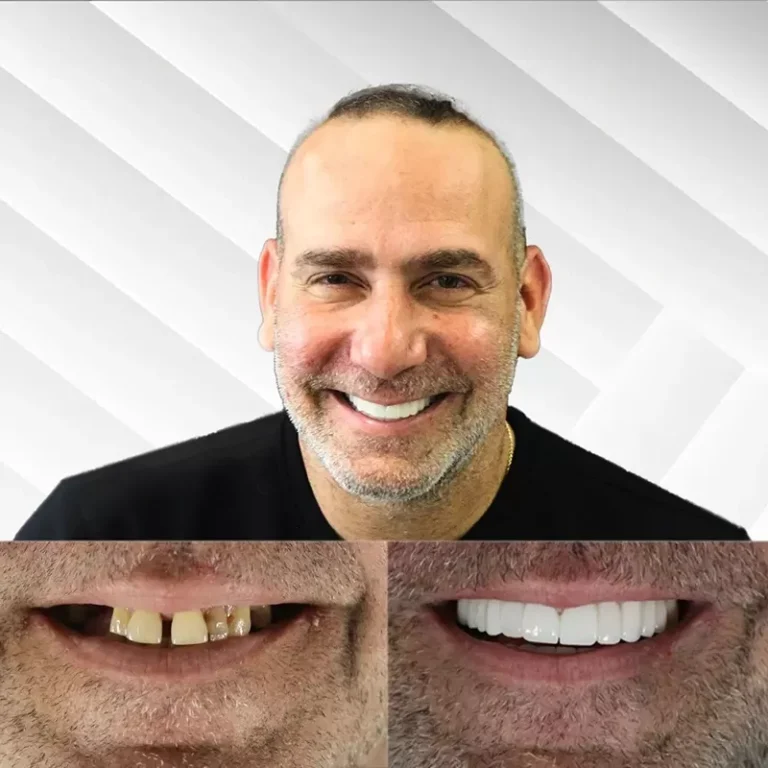
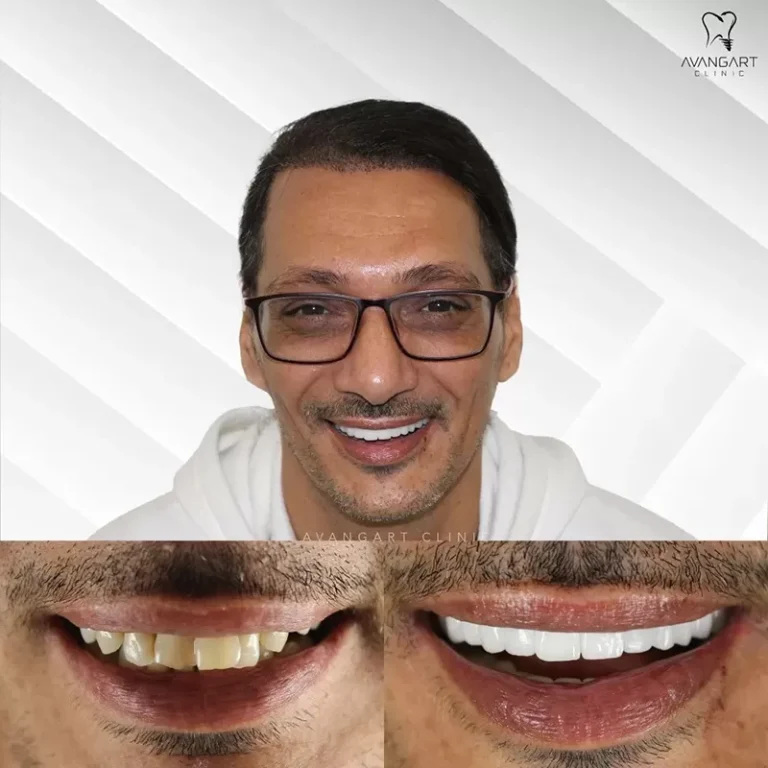
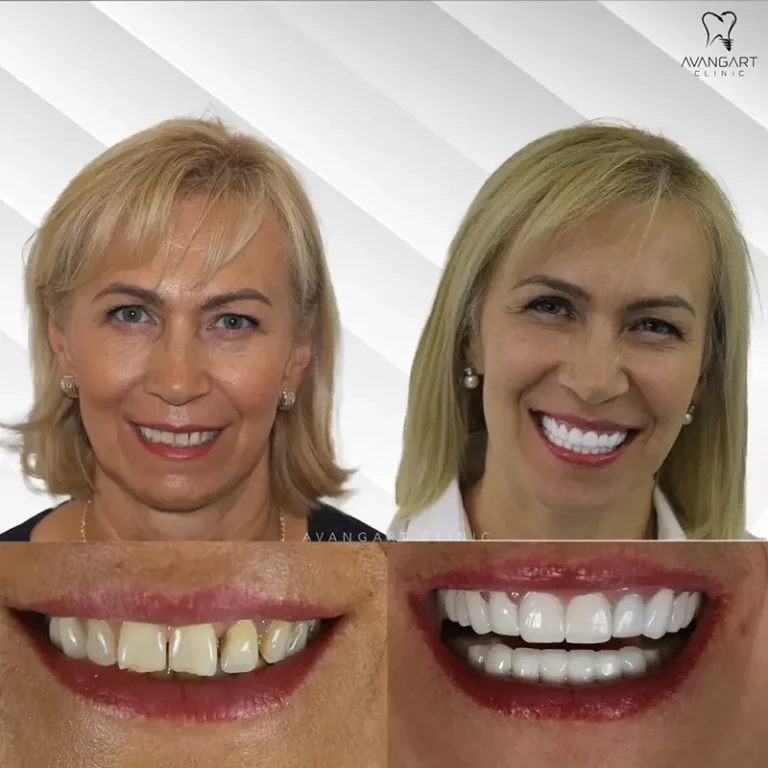
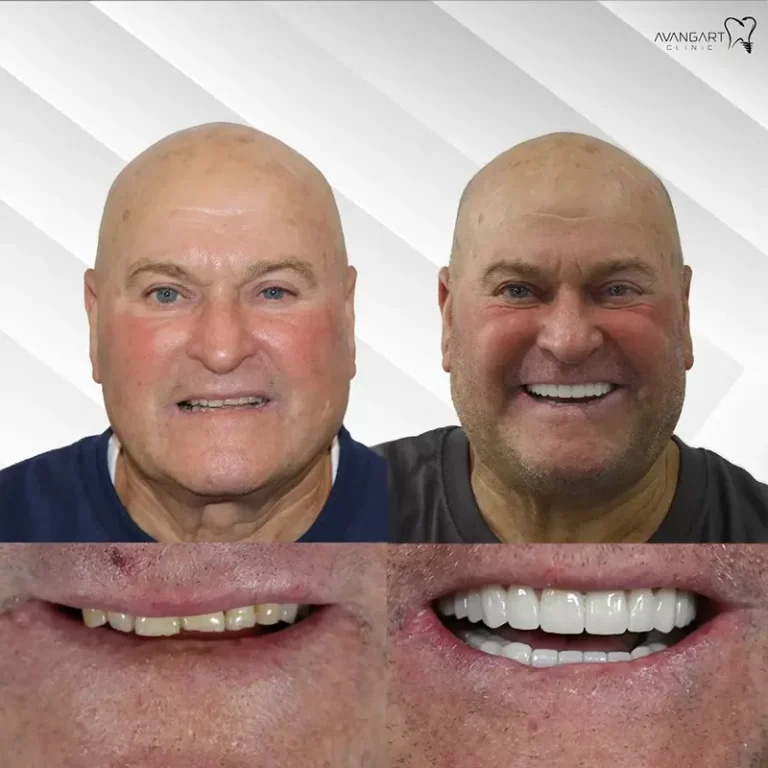
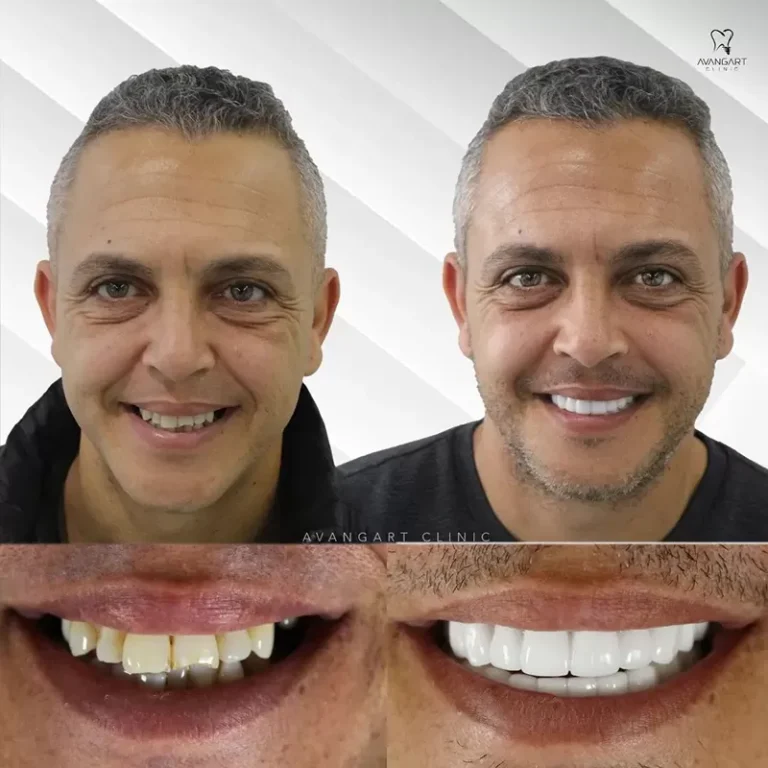
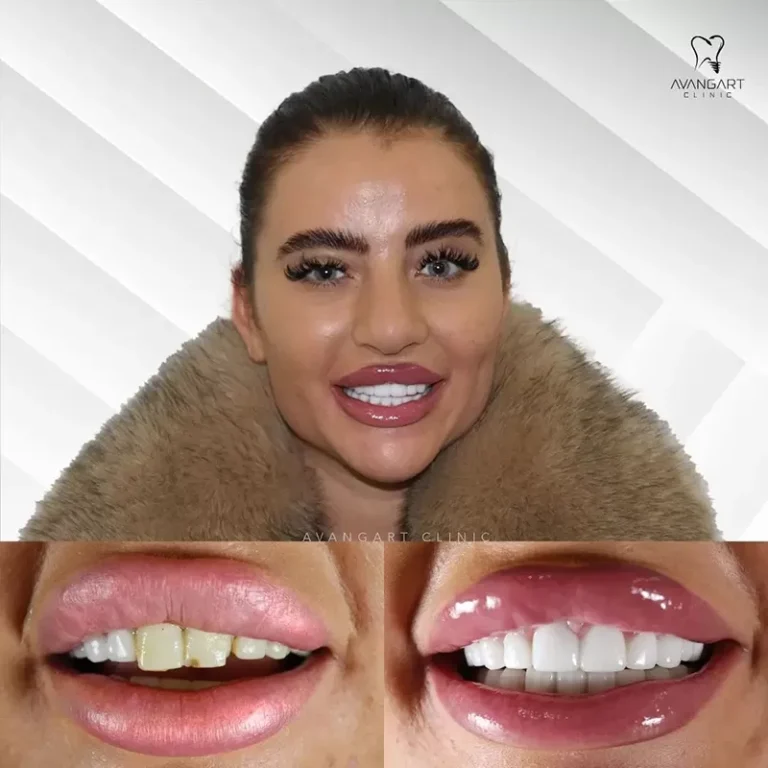
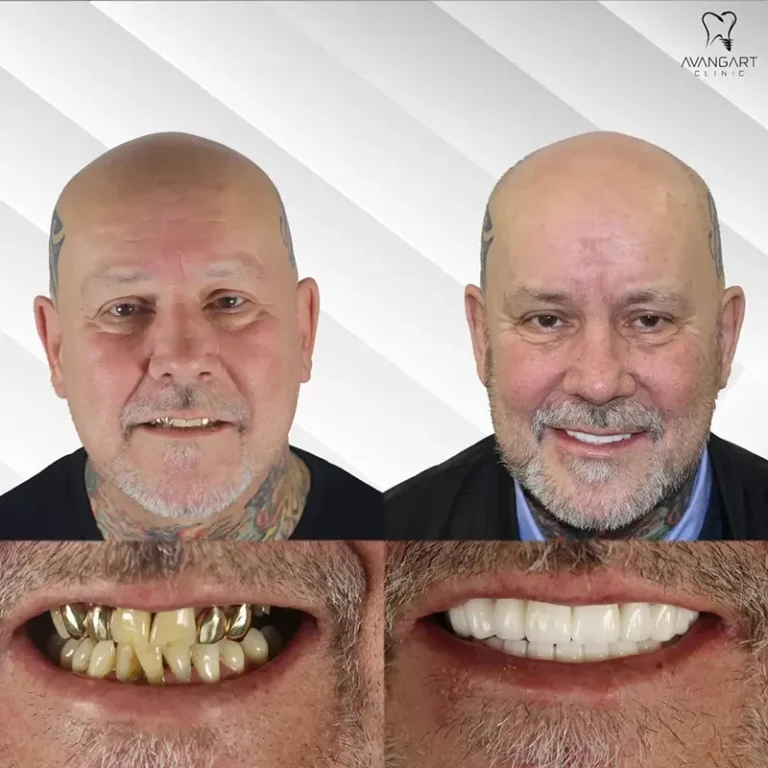
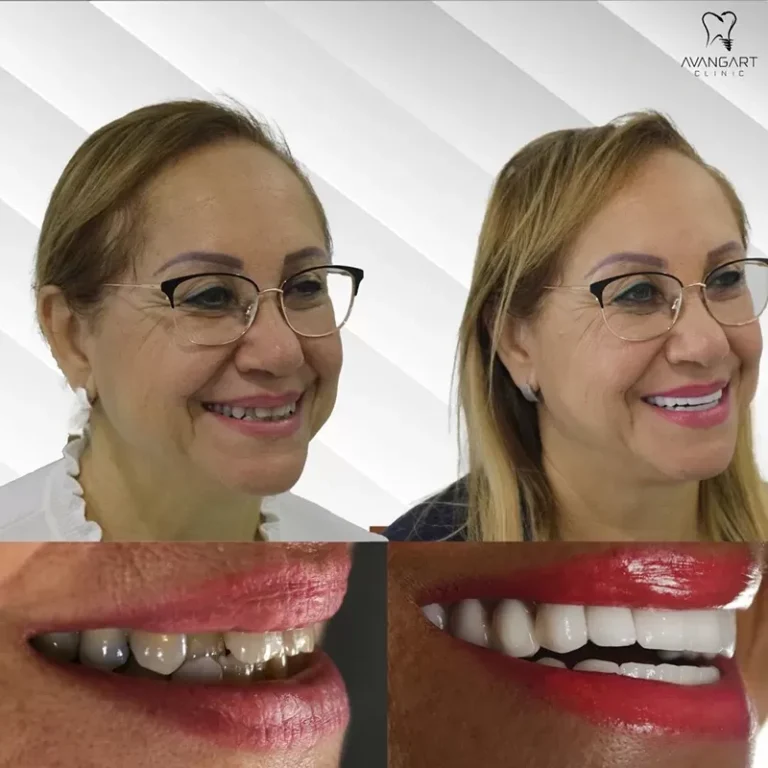
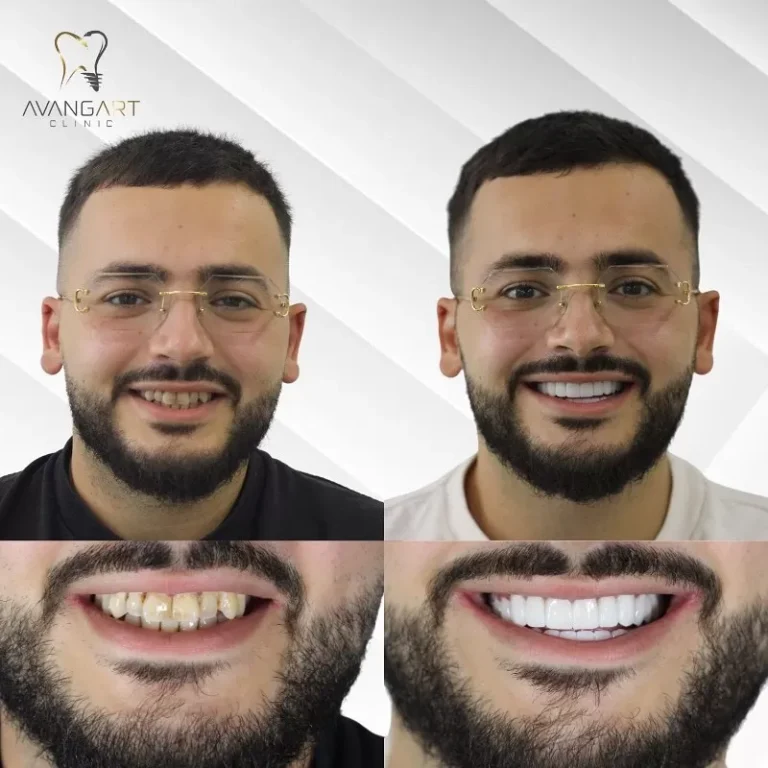
Before and After: Transformative Results with Avangart Clinic
We carry out all our dental treatments with care and strive to give your smile an elegant appearance.