What’s the Difference Between Veneers vs. Crowns?

Dr. Emrah YEŞİLYURT
Dr. Emrah Yeşilyurt is the Founder of Avangart Clinic. He combines advanced dental expertise with a genuine commitment to helping patients feel comfortable and informed about their oral health journey.
If you are comparing veneers vs crowns, you are probably asking one simple question: which one is right for my tooth? The answer usually comes down to what is happening beneath the surface. A tooth that is still strong and mostly intact may suit a veneer, while a tooth that is weak, cracked, or heavily restored often needs the more comprehensive protection of a crown.
The difference between the two treatments comes down to structural coverage. A veneer is bonded to the front surface of a tooth to improve its appearance, while a crown covers the entire visible tooth to give it more strength and protection.
So, are veneers the same as crowns? Not quite. They can sometimes create a similar cosmetic result, but they do different jobs. In most cases, the best option is the one that protects your natural tooth structure while giving you a result that looks natural and feels comfortable.
Infographic
The Core Difference: Purpose and Tooth Preparation
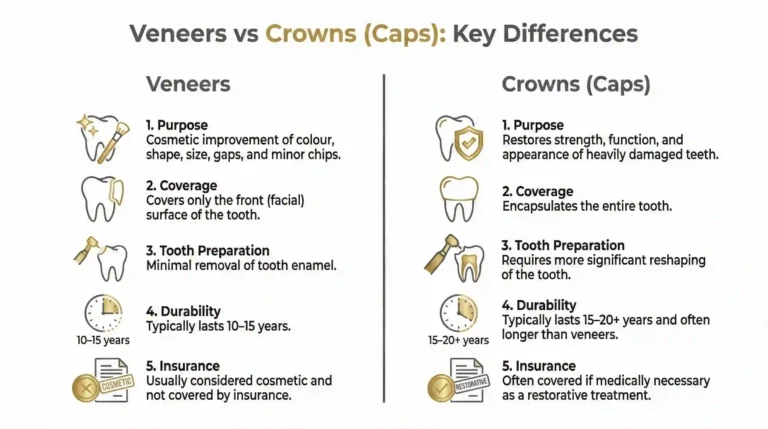
When people compare crowns vs veneers, the biggest difference is not just how they look, but what they are meant to do. A veneer is mainly a cosmetic treatment. It covers only the front of a healthy or mostly intact tooth, much like a false fingernail sits over the nail, to improve colour, shape, or small imperfections.
A crown does more than that. Sometimes called a cap, it covers the entire tooth to restore strength, function, and protection. That is why the difference between caps and veneers matters so much when a tooth is cracked, heavily filled, worn down, or structurally weak.
The preparation is also very different. For a veneer, the dentist usually removes around 0.5 mm of enamel from the front surface, although in carefully selected cases, veneers without shaving teeth may be a suitable minimally invasive option. For a crown, tooth preparation is more extensive, often closer to 2 mm around the tooth, because the restoration needs space to fit over the full tooth structure.
In simple terms, dental veneers are mainly used to improve appearance, while crowns are used when a tooth also needs more strength, protection, and function.
Satisfied Patient Reviews
EXCELLENTTrustindex verifies that the original source of the review is Google. Service impeccable. Je suis venue pour des implants. La prise en charge a été rapide et la douleur pendant et après l’opération a été à peine ressentie. Clinique très professionnelle et chirurgien expert. Personnel très accueillant, en particulier la Directrice. Recommande à tous ceux qui sont à la recherche de professionnels pour régler des problèmes dentaires Suis venue finaliser la pose des implants et des couronnes. Résultat impécable!Posted on GoogleTrustindex verifies that the original source of the review is Google. I visited from England and had a positive experience. I went for a Hollywood Smile look and couldn’t be happier with them. The clinic was very aesthetic & clean, the staff were very attentive and supportive & I high recommend them.Posted on GoogleTrustindex verifies that the original source of the review is Google. İmplantlarımı ve zirkyonyumlarımı yaptırdım 2 sene önce iyiki yaptırmışım çok memnunum doktorum emrah hoca işinde çok iyi birisi tüm çalışanlara çok teşekkür ediyorum güler yüzlü anlayışları için gülşah hanıma ayriyetten teşekkür ederim 🌹Posted on GoogleTrustindex verifies that the original source of the review is Google. Çok güzel ve güveninirPosted on GoogleTrustindex verifies that the original source of the review is Google. Friendly and approachable staff, above all I haven’t experienced any pain what so ever, it does truly shows core professionalism. Coming from Wolverhampton, UK and made implant surgery with sinuslifting Gedi JafarPosted on GoogleTrustindex verifies that the original source of the review is Google. Ik Marco, hebt mijn gebit laten doen bij Avangart.. En ben door lieve mensen goed ontvangen en behandeld.. Kliniek zeer hygienisch en goede apparatuur.. Deze kliniek zo ik zeker aanraden om je laten behandelen..😁Posted on GoogleTrustindex verifies that the original source of the review is Google. I traveled from the U.S. and had Avantgart Clinic positively transform my smile in a manner that I wouldn’t have conceived as being possible. Dr. Egemen, a true master in his field, was patient, considerate, and communicative throughout the process and his assistant, Sevim, was a real joy to work with. Together, the two of them combined to make the overall experience much greater than I could have ever hoped for, and the end result is a smile that is on par with the most glamorous of Hollywood stars. I am extremely satisfied and would highly recommend Avangart Clinic to anyone looking to enhance their smile at a great price and of the highest quality.Posted on GoogleTrustindex verifies that the original source of the review is Google. Herkes mükemmel ıscılık mükemmel teşekkür edıyorumPosted on GoogleTrustindex verifies that the original source of the review is Google. Emrah bey‘in diş konusundaki tecrübesi, güler yüzü ve uzmanlığı nedeniyle diş tedavilerim için her seferinde Avusturya‘dan İstanbul’a gelmekteyim. Diş kliniği de son teknolojik donanıma sahip güven verici muayenehaneler içermekte.Posted on GoogleTrustindex verifies that the original source of the review is Google. Güler yüzlü ekip, temiz ve modern bir klinik. Tedavi sürecim baştan sona çok profesyoneldi. Gönül rahatlığıyla tavsiye ederim.Verified by TrustindexTrustindex verified badge is the Universal Symbol of Trust. Only the greatest companies can get the verified badge who has a review score above 4.5, based on customer reviews over the past 12 months. Read more
What is a Dental Veneer?
A dental veneer is a thin layer placed over the front surface of a tooth to improve how it looks while keeping most of the natural tooth underneath. It is usually chosen when a tooth is healthy enough structurally but needs a cosmetic upgrade rather than full coverage.
The two main options are porcelain and composite resin. Porcelain veneers are custom-made in a lab, known for their lifelike shine, stain resistance, and long-term durability. Composite resin veneers are shaped directly on the tooth, usually in fewer visits, and can work well for smaller corrections or patients looking for a more conservative starting point.
Veneers are often used to improve:
- Minor chips or uneven edges
- Small gaps between teeth
- Severe discoloration that whitening cannot correct
- Slight misalignment or irregular shape
In real treatment planning, veneers are best for smile enhancement, not heavy structural repair. For example, a patient with deeply stained front teeth or one slightly twisted tooth may be a strong veneer candidate, while a tooth with a large filling or crack may need a crown instead. This is where comparing veneers vs crowns vs bonding becomes important, because the right option depends on both appearance and tooth strength.
What is a Dental Crown?
A dental crown is a custom-fitted cap that fits over the entire visible part of a tooth. Dentists use it when a tooth is too damaged or weakened to rely on its outer surface alone. A crown isn’t just there to improve the appearance of a tooth. It helps the tooth to keep functioning properly.
Crowns can be made from a few different materials. Ceramic is often chosen when a natural look matters most. Zirconia is strong and can be a good choice for teeth that experience more biting pressure. There are also porcelain-fused-to-metal crowns, often called PFM crowns, which combine an outer tooth-coloured layer with a metal base underneath.
A crown is usually recommended for clinical reasons rather than simple cosmetic ones. That may be because the tooth has a large cavity, a fracture, a very old filling that now takes up too much of the tooth, or has had root canal treatment and needs extra support afterwards. In these situations, a crown helps rebuild the tooth so it feels stable, functions comfortably, and looks natural in the smile.
Veneers vs. Crowns: Side-by-Side Comparison
If you are stuck between veneers and crowns, the table below gives you the practical difference at a glance. The biggest thing to remember is that veneers mainly improve how a tooth looks, while crowns are usually chosen when the tooth also needs more protection.
| Feature | Veneers | Crowns |
|---|---|---|
| Primary Purpose | Improve the front appearance of a tooth | Protect and rebuild a tooth that needs more support |
| Amount of Tooth Structure Removed | Usually a small amount from the front surface | More tooth shaping on all sides |
| Thickness | Thin and delicate, usually around 0.5 to 1 mm | Thicker and sturdier, often around 1.5 to 2 mm |
| Lifespan | Commonly around 10 to 15 years with good care | Often around 10 to 15 years or more, depending on the case |
| Typical Cost | Depends on material and number of teeth treated | Depends on material and whether extra treatment is needed |
| Reversibility | Not reversible once enamel is removed | Not reversible because the tooth is shaped more extensively |
A simple way to think about it is this: veneers suit teeth that are generally healthy but need a cosmetic upgrade. Crowns are usually the better choice when the tooth has already been weakened by decay, fracture, a very large filling, or root canal treatment.
Which Option is Right for Your Teeth?
The right choice usually depends on one thing: is the tooth mainly a cosmetic concern, or does it also need structural support? A consultation and exam are still essential, but there are a few common situations that can help you understand which direction you are likely heading.
- If you grind or clench your teeth (bruxism), a crown is often the safer option, especially if the tooth is already worn, cracked, or heavily restored. Veneers can look beautiful, but strong grinding forces can put them under more stress.
- If you have had a root canal treatment, a crown is often recommended as the standard next step because the tooth can become more brittle after treatment. The crown helps protect what is left of the tooth and restores function.
- If your teeth are healthy but yellow, slightly uneven, or mildly crooked, veneers are often the more conservative choice. They can improve shape and colour without covering the whole tooth.
- If the tooth has a large filling, a crack, or obvious weakness, a crown is usually the better fit because it helps protect the tooth, not just improve the way it looks.
Comparing the Costs: Are Crowns More Expensive Than Veneers?
Cost is a fair question, because both treatments are an investment. In many cases, a porcelain veneer and a high-quality ceramic crown can be priced in a similar range per tooth. The bigger difference is often not the treatment fee itself, but why the treatment is being done in the first place.
Veneers are usually classed as a cosmetic procedure or an elective procedure. That means the out-of-pocket cost is often higher because dental insurance coverage or insurance benefits usually do not apply. Crowns are different. If a tooth is weak, heavily filled, fractured, or has had root canal treatment, the crown may be classified as a restorative necessity.
While international out-of-network insurance reimbursement varies, our team provides comprehensive itemized documentation to assist you in submitting claims to your domestic provider.
It is also worth looking beyond the starting price. A crown may involve extra preparatory work, while veneers may be placed on several front teeth at once for a balanced smile design. Replacement costs also matter, especially for patients who clench, grind, or put heavy pressure on their teeth, as these habits can shorten how long the restoration lasts.
The best way to compare costs honestly is to ask what you are paying for: cosmetic change alone, or appearance plus structural protection.
Lifespan and Aftercare: How to Protect Your Investment
Both veneers and crowns can last a long time when they are well-made and well-looked after. In many cases, the lifespan is around 10 to 15 years or more, but longevity is not only about the material. It also depends on your bite, your habits, and how well you care for your teeth every day.
What matters most is protecting the restoration from avoidable stress. Habits like chewing ice, biting your nails, using your teeth to open packaging, or clenching your teeth through the night can all make the restoration wear out sooner. If you have bruxism or signs of teeth grinding, a custom nightguard is often one of the best ways to protect both veneers and crowns.
Daily care is simple, but it matters. Brush twice a day with a non-abrasive toothpaste, clean between the teeth properly, and keep up with routine dental check-ups so small problems can be caught early. Good oral hygiene helps protect the tooth margin near the gum line, where problems such as plaque build-up, gum irritation, or decay around the restoration can begin.
A veneer or crown is not a ‘fit and forget’ restoration. With good habits, it can remain strong, comfortable, and natural-looking for years to come.
FAQs
Yes, many patients do. A common approach is to use veneers on the front teeth for cosmetic improvement and crowns on teeth that are weaker, heavily filled, or root canal-treated. The key is planning both together so the colour, shape, and bite feel balanced.
It is usually more comfortable than patients expect. The tooth is normally prepared under local anesthesia, so you should not feel pain during treatment. Afterwards, you may have a little sensitivity for a short time, especially with hot or cold drinks, but this usually settles quickly.
Yes, in some cases it can. If a tooth that was once suitable for a veneer later becomes weaker, more heavily filled, or develops a crack, a crown may be the better choice. This is why protecting the tooth and attending regular check-ups matter just as much as the first treatment choice.
Transform Your Smile with Confidence at Avangart Clinic
If you are still deciding between veneers and crowns, that is completely understandable. The Internet can be a fantastic resource, but there’s only so much you can learn. The right choice depends on the condition of your tooth, the way your bite comes together, and the kind of result you want.
That is why a proper consultation makes such a difference. Once we have looked at your tooth, your bite, and your goals, we can help you choose the option that feels right for you, whether that means Porcelain Veneers, Dental Crowns, or a personalized Smile Makeover.
If you are still planning your trip to Istanbul, you can send us photos first for an initial assessment before you travel. To speak with our team, call +90 542 146 82 11 or email contact@avangartclinic.com.
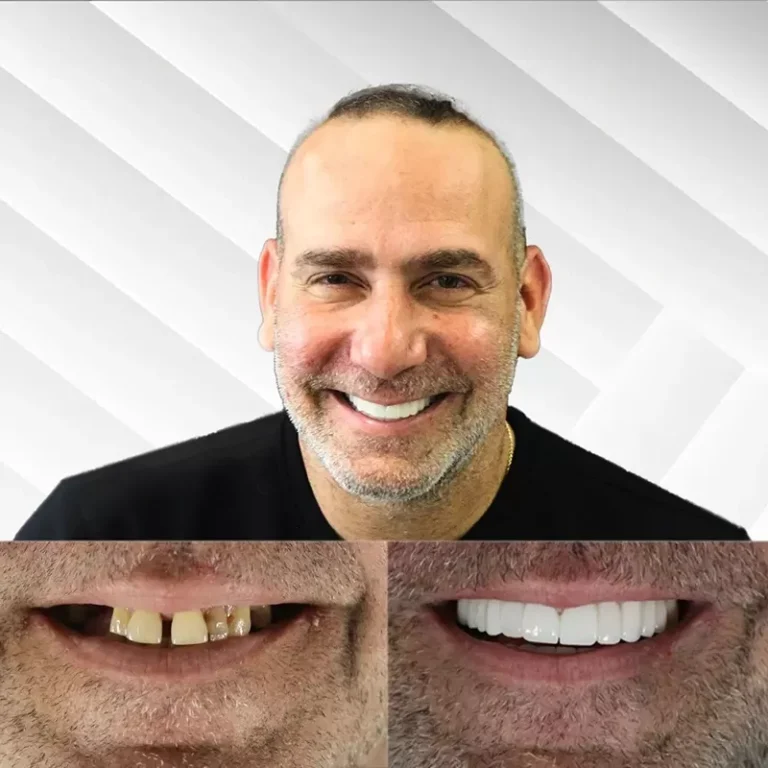
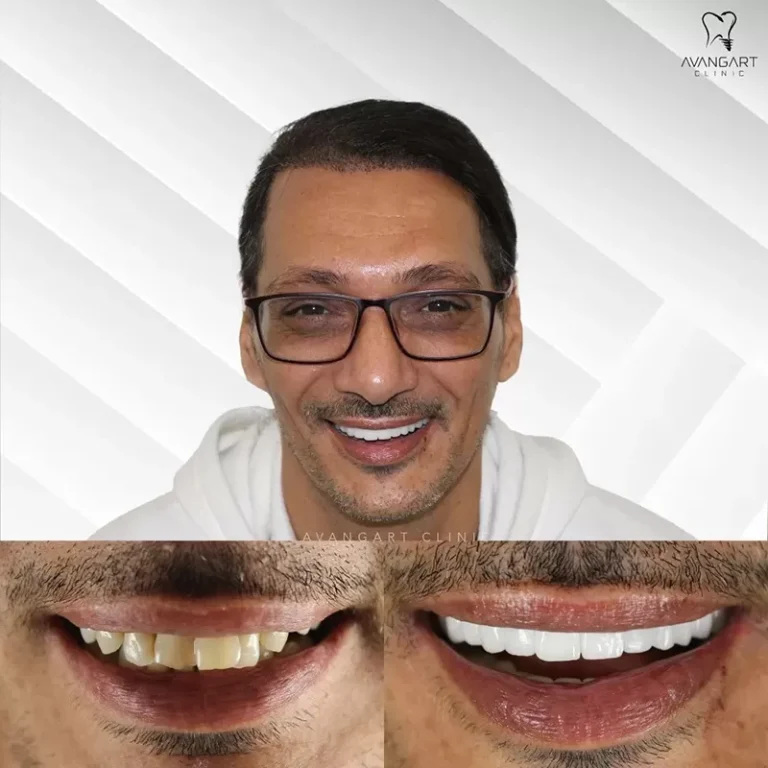
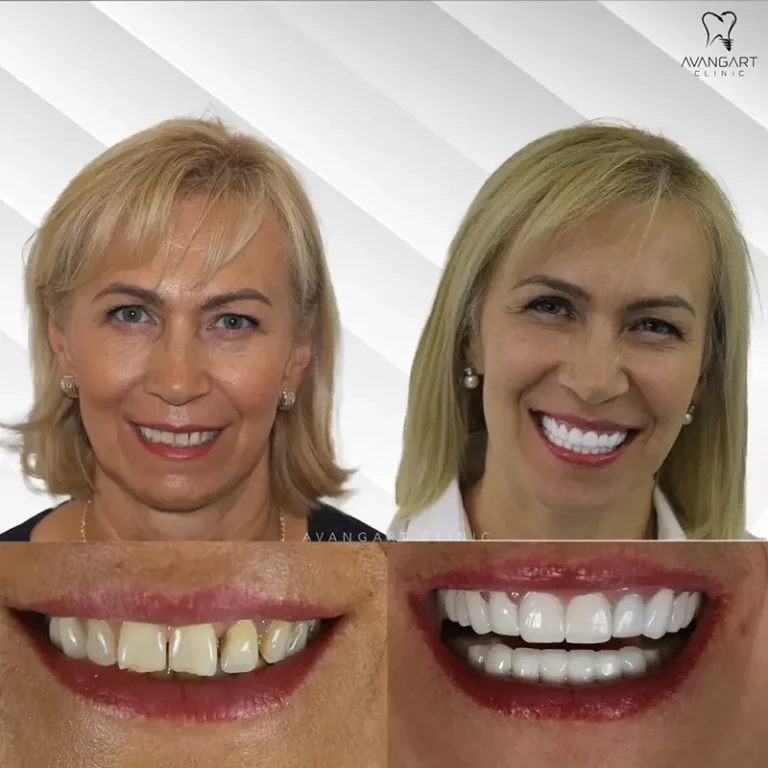
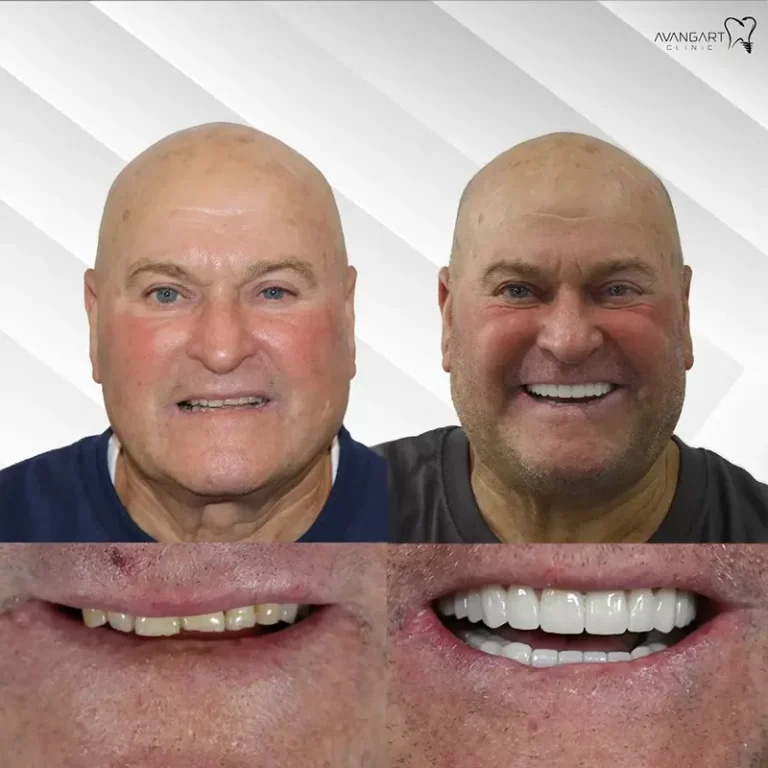
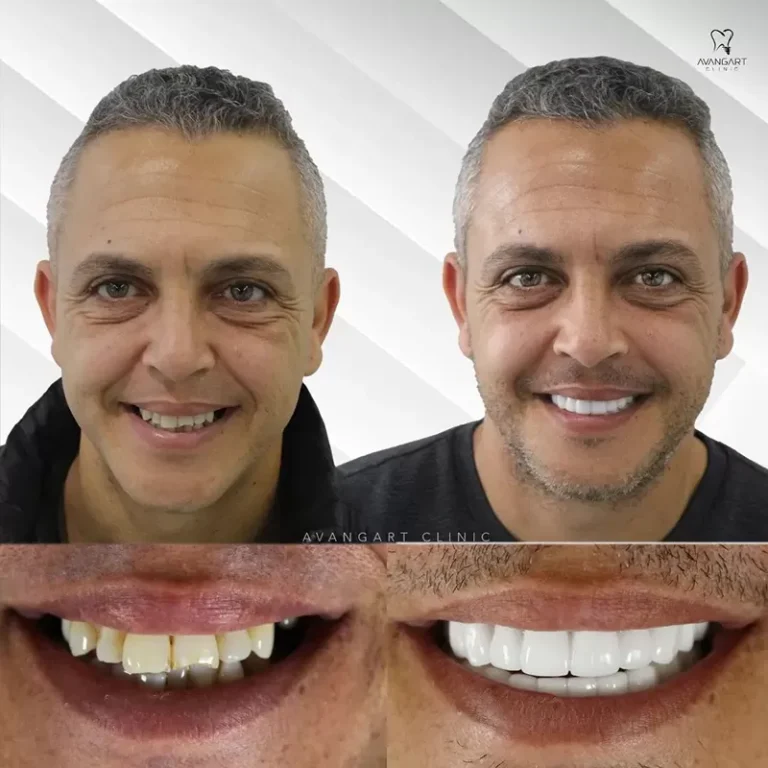
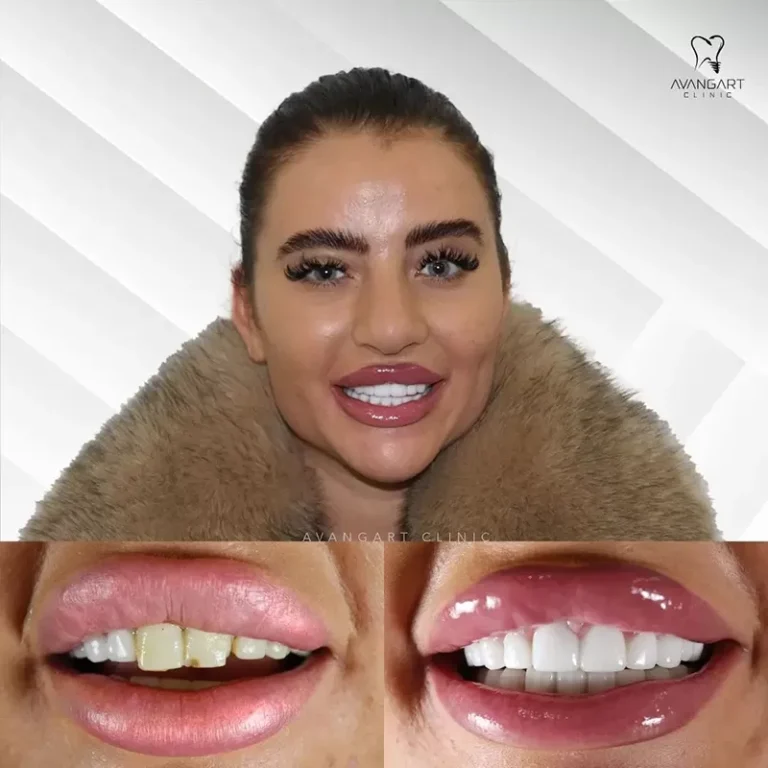
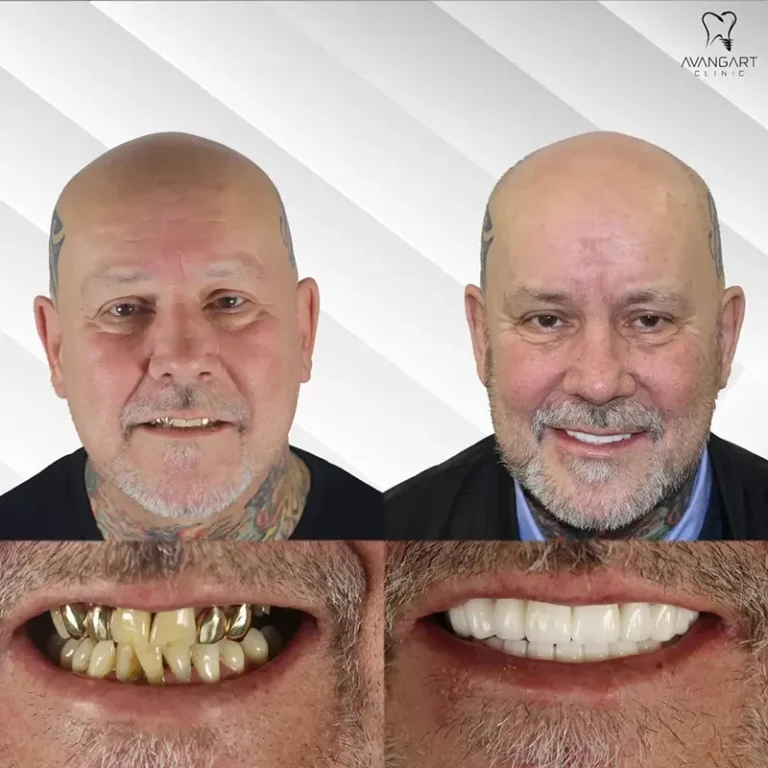
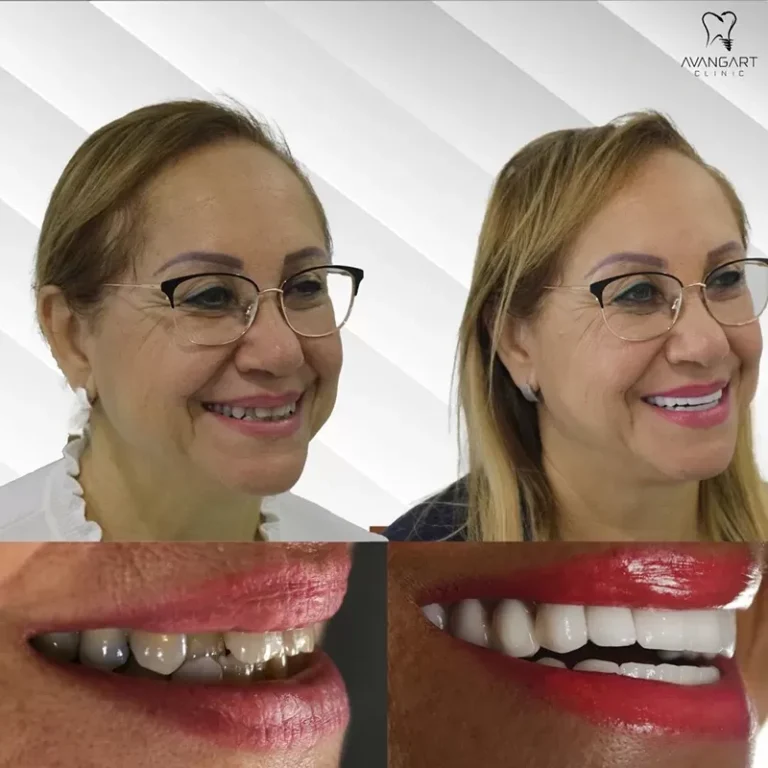
Before and After: Transformative Results with Avangart Clinic
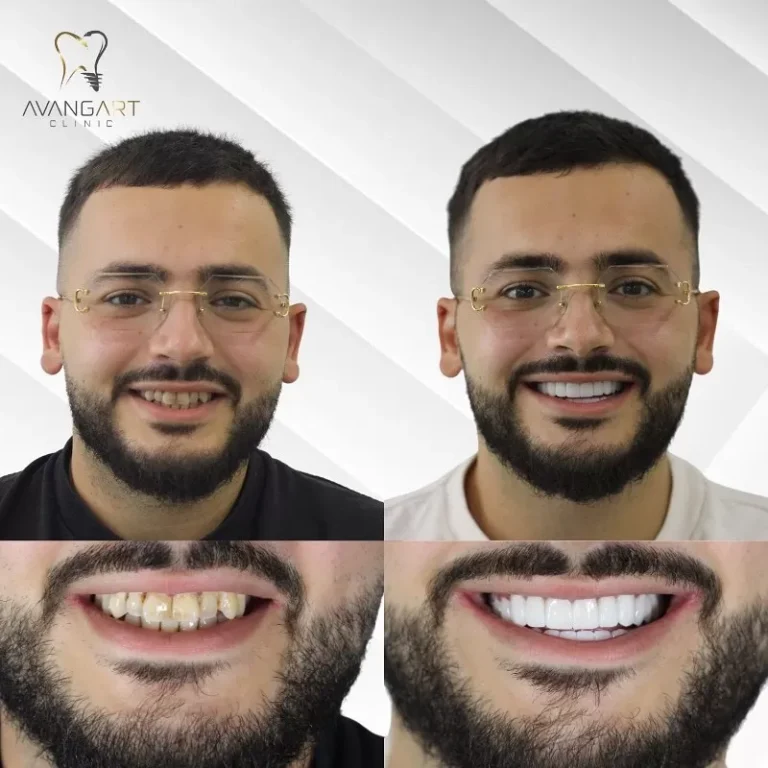
We carry out all our dental treatments with care and strive to give your smile an elegant appearance.