
Dental Crown Replacement Cost in 2026

Dr. Emrah YEŞİLYURT
Dr. Emrah Yeşilyurt is the Founder of Avangart Clinic. He combines advanced dental expertise with a genuine commitment to helping patients feel comfortable and informed about their oral health journey.

Dental Crown Replacement Cost vs Repair
If you have a broken or loose dental crown, you may be wondering if it is worth attempting to fix it or whether it is time for a new one. Although dental crowns are made to last, over time, they might get fractured, worn down, or sometimes fall off. Choosing to merely repair a crown or replace one can be difficult, and both choices have different costs. In this article, we will break down everything you need to know—from the cost to replace a crown to how much does it cost to reattach a crown. We will also discuss the factors influencing crown removal cost so you may choose the best course of action depending on your oral health and financial situation.
How Much Does It Cost To Reattach A Crown?
Reattaching a dental crown in Turkey usually costs between $100 and $300. The final price depends on the clinic, the materials used, and how complex the procedure is. Some clinics include this service in a larger treatment package, so it’s worth checking ahead. Even with travel, dental work in Turkey is often much more affordable than in many other countries.
Satisfied Patient Reviews
EXCELLENTTrustindex verifies that the original source of the review is Google. Service impeccable. Je suis venue pour des implants. La prise en charge a été rapide et la douleur pendant et après l’opération a été à peine ressentie. Clinique très professionnelle et chirurgien expert. Personnel très accueillant, en particulier la Directrice. Recommande à tous ceux qui sont à la recherche de professionnels pour régler des problèmes dentaires Suis venue finaliser la pose des implants et des couronnes. Résultat impécable!Posted on GoogleTrustindex verifies that the original source of the review is Google. I visited from England and had a positive experience. I went for a Hollywood Smile look and couldn’t be happier with them. The clinic was very aesthetic & clean, the staff were very attentive and supportive & I high recommend them.Posted on GoogleTrustindex verifies that the original source of the review is Google. İmplantlarımı ve zirkyonyumlarımı yaptırdım 2 sene önce iyiki yaptırmışım çok memnunum doktorum emrah hoca işinde çok iyi birisi tüm çalışanlara çok teşekkür ediyorum güler yüzlü anlayışları için gülşah hanıma ayriyetten teşekkür ederim 🌹Posted on GoogleTrustindex verifies that the original source of the review is Google. Çok güzel ve güveninirPosted on GoogleTrustindex verifies that the original source of the review is Google. Friendly and approachable staff, above all I haven’t experienced any pain what so ever, it does truly shows core professionalism. Coming from Wolverhampton, UK and made implant surgery with sinuslifting Gedi JafarPosted on GoogleTrustindex verifies that the original source of the review is Google. Ik Marco, hebt mijn gebit laten doen bij Avangart.. En ben door lieve mensen goed ontvangen en behandeld.. Kliniek zeer hygienisch en goede apparatuur.. Deze kliniek zo ik zeker aanraden om je laten behandelen..😁Posted on GoogleTrustindex verifies that the original source of the review is Google. I traveled from the U.S. and had Avantgart Clinic positively transform my smile in a manner that I wouldn’t have conceived as being possible. Dr. Egemen, a true master in his field, was patient, considerate, and communicative throughout the process and his assistant, Sevim, was a real joy to work with. Together, the two of them combined to make the overall experience much greater than I could have ever hoped for, and the end result is a smile that is on par with the most glamorous of Hollywood stars. I am extremely satisfied and would highly recommend Avangart Clinic to anyone looking to enhance their smile at a great price and of the highest quality.Posted on GoogleTrustindex verifies that the original source of the review is Google. Herkes mükemmel ıscılık mükemmel teşekkür edıyorumPosted on GoogleTrustindex verifies that the original source of the review is Google. Emrah bey‘in diş konusundaki tecrübesi, güler yüzü ve uzmanlığı nedeniyle diş tedavilerim için her seferinde Avusturya‘dan İstanbul’a gelmekteyim. Diş kliniği de son teknolojik donanıma sahip güven verici muayenehaneler içermekte.Posted on GoogleTrustindex verifies that the original source of the review is Google. Güler yüzlü ekip, temiz ve modern bir klinik. Tedavi sürecim baştan sona çok profesyoneldi. Gönül rahatlığıyla tavsiye ederim.Verified by TrustindexTrustindex verified badge is the Universal Symbol of Trust. Only the greatest companies can get the verified badge who has a review score above 4.5, based on customer reviews over the past 12 months. Read more
Worried About Dental Crown Replacement Cost? Here’s How to Budget and Save:
Are the costs associated with replacing or repairing loose crowns troubling you? While such expenses might seem costly, there are ways you can manage expenses without breaking the bank. A dentist in Turkey—like the experts at Avangart Clinic—can assist in evaluating the problem and advise the best course of action depending on the state of the crown, the position of your tooth, and your budget.
Whether it’s a complete replacement or a loose crown repair cost, knowing your choices and what affects the cost will enable you to make plans ahead and identify areas of savings.
When Is Dental Crown Repair Necessary?
Cracked or Fractured Crown:
A cracked or fractured crown may result from various factors, like regular wear over time or biting down on something hard. If you find any sensitivity, discomfort, or sharp edges around capped teeth, the crown may have fractured. In these situations, you should see your dentist right away to find out if it needs to be totally replaced or whether it can be repaired.
Loose or Dislodged Crown:
A loose or dislodged crown can be uncomfortable and worrisome at times. This may arise from decay underneath or from the glue anchoring the crown weakening over time. Metal crowns, often placed on rear teeth, may sometimes fall off from the strain they bear while chewing. See your dentist right away if you feel your crown moving or if it totally comes off. They may be able to rejoin it, but if underlying damage exists, a replacement could be required.
Wear and Tear Over Time:
Constant biting, grinding, and regular usage over the years may cause dental crowns Turkey to break down. This slow wear and strain can result in thinning, fractures, or even little bits breaking off. Should your crown seem or feel worn out, or if it no longer fits as comfortably as it once did, it might be time for a repair—or possibly a replacement—to preserve your tooth.
Decay Underneath the Crown:
Decay underneath the crown is one of the common dangers of dental crowns – the tooth beneath is still prone to decay even with a crown in place, particularly in cases with a gap where germs may enter. Although all-ceramic crowns are aesthetically pleasing, sometimes their seal is less than that of metal-based crowns, which may increase their vulnerability to this problem. Should decay start beneath the crown, it might weaken the tooth and lead to a loose or painful crown.
Pain or Sensitivity Around the Crown:
Should you experience sensitivity or discomfort around a crowned tooth, it might indicate that something is wrong. This pain might happen when the crown does not fit exactly or if there is a problem with the tooth underneath. Gum recession around the crown may also cause sensitivity by exposing more areas sensitive to temperature. See your dentist to find out if an adjustment, repair, or replacement is required if you have persistent pain or sensitivity.
Chipped Crown Surface:
The chipped crown surface is a common problem, particularly if you grind your teeth or bite down on something hard. Sometimes porcelain-made crowns—such as porcelain fused to metal—chip on the surface layer, revealing the underlying substance. Though little chips may not hurt, they might compromise the crown’s beauty and performance. Many times, a dental bonding substance can fix small chips. In case of bigger chips, your dentist could advise replacing the crown to restore both its appearance and strength.
Visible Gaps Between Crown and Gum:
This may occur if the crown isn’t precisely fitting or if gums naturally shrink. Metal-based crowns are often utilized for endurance and may occasionally clearly show a line at the gumline when the gums recede. These gaps let germs in, which cause decay or pain all around the tooth. See your dentist if you experience discomfort at the gumline or see a gap.
Dental Crown Repair Procedure: What to Expect Step-by-Step?
Initial Assessment and Examination:
Any dental crown repair starts with a careful inspection by your dentist. To understand the issue, they will first look at the crown and the surrounding areas. This might entail a visual inspection and, sometimes, X-rays to look for any decay or damage to the tooth underneath. Your dentist will also inquire about any sensitivity or pain you have been having during this check. This first evaluation guides their decision on whether the crown has to be replaced totally or whether a little repair would suffice.
Numbing the Area:
If the crown repair calls for operating along the gum line or making changes to the tooth beneath, your dentist may numb the region to make you comfortable. The local anesthetic they administer around the tooth will make sure you feel no pain throughout the operation.
Removing Damage or Decay:
If damage or decay exists under the crown, your dentist will meticulously clean it before starting the repairs. This stage makes sure that the tooth is strong enough to sustain the crown and healthy enough overall. The dentist will clean the tooth by removing any decaying or damaged sections surrounding the teeth using specialist instruments to create a solid base. This not only improves the crown’s fit but also prevents future problems by halting the progression of deterioration.
Preparing the Crown Surface:
Your dentist will prepare the surface of a crown to guarantee a strong bond before reattaching or fixing it. This might call for cleaning the surface or lightly roughening it to get any old adhesive or debris. Preparation of the crown surface is vital – it ensures a robust, long-lasting repair.
Applying Bonding Material:
Your dentist will use a special bonding substance to hold the crown in place once the crown and tooth preparation are complete. This adhesive Acts as a glue to guarantee the crown remains solid and helps it attach securely to the tooth. The crown is softly pushed into place after the bonding material is meticulously placed on both the crown and the tooth.
Setting the Crown in Place:
Your dentist will gently place the crown back on your tooth after the application of the bonding substance. They’ll gently push it down to ensure it fits tightly and lines up correctly with your existing teeth. The dentist can ask you to bite down gently once the crown is in place to guarantee your bite feels normal and verify the fit. If necessary, corrections might help to prevent any pain.
Polishing and Finishing Touches:
Your dentist will smooth the surface to give it a natural appearance after the crown is firmly in place. Polishing eliminates any rough areas that can hurt your mouth and lets the crown match your other teeth. This last touch guarantees a pleasant sensation when you bite or chew and enhances the look as well.
Final Check and Adjustment:
Your dentist will undertake a final inspection to ensure everything fits after the crown is polished. To see if the crown feels natural and doesn’t affect your bite, they’ll ask you to bite down and open your jaw. Little changes can be made to improve the fit if there are any high points or areas creating discomfort. This last examination makes sure your rebuilt crown feels comfortable and safe and operates exactly like a natural tooth. You’re all set once everything seems correct!
How Much Does Dental Crown Repair Cost?
Many factors affect the tooth crown replacement cost: the kind of crown, the degree of damage, and the location of the operation. Minor fixes like re-cementing a loose crown cost between $100 and $300. Should the crown include a little chip or fracture, composite material repairs it for between $300 and $600. If the crown is somewhat worn out or broken, however, replacement might be the preferable choice, which can be more costly. For those looking for premium solutions like Zirconium Crowns Turkey, or Emax Crowns has been a common choice for dental treatments because of its reasonably priced modern dental treatment approach.
Tips To Avoid The Need For Dental Crown Repair:
Avoid Chewing Hard Foods Like Ice Or Hard Candies:
Hard things like ice, hard sweets, or even popcorn kernels might strain your dental crowns too much and cause them to crack or break. Stick to softer meals and try not to bite down on anything tough with your teeth. Being mindful of your chewing can help your crown last longer and eliminate expensive repairs.
Maintain Good Oral Hygiene To Prevent Decay Under The Crown:
Protecting the tooth underneath your crown relies on appropriate oral care. Twice a day, brush and floss gently around the crown, and use mouthwash to help eliminate germs. Routine cleanings and dental check-ups are important, too. Maintaining good teeth and gums lowers the chance of decay developing beneath the crown, thus helping to prevent expensive repairs.
Use A Night Guard If You Grind Your Teeth While Sleeping:
If you grind your teeth at night—also known as bruxism—your crowns may suffer a lot of stress that causes wear or fractures. Using a sleep guard helps save your crowns—and natural teeth by cushioning the strain from grinding. Your dentist may fit you with a personalized night guard that gently shields your teeth and helps avoid crown damage.
Avoid Using Your Teeth As Tools (e.g., Opening Bottles Or Tearing Packages):
Though it seems handy, using your teeth to open bottles, break packages, or grasp items strains your crowns unnecessarily and may result in chips or fractures. Instead, reach for the right tool to do the task—scissors or a bottle opener. By just using your teeth for chewing and treating them carefully, you may help maintain your crowns and lower the need for restorations.
Visit Your Dentist Regularly For Check-ups And Adjustments:
Maintaining the state of your crowns depends on regular dental appointments. Your dentist can find early wear, decay, or other problems surrounding the crown during visits. They may also make little adjustments to guarantee a good fit and appropriate biting alignment. Regular visits enable early identification of issues, therefore sparing you from more involved and expensive repairs later on.
Get Professional Dental Crown Services at Avangart Clinic Today!
Avangart Clinic offers top-notch dental crown treatments if you are seeking them. Our knowledgeable staff offers skilled treatment for anything from comprehensive restorations to crown repairs and replacements using cutting-edge procedures and premium materials. We can assist you in either fixing a broken crown or considering a more robust option. At Avangart Clinic, our top priorities are Comfort, accuracy, and results that look natural. Don’t delay; book your appointment now to get expert crown work suited to your requirements, thus maintaining a healthy and attractive smile!
Frequently Asked Questions
Fixing a chipped crown is usually cheaper than getting a new one. Minor repairs with bonding often run $150–$400, while larger porcelain fixes can be $300–$600. If the chip is deep or your bite is off, your dentist may suggest replacing the crown instead.
The average cost to replace dental crown depends on the material, clinic, and location. In many countries, most patients pay between $800 and $2,500 for a single crown, with zirconia and e.max near the top of that range. Costs can be much lower in dental-tourism hubs like Turkey, and insurance may cover part of the bill.
Repair often costs $100–$600, while the cost of replacing a crown typically ranges from $800 to $2,500 in the US and Europe. Replacement costs more up front, but it may be better if the tooth has decay, the fit is poor, or cracks keep coming back. Your dentist can compare both options after an exam and X-rays and guide you on the best option for your situation.
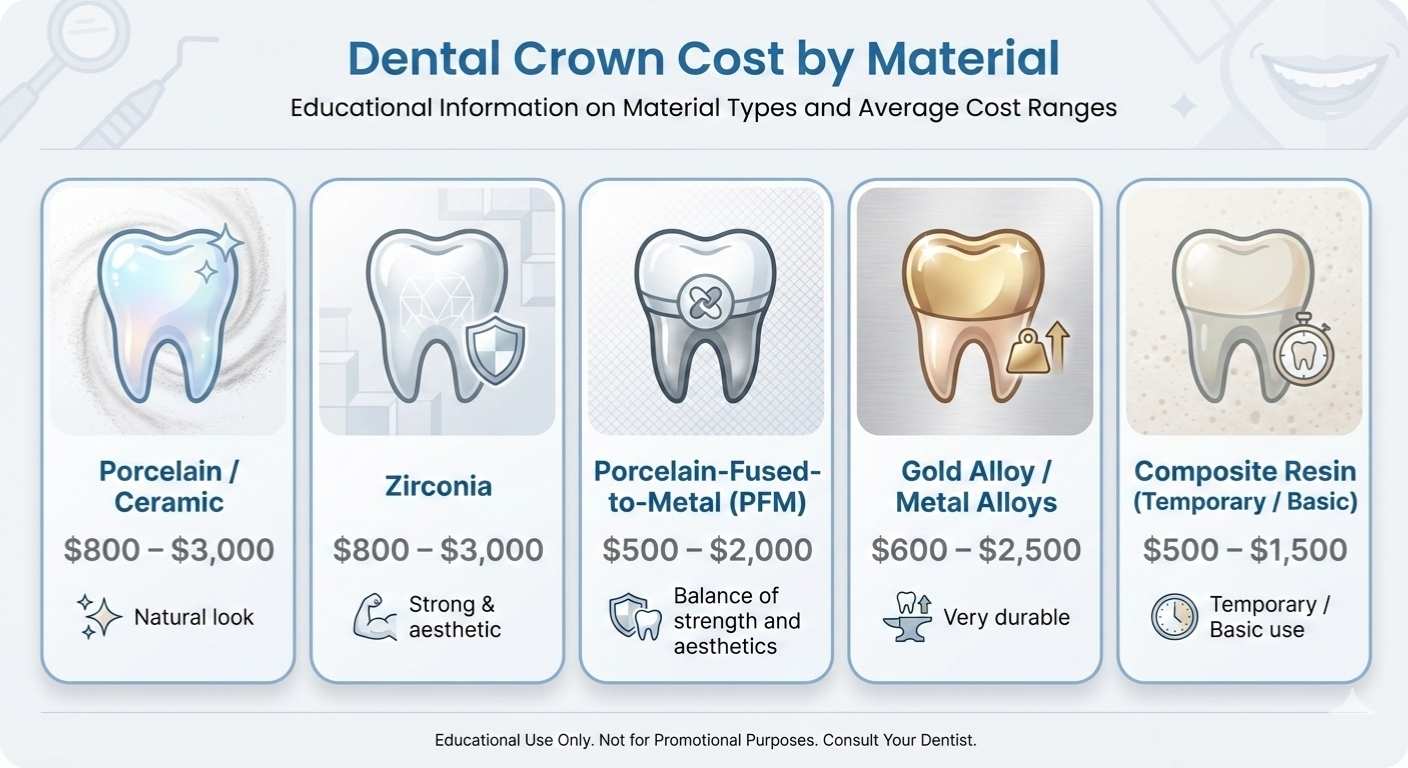
The price of materials such as porcelain-fused-to-metal, zirconia, and e.max varies greatly. Any additional procedures like core build-up procedure, decay treatment, or root canal treatment can increase the replacing crown cost.
Yes, most repairs cost about $100–$600, while the cost to replace crown is often $800–$2,500. However, replacement makes more sense when the crown keeps breaking, the fit is poor, or there is decay under it.
Many clinics in Turkey charge about $200–$600 for porcelain-fused-to-metal, and roughly $300–$800 for zirconia or e.max. Re-cementing a loose crown is usually cheaper, often $100–$300. Some clinics also include extras like consultations, X-rays, and follow-up visits in their package price, which can help reduce your overall expenses.
Many dental insurance plans cover part of the cost of a medically necessary crown. Typically, insurance pays 40–80% of the cost after your deductible, up to your plan's yearly maximum. Some plans also limit how often a crown can be replaced—for example, only once every 5–7 years. Ask your dentist for a pre-treatment estimate so you know your share of the cost for crown replacement.
Repairs are lighter on the wallet because they use in-office materials applied during the visit and usually take just one short appointment. Replacing a crown costs more because it includes removal, impressions or scans, a lab-made crown, and multiple visits. In simple terms, repair is usually $100–$600, while replacement commonly runs $800–$2,500.
A small chip often costs $150–$400 to smooth and bond, and larger chips can cost $300–$600. If the chip exposes metal, affects your bite, or the crown is old, a new crown is usually better long-term. A new crown typically costs $800–$2,500, depending on the material and the clinic.
The type of material used has a significant impact on costs. Porcelain-fused-to-metal (PFM) crowns are typically priced in the middle, whereas zirconia and e.max crowns are more expensive due to their increased strength and the need for higher-quality lab work. On average, PFM crowns cost about $800–$1,500 per tooth, while all-ceramic or zirconia crowns usually range from $1,000 to $2,500 per tooth.
If the tooth requires additional treatment, the overall cost will increase. Popular add-ons include:
- Core build-up ($200-$500): rebuilding the tooth's foundation to support a crown.
- Post-and-core ($250–$650): placing a post inside the tooth for added strength before the crown.
- Root canal ($500–$1,600+): the removal of infected tissue inside the tooth; the cost varies depending on which tooth is treated.
When these procedures are added to the cost of the crown itself, the final bill can be much more than a simple crown replacement.
Prices vary a lot by location and system. In the US, a crown often costs about $800–$2,500; in England, an NHS Band 3 charge for a crown is £326.70, while private clinics commonly quote £600–£1,800; in Turkey, many clinics list per-crown fees around €150–€271. Always check what each quote includes, like exams, X-rays, temporaries, or travel.
You'll likely need to replace a crown if there is decay under it, if it feels loose, if it keeps chipping or cracking, or if you have ongoing pain. Replacement is also recommended when a crown is old or worn out and no longer seals the tooth properly. Minor, shallow chips can often be repaired, but more serious damage usually requires a full replacement.