
7 Common Dental Crown Problems and How to Fix Them Affordably

Dr. Emrah YEŞİLYURT
Dr. Emrah Yeşilyurt is the Founder of Avangart Clinic. He combines advanced dental expertise with a genuine commitment to helping patients feel comfortable and informed about their oral health journey.
Dental crowns are often used to save teeth that have been injured or weakened by injury or decay, providing a way to save a tooth from extraction. These protective covers are placed over teeth to reinforce and stabilize them. While crowns are a popular and effective treatment, they are not without potential problems. From tooth discomfort to gum inflammation after crown placement, it’s critical to be aware of the potential issues that may emerge after getting a crown. Knowing what to check for and when to seek assistance will help make sure that your crown continues to fulfil its purpose without causing additional problems.
Common Problems with Dental Crowns
Tooth Decay Under Crowns:
CEREC dental crowns are designed to protect weaker teeth; however, they cannot entirely prevent decay. Plaque and tartar buildup around the crown’s edges can create an environment conducive to bacteria growth, resulting in tooth decay. This is especially important because the crown can hide the problem, making it difficult to detect until it causes significant damage. Furthermore, if a cavity develops beneath the crown, the tooth may become even weaker, and the pressure from the crown can cause it to fracture or break. It’s essential to keep the area clean and maintain good oral hygiene to avoid these problems.
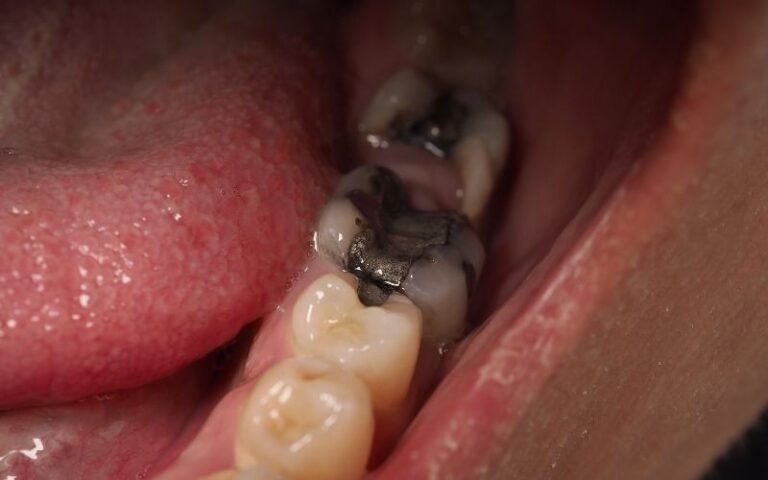
Increased Tooth Sensitivity:
After getting a dental crown, it is common to experience some increased sensitivity, especially to hot or cold conditions. This happens because preparing the tooth for the crown requires removing a portion of the enamel, which can expose the underlying dentin. The dentin is more sensitive, and if the crown does not fit perfectly, some parts of the sensitive area may remain exposed. Sensitivity usually fades within a few weeks, but persistent discomfort should be checked by a dentist. They can check the crown’s fit and provide treatments to help seal the exposed dentin and reduce discomfort.

Allergic Reactions to Crown Materials:
Dental crowns can be made from a variety of materials, including porcelain, metal alloys, resin, and zirconia (a metal-free crystal). Although rare, some people may be allergic to some materials, especially metals. If you have an allergy, you may experience symptoms such as redness, itching, swelling, or even hives after getting the crown. In these cases, you should consult with your dentist about alternate materials, such as zirconia, which are less likely to trigger an allergic reaction.
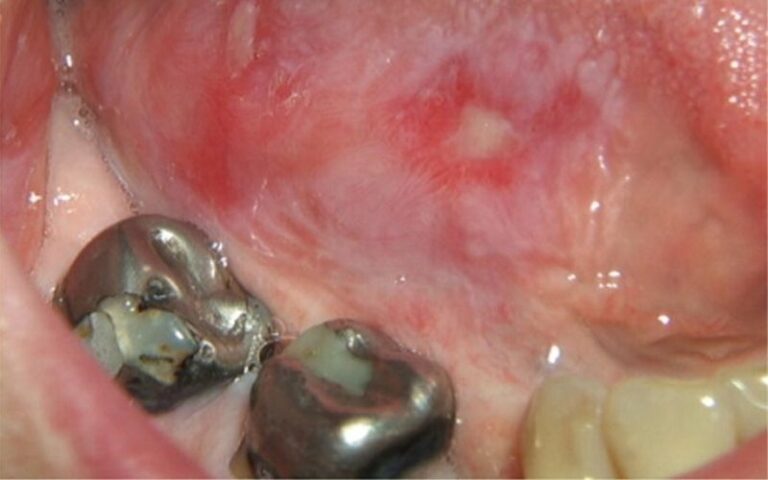
Problems with bite alignment:
Before fitting a dental crown, your dentist will take impressions of your teeth to make sure that it fits correctly. However, if the crown does not feel right or causes discomfort when you bite down, you should arrange a checkup.
An incorrect fit can result in biting issues, causing additional wear and tear on the surrounding teeth. Reach out to your dentist right away if the crown causes any pain—they can make the necessary adjustments.

Fractured or Chipped Crowns:
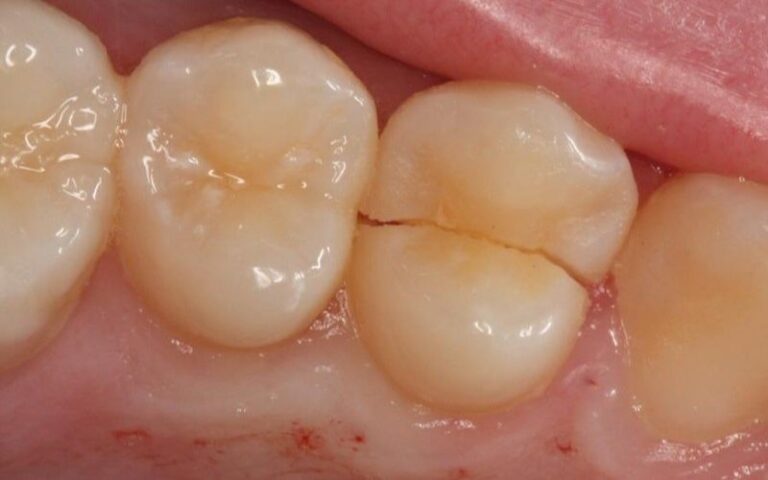
Dental crowns, particularly zirconium and porcelain crowns, can chip or fracture. While newer materials are tougher and less likely to break, porcelain crowns without a metal interior are more susceptible to damage; if your crown gets a little chip, your dentist may be able to fix it with a filling. But if the damage is severe, the entire crown may need to be replaced; to avoid chips, avoid chewing on hard items like ice. Metal crowns are less likely to fracture, but if yours does, see your dentist straight away for a replacement to avoid further harm.
Loose or Dislodged Crowns:
While it is uncommon for a dental crown to fall loose immediately after placement, it can happen over time. This is often caused by poor oral hygiene, tooth grinding, or gum disease, which weakens the bond that holds the crown in place. If your crown begins to feel loose, you should see your dentist as soon as possible. If the crown falls off, store it safely and bring it with you; in many cases, your dentist can re-cement the crown if it is not damaged, but if the problem is severe, a replacement may be required.

Gum Irritation, Recession, and Dark Lines:
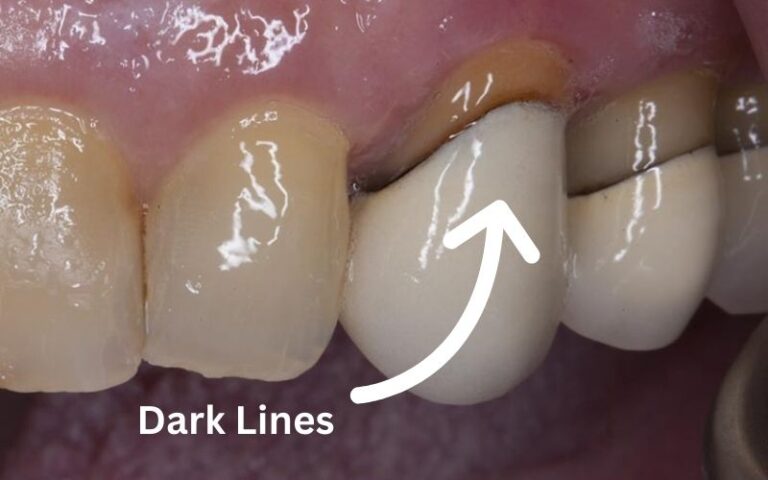
A dental crown can sometimes cause gum irritation, resulting in gum recession around crown or even inflamed gums around crown, which may result in pain or sensitivity. To avoid this, carefully follow your dentist’s aftercare instructions and maintain good oral hygiene by brushing and flossing on a regular basis. Using a water flosser around your new crown can also help keep it clean and your gums healthy. If you have a porcelain-fused-to-metal crown, you may notice a dark line along your gum line where the metal shines through. While this has no effect on the crown’s function, if you are concerned about its appearance, your dentist can help.
Gum Disease Around Crowns and Dental Infection Under Crown Danger
Infections and gum disease can develop around dental crowns, particularly if bacteria become trapped behind the crown. Improper dental care or a poorly fitted crown can let plaque and bits of food collect, leading to potential issues. Gum infection around crown can cause the gums to become inflamed and may even lead to the gums pulling away from the tooth, making the crown more vulnerable to damage. To avoid these issues, keep the region around your crown clean by brushing, flossing, and scheduling frequent checkups with your dentist.
Ill-Fitting Crowns and Poor Marginal Seal
An ill-fitting dental crown can create a variety of complications. If the crown does not correctly cover the tooth, it can cause pain, sensitivity, and even damage to the surrounding teeth. A poor marginal seal, in which the crown does not completely cover the tooth’s edge, can allow germs and food particles to become trapped underneath, resulting in decay or infection. To avoid this, your dentist should make sure that the crown fits precisely and forms a good seal. If you notice any bad fitting crown symptoms like discomfort or changes in your crown, you should see your dentist right away to avoid further complications.
Satisfied Patient Reviews
EXCELLENTTrustindex verifies that the original source of the review is Google. Service impeccable. Je suis venue pour des implants. La prise en charge a été rapide et la douleur pendant et après l’opération a été à peine ressentie. Clinique très professionnelle et chirurgien expert. Personnel très accueillant, en particulier la Directrice. Recommande à tous ceux qui sont à la recherche de professionnels pour régler des problèmes dentaires Suis venue finaliser la pose des implants et des couronnes. Résultat impécable!Posted on GoogleTrustindex verifies that the original source of the review is Google. I visited from England and had a positive experience. I went for a Hollywood Smile look and couldn’t be happier with them. The clinic was very aesthetic & clean, the staff were very attentive and supportive & I high recommend them.Posted on GoogleTrustindex verifies that the original source of the review is Google. İmplantlarımı ve zirkyonyumlarımı yaptırdım 2 sene önce iyiki yaptırmışım çok memnunum doktorum emrah hoca işinde çok iyi birisi tüm çalışanlara çok teşekkür ediyorum güler yüzlü anlayışları için gülşah hanıma ayriyetten teşekkür ederim 🌹Posted on GoogleTrustindex verifies that the original source of the review is Google. Çok güzel ve güveninirPosted on GoogleTrustindex verifies that the original source of the review is Google. Friendly and approachable staff, above all I haven’t experienced any pain what so ever, it does truly shows core professionalism. Coming from Wolverhampton, UK and made implant surgery with sinuslifting Gedi JafarPosted on GoogleTrustindex verifies that the original source of the review is Google. Ik Marco, hebt mijn gebit laten doen bij Avangart.. En ben door lieve mensen goed ontvangen en behandeld.. Kliniek zeer hygienisch en goede apparatuur.. Deze kliniek zo ik zeker aanraden om je laten behandelen..😁Posted on GoogleTrustindex verifies that the original source of the review is Google. I traveled from the U.S. and had Avantgart Clinic positively transform my smile in a manner that I wouldn’t have conceived as being possible. Dr. Egemen, a true master in his field, was patient, considerate, and communicative throughout the process and his assistant, Sevim, was a real joy to work with. Together, the two of them combined to make the overall experience much greater than I could have ever hoped for, and the end result is a smile that is on par with the most glamorous of Hollywood stars. I am extremely satisfied and would highly recommend Avangart Clinic to anyone looking to enhance their smile at a great price and of the highest quality.Posted on GoogleTrustindex verifies that the original source of the review is Google. Herkes mükemmel ıscılık mükemmel teşekkür edıyorumPosted on GoogleTrustindex verifies that the original source of the review is Google. Emrah bey‘in diş konusundaki tecrübesi, güler yüzü ve uzmanlığı nedeniyle diş tedavilerim için her seferinde Avusturya‘dan İstanbul’a gelmekteyim. Diş kliniği de son teknolojik donanıma sahip güven verici muayenehaneler içermekte.Posted on GoogleTrustindex verifies that the original source of the review is Google. Güler yüzlü ekip, temiz ve modern bir klinik. Tedavi sürecim baştan sona çok profesyoneldi. Gönül rahatlığıyla tavsiye ederim.Verified by TrustindexTrustindex verified badge is the Universal Symbol of Trust. Only the greatest companies can get the verified badge who has a review score above 4.5, based on customer reviews over the past 12 months. Read more
Causes of Dental Crown Failure:
Dental crowns can fail for a variety of reasons. One of the most common reasons is tooth decay, especially when germs accumulate around the crown. This can weaken both the tooth and the bond that holds the crown in place. Another cause is a poor fit, in which the crown does not sit properly on the tooth, resulting in discomfort or damage. A crown can also come free or break as a result of oral trauma or damage, such as a strong blow. Additionally, tooth grinding (bruxism) increases pressure on the crown, which can eventually lead to failure. To minimize these problems, maintain good oral hygiene, avoid hard foods, and visit your dentist regularly.
Preventing Issues with Your Dental Crown
To keep your dental crown in good condition, practice good oral hygiene. Brush your teeth often, including around the crown, and floss daily to minimize plaque development. It’s also helpful to use a water flosser to keep the area around your crown clean. Be careful what you chew—hard foods, such as ice, can damage your crown. If you experience any pain or discomfort around the crown, consult your dentist right away to avoid further complications. Regular dental checkups are also essential to spotting any bad crown symptoms and keeping your crown in good shape for years to come.
What to Do If Your Crown Comes Off?
Do not panic if your dental crown slips out! The first thing you should do is visit your dentist as soon as possible. In the meantime, avoid biting on the side with the loose crown because it may cause additional damage. If the crown is damaged or won’t stay in place, put it in a cup of water to protect it. When you visit your dentist, they will assess the issue to determine whether the crown can be re-cemented or if you will require a new one. It’s essential to factor in the dental crown replacement cost when deciding on the material for your crown. With good maintenance and regular dental checkups, your crown should last a long time, but if it falls out, it is usually repairable with the right treatment.
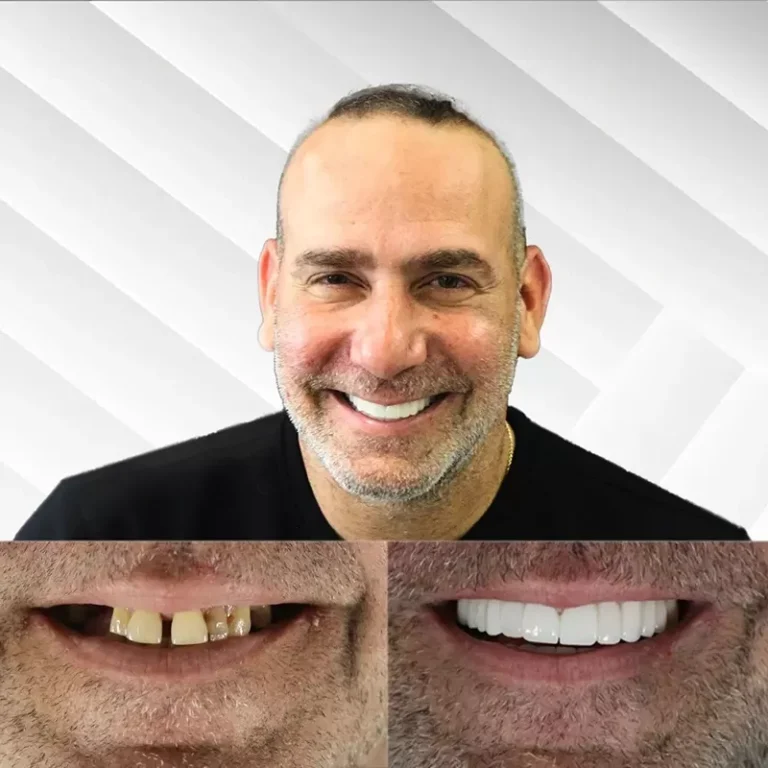
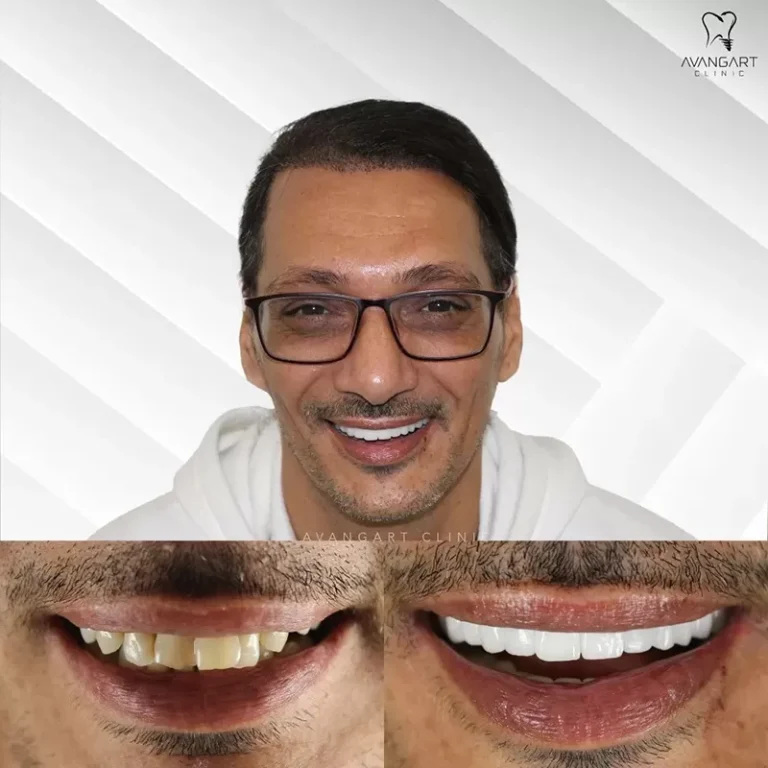
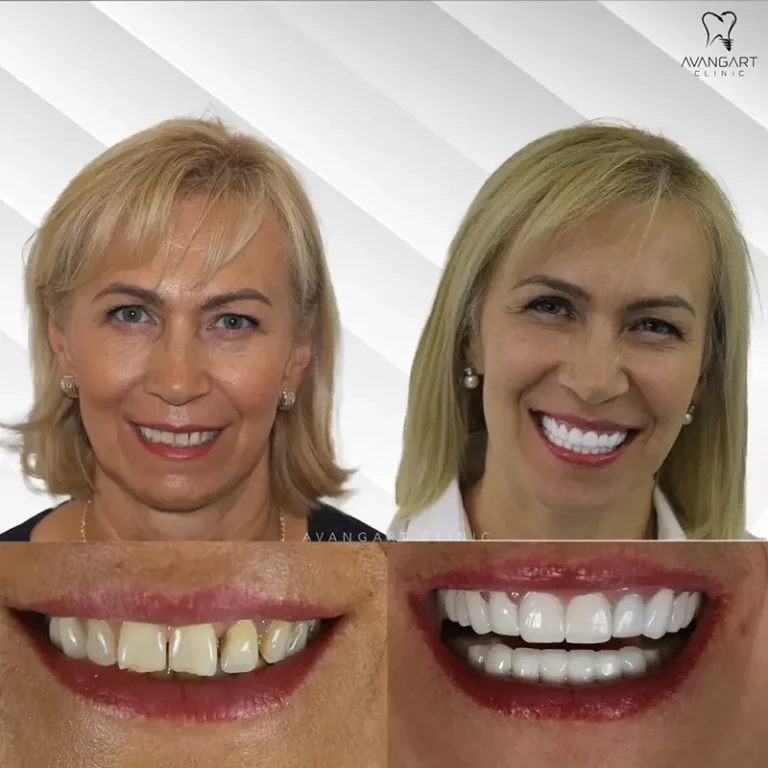
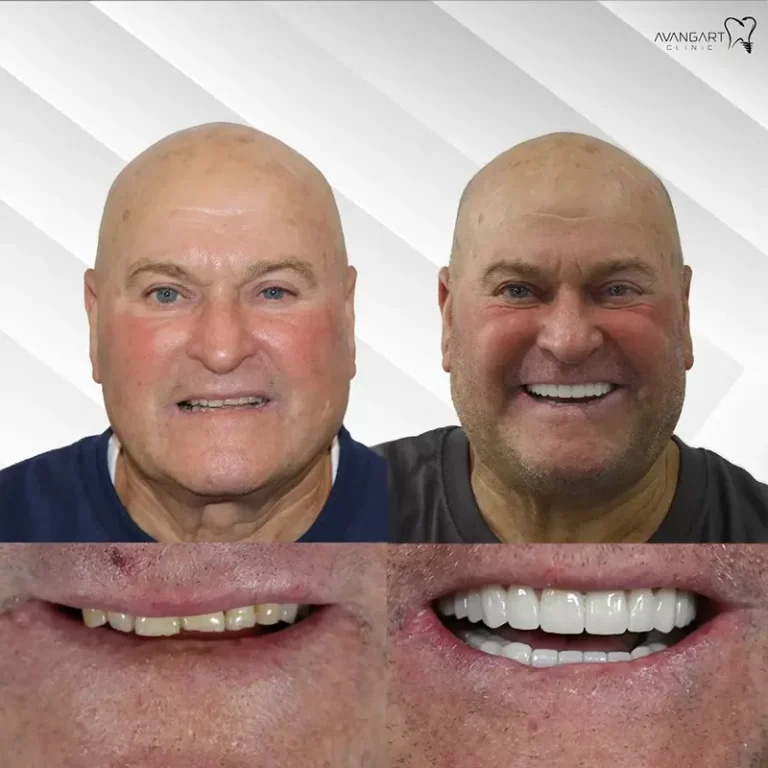
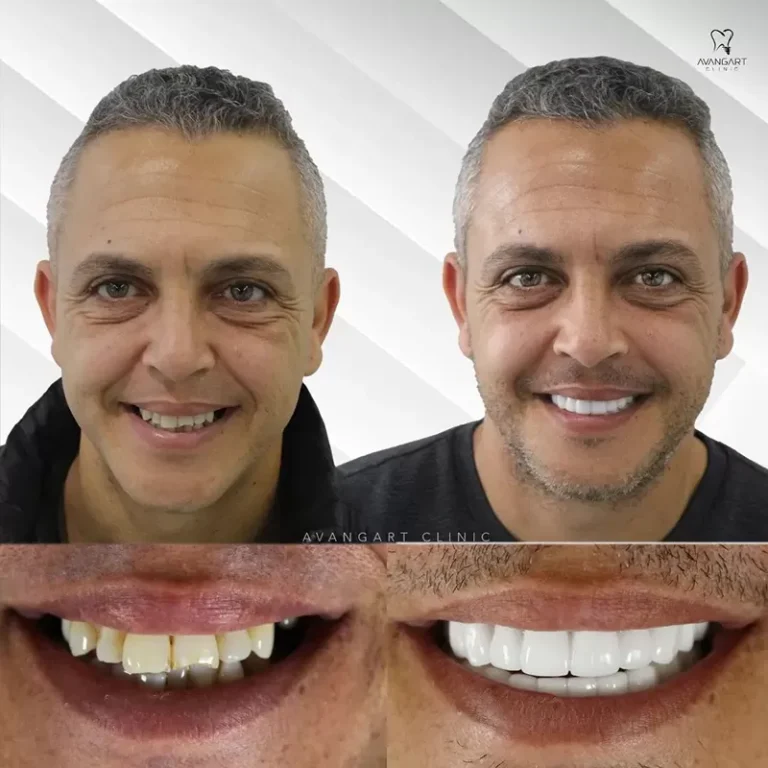
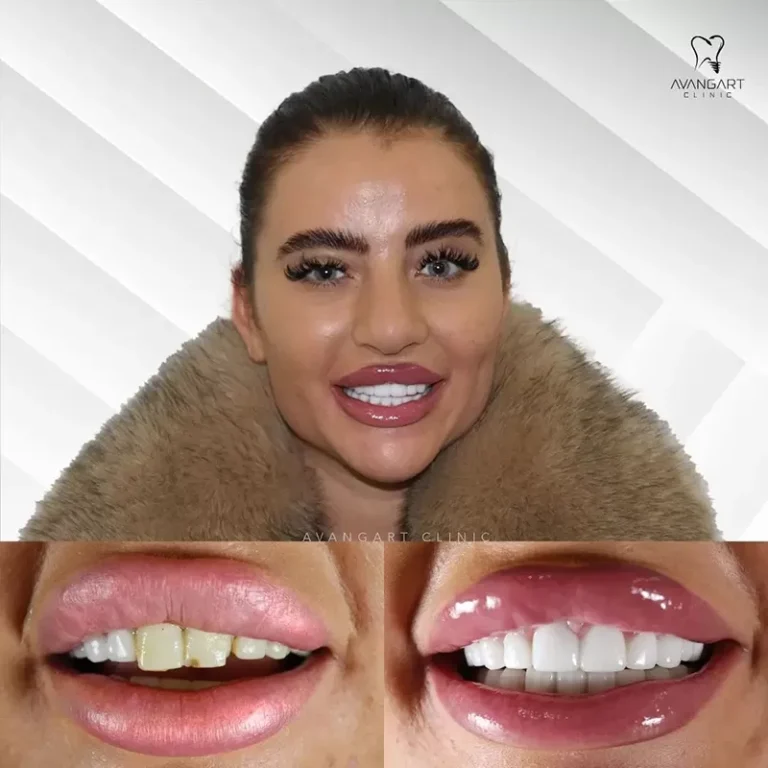
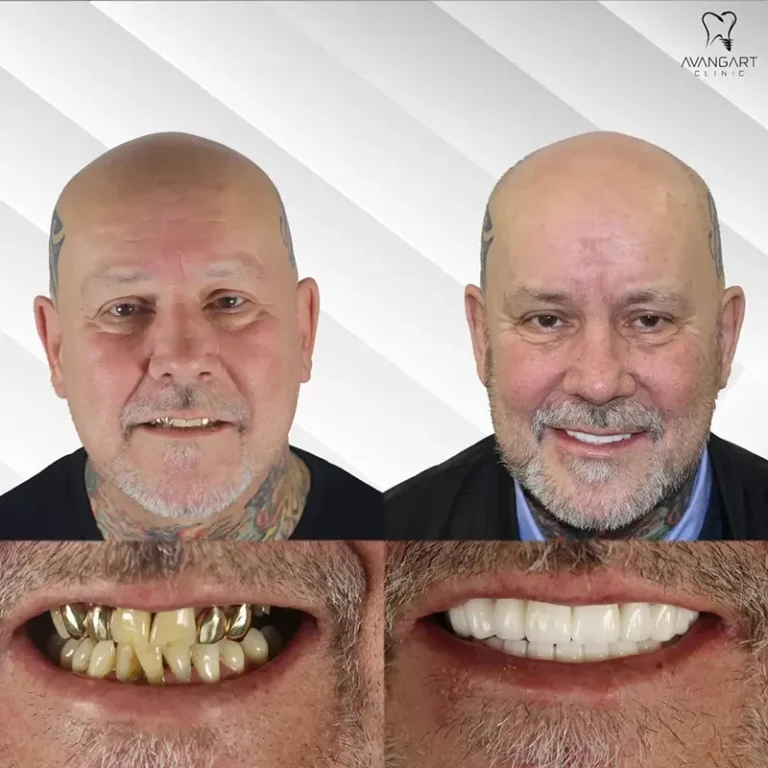
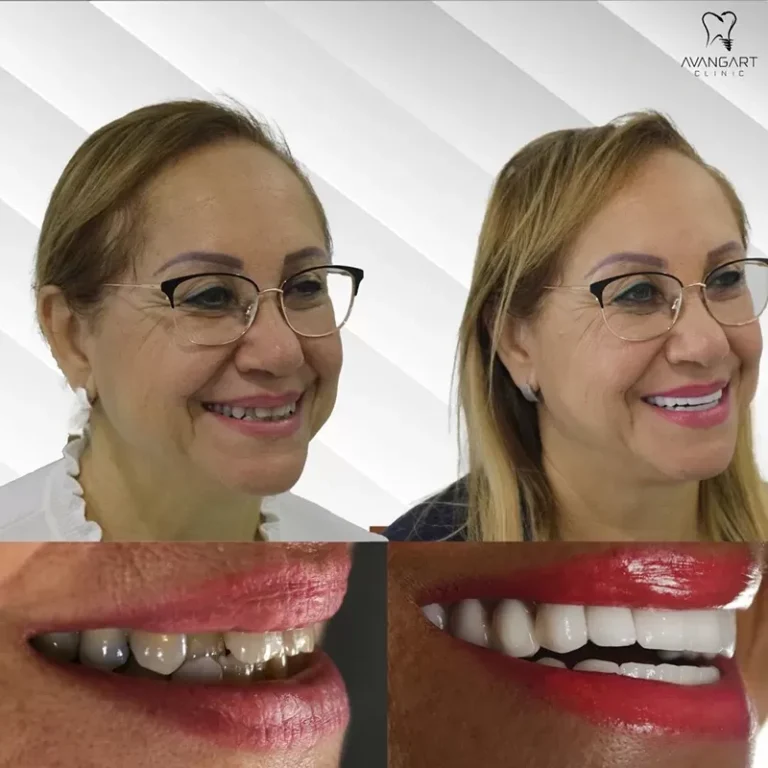
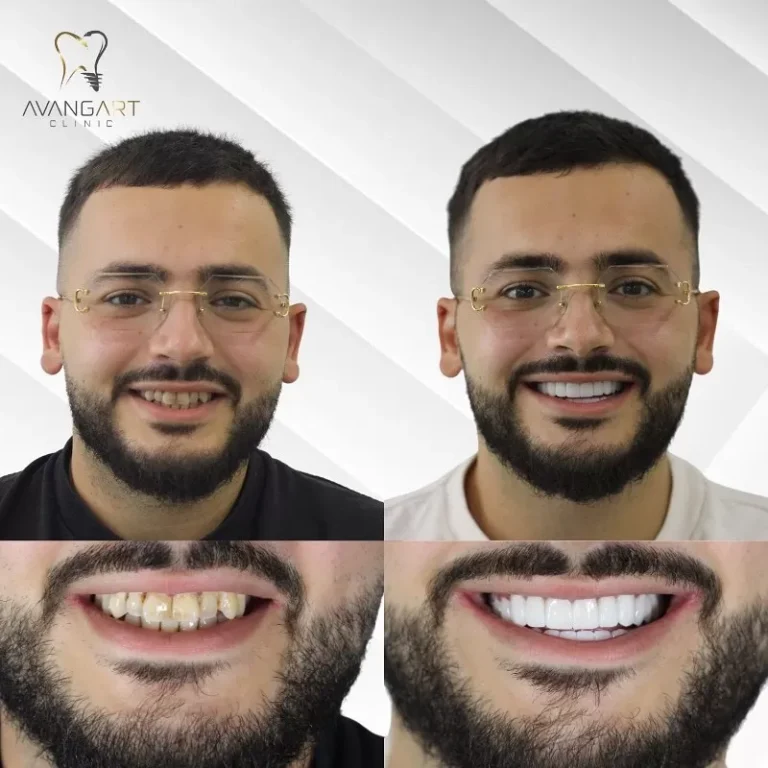
Before and After: Transformative Results with Avangart Clinic
We carry out all our dental treatments with care and strive to give your smile an elegant appearance.
Frequently Asked Questions
Dental crowns heal damaged or weakened teeth by adding strength and protection. They can improve the look, restore the function and prevent future damage. Crowns are very effective after root canal treatments or for teeth that are cracked, decayed or worn out.
The cost of dental crowns in Turkey varies according to the material and the clinic. On average, they cost between $150 and $400 per crown. Many people prefer Turkey for dental work because it’s cheaper than other countries and has high-quality care from experienced professionals.
Dental crowns are for those who have damaged, weakened or decayed teeth that need protection or restoration. Crowns are also good for those who have had root canals or fractured teeth. Your dentist will evaluate your individual needs and decide if a crown is the best option for you.
Dental crowns can be changed or repaired if they are broken, loose or chipped. If the crown has just a little damage, a dentist may be able to fix it. But if the damage is big, the crown will most likely need to be replaced completely to ensure your tooth is fully protected.