
Can You Get Dental Implants While Pregnant? Safety, Risks, and Timing

Dr. Emrah YEŞİLYURT
Dr. Emrah Yeşilyurt is the Founder of Avangart Clinic. He combines advanced dental expertise with a genuine commitment to helping patients feel comfortable and informed about their oral health journey.
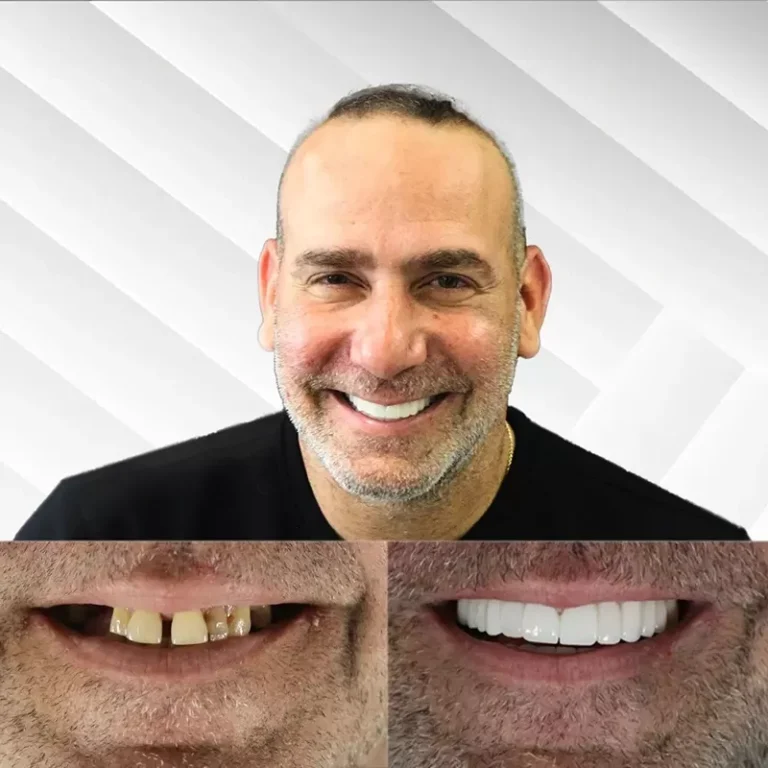
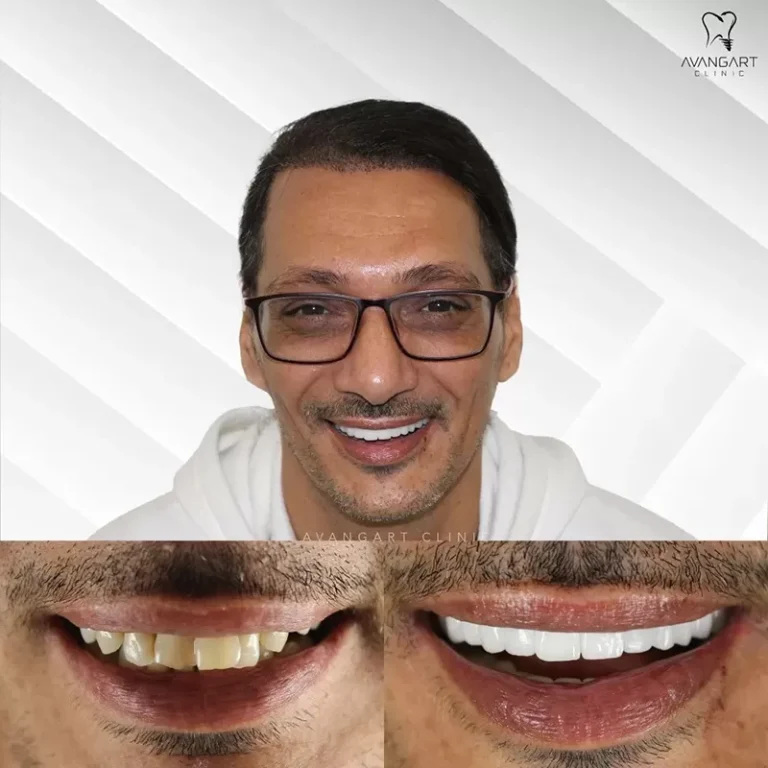
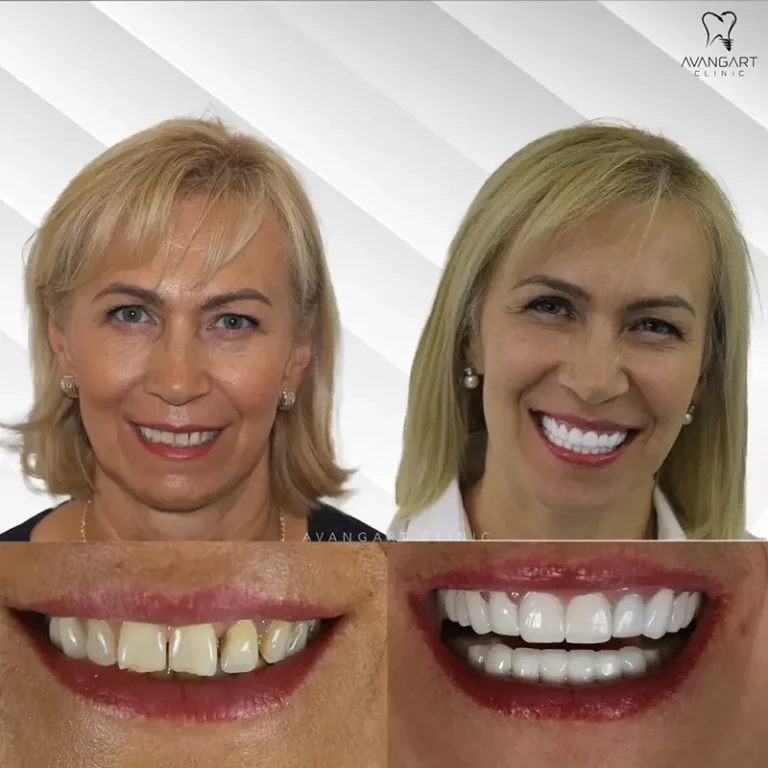
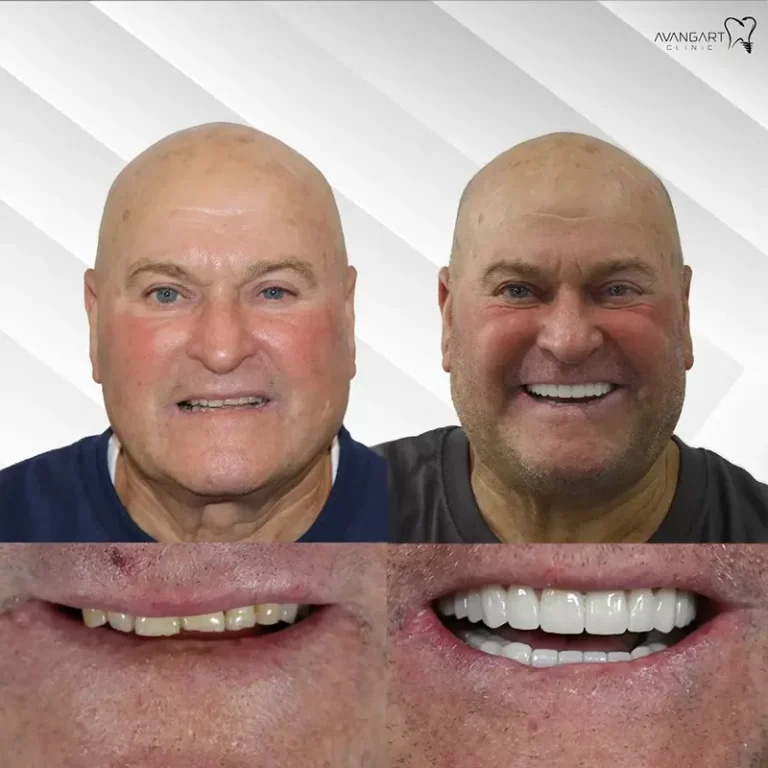
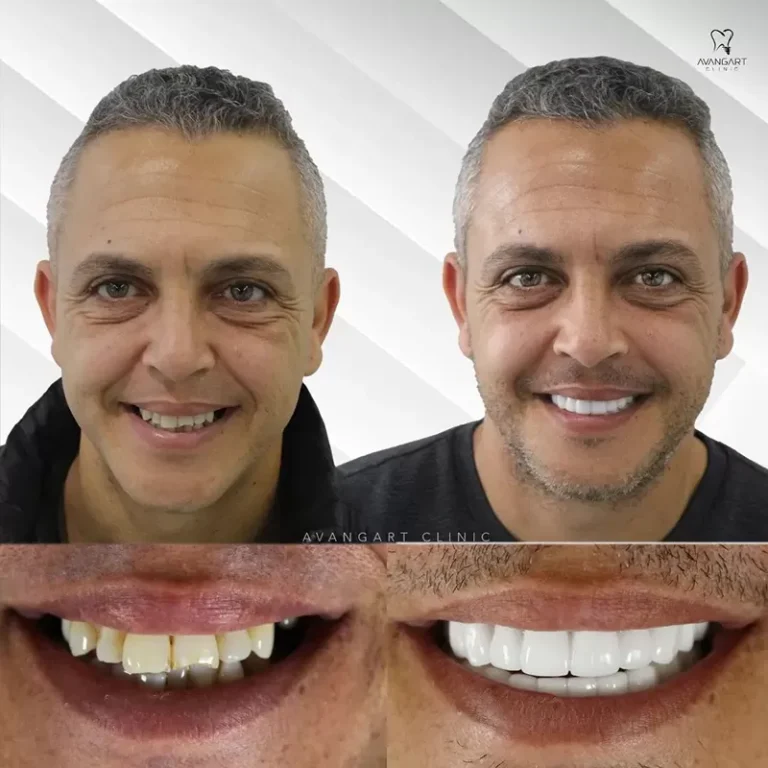
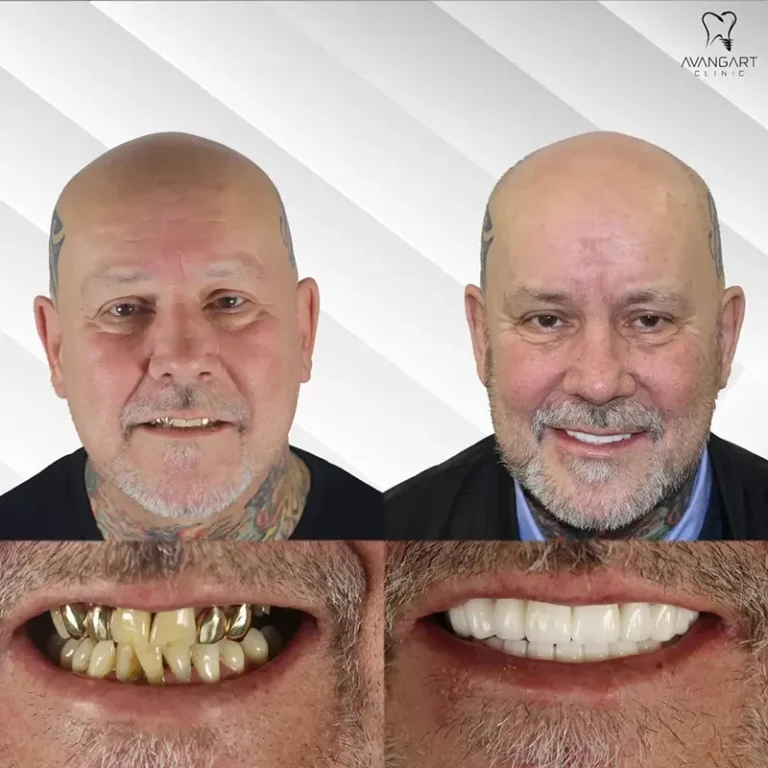
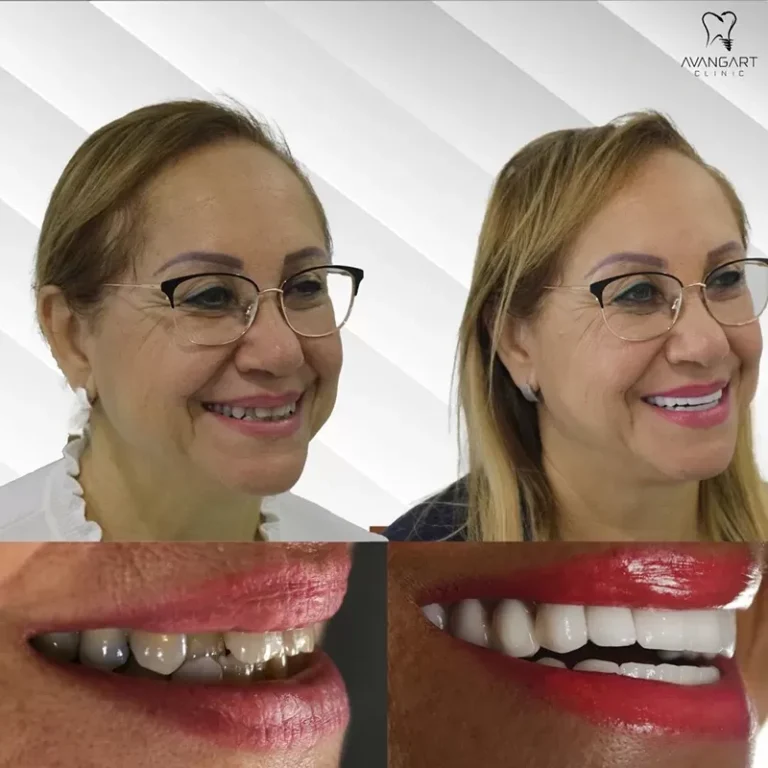
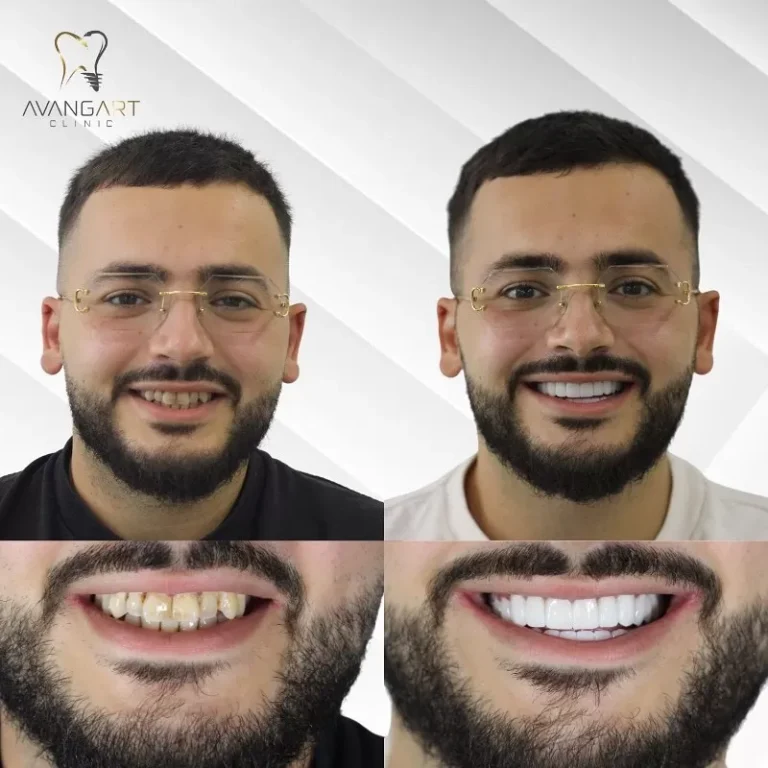
Before and After: Transformative Results with Avangart Clinic
We carry out all our dental treatments with care and strive to give your smile an elegant appearance.

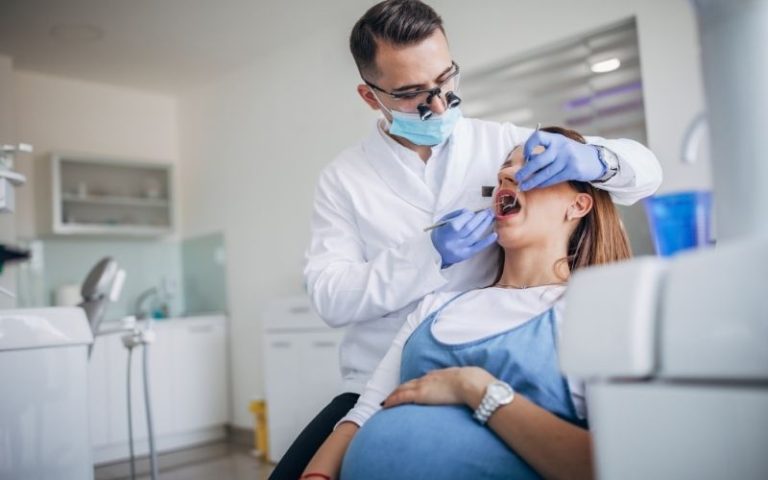
If you are expecting and dealing with a missing tooth, it is completely natural to ask whether you can move ahead with dental implants while pregnant. The direct answer is this: dental implants are a safe and reliable treatment for most healthy adults, but implant surgery is still an elective oral surgery. In most cases, we recommend postponing dental implants during pregnancy until after childbirth, when your body is no longer managing the added demands of pregnancy and healing can be assessed more predictably.
That does not mean you should ignore the problem or wait without a plan. During pregnancy, routine and necessary dental care is still important, and professional dental evaluation is considered safe. The safest path is usually to manage your oral health now, consider a temporary tooth replacement if needed, and schedule implant treatment for the right time after delivery.
Satisfied Patient Reviews
EXCELLENTTrustindex verifies that the original source of the review is Google. Service impeccable. Je suis venue pour des implants. La prise en charge a été rapide et la douleur pendant et après l’opération a été à peine ressentie. Clinique très professionnelle et chirurgien expert. Personnel très accueillant, en particulier la Directrice. Recommande à tous ceux qui sont à la recherche de professionnels pour régler des problèmes dentaires Suis venue finaliser la pose des implants et des couronnes. Résultat impécable!Posted onTrustindex verifies that the original source of the review is Google. I visited from England and had a positive experience. I went for a Hollywood Smile look and couldn’t be happier with them. The clinic was very aesthetic & clean, the staff were very attentive and supportive & I high recommend them.Posted onTrustindex verifies that the original source of the review is Google. İmplantlarımı ve zirkyonyumlarımı yaptırdım 2 sene önce iyiki yaptırmışım çok memnunum doktorum emrah hoca işinde çok iyi birisi tüm çalışanlara çok teşekkür ediyorum güler yüzlü anlayışları için gülşah hanıma ayriyetten teşekkür ederim 🌹Posted onTrustindex verifies that the original source of the review is Google. Çok güzel ve güveninirPosted onTrustindex verifies that the original source of the review is Google. Friendly and approachable staff, above all I haven’t experienced any pain what so ever, it does truly shows core professionalism. Coming from Wolverhampton, UK and made implant surgery with sinuslifting Gedi JafarPosted onTrustindex verifies that the original source of the review is Google. Ik Marco, hebt mijn gebit laten doen bij Avangart.. En ben door lieve mensen goed ontvangen en behandeld.. Kliniek zeer hygienisch en goede apparatuur.. Deze kliniek zo ik zeker aanraden om je laten behandelen..😁Posted onTrustindex verifies that the original source of the review is Google. I traveled from the U.S. and had Avantgart Clinic positively transform my smile in a manner that I wouldn’t have conceived as being possible. Dr. Egemen, a true master in his field, was patient, considerate, and communicative throughout the process and his assistant, Sevim, was a real joy to work with. Together, the two of them combined to make the overall experience much greater than I could have ever hoped for, and the end result is a smile that is on par with the most glamorous of Hollywood stars. I am extremely satisfied and would highly recommend Avangart Clinic to anyone looking to enhance their smile at a great price and of the highest quality.Posted onTrustindex verifies that the original source of the review is Google. Herkes mükemmel ıscılık mükemmel teşekkür edıyorumPosted onTrustindex verifies that the original source of the review is Google. Emrah bey‘in diş konusundaki tecrübesi, güler yüzü ve uzmanlığı nedeniyle diş tedavilerim için her seferinde Avusturya‘dan İstanbul’a gelmekteyim. Diş kliniği de son teknolojik donanıma sahip güven verici muayenehaneler içermekte.Posted onTrustindex verifies that the original source of the review is Google. Güler yüzlü ekip, temiz ve modern bir klinik. Tedavi sürecim baştan sona çok profesyoneldi. Gönül rahatlığıyla tavsiye ederim.Verified by TrustindexTrustindex verified badge is the Universal Symbol of Trust. Only the greatest companies can get the verified badge who has a review score above 4.5, based on customer reviews over the past 12 months. Read more
The Short Answer: Are Dental Implants Safe During Pregnancy?
In most cases, no. If you are pregnant, dental implant surgery is usually postponed until after childbirth unless there is a clear clinical reason to move forward. That is because an implant is an elective procedure, and if treatment can safely wait, most dentists prefer not to add avoidable stress during pregnancy.
However, the ADA and ACOG both support routine dental care during pregnancy when it is needed. Cleanings, exams, and other necessary treatments are important and should not be ignored. But a dental implant is usually not urgent, so it is normally delayed to help protect the developing baby and keep treatment decisions as simple and safe as possible.
If you have a missing tooth but no severe infection or urgent pain, waiting is usually the wiser choice. You can still protect your oral health, discuss a treatment plan, and consider a temporary tooth replacement while your pregnancy continues. Once you have recovered after delivery, implant treatment can be planned more predictably.
Why Dentists Recommend Waiting Until After Childbirth
We usually recommend waiting until after childbirth because implant placement is not urgent care. During pregnancy, the goal is to protect your oral health without adding treatment steps that can safely wait. If the missing tooth area is stable, delaying surgery is often the simpler and safer choice.
The Risks of Sedation and Anesthesia
For routine dental treatment, a local anesthetic such as lidocaine is generally considered safe during pregnancy. Implant surgery is different because it may involve additional medications or sedation to keep the patient comfortable, which adds another layer of decision-making during pregnancy. When the procedure is not urgent, most dentists would rather avoid that added layer during pregnancy.
There is also a difference between local numbing and stronger sedation. According to the ADA, local anesthetics with epinephrine are considered acceptable during pregnancy, whereas nitrous oxide is usually avoided because of concerns about fetal safety. That is one of the main reasons we separate necessary routine care from elective implant surgery.
Dental X-Rays and Fetal Safety
Modern dental X-rays use a very low dose of radiation, and the ADA states that needed dental radiographs are considered safe at any stage of pregnancy. The concern with implant treatment is usually not the dental X-ray itself, because a single necessary X-ray is considered low risk during pregnancy. The main issue is that implant planning often involves imaging for an elective procedure that can usually be postponed until after delivery.
That is why dentists often postpone non-essential implant imaging until after delivery, especially early in pregnancy. In general medical imaging, the first trimester is the most sensitive period for fetal radiation exposure, so even low-risk tests are used thoughtfully and only when they are truly needed.
Pregnancy Gingivitis and the Risk of Implant Failure
Pregnancy hormones can increase blood flow to the gums and make gum tissue react more strongly to plaque and bacteria. That is why many pregnant patients notice swollen gums, bleeding while brushing, or tenderness that was not there before. Even a mouth that felt healthy before pregnancy can become more inflamed during this time.
The success of a dental implant depends on calm, healthy tissue and steady healing after placement. It also depends on osseointegration, which is the process by which the implant fuses with the jawbone after surgery.
When pregnancy hormones increase gum inflammation and change the way soft tissue responds to plaque and healing, the environment around the implant can become less stable. This matters because implant treatment depends on predictable healing in both the gums and the bone, and hormonal changes can make that healing less predictable.
This does not mean pregnancy automatically causes implant failure. It means the conditions are not always ideal for a treatment that relies on stable gums, good bone response, and careful healing over time. For that reason, implant placement is usually better delayed until after pregnancy, when healing conditions are more stable, and treatment outcomes can be assessed more predictably.
Can I Still Get Dental Implants if I’m Pregnant? (Planning Ahead)
Yes, you can often still plan ahead, even if the surgery itself needs to wait. In many cases, the second trimester is the most comfortable time for a consultation, because early pregnancy symptoms may have eased by then. This gives us time to understand your needs without rushing into treatment.
A planning visit can be very useful if you know you will want a dental implant replacement after delivery. We can assess your oral health, check the missing tooth area, review your gums, and talk through the likely steps of treatment. If needed, we can also gather a few basic records, such as photos or measurements, and examine the area to help plan your treatment after delivery.
This kind of visit is not about pushing surgery forward. It is about giving you clarity, answering your questions, and making the next step easier when the time is right. For example, if you lost a tooth before pregnancy and want a long-term solution, planning now can help you move forward more smoothly after childbirth.
A planning appointment may help you:
- Understand whether an implant is the right option for you.
- Spot any gum or bone issues early.
- Discuss a temporary tooth replacement if the gap bothers you.
- Prepare a clear timeline for treatment after delivery.
If you are pregnant and unsure what is safe, it is always best to tell your dentist and obstetrician before any visit. That way, any exam or record taking can be tailored to your stage of pregnancy and your overall health.
Temporary Tooth Replacements: What Are Your Options?
If you lose a tooth during pregnancy, the good news is that you do not have to go months with a tooth gap. While implant surgery usually needs to wait, there are temporary ways to fill the gap and help you feel more comfortable in the meantime.
The right option depends on your situation. Some people care most about how the gap looks when they smile. Others want something that helps them more with chewing or speaking. In most cases, we’ll go with the easiest option that keeps you comfortable and works well until you are ready for permanent treatment down the line.
Here are the most common options:
- Dental flipper: A lightweight, removable appliance that has one replacement tooth. This is often chosen when the missing tooth is in a front position, as it gives a fast restoration of looks, but is usually not the best choice for strong chewing.
- Removable partial denture: An appliance that replaces one or more missing teeth and can be removed. If you are missing more than one tooth or want something a little more stable than a very light flipper, it can be a practical option.
- Temporary resin bridge: This is a fixed-looking option that attaches to the teeth next to the space. It can work well in selected cases, especially when you want something less removable, but it is not right for every patient.
If you lost a front tooth and want to feel comfortable smiling during pregnancy, a flipper may be enough. If the missing tooth is in an area you use for chewing, a partial denture may give you better function. If the nearby teeth are suitable, a temporary bridge may also be considered.
Our goal is to keep you comfortable, protect the space, and give you a natural-looking solution until permanent treatment is the safer choice. In most cases, that means choosing the least invasive option that meets your needs now and keeps the door open for future implant treatment after delivery.
Dental Emergencies vs. Elective Implant Surgery
A dental emergency needs treatment now, but an implant usually does not. If you have a severe infection, swelling, an abscess, uncontrolled pain, or need a root canal or tooth extraction, treatment should not be delayed just because you are pregnant. Both the ADA and ACOG support necessary dental care during pregnancy, because leaving an infection untreated can create greater risks for both mother and baby.
A dental implant is different. It is an elective procedure used to replace a missing tooth, so if the area is stable and there is no active infection, it is usually safer to wait until after childbirth.
Schedule Your Post-Pregnancy Implant Consultation with Avangart Clinic
If you are pregnant, our advice is simple: focus on a healthy pregnancy first and let us help you plan the implant at the right time. A consultation now can still be useful if you want clear answers, a temporary option, or a post-delivery treatment timeline that feels realistic and stress-free.
Some patients want a consultation during pregnancy just to understand their options, while others prefer to book after delivery once recovery is underway.
You can visit our Dental Implants page to learn more, or request an Implant Consultation when the time feels right. If you would rather speak with us directly, call +90 212 211 82 11.
FAQs
It depends on which stage you are in. If the implant has already been placed and healing is going well, we usually shift the focus to monitoring, gentle maintenance, and managing any tooth implant pain or swelling if it appears. If the surgical stage has not happened yet, the safest plan is often to pause the next step and continue after delivery, unless there is an urgent problem that needs treatment.
Routine dental care can be done during pregnancy, but many patients find the second trimester the most comfortable. Morning sickness is often less intense by then, and lying back in the chair is usually easier than it is later in pregnancy. That said, if you have a dental problem that needs attention, it should be treated in any trimester.
Sometimes, yes, but only if your dentist or doctor prescribes them. Your dentist may choose an antibiotic that is commonly used during pregnancy, such as penicillin, amoxicillin, cephalosporins, clindamycin, or metronidazole, depending on the infection, your allergy history, and how far along you are. However, some medicines are usually avoided.
Tetracyclines are generally not used in pregnancy because they can affect fetal tooth and bone development. NSAIDs such as ibuprofen or naproxen should not be taken on your own during pregnancy, especially after 20 weeks, unless a healthcare professional tells you to use them. Do not self-medicate, and let your dentist or doctor choose both the antibiotic and the pain relief option for you.
If you already have an implant, try not to panic. Pregnancy does not mean your implant will suddenly fail. Most of the time, the focus is simply on keeping the gum around it clean and settled.
Keep brushing twice a day, but be gentle if your gums feel sore or bleed more than usual. Clean carefully around the implant crown, especially near the gumline, because plaque can irritate the area faster during pregnancy.
Watch for changes that do not feel normal. A little gum bleeding can happen during pregnancy, but swelling, pus, a bad taste, pain when biting, or a loose feeling around the implant should be checked. It is always better to look at the area early than wait until it becomes painful.
If your implant was placed shortly before pregnancy, continue following your dentist’s advice about diet after implant surgery. Softer foods, slower chewing, and avoiding pressure on the healing side can make a real difference while the area is still settling.
Yes, they can affect the area around the implant, but not usually the implant itself.
During pregnancy, your gums often become more sensitive and react more easily to plaque. That can lead to more bleeding when you brush, some swelling or tenderness around the site of the implant, even if you had no problems before.
This does not automatically mean the implant is in danger. In many cases, it is just your gums responding differently because of hormonal changes.
The key thing to remember is this: pregnancy hormones can make the gums around an implant a little more delicate, but they do not usually harm the implant itself. Keeping the area clean and getting any unusual symptoms checked early is usually enough.
If something feels wrong around your implant, contact your dentist. Tell them you are pregnant, how far along you are, and what you are feeling. Pain, swelling, bleeding, pressure, pus, or looseness should not be ignored.
Do not take antibiotics or pain medicine on your own. Even if you have taken them before, pregnancy changes what is suitable. Your dentist or doctor should decide what is safe for you.
Usually, we would wait.
Veneers are mostly about improving appearance, so they are not something most people need to do during pregnancy. If your teeth are healthy and you are not dealing with pain, damage, or a sharp broken edge, it usually makes more sense to leave veneer treatment until after delivery and keep things as simple as possible during pregnancy. Needed dental care can still be done safely during pregnancy, but cosmetic treatment is often the kind of thing we prefer to postpone when there is no real urgency.
However, if an existing veneer chips, feels rough, or starts irritating your tongue or cheek, it is still worth having it checked by a dentist. In that case, the goal is not to do a full smile makeover. It is just to keep you comfortable and prevent a small problem from turning into a bigger one.
In most cases, we would also wait for a gum graft until after childbirth.
A gum graft is a surgical treatment, and if the area is stable, there is usually no need to put you through that kind of procedure during pregnancy. Most of the time, we would focus on keeping the area clean, reducing irritation, and monitoring it until your body is in a better place for healing and recovery.
Yes, you can, if the crown is actually needed.
A crown is often used to protect a weak tooth, a cracked tooth, or a tooth that has already had a large filling or root canal treatment. In that situation, we would not usually want to leave the tooth unprotected just because you are pregnant. Restorative dental care, including local anesthesia and dental X-rays when needed, is considered safe during pregnancy, so a crown can absolutely be the right choice when it is there to protect your tooth and prevent a bigger problem.
If the crown is optional and mainly about appearance, then waiting is usually fine. But if the tooth is at risk of breaking, becoming painful, or getting infected, treating it earlier is often the better and safer choice overall.