
Can You Get Dental Implants While Pregnant?

Dr. Emrah YEŞİLYURT
Dr. Emrah Yeşilyurt is the Founder of Avangart Clinic. He combines advanced dental expertise with a genuine commitment to helping patients feel comfortable and informed about their oral health journey.
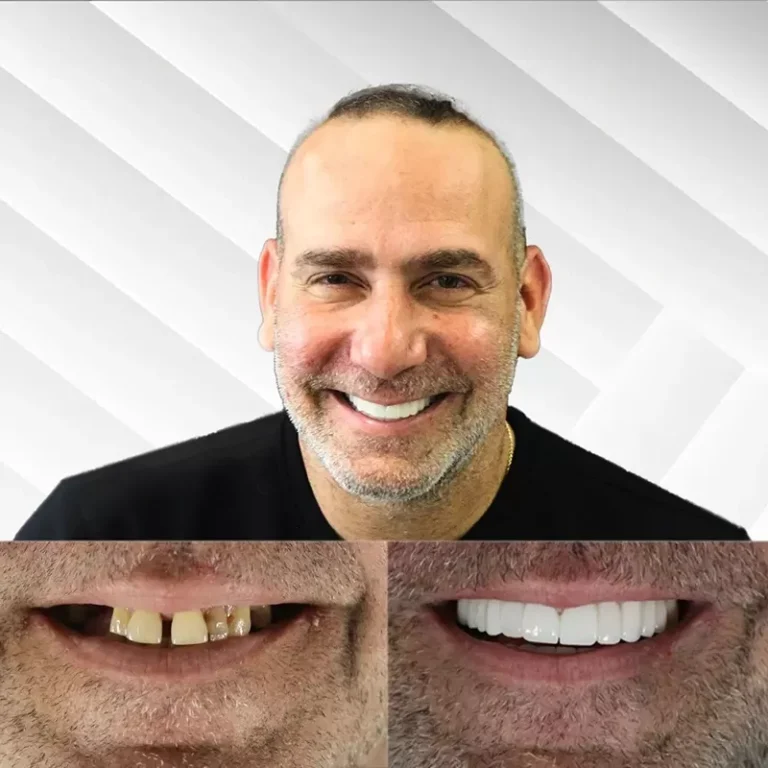
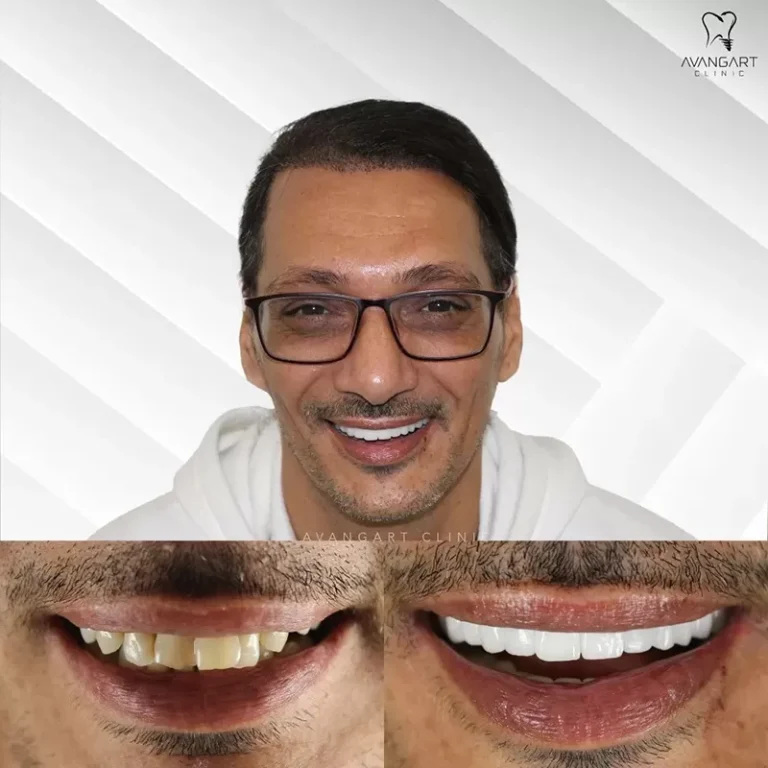
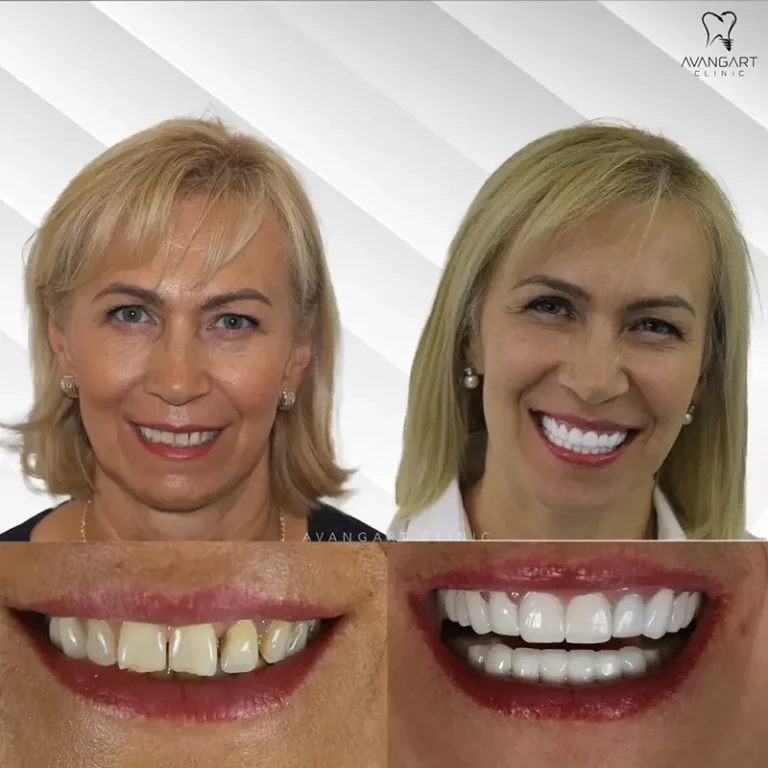
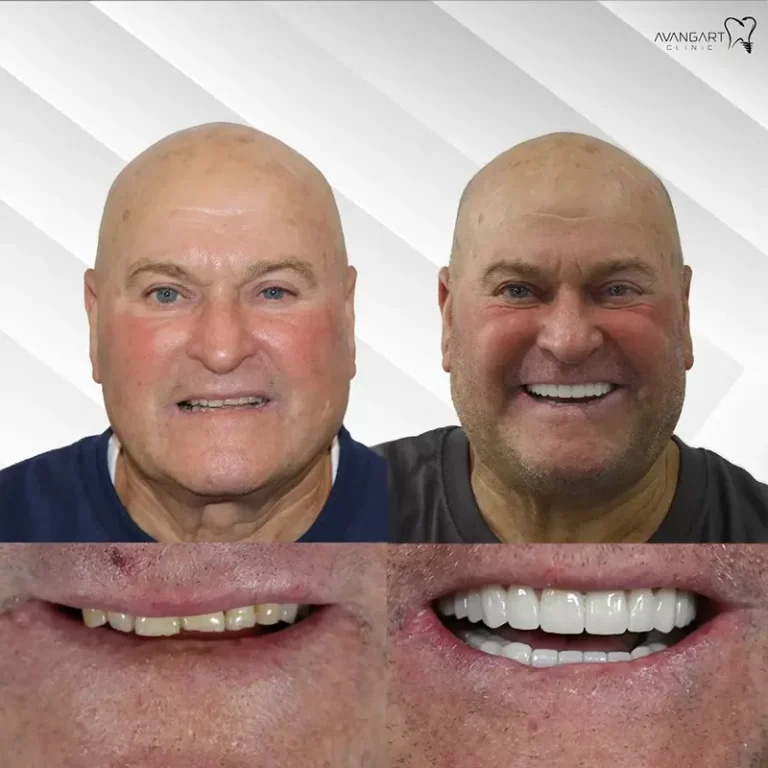
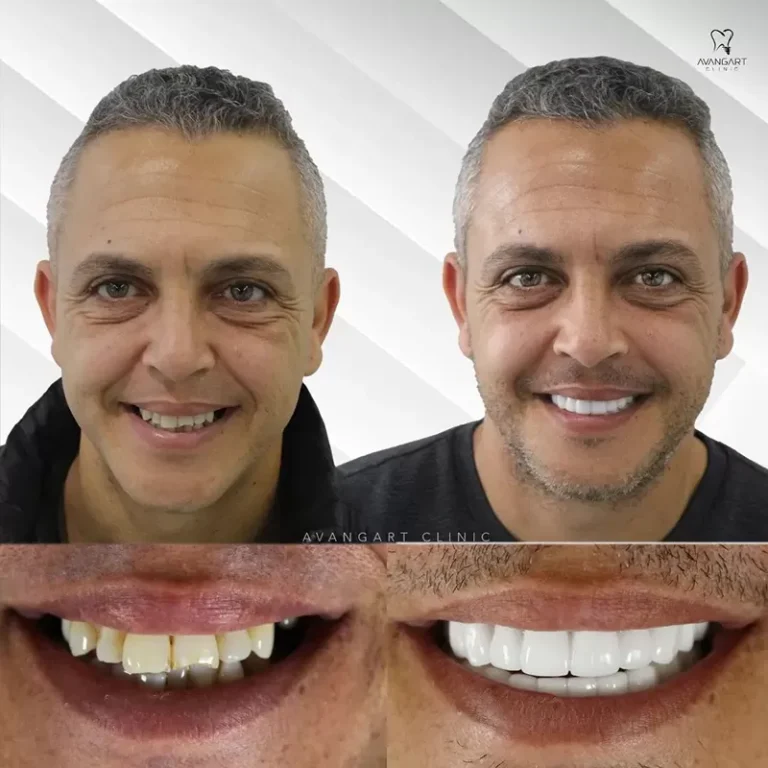
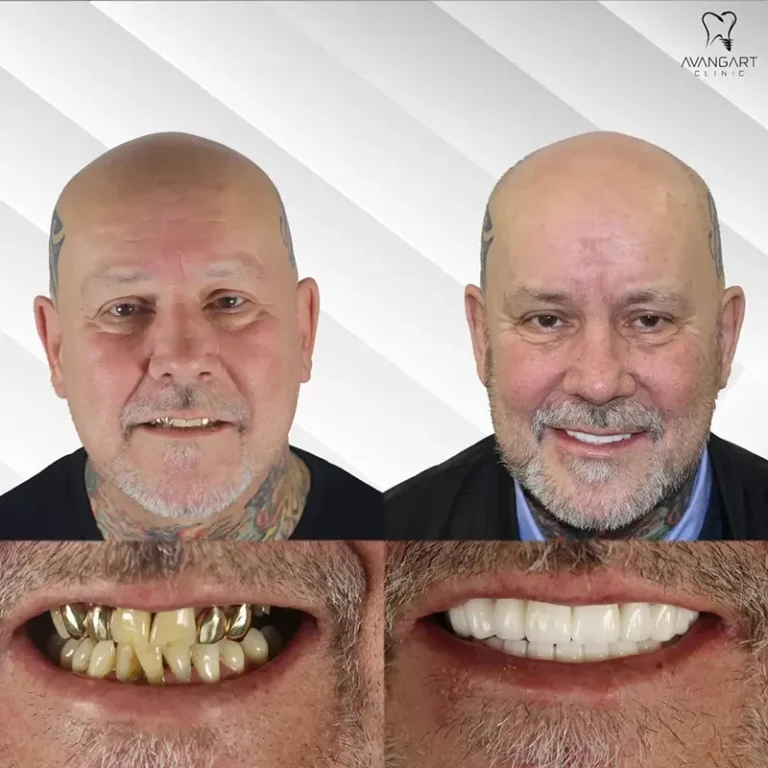
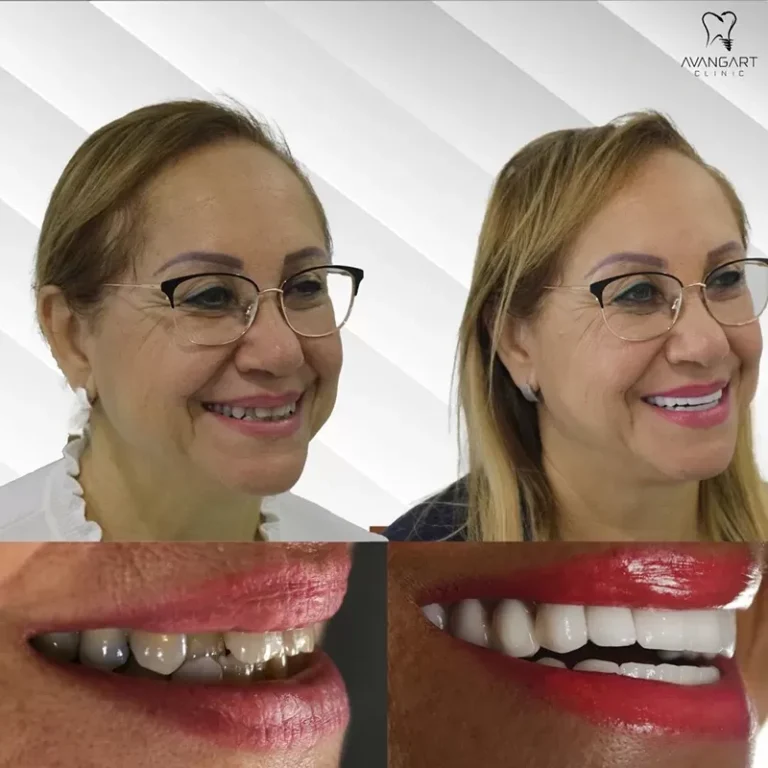
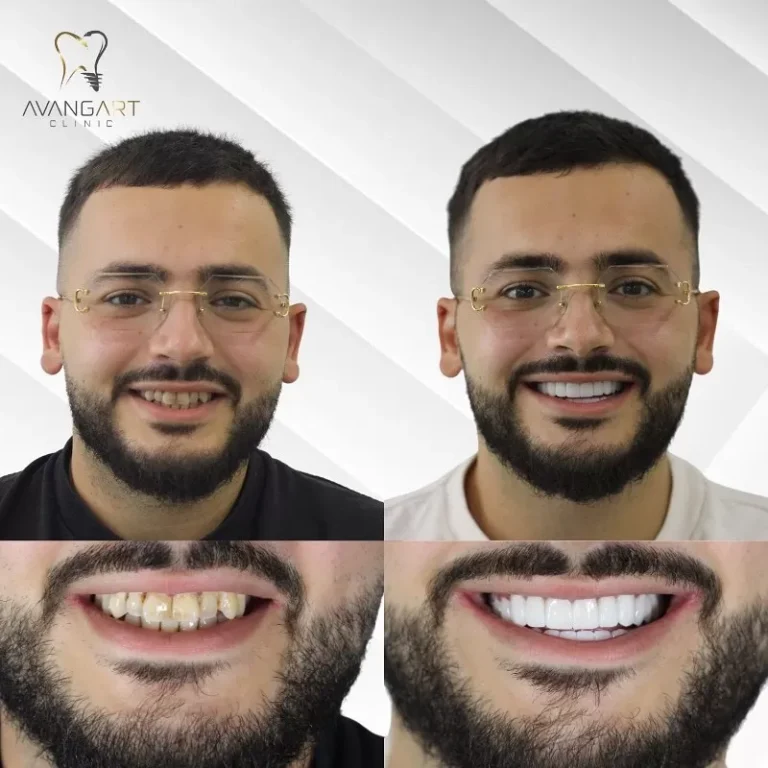
Before and After: Transformative Results with Avangart Clinic
We carry out all our dental treatments with care and strive to give your smile an elegant appearance.

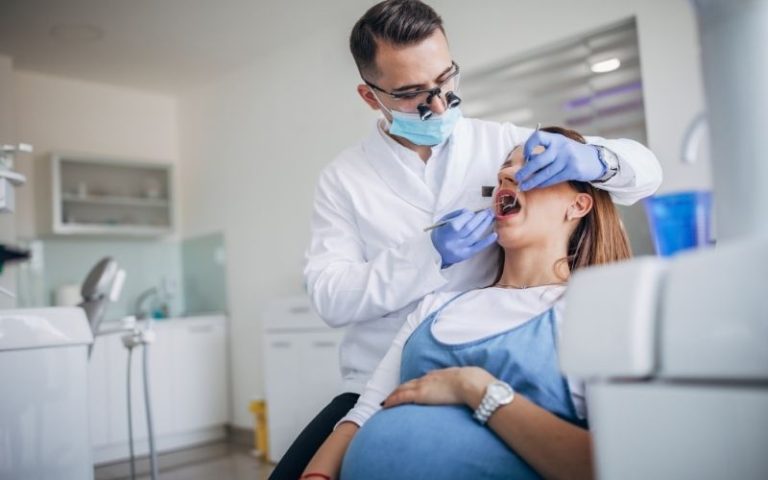
Is Dental Implant Treatment Safe During Pregnancy?
Millions of people in the world live with missing teeth, and it can affect how they smile, eat, and speak. In Turkey, dental implants are a popular way to replace a tooth and feel like yourself again. However, if you are expecting a baby, it is normal to wonder about timing.
Many patients ask, Can you get dental implants while pregnant, and the safest answer is usually to wait until after delivery. Implant surgery often needs a stronger anaesthetic, and certain medications for swelling and infection should be avoided during pregnancy. Hormone changes during pregnancy can also irritate gums, and X-rays during this time are only used when absolutely necessary, so most dentists recommend planning treatment later.
Satisfied Patient Reviews
EXCELLENTTrustindex verifies that the original source of the review is Google. Service impeccable. Je suis venue pour des implants. La prise en charge a été rapide et la douleur pendant et après l’opération a été à peine ressentie. Clinique très professionnelle et chirurgien expert. Personnel très accueillant, en particulier la Directrice. Recommande à tous ceux qui sont à la recherche de professionnels pour régler des problèmes dentaires Suis venue finaliser la pose des implants et des couronnes. Résultat impécable!Posted onTrustindex verifies that the original source of the review is Google. I visited from England and had a positive experience. I went for a Hollywood Smile look and couldn’t be happier with them. The clinic was very aesthetic & clean, the staff were very attentive and supportive & I high recommend them.Posted onTrustindex verifies that the original source of the review is Google. İmplantlarımı ve zirkyonyumlarımı yaptırdım 2 sene önce iyiki yaptırmışım çok memnunum doktorum emrah hoca işinde çok iyi birisi tüm çalışanlara çok teşekkür ediyorum güler yüzlü anlayışları için gülşah hanıma ayriyetten teşekkür ederim 🌹Posted onTrustindex verifies that the original source of the review is Google. Çok güzel ve güveninirPosted onTrustindex verifies that the original source of the review is Google. Friendly and approachable staff, above all I haven’t experienced any pain what so ever, it does truly shows core professionalism. Coming from Wolverhampton, UK and made implant surgery with sinuslifting Gedi JafarPosted onTrustindex verifies that the original source of the review is Google. Ik Marco, hebt mijn gebit laten doen bij Avangart.. En ben door lieve mensen goed ontvangen en behandeld.. Kliniek zeer hygienisch en goede apparatuur.. Deze kliniek zo ik zeker aanraden om je laten behandelen..😁Posted onTrustindex verifies that the original source of the review is Google. I traveled from the U.S. and had Avantgart Clinic positively transform my smile in a manner that I wouldn’t have conceived as being possible. Dr. Egemen, a true master in his field, was patient, considerate, and communicative throughout the process and his assistant, Sevim, was a real joy to work with. Together, the two of them combined to make the overall experience much greater than I could have ever hoped for, and the end result is a smile that is on par with the most glamorous of Hollywood stars. I am extremely satisfied and would highly recommend Avangart Clinic to anyone looking to enhance their smile at a great price and of the highest quality.Posted onTrustindex verifies that the original source of the review is Google. Herkes mükemmel ıscılık mükemmel teşekkür edıyorumPosted onTrustindex verifies that the original source of the review is Google. Emrah bey‘in diş konusundaki tecrübesi, güler yüzü ve uzmanlığı nedeniyle diş tedavilerim için her seferinde Avusturya‘dan İstanbul’a gelmekteyim. Diş kliniği de son teknolojik donanıma sahip güven verici muayenehaneler içermekte.Posted onTrustindex verifies that the original source of the review is Google. Güler yüzlü ekip, temiz ve modern bir klinik. Tedavi sürecim baştan sona çok profesyoneldi. Gönül rahatlığıyla tavsiye ederim.Verified by TrustindexTrustindex verified badge is the Universal Symbol of Trust. Only the greatest companies can get the verified badge who has a review score above 4.5, based on customer reviews over the past 12 months. Read more
Understanding How Pregnancy Affects Dental Treatments
Most people should see a dentist about every six months to keep their mouth healthy. Many health and dental organizations, such as the American Dental Association, recommend routine dental care during pregnancy to help prevent gum disease and other issues that could affect both the parent’s and the baby’s health.
Even so, dentists often treat routine dental work with extra care when you are expecting. Although surgery may be possible after the first trimester, many clinicians prefer to delay dental implants during pregnancy until after birth.
This is even more important if you are considering Dental Implants in Turkey. A quick checkup can help you understand your options and confirm what is safe right now. You can then set a clear plan and book implant treatment for after your baby is born.
Why Most Dentists Recommend Waiting Until After Pregnancy
Can you get veneers while pregnant? Many routine dental treatments, like fillings, crowns, and root canal work, can usually be done safely with a local anaesthetic. Dentists in Turkey often aim to keep care simple and comfortable while you are expecting.
Dental implant placement is different because it is more invasive and often needs stronger anaesthesia. That extra level of sedation can carry more risk for you and your baby, so most dentists prefer to delay such procedures.
You also need X-rays before implants, and these are generally avoided in the first trimester unless they are essential. Delaying the procedure until after pregnancy typically makes planning, scans, and follow-up visits easier.
Medical Reasons Dentists Advise Delaying Dental Implants
Delaying dental implants typically does not pose significant health risks, as missing teeth can usually be managed for a short period. The bigger issue is that surgery during pregnancy can bring more risks than benefits. Hormone changes can affect gums and bone support, which may raise the chance that an implant does not heal as well as planned.
Local anaesthetic and dental X-rays are often considered low risk when used carefully, but implant surgery can still lead to complications. If an infection develops, several antibiotics are not suitable in pregnancy, and many common medicines for swelling and any tooth implant pain may also be unsuitable. That can mean more discomfort and fewer safe ways to treat it.
Can I get a tooth implant while pregnant? In most cases, dentists advise waiting until after birth, when there are more care options, and healing is more predictable.
Dental Implant Safety Across Different Pregnancy Trimesters
Pregnancy is typically divided into three trimesters, each representing a key stage in the baby’s growth. In the first trimester, dentists try to avoid treatments that are not urgent. If there is a serious problem, like a spreading tooth infection, care such as a root canal may be recommended because leaving it untreated can be more harmful.
The second trimester is often the most comfortable time for necessary dental work. Minor treatments can be done with local anaesthetic, and X-rays may be used if they are truly needed. Even then, dentists still focus on procedures that protect your health rather than improve appearance.
In the third trimester, lying back in the dental chair for long visits can be uncomfortable, so dental teams may keep appointments short. So, can you get a dental implant while pregnant? Most dentists recommend waiting until after childbirth, when planning and healing are easier.
When Is It Considered Safe to Proceed with Dental Implant Surgery?
Can you get a crown while pregnant? Many people can, because a crown is often placed with local anaesthetic and does not involve surgery. Your dentist will still consider the timing and your comfort, but urgent care can usually be handled during pregnancy.
For implant surgery, most patients are advised to wait until after delivery. Once you have given birth and you feel ready, it is generally considered safer to move forward because your body is no longer dealing with pregnancy changes. Give yourself time to recover, rest, and settle into life with your baby before you plan a procedure.
Even if you decide to wait on surgery, you can still take the first step of your dental implant pregnancy with a simple consultation. Your dentist can examine your dental situation, talk you through your options, and explain what the implant process would involve. That way, you are not guessing or worrying in the meantime. When you feel fully recovered and ready, you can return and begin treatment at your own pace.
Risks of Getting Dental Implants During Pregnancy
Getting dental implants while pregnant can increase the risk of complications if the healing process does not go smoothly. Infection, gum disease, and swelling can occur, and pregnancy can limit the medications that are safe to use. When you are already dealing with fatigue and nausea, additional dental pain and multiple visits to the clinic can feel overwhelming.
For those with existing implants, the primary risk is neglecting daily care. Plaque can build up faster, gums may bleed more easily, and inflammation can spread if it is ignored. Regular checkups allow your dentist to identify early warning signs and keep things stable.
Some people worry they will need dental implant removal or a full dental implant replacement if something changes during pregnancy, but good care significantly lowers that risk. Follow your dentist’s advice on dental hygiene and healing, including guidance on diet after dental implant surgery if you have recently had surgery. Choosing a reputable clinic and using well-established techniques also improves long-term implant success.
Why Pregnant Women Require Specialized Dental Implant Care
Pregnancy changes your body in many ways, and your mouth is part of that. Healthy gums help support a healthy pregnancy, so dental implant care needs extra attention.
Rising hormone levels can make gums swell and bleed, which raises the chance of gum disease. Gum disease can irritate the tissue around an implant and may affect its stability. With regular cleanings, careful brushing and flossing, and guidance from an implant dentist, most women can protect their implants through pregnancy.

How Hormonal Changes Can Impact Dental Implants
Hormone levels rise following conception, and your gums may react in noticeable ways. Higher estrogen and progesterone can increase blood flow to the gums, which may make them more tender, swollen, or quick to bleed. These changes are normal during pregnancy, but they can affect how the tissues around a dental implant feel and heal.
When gums stay inflamed, plaque can build up more easily and raise the risk of gum disease. Gum disease can irritate the area around an implant and may affect comfort and stability over time.
Increased Gum Disease Risk During Pregnancy and Implants
During pregnancy, hormone shifts can make your gums more likely to get inflamed. Plaque can irritate the gums faster than usual, which may lead to gingivitis and, in some cases, periodontitis. You might notice redness, bleeding when you brush, or a sore feeling along the gum line.
Gum problems can also affect dental implants because the tissues surrounding the implant must remain healthy and firm. If inflammation persists, it increases the risk of infection and may necessitate additional treatment. Regular checkups, professional cleanings, and careful brushing and flossing, as advised by Dr Emrah and Dr Berat Can, can help protect your implants during pregnancy.
How to Care for Existing Dental Implants During Pregnancy
Being pregnant does not mean you can ignore your dental implants. Good daily care helps keep the gums calm and lowers the risk of irritation around the implant. It also supports your comfort and overall health during pregnancy.
Brush twice a day gently and clean between your teeth to remove plaque near the implant. Many people do better with a soft toothbrush; a pregnancy-safe mouthwash can also help if your dentist agrees. Schedule regular checkups, and tell your dental team you are pregnant so they can plan care and products around your needs. Taking these steps supports both you and your baby.
Maintaining Proper Oral Hygiene with Dental Implants
Taking care of your teeth is an important part of keeping dental implants strong and comfortable. This is even more important during pregnancy because your gums can become more sensitive and inflamed.
Brush your teeth twice a day with a soft toothbrush, and clean between them to get rid of plaque that otherwise builds up around the implant. You help protect the implant and the gum tissue around it when you follow these care steps every day; this routine can help your implants last for a long time.
Safe Brushing and Flossing Techniques for Implant Care
Brushing and flossing every day helps keep your dental implant area healthy. Use a soft-bristle toothbrush and a non-abrasive toothpaste, then brush gently along the gum line and around the implant.
Floss once a day to clear food and plaque from spots your brush cannot reach. Take your time and slide the floss carefully so you do not snap it into the gums. These simple steps can lower gum disease risk and protect the implant.
Choosing Pregnancy-Safe Mouthwash for Dental Implants
Some mouthwashes have strong chemicals that can irritate the area around dental implants. Your gums may already be more sensitive when you are pregnant, so a gentle rinse is usually better. Find a mouthwash that is mild and does not contain alcohol. It should not hurt or dry out your mouth.
Do not use hydrogen peroxide rinses because they can change the colour of your teeth and irritate the tissues around the implant. Ask your implant dentist which product is best for you if you are not sure. Using a mild mouthwash can help keep your gums healthy and protect your implants.
Managing Morning Sickness Without Harming Dental Implants
Oral Hygiene Tips for Expecting Mothers with Morning Sickness
Morning sickness can make dental implant care more difficult, but a few minor adjustments can help. Drink plenty of water throughout the day to stay hydrated and rinse your mouth gently. When your stomach feels unsettled, bland foods can help you keep something in your stomach.
If you vomit, rinse your mouth as soon as possible. Rinse with water first, then brush gently to remove acid and food from your teeth and the area around the implant. Daily cleaning protects your gums and strengthens your implants during pregnancy.
Using Dentist-Approved Mouth Rinses During Pregnancy
A dentist-approved mouth rinse can be helpful during pregnancy, especially if morning sickness makes brushing harder at times. A gentle rinse can freshen your breath and lower bacteria, which supports healthy gums around your implants.
Many store-bought rinses include alcohol, which can feel harsh and drying. Ask your dentist for an alcohol free option that is safe for you and your baby.
Nutrition Tips to Support Dental Implant Health During Pregnancy
Essential Vitamins and Calcium for Strong Dental Implants
Good nutrition helps dental implants stay strong, and it matters even more during pregnancy because your body needs extra support. The bone and gums around an implant do best when you get enough calcium each day. You can add calcium through dairy foods, leafy greens, and tofu.
Vitamins also help to maintain gum and bone health. Citrus fruit, strawberries, and broccoli all contain vitamin C, which promotes healthy gums and healing. Vitamin D aids in calcium absorption; good sources include fatty fish, eggs, and fortified dairy products. If you have dietary restrictions, your dentist or doctor can help you.
Foods to Avoid That May Damage Dental Implants
During pregnancy, it is advisable to limit the consumption of foods and drinks high in sugar or acid. Sugary snacks can feed bacteria, which raises the risk of gum irritation around implants. Acidic drinks and sour foods can also wear down tooth enamel and make the mouth feel more sensitive.
Try to limit soda, sweet juices, candy, and frequent snacking on sugary treats. If you do have them, rinse with water after and keep your brushing routine steady. A balanced diet supports both your general health and the tissues that hold implants in place.
Aim for a mix of fruits, vegetables, and whole grains, along with other nutrient-rich foods. If you have cravings or nausea, your implant dentist can suggest simple alternatives that still protect your implants.
Staying Hydrated to Prevent Dry Mouth and Implant Issues
Staying hydrated is a simple way to support your dental implants during pregnancy. Many women get dry mouth when they are pregnant, and a dry mouth can make their gums hurt and make them more likely to get an infection. When there is not enough saliva, plaque and bacteria can build up more quickly around the implant and along the gum line.
Throughout the day, try to drink water often, even if it is only a few sips at a time. Water keeps your mouth moist and helps wash away food particles that can get stuck near the implant. It can also help you feel more refreshed between brushes, particularly if nausea makes brushing difficult.
Good nutrition and steady hydration work best as a team. If dry mouth is frequent or severe, inform your implant dentist. They can recommend pregnancy-safe products and develop a care plan tailored to your needs.
How to Prepare for Dental Implant Treatment After Pregnancy
If you are pregnant and considering getting dental implants, you can use this time to plan so that things feel easier after the baby is born. Many women book a consultation in the second trimester, when dentists often feel more at ease discussing X-rays and next steps. A planning visit can help you figure out when you need to start treatment without feeling rushed.
At the visit, your dentist will check your mouth, review your gums, and assess your jawbone to see if you need any early care first. They may suggest a cleaning, gum treatment, or other steps before implant placement. Meanwhile, keep your mouth as healthy as possible by brushing and flossing gently, visiting the dentist on a regular basis, and living a balanced lifestyle. This preparation can help the later implant process go more smoothly.
What Are Your Best Dental Implant Options Right Now?
Even if you are unable to have dental implant surgery right now, you can still take important steps to replace a missing tooth. A consultation lets your dentist check your health, explain the implant process, and plan the best time to move forward after pregnancy. You will leave with a clear idea of what to expect and how to prepare.
If you feel worried about how your smile looks, ask about temporary restorations. A temporary tooth can improve your appearance and allow you to chew more comfortably while you await implant surgery. Your dentist’s primary concern will be ensuring the safety of both you and your baby. After the baby is born, they will help you choose the best implant option.
Talking to Your Dentist About Pregnancy and Dental Implants
Inform your dentist that you are pregnant and describe any symptoms that affect your mouth, particularly morning sickness. Vomiting can leave acid in the mouth, which may irritate gums and make implant areas feel sore. When your dental team understands what you are dealing with, they can tailor your care.
Dr. Emrah and Dr. Berat Can may recommend small adjustments that can make a significant difference. They may suggest more cleanings, a few simple changes to your brushing and flossing routine, or checkups that are tailored to how you feel during each trimester.
When you keep them updated, they can spot small issues early and help you stay comfortable. This support also protects your gums and keeps your implants in good condition.
FAQs
It is usually best to wait until after pregnancy for dental implant surgery. Implants often involve X-rays, medicines, and healing time that are easier to manage after birth. You can still meet your dentist now to plan the safest timing and ask about a temporary tooth.
Care for existing implants by keeping a consistent routine and staying gentle. Brush with a soft toothbrush, clean between teeth every day, and keep up with dental checkups. Tell your dentist you are pregnant so they can adjust products and visit timing to fit your needs.
Yes, pregnancy hormones can affect the gums around implants. Higher hormone levels can make gums swell and bleed more easily, which can raise the risk of gingivitis or infection. Good daily cleaning and regular dental visits help keep the area calm and comfortable.
If you notice pain, swelling, bleeding, or a loose feeling around an implant, call your dentist. Keep cleaning the area gently, and do not poke at it with toothpicks or hard brushes. Your dentist can check what is going on and choose the safest treatment and medicines for pregnancy.
Can you get a gum graft while pregnant? Many dentists prefer to postpone it until after pregnancy. It may involve surgery, medicines, and healing that are easier to manage later. If the problem is severe, your dentist and doctor can consider the risks and decide the safest timing.
Veneers are also often delayed until after pregnancy, especially if they require numbing, X-rays, or multiple visits. If you want a cosmetic fix while you wait, ask about simpler temporary options. Your dentist can help you choose a plan that keeps you and your baby safe.