
Bone Graft For Dental Implant: Process, Purpose & Risks

Dr. Emrah YEŞİLYURT (Medical Director)
Dr. Emrah Yeşilyurt is the Founder of Avangart Clinic. He combines advanced dental expertise with a genuine commitment to helping patients feel comfortable and informed about their oral health journey.

Key Takeaways
- Bone grafting may be needed when there is not enough jawbone to support an implant.
- Healing takes time, and the bone may need several months before implants can be placed.
- For international patients, careful planning matters because recovery, aftercare, and follow-up are all part of the treatment process.
Losing a tooth can affect more than just a smile. It can affect the way food is chewed, make certain words harder to say, and gradually lead to bone loss in the jaw. Dental implants are often a strong, long-term option for replacing missing teeth, but they are not always placed straight away. In some cases, the jaw needs extra support first.
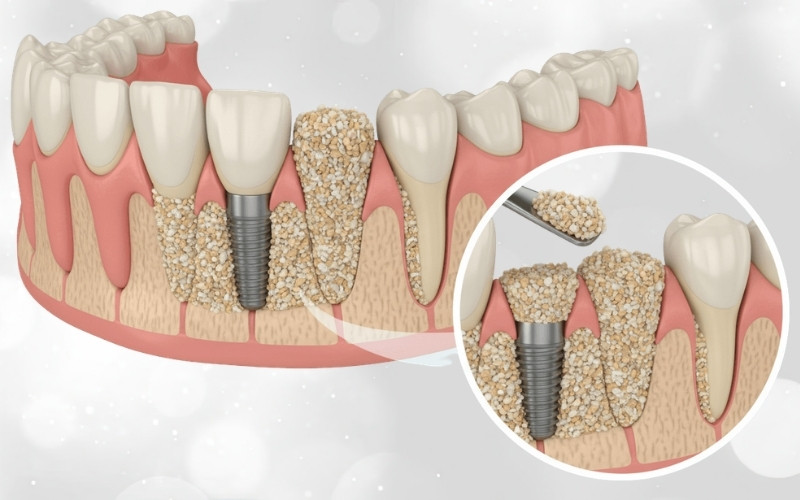
That is where a bone graft before implant treatment may come in. It is a procedure that helps rebuild or strengthen the jaw when there is insufficient healthy bone to secure an implant. The graft material acts as a support structure, which helps the area heal better and gives the implant a strong foundation later on.
Many people only learn about bone grafting for dental implants after being told they are not ready for implant treatment. That might sound scary at first, but it usually means the dentist is trying to make sure the treatment works in the long run instead of rushing ahead.
A dental implant bone graft is often recommended when bone has shrunk after tooth loss, gum disease, injury, or when a tooth has been missing for some time.
Satisfied Patient Reviews
EXCELLENTTrustindex verifies that the original source of the review is Google. Service impeccable. Je suis venue pour des implants. La prise en charge a été rapide et la douleur pendant et après l’opération a été à peine ressentie. Clinique très professionnelle et chirurgien expert. Personnel très accueillant, en particulier la Directrice. Recommande à tous ceux qui sont à la recherche de professionnels pour régler des problèmes dentaires Suis venue finaliser la pose des implants et des couronnes. Résultat impécable!Posted on GoogleTrustindex verifies that the original source of the review is Google. I visited from England and had a positive experience. I went for a Hollywood Smile look and couldn’t be happier with them. The clinic was very aesthetic & clean, the staff were very attentive and supportive & I high recommend them.Posted on GoogleTrustindex verifies that the original source of the review is Google. İmplantlarımı ve zirkyonyumlarımı yaptırdım 2 sene önce iyiki yaptırmışım çok memnunum doktorum emrah hoca işinde çok iyi birisi tüm çalışanlara çok teşekkür ediyorum güler yüzlü anlayışları için gülşah hanıma ayriyetten teşekkür ederim 🌹Posted on GoogleTrustindex verifies that the original source of the review is Google. Çok güzel ve güveninirPosted on GoogleTrustindex verifies that the original source of the review is Google. Friendly and approachable staff, above all I haven’t experienced any pain what so ever, it does truly shows core professionalism. Coming from Wolverhampton, UK and made implant surgery with sinuslifting Gedi JafarPosted on GoogleTrustindex verifies that the original source of the review is Google. Ik Marco, hebt mijn gebit laten doen bij Avangart.. En ben door lieve mensen goed ontvangen en behandeld.. Kliniek zeer hygienisch en goede apparatuur.. Deze kliniek zo ik zeker aanraden om je laten behandelen..😁Posted on GoogleTrustindex verifies that the original source of the review is Google. I traveled from the U.S. and had Avantgart Clinic positively transform my smile in a manner that I wouldn’t have conceived as being possible. Dr. Egemen, a true master in his field, was patient, considerate, and communicative throughout the process and his assistant, Sevim, was a real joy to work with. Together, the two of them combined to make the overall experience much greater than I could have ever hoped for, and the end result is a smile that is on par with the most glamorous of Hollywood stars. I am extremely satisfied and would highly recommend Avangart Clinic to anyone looking to enhance their smile at a great price and of the highest quality.Posted on GoogleTrustindex verifies that the original source of the review is Google. Herkes mükemmel ıscılık mükemmel teşekkür edıyorumPosted on GoogleTrustindex verifies that the original source of the review is Google. Emrah bey‘in diş konusundaki tecrübesi, güler yüzü ve uzmanlığı nedeniyle diş tedavilerim için her seferinde Avusturya‘dan İstanbul’a gelmekteyim. Diş kliniği de son teknolojik donanıma sahip güven verici muayenehaneler içermekte.Posted on GoogleTrustindex verifies that the original source of the review is Google. Güler yüzlü ekip, temiz ve modern bir klinik. Tedavi sürecim baştan sona çok profesyoneldi. Gönül rahatlığıyla tavsiye ederim.Verified by TrustindexTrustindex verified badge is the Universal Symbol of Trust. Only the greatest companies can get the verified badge who has a review score above 4.5, based on customer reviews over the past 12 months. Read more
What Is A Dental Bone Graft?
When there is not enough healthy bone to support an implant, a dental bone graft is a way to rebuild a part of the jaw. This can happen after a tooth has been missing for a long time, as a result of gum disease, or as the bone naturally shrinks over time.
Simply put, the graft strengthens the area, giving it a better chance of securely holding an implant in the future. According to a review paper from the International Team for Implantology (ITI) Consensus Conference, augmentation of insufficient bone volume is often recommended before or alongside implant placement to help achieve predictable long-term function and a good aesthetic outcome.
A simple way to think about it is this: the graft gives the body something to build on. It works like a support system in the area where bone has been lost. Over time, the body heals around it and starts forming stronger bone there.
The materials used in dental bone grafts for an implant do not always come from the same place. It may be:
- bone taken from the patient’s own body
- processed donor bone from a licensed tissue bank
- Bovine-derived bone (which can be used safely in dental treatment)
- a synthetic material made to support bone growth
The exact type depends on the case. Some people need only a small amount of grafting, while others need more support before moving ahead. In practice, bone grafts for implants are used to strengthen, shape, and stabilise the jaw, laying the groundwork for the next stage of treatment.
Who Is This For? (Candidates and Contraindications)
The bone graft treatment is usually for people who want a dental implant but do not yet have enough healthy jawbone to support it well. That often happens after a tooth has been missing for a while, after advanced gum disease, after an injury, or in the upper back jaw, where the sinus leaves too little bone height. In some cases, the graft is placed on the same day as an extraction to help preserve the area for a future implant.
You may be a good candidate if:
- The implant site has bone loss, but the area can still be rebuilt into a stable base for treatment.
- A tooth is being removed now, and your dentist wants to reduce later bone shrinkage.
- bone was lost because of trauma or past gum disease, and the disease has already been treated or brought under control;
- You can follow the healing plan, including cleaning instructions, review visits, and the temporary food and activity limits that protect the graft while it heals.
Note: Underlying dental disease should be treated or stabilised before implant placement.
Not being ready today does not always mean you can never have treatment. Sometimes the issue is timing or risk control, not a permanent “no.” For example, well-controlled diabetes is often compatible with implant treatment, while poorly controlled diabetes is linked with slower healing and more implant-related problems. Smoking also raises the risk of implant failure, but it is generally considered a risk factor rather than an automatic exclusion on its own.
Bone grafting or implant treatment may need to be delayed, modified, or planned more carefully if you:
- Have active gum disease or another untreated infection in the area;
- Have poorly controlled diabetes;
- Smoke or use nicotine heavily;
- Have had recent radiotherapy to the head and neck, especially within the last 6 months;
- Take antiresorptive medicines such as bisphosphonates or denosumab, especially at higher doses used in cancer care, as these can affect jaw healing and need careful review before surgery.
Different Types of Bone Grafts Used in Dental Implant Procedures
Not every graft is used for the same purpose. The type is determined by where the bone is missing, how much bone has been lost, and whether the dentist is attempting to preserve bone following an extraction or rebuild it prior to an implant.
In many cases, dental implants with bone grafting are planned around one of these common procedures:
1. Socket Bone Grafting: Preserving Bone After Tooth Extraction
A socket bone graft is done immediately after a tooth is removed. Its job is to protect the empty socket and reduce the amount of bone loss that often happens during healing. By placing graft material in the area straight away, the site has a better chance of keeping its shape and strength. This can make things easier later if a bone graft for tooth implant or dental implant replacement is being considered, because there is more healthy bone available to support the next stage of treatment.
2. Block Bone Grafting for Rebuilding Jawbone Structure
When the jaw has lost too much bone for a simple graft to work, a block bone graft is used. It helps rebuild bone areas that need more height, width, or strength so that an implant can be safely placed.
In this procedure, a small piece of bone is taken from another area and fixed onto the jaw. Over time, it joins with the existing bone and creates stronger support for treatment involving dental implants.
3. Lateral Ridge Preservation Grafting to Maintain Jaw Width
Lateral ridge preservation grafting is used to keep the jaw from becoming too narrow after a tooth extraction. Even when the area seems to heal well, the sides of the ridge can shrink over time, which may leave too little space for an implant later.
The graft material is placed along the side of the ridge to help the bone keep its shape as it heals. In cases involving dental implants and bone grafts, this can make a big difference because an implant needs enough surrounding bone to stay stable.
4. Sinus Lift
A sinus lift is used when there is not enough bone in the upper back jaw to place an implant safely. This is common in the area of the upper molars, where the sinus sits very close to the jawbone.
The procedure works by gently lifting the sinus lining and placing graft material underneath it. This creates more height in the bone and gives the area a stronger base for a future implant.
Preparation Steps Before a Dental Bone Grafting Procedure
Before a dental bone graft, the dentist will first make sure the area is healthy enough for treatment. This usually includes checking the mouth, reviewing how much bone has been lost, and using X-rays or a CT scan to look more closely at the jaw.
If there is a damaged tooth remaining in the area, it may need to be extracted first. The dentist will also explain the plan, including the type of graft, the timing, and any medications required to reduce infection risk and alleviate discomfort and complications, such as tooth implant pain following treatment.
Considerations for International Patients
If you are travelling abroad for treatment, such as dental implants in Turkey, it is important to think beyond the procedure itself. Bone grafting is not just about what happens on the day. It also affects healing time, travel plans, and what support you may need once you are back home.
Fit to fly
After a bone graft, flying too soon may not be advised. Changes in cabin pressure can make the area feel more uncomfortable and may interfere with healing. For that reason, patients are often told to avoid flying for at least 1 week, but your surgeon should confirm what is safe in your case.
- Important Note: If your procedure included a Sinus Lift, it is vital to avoid creating internal pressure for at least 2 weeks. In addition to avoiding flights, do not use straws, blow your nose forcefully, or sneeze with your mouth closed. These actions can displace the graft material before it has a chance to stabilize against the sinus lining.
Continuity of care
Bone grafts do not heal overnight. In many cases, the area needs several months to heal fully before the next stage of treatment. If you are returning home during that healing period, ask your clinic for a clear surgical report in English. That can make things much easier if you need a local dentist to review the area or help with a minor concern.
Follow-up planning
It is also worth asking how aftercare works once you leave the country. A reliable clinic should be able to explain how they handle remote follow-up, what to do if you have swelling or discomfort later, and when you should seek help locally. Knowing this in advance can give you far more confidence before you travel.
Recovery and Aftercare Following Bone Grafting for Implants
Recovery from bone grafting is typically straightforward, but the area requires time and care to heal properly. Mild swelling, tenderness, and some discomfort are common at first, so it is important to follow the pain relief plan given by the dentist.
Good aftercare helps protect the graft while the bone starts to heal. Typically, this just means being gentle when you brush your teeth, rinsing with saltwater if your dentist suggests it, and taking a break from intense workouts for a little while. Following the recommended diet after dental implant surgery or bone graft is also important, especially in the early days when the area is sensitive.
Follow-up visits are important because they allow the dentist to ensure that healing is progressing as expected. Seek immediate care if you experience:
- Pulsating pain that does not respond to medication;
- Pus or a foul taste;
- Fever over 101°F (38.3°C);
- Persistent numbness lasting more than 24 hours.
Risks, Complications, and How to Minimise Them
Bone grafting, like any other surgical procedure, has some risks, though serious complications are uncommon. The main concerns are infection, bleeding that lasts longer than expected, and delayed healing.
The best way to reduce those risks is to follow the aftercare plan closely. That usually means taking any prescribed medicine as directed, keeping the mouth clean, and avoiding activities that could disturb the graft site.
Good oral hygiene matters, but the area should still be treated gently. Brushing too aggressively, ignoring rinsing instructions, or failing to attend follow-up appointments can all impede healing and increase the risk of complications.
It is also important to recognise when something does not feel right. Pain that worsens rather than improves, unusual swelling, persistent bleeding, or signs of infection should be reported to the dentist as soon as possible.
Long-Term Benefits of Bone Grafting for Oral Health and Implant Success
Bone grafting can do more than prepare the jaw for an implant. Over time, it can help maintain the natural shape of the jaw and reduce the hollow look that sometimes develops after tooth loss and bone shrinkage.
It can also protect the way the bite works. When the jaw is adequately supported, the implant is more likely to sit in a stable position, which improves chewing, comfort, and day-to-day function. That can make eating feel more natural again.
There are additional oral health benefits. Rebuilding lost bone can support healthy gum tissue around the implant and reduce stress on nearby teeth. In the long run, that creates a healthier foundation for both the implant and the surrounding mouth.
Materials Used in Bone Grafting Procedures
When dentists talk about bone graft material, they are referring to the substance that is placed in the jaw to promote new bone growth. The best option is determined by the amount of bone loss, the location of the implant, and the amount of support required before the implant can be placed.
- Autogenous graft. This uses bone taken from the patient’s own body. It may be recommended when a more natural option is preferred, and the site needs strong support.
- Allograft. This is derived from processed human donor bone obtained from a licensed tissue bank. It gives the body a framework to heal around and build new bone structure.
- Xenograft. This is made from animal-derived bone, usually cow or pig bone. It is commonly used to help maintain bone volume and support healing in the jaw.
- Alloplast. This is a synthetic material made in a lab. It is meant to be a scaffold that helps the body slowly grow new bone in the area.
| Graft Type | Source | Common Use | Main Advantage |
|---|---|---|---|
| Autograft | Your own bone | Larger defects or cases needing stronger regeneration | Considered the gold standard; contains the patient’s own living bone cells and growth factors |
| Allograft | Processed human donor bone | Socket preservation and ridge augmentation | No need to take bone from another part of your body |
| Xenograft | Animal-derived bone, usually bovine | Volume maintenance and space support | Resorbs slowly and helps maintain shape |
| Alloplast | Synthetic material | Small defects or use with other graft materials | No donor site needed; no human or animal tissue |
Conclusion
Bone grafting is not an extra step added without reason. It is often used to make implant treatment safer, stronger, and more predictable when the jaw lacks adequate healthy bone support.
For many patients, the main value is not just getting ready for an implant. It is also about rebuilding lost bone, protecting the shape of the jaw, and giving the implant a better long-term foundation. The exact approach depends on how much bone has been lost, where the missing tooth is, and how the area heals.
Anyone considering this treatment should have a clear understanding of why it may be needed, how it works, what recovery involves, and what risks to keep in mind. That makes it easier to ask the right questions and make a confident, informed decision.
Before and After: Transformative Results with Avangart Clinic
We carry out all our dental treatments with care and strive to give your smile an elegant appearance.


FAQs
In many cases, yes. If there is not enough healthy bone in the jaw, a bone graft can rebuild the area and make it more implant-ready. Simply put, it improves the implant's ability to sit securely.
It is not a guarantee on its own, because healing, gum health, and the overall condition of the mouth still matter. But when bone loss is the main issue, grafting can often make implant treatment possible when it may not have been before.
Most of the time, the procedure is done with a local anaesthetic, so the area should be numb during treatment. Most people do not experience sharp pain during the procedure, but some pressure or movement can feel strange.
Afterwards, it is normal to have some soreness, swelling, or tenderness for a few days. This can usually be managed with the pain relief advised by your dentist, plus a bit of rest, gentle cleaning, and eating soft foods for the first few days. If the pain gets worse instead of better, it should be checked.
If something feels off after the procedure, it is best to contact the dentist or oral surgeon sooner rather than later. It is better to ask about a symptom early than to wait and hope it settles on its own.
Signs that should not be ignored include persistent pain, swelling that worsens rather than improves, bleeding that does not stop, fever, or an unpleasant taste or smell from the area. These could be indicators that the site needs to be checked.
While waiting for advice, keep following the aftercare instructions exactly as given. Be gentle with the area, keep it clean in the way the dentist recommended, and do not skip any follow-up visits.
Early recovery is usually the easier part. Tenderness, swelling, and bruising often improve within about one to two weeks, and many people feel noticeably better after the first week.
The bone itself takes much longer to mature. In many cases, dentists wait about 3 to 6 months before moving on to the implant, and larger grafts can take 9 to 12 months to fully heal. The exact timeline depends on the size of the graft, where it was placed, and how well the body heals.