
Can Diabetics Get Dental Implants?

Dr. Emrah YEŞİLYURT
Dr. Emrah Yeşilyurt is the Founder of Avangart Clinic. He combines advanced dental expertise with a genuine commitment to helping patients feel comfortable and informed about their oral health journey.

Yes, diabetics can get dental implants if their blood sugar is well-controlled (A1C below 7%). Proper healing, good oral hygiene, and a team approach with doctors are crucial for success.
If you have diabetes, you may be wondering whether dental implants are an option for you. It’s a common question because managing diabetes can sometimes complicate medical treatments. The good news is that many people with diabetes can safely receive dental implants Turkey, especially if their condition is well controlled.
Diabetes and dental implants can seem like an odd combination, but with proper care, dental implants can help you restore your smile and improve your quality of life.
Are dental implants safe for diabetics?
Yes, many people with diabetes can get dental implants. Whether you have type 1 or type 2 diabetes, it is possible if you keep your blood sugar under control and closely monitor your condition.
When you visit Avangart Clinic for a consultation, we will discuss the best ways to replace your missing teeth. We’ll also advise you on how to improve your chances of success during your implant procedure. Managing your diabetes is critical to your recovery and long-term results.
Health Risks of Diabetes for Dental Implants
Diabetes is a condition that changes how your body processes sugar, an important source of energy. Normally, the pancreas produces insulin to keep your blood sugar stable. However, diabetes happens when your body fails to produce enough insulin or is unable to use it properly. This causes blood sugar levels to fluctuate, which can lead to a variety of health issues over time.
Diabetics are more likely to experience gum and tooth problems. This means they may lose teeth more frequently than people without diabetes. Although dental implants for diabetics can be a complicated procedure, they do provide a way to replace missing teeth and restore a healthy smile.
However, it is important to understand that diabetes can slow healing and increase the risk of infection following surgery. This is why doctors and dentists take special care when planning treatments like All-on-4 dental implants for people with diabetes. With proper care, these implants can still provide a strong, long-term solution.
1. Healing Challenges After Dental Implant Surgery for Diabetics
People with diabetes tend to heal more slowly because their bodies do not fight infections as well. This means they have a higher risk of developing infections following surgery.
Because dental implants diabetes treatment involves surgery, patients must take extra precautions to avoid infection and promote healing.
2. Increased Risk of Implant Failure in Diabetic Patients
If diabetes is not well controlled, dental implants may not heal properly. When healing is slow, the implant may not firmly attach to the jawbone and gums.
This means the implant can fail and won’t hold the replacement tooth securely. That is why having diabetes under control is critical for a successful implant.
Before and After: Transformative Results with Avangart Clinic
We carry out all our dental treatments with care and strive to give your smile an elegant appearance.


All-on-4 Dental Implants for Patients with Diabetes:
All-on-4 dental implants provide a full set of new teeth, making them an excellent choice for diabetic patients who have lost most or all of their teeth.
Unlike dentures and dental bridges, which can slip and cause discomfort, these implants remain securely in place. This stability makes it much easier to follow a healthy, diabetic-friendly diet.
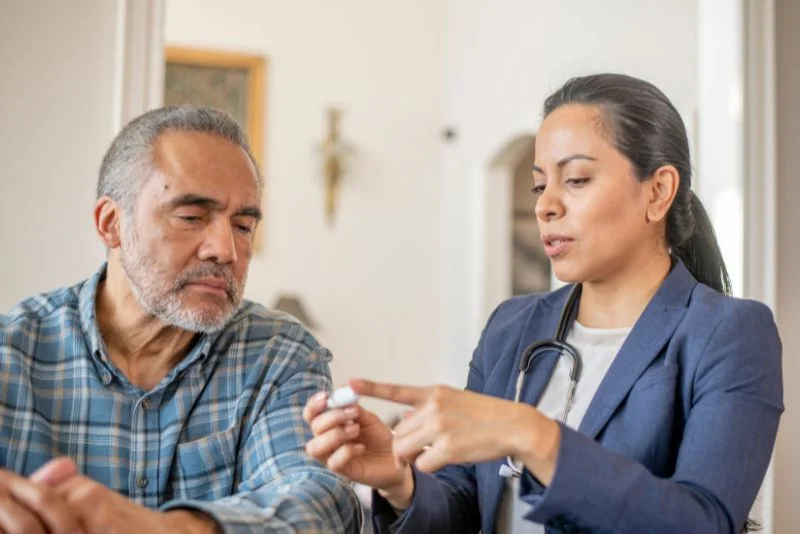
Is It Safe for Type 2 Diabetics to Get Dental Implants?
If you have type 2 diabetes, you may be wondering whether you can get dental implants safely. The good news is that if your diabetes is under control, dental implant surgery is just as safe and successful as it is for people who do not have diabetes.
At Avangart Clinic, we provide implants for diabetes type 2 patients as a durable and long-lasting way to replace missing teeth. Implants are often preferred over traditional dentures because they are more secure and feel more natural.
Still, it’s important to talk with us about your health before starting treatment to make sure everything goes smoothly.
The Importance of Controlling Your Diabetes Before Implant Treatment
Controlling your diabetes before getting dental implants is critical. According to studies, people who manage their diabetes well have roughly the same risk of complications as those who do not have diabetes. This means that their implants heal and work just as well.
However, if diabetes is not controlled, there is a greater risk of infection and implant failure after surgery. This happens because dental implants require the jawbone to heal and grow around them. The gums also require time to heal, which allows the implant to feel and work like natural teeth.
Diabetes patients may experience slower healing, so it is critical to maintain stable blood sugar levels prior to surgery. All-on-4 dental implants for diabetics are a durable and stable way to replace missing teeth. Working with your doctor to control your diabetes will make your implant procedure go more smoothly and last longer.
Dental Implants and Supporting a Diabetes-Friendly Diet
Eating fresh, whole foods is important for people with diabetes to stay healthy. These foods often require a good bite and chew, which can be challenging if you wear dentures. Dentures can slip and cause sore spots, making it difficult to eat certain foods.
Dental implants allow you to eat without fear of slipping or pain. This allows you to eat fresh foods that will keep your blood sugar stable.
If you’re wondering what can I eat after dental implant surgery, soft foods like cooked vegetables, soups, and smoothies are good options to start. As you heal, you can gradually return to a healthy diet rich in firmer foods that help you manage your diabetes.
Discuss Your Dental Implant Options with an Experienced Dentist
The best way to learn about your options for replacing missing teeth is to visit Avangart Clinic. We are happy to discuss dental implants and other treatments that may be suitable for you.
By answering your questions and listening to your concerns, we can develop a plan that meets your needs and restores your confidence.
Book Your Dental Implant Consultation Today
Ready to take the next step towards a healthier smile? Schedule your dental implant consultation with us at Avangart Clinic today.
You can find us at Mecidiyeköy Mahallesi, Büyükdere Caddesi, 91/B, Ocak Apt, Şişli, Istanbul. Call us at +90 212 211 82 11 or +90 542 146 82 11, or send an email to contact@avangartclinic.com. We are here to help you.
Satisfied Patient Reviews
EXCELLENTTrustindex verifies that the original source of the review is Google. Service impeccable. Je suis venue pour des implants. La prise en charge a été rapide et la douleur pendant et après l’opération a été à peine ressentie. Clinique très professionnelle et chirurgien expert. Personnel très accueillant, en particulier la Directrice. Recommande à tous ceux qui sont à la recherche de professionnels pour régler des problèmes dentaires Suis venue finaliser la pose des implants et des couronnes. Résultat impécable!Posted on GoogleTrustindex verifies that the original source of the review is Google. I visited from England and had a positive experience. I went for a Hollywood Smile look and couldn’t be happier with them. The clinic was very aesthetic & clean, the staff were very attentive and supportive & I high recommend them.Posted on GoogleTrustindex verifies that the original source of the review is Google. İmplantlarımı ve zirkyonyumlarımı yaptırdım 2 sene önce iyiki yaptırmışım çok memnunum doktorum emrah hoca işinde çok iyi birisi tüm çalışanlara çok teşekkür ediyorum güler yüzlü anlayışları için gülşah hanıma ayriyetten teşekkür ederim 🌹Posted on GoogleTrustindex verifies that the original source of the review is Google. Çok güzel ve güveninirPosted on GoogleTrustindex verifies that the original source of the review is Google. Friendly and approachable staff, above all I haven’t experienced any pain what so ever, it does truly shows core professionalism. Coming from Wolverhampton, UK and made implant surgery with sinuslifting Gedi JafarPosted on GoogleTrustindex verifies that the original source of the review is Google. Ik Marco, hebt mijn gebit laten doen bij Avangart.. En ben door lieve mensen goed ontvangen en behandeld.. Kliniek zeer hygienisch en goede apparatuur.. Deze kliniek zo ik zeker aanraden om je laten behandelen..😁Posted on GoogleTrustindex verifies that the original source of the review is Google. I traveled from the U.S. and had Avantgart Clinic positively transform my smile in a manner that I wouldn’t have conceived as being possible. Dr. Egemen, a true master in his field, was patient, considerate, and communicative throughout the process and his assistant, Sevim, was a real joy to work with. Together, the two of them combined to make the overall experience much greater than I could have ever hoped for, and the end result is a smile that is on par with the most glamorous of Hollywood stars. I am extremely satisfied and would highly recommend Avangart Clinic to anyone looking to enhance their smile at a great price and of the highest quality.Posted on GoogleTrustindex verifies that the original source of the review is Google. Herkes mükemmel ıscılık mükemmel teşekkür edıyorumPosted on GoogleTrustindex verifies that the original source of the review is Google. Emrah bey‘in diş konusundaki tecrübesi, güler yüzü ve uzmanlığı nedeniyle diş tedavilerim için her seferinde Avusturya‘dan İstanbul’a gelmekteyim. Diş kliniği de son teknolojik donanıma sahip güven verici muayenehaneler içermekte.Posted on GoogleTrustindex verifies that the original source of the review is Google. Güler yüzlü ekip, temiz ve modern bir klinik. Tedavi sürecim baştan sona çok profesyoneldi. Gönül rahatlığıyla tavsiye ederim.Verified by TrustindexTrustindex verified badge is the Universal Symbol of Trust. Only the greatest companies can get the verified badge who has a review score above 4.5, based on customer reviews over the past 12 months. Read more
FAQs About Dental Implants And Diabetes
Diabetics can get dental implants, but only if their blood sugar is under control. Uncontrolled diabetes can slow healing and increase the risk of infection, which can cause problems with implants. Keeping diabetes under control helps ensure that implants heal properly and last longer.
The best option is based on each individual's health and needs. Dental implants are often recommended because they feel natural and stay firmly in place. At Avangart Clinic, we also use options like Dental Crowns Turkey to help restore strong, healthy smiles for diabetic patients.
If diabetes is controlled, the success rate for dental implants is very high, comparable to people who do not have diabetes. Good pre and post-operative care, combined with effective blood sugar management, aids in the healing and longevity of implants.
Dental implants are not an option for everyone. People with serious health conditions that impair healing, such as uncontrolled diabetes or certain immune disorders, may not be suitable candidates. Your dentist will evaluate your overall health to determine whether implants are safe and appropriate for you.
Yes, managing blood sugar is critical. When your diabetes is well managed, your body can heal more quickly after surgery, reducing the risk of infection and implant failure. Keeping your blood sugar stable helps your dental implants last longer and work properly.
Yes, many diabetics can safely receive dental implants. The key is to maintain good diabetes control both before and after surgery. Implants, with proper care and monitoring, can heal well and improve your smile, just as they do for people without diabetes.