
Gum vs. Dentures: Can You Safely Chew Without Sticky Disasters?

Dr. Emrah YEŞİLYURT
Dr. Emrah Yeşilyurt is the Founder of Avangart Clinic. He combines advanced dental expertise with a genuine commitment to helping patients feel comfortable and informed about their oral health journey.
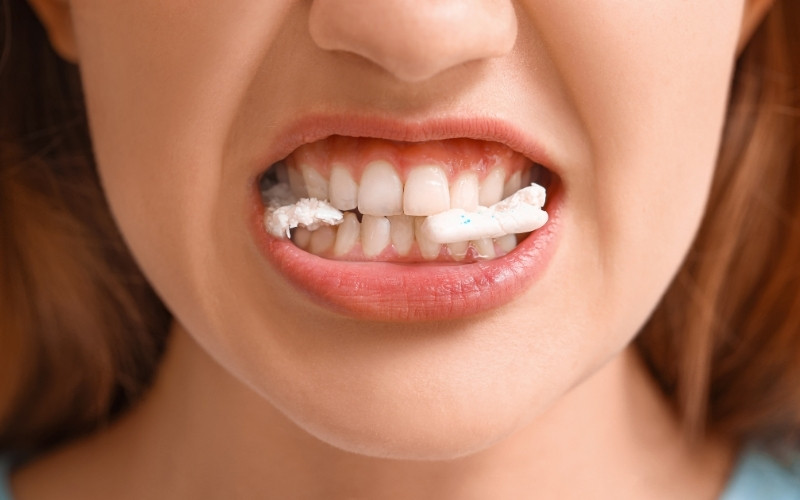
Can You Chew Gum With Dentures?
Yes, you can enjoy chewing gum for dentures when you pick the right gum and take good care of your dentures. If your denture is secured with attachments or implants, regular gum often works, and if it feels a bit loose, try less sticky choices such as Freedent.
Modern dentures are not the awkward plates many people remember. New materials and smart designs help dentures fit better, look natural, and feel stable, which matters when you want to enjoy simple habits like eating gum. This guide answers common questions and points you to options such as gum that doesn’t stick to dentures and chewing gum for denture wearers, so you can chew with confidence.
Many people considering dentures in Turkey ask us about chewing gum all the time. Here you will find clear steps for choosing gum, caring for your denture, and keeping your mouth fresh. By the end, you will know what works, what to avoid, and how to keep everything comfortable.
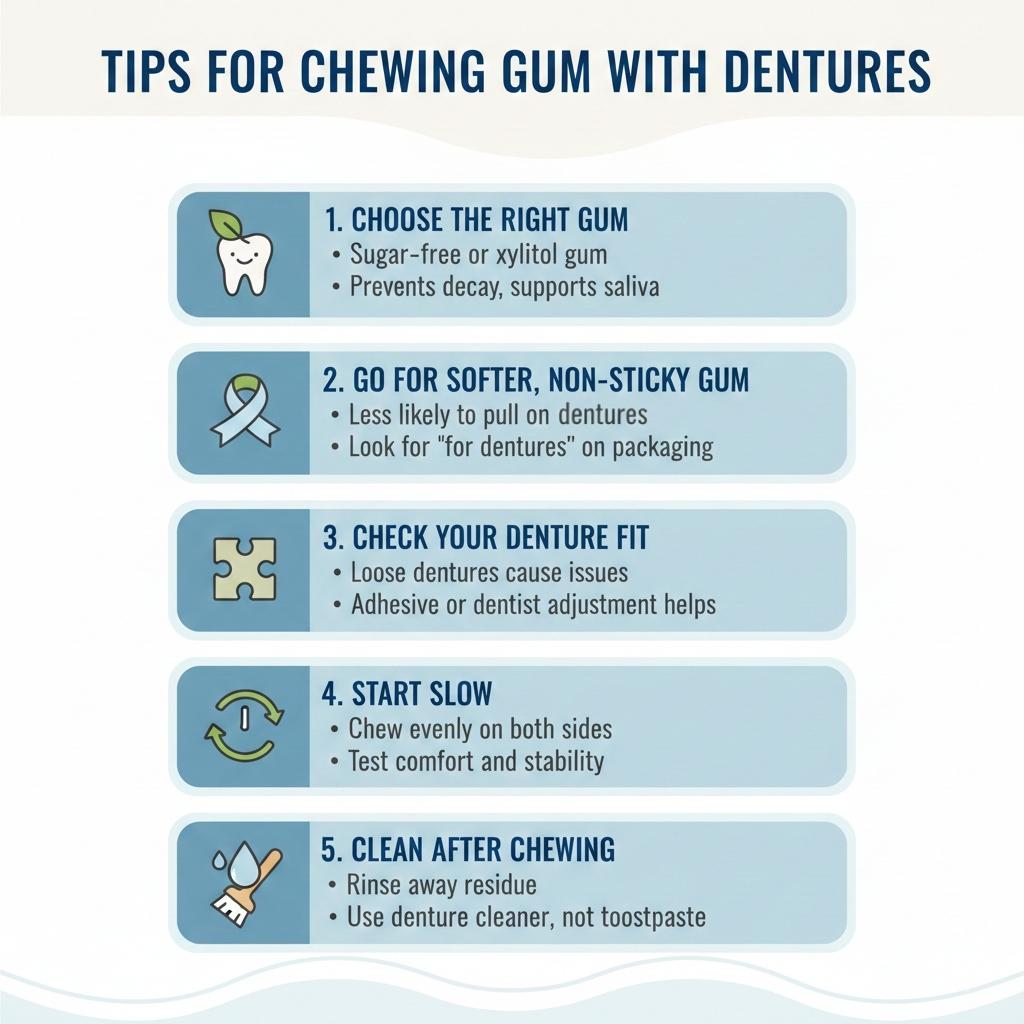
Tips for Chewing Gum Safely While Wearing Dentures
Can I chew gum with dentures? Yes, but choose soft, sugar-free gum because soft textures are easier to control, and sugar-free gum helps protect any natural teeth you still have.
- Avoid sticky types. If you wonder which gum does not stick to dentures, skip anything chewy like caramel or taffy, since these can cling to the surface and make cleaning hard.
- Chew slowly and gently. Taking small pieces and chewing evenly on both sides can help the denture stay steady and reduce strain on your jaw.
- Start with short sessions. Give your mouth time to adjust, then increase chewing time only if everything feels comfortable and stable.
- Rinse and clean your dentures right after. Remove your denture, rinse off any residue, then brush the denture with a soft brush to prevent build-up and odors.
- Go to your regular checkups. A well-fitted denture handles gum better, so schedule visits with your dentist, or compare care options if you are considering a dentist turkey for treatment or follow-up.
What Type of Gum Is Best for Denture Wearers?
Soft, low-stick gums are the best chewing gum for denture wearers. Many gum brands now make options that are less sticky and use neutral colors, which helps prevent staining and keeps your denture comfortable.
If you are new to dentures, start with a small piece of gum and chew slowly and evenly.
What gum can you chew with dentures? Choose softer types made for sensitive mouths, then see how they feel as you practice.
The gum you can chew with dentures should be gentle, flexible, and not sticky, so it stays comfortable and doesn’t move your denture.
Best Sugar-Free Gums That Don’t Stick to Dentures
Choosing a chewing gum that doesn’t stick to dentures starts with picking a good sugar-free option. Sugar-free gums are gentler to your mouth, and many feel less sticky on denture surfaces.
Look for ones made with xylitol, as it supports saliva flow and helps manage bacteria, especially if you still have some natural teeth.
Freedent is designed to be less sticky, yet it has sugar, so it is not the best choice if you want something sugar-free. If you are unsure, try a small piece first and see how your denture feels as you chew.
Top Benefits of Chewing Gum With Dentures
Chewing gum can help when you wear dentures. It provides consistent practice with biting and chewing, which helps your denture feel more natural when eating.
It also increases saliva production, easing dry mouth and supporting fresher breath.
Choose gum that does not stick to dentures, take small pieces, and chew slowly, so you stay comfortable while you build confidence.
Satisfied Patient Reviews
EXCELLENTTrustindex verifies that the original source of the review is Google. Service impeccable. Je suis venue pour des implants. La prise en charge a été rapide et la douleur pendant et après l’opération a été à peine ressentie. Clinique très professionnelle et chirurgien expert. Personnel très accueillant, en particulier la Directrice. Recommande à tous ceux qui sont à la recherche de professionnels pour régler des problèmes dentaires Suis venue finaliser la pose des implants et des couronnes. Résultat impécable!Posted onTrustindex verifies that the original source of the review is Google. I visited from England and had a positive experience. I went for a Hollywood Smile look and couldn’t be happier with them. The clinic was very aesthetic & clean, the staff were very attentive and supportive & I high recommend them.Posted onTrustindex verifies that the original source of the review is Google. İmplantlarımı ve zirkyonyumlarımı yaptırdım 2 sene önce iyiki yaptırmışım çok memnunum doktorum emrah hoca işinde çok iyi birisi tüm çalışanlara çok teşekkür ediyorum güler yüzlü anlayışları için gülşah hanıma ayriyetten teşekkür ederim 🌹Posted onTrustindex verifies that the original source of the review is Google. Çok güzel ve güveninirPosted onTrustindex verifies that the original source of the review is Google. Friendly and approachable staff, above all I haven’t experienced any pain what so ever, it does truly shows core professionalism. Coming from Wolverhampton, UK and made implant surgery with sinuslifting Gedi JafarPosted onTrustindex verifies that the original source of the review is Google. Ik Marco, hebt mijn gebit laten doen bij Avangart.. En ben door lieve mensen goed ontvangen en behandeld.. Kliniek zeer hygienisch en goede apparatuur.. Deze kliniek zo ik zeker aanraden om je laten behandelen..😁Posted onTrustindex verifies that the original source of the review is Google. I traveled from the U.S. and had Avantgart Clinic positively transform my smile in a manner that I wouldn’t have conceived as being possible. Dr. Egemen, a true master in his field, was patient, considerate, and communicative throughout the process and his assistant, Sevim, was a real joy to work with. Together, the two of them combined to make the overall experience much greater than I could have ever hoped for, and the end result is a smile that is on par with the most glamorous of Hollywood stars. I am extremely satisfied and would highly recommend Avangart Clinic to anyone looking to enhance their smile at a great price and of the highest quality.Posted onTrustindex verifies that the original source of the review is Google. Herkes mükemmel ıscılık mükemmel teşekkür edıyorumPosted onTrustindex verifies that the original source of the review is Google. Emrah bey‘in diş konusundaki tecrübesi, güler yüzü ve uzmanlığı nedeniyle diş tedavilerim için her seferinde Avusturya‘dan İstanbul’a gelmekteyim. Diş kliniği de son teknolojik donanıma sahip güven verici muayenehaneler içermekte.Posted onTrustindex verifies that the original source of the review is Google. Güler yüzlü ekip, temiz ve modern bir klinik. Tedavi sürecim baştan sona çok profesyoneldi. Gönül rahatlığıyla tavsiye ederim.Verified by TrustindexTrustindex verified badge is the Universal Symbol of Trust. Only the greatest companies can get the verified badge who has a review score above 4.5, based on customer reviews over the past 12 months. Read more
How to Remove Chewing Gum Stuck to Dentures Easily
How to get gum off dentures? Start simple. Remove as much as you can with your fingers or a plastic pick, taking care not to scratch the surface. Then soak the sticky area in warm vinegar for ten to fifteen minutes, wipe it away, and rinse well with water.
Avoid any heat source, including a hair dryer, since many dentures have thermoplastic parts and small clasps that can warp under heat. After the soak, brush gently with a soft brush and a non-abrasive denture cleaner, and repeat the soak if residue remains. If the gum still clings to your denture, ask your dental team for a professional cleaning.
To avoid a repeat of such a situation, choose what gum doesn’t stick to dentures, such as soft sugar-free options that are less tacky. Chew small pieces slowly and stop if anything feels unstable. Rinse and clean right after chewing to keep your denture fresh.
Can Chewing Gum Affect Denture Fit or Stability?
If the gum is extremely sticky or hard, it can interfere with denture fit and stability. Sticky gum can pull on the denture and weaken the adhesive seal, causing minor slips while you chew. Soft, sugar-free gum, chewed slowly and in small pieces, is a better option.
Strong or uneven chewing can place extra pressure on clasps and the gums, especially if the fit has changed over time. Chew on both sides, take breaks, and schedule regular dental appointments so that your dentist can adjust or reline the denture as necessary. If you feel any rubbing, soreness, or movement, stop chewing.
How to remove gum from dentures? If gum sticks, clean it off gently to protect the fit. Use warm vinegar to loosen residue and avoid hair dryers or other heat sources. Brush the denture and rinse your mouth to keep everything fresh and stable.
Dealing With Bad Breath and Dental Health When Wearing Dentures
Bad breath can happen when you wear dentures, but the denture itself is not always the cause. It often results from dry mouth or poor cleaning habits, especially if you still have some natural teeth. Using a tongue scraper every day can help remove bacteria and keep your mouth fresher.
Clean your dentures and mouth carefully each day. Brush the denture with a non-abrasive cleaner, and brush your gums, palate, and any teeth. Regular cleaning breaks up the thin sticky film that forms on surfaces and helps stop smells before they start to accumulate.
If that film builds up, it becomes tartar, which traps odor and can make dentures smell. Tartar needs to be removed by a dental hygienist since it cannot be cleaned off at home. Keeping your dentures and mouth clean every day prevents this problem.
If the bad breath persists despite cleaning, make an appointment with your dentist. Your dentist can check for dry mouth, evaluate how well your dentures fit, and recommend simple changes to your routine or diet to keep you feeling fresh and comfortable.
When to Visit Your Dentist for a Denture Checkup
Before you add chewing gum to your routine, book a denture check with your dentist. They will look at your fit, review your bite, and tell you if gum is suitable for you. They can also suggest denture-friendly brands and textures, as well as demonstrate simple care steps.
Schedule a visit if you notice sore spots, your dentures slipping or rubbing, or a change in speech. If your adhesive is no longer holding well or you notice cracks or stains, book an appointment as well. Ask for specific instructions on what to do if your dentures come loose while chewing.
Before and After: Transformative Results with Avangart Clinic
We carry out all our dental treatments with care and strive to give your smile an elegant appearance.


FAQs
Chewing gum can harm dentures if it is too sticky or hard because it might pull on the denture or loosen the seal. To be safe, chew gently and use soft, sugar-free gum. If you notice any movement or discomfort, stop.
Yes, it is acceptable if your dentures fit properly and feel stable. Begin with small pieces of gum and chew slowly on both sides. Denture adhesive or implants can help to secure them.
The best option is to use soft, sugar-free gum. Gums containing xylitol are beneficial because they are less sticky and keep your mouth moist. Avoid chewy or sticky gums, like caramel or chewy.
Chewing gum can help a little by boosting saliva and giving you gentle chewing practice, but it does not make a loose denture secure. Real stability comes from a good fit, proper adhesive use, or implants. If the denture moves while you chew, stop and book a check.
After chewing gum, remove your denture and rinse it with warm water. Then, using your fingers or a plastic pick, lift off any residue. Brush your teeth with a soft toothbrush and a non-abrasive denture cleaner, then rinse. If your gum sticks, a quick soak in warm vinegar may help, but avoid using heat sources.