
Can You Whiten Porcelain Veneers?

Dr. Emrah YEŞİLYURT
Dr. Emrah Yeşilyurt is the Founder of Avangart Clinic. He combines advanced dental expertise with a genuine commitment to helping patients feel comfortable and informed about their oral health journey.
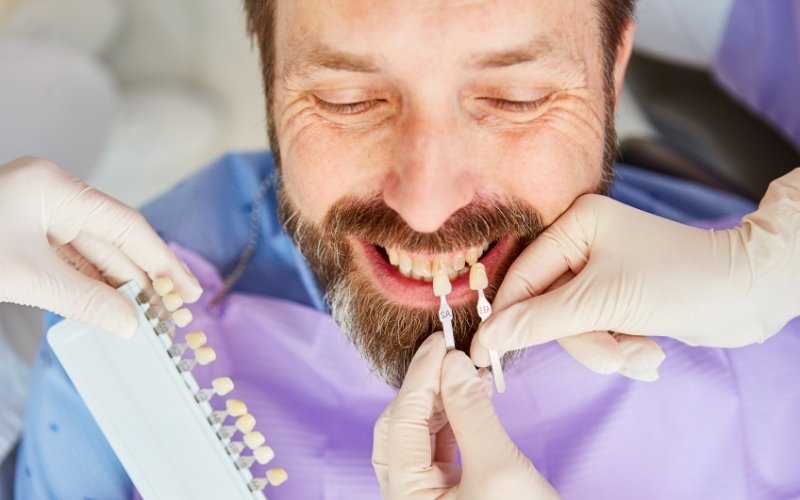
Can You Whiten Porcelain Veneers?
No, porcelain veneers cannot be Whitened. They’re smooth and non-porous, so whitening gels can’t soak in.
Can you whiten veneers? Get clear answers on porcelain vs. composite and why bleaching won’t change veneer color.
Learn safe ways to brighten, when to polish or replace, and simple daily habits to keep your smile stain-free.
Satisfied Patient Reviews
EXCELLENTTrustindex verifies that the original source of the review is Google. Service impeccable. Je suis venue pour des implants. La prise en charge a été rapide et la douleur pendant et après l’opération a été à peine ressentie. Clinique très professionnelle et chirurgien expert. Personnel très accueillant, en particulier la Directrice. Recommande à tous ceux qui sont à la recherche de professionnels pour régler des problèmes dentaires Suis venue finaliser la pose des implants et des couronnes. Résultat impécable!Posted on GoogleTrustindex verifies that the original source of the review is Google. I visited from England and had a positive experience. I went for a Hollywood Smile look and couldn’t be happier with them. The clinic was very aesthetic & clean, the staff were very attentive and supportive & I high recommend them.Posted on GoogleTrustindex verifies that the original source of the review is Google. İmplantlarımı ve zirkyonyumlarımı yaptırdım 2 sene önce iyiki yaptırmışım çok memnunum doktorum emrah hoca işinde çok iyi birisi tüm çalışanlara çok teşekkür ediyorum güler yüzlü anlayışları için gülşah hanıma ayriyetten teşekkür ederim 🌹Posted on GoogleTrustindex verifies that the original source of the review is Google. Çok güzel ve güveninirPosted on GoogleTrustindex verifies that the original source of the review is Google. Friendly and approachable staff, above all I haven’t experienced any pain what so ever, it does truly shows core professionalism. Coming from Wolverhampton, UK and made implant surgery with sinuslifting Gedi JafarPosted on GoogleTrustindex verifies that the original source of the review is Google. Ik Marco, hebt mijn gebit laten doen bij Avangart.. En ben door lieve mensen goed ontvangen en behandeld.. Kliniek zeer hygienisch en goede apparatuur.. Deze kliniek zo ik zeker aanraden om je laten behandelen..😁Posted on GoogleTrustindex verifies that the original source of the review is Google. I traveled from the U.S. and had Avantgart Clinic positively transform my smile in a manner that I wouldn’t have conceived as being possible. Dr. Egemen, a true master in his field, was patient, considerate, and communicative throughout the process and his assistant, Sevim, was a real joy to work with. Together, the two of them combined to make the overall experience much greater than I could have ever hoped for, and the end result is a smile that is on par with the most glamorous of Hollywood stars. I am extremely satisfied and would highly recommend Avangart Clinic to anyone looking to enhance their smile at a great price and of the highest quality.Posted on GoogleTrustindex verifies that the original source of the review is Google. Herkes mükemmel ıscılık mükemmel teşekkür edıyorumPosted on GoogleTrustindex verifies that the original source of the review is Google. Emrah bey‘in diş konusundaki tecrübesi, güler yüzü ve uzmanlığı nedeniyle diş tedavilerim için her seferinde Avusturya‘dan İstanbul’a gelmekteyim. Diş kliniği de son teknolojik donanıma sahip güven verici muayenehaneler içermekte.Posted on GoogleTrustindex verifies that the original source of the review is Google. Güler yüzlü ekip, temiz ve modern bir klinik. Tedavi sürecim baştan sona çok profesyoneldi. Gönül rahatlığıyla tavsiye ederim.Verified by TrustindexTrustindex verified badge is the Universal Symbol of Trust. Only the greatest companies can get the verified badge who has a review score above 4.5, based on customer reviews over the past 12 months. Read more
Can You Whiten Veneers? Here's What You Need to Know
Your smile is how you say hello to the world. Veneers can make it brighter and boost your confidence. But if that shine fades and the color changes, it’s natural to wonder, can veneers be whitened?
Here’s the quick truth: traditional whitening gels don’t work on porcelain. Polishing at the dentist can refresh the surface, but bleach won’t change the veneer itself. That’s why smart care and stain prevention matter from day one.
In this guide, we’ll explain why veneers discolor, what actually helps, and when it’s time to clean, polish, or replace. We’ll also talk about travel options like dental veneers Turkey, and high-end options like Emax veneers Turkey. Simple steps, straightforward answers, and happier smiles.
We’ll show the difference between porcelain and composite, in plain language. Porcelain resists stains, yet the edges where it meets your tooth can darken with age. Composite can pick up surface stains, and at-home bleaching rarely fixes that.
Why Do Veneers Lose Their Natural Shine Over Time?
Why veneers lose shine? Veneers can fade for a few simple reasons. Materials matter, and daily habits do too. Understanding the “why” helps you choose fixes that actually work.
- Composite picks up color: these resin veneers act like sponges for pigments. Tea, coffee, and red wine cling to the surface. Over months, a light shine can turn into a dull, uneven tone.
- Porcelain isn’t the culprit; cement is: the shell resists stains, but the bonding layer can darken. Because porcelain is slightly see-through, that shadow shows. It can look like the veneer is stained.
- Tiny scratches trap gunk: stiff brushes or gritty pastes create micro-scratches. Those grooves hold plaque and color, dulling the gloss. Gentle tools and professional polishing help restore the smooth sheen.
- Tobacco leaves a film: smoke and tar settle on teeth and veneers alike. That sticky layer mutes the shine, especially along edges and texture lines. Quitting or cutting back makes a visible difference.
- Time and fit changes: veneers wear away like any dental work. Around 6–7 years, margins show, and gums may recede. Exposed edges catch stains, and the overall look appears older.
- What actually helps: professional cleaning and careful polishing can brighten the surface. Daily, use a soft brush and non-abrasive paste, and rinse after dark drinks. Teeth whitening for veneers isn’t a magic fix; severe discoloration often needs replacement.
Are There Safe Ways to Brighten Discolored Veneers?
Yes, you can safely brighten veneers, but not with bleach-at-home kits. Most whitening gels don’t change veneer color, and misusing them can irritate gums. The smart first step is a dental checkup to see what’s causing the dullness and what will actually help.
- Skip DIY bleaching: porcelain is non-porous, so whiteners can’t soak in and lift color. Composite resin also doesn’t react well to bleaching. That’s why veneer teeth whitening usually means “polish and clean,” not “bleach and brighten.”
- Professional polish works: a hygienist can remove surface stains and smooth tiny scratches. Your dentist can also re-glaze or finely polish porcelain to boost its luster. You’ll walk out looking fresher without risking damage to the veneer.
- Better home habits: use a soft brush and non-abrasive toothpaste; avoid gritty pastes and baking soda. Rinse after coffee, tea, or red wine, and don’t smoke. These small moves keep pigments from sticking and help your polish last longer.
- When cleaning isn’t enough, dark edges often come from aging bonding cement or gum recession. If stains show through or the veneer is worn out, replacement is the reliable fix. Your dentist will tell you if one tooth or several need updating.
- Thinking about care abroad? A dentist in Turkey can handle polishing or replacement, often with modern ceramics like E-max. Ask for before-and-after photos, lab details, and a maintenance plan. Be wary of anyone promising to “bleach veneers.” Polish, or replace, is the evidence-based route.
How to Keep Veneers White and Stain-Free for Longer
Keeping veneers bright is mostly about smart habits. Cut back on stain-makers like coffee, tea, red wine, and tobacco; when you do have them, brush soon after. If you can’t brush, rinse your mouth with water to clear pigments before they stick.
Choose a soft-bristle brush and a gentle toothpaste made to polish dental work. Ask your dentist which formulas have micro-polishers that smooth the surface without scratching. Skip baking-soda pastes; they can roughen the glaze and trap color.
Using a straw for iced drinks helps keep color away from the front teeth. Try not to sip slowly over hours, since long contact increases staining. Avoid hard scrubbing; pressure does more harm than good, gentle circles clean without dulling the shine.
Rinse after meals, keep up regular cleanings, and your veneers will stay glossy longer. Remember, bleaching gels don’t change veneer color, so teeth whitening veneers usually means professional cleaning and careful polishing. For mixed smiles, your dentist can tailor teeth whitening for crowns and veneers so everything matches naturally.
Smart Care Tips to Protect the Color and Quality of Your Veneers
Daily care keeps veneers bright. Treat them like your natural enamel and pay attention to what touches their surface. Try to limit color-heavy foods and drinks like coffee, tea, curry, pasta sauce, berries, and balsamic vinegar as they can all leave a mark. These small choices add up, and they protect both color and shine.
Love your morning coffee but hate stains? Keep the habit, just change the routine. Brush soon after you finish; if you’re out, rinse well with water to wash pigments away. These quick steps help stop buildup before it dulls the smile you worked hard for.
Use a soft-bristle brush and a gentle, non-abrasive toothpaste to avoid scratching the glaze. Book regular professional cleanings to remove film and refresh the surface. If you’re wondering how to whiten porcelain teeth, remember bleaching gels won’t lighten porcelain; polishing and, when needed, replacement are the go-to fixes for veneers white teeth that last.
Thinking about care or upgrades abroad? Research options like laminate veneers turkey, and ask for a clear plan for cleaning and follow-up. Choose trained teams and quality labs, and keep up your at-home routine once you’re back. Do the basics well, see your dentist on schedule, and enjoy your smile with confidence.
Key Takeaways on Whitening Veneers Safely
- Porcelain veneers don’t stain like natural enamel, but they’re not stain-proof.
- Over time, pigments from coffee, tea, or smoke can mute the shine, and aging cement lines can show through.
- The best defense is everyday care: rinse after dark drinks, brush gently, and keep your polish smooth.
- If color changes, skip DIY bleaching as whiteners don’t lift veneer shade.
- A dentist can clean or re-glaze to brighten safely; if stains run deep or veneers are worn, replacement may be the right call.
- Don’t stress: a quick visit can map the safest path to a fresher smile.
Before and After: Transformative Results with Avangart Clinic
We carry out all our dental treatments with care and strive to give your smile an elegant appearance.


Frequently Asked Questions
No, porcelain veneers cannot be bleached whiter. They're smooth and non-porous, so whitening gels can't soak in. At-home kits won't change their shade.
What can help is professional care. Your dentist can remove surface stains, polish, or re-glaze to restore shine. If dark edges show from aging cement or wear, replacement is the reliable fix.
Plan for color matching, too. If you whiten natural teeth, do it before new veneers so everything matches. When in doubt, ask your dentist which option (polish or replace) fits your case.
No. DIY veneer whitening is ineffective and risky. Whitening gels can't soak into porcelain, and composite doesn't lighten well. So the shade won't change even if your gums feel it.
Bleach can irritate tissue and weaken edges if misused. Gritty toothpastes may scratch the glaze, making stains stick faster. Overdoing it can also leave your teeth and veneers with different colors.
A safer option: visit your dentist for a cleaning and gentle polishing. If the stains are severe, they can restore the gloss or recommend replacement. Ask for a simple home routine to keep the shine between visits.
Usually, no, composite resin veneers don't truly "bleach." Lightening gels won't change the resin's shade; they mainly whiten nearby enamel, which can create a color mismatch. So DIY whitening isn't helpful here.
What can help is professional care. A hygienist can remove surface stains, and your dentist can re-polish to smooth micro-scratches and restore gloss. If discoloration is shallow, a thin re-surfacing layer of fresh composite can refresh the look.
When stains come from older resin, bonding lines, or wear, replacement is the reliable fix. Your dentist will weigh polish vs. re-surface vs. replace based on the depth of the stain and the age of the veneer. That path gives you the most natural, lasting result.