Wisdom Teeth Recovery Timeline: A Day By Day Ultimate Guide

Dr. Emrah YEŞİLYURT
Dr. Emrah Yeşilyurt is the Founder of Avangart Clinic. He combines advanced dental expertise with a genuine commitment to helping patients feel comfortable and informed about their oral health journey.
If you have a wisdom tooth extraction coming up, or you are already recovering at home and unsure whether your symptoms are normal, you are not alone. Many people feel relatively relaxed about the procedure, only to become more anxious afterward when the numbness fades, and they start noticing swelling, soreness, and other normal signs of healing.
The good news is that healing usually follows a fairly predictable pattern. When you know what tends to happen on day 1, day 2, and the days after that, it becomes much easier to stay calm, look after the area properly, and avoid mistakes that can slow recovery down.
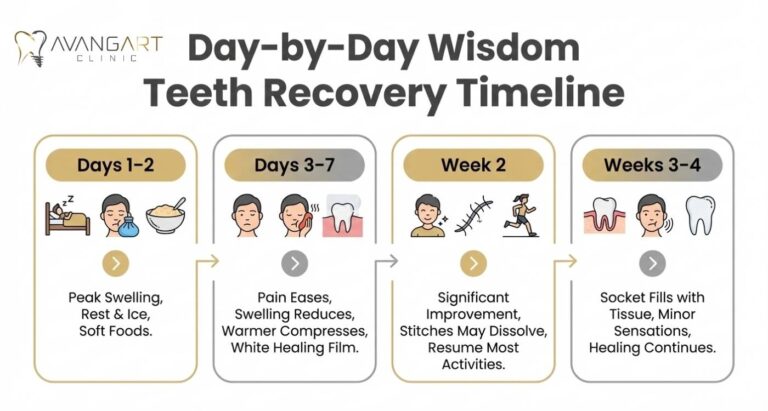
This guide gives you a clear wisdom teeth recovery timeline so you know what to expect at each stage. We will walk you through the normal wisdom tooth recovery day by day, including pain, swelling, eating, cleaning your mouth, and the symptoms that should not be ignored.
Table of Contents
What to Expect Immediately After Surgery (Hours 1-24)
In the first few hours after surgery, the main job is simple: protect the blood clot. Once your wisdom tooth has been removed, a blood clot starts forming at the extraction site. That clot is not something to clean away or check on. It is the first and most important part of the healing process, and disturbing it too early can lead to unnecessary bleeding or a dry socket (a painful condition).
Begin by biting gently but firmly on the gauze your dentist placed over the extraction site, and keep it there for about 30 to 60 minutes. Only replace it if it becomes soaked. A little oozing is normal at this stage, but ongoing heavy bleeding is not.
Take your pain relief before the local anaesthetic fully wears off, exactly as your dentist or surgeon advised. This can help keep discomfort under control as the numbness fades.
For the rest of the day, keep your head elevated, even when lying down. Two pillows are often better than one. This small step can help reduce bleeding and limit early swelling.
This is also the stage where wisdom teeth removal aftercare day by day matters most. Eat only cool or room temperature soft foods, avoid touching the area with your tongue, and do not spit, smoke, rinse vigorously, or drink through a straw. Even gentle suction can pull the clot away before it is stable.
If you see the first day as the foundation of healing, the rest of recovery often feels easier to manage. At this stage, quiet rest, short periods of cold compresses, and simply leaving the area alone usually help more than trying to do too much.
Days 2 to 3: The Peak of Swelling and Bruising
For a lot of patients, this is the part of recovery that feels the most frustrating. Swelling often becomes more obvious on the second day, and by day 3 after wisdom teeth removal, your cheeks may feel fuller, your jaw may feel stiff, and opening your mouth properly can be uncomfortable. That can feel alarming if you were expecting to be better by then, but it is usually a normal part of healing.
This is also the stage when some people start to notice bruising along the cheek, jawline, or even slightly down the neck. If you had impacted teeth removed or needed a more complex extraction, these symptoms can be more noticeable. Tightness in the jaw muscles, often called trismus, is also common because the tissues around the area are inflamed.
For many people, this is close to the worst day of pain after wisdom tooth extraction. Not always because something is going wrong, but because swelling, pressure, and stiffness are all at their highest at the same time. The important thing is to watch the direction of recovery.
If symptoms are peaking around now and then begin to settle, that fits the normal wisdom teeth swelling timeline.
Keep using a cold compress during the first 48 hours. After that, a warm compress is often more helpful for easing jaw stiffness and helping the muscles relax. Continue with soft foods, drink plenty of water, and give yourself a bit more rest than usual while the swelling settles.
Days 4 to 7: Pain Reduction and Stitches Dissolving
This is usually the stage where patients start to feel that recovery is moving in the right direction. The sharp soreness of the first few days often begins to settle, swelling continues to come down, and the jaw starts to feel less tight. In a normal wisdom teeth extraction recovery timeline, days 4 to 7 are often the point where discomfort becomes more manageable.
Eating also tends to feel easier during this phase. You may still prefer a soft diet, but many people can move beyond very smooth foods and start having pasta, soft rice, eggs, or tender fish. However, it is still important to chew carefully and avoid anything hard, crunchy, or spicy that could irritate the area.
If you had dissolvable stitches, this is often when they start to loosen or come away on their own. That can feel strange if you notice a small thread in your mouth, but it is usually part of normal healing. It does not mean the area has reopened.
If your clinic has advised it, you can use gentle warm salt water rinses to help keep the area clean. You can make this by dissolving 1/2 teaspoon of salt in 8 ounces of warm water. The rinse should be soft and passive, not vigorous. Think of it more as bathing the area than washing it.
By day 6, wisdom teeth recovery often feels noticeably easier, even if the area is still tender and not fully healed.
At this point, many patients are no longer focused on pain every hour. Instead, they notice small improvements day by day, which is exactly what we want to see.
Week 2 and Beyond: Soft Tissue Healing
By the second week, most people feel much more like themselves again. Eating becomes easier, speaking feels normal, and the extraction area is no longer the main thing on your mind. This is usually the stage when the swelling stops or is very close to fully resolving.
Around day 8, wisdom teeth recovery is usually more about sensitivity than real pain. By day 9, healing often feels steadier, with the gums looking calmer and the area feeling less tender during meals or when brushing nearby. For many patients, day 11 is the point when returning to a more normal routine feels easier, including a wider range of foods and light exercise, as long as recovery is still progressing comfortably.
That said, healing is not fully finished just because you feel better. The soft gum tissue usually closes over within a few weeks, but the bone underneath takes much longer to rebuild. The socket gradually fills in from below, and that part of recovery can continue for several months after the tooth extraction.
At this stage, it is reasonable to return to firmer foods and more vigorous physical activity little by little rather than all at once. If something feels sharp, swollen again, or unexpectedly painful, slow down and let the area settle. Recovery should now feel gradual, quiet, and consistently better week by week.
The Wisdom Teeth Recovery Diet: What to Eat and When
What you eat in the first days after surgery really does affect how comfortable recovery feels. After a tooth extraction, the area is still delicate, and the wrong food can irritate the site, put pressure on the jaw, or leave small bits of food trapped where healing is still taking place. In the beginning, softer and simpler is usually the safest choice.
- Days 1 to 2: In the first couple of days, stick to foods that are very soft, smooth, and not too hot. Yogurt, smoothies eaten with a spoon, lukewarm soup, pureed vegetables, and mashed banana are usually easy to manage. If you have a smoothie, avoid unstrained berry blends, because small seeds can get trapped around the extraction site. On day 2 of wisdom teeth removal recovery, many patients still do not feel ready for proper chewing, and that is completely normal.
- Days 3 to 5: This is usually when eating starts to feel a little less awkward. You can often move on to foods like mashed potatoes, scrambled eggs, oatmeal, soft pasta, and well-cooked rice. By wisdom teeth removal day 3, appetite often starts to return before the mouth feels fully ready, so it is still best to avoid spicy foods, crunchy snacks, toast, nuts, and anything with small seeds.
- Days 6 onward: As the tenderness settles, you can begin adding more texture. By wisdom teeth day 6, many people can handle a wider range of foods, but it is still smart to be careful with anything sharp, chewy, or crumbly.
By week two, most patients are getting close to eating normally again. The simplest rule is to listen to the area. If a food feels uncomfortable or tends to collect near the socket, give it a little more time and try again later.
Normal Healing vs. Dry Socket: When Should You Call the Dentist?
Some discomfort, swelling, and a dull throbbing feeling are normal after wisdom tooth removal, especially in the first few days. What matters is the direction of recovery. Even if day 2 or 3 feels rough, the pain should gradually start to settle, not suddenly become much worse after it seemed manageable.
Dry socket feels different from normal healing. It usually happens when the blood clot at the extraction site is lost too early, leaving the area underneath exposed. The pain is often more severe, sharper, and more persistent than normal healing pain. Patients often describe it as a deep, radiating pain that spreads toward the ear, jaw, or side of the face, usually around days 3 to 5.
A simple way to think about it is this: normal healing tends to feel uncomfortable but gradually calmer, while dry socket tends to feel like recovery has gone in the wrong direction.
You should call the dentist if you notice:
- Pain that becomes severe or starts getting worse after the first few days
- A bad taste or unpleasant smell in the area
- Fever or feeling generally unwell
- Pus or discharge from the socket
- Bleeding that does not settle
- Swelling that keeps increasing instead of easing
- Numbness, tingling, or altered sensation in the lip, chin, tongue, or gums that does not improve once the anaesthetic should have worn off, or is still present after 24 hours.
- Difficulty swallowing, breathing, or opening the mouth.
If something feels noticeably worse instead of gradually improving, it is always worth getting checked. In that situation, a proper review is more helpful than waiting and hoping it will settle on its own.
5 Golden Rules for a Faster Wisdom Tooth Recovery
A smoother recovery usually comes down to a few simple habits done consistently.
These five rules make the biggest difference:
- Rest properly: For the first couple of days, take it easy and keep your head slightly elevated when lying down. This helps reduce swelling and can limit oozing. Pushing yourself too soon often makes the area feel more sore and irritated.
- Stay hydrated, but avoid the straw: Drinking water helps your body heal, prevents your mouth from feeling dry, and can make you feel better overall. Just sip from a glass or bottle. Straw suction can disturb the clot when it is still fragile.
- Take your medication as advised: Pain relief works best when you stay ahead of the discomfort rather than waiting until the pain becomes intense. If you were given antibiotics or other medication, follow the instructions exactly and finish the course unless your dentist tells you otherwise.
- Be gentle with oral hygiene: Keeping the mouth clean matters, but this is not the time for aggressive brushing or forceful rinsing. Clean the rest of your teeth as normal, and be especially careful around the extraction area until the site has had more time to heal.
- Be patient with the timeline: Recovery is not always perfectly even. One part of the day can feel better than another. Small improvements count, and healing usually goes more smoothly when you let it happen instead of checking the area constantly.
FAQs
Most people feel the most discomfort in the first 2 to 3 days, then notice it easing bit by bit. By the end of the first week, pain is usually much more manageable. If it suddenly gets worse after starting to improve, it is worth contacting your dentist.
Yes, but very gently. You can brush the other teeth as normal, just stay away from the extraction site and do not scrub near it. The main thing on day one is to keep the area undisturbed, so avoid forceful rinsing or spitting as well.
For the first 2 to 3 nights, it is usually better to sleep with your head slightly raised to help with swelling and light bleeding. After that, many people can go back to sleeping on their side, as long as it feels comfortable and does not put pressure on the sore area.
Experiencing Post-Op Complications? Contact Avangart Clinic Today
If your pain is getting worse after day 3, rather than slowly settling, it is better not to wait and see. The same applies if you notice increasing swelling, fever, pus, a bad taste, or difficulty swallowing. These are signs that the area may need to be checked properly.
At Avangart Clinic, we would rather hear from you early than have you sit at home wondering whether something is normal. Sometimes it is only part of recovery. Sometimes it needs treatment. Either way, getting clear advice quickly can make a real difference.
You can contact our team directly at +90 542 146 82 11 or email contact@avangartclinic.com if you are concerned about your healing.
If you are exploring restorative and cosmetic treatment options in Istanbul after completing your recovery, you can also learn more about our Dental Implants Turkey services.

Your surgery is only as good as the hands performing it. Our clinical team is led by Dr. Emrah Yeşilyurt, the innovator behind Toronto Hybrid Technology and Dr. Egemen Aras. Together, they bring over two decades of combined experience in Turkish and international dentistry.
Dr. Emrah YEŞİLYURT | Maxillofacial Surgeons & Prosthodontists
Satisfied Patient Reviews
EXCELLENTTrustindex verifies that the original source of the review is Google. Service impeccable. Je suis venue pour des implants. La prise en charge a été rapide et la douleur pendant et après l’opération a été à peine ressentie. Clinique très professionnelle et chirurgien expert. Personnel très accueillant, en particulier la Directrice. Recommande à tous ceux qui sont à la recherche de professionnels pour régler des problèmes dentaires Suis venue finaliser la pose des implants et des couronnes. Résultat impécable!Posted on GoogleTrustindex verifies that the original source of the review is Google. I visited from England and had a positive experience. I went for a Hollywood Smile look and couldn’t be happier with them. The clinic was very aesthetic & clean, the staff were very attentive and supportive & I high recommend them.Posted on GoogleTrustindex verifies that the original source of the review is Google. İmplantlarımı ve zirkyonyumlarımı yaptırdım 2 sene önce iyiki yaptırmışım çok memnunum doktorum emrah hoca işinde çok iyi birisi tüm çalışanlara çok teşekkür ediyorum güler yüzlü anlayışları için gülşah hanıma ayriyetten teşekkür ederim 🌹Posted on GoogleTrustindex verifies that the original source of the review is Google. Çok güzel ve güveninirPosted on GoogleTrustindex verifies that the original source of the review is Google. Friendly and approachable staff, above all I haven’t experienced any pain what so ever, it does truly shows core professionalism. Coming from Wolverhampton, UK and made implant surgery with sinuslifting Gedi JafarPosted on GoogleTrustindex verifies that the original source of the review is Google. Ik Marco, hebt mijn gebit laten doen bij Avangart.. En ben door lieve mensen goed ontvangen en behandeld.. Kliniek zeer hygienisch en goede apparatuur.. Deze kliniek zo ik zeker aanraden om je laten behandelen..😁Posted on GoogleTrustindex verifies that the original source of the review is Google. I traveled from the U.S. and had Avantgart Clinic positively transform my smile in a manner that I wouldn’t have conceived as being possible. Dr. Egemen, a true master in his field, was patient, considerate, and communicative throughout the process and his assistant, Sevim, was a real joy to work with. Together, the two of them combined to make the overall experience much greater than I could have ever hoped for, and the end result is a smile that is on par with the most glamorous of Hollywood stars. I am extremely satisfied and would highly recommend Avangart Clinic to anyone looking to enhance their smile at a great price and of the highest quality.Posted on GoogleTrustindex verifies that the original source of the review is Google. Herkes mükemmel ıscılık mükemmel teşekkür edıyorumPosted on GoogleTrustindex verifies that the original source of the review is Google. Emrah bey‘in diş konusundaki tecrübesi, güler yüzü ve uzmanlığı nedeniyle diş tedavilerim için her seferinde Avusturya‘dan İstanbul’a gelmekteyim. Diş kliniği de son teknolojik donanıma sahip güven verici muayenehaneler içermekte.Posted on GoogleTrustindex verifies that the original source of the review is Google. Güler yüzlü ekip, temiz ve modern bir klinik. Tedavi sürecim baştan sona çok profesyoneldi. Gönül rahatlığıyla tavsiye ederim.Verified by TrustindexTrustindex verified badge is the Universal Symbol of Trust. Only the greatest companies can get the verified badge who has a review score above 4.5, based on customer reviews over the past 12 months. Read more
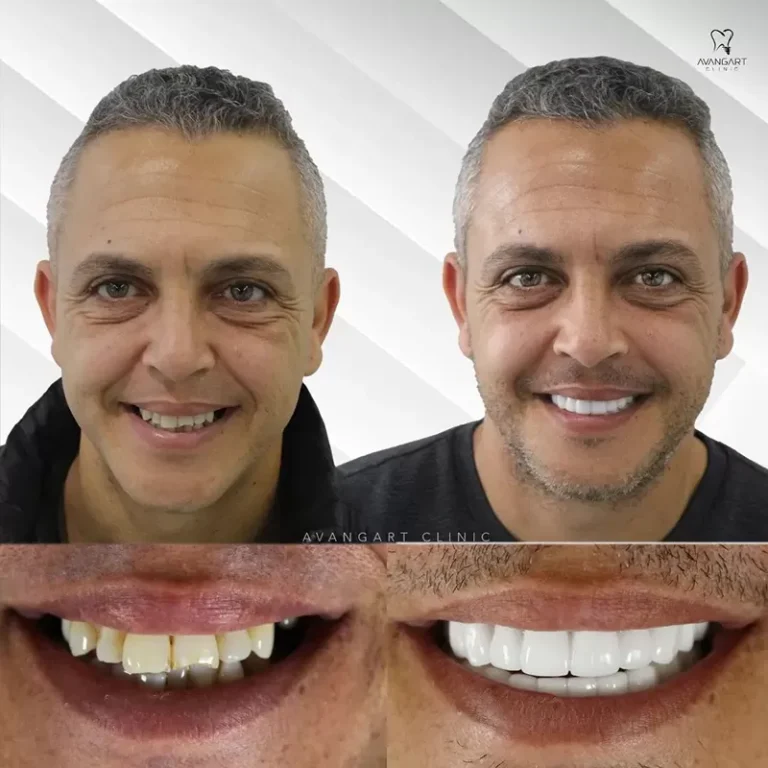
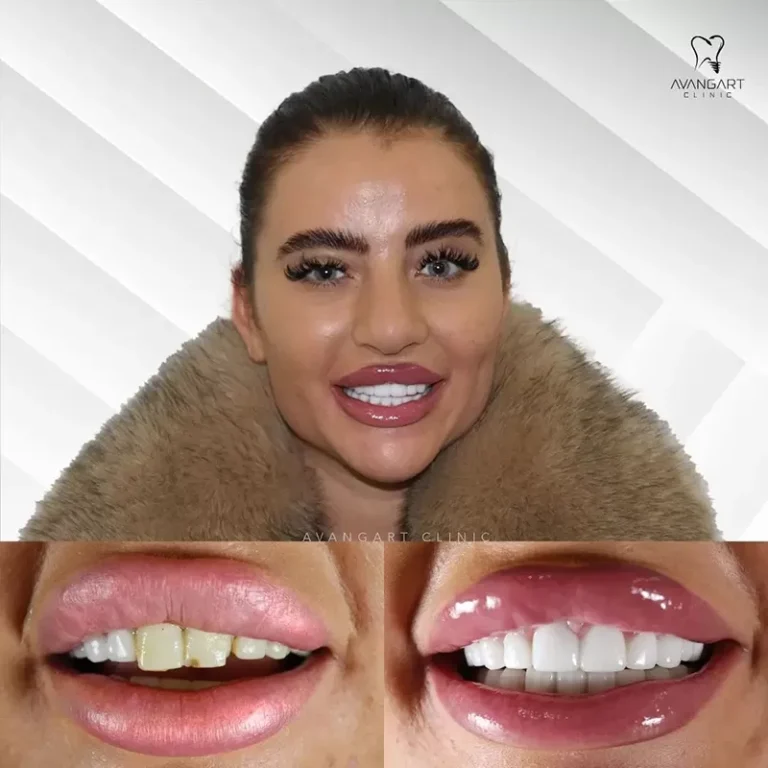
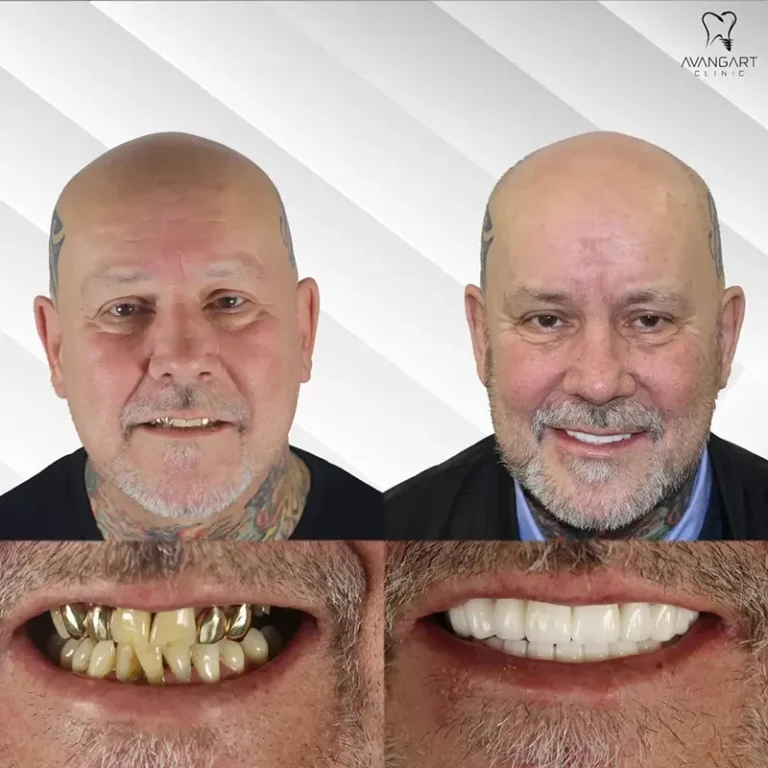
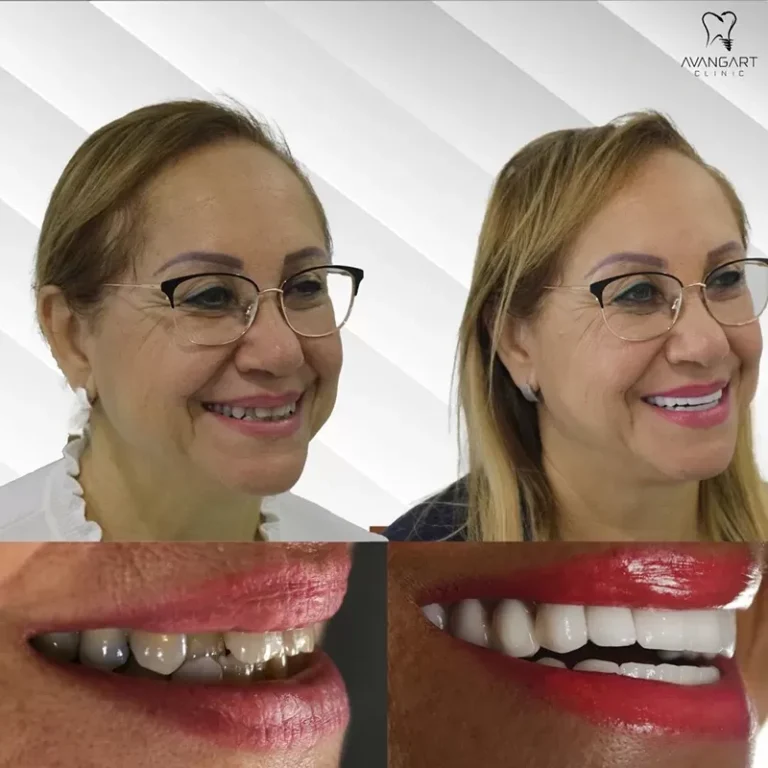
Before and After: Transformative Results with Avangart Clinic
We carry out all our dental treatments with care and strive to give your smile an elegant appearance.