Navigating CPAM and Mutuelle for Dental Implants in Turkey: A French Patient’s Guide

Dr. Emrah YEŞİLYURT
Dr. Emrah Yeşilyurt is the Founder of Avangart Clinic. He combines advanced dental expertise with a genuine commitment to helping patients feel comfortable and informed about their oral health journey.

Does CPAM Reimburse Dental Treatment in Turkey?
Generally, the answer is no for elective dental implant treatments. The European framework associated with Directive 2011/24/EU supports access to planned healthcare within the European system. Turkey falls outside the EU/EEA, so a French patient travelling there specifically for implants follows a different set of rules.
A trip to Istanbul for pre-arranged implants is considered soins programmés à l’étranger. According to Ameli, the Assurance Maladie only reimburses treatments outside the EU/EEA under exceptional conditions. Getting approval requires authorization from a national medical advisor, and patients must demonstrate that they cannot receive the appropriate care anywhere within France or the covered European zones.
Because of this, if you are planning a standard dental trip to Turkey, it’s safest to assume that CPAM will not cover the costs. You should plan your budget expecting to pay out-of-pocket, unless you’ve managed to get written approval from them in advance.
All exceptional requests for reimbursement are processed by the CNSE (Centre National des Soins à l’Étranger). Applications for treatments outside the EU/EEA must include a medical certificate justifying the necessity of the care. Please be aware of the timeline: if you do not receive a reply within two months of submitting your application, it is legally considered a refusal.
EU vs. Non-EU Planned Healthcare: What Changes?
| Treatment | Cover period | What is covered | Important notes |
|---|---|---|---|
| Dental implant treatment | 10 years | If an implant fails within the guarantee period, it may be replaced once at no extra charge, provided the case meets the policy terms and no exclusion applies. | Cover is subject to proper aftercare, good oral hygiene, and annual dental check-ups. Implant screw breakage is also covered under the material warranty. |
| Crowns and bridges | 5 years | Breakage, chipping, and cement failure. | If a minor repair can be done locally, a one-time contribution of up to €100 may be available under the policy. |
| Laminate veneers | 3 years | Breakage, chipping, and cement failure. | For suitable minor issues, a one-time local repair contribution of up to €100 may be available under the policy. |
If you receive planned treatment within the EU/EEA that does not require prior authorization, you can often claim a reimbursement after returning to France, up to the total amount you actually paid. The position is much stricter outside the EU/EEA.
Because of this strict boundary, it is crucial to separate EU dental tourism from Turkish dental tourism when researching your options. The insurance rules that apply to a clinic in Europe simply do not apply to a clinic in Istanbul.
We strongly recommend contacting CPAM about your individual case before you put down a deposit or purchase flights. It is always safer to get their decision in writing beforehand, rather than assuming your medical invoices will automatically qualify for reimbursement when you return.
Understanding the Implant vs. Crown Reimbursement Gap
French reimbursement rules separate the different parts of implant treatment. The titanium implant, abutment and final prosthetic restoration should not be treated as one reimbursable procedure.
The implant fixture is the titanium component placed into the jawbone. Implant surgery is generally not covered by the standard public health system, which is why you will often see it listed as hors nomenclature (outside the official classification).
The rules change slightly when we talk about crowns or other recognized prosthetics.
In the French system, your coverage revolves around two key terms:
- CCAM (Classification Commune des Actes Médicaux): The official medical code assigned to your specific procedure.
- BRSS (Base de Remboursement de la Sécurité Sociale): The reference price that CPAM uses as a baseline to calculate your final reimbursement.
For example, according to the current Ameli tariff tables (as of January 2026), the Sécurité Sociale sets a €120 reimbursement base for certain types of crowns.
However, it is important to understand that a full dental implant is not just one simple procedure. It has multiple parts. The rules for a crown placed on a natural tooth are completely different from a crown placed on an implant. The implant screw, the abutment (connector), and the final crown each have their own separate classifications, which drastically changes how they are covered.
Where 100% Santé Fits In
France’s ‘100% Santé’ system often causes a lot of confusion for patients trying to calculate their implant costs.
According to Ameli’s 2026 100% Santé guidance, this program does cover certain crowns, bridges, and removable dentures for patients who have a qualifying health contract (mutuelle). However, you should not mistake this list for general coverage on implant surgery.
If you are considering modern implantology protocols, it is crucial to look at your treatment plan in two distinct phases: the surgical part (placing the implant) and the prosthetic part (the crown).
Once you have this detailed breakdown, you can go to your insurer and ask a much better question: ‘Exactly which parts of this quote (devis) will my contract cover?’
How Your Mutuelle Can Cover Dental Work in Turkey
Your Mutuelle (complementary health insurance) operates under the specific terms of your private contract. Because of this, its rules can be quite different from CPAM, especially for treatments that the Assurance Maladie does not usually reimburse.
For example, some policies include a fixed annual allowance specifically for implants and other non-reimbursed dental work. However, other contracts might strictly exclude treatments done abroad or apply a strict reimbursement limit (plafond de remboursement).
To avoid any surprises, always send your insurer a complete dental quote (devis dentaire) before you travel. Be sure to ask them directly if your specific contract covers dental care outside the EU (soins dentaires hors UE).
You should also be very careful with benefits written as percentages, such as ‘200% BR’ or ‘300% BR.’ These percentages are tied to the Sécurité Sociale’s base rate. Because dental implants usually do not have a base rate (BRSS), a percentage-based benefit will simply equal zero. You will not get any money back for the implant itself unless your contract specifically includes a separate implant allowance.
Instead of percentages, look for a Mutuelle that offers:
- A fixed amount paid per implant.
- A specific yearly allowance for implantology.
- A general dental package covering procedures that the Assurance Maladie ignores.
- An international healthcare plan (just make sure to check its geographic rules).
The golden rule is to always read the fine print of your contract rather than trusting the big headline percentage.
If you are thinking about upgrading your Mutuelle before your trip, watch out for waiting periods (délais de carence) or clauses that exclude treatments you have already planned. You should also double-check exactly what month your yearly dental allowance resets.
Ultimately, your goal is to calculate exactly what your final out-of-pocket cost (reste à charge or RAC) will be before you book your flights.
3 Questions to Ask Your Mutuelle Before Traveling
To make things as easy as possible, we recommend emailing your proposed treatment plan to your insurer and asking them these exact questions:
- “Does my contract provide coverage for dental care and implantology performed outside the EU/EEA, specifically in Turkey, and what is my annual reimbursement cap?”
- “Can you confirm which procedures in my quote are eligible for coverage, particularly the crowns, abutments, or prosthetic elements, and which CCAM medical codes you require in my file?”
- “Do you accept a paid invoice and medical documents issued directly in French by the clinic, or do you require a certified translation by a sworn translator?”
In the same message, you should also ask two more important questions:
- Do I need to get prior approval (accord préalable) before I start my treatment?
- Can you review my claim directly, or do you require a CPAM statement first?
That last question is vital for understanding your timeline. Because processing rules vary wildly between contracts, there is no single reliable reimbursement timeframe for every patient.
Finally, be sure to save their written answers, a copy of the quote you sent them, and any claim reference numbers. Having this written evidence guarantees that you know exactly what your benefits are before you travel.
Does Your Mutuelle Require a Certified French Translation?
There is a common misconception that every foreign dental claim requires a sworn translator (traducteur assermenté). In reality, there is no universal rule. Translation requirements depend entirely on the terms of your individual contract.
A Mutuelle will often accept an invoice and medical report that the clinic has issued directly in French. However, because some insurers do strictly require certified translations, patients must secure written confirmation before traveling.
Even the official CPAM guidelines are more flexible than you might think. While the CERFA S3125e form requires original invoices and proofs of payment, it does not state that a sworn translation is always mandatory. In an April 2026 update on the Ameli forum, experts noted that patients should ask their local office before paying for translation services, as they aren’t always needed.
To protect yourself, always ask your insurer this question before your trip:
- “Will you accept documents issued directly in French by my Turkish dental clinic, or do you require certification by a traducteur assermenté?”
By confirming this in advance, you can avoid paying for an unnecessary sworn translation.
The Financial Reality: Why Turkey Can Still Cost Less Without CPAM
When comparing your options, the size of a potential CPAM reimbursement is not the most useful metric. What actually matters is the final amount you personally pay.
We recommend using this formula:
Dental Treatment + Flights + Accommodation – Confirmed Insurance Payments = Estimated Reste à Charge
For example, imagine you receive two clinically comparable full-mouth treatment plans:
| Treatment | Cover period | What is covered | Important notes |
|---|---|---|---|
| Dental implant treatment | 10 years | If an implant fails within the guarantee period, it may be replaced once at no extra charge, provided the case meets the policy terms and no exclusion applies. | Cover is subject to proper aftercare, good oral hygiene, and annual dental check-ups. Implant screw breakage is also covered under the material warranty. |
| Crowns and bridges | 5 years | Breakage, chipping, and cement failure. | If a minor repair can be done locally, a one-time contribution of up to €100 may be available under the policy. |
| Laminate veneers | 3 years | Breakage, chipping, and cement failure. | For suitable minor issues, a one-time local repair contribution of up to €100 may be available under the policy. |
As this example shows, you should only calculate reimbursements after comparing the complete cost of care. A smaller insurance contribution can still leave you with a much lower overall expense if the core treatment plan costs substantially less.
Sample Itemized Devis Line-Item Breakdown
Before you contact your Mutuelle to ask for a reimbursement estimate, double-check that your dental quote (devis) clearly separates the cost of each individual clinical component.
A full-arch implant plan might look like this:
| Treatment | Cover period | What is covered | Important notes |
|---|---|---|---|
| Dental implant treatment | 10 years | If an implant fails within the guarantee period, it may be replaced once at no extra charge, provided the case meets the policy terms and no exclusion applies. | Cover is subject to proper aftercare, good oral hygiene, and annual dental check-ups. Implant screw breakage is also covered under the material warranty. |
| Crowns and bridges | 5 years | Breakage, chipping, and cement failure. | If a minor repair can be done locally, a one-time contribution of up to €100 may be available under the policy. |
| Laminate veneers | 3 years | Breakage, chipping, and cement failure. | For suitable minor issues, a one-time local repair contribution of up to €100 may be available under the policy. |
Then add the travel costs:
| Treatment | Cover period | What is covered | Important notes |
|---|---|---|---|
| Dental implant treatment | 10 years | If an implant fails within the guarantee period, it may be replaced once at no extra charge, provided the case meets the policy terms and no exclusion applies. | Cover is subject to proper aftercare, good oral hygiene, and annual dental check-ups. Implant screw breakage is also covered under the material warranty. |
| Crowns and bridges | 5 years | Breakage, chipping, and cement failure. | If a minor repair can be done locally, a one-time contribution of up to €100 may be available under the policy. |
| Laminate veneers | 3 years | Breakage, chipping, and cement failure. | For suitable minor issues, a one-time local repair contribution of up to €100 may be available under the policy. |
This gives patients a much clearer figure than comparing the advertised “price per implant.”
Because treatments like All-on-6 full-arch restorations involve multiple surgical and prosthetic steps, you must always compare complete, written treatment plans rather than just looking at a single headline price.
For instance, patients with severe bone loss in their upper jaw might require specialized zygomatic implants that anchor directly into the cheekbone. These advanced cases have a completely different clinical process and cost structure compared to routine implants.
To get a true side-by-side comparison, we recommend placing your French quote (devis) right next to our transparent treatment prices. Go line by line: check the number and brand of the implants, the temporary teeth, the final crown materials, the 3D imaging, and any required bone grafting.
While the general popularity of medical travel is impressive (official data on Turkish health tourism shows nearly 1.4 million healthcare visitors in 2025 alone), broad statistics do not guarantee that your specific procedure will be cheaper. When calculating your actual savings, your own customized treatment plans are the only numbers you should trust.
Required Documents for French Insurance Claims
The exact requirements will depend on your insurer, but you should never leave Turkey without a complete financial and clinical file.
Make sure you have collected:
- A detailed, paid invoice (facture acquittée or facture détaillée) showing every treatment and the exact amount you paid.
- Solid proof of payment (like a card receipt or bank transfer confirmation).
- Your original treatment plan and quote (devis).
- A clear medical report detailing your treatment.
- Any specific CCAM codes your Mutuelle requested.
- Your panoramic X-rays (radiographie panoramique) from before and after the treatment.
- Your implant passport (passeport implantaire), which proves the brand, lot number, and traceability of your implants.
- Any written pre-treatment authorization you received from your insurer.
Understanding the CERFA S3125e Form
For foreign healthcare claims, you can submit your request using the official CERFA S3125e form for care received abroad. This form requires you to attach your original paid invoices and proof of payment. You might also be able to submit these expenses directly through the foreign healthcare section of your Ameli online account.
However, please remember that submitting the form does not guarantee a refund. Filing the CERFA S3125e simply gives the health insurance board the information they need to review your case. Because Turkey is outside the EU/EEA, the strict Ameli rules for foreign care still apply.
The same logic goes for your Mutuelle: providing an invoice does not force them to pay unless your specific contract covers the treatment.
Check Your Documents Before You Leave
You should review your administrative file just as carefully as you follow your step-by-step clinical timeline.
Before you leave the clinic for the final time, take a moment to verify that:
- Your full name exactly matches your insurance records.
- All treatment dates are correct.
- Procedures are listed individually, not lumped together as a vague “package.”
- The invoice totals perfectly match what you paid.
- The invoice is clearly marked as “paid.”
- Your implant passports and traceability documents are in your folder.
- Any French language documents your insurer asked for are ready to go.
It is always infinitely easier to fix a missing detail while you are still sitting in the clinic than it is to request it after you have flown back to France!
How Avangart Clinic Supports French Patients
At Avangart Dental Clinic in Istanbul, we are dedicated to helping our French patients build a clear, comprehensive administrative file both before and after their treatment.
Before you travel, our French-speaking patient coordinators will prepare a highly detailed quote (devis) that separates every clinical component. You can forward this directly to your complémentaire santé to request a written assessment of your coverage.
If your insurer demands specific wording, detailed treatment descriptions, or exact CCAM references, simply pass those requirements on to your coordinator before you arrive. We will do everything we can to format your supporting documentation exactly how your insurer wants it (though please note we cannot force a French insurer to accept a specific classification).
After your treatment is complete, we will hand you an itemized bill, French-language treatment reports, and all the traceability details for your implants (including brand references and lot numbers). If your Mutuelle previously confirmed that documents issued directly in French by our clinic are acceptable, these records should save you from paying for a separate translation. (If they strictly require a traducteur assermenté, you will need to arrange for that certification based on their instructions).
The Final Word on Reimbursements
We want to be completely transparent: no clinic in the world can guarantee that CPAM or your Mutuelle will approve your claim. The public health system and private insurers make their own independent reimbursement decisions.
Because of this, you should always look at the big picture. When choosing a clinic, financial paperwork is only one piece of the puzzle. You must always weigh the costs alongside strict clinical hygiene and patient safety standards, as well as the clinic’s international healthcare accreditations and official partnerships.
At Avangart Dental Clinic, every treatment plan is thoroughly reviewed by our expert dental team, including Dr. Emrah Yeşilyurt, where relevant to the case.
- Ready to transform your smile with confidence? Reach out to Avangart Dental Clinic today for a free, no-obligation treatment plan. Once you have it, you can easily compare your true costs and send the exact details to your Mutuelle. We are here to ensure you make your decision based on absolute financial transparency, not guesswork.
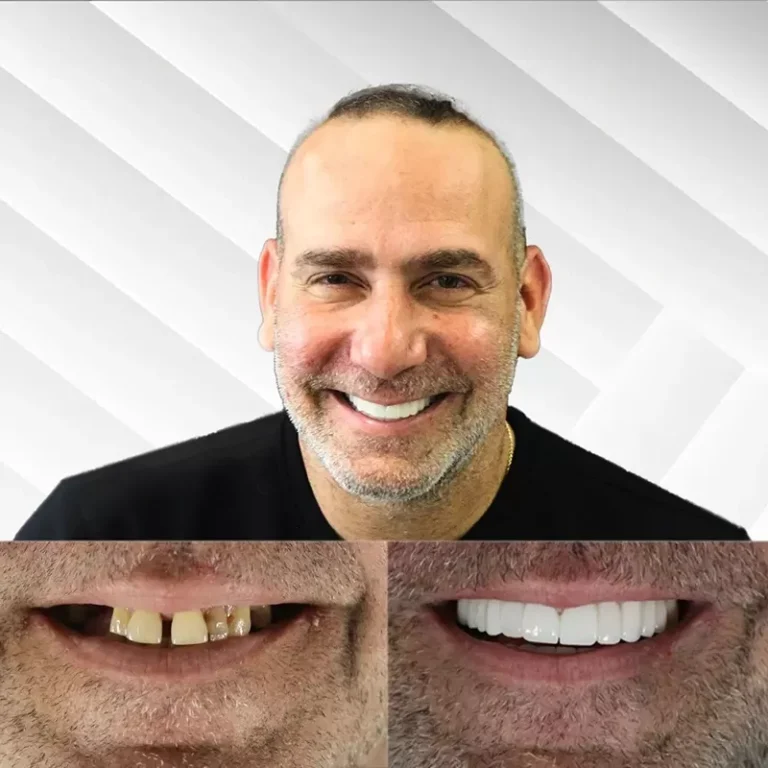
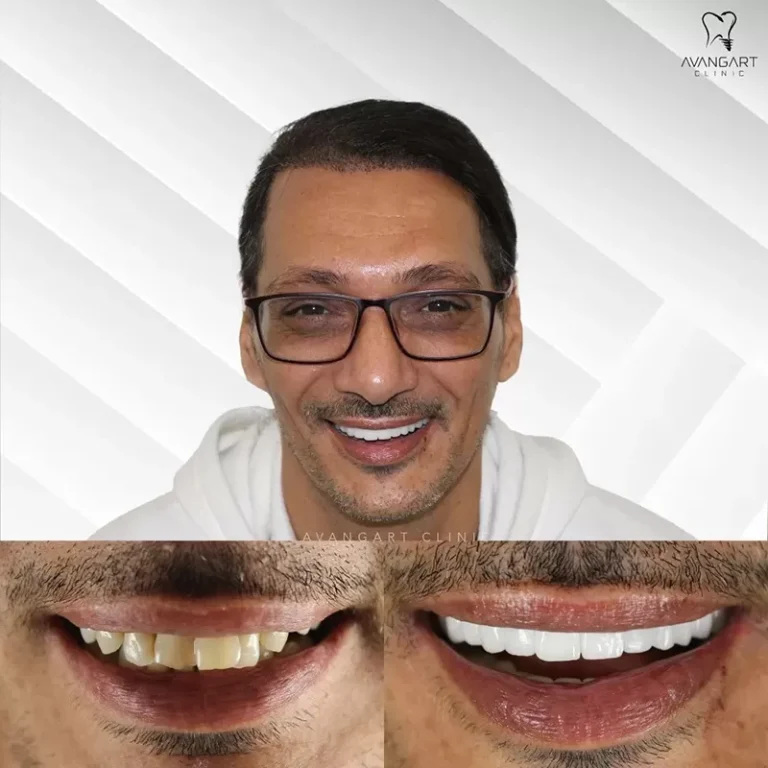
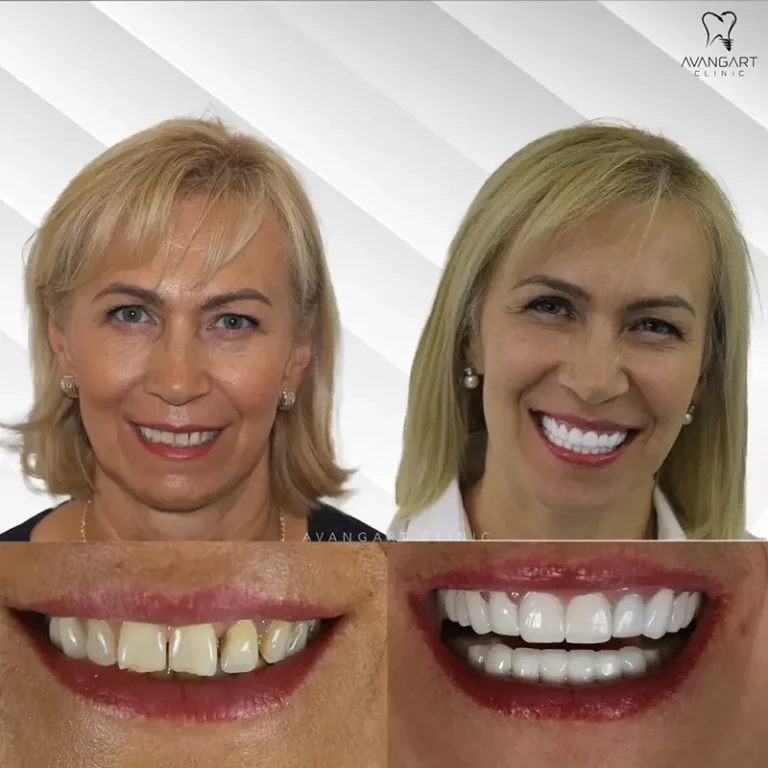
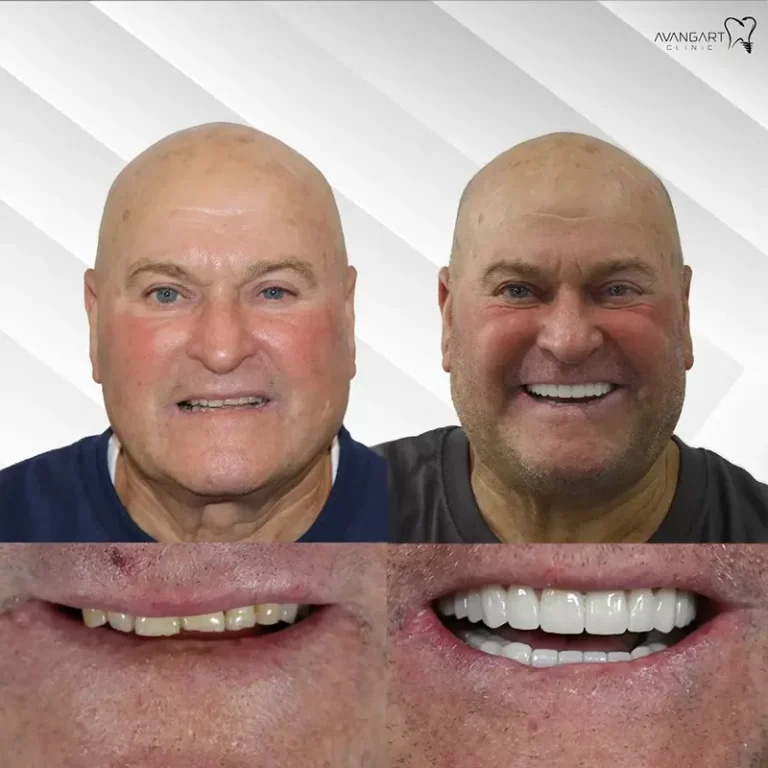
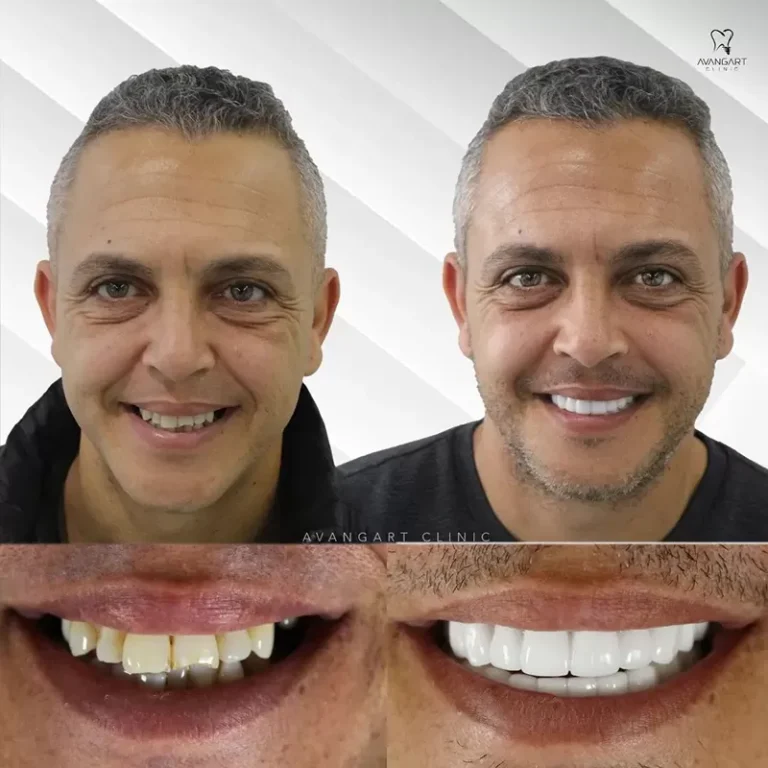
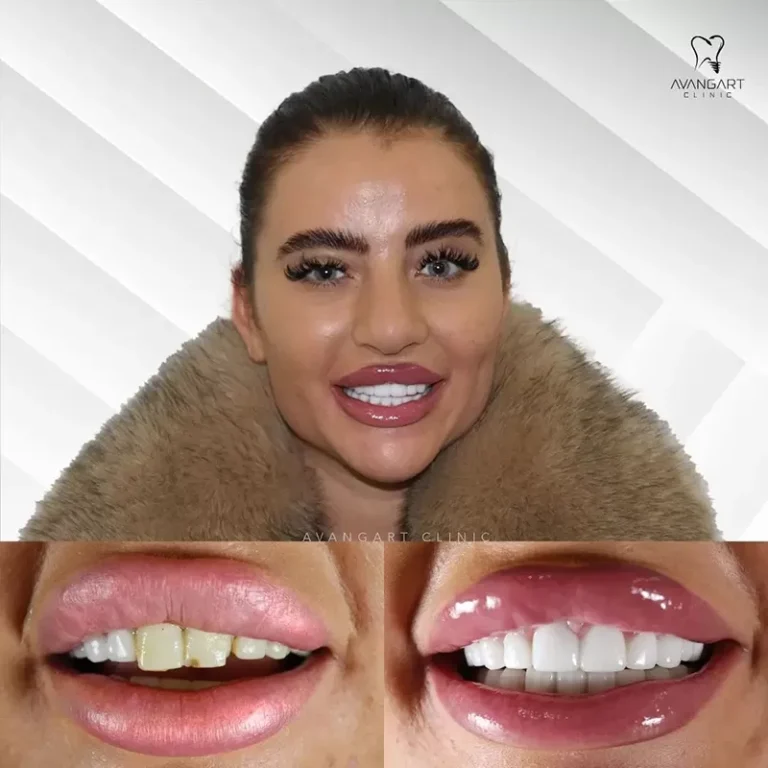
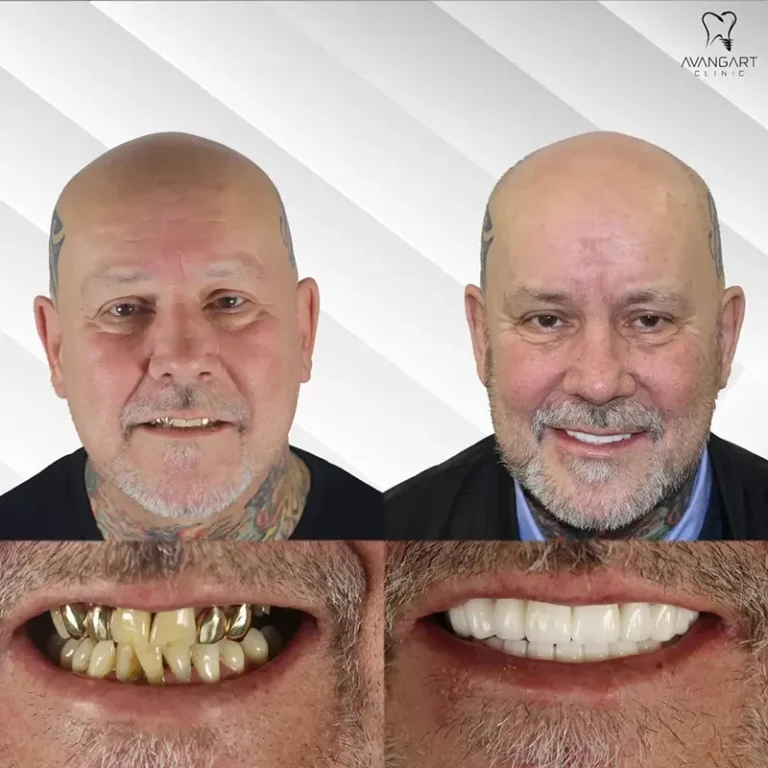
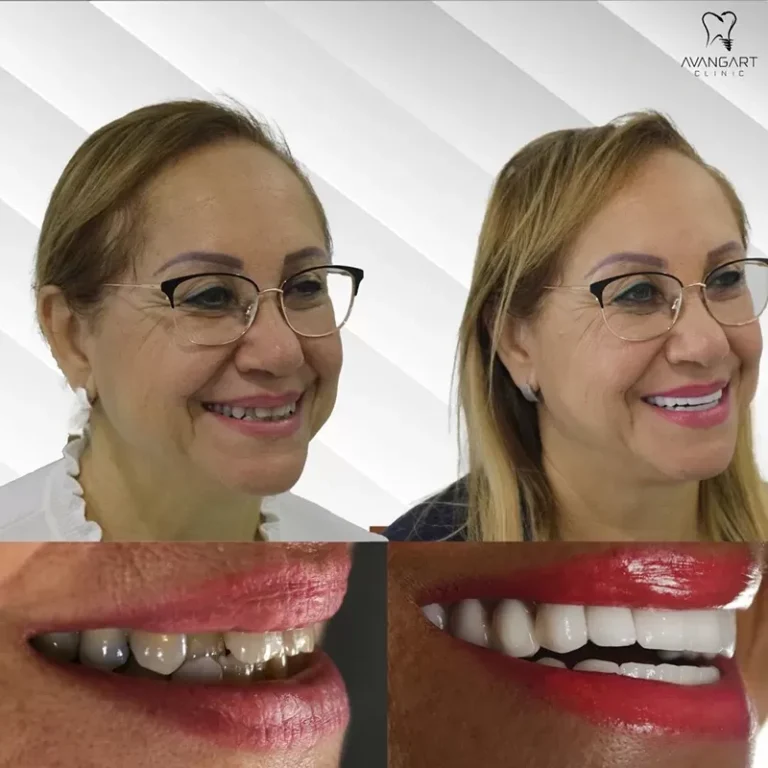
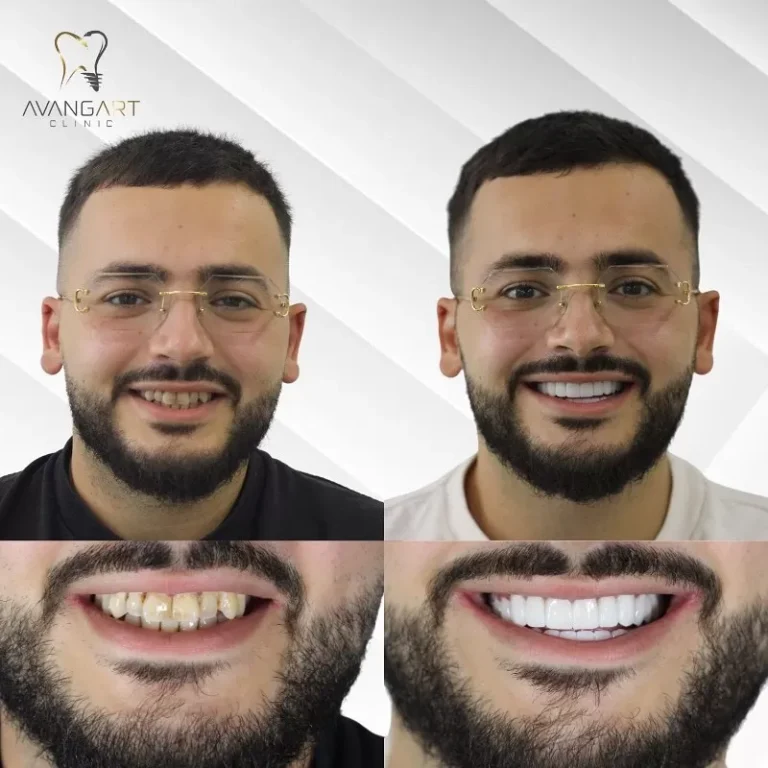
Before and After: Transformative Results with Avangart Clinic
We carry out all our dental treatments with care and strive to give your smile an elegant appearance.