
Does Everyone Have Wisdom Teeth? Purpose and Removal

Dr. Emrah YEŞİLYURT
Dr. Emrah Yeşilyurt is the Founder of Avangart Clinic. He combines advanced dental expertise with a genuine commitment to helping patients feel comfortable and informed about their oral health journey.
Does Everyone Have Wisdom Teeth?
Not everyone has wisdom teeth, and some people may not have all four, but many people do have one to four wisdom teeth.
For many teenagers, getting their wisdom teeth removed feels like a rite of passage. It’s something that almost everyone goes through, especially after visiting the dentist and being told that surgery is necessary. But imagine this: your dentist tells you that, based on your X-rays, you don’t have any wisdom teeth at all or that you have fewer than the usual four. This can come as a surprise, leaving you wondering, “Does everyone have wisdom teeth?”
The answer is not as simple as you might believe. While most people have wisdom teeth, it is not uncommon for some to have no wisdom teeth or to have fewer than the average number. In fact, some people may never develop these back molars, which is completely normal. So, what’s the truth about wisdom teeth? Let’s take a closer look at why some people have them while others don’t and why it doesn’t necessarily mean anything is wrong with your oral health.
Satisfied Patient Reviews
EXCELLENTTrustindex verifies that the original source of the review is Google. Service impeccable. Je suis venue pour des implants. La prise en charge a été rapide et la douleur pendant et après l’opération a été à peine ressentie. Clinique très professionnelle et chirurgien expert. Personnel très accueillant, en particulier la Directrice. Recommande à tous ceux qui sont à la recherche de professionnels pour régler des problèmes dentaires Suis venue finaliser la pose des implants et des couronnes. Résultat impécable!Posted on GoogleTrustindex verifies that the original source of the review is Google. I visited from England and had a positive experience. I went for a Hollywood Smile look and couldn’t be happier with them. The clinic was very aesthetic & clean, the staff were very attentive and supportive & I high recommend them.Posted on GoogleTrustindex verifies that the original source of the review is Google. İmplantlarımı ve zirkyonyumlarımı yaptırdım 2 sene önce iyiki yaptırmışım çok memnunum doktorum emrah hoca işinde çok iyi birisi tüm çalışanlara çok teşekkür ediyorum güler yüzlü anlayışları için gülşah hanıma ayriyetten teşekkür ederim 🌹Posted on GoogleTrustindex verifies that the original source of the review is Google. Çok güzel ve güveninirPosted on GoogleTrustindex verifies that the original source of the review is Google. Friendly and approachable staff, above all I haven’t experienced any pain what so ever, it does truly shows core professionalism. Coming from Wolverhampton, UK and made implant surgery with sinuslifting Gedi JafarPosted on GoogleTrustindex verifies that the original source of the review is Google. Ik Marco, hebt mijn gebit laten doen bij Avangart.. En ben door lieve mensen goed ontvangen en behandeld.. Kliniek zeer hygienisch en goede apparatuur.. Deze kliniek zo ik zeker aanraden om je laten behandelen..😁Posted on GoogleTrustindex verifies that the original source of the review is Google. I traveled from the U.S. and had Avantgart Clinic positively transform my smile in a manner that I wouldn’t have conceived as being possible. Dr. Egemen, a true master in his field, was patient, considerate, and communicative throughout the process and his assistant, Sevim, was a real joy to work with. Together, the two of them combined to make the overall experience much greater than I could have ever hoped for, and the end result is a smile that is on par with the most glamorous of Hollywood stars. I am extremely satisfied and would highly recommend Avangart Clinic to anyone looking to enhance their smile at a great price and of the highest quality.Posted on GoogleTrustindex verifies that the original source of the review is Google. Herkes mükemmel ıscılık mükemmel teşekkür edıyorumPosted on GoogleTrustindex verifies that the original source of the review is Google. Emrah bey‘in diş konusundaki tecrübesi, güler yüzü ve uzmanlığı nedeniyle diş tedavilerim için her seferinde Avusturya‘dan İstanbul’a gelmekteyim. Diş kliniği de son teknolojik donanıma sahip güven verici muayenehaneler içermekte.Posted on GoogleTrustindex verifies that the original source of the review is Google. Güler yüzlü ekip, temiz ve modern bir klinik. Tedavi sürecim baştan sona çok profesyoneldi. Gönül rahatlığıyla tavsiye ederim.Verified by TrustindexTrustindex verified badge is the Universal Symbol of Trust. Only the greatest companies can get the verified badge who has a review score above 4.5, based on customer reviews over the past 12 months. Read more
What Exactly Are Wisdom Teeth, and When Do They Erupt?
Wisdom teeth are the last set of adult teeth to develop. They are also known as third molars and are found in the very back of your mouth. These teeth typically appear between the ages of 17 and 25, hence their name, “wisdom teeth.” The idea is that by this age, you’re a little older and possibly wiser—though most people don’t feel especially wise in their late teens and early twenties!
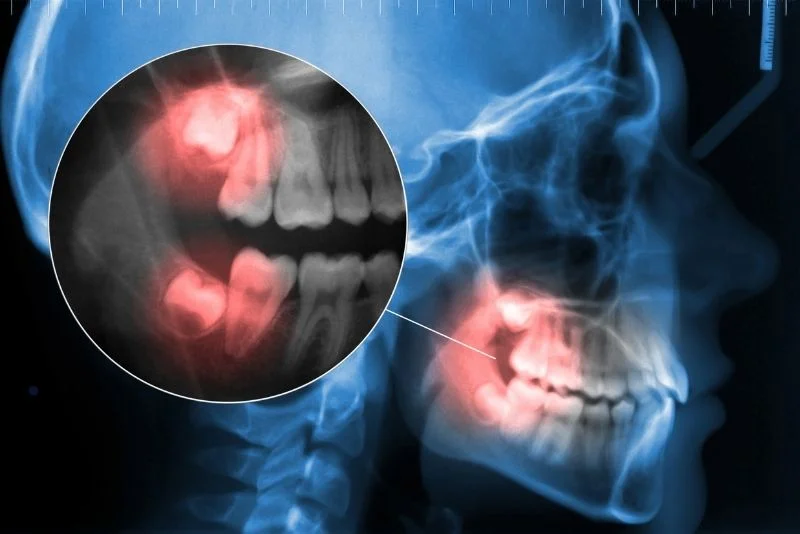
While some people’s wisdom teeth grow normally and cause no problems, it is common for them to become impacted. This means they don’t have enough room to completely emerge from your gums or jawbone. When this occurs, it can result in pain, infection, cavities, or gum disease. Because of this, many dentists recommend removing them to avoid these issues.
So, do everyone have wisdom teeth? Not necessarily. Some people are born with fewer than four or none at all. The number of wisdom teeth varies from person to person, and it is perfectly normal for some to have none. A visit to the dentist can help you determine whether you have them or when they will appear.
Why Do Humans Develop Wisdom Teeth in the First Place?
Humans develop wisdom teeth as part of their evolutionary process. These third molars were once much more useful than they are today. Historically, our ancestors ate raw plants, tough nuts, and meats. To help grind up these tough foods, they required an extra set of molars, which is where wisdom teeth came in. They were necessary for proper digestion back then.
However, things have changed significantly since then. With today’s diet, food is easier to chew and more processed, so wisdom teeth are no longer necessary. Over time, as we adapted to cooking and using utensils, our jaws became smaller. This is one of the reasons why many people’s mouths are too small for their wisdom teeth to grow properly. In fact, many experts consider wisdom teeth to be “vestigial,” which means they once served a purpose but are no longer necessary.
Where in the Mouth Do Wisdom Teeth Typically Grow?
Wisdom teeth usually appear in the back of your mouth, just behind your second molars. If you have all four, one will be in each quadrant of your mouth: upper left, lower left, upper right, and lower right. Typically, wisdom teeth begin to erupt between the wisdom teeth age range of 17 and 25.
How Many Wisdom Teeth Do People Usually Have?
Most people have four wisdom teeth, one in each corner of their mouth (upper left, upper right, lower left, lower right). But not everyone has all four. In fact, some people do not have any wisdom teeth. According to a study published in the Dental Research Journal, anywhere from 5% to 37% of people have one or more missing wisdom teeth, meaning that these teeth never formed in the first place. This condition is known as agenesis of the third molars, and it varies from person to person.
Interestingly, some people may have only one or two wisdom teeth, whereas others may not have any. The causes of wisdom tooth loss are unclear, but researchers believe genetics, diet, and other environmental factors may play a role. It is also more common for people to have missing wisdom teeth in the upper jaw than in the lower jaw.
Even if you have all four wisdom teeth, there is no guarantee that they will erupt or grow normally. Many people have at least one wisdom tooth that stays impacted, which means it is stuck in the gums or jawbone. But whether you have none, some, or all of your wisdom teeth, it’s completely normal.
What Do Wisdom Teeth Look Like Compared to Other Molars?
These teeth look similar to other molars, but wisdom teeth size can vary. Most wisdom teeth have two to three roots, but some may have four. The shape of the roots varies from person to person. Often, the roots fuse together to form a single large, cone-shaped root. Sometimes, the roots curl or spread out in different directions, giving them a different appearance than the molars closer to the front of your mouth.
Is It Common to Be Born Without Wisdom Teeth?
Being born without wisdom teeth is actually quite common. In fact, some people may be missing one or more of their wisdom teeth, which is perfectly fine. If your dentist in Turkey (or anywhere else) tells you that you don’t have any, don’t be concerned. Many people joke that not having these teeth is a sign of being more “evolved” because we no longer need them for chewing or speaking.
Not having wisdom teeth means you won’t have to go through the procedure of having them removed, which is a benefit for many people. If you’re missing one or two, it may indicate that any necessary procedures will be simpler. So, you’re missing some wisdom teeth? No problem!
What’s the Difference Between Missing and Impacted Wisdom Teeth?
The main difference between missing wisdom teeth and impacted wisdom teeth lies in their development. When someone is missing wisdom teeth, they never form or grow. This is typically not an issue, and some people are born without them.
In contrast, impacted wisdom teeth are teeth that try to grow but become stuck in the gums or jaw. They can’t fully emerge, which can result in pain, swelling, or infection. In some cases, impacted wisdom teeth don’t cause any issues, and a dentist can simply monitor them. However, if they cause pain or risk infection, the dentist may recommend removal. According to Harvard University research, approximately 24.4% of people worldwide have impacted wisdom teeth, making it a common issue to deal with.
The key takeaway is that impacted wisdom teeth are stuck, while missing wisdom teeth never develop at all.
What Conditions or Problems Are Linked to Wisdom Teeth?
When wisdom teeth grow properly, they usually don’t cause any problems. However, if they do not erupt properly or become impacted, several problems can arise. They can, for example, cause cavities, gum disease, and infections, especially if they are difficult to clean. In some cases, impacted wisdom teeth can damage neighboring teeth or cause painful cysts and tumors.
If your wisdom teeth are not properly positioned, you may experience facial pain, jaw tenderness, or pain directly in the tooth area. Some people are fortunate enough not to have wisdom teeth, which allows them to avoid these problems entirely. For those who do have them, regular dental checkups can help catch potential issues early.
When Is It Necessary to Remove Wisdom Teeth?
It is not always easy to decide whether or not to have your wisdom teeth removed. While it was once common practice to remove them even if they were not causing problems, current research suggests that there is insufficient evidence to conclude that all wisdom teeth should be extracted if they are not causing problems. However, if your wisdom teeth are causing pain, infection, or other complications, it is usually best to have them extracted.
A dentist or oral surgeon can remove your wisdom teeth in their office under local anesthesia or, if necessary, sedation. In certain cases, you may even need general anesthesia, especially if the procedure is more complicated. The good news is that wisdom teeth can be safely removed at any age, but many people choose to have them removed in their late teens or early twenties when the teeth are easier to extract and prevent future oral health issues.
Once removed, your wisdom teeth will not grow back, and unlike your other teeth, they play no role in chewing. This means there is no need to replace them following extraction.
Following the procedure, it is critical to follow your dentist’s instructions, particularly regarding which foods you can eat. You’ll want to stick to safe foods after wisdom teeth removal, like soft or liquid options, for a while. This helps prevent complications while your mouth heals. Foods such as yogurt, mashed potatoes, and soup are ideal immediately following the procedure.
If you are concerned about your wisdom teeth, consult your dentist. They can help you make the best choice for your oral health.
How to Properly Take Care of Wisdom Teeth at Home?
Taking care of your wisdom teeth at home is important for keeping them healthy. Regular visits to your dentist will keep your teeth in good condition, but you should also practice good oral hygiene. This includes brushing your teeth two to three times a day and flossing every day.
Wisdom teeth are located in the back of your mouth, making them difficult to clean properly. Brush these hard-to-reach areas thoroughly to remove plaque and food particles. Keeping your wisdom teeth clean will help you avoid cavities, gum disease, and other issues.
Before and After: Transformative Results with Avangart Clinic
We carry out all our dental treatments with care and strive to give your smile an elegant appearance.