
How Much Does Gingivectomy Cost in Turkey?
Dr. Emrah YEŞİLYURT
Dr. Emrah Yeşilyurt is the Founder of Avangart Clinic. He combines advanced dental expertise with a genuine commitment to helping patients feel comfortable and informed about their oral health journey.
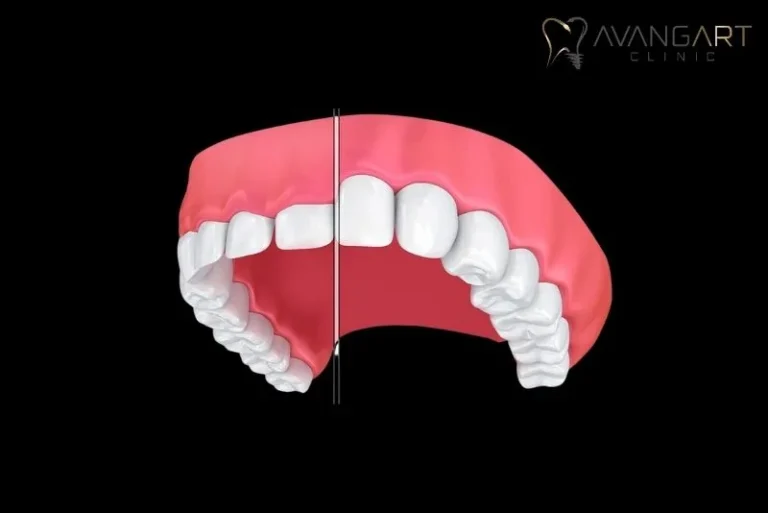
Many patients choose Turkey for a gingivectomy because the treatment can cost less than in the UK or the USA. However, price should never matter more than safety, proper assessment, and the quality of care. The cost of a gingivectomy should reflect safe care, a proper check-up, and a treatment plan made for your mouth.
Some patients need a gingivectomy to reduce a gummy smile. Others may need it because extra gum tissue can make the area harder to keep clean and allow bacteria to collect around the gums. So, the price can be different for each person.
Before we give you a final quote, our team at Avangart Dental Clinic will first carry out a detailed gum health assessment. We’ll check your gum pockets, look at the shape and condition of your gums, and see whether you need a simple gum tissue procedure or a more involved treatment like crown lengthening.
- Medical Disclaimer: The information on this page is provided for general educational purposes only and should not be taken as medical advice. A proper in-person examination is always needed before confirming a diagnosis or treatment plan.
Satisfied Patient Reviews
EXCELLENTTrustindex verifies that the original source of the review is Google. Service impeccable. Je suis venue pour des implants. La prise en charge a été rapide et la douleur pendant et après l’opération a été à peine ressentie. Clinique très professionnelle et chirurgien expert. Personnel très accueillant, en particulier la Directrice. Recommande à tous ceux qui sont à la recherche de professionnels pour régler des problèmes dentaires Suis venue finaliser la pose des implants et des couronnes. Résultat impécable!Posted on GoogleTrustindex verifies that the original source of the review is Google. I visited from England and had a positive experience. I went for a Hollywood Smile look and couldn’t be happier with them. The clinic was very aesthetic & clean, the staff were very attentive and supportive & I high recommend them.Posted on GoogleTrustindex verifies that the original source of the review is Google. İmplantlarımı ve zirkyonyumlarımı yaptırdım 2 sene önce iyiki yaptırmışım çok memnunum doktorum emrah hoca işinde çok iyi birisi tüm çalışanlara çok teşekkür ediyorum güler yüzlü anlayışları için gülşah hanıma ayriyetten teşekkür ederim 🌹Posted on GoogleTrustindex verifies that the original source of the review is Google. Çok güzel ve güveninirPosted on GoogleTrustindex verifies that the original source of the review is Google. Friendly and approachable staff, above all I haven’t experienced any pain what so ever, it does truly shows core professionalism. Coming from Wolverhampton, UK and made implant surgery with sinuslifting Gedi JafarPosted on GoogleTrustindex verifies that the original source of the review is Google. Ik Marco, hebt mijn gebit laten doen bij Avangart.. En ben door lieve mensen goed ontvangen en behandeld.. Kliniek zeer hygienisch en goede apparatuur.. Deze kliniek zo ik zeker aanraden om je laten behandelen..😁Posted on GoogleTrustindex verifies that the original source of the review is Google. I traveled from the U.S. and had Avantgart Clinic positively transform my smile in a manner that I wouldn’t have conceived as being possible. Dr. Egemen, a true master in his field, was patient, considerate, and communicative throughout the process and his assistant, Sevim, was a real joy to work with. Together, the two of them combined to make the overall experience much greater than I could have ever hoped for, and the end result is a smile that is on par with the most glamorous of Hollywood stars. I am extremely satisfied and would highly recommend Avangart Clinic to anyone looking to enhance their smile at a great price and of the highest quality.Posted on GoogleTrustindex verifies that the original source of the review is Google. Herkes mükemmel ıscılık mükemmel teşekkür edıyorumPosted on GoogleTrustindex verifies that the original source of the review is Google. Emrah bey‘in diş konusundaki tecrübesi, güler yüzü ve uzmanlığı nedeniyle diş tedavilerim için her seferinde Avusturya‘dan İstanbul’a gelmekteyim. Diş kliniği de son teknolojik donanıma sahip güven verici muayenehaneler içermekte.Posted on GoogleTrustindex verifies that the original source of the review is Google. Güler yüzlü ekip, temiz ve modern bir klinik. Tedavi sürecim baştan sona çok profesyoneldi. Gönül rahatlığıyla tavsiye ederim.Verified by TrustindexTrustindex verified badge is the Universal Symbol of Trust. Only the greatest companies can get the verified badge who has a review score above 4.5, based on customer reviews over the past 12 months. Read more
What is a Gingivectomy? (Medical vs. Cosmetic Intent)
It is a dental procedure in which a dentist removes extra or unhealthy gum tissue. The aim is to make the gums healthier, easier to clean, or more balanced around the teeth.
There are two main reasons someone may need it. The first is medical. This is usually done when gum disease has created deep gum pockets, or when overgrown gum tissue traps food and bacteria. In this case, the goal is to protect your teeth and stop the gum problem from getting worse.
The second reason is cosmetic. Some patients show too much gum when they smile, often called a gummy smile. In these cases, gum contouring may be used to gently reshape the gum line and reveal more of the natural tooth.
A gingivectomy removes gum tissue. Gingivoplasty, on the other hand, is more about reshaping the gums. Sometimes both are done together, depending on what your smile and gums need.
Average Gingivectomy Cost in Turkey vs. UK & USA
One of the first questions international patients ask is how much a gingivectomy costs in Turkey compared with treatment at home. The honest answer is that prices depend on how much gum tissue needs to be treated and whether the case is medical or cosmetic.
| Country | Typical Price Range | How It Is Commonly Priced | What This Means for Patients |
|---|---|---|---|
| Turkey | Around $61–$480 for smaller cases; $500–$1,000 for wider treatment plans | Per tooth, per quadrant, or sometimes by full-mouth/smile area | Often more cost-effective when several teeth or the full gum line need treatment |
| UK | Around £3,000–£6,000 | Often per tooth, per area, or as a private periodontal treatment plan | Costs can rise quickly if more than one area is involved |
| USA | Around $3,000–$5,000 | Often per tooth or per surgical area | Follow-up visits, scans, or periodontal care may be charged separately |
Factors That Influence Your Gingivectomy Pricing
The cost of a gingivectomy can vary depending on several factors. Your gums, smile line, oral health, and treatment goal all play a part. A small cosmetic correction is very different from treating gum problems around several teeth.
1. Number of Teeth Involved
The more teeth involved, the more time and planning the treatment needs. For example, removing a small amount of gum around one or two teeth will usually cost less than reshaping the full upper smile line.
Some patients only need a minor adjustment for symmetry. Others need treatment across one quadrant or several areas because the gum tissue has grown unevenly or is difficult to clean.
2. Method: Laser vs. Scalpel
The technique used can also affect the price. Laser-assisted gingivectomy utilizes a focused wavelength to simultaneously incise tissue and induce micro-vascular hemostasis (sealing blood vessels). This clinical technique significantly minimizes intraoperative hemorrhage, reduces post-surgical swelling, and limits the need for traditional sutures.
Traditional scalpel treatment is still useful in certain cases. If the gum tissue is thicker or if there are deeper gum pockets, your dentist may recommend the method that gives the safest and cleanest result.
3. Anesthesia Type
Most patients only need local anesthesia. The gum area is numbed, so you should not feel pain during the procedure.
Sedation can be discussed if you are very anxious about dental treatment. That can drive up the price because it needs special attention and monitoring.
4. Expertise of the Periodontist
The skill and experience of the periodontist can make a real difference. A skilled periodontist does not just remove gum tissue; they also think about how your gums will heal and how your smile will look afterward.
This is particularly true if gingivectomy is part of a broader Hollywood smile makeover. Even a small change in the gum line can make a big difference to the final result.
Laser vs. Traditional Gingivectomy: Does it Affect the Price?
Yes, the method can affect the price. Laser gingivectomy usually costs more than traditional scalpel treatment because it uses advanced equipment and requires special training. For many patients, the extra cost is often worth it because laser treatment can mean more comfort, less bleeding, and an easier recovery.
Laser treatment is often a good choice for small gum reshaping, a gummy smile, or delicate work around the front teeth. The laser seals tiny blood vessels as it works, so there is usually less bleeding during the procedure. Many patients also find the first few days after treatment easier.
Laser gingivectomy healing time
In many simple cases, the gums start settling within a few days, although full healing still depends on the size of the treated area and your oral hygiene. Your dentist will explain what to expect before you travel or begin treatment.
Traditional gingivectomy uses a scalpel. It may sound old-fashioned, but it is still the right choice in some cases. If the gum tissue is thick, uneven, or linked to deeper gum pockets, the dentist may need this method for better control.
The best option is not always the most expensive one. A good clinic will recommend the method that is safest and most suitable for your gums, not the one that simply costs more.
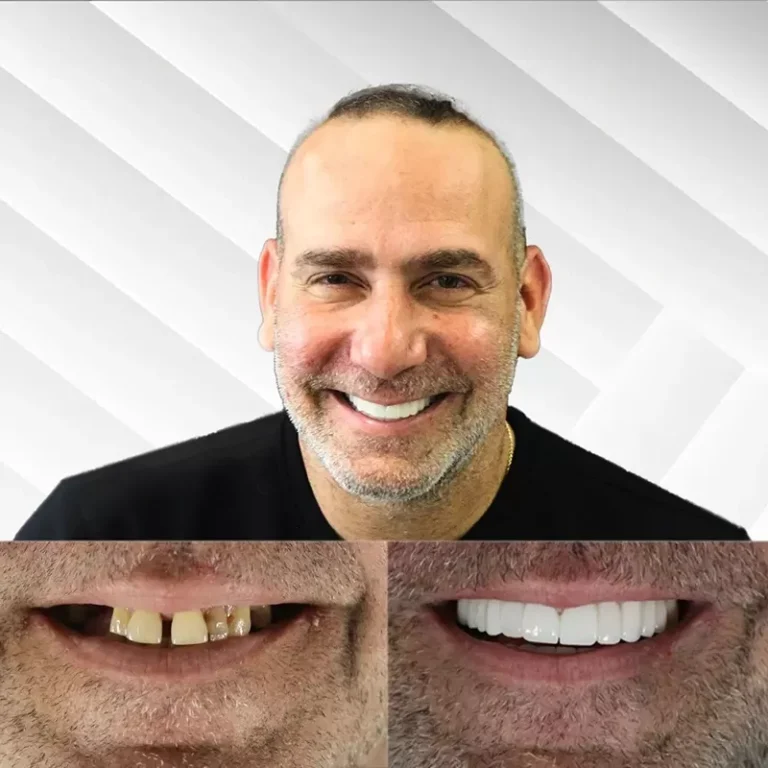
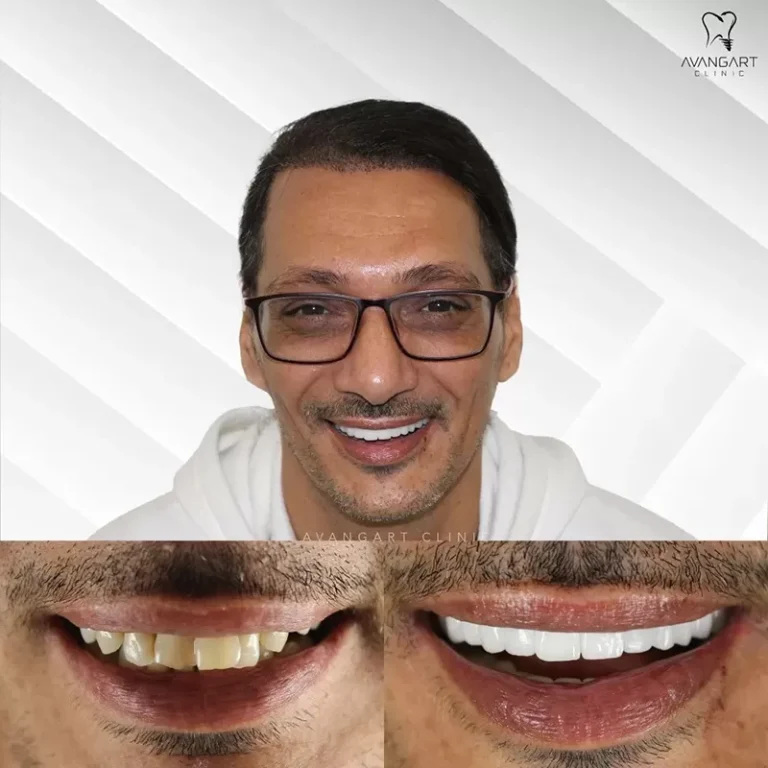
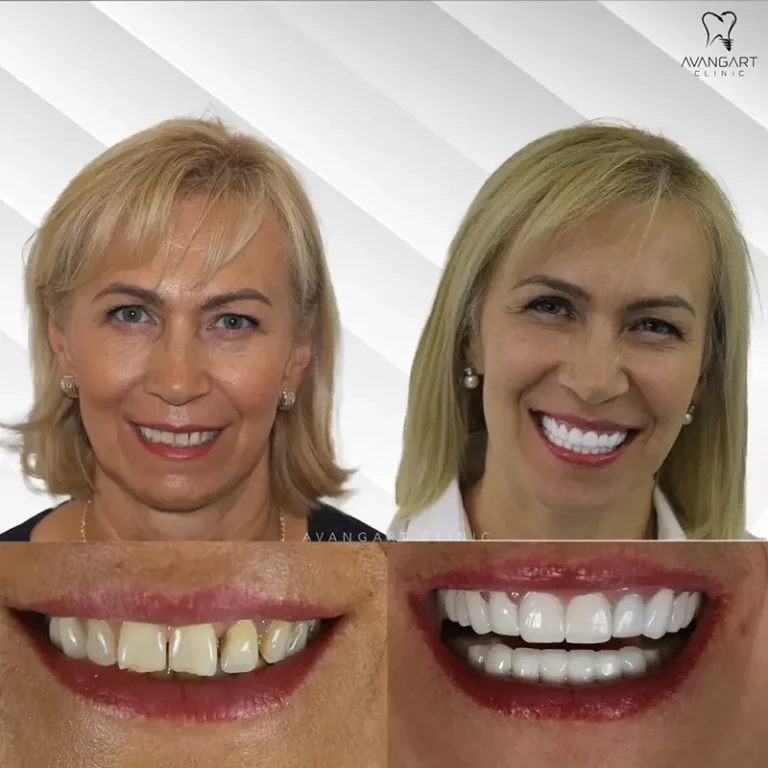
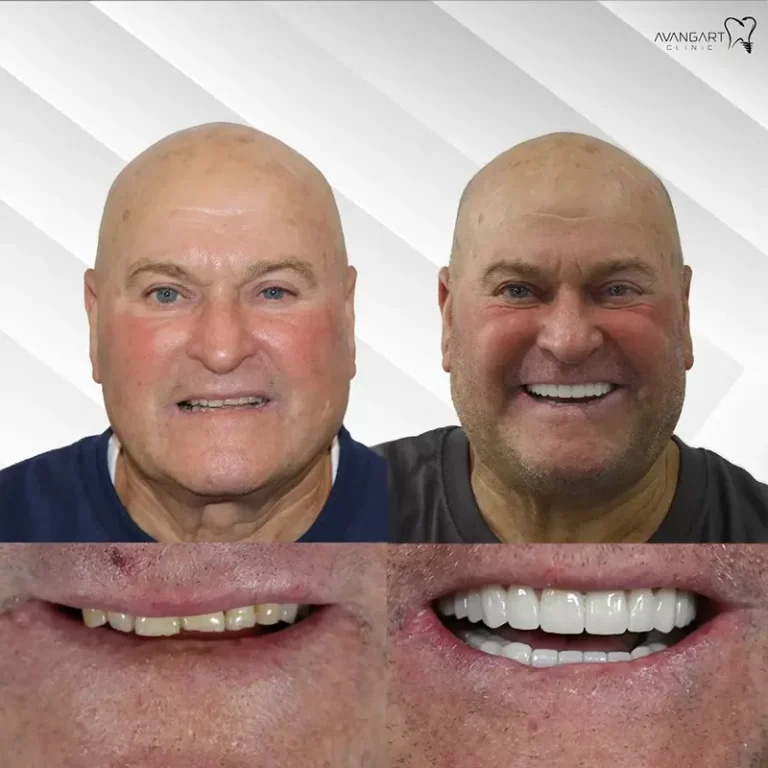
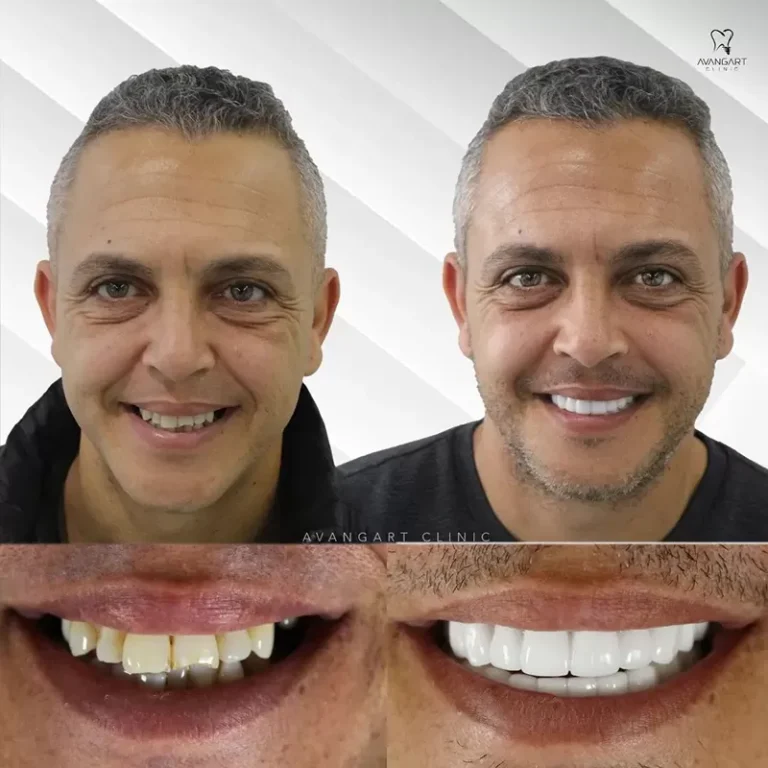
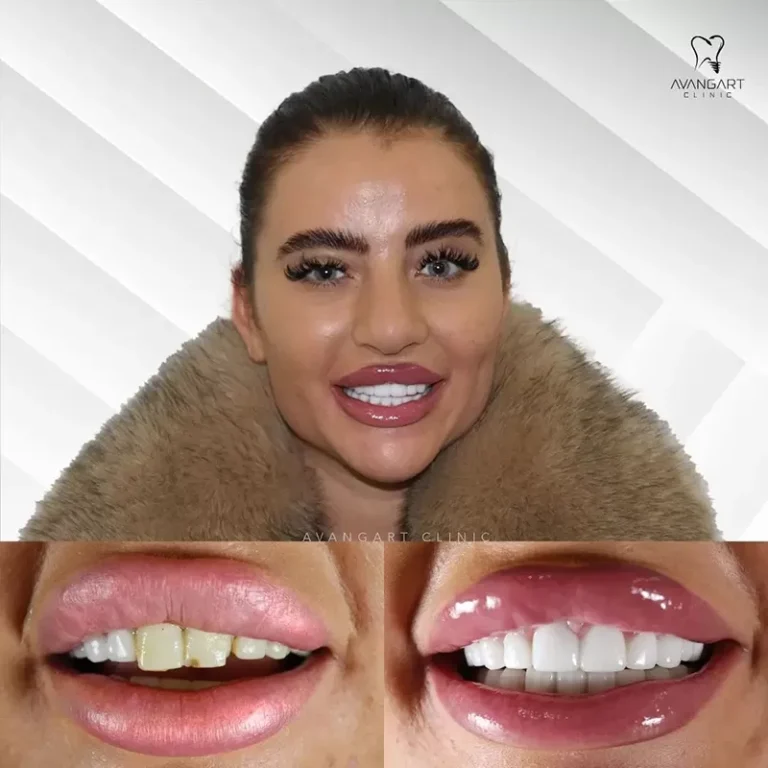
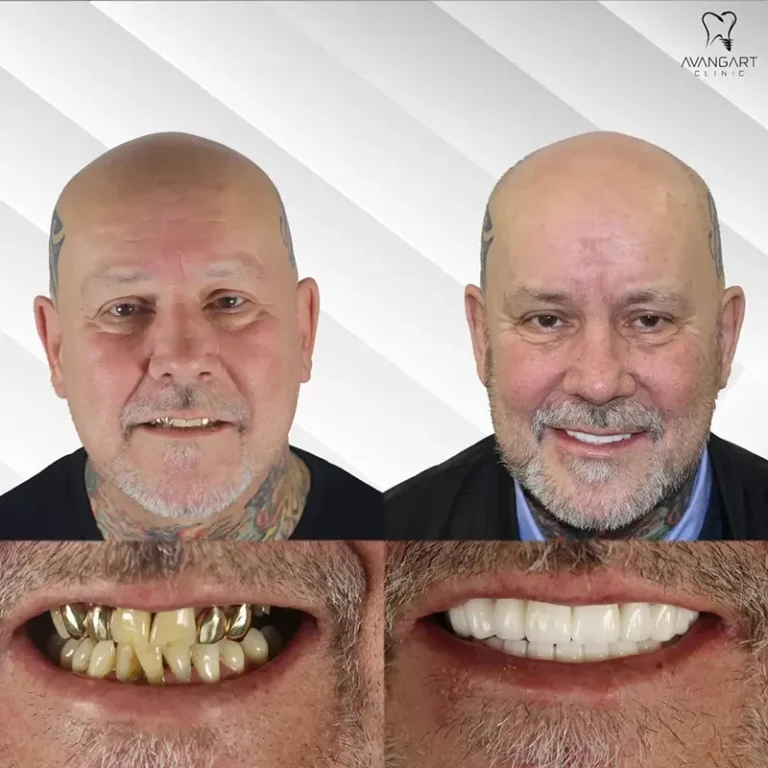
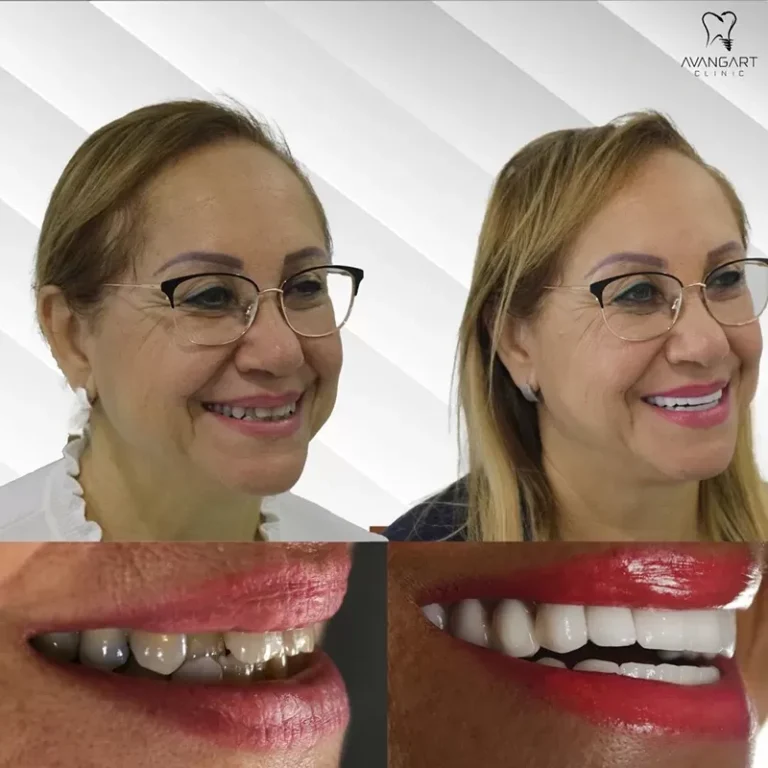
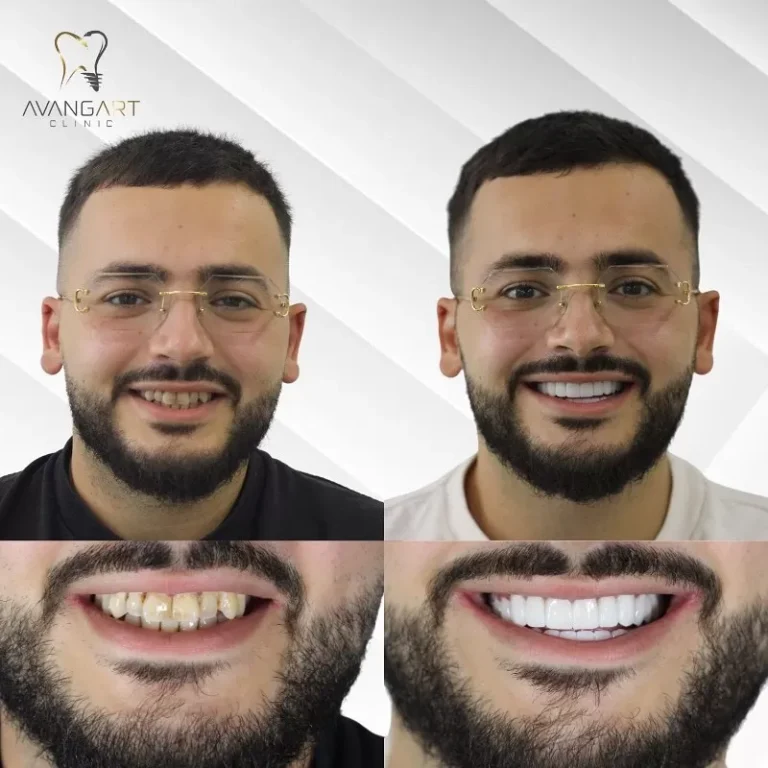
Before and After: Transformative Results with Avangart Clinic
We carry out all our dental treatments with care and strive to give your smile an elegant appearance.
What’s Included in a Turkish Dental Treatment Package?
Depending on your case, the package may include:
- Online consultation before travel
- Pre-op panoramic X-rays or other needed imaging
- Local anesthesia for the procedure
- Post-op medications
- Clinic transfers
- Shuttle service or VIP airport transfer
- Hotel accommodation in some treatment plans
For international patients, price is only one part of the decision. The overall treatment experience also matters, including how organised, safe, and convenient it feels.
We always recommend checking exactly what is included before you book. Two clinics may show a similar treatment price, but one may include imaging, medication, and transport while the other may charge for them separately.
If you are travelling from the UK, USA, or Europe, having these details arranged in advance can make the visit much less stressful. It also helps you plan your stay, budget, and return travel with more confidence.
Are You a Candidate for Gingivectomy?
You may be a good candidate for a gingivectomy if:
- You feel your smile shows too much gum
- Your gingival tissue looks overgrown around braces or certain teeth
- Your dentist has identified deep periodontal pockets that are harder to keep clean
- Extra gum tissue is making the teeth look shorter or uneven
Recovery and Aftercare: Protecting Your Investment
Recovery after a gingivectomy is usually straightforward, but it still needs care. In most cases, the first stage of the healing process takes around 7 to 10 days, although the exact pace depends on how much gingival tissue was treated and how well the area is protected afterward.
During the first few days, it is normal to notice:
- Mild post-operative pain or soreness
- Slight bleeding or oozing
- Tooth sensitivity, especially to hot or cold foods
- Tenderness when eating or brushing near the area
What helps most during this stage is keeping things simple:
- Follow a soft diet
- Avoid hard, spicy, or very hot foods
- Use a soft-bristled toothbrush
- Keep up careful oral hygiene maintenance without scrubbing the treated area
If we prescribe them, use your painkillers, prescribed antibiotics, or antimicrobial mouthwash exactly as directed. These are not just for comfort. They also help lower the risk of irritation or infection while the tissue starts to settle and regenerate.
For patients travelling home shortly after surgery, aftercare becomes even more important. Once you leave the clinic, you want the area to stay clean, stable, and protected, because dealing with an infection after flying home is far more stressful than preventing one in the first place.
In some cases, we may place a periodontal dressing over the area to protect it in the first stage of healing. If that is part of your treatment, we will explain how to look after it and when it should be removed or checked.
You should contact the clinic promptly if you notice:
- Bleeding that does not settle
- Pain that becomes stronger instead of easing
- Swelling that keeps increasing
- Signs that suggest infection, such as discharge, bad taste, or unusual odor
The main goal during recovery is not to do anything complicated. It is to protect the treated area long enough for the gums to heal cleanly and comfortably, especially if you are planning to return to the UK, USA, or Europe soon after your procedure.
FAQs
In most cases, patients find the procedure easier and more comfortable than they expected. We numb the area with local anesthesia, so you should feel pressure or movement rather than pain while we work.
Afterward, you can expect some tenderness for a few days, especially when eating or brushing near the area. Most patients describe it as manageable rather than severe, and it usually settles with the medication and care advice we give you.
This depends on how small or extensive the treatment area is and whether gingivectomy is the only procedure you are having. For a straightforward case, we usually advise planning enough time for your consultation, treatment, and a short review before you travel back.
If your case is more complex or combined with other dental treatments, we may recommend a longer stay.
Insurance cover depends mainly on why the treatment is being done. If the gingivectomy is needed for periodontal health, some providers may treat it differently from a cosmetic procedure done to improve the smile line.
While cosmetic gingival contouring is widely classified as an elective out-of-pocket expense, therapeutic gingivectomies performed to treat drug-induced hyperplasia or pocket-retentive disease may qualify for reimbursement. Our administration provides detailed itemized billing statements, diagnostic X-rays, and clinical narratives to assist patients when filing out-of-network claims with international insurers.