Gum Graft Alternatives: Modern Options for Healthier Gums

Dr. Emrah YEŞİLYURT
Dr. Emrah Yeşilyurt is the Founder of Avangart Clinic. He combines advanced dental expertise with a genuine commitment to helping patients feel comfortable and informed about their oral health journey.
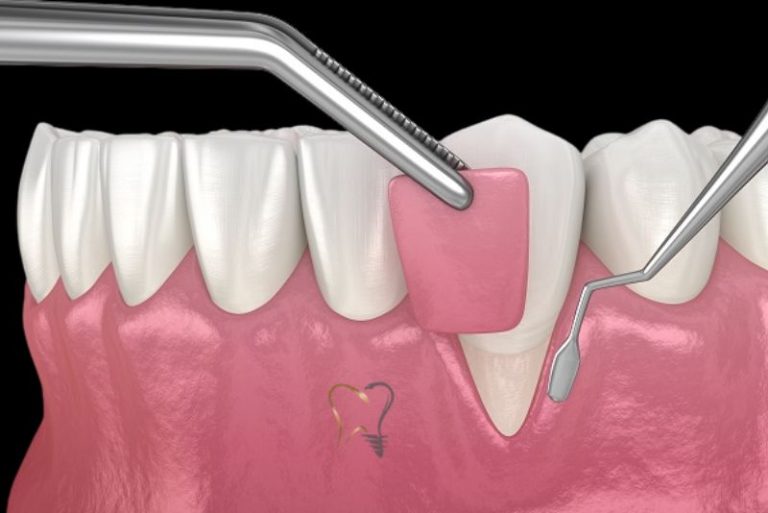
Hearing that you may need a gum graft can be unsettling. For many people, the most unsettling part is the thought of surgery, stitches, or tissue being taken from the roof of the mouth. If that is what brought you here, your concern is completely understandable.
The reassuring part is that there are often effective alternatives to gum grafting, especially when recession is caught early, or the main goal is to reduce sensitivity, improve appearance, or stop the problem from getting worse. In some cases, the best option may be a non-surgical treatment. In others, it may be a minimally invasive procedure rather than traditional grafting.
There is no one-size-fits-all answer for receding gums. Some patients need treatment to control periodontal disease and remove the plaque and tartar causing inflammation. Others may benefit from desensitising treatments, orthodontic correction, or modern alternatives to gum surgery, such as the Pinhole Surgical Technique.
So, is there an alternative to gum grafting? Very often, yes. The best option depends on how advanced the recession is, whether there is any bone loss, and whether the main goal is to relieve sensitivity, improve appearance, or support long-term gum health.
Satisfied Patient Reviews
EXCELLENTTrustindex verifies that the original source of the review is Google. Service impeccable. Je suis venue pour des implants. La prise en charge a été rapide et la douleur pendant et après l’opération a été à peine ressentie. Clinique très professionnelle et chirurgien expert. Personnel très accueillant, en particulier la Directrice. Recommande à tous ceux qui sont à la recherche de professionnels pour régler des problèmes dentaires Suis venue finaliser la pose des implants et des couronnes. Résultat impécable!Posted on GoogleTrustindex verifies that the original source of the review is Google. I visited from England and had a positive experience. I went for a Hollywood Smile look and couldn’t be happier with them. The clinic was very aesthetic & clean, the staff were very attentive and supportive & I high recommend them.Posted on GoogleTrustindex verifies that the original source of the review is Google. İmplantlarımı ve zirkyonyumlarımı yaptırdım 2 sene önce iyiki yaptırmışım çok memnunum doktorum emrah hoca işinde çok iyi birisi tüm çalışanlara çok teşekkür ediyorum güler yüzlü anlayışları için gülşah hanıma ayriyetten teşekkür ederim 🌹Posted on GoogleTrustindex verifies that the original source of the review is Google. Çok güzel ve güveninirPosted on GoogleTrustindex verifies that the original source of the review is Google. Friendly and approachable staff, above all I haven’t experienced any pain what so ever, it does truly shows core professionalism. Coming from Wolverhampton, UK and made implant surgery with sinuslifting Gedi JafarPosted on GoogleTrustindex verifies that the original source of the review is Google. Ik Marco, hebt mijn gebit laten doen bij Avangart.. En ben door lieve mensen goed ontvangen en behandeld.. Kliniek zeer hygienisch en goede apparatuur.. Deze kliniek zo ik zeker aanraden om je laten behandelen..😁Posted on GoogleTrustindex verifies that the original source of the review is Google. I traveled from the U.S. and had Avantgart Clinic positively transform my smile in a manner that I wouldn’t have conceived as being possible. Dr. Egemen, a true master in his field, was patient, considerate, and communicative throughout the process and his assistant, Sevim, was a real joy to work with. Together, the two of them combined to make the overall experience much greater than I could have ever hoped for, and the end result is a smile that is on par with the most glamorous of Hollywood stars. I am extremely satisfied and would highly recommend Avangart Clinic to anyone looking to enhance their smile at a great price and of the highest quality.Posted on GoogleTrustindex verifies that the original source of the review is Google. Herkes mükemmel ıscılık mükemmel teşekkür edıyorumPosted on GoogleTrustindex verifies that the original source of the review is Google. Emrah bey‘in diş konusundaki tecrübesi, güler yüzü ve uzmanlığı nedeniyle diş tedavilerim için her seferinde Avusturya‘dan İstanbul’a gelmekteyim. Diş kliniği de son teknolojik donanıma sahip güven verici muayenehaneler içermekte.Posted on GoogleTrustindex verifies that the original source of the review is Google. Güler yüzlü ekip, temiz ve modern bir klinik. Tedavi sürecim baştan sona çok profesyoneldi. Gönül rahatlığıyla tavsiye ederim.Verified by TrustindexTrustindex verified badge is the Universal Symbol of Trust. Only the greatest companies can get the verified badge who has a review score above 4.5, based on customer reviews over the past 12 months. Read more
Are There Any Alternatives To Gum Grafting?
Yes, there often are. If you have been told you may need a graft, it does not automatically mean traditional surgery is your only option.
Many patients have good results with gum grafting alternatives, especially when the recession is mild to moderate, or the main goal is to stop it from getting worse, reduce sensitivity, or improve the appearance of the gumline.
These options usually fall into three groups.
The first includes minimally invasive treatments, such as the Pinhole Surgical Technique or certain laser-based periodontal procedures.
These approaches are designed to be gentler than traditional grafting and may suit patients who want a shorter, easier recovery.
The second group includes deep cleaning therapies. If plaque, tartar, and periodontal disease are causing the gums to pull back, treatment such as scaling and root planing or root surface debridement may be the first step. These are important gum surgery alternatives because they treat the underlying inflammation, even though they do not replace lost tissue.
The third group is cosmetic masking. In some cases, tooth-coloured or gum-coloured resins can cover exposed roots, reduce sensitivity, and make the area look healthier.
So yes, there may be an alternative to gum flap surgery, but the best choice depends on what needs to be treated.
Pinhole Surgical Technique
The Pinhole Surgical Technique, also known as Chao Pinhole Gum Rejuvenation, is a minimally invasive way to treat selected cases of gum recession without taking donor tissue from the roof of the mouth.
Instead of making large incisions, the periodontist creates a very small entry point in the gum using a fine instrument. Through that tiny opening, the existing gum tissue is gently loosened and guided down over the exposed root. Resorbable collagen strips are then inserted beneath the repositioned tissue to help support and stabilise the gum in its new position during healing. In simple terms, the gum is repositioned rather than replaced.
For many patients, that is the biggest advantage. There is no second surgical site on the palate, and the technique avoids traditional graft harvesting and suturing, while the resorbable collagen strips help support the repositioned tissue during healing.
That said, it is not the best choice for every case. The amount of recession, gum thickness, and underlying bone support all matter when deciding whether this approach is suitable.
LANAP Procedure
LANAP stands for Laser-Assisted New Attachment Procedure. It is a laser-based periodontal treatment used when gum disease has created infected pockets around the teeth and damaged the supporting tissues.
Instead of using scalpels to open the gums, the dentist uses a precise Nd:YAG laser at a 1064-nm wavelength to target diseased pocket tissue and reduce bacterial contamination below the gumline, while aiming to preserve more healthy tissue. The root surfaces are then cleaned so the area is better able to heal.
What makes LANAP different is that it uses selective Nd:YAG laser energy instead of relying solely on conventional flap-and-suture surgery. The aim is to remove diseased pocket tissue, reduce bacterial contamination, and create healthier conditions for the gums and supporting structures to heal after periodontal damage.
It is important to see LANAP for what it is. It is not a cosmetic fix for every case of recession, and it does not replace a gum graft in every situation. It is usually considered when active periodontal disease is a major part of the problem, and a less invasive approach is preferred.
Scaling and Root Planing
Scaling and root planing is often the first and most important step when gum recession is linked to plaque build-up, tartar, and early periodontal disease. It is a deep cleaning treatment performed below the gumline, in areas that regular brushing and routine polishing cannot properly reach.
The scaling part removes hardened deposits from the tooth surface and from under the gums. The root planing part smooths the root surface so bacteria are less likely to cling to it again.
Subgingival tartar and bacteria irritate the gums and make them pull away from the teeth. Once that source of inflammation is removed, the tissue has a chance to calm down, tighten, and heal in a healthier position.
For mild recession, this can be a very effective non-surgical starting point. It may help stop further recession and reduce pocket depth, although it does not rebuild gum tissue that has already been lost.
Composite Fillings
Composite fillings can be a simple way to manage the effects of gum recession, especially when the exposed root causes sensitivity or the recession affects the appearance of your smile. Rather than moving the gums, the dentist places a bonded resin over the exposed part of the tooth to cover and protect it.
If the recession is small and mainly affects the tooth surface, a tooth-coloured composite can blend in discreetly with the surrounding tooth structure. If the concern is more cosmetic, a gum-coloured material can sometimes be used to soften the look of the recession and make the gumline appear more even.
For many patients, the biggest advantage is how simple this approach feels. It is usually pain-free, does not require surgery, and can give immediate relief by covering the root area that reacts to cold, touch, or brushing.
That said, this option is more technique-sensitive than it may first appear. Because a composite placed close to the gumline can make plaque control more difficult, careful oral hygiene and regular professional maintenance are essential to reduce the risk of local inflammation. This approach is best suited to patients who are able to maintain excellent home care over time.
It is important to be clear about what a composite can and cannot do. It does not regrow lost gum tissue, but it can be a useful non-surgical intervention for improving comfort, protecting exposed root surfaces from decay, and improving the appearance of the area without invasive treatment.
Desensitizing Agents
For some patients, the real issue is not how the gums look. What bothers them most is often a sharp, sudden pain brought on by cold water, hot drinks, sweet foods, or even brushing. When that is the main complaint, desensitizing agents can be a very effective non-surgical option.
These materials are placed directly onto the exposed root surface. They work by sealing tiny openings in the root called dentinal tubules. Those tubules connect to the nerve inside the tooth, so when they are left open, temperature changes and touch can trigger pain very easily.
Depending on the case, the dentist may use varnishes, dentine bonding agents, glass ionomer cement, or sometimes a resin-based material to block those exposed areas. The result can be immediate or built over a short period, but the goal is the same: to make the tooth comfortable again.
This does not replace the missing gum tissue. What it does do is make eating, drinking, and brushing much easier, which is important because avoiding the area often leads to more plaque build-up and more gum problems.
Regeneration
Regeneration, often called Guided Tissue Regeneration (GTR), is used in more advanced cases where gum recession is linked to bone loss around the tooth. In these situations, the problem is not only that the gum has moved back. The supporting structures underneath have also been damaged.
During this procedure, the gum is gently lifted so the area can be cleaned and treated. A biocompatible membrane, bone graft material, or both may then be placed beneath the gumline. The idea is to guide healing in a way that encourages the body to rebuild lost bone and supporting tissue, instead of leaving the area to heal with scar tissue alone.
This is not usually the first treatment offered for mild recession. It is more often considered when there is severe periodontal disease, deeper defects, or clear loss of support around the tooth.
In the right case, regeneration can improve support around the tooth and, in some situations, may reduce how much additional soft tissue grafting is needed.
So, Which Treatment Option is Right for Me?
The right treatment depends on what is causing the recession and how much support has already been lost around the tooth.
If there is active periodontal disease, deep infected pockets, and ongoing bone loss, a treatment such as LANAP may be the better starting point. In that situation, the priority is controlling infection and protecting the structures that hold the tooth in place.
If the gums have receded but the bone support is still reasonably stable, the Pinhole Surgical Technique may be an option in selected cases. This is usually considered when the goal is to improve root coverage with a less invasive approach than traditional grafting.
If the main problem is sensitivity or appearance, rather than advanced disease, resin-based options can be very helpful. These do not rebuild the gum, but they can cover exposed roots, reduce discomfort, and improve how the area looks when you smile.
The main limitation is that if the tissue loss is severe, the bone support has been significantly reduced, or the remaining gum tissue is very thin, a traditional graft may still offer the safest and most reliable result.
Next Steps: Schedule Your Periodontal Evaluation
If your gums are receding, it is worth having the area assessed before the problem becomes more difficult to manage. Waiting does not always lead to tooth loss, but it can allow sensitivity, root decay, inflammation, and bone loss to progress quietly in the background.
A periodontal evaluation helps us measure the recession properly, check for active gum disease, and understand how much support remains around each tooth. From there, we can talk through which of the available gum recession treatments makes the most sense for your situation, whether that means LANAP treatment, deep cleaning, or broader periodontics care.
This consultation is also the right time to ask practical questions, including when it is too late for gum grafting or what options may still be available after a failed gum graft. In some cases, gum recession is only one part of the picture. If there are also cosmetic concerns, worn tooth surfaces, or missing teeth, the overall treatment plan may include options such as Gum Contouring, Dental Veneers, or Dental Implants.
To arrange an appointment, contact us at contact@avangartclinic.com or +90 542 146 82 11.
FAQs
If you want to correct the appearance of your gums by avoiding gum grafting, you might want to discuss the following alternatives with your dentist.
- Pinhole Surgical Technique (PST)
- Scaling and Root Planing.
- Bone Regeneration.
- Gum Contouring.
This PRF is then placed in the areas where your gums have receded. It acts as a natural scaffold, encouraging your body to grow new, healthy gum tissue. It's an innovative way to restore your gumline by working with your body's biology.
Gum grafts are primarily necessary if you have severe gum recession that exposes tooth roots, causes pain, or puts you at high risk for future tooth loss. If the recession is minor, your dentist might recommend simply monitoring the area or addressing underlying causes (like aggressive brushing) instead of surgery.
Non-surgical options for gum treatment include scaling and root planing, antimicrobial therapies, and the Pinhole Surgical Technique, which can help improve gum health and address issues like receding gums without the need for surgical intervention.
Yes, gum grafting is a very safe and highly predictable procedure with a success rate of over 90%. Performed by periodontists or dentists, it is a routine surgery used to treat gum recession, cover exposed tooth roots, and prevent bone loss.
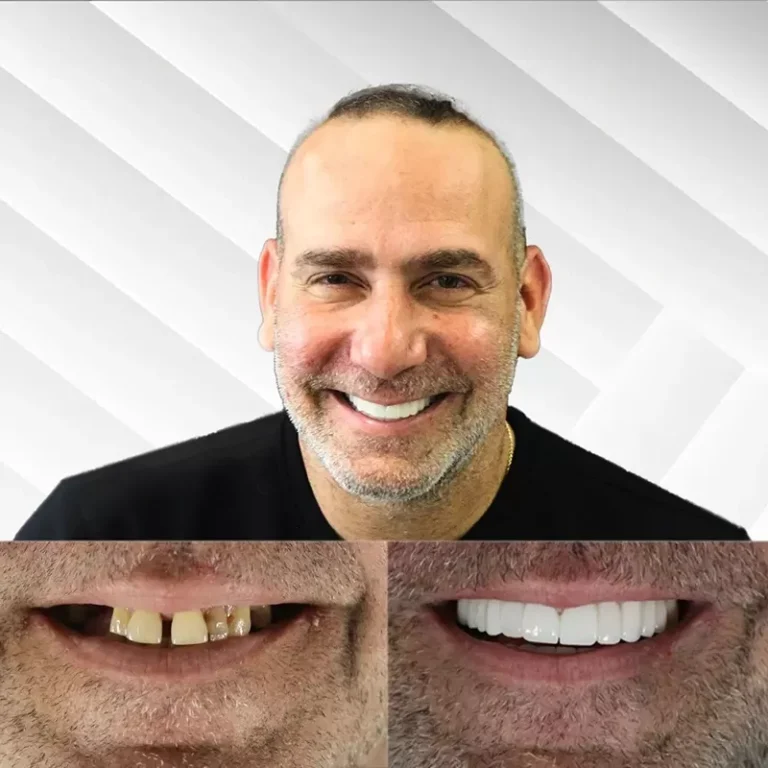
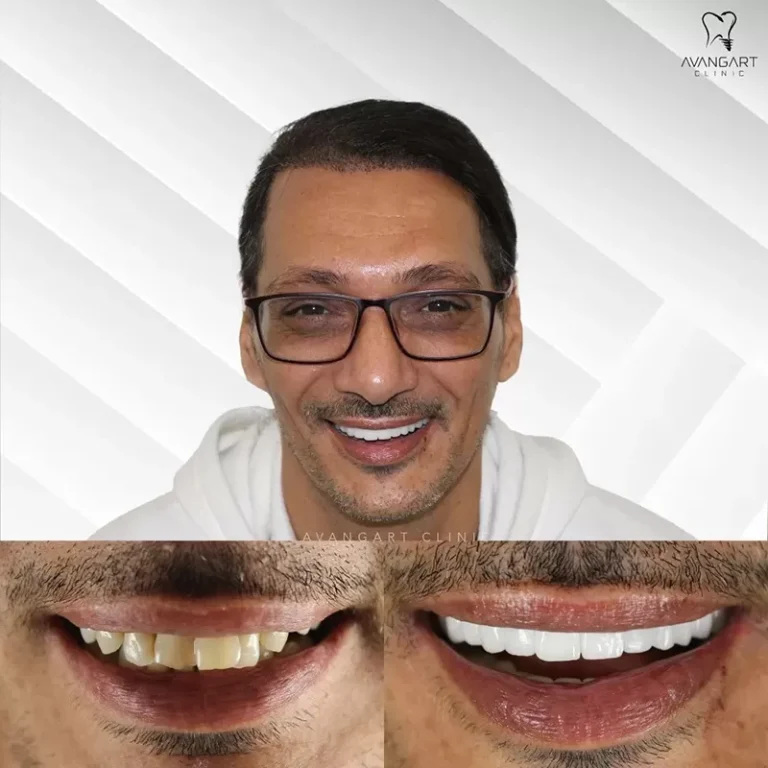
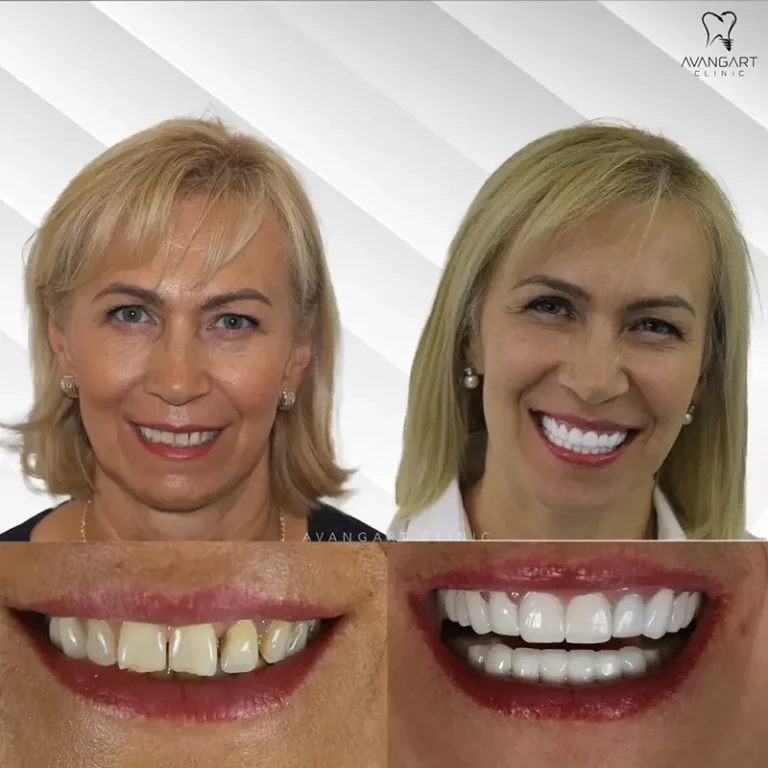
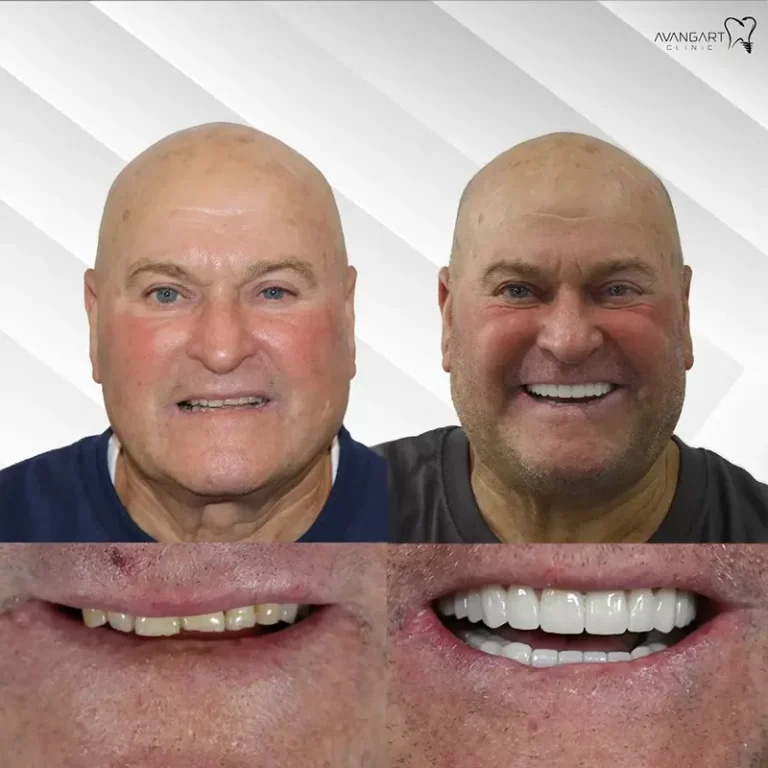
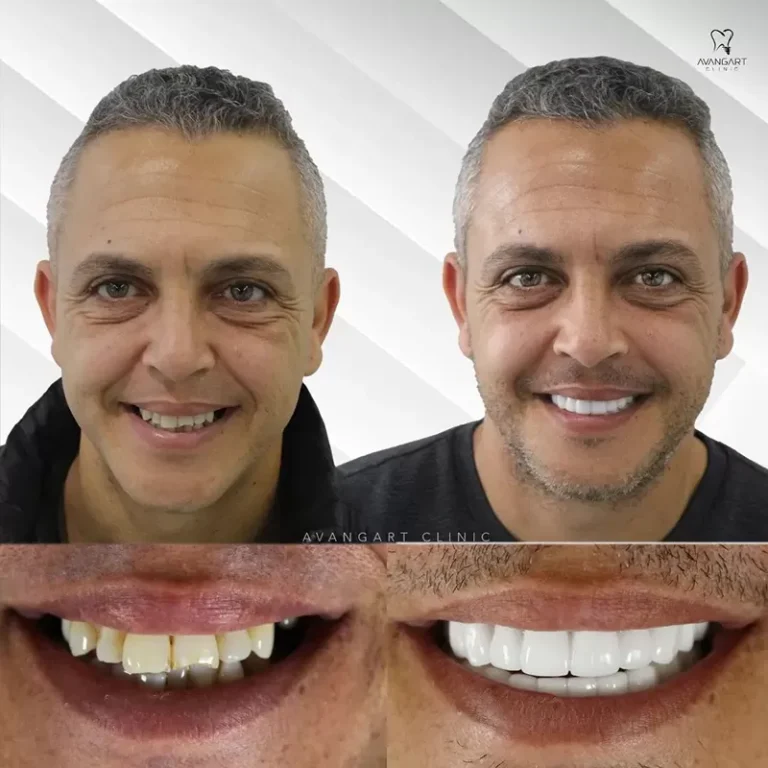
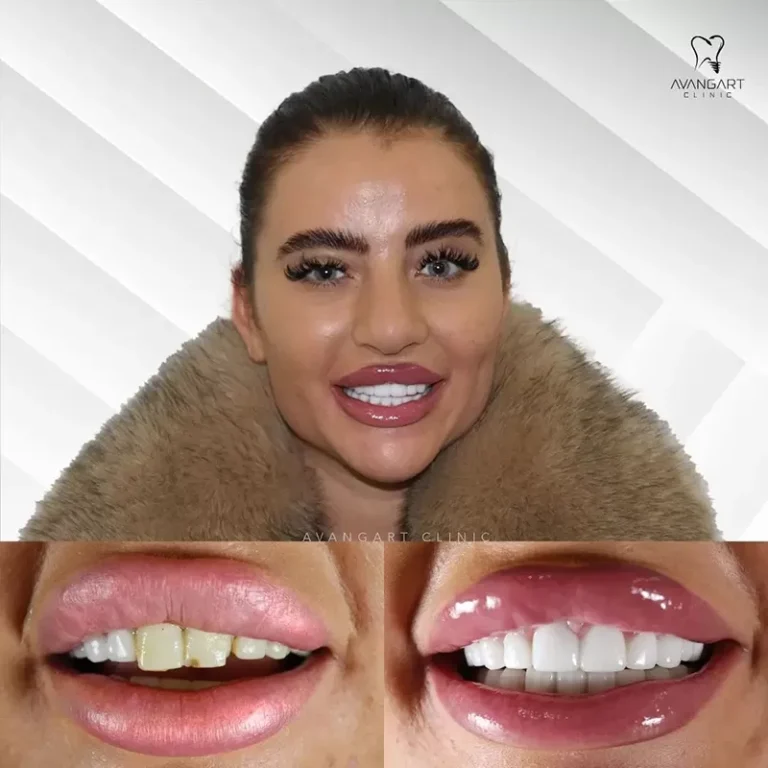
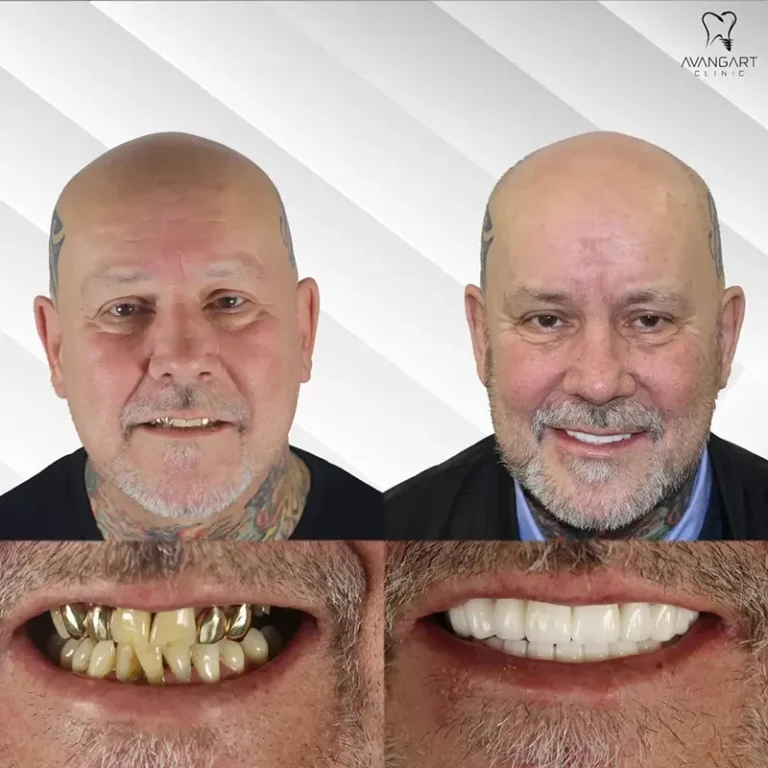
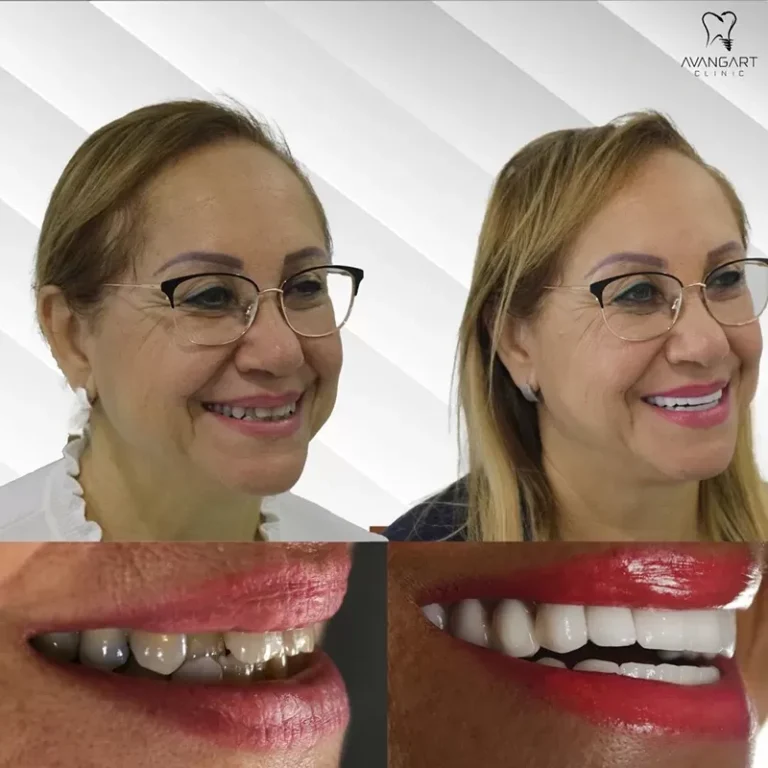
Before and After: Transformative Results with Avangart Clinic
We carry out all our dental treatments with care and strive to give your smile an elegant appearance.