
The Fascinating History of Dental Implants: From Ancient Origins to Modern Smiles

Dr. Emrah YEŞİLYURT
Dr. Emrah Yeşilyurt is the Founder of Avangart Clinic. He combines advanced dental expertise with a genuine commitment to helping patients feel comfortable and informed about their oral health journey.
Modern implants can feel like a recent breakthrough, but the dental implant history goes back thousands of years. Long before today’s precise planning, people in ancient civilizations were already trying to replace missing teeth with materials that could restore function and appearance.
The interesting thing about this story is not just the age of the idea, but the long road from early experiments to safe, reliable treatment. With the development of the technology of dental implants, a simple goal (replacement of a lost tooth) has become one of the most predictable solutions of modern dentistry.
In this guide, we explore the history of dental implants, from primitive attempts at tooth replacement to the first modern dental implants that shaped the treatment patients trust today.
Ancient Attempts at Tooth Replacement
The earliest chapters in the history of tooth replacement are surprisingly inventive. Long before modern implantology, people were already trying to fill the spaces left by missing teeth, even though they had little understanding of how to manage infection, achieve stability, or support proper healing.
Archaeological findings suggest that around 4,000 years ago, people in ancient China used bamboo pegs to replace missing teeth. In ancient Egypt, a copper peg was found in the gap of a missing upper tooth in an Egyptian king, although researchers believe it may have been placed after death rather than during life.
One of the most striking discoveries comes from the Mayan civilization around 600 AD. Skulls found from that period show carved stone, jade, and seashell fragments placed directly into the jawbone where teeth were missing. This shows an early understanding of the need to restore both appearance and function.
Taken together, these findings show a clear pattern. Whether it was an iron false tooth in a Celtic grave in France or the use of animal bone and human teeth in other societies, people have long searched for a more permanent answer to tooth loss.
Innovations in the 18th and 19th Centuries
The 1700s and 1800s were full of trial and error. Dentists were no longer just filling gaps. They were actively testing gold, platinum, and other metal alloys in the hope of creating a tooth replacement that could stay in place and actually function.
That was a big step, but these early designs still had a major weakness. The body often reacted to them as a foreign object, so healing was poor and long-term success was rare. This period taught dentistry an important lesson: strength alone was not enough. The material also had to work with living tissue.
1952: The Discoveries of Dr. Per-Ingvar Brånemark
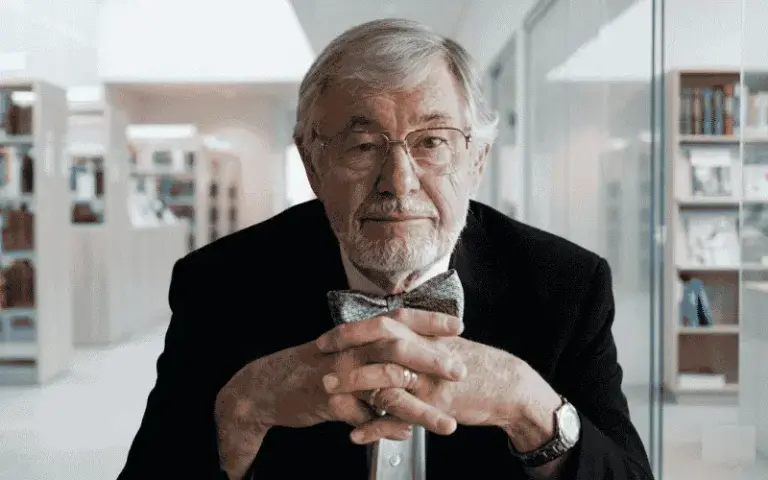
The real turning point came in 1952, when Dr. Per-Ingvar Brånemark, an orthopedic surgeon, was not trying to invent a dental implant at all. He was carrying out orthopedic research on blood flow in rabbits and had placed titanium chambers into bone as part of the study. When he later tried to remove them, he found something unexpected: the titanium had started fusing to living bones.
That accidental finding changed dentistry. Brånemark discovered osseointegration, the process by which titanium bonds irreversibly with bone tissue and becomes stable inside the body. The bone accepts the material instead of treating it like a harmful foreign object.
That is why titanium became such an important material in implant dentistry. It offered the one thing earlier experiments could not: true stability inside living bone.
A Timeline of Dental Implants
The story of modern implantology did not move in one leap. It progressed step by step, from discovery to proof, then from proof to global acceptance.
1700s – Human donor teeth
Lost teeth were sometimes replaced with teeth from human donors. These attempts were usually unsuccessful because the body reacted badly to the foreign material.
1800s – Metal experimentation
Gold, platinum, and other metal alloys were tested in freshly extracted tooth sockets, but long-term success remained poor.
1952 – The breakthrough
Professor Brånemark discovered that titanium could fuse with living bone. This finding, later known as osseointegration, gave dentistry the biological foundation it had been missing for centuries.
1965 – The first modern implant
Dr. Brånemark placed the first successful titanium dental implant in a human patient, Gosta Larsson. What makes this milestone so powerful is that the implant remained stable and functional for more than 40 years, until Larsson’s passing.
1981 – Long-term proof
Brånemark published long-term clinical data based on roughly 15 years of research and follow-up. That gave the profession something it had been missing: reliable long-term proof that implants could succeed.
1982 – Global scientific consensus
The Toronto Conference on Osseointegration set out the first widely accepted guidelines for successful implant dentistry and helped bring implants into mainstream clinical practice.
2002 – The standard of care
By the early 2000s, dental implants had become a widely accepted and increasingly mainstream option for tooth replacement.
The Modern-Day Equivalent
Once Professor Brånemark discovered that titanium could fuse with living bone, implant treatment began to look much more like the dentistry we know today. A titanium post could be placed in the jawbone, allowed to heal, and then restored with an abutment and crown. For people who struggled with loose or uncomfortable dentures, that was a major shift.
What has changed most since then is the level of precision. Earlier systems were far closer to a one-size-fits-all approach, with fewer choices in shape, width, and surface design. Today, implants are selected and positioned according to the patient’s bone, bite, gum line, and final smile, so the result feels more natural and functions more predictably.
In other words, modern implants do more than simply replace missing teeth. They are tailored solutions designed to restore comfort, stability, and long-term oral health.
How Have Implants Changed Since Then?
The gap between modern implants and dental implants 40 years ago is bigger than most people expect. Earlier implants were much more standardized. Many were similar in width and design, with only small differences in length, so treatment was far less personalized than it is now.
Today, there is far more variety in implant shape, size, and surface design. That allows treatment to be planned more accurately around the patient’s needs. For example, a narrow space, softer bone, or a visible front tooth area may all call for a different approach.
The implant surface has improved as well. Older designs were often smooth, but many modern implants are now sandblasted or acid-etched to help them bond with bone more effectively. This has made a real difference to healing timelines and long-term structural stability. Decades ago, when early implants lacked these advanced microscopic textures, the jawbone took longer to integrate, forcing patients to endure prolonged, highly restrictive dietary protocols. Today, because modern surfaces bond with bone so rapidly, the guidelines regarding what patients can safely eat after dental implant surgery are far less limiting.
Planning has changed just as much as the implant itself. With 3D CBCT scanning and computer-guided surgery, implant placement can now be far more accurate than it was in the past. For some patients, zirconia metal-free options may also be considered.
Experience the Future of Tooth Replacement at Avangart Clinic
Today’s implant treatment is the result of centuries of learning, refinement, and real scientific progress. What used to be uncertain and uncomfortable has become a far more predictable way to replace missing teeth and rebuild confidence in your smile.
If you are considering dental implants in Turkey, the most helpful next step is to have your case assessed properly. A consultation gives you a clear picture of your bone support, gum health, smile goals, and whether implants are the right option for you. It is also the right time to discuss personal concerns, including whether diabetics can get dental implants, and to see why choosing the right treatment plan matters more than simply comparing dental implant brands.
Contact us directly at +90 542 146 82 11 or contact@avangartclinic.com.
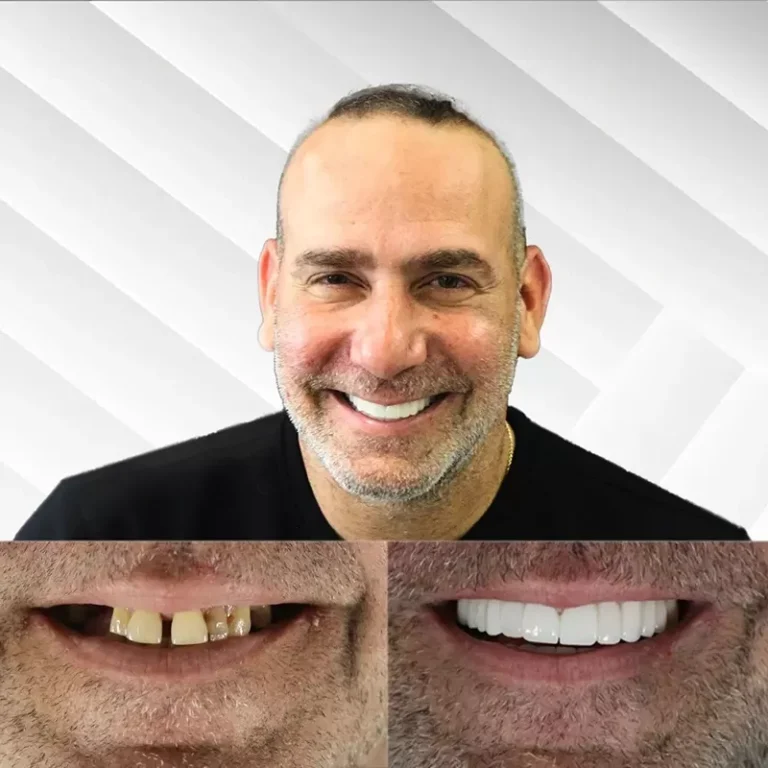
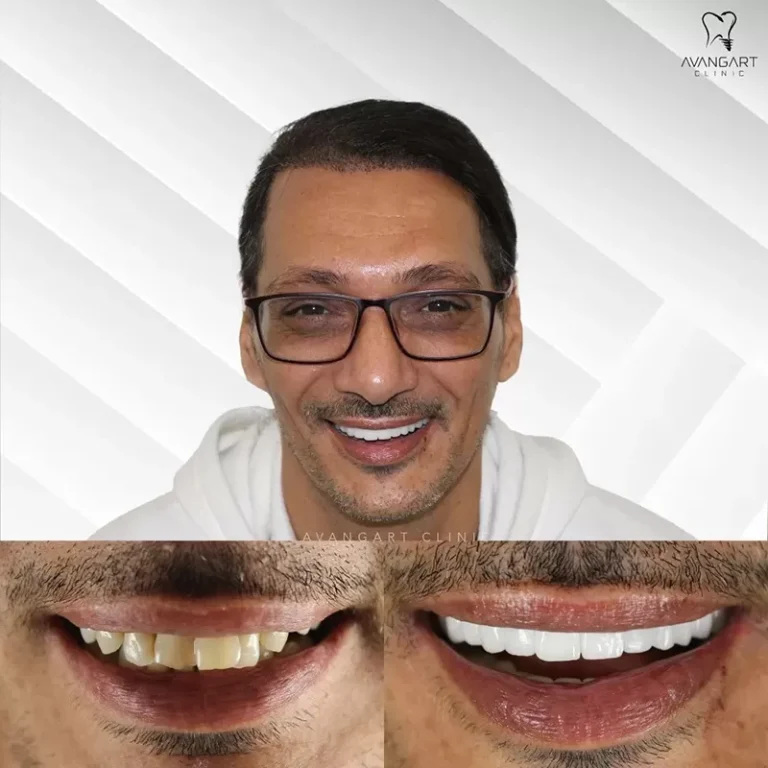
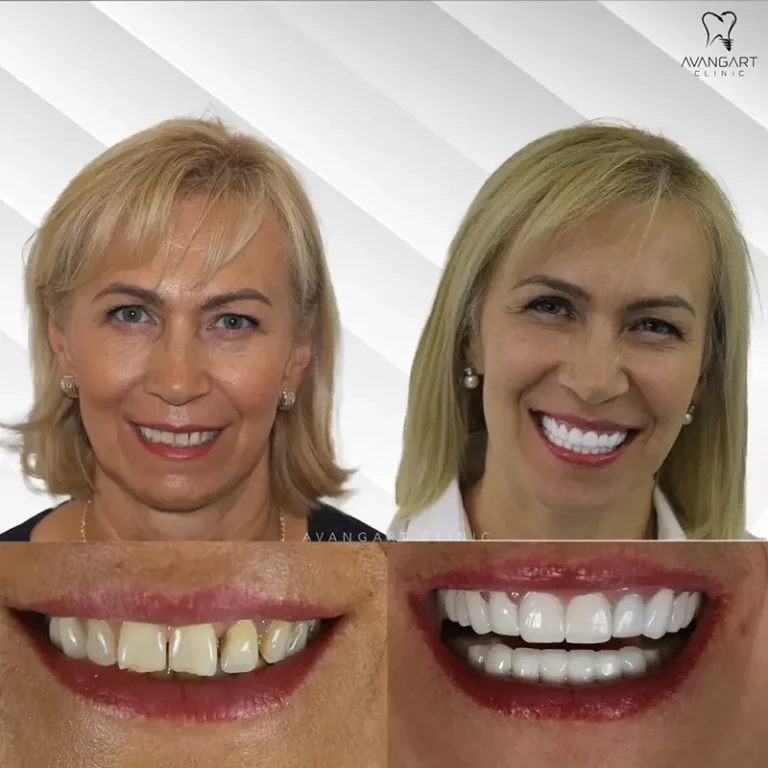
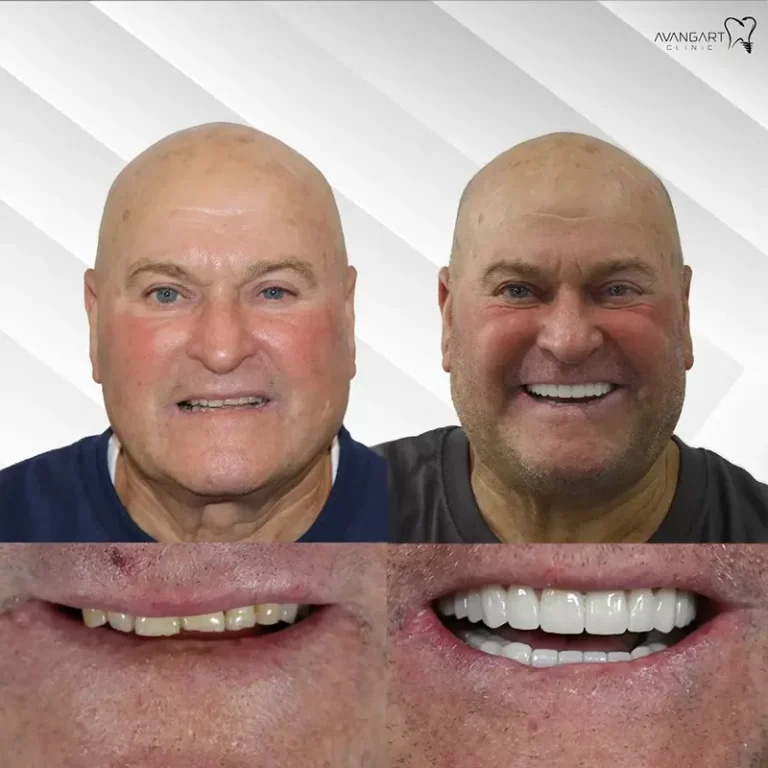
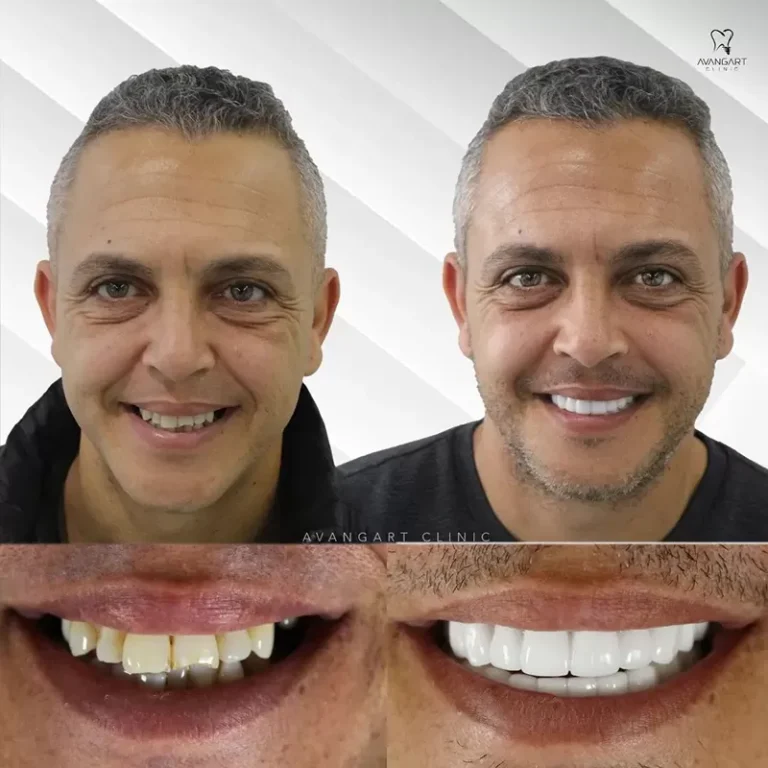
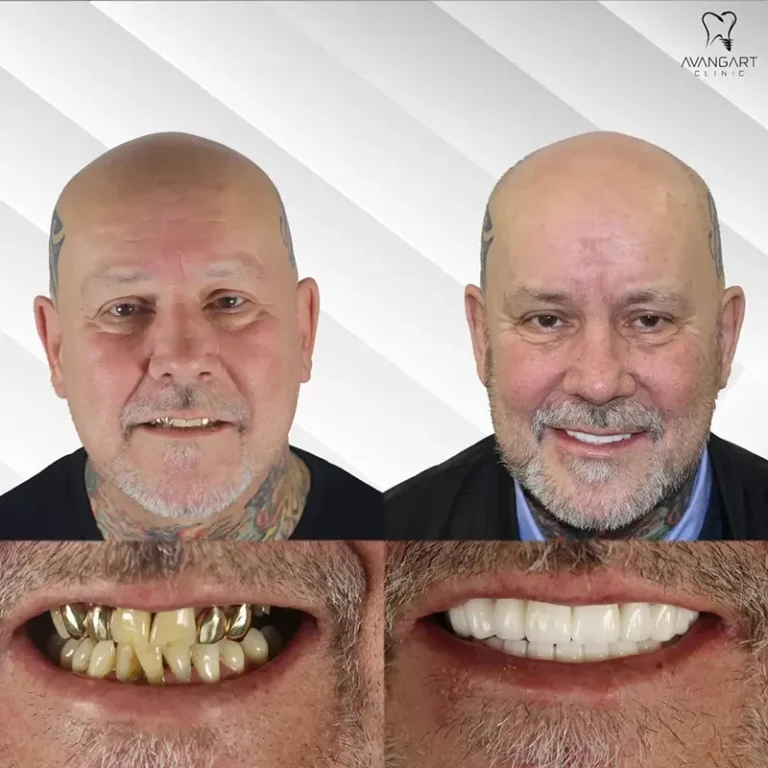
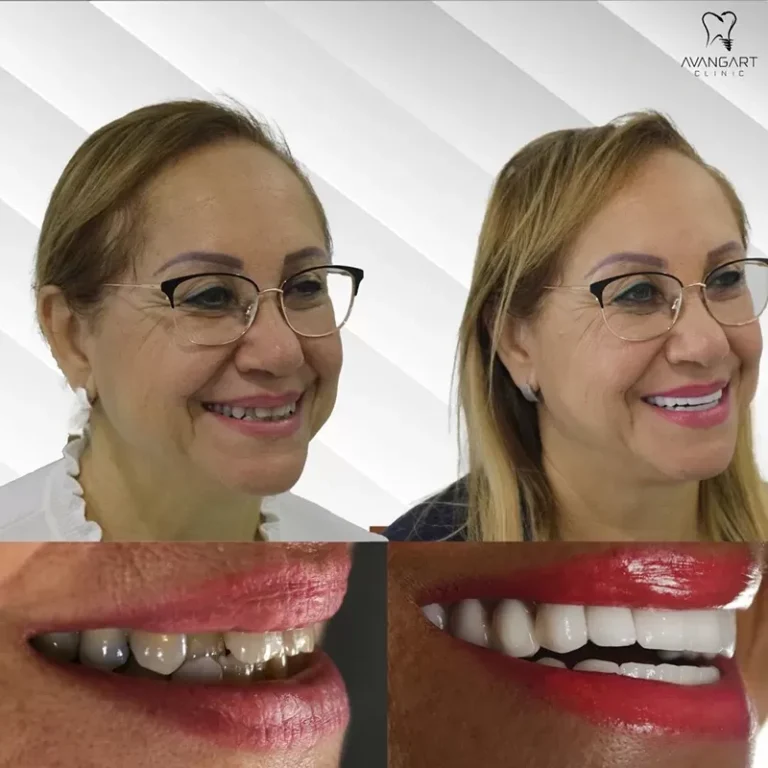
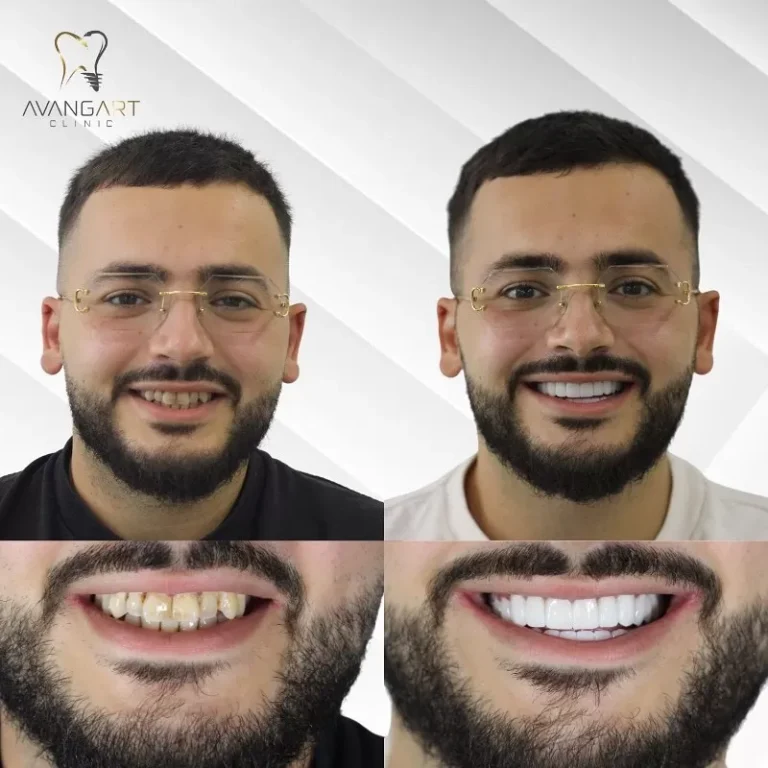
Before and After: Transformative Results with Avangart Clinic
We carry out all our dental treatments with care and strive to give your smile an elegant appearance.

FAQs
Modern dental implants are most closely associated with Dr. Per-Ingvar Brånemark. He was the orthopaedic surgeon in Sweden who found that titanium can bond to living bone, which is the basis of modern implant dentistry. That is why he is widely known as the father of modern implantology.
The first successful modern titanium dental implant was placed in 1965. Dr. Per-Ingvar Brånemark placed it in a patient called Gosta Larsson, and that case became a major turning point in implant dentistry. What makes it even more remarkable is that the implant lasted for more than 40 years.
Dental implants started becoming more widely accepted in the 1980s. That was the point when long-term results began to give dentists real confidence in the treatment, and the 1982 Toronto Conference on Osseointegration helped set clear standards. From there, implants grew in popularity through the ’90s and ’2000s as techniques improved and outcomes became more predictable.
If we look far back, the oldest “implant” attempts were very simple and often crude. Ancient cultures tried materials such as bamboo pegs, copper pegs, seashells, bone, and other substitutes to fill gaps left by missing teeth.
Later, implant dentistry introduced designs such as subperiosteal implants, which rested on top of the jawbone beneath the gum, and blade implants, which had a thin, flat form instead of the root-like shape more familiar today.
The All-on-4 treatment concept is most closely associated with Dr. Paulo Malo. He developed the concept with Nobel Biocare and helped establish the protocol that uses four implants to support a full-arch fixed prosthesis. The concept was later scientifically introduced in published clinical research, which is why his name is so closely tied to this treatment.
If we mean modern dental implants, their roots are in Sweden. Per-Ingvar Brånemark’s work on osseointegration began there in the 1950s, and the first successful modern titanium dental implant was placed in Gothenburg, Sweden, in 1965.
Many titanium implants can still function well after 20 years, especially when they were well planned to begin with, and the patient keeps up with oral hygiene and follow-up care. They do not simply wear out with time, but some can develop problems such as bone loss, peri-implant disease, or mechanical complications, which is why long-term maintenance remains so important.
A 2024 meta-analysis found roughly 4 out of 5 implants survived to 20 years overall, while some long-term cohorts with regular supportive care reported even higher survival.
Before implants, dentists usually relied on dentures, bridges, and a wide range of replacement materials that now sound quite unusual. Historical sources describe the use of animal teeth, human donor teeth, ivory, mother-of-pearl, and other materials, but these options often had serious limits in comfort, hygiene, appearance, and long-term success.
They had early experimental versions, but not modern implants in the way we understand them today. In the 1800s, dentists experimented with gold, platinum, and other metal designs placed into extraction sockets. While these early efforts shared some features with later implant concepts, long-term outcomes were poor because the biology and materials were not yet fully understood.