How Do You Fix Rotten Teeth?

Dr. Emrah YEŞİLYURT
Dr. Emrah Yeşilyurt is the Founder of Avangart Clinic. He combines advanced dental expertise with a genuine commitment to helping patients feel comfortable and informed about their oral health journey.
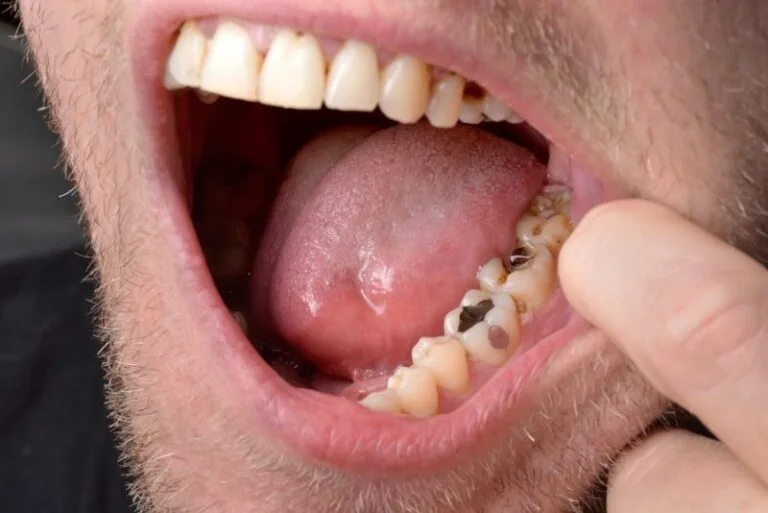
Living with a badly decayed tooth can be painful, stressful, and honestly quite upsetting. Some people struggle with chewing, some notice a bad taste or smell in their mouth, and others feel self-conscious even smiling or speaking because of a visible rotten tooth.
However, the good news is that this problem can often be treated. When patients ask us if rotten teeth can be fixed, the answer depends on how far the decay has spread. Modern dentistry offers several ways to relieve pain, control infection, and restore the tooth whenever possible.
If you have been searching for how to fix rotten teeth, it is important not to wait too long. The sooner treatment begins, the better the chance of saving the tooth with simpler, more comfortable care.
Satisfied Patient Reviews
EXCELLENTTrustindex verifies that the original source of the review is Google. Service impeccable. Je suis venue pour des implants. La prise en charge a été rapide et la douleur pendant et après l’opération a été à peine ressentie. Clinique très professionnelle et chirurgien expert. Personnel très accueillant, en particulier la Directrice. Recommande à tous ceux qui sont à la recherche de professionnels pour régler des problèmes dentaires Suis venue finaliser la pose des implants et des couronnes. Résultat impécable!Posted on GoogleTrustindex verifies that the original source of the review is Google. I visited from England and had a positive experience. I went for a Hollywood Smile look and couldn’t be happier with them. The clinic was very aesthetic & clean, the staff were very attentive and supportive & I high recommend them.Posted on GoogleTrustindex verifies that the original source of the review is Google. İmplantlarımı ve zirkyonyumlarımı yaptırdım 2 sene önce iyiki yaptırmışım çok memnunum doktorum emrah hoca işinde çok iyi birisi tüm çalışanlara çok teşekkür ediyorum güler yüzlü anlayışları için gülşah hanıma ayriyetten teşekkür ederim 🌹Posted on GoogleTrustindex verifies that the original source of the review is Google. Çok güzel ve güveninirPosted on GoogleTrustindex verifies that the original source of the review is Google. Friendly and approachable staff, above all I haven’t experienced any pain what so ever, it does truly shows core professionalism. Coming from Wolverhampton, UK and made implant surgery with sinuslifting Gedi JafarPosted on GoogleTrustindex verifies that the original source of the review is Google. Ik Marco, hebt mijn gebit laten doen bij Avangart.. En ben door lieve mensen goed ontvangen en behandeld.. Kliniek zeer hygienisch en goede apparatuur.. Deze kliniek zo ik zeker aanraden om je laten behandelen..😁Posted on GoogleTrustindex verifies that the original source of the review is Google. I traveled from the U.S. and had Avantgart Clinic positively transform my smile in a manner that I wouldn’t have conceived as being possible. Dr. Egemen, a true master in his field, was patient, considerate, and communicative throughout the process and his assistant, Sevim, was a real joy to work with. Together, the two of them combined to make the overall experience much greater than I could have ever hoped for, and the end result is a smile that is on par with the most glamorous of Hollywood stars. I am extremely satisfied and would highly recommend Avangart Clinic to anyone looking to enhance their smile at a great price and of the highest quality.Posted on GoogleTrustindex verifies that the original source of the review is Google. Herkes mükemmel ıscılık mükemmel teşekkür edıyorumPosted on GoogleTrustindex verifies that the original source of the review is Google. Emrah bey‘in diş konusundaki tecrübesi, güler yüzü ve uzmanlığı nedeniyle diş tedavilerim için her seferinde Avusturya‘dan İstanbul’a gelmekteyim. Diş kliniği de son teknolojik donanıma sahip güven verici muayenehaneler içermekte.Posted on GoogleTrustindex verifies that the original source of the review is Google. Güler yüzlü ekip, temiz ve modern bir klinik. Tedavi sürecim baştan sona çok profesyoneldi. Gönül rahatlığıyla tavsiye ederim.Verified by TrustindexTrustindex verified badge is the Universal Symbol of Trust. Only the greatest companies can get the verified badge who has a review score above 4.5, based on customer reviews over the past 12 months. Read more
What Are the Early Signs of Rotting Teeth?
Decay in its early stages is not always obvious. In some cases, a small cavity forms without pain, which is why regular check-ups matter. But as the damage moves deeper, symptoms of tooth rot usually become easier to notice.
Common early warning signs include:
- Sensitivity to hot, cold, sweet, or sour foods
- Pain when biting or chewing
- White chalky marks, brown stains, or black spots on the tooth
- A visible hole or rough area on the surface
- Bad breath or a foul taste that does not go away
- Mild gum swelling around the affected tooth
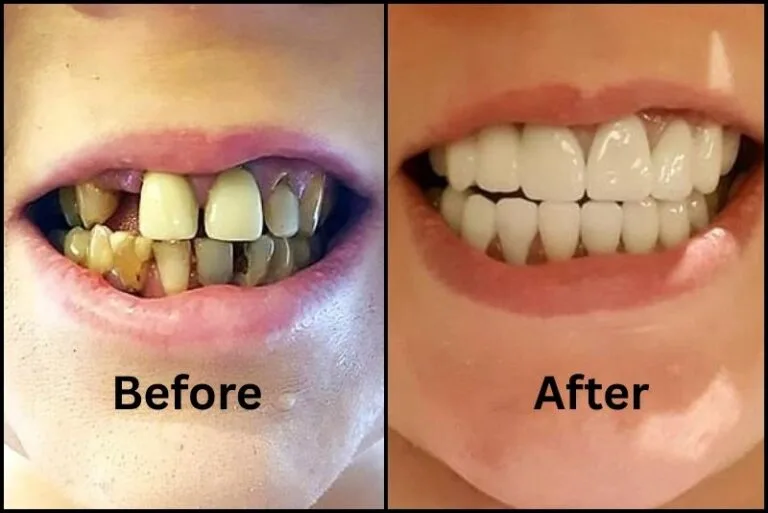
Many people also ask what rotten teeth look like. In real life, it may start as a dull white patch near the enamel, then darken over time, or appear as a small cavity near the gum line or between the teeth.
If the pain becomes throbbing, keeps you awake, or the gum starts to swell, the decay may no longer be in its early stage. That usually means the tooth needs prompt professional care, and waiting can make the problem much worse.
Can a Rotten Tooth Actually Be Fixed?
Yes, in many cases, it can.
A dark, broken, or badly damaged tooth can understandably make people worry that it is too far gone. But that is not always the case. Many people put off treatment, often because of fear or uncertainty. In fact, the CDC reports that 1 in 5 working-age adults (21%) currently has at least one untreated cavity.
What matters most is how early the problem is identified and how far the decay has spread. Teeth have three layers: the hard outer layer of enamel, the softer layer of dentin beneath it, and the inner pulp that contains the nerve. The deeper the damage goes, the more treatment the tooth may need.
If the decay is still in the outer part of the tooth, tooth fillings may be enough. If a lot of the tooth structure has weakened, dental crowns can help protect and rebuild it. If the infection has reached the nerve, a root canal may be the best way to preserve the tooth.
If the tooth cannot be saved, it may need to be removed. Even then, treatment does not stop there. The missing tooth can often be replaced with a suitable option (such as a dental implant or bridge) to restore your smile and help you chew comfortably again.
How Dentists Fix Rotten Teeth (Treatment Options by Severity)
There is no single fix for every rotten tooth. The right treatment depends on how much of the tooth is damaged, how deep the decay has gone, and whether the infection has reached the inside of the tooth.
In simple terms, treatment usually moves from smaller repairs to bigger ones. We always try to keep as much healthy tooth structure as possible before considering removal.
Dental Fillings (For Mild to Moderate Cavities)
If the decay is still limited to the outer part of the tooth or just into the upper dentin, tooth fillings are often enough. The decayed part is cleaned away, and the space is filled with a tooth-coloured material such as composite resin.
This is usually one of the simplest ways to treat a cavity. It works best when the tooth is still strong overall, and the damage has not reached the nerve.
Dental Crowns (For Severe Structural Damage)
Sometimes the tooth is too weak or too broken down for a filling to last. In that situation, dental crowns are often a better choice because they cover the tooth and help protect what is left.
First, the decay is excavated, and the tooth is shaped to receive the crown. Then a custom-made cap, often porcelain, is placed over the tooth so it can handle normal biting pressure again without breaking further.
Root Canal Therapy (For Deep Pulp Infections)
When decay reaches the pulp, the tooth usually becomes much more painful, especially when you bite down, have something hot, or try to sleep at night. This is when a root canal may be needed.
The infected tissue is removed from inside the tooth, the area is cleaned, and the tooth is sealed so the natural root can stay in place.
Tooth Extraction (When the Tooth Cannot Be Saved)
Sometimes a tooth is simply too badly damaged to repair safely. In those cases, tooth extraction becomes the best way to remove the source of pain and prevent the infection from spreading further.
We see extraction as a last resort. When a tooth has to be extracted, the next step is to determine the best way to replace it, so the gap will not affect your bite, comfort, or smile.
Replacing a Rotten Tooth After Extraction
If the tooth has to be taken out, most people ask the same thing: do I just have to live with the gap? In most cases, no. Replacing it is important because an empty space can make chewing feel awkward and, over time, can let nearby teeth start to move.
For many people, a dental implant feels closest to having the tooth back again. It replaces the missing tooth in a way that can feel secure, comfortable, and natural in everyday life.
A dental bridge is another good way to replace the missing tooth. It fills the space by using support from the teeth on either side. This can work really well in the right situation.
The best choice depends on your bone support, the health of neighbouring teeth, and your overall treatment plan. What’s most important is that if a tooth can’t be saved, it can be replaced in a way that looks natural, feels comfortable and helps you chew with confidence again.
What Happens If Rotten Teeth Aren't Treated?
A rotten tooth usually gets worse if it is left untreated. What may begin as sensitivity, pain when biting, or a small dark area can slowly turn into deeper infection as the decay moves inward. Early tooth decay may have no symptoms at all, but once the tooth becomes infected, pain, facial swelling, and fever can follow.
Once bacteria reach the center of the tooth, a dental abscess can form. That is a localized purulent exudate (pocket of pus) caused by infection, and it can lead to throbbing pain, a bad taste in the mouth, swelling in the face or jaw, difficulty chewing, and swollen glands in the neck.
If it is still left untreated, the infection may spread beyond the tooth. A tooth abscess can spread to the jaw and other areas of the head and neck, and in serious cases it can lead to sepsis, which is a life-threatening whole-body response to infection.
This is why worsening tooth pain should not be ignored. If you have facial swelling, fever, trouble swallowing, or trouble breathing, it needs urgent dental or medical attention.
Stop the Pain: Schedule Your Restorative Dental Consultation Today
If your tooth has been hurting, swelling, or starting to look darker or broken down, it is best not to leave it and hope it settles. In many cases, the sooner we see the tooth, the better the chance of treating it before the problem becomes bigger.
Our aim is to help you understand exactly what is happening, relieve discomfort, and give you a treatment plan that makes sense for your tooth, your budget, and your comfort. In many cases, acting early gives you the best chance of saving the tooth.
If you are ready to speak with our expert dentists in Turkey, contact us to arrange your consultation:
Phone / WhatsApp: +90 542 146 82 11
Email: contact@avangartclinic.com
If your tooth pain is getting worse, the gum is swelling, or the area feels infected, do not wait for it to settle on its own. A proper examination is the safest way to find out whether the tooth can still be restored.
FAQs
No, a rotten tooth cannot heal itself once a cavity has formed. Early enamel damage may sometimes be managed before it turns into a real hole, but once decay reaches deeper tooth structure, it needs professional treatment. Waiting usually makes the problem bigger, more painful, and harder to fix.
In most cases, treatment is far more comfortable than people expect. Modern numbing methods are used to keep the area as pain-free as possible, and many patients say the infection or toothache was worse than the procedure itself. The aim is to stop pain, not add to it.
Costs vary depending on the severity of the decay, as a minor filling is a much lower investment than an advanced restoration. The cost depends on what the tooth needs. During your consultation, you will receive a clear treatment plan and a personalised estimate based on the number of teeth involved and the type of treatment required.
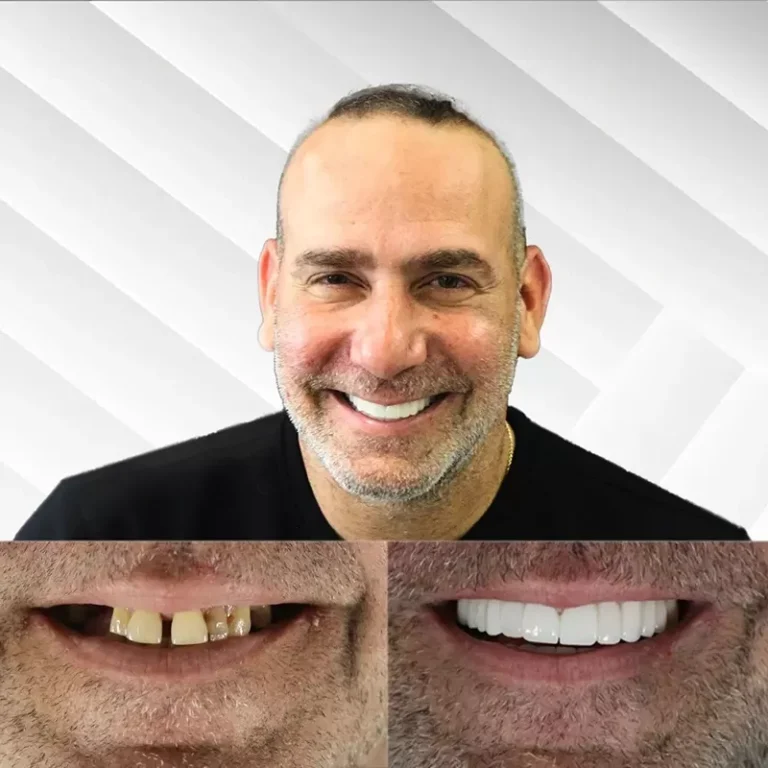
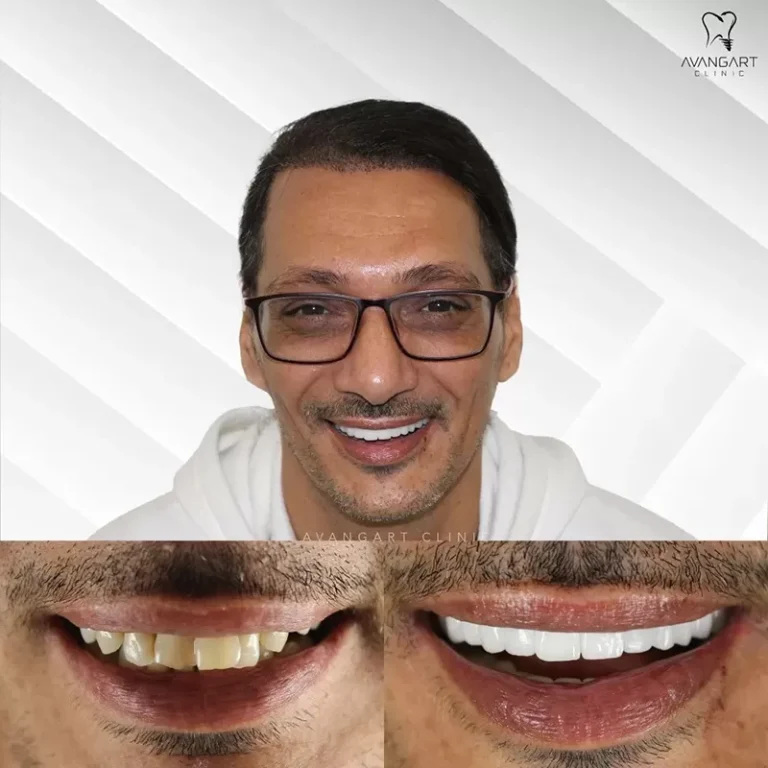
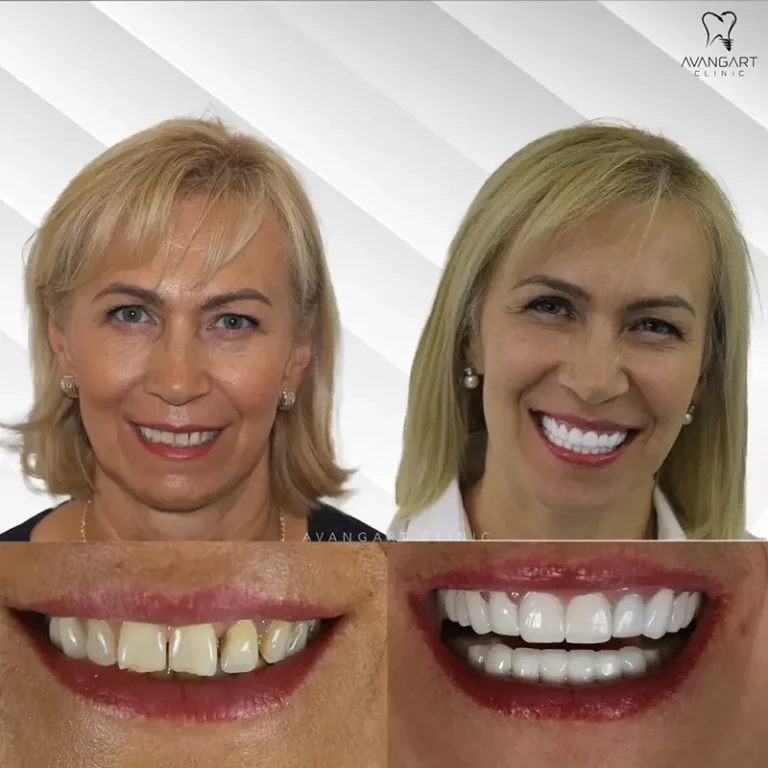
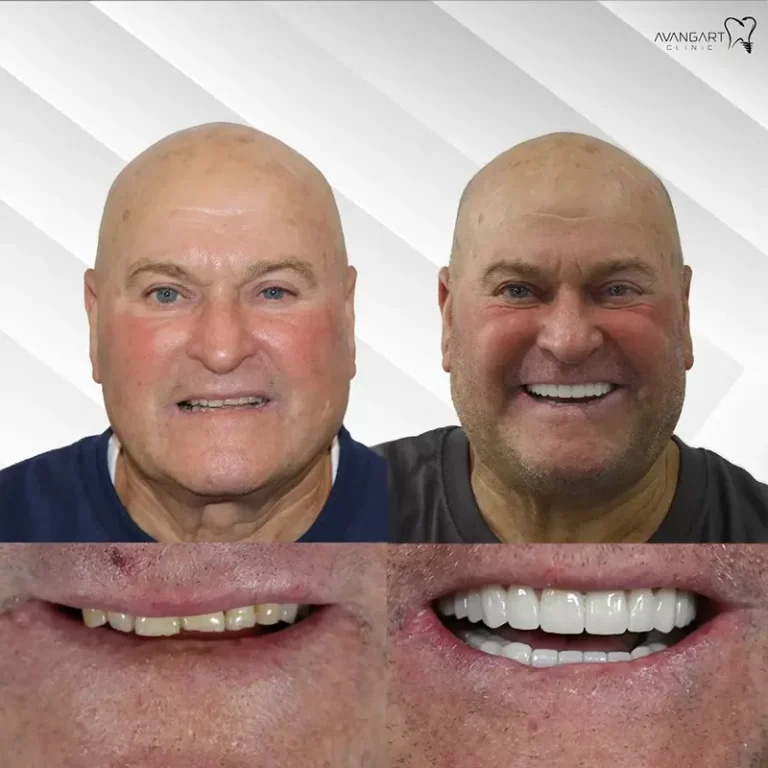
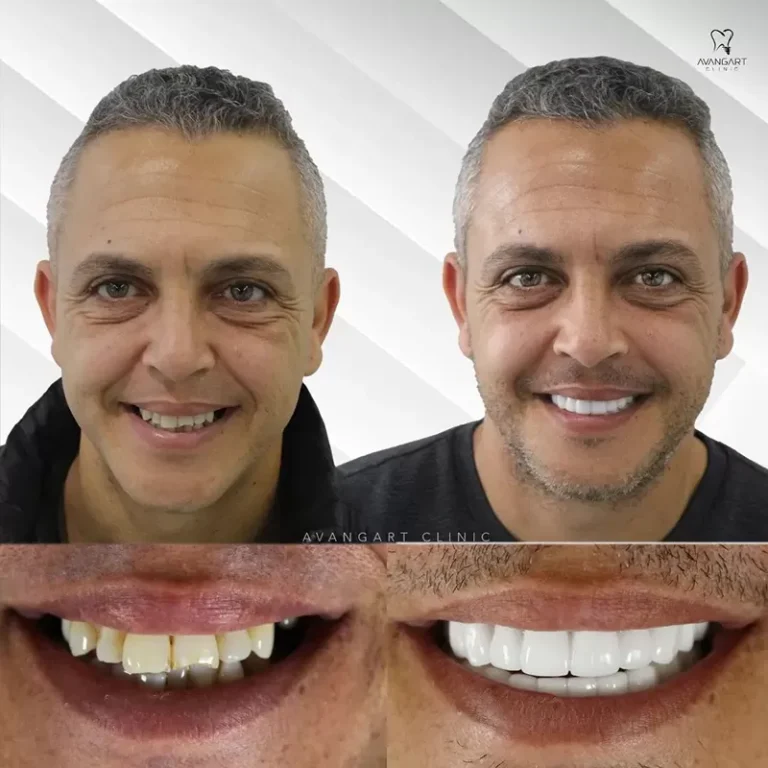
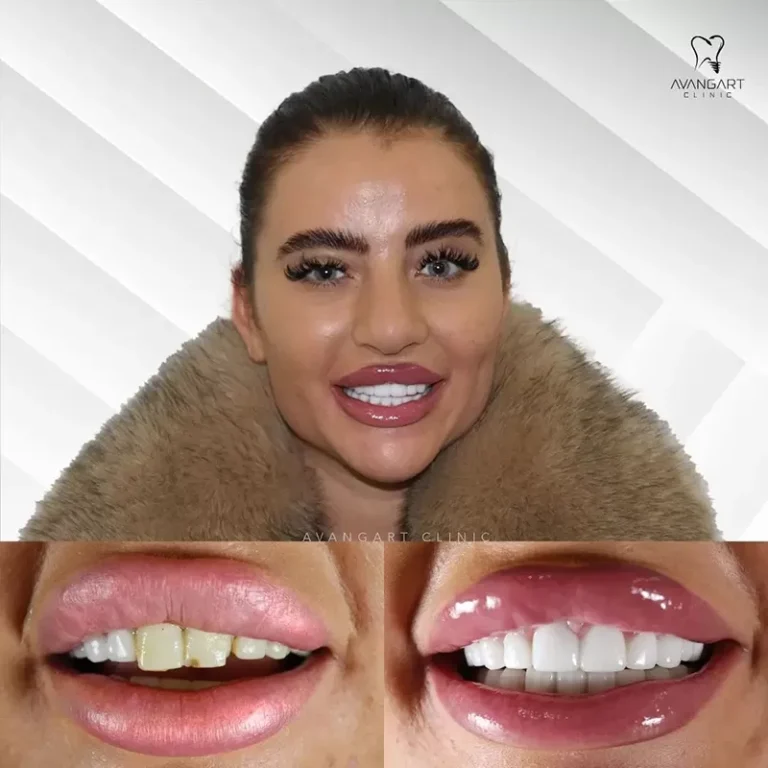
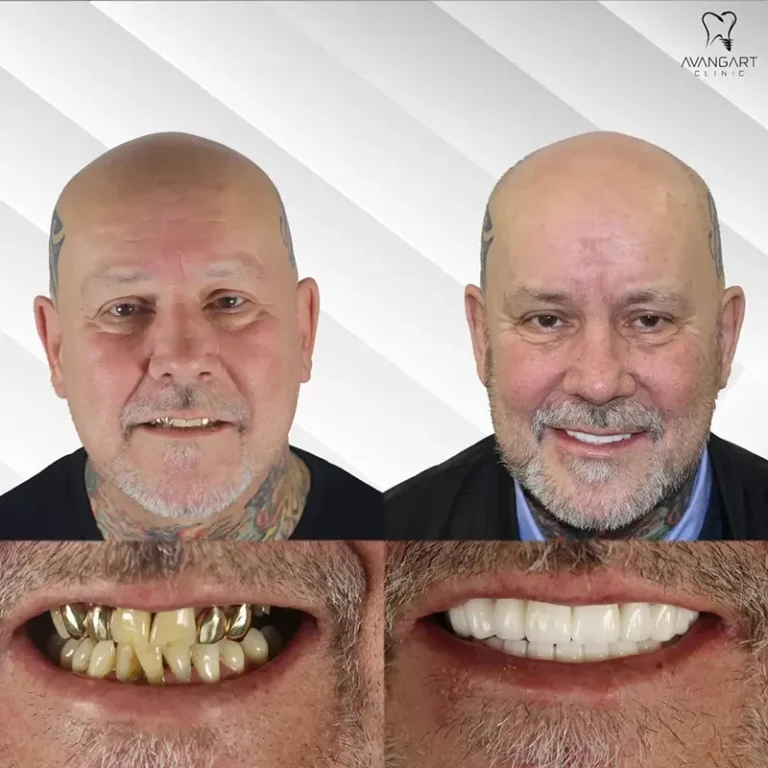
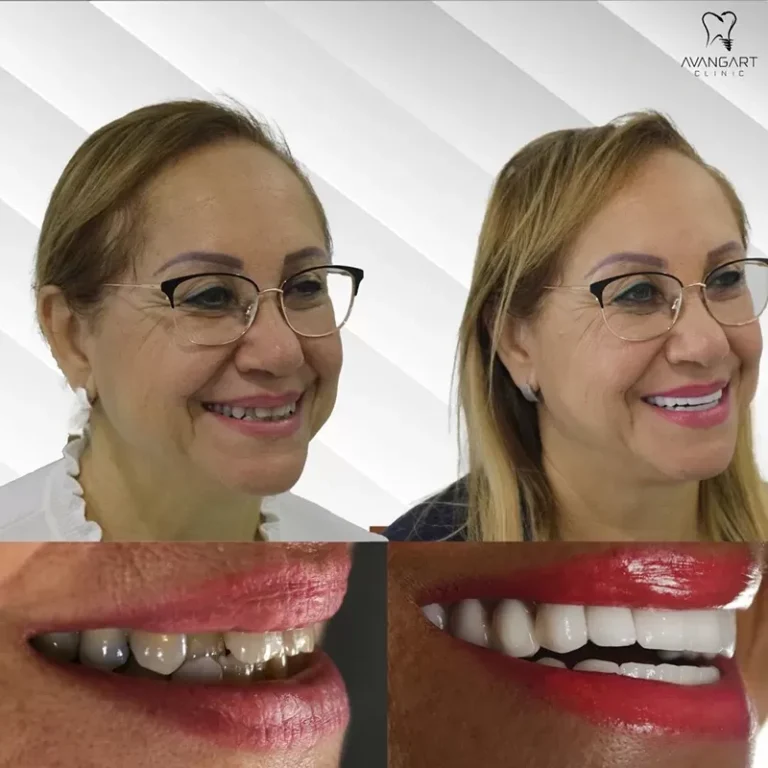
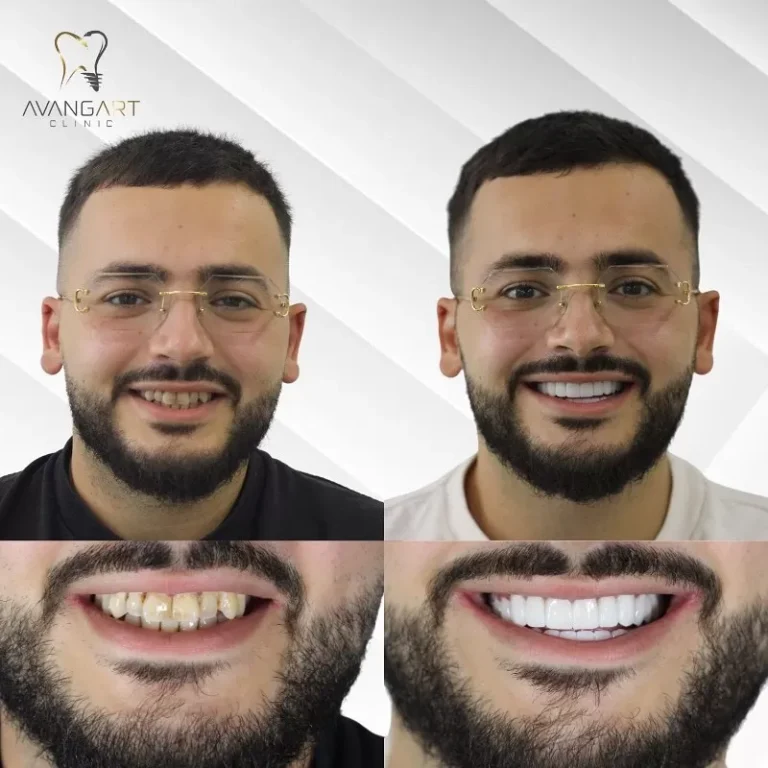
Before and After: Transformative Results with Avangart Clinic
We carry out all our dental treatments with care and strive to give your smile an elegant appearance.