
How To Get Rid Of White Spots On Teeth?

Dr. Emrah YEŞİLYURT
Dr. Emrah Yeşilyurt is the Founder of Avangart Clinic. He combines advanced dental expertise with a genuine commitment to helping patients feel comfortable and informed about their oral health journey.
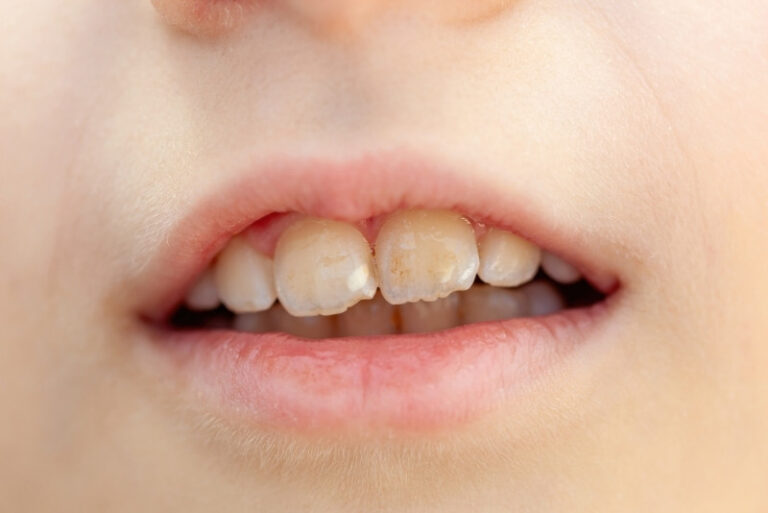
White spots on teeth can be easy to dismiss at first, but they often stand out more than darker stains because they interrupt the natural translucency of enamel. They often look chalky, cloudy, or brighter than the surrounding enamel, which is why many people notice them in photos.
If you have been wondering, “Why do I have white spots on my teeth?”, the cause is not always the same. In some cases, they develop after mineral loss in the enamel. In others, they are linked to fluorosis, enamel defects, or changes that started while the teeth were still developing.
Some patients notice white marks on teeth for the first time after orthodontic treatment, while others have had them for years and only recently decided to do something about them. The important point is that these marks are not always just a colour issue. They can also reflect an area where the enamel is less uniform and more vulnerable.
When patients ask how to get rid of white spots on teeth, the right answer depends on the depth and cause of the spot. In many cases, modern dentistry can improve their appearance with conservative treatments such as remineralization, resin infiltration, microabrasion, or whitening to create a more even overall shade. If the defect is deeper, treatments like bonding or veneers may be needed to achieve a smoother, more uniform result.
Satisfied Patient Reviews
EXCELLENTTrustindex verifies that the original source of the review is Google. Service impeccable. Je suis venue pour des implants. La prise en charge a été rapide et la douleur pendant et après l’opération a été à peine ressentie. Clinique très professionnelle et chirurgien expert. Personnel très accueillant, en particulier la Directrice. Recommande à tous ceux qui sont à la recherche de professionnels pour régler des problèmes dentaires Suis venue finaliser la pose des implants et des couronnes. Résultat impécable!Posted on GoogleTrustindex verifies that the original source of the review is Google. I visited from England and had a positive experience. I went for a Hollywood Smile look and couldn’t be happier with them. The clinic was very aesthetic & clean, the staff were very attentive and supportive & I high recommend them.Posted on GoogleTrustindex verifies that the original source of the review is Google. İmplantlarımı ve zirkyonyumlarımı yaptırdım 2 sene önce iyiki yaptırmışım çok memnunum doktorum emrah hoca işinde çok iyi birisi tüm çalışanlara çok teşekkür ediyorum güler yüzlü anlayışları için gülşah hanıma ayriyetten teşekkür ederim 🌹Posted on GoogleTrustindex verifies that the original source of the review is Google. Çok güzel ve güveninirPosted on GoogleTrustindex verifies that the original source of the review is Google. Friendly and approachable staff, above all I haven’t experienced any pain what so ever, it does truly shows core professionalism. Coming from Wolverhampton, UK and made implant surgery with sinuslifting Gedi JafarPosted on GoogleTrustindex verifies that the original source of the review is Google. Ik Marco, hebt mijn gebit laten doen bij Avangart.. En ben door lieve mensen goed ontvangen en behandeld.. Kliniek zeer hygienisch en goede apparatuur.. Deze kliniek zo ik zeker aanraden om je laten behandelen..😁Posted on GoogleTrustindex verifies that the original source of the review is Google. I traveled from the U.S. and had Avantgart Clinic positively transform my smile in a manner that I wouldn’t have conceived as being possible. Dr. Egemen, a true master in his field, was patient, considerate, and communicative throughout the process and his assistant, Sevim, was a real joy to work with. Together, the two of them combined to make the overall experience much greater than I could have ever hoped for, and the end result is a smile that is on par with the most glamorous of Hollywood stars. I am extremely satisfied and would highly recommend Avangart Clinic to anyone looking to enhance their smile at a great price and of the highest quality.Posted on GoogleTrustindex verifies that the original source of the review is Google. Herkes mükemmel ıscılık mükemmel teşekkür edıyorumPosted on GoogleTrustindex verifies that the original source of the review is Google. Emrah bey‘in diş konusundaki tecrübesi, güler yüzü ve uzmanlığı nedeniyle diş tedavilerim için her seferinde Avusturya‘dan İstanbul’a gelmekteyim. Diş kliniği de son teknolojik donanıma sahip güven verici muayenehaneler içermekte.Posted on GoogleTrustindex verifies that the original source of the review is Google. Güler yüzlü ekip, temiz ve modern bir klinik. Tedavi sürecim baştan sona çok profesyoneldi. Gönül rahatlığıyla tavsiye ederim.Verified by TrustindexTrustindex verified badge is the Universal Symbol of Trust. Only the greatest companies can get the verified badge who has a review score above 4.5, based on customer reviews over the past 12 months. Read more
What Are White Spots on Teeth? (Demineralization Explained)
White spots on teeth are opaque areas in the enamel that can develop for different reasons, including mineral loss, fluorosis, or developmental enamel defects. Rather than looking glossy and translucent like healthy enamel, these areas often appear chalky, cloudy, or uneven in colour.
In many cases, this is the early stage of demineralization. Acids produced by plaque bacteria start drawing calcium and phosphorus out of the outer layer of the tooth, and that leaves the enamel weaker and more porous.
When enamel becomes porous, it reflects light differently. Instead of looking glossy and translucent like healthy enamel, the area starts to appear white or chalky, often before a cavity is visible.
This is an important distinction. A surface stain sits on top of the tooth, but a white spot lesion develops within the enamel itself.
We often see this after orthodontic treatment, especially when plaque has built up around brackets and wires. Once the braces are removed, the tooth surface can look uneven, with pale patches that were masked during treatment.
This can be especially frustrating when white spots affect the front teeth in adults. Even small changes in the enamel are easier to notice on the front teeth because they catch the light every time you smile, speak, or take a photo.
Common Causes of White Spots on Teeth
White spots can look similar at first glance, but they do not all happen for the same reason. In one person, they may be linked to braces. In another, they may come from the way the enamel developed years earlier.
That is why identifying the cause is so important. A white patch caused by mineral loss is different from one caused by fluorosis or enamel hypoplasia, and the most effective treatment depends on the reason it appeared.
Demineralization After Braces (Orthodontic White Spot Lesions)
This is one of the most common reasons people notice white spots after braces come off. Brackets and wires make certain areas harder to clean, especially near the edges, where plaque tends to collect.
When plaque stays on the teeth, bacteria produce acids that start drawing minerals out of the enamel. Over time, that leaves pale, chalky areas that often become obvious only after the braces are removed.
Many patients are surprised by this because the teeth may have looked fine during treatment. Once the brackets are gone, the uneven enamel shows up clearly, sometimes in the exact shape or outline of where the brackets used to sit.
Dental Fluorosis
Dental fluorosis develops during childhood, while the teeth are still forming beneath the gums. It is caused by too much fluoride during that stage of development, not by fluoride exposure later in adulthood.
The appearance can be very subtle, such as faint white lines or cloudy patches, or more noticeable with yellow or brown mottling. In many cases, the teeth are otherwise healthy, but because the colour change is part of the enamel itself, it can be difficult to ignore.
That is why some adults choose to treat fluorosis even when the marks have been there for years. The concern is usually cosmetic, but the effect on confidence can still be significant.
Enamel Hypoplasia
Enamel hypoplasia means the enamel did not form properly while the tooth was developing. It may be thinner than normal, uneven in places, or missing in small areas.
This can happen for several reasons, including childhood illness, high fevers, premature birth, or nutritional deficiencies during early development. Some children may also be affected by certain medications or other health issues while the teeth are forming.
This is not just a simple colour change. It is a structural enamel defect, which means the tooth may look patchy or uneven and may also be more sensitive or wear down more easily over time.
Acidic Diet and Poor Oral Hygiene
A diet high in sugar and acid puts the enamel under constant pressure. Sodas, sports drinks, citrus fruits, and frequent sugary snacks help create an environment where enamel loses minerals more easily.
When brushing is inconsistent and plaque is allowed to build up, the damage can progress more easily. The earliest sign is often not a cavity, but a dull white area where the enamel has already started to weaken.
These marks often appear near the gumline or in places that are harder to keep clean. Many people feel they appeared suddenly, but in most cases, the enamel has been gradually weakening and changing for some time before the spots become noticeable.
Can You Treat White Spots at Home? (Remineralization)
Sometimes, but only in the early stage. If the enamel has only recently started to lose minerals, it may still be possible to strengthen that area and slow the damage before it becomes more obvious.
This is where remineralization can help. A dentist may recommend prescription fluoride toothpaste, fluoride varnish, or a remineralizing cream such as CPP-ACP to support enamel repair and make the white spot less noticeable over time.
Home care matters as well. Better brushing, careful interdental cleaning, and cutting down on frequent sugary or acidic drinks can make a real difference, especially after braces or during periods of dry mouth.
What home treatment cannot do is fully remove every white spot. If the enamel has already become porous or the mark is linked to fluorosis or enamel hypoplasia, the tooth may need professional treatment to improve the colour more evenly.
It is also important to be careful with DIY internet trends. Scraping, filing, or using acidic or abrasive substances on the teeth can permanently damage the enamel, which may make white spots stand out more and increase the risk of sensitivity and uneven colour.
Whitening strips can also backfire. They may lighten the surrounding enamel more than the white spot itself, making the spot look more obvious and chalkier by contrast.
Professional Dental Treatments to Remove White Spots
Once we know why the white spots appeared and how deep they are, treatment can be planned in the right order. We usually start with the most conservative option first and only move to more restorative treatment when the enamel defect is deeper or more stubborn.
ICON Resin Infiltration (No-Drill Treatment)
ICON resin infiltration is often one of the best options for early white spot lesions, especially after braces. It works by improving the spot from within the enamel, without the need to drill into the tooth.
The treatment starts with a special gel that opens the tiny pores in the affected enamel. A very low-viscosity, tooth-coloured resin is then applied so it can penetrate into the area, helping the white spot blend more naturally with the surrounding enamel, often almost immediately.
Patients usually like ICON because it is gentle, precise, and preserves the natural tooth surface. There are no injections, no drilling, and very little discomfort.
Enamel Microabrasion
Microabrasion is a good option when the white spot sits close to the surface of the enamel. It works by polishing away an extremely thin outer layer using a mild abrasive paste and a specialized dental instrument.
This can soften the outline of the spot and make the enamel look smoother and more even. In mild cases, that may be enough on its own, while in other cases it is used alongside whitening or resin infiltration.
Professional Teeth Whitening
Professional teeth whitening can help when the surrounding enamel is darker, and the white spot stands out more because of the contrast. Whitening does not remove the spot itself, but it can make the overall tooth colour look more balanced.
This is why whitening is often part of a combined approach rather than the only treatment. In many cases, the best result comes from first improving the general tooth shade and then refining the white area with ICON or microabrasion.
- Note: Teeth can look more chalky straight after whitening. Bleaching agents can temporarily dehydrate the enamel, which may make white spots appear brighter or more noticeable for the first 24 to 48 hours. This effect is usually temporary. As the teeth rehydrate, the colour often settles and the contrast becomes less obvious.
Composite Bonding and Porcelain Veneers
Some white spots are not just surface changes. When the enamel is deeply affected, uneven, or structurally weak, the tooth may need a more complete cosmetic correction.
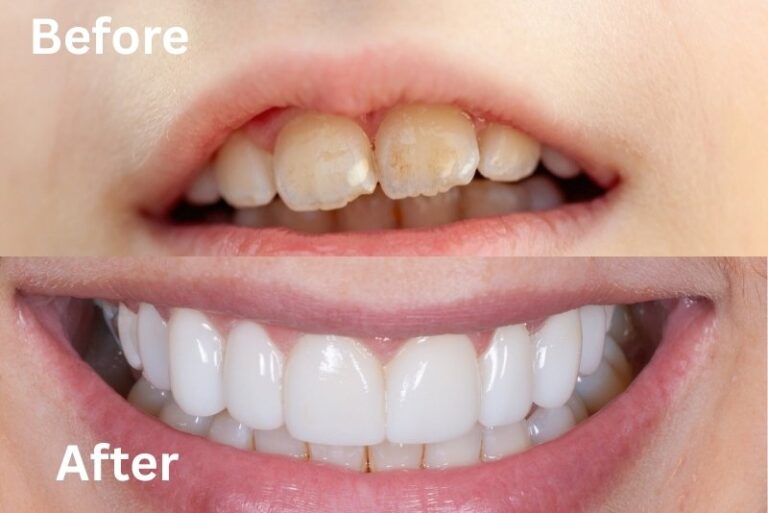
In these cases, Composite Bonding can be used to cover the area and improve the tooth’s shape and colour with minimal preparation. Porcelain Veneers are often chosen when the front surface needs a more complete transformation, especially in more severe cases of fluorosis or enamel hypoplasia.
In a small number of cases, dental crowns may be considered, but they are not used for routine white spots alone. They are usually reserved for teeth with more significant problems, such as major damage, large existing restorations, or broader structural weakness.
How to Prevent White Spots on Teeth
Preventing white spots usually comes down to protecting the enamel before mineral loss has a chance to build up. The goal is not just to keep teeth clean, but to keep the mouth out of that repeated cycle of plaque, acid, and enamel weakening.
Brush twice a day with fluoride toothpaste and take your time with the areas that are easiest to miss. The gumline, the spaces between teeth, and the edges around braces are often where the first white patches begin.
Food and drink habits play a bigger role than many people realize. Frequently sipping sodas, sports drinks, or citrus-based drinks keeps the teeth exposed to acid, while regular sugary snacks give plaque bacteria more fuel to produce the acids that weaken enamel.
Water helps protect the mouth between meals. It rinses away some of the leftover acids and food particles, and it supports saliva, which helps the enamel repair itself naturally.
If you wear braces, daily cleaning needs to be more thorough. A water flosser can be very useful for cleaning around brackets and wires, especially in places a regular toothbrush struggles to reach.
When to See a Dentist
It is a good idea to book an appointment if the white spots are new or seem to be getting more obvious. A recently formed spot can mean the enamel is actively losing minerals.
You should also check if the tooth has become sensitive to cold, heat, or sweet foods. That can suggest the enamel is not only changing in colour, but also becoming weaker in that area.
Some people seek advice because the spots appeared after braces. Others have had them for years but only recently become more aware of them, especially in photos or when they smile.
Both situations are worth checking. A proper examination helps show whether the area may improve with remineralization, needs a more targeted cosmetic treatment, or should simply be monitored closely.
Restore Your Flawless Smile at Avangart Clinic
If white spots are making you feel self-conscious about your smile, it is worth having them assessed properly. Two spots can look very similar, but the treatment can be completely different depending on whether the cause is early enamel change, fluorosis, or a deeper defect.
At Avangart Clinic, our dentists look closely at the cause, depth, and position of the white spots before recommending treatment. For many patients, the best approach is a minimally invasive one, such as ICON resin infiltration, microabrasion, or bonding, chosen to improve the tooth as naturally and conservatively as possible.
The right treatment is often simpler than people expect once the tooth has been examined properly. If you would like to know which option is suitable for your smile, book a consultation by calling +90 542 146 82 11 or emailing contact@avangartclinic.com.
If your goals go beyond white spot correction, we can also discuss related treatment options such as bonding, veneers, whitening, and dental implants as part of a wider smile plan.
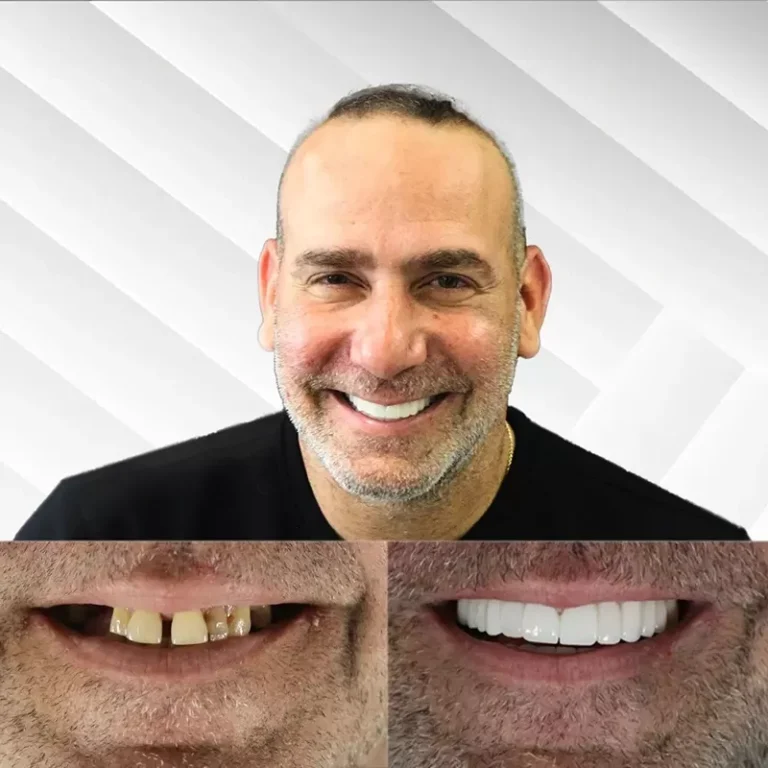
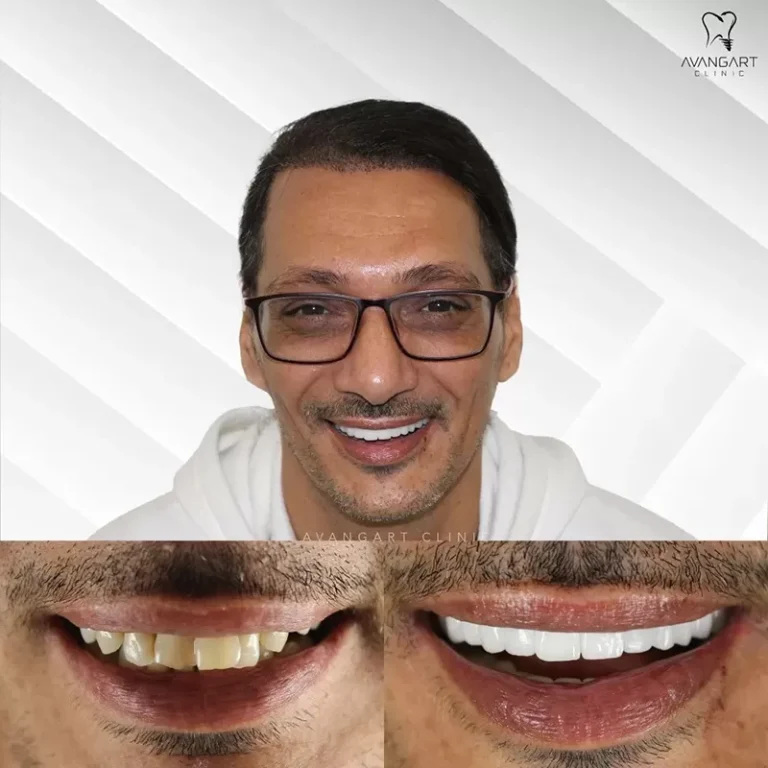
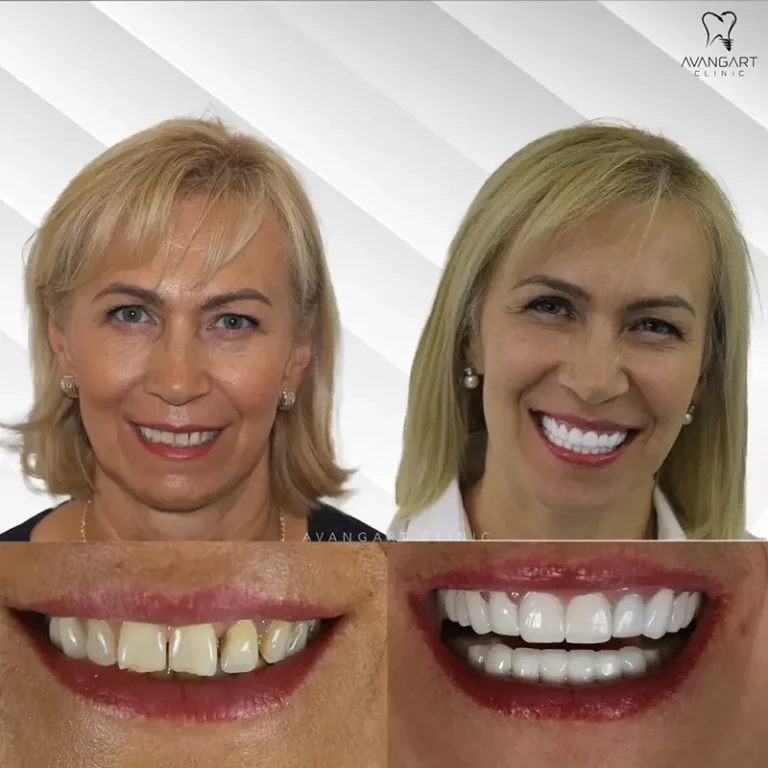
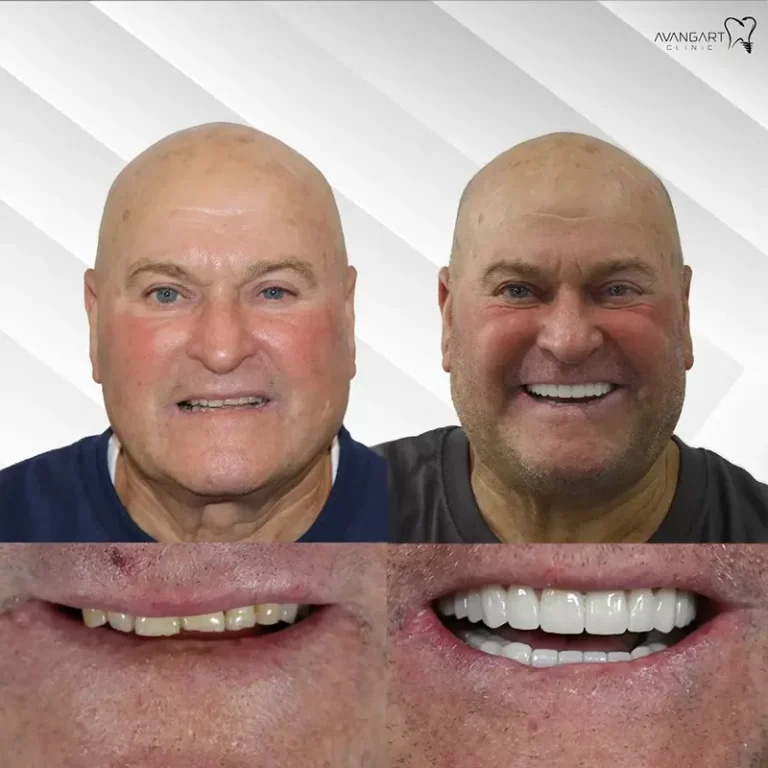
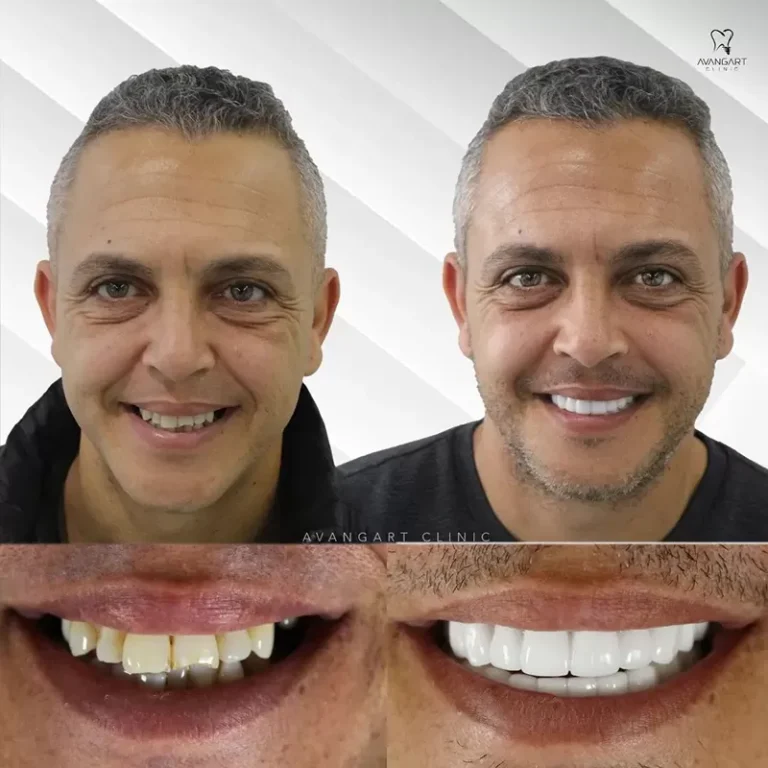
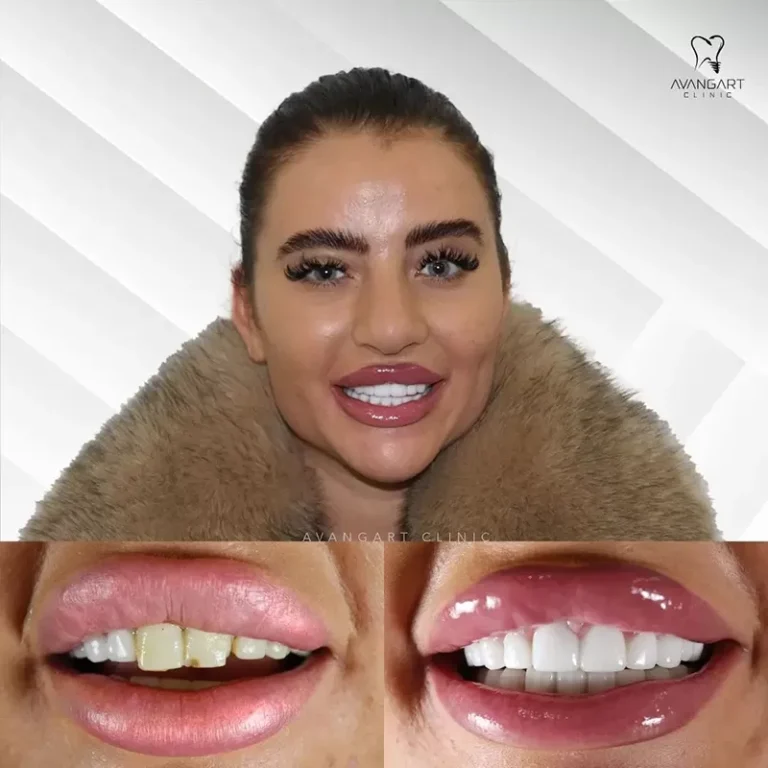
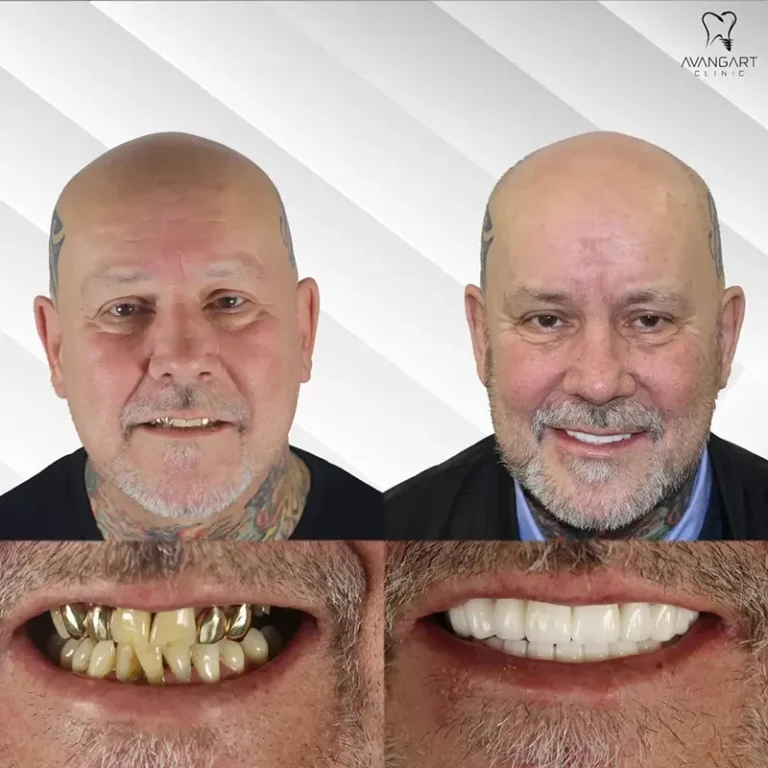
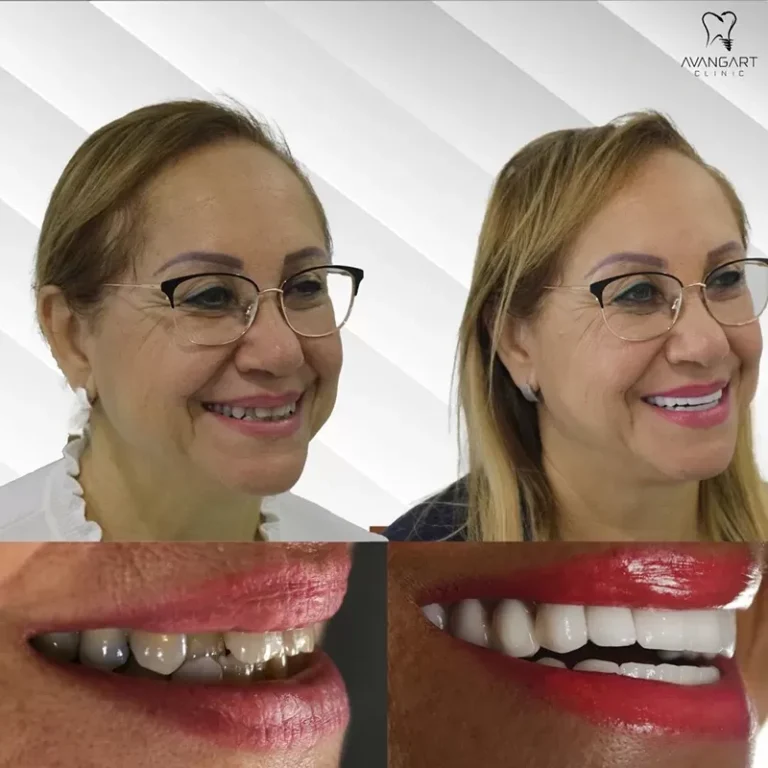
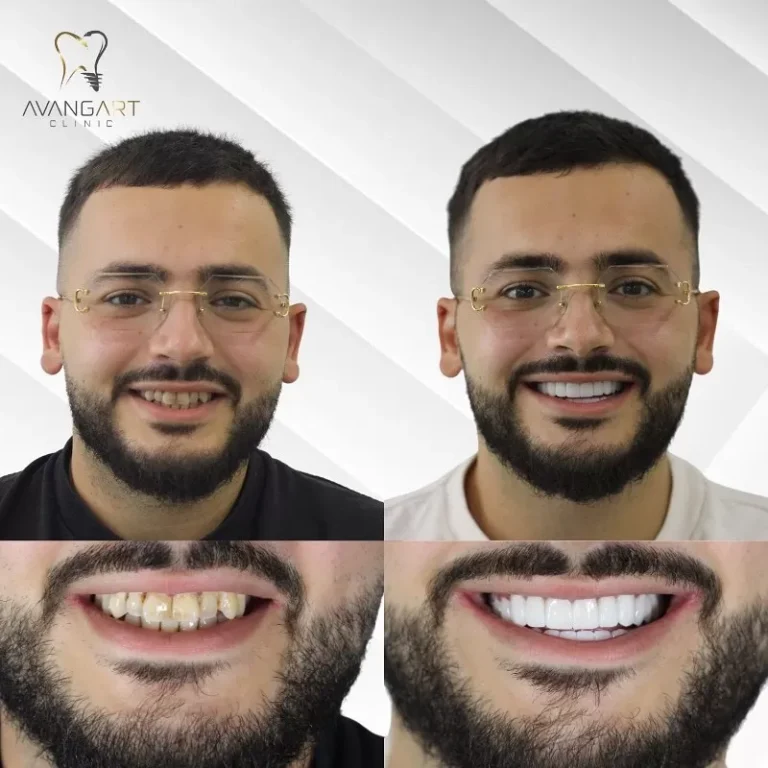
Before and After: Transformative Results with Avangart Clinic
We carry out all our dental treatments with care and strive to give your smile an elegant appearance.
FAQs
Not always. If the spot is caught early and is linked to demineralization, the enamel may improve with remineralizing care and better daily habits. If it is caused by fluorosis, enamel hypoplasia, or a deeper enamel defect, it usually will not fade on its own, but it can often be treated successfully.
Usually, no. Whitening toothpaste is made to remove surface stains, while white spots are often caused by changes inside the enamel. In some cases, it can actually make the contrast worse by brightening the surrounding tooth more than the spot itself.
Yes. A white spot can be one of the earliest signs that a part of the enamel is starting to weaken. If it is checked early, it may be possible to treat the area before it turns into a more obvious cavity.