
How To Recognize Failed Root Canal Treatment?

Dr. Emrah YEŞİLYURT
Dr. Emrah Yeşilyurt is the Founder of Avangart Clinic. He combines advanced dental expertise with a genuine commitment to helping patients feel comfortable and informed about their oral health journey.
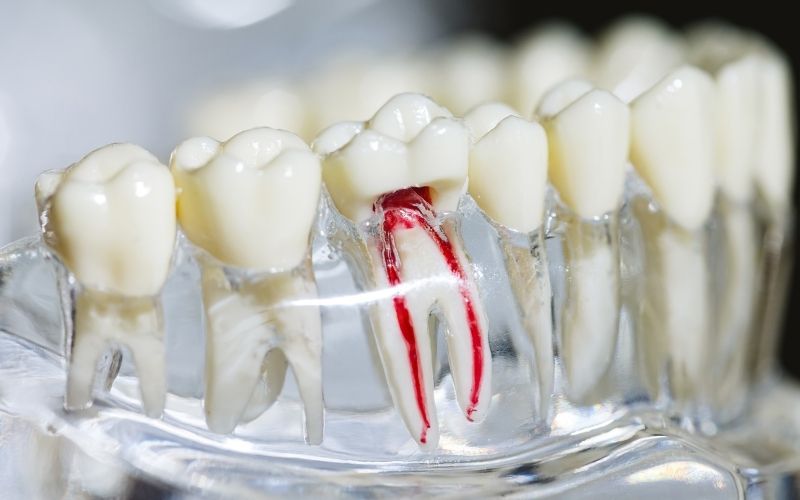
What Are The Symptoms Of Unsuccessful Root Canal Treatment?
Root canal therapy is a popular method for saving a badly damaged or infected tooth and keeping it in your mouth for as long as possible. During this treatment, the infected soft tissue inside the tooth is cleaned out, and the space is sealed so bacteria cannot enter again. In most cases, a tooth will settle down and become more comfortable to live with after a short period of healing.
Sometimes, though, the tooth does not heal as expected, and this can be worrying, especially if you start to feel new or returning discomfort. A failed treatment can happen when some infection remains inside the tooth, when the internal structure of the tooth is more complex than expected, or when small problems occur during or after the procedure. In these situations, you may notice pain after root canal treatment or other warning signs that point to a problem.
If you are unsure about how to recognize failed root canal treatment, learning the typical symptoms will help you decide when to contact a dentist. This is just as important whether you had your care locally or travelled abroad for procedures such as root canal Turkey treatment. In the following sections, we will look at the main symptoms in a clear and calm way so you know what is normal and what needs quick attention.
Satisfied Patient Reviews
EXCELLENTTrustindex verifies that the original source of the review is Google. Service impeccable. Je suis venue pour des implants. La prise en charge a été rapide et la douleur pendant et après l’opération a été à peine ressentie. Clinique très professionnelle et chirurgien expert. Personnel très accueillant, en particulier la Directrice. Recommande à tous ceux qui sont à la recherche de professionnels pour régler des problèmes dentaires Suis venue finaliser la pose des implants et des couronnes. Résultat impécable!Posted on GoogleTrustindex verifies that the original source of the review is Google. I visited from England and had a positive experience. I went for a Hollywood Smile look and couldn’t be happier with them. The clinic was very aesthetic & clean, the staff were very attentive and supportive & I high recommend them.Posted on GoogleTrustindex verifies that the original source of the review is Google. İmplantlarımı ve zirkyonyumlarımı yaptırdım 2 sene önce iyiki yaptırmışım çok memnunum doktorum emrah hoca işinde çok iyi birisi tüm çalışanlara çok teşekkür ediyorum güler yüzlü anlayışları için gülşah hanıma ayriyetten teşekkür ederim 🌹Posted on GoogleTrustindex verifies that the original source of the review is Google. Çok güzel ve güveninirPosted on GoogleTrustindex verifies that the original source of the review is Google. Friendly and approachable staff, above all I haven’t experienced any pain what so ever, it does truly shows core professionalism. Coming from Wolverhampton, UK and made implant surgery with sinuslifting Gedi JafarPosted on GoogleTrustindex verifies that the original source of the review is Google. Ik Marco, hebt mijn gebit laten doen bij Avangart.. En ben door lieve mensen goed ontvangen en behandeld.. Kliniek zeer hygienisch en goede apparatuur.. Deze kliniek zo ik zeker aanraden om je laten behandelen..😁Posted on GoogleTrustindex verifies that the original source of the review is Google. I traveled from the U.S. and had Avantgart Clinic positively transform my smile in a manner that I wouldn’t have conceived as being possible. Dr. Egemen, a true master in his field, was patient, considerate, and communicative throughout the process and his assistant, Sevim, was a real joy to work with. Together, the two of them combined to make the overall experience much greater than I could have ever hoped for, and the end result is a smile that is on par with the most glamorous of Hollywood stars. I am extremely satisfied and would highly recommend Avangart Clinic to anyone looking to enhance their smile at a great price and of the highest quality.Posted on GoogleTrustindex verifies that the original source of the review is Google. Herkes mükemmel ıscılık mükemmel teşekkür edıyorumPosted on GoogleTrustindex verifies that the original source of the review is Google. Emrah bey‘in diş konusundaki tecrübesi, güler yüzü ve uzmanlığı nedeniyle diş tedavilerim için her seferinde Avusturya‘dan İstanbul’a gelmekteyim. Diş kliniği de son teknolojik donanıma sahip güven verici muayenehaneler içermekte.Posted on GoogleTrustindex verifies that the original source of the review is Google. Güler yüzlü ekip, temiz ve modern bir klinik. Tedavi sürecim baştan sona çok profesyoneldi. Gönül rahatlığıyla tavsiye ederim.Verified by TrustindexTrustindex verified badge is the Universal Symbol of Trust. Only the greatest companies can get the verified badge who has a review score above 4.5, based on customer reviews over the past 12 months. Read more
1. Persistent Pain or Ongoing Discomfort After a Root Canal
Some mild soreness is normal for a few days after a root canal, but pain that stays or keeps returning can be a warning sign. If you feel a constant ache or pain in the root canal tooth that keeps bothering you, it may mean the tooth has not healed as expected. This is particularly important if you are experiencing discomfort that interferes with your daily routine or sleep.
Pain is usually worsened when you apply pressure or chew on the affected side. You might notice a throbbing or deep aching feeling inside the jaw, which can happen if the infection has reached the bone. In this situation, it is important to contact your dentist for a careful check.
2. Heightened Sensitivity to Hot or Cold After Treatment
Heightened sensitivity to hot or cold after a root canal can be worrying, especially if it starts days or weeks after the procedure. One of the early signs of failed root canal treatment is sharp pain when you drink hot tea, coffee, or eat hot food, while cool drinks sometimes feel soothing.
Because the nerve inside the tooth has been removed, ongoing sensitivity is not expected. When the tooth still reacts to temperature, it often means some inflamed or infected tissue is still present.
3. Swelling, Tenderness, or Inflammation Around the Tooth
If the area around a tooth is swollen or tender after a root canal, it could mean that the infection is still there. After a root canal, you may notice that your gums are puffy, a raised bump, redness, or swelling after root canal treatment that spreads to your cheek or jaw.
Sometimes the gum may look darker or feel sore when you press on it, and the pain can make chewing uncomfortable. You should call your dentist right away if the swelling or pain gets worse instead of better, or if you feel pressure building around the tooth.
4. Pus, Drainage, or Unusual Taste in the Mouth
Having pus, drainage, or a strange taste in your mouth after a root canal is a serious warning sign. You may notice a pimple-like bump that leaks fluid on your gum, or a foul taste, especially near the treated tooth.
Symptoms such as a toothache after root canal treatment, pressure, or swelling are common. They usually mean that an infection is still present. If you notice any of these signs, you should see your dentist as soon as possible.
5. Darkening or Colour Change in a Treated Tooth
It is easy to overlook the darkening of a tooth after a root canal. You may notice that the tooth looks grey, brown, or even slightly blue over time compared to neighboring teeth. This is often a sign of old tissue or filling material inside.
Even though it may not be painful, the color change is still important because it affects the appearance of your tooth and smile. Many people explore cosmetic options or turkey dental treatment plans to restore a natural, brighter shade.
6. Gum Pimples or Fistula Formation Near the Treated Tooth
Gum pimples, boils, or small bumps near a tooth that has had a root canal are often signs that infection is still present. These bumps may come and go, sometimes releasing a little pus or fluid, and you might notice a bad taste when they drain.
The bump on the gum is typically a small channel that allows the infection to drain from the root area. This means the problem has become long-lasting and needs attention. If you spot a recurring gum pimple near a treated tooth, you should see your dentist soon.
7. Recurring Sinus Issues Linked to the Affected Tooth
Recurring problems with sinuses after a root canal can indicate a tooth problem. You may experience a blocked or heavy nose on one side, pressure around the eye, or headaches. These symptoms can appear even if the tooth itself does not feel very sore at first.
If sinus trouble starts or worsens after treatment, especially together with pain in a tooth that has undergone root canal treatment, it is important to mention this to your dentist. They may suggest special X-rays, such as a Waters view or a CT scan, to see whether the tooth roots are irritating the sinus. This allows you to plan the best treatment for your teeth while also protecting your breathing comfort.
8. Findings on Dental X-Rays: Cysts, Granulomas, or Persistent Infection
Sometimes, a failed root canal does not cause any clear pain or swelling. During a routine visit, your dentist may notice a dark area, cyst, or granuloma around the root tip on an X-ray. These hidden infections can slowly grow, weaken the jawbone, and affect nearby teeth if they are not treated.
If your dentist sees signs of a persistent infection, they will talk you through your options and how to fix a failed root canal treatment in your case. This could include a new root canal, a small surgery at the tip of the root, or even replacing the tooth, if it can’t be saved.
Why Some Root Canal Treatments Fail?
Root canal therapy has a high success rate, but it is not ideal. Problems during treatment, the natural shape of the tooth, and what happens afterward can all influence the outcome. Understanding the main causes of failure can help you know what to look for and when to seek help.
Complex Root Canals and Incomplete Cleaning
Some teeth have curved or narrow roots, as well as hidden side canals. If a tiny canal is missed or not thoroughly cleaned, bacteria can remain inside the tooth, causing the infection to return. This is why the skill of the dentist and the tools they use are so important.
Delays with fillings and crowns
After the root canal is completed, the tooth becomes weaker and requires proper protection. If the temporary filling is left in place for an extended period of time, or if the permanent crown is delayed, bacteria and food can leak back inside. Placing a well-fitting crown as soon as your dentist advises helps protect the tooth in the long run.
Cracks, Breaks, and Dental Trauma
Even after a good root canal, a crack or fracture in the tooth can open a new path for germs. Biting on very hard foods, grinding your teeth, or an injury to the mouth can damage the treated tooth. For this reason, many root canal-treated teeth are restored with an inlay, onlay, or crown to strengthen them.
Saliva Contamination During Treatment
Your mouth is full of normal bacteria found in saliva. If the tooth is not properly isolated during treatment, saliva may enter the open canals and transport bacteria inside. Using rubber dams and strict infection control can help keep your tooth as clean as possible while your dentist works.
Problems With Fillings or Crowns
A small gap under a filling or crown can allow bacteria to enter the tooth again. Improper borders of the restoration can allow bacteria to enter the tooth again. Regular checkups, along with careful placement of fillings or crowns, will help to keep the seal tight.
Before and After: Transformative Results with Avangart Clinic
We carry out all our dental treatments with care and strive to give your smile an elegant appearance.


What to Do If Your Root Canal Treatment Has Failed
1. Get a proper assessment
You should visit your dentist as soon as possible if you are experiencing pain, swelling, or other problems following a root canal. They will ask you about your symptoms, examine your tooth, and take an X-ray. This helps them find out whether the treatment has failed and what can be done to save the tooth.
2. Root Canal Retreatment to Clear Remaining Infection
Root canal retreatment is often the first option when a previous root canal has not fully healed. In this procedure, the dentist gently opens the tooth again, removes the old root filling, and cleans the canals more deeply. Special tools and disinfecting solutions are used to reach areas that might have been missed the first time, so remaining bacteria are removed.
Once the canals are clean and shaped, they are dried, refilled, and tightly sealed to block germs from entering again. When done correctly, retreatment can stop pain, clear infection, and let the tooth function comfortably for many years.
3. Apical Surgery (Apicoectomy) to Remove Persistent Infection
Apical surgery, also called an apicoectomy, is a small surgical procedure used when infection stays at the tip of the root after a root canal. Your dentist or endodontist gently lifts the gum in that area to see the root tip and the surrounding bone. The infected tissue and the very end of the root are then carefully removed, and the root end is sealed.
Before apical surgery, the tooth is usually re-treated with a new root canal so that the inside is as clean as possible. After the area is cleaned, the gum is brought back into place and stitched so it can heal. When successful, this procedure stops the spread of infection, eases pain, and allows you to keep a tooth that might otherwise need to be removed.
4. Tooth Extraction Followed by Dental Implant Replacement
Sometimes, a root canal and even retreatment are insufficient to save a tooth. The tooth may be cracked, extremely weak, or the infection may be recurring. In that case, your dentist may recommend removing it to alleviate the problem and protect your oral health.
After extraction, you do not live with a gap in your smile. A dental implant is a small titanium post placed in the jaw where the root once was. Once it has healed, a custom-made crown is attached to the top, giving the new tooth a natural look and feel. You can usually eat, speak, and smile with the same ease as before.
FAQs
Yes, a tooth that had root canal treatment can start hurting again years later. This usually means there is a new problem, such as a hidden canal, a crack, or a new infection around the root. Any new or returning pain should be checked by your dentist or an endodontist soon.
If a tooth that has had root canal treatment hurts, do not ignore it. Call your dentist, explain when the pain started, and ask for an exam and X-ray. In many cases, the problem can be treated with retreatment or another procedure before it turns into a bigger issue.