
Is Composite Bonding Haram Or Halal?

Dr. Emrah YEŞİLYURT
Dr. Emrah Yeşilyurt is the Founder of Avangart Clinic. He combines advanced dental expertise with a genuine commitment to helping patients feel comfortable and informed about their oral health journey.
Before and After: Transformative Results with Avangart Clinic
We carry out all our dental treatments with care and strive to give your smile an elegant appearance.


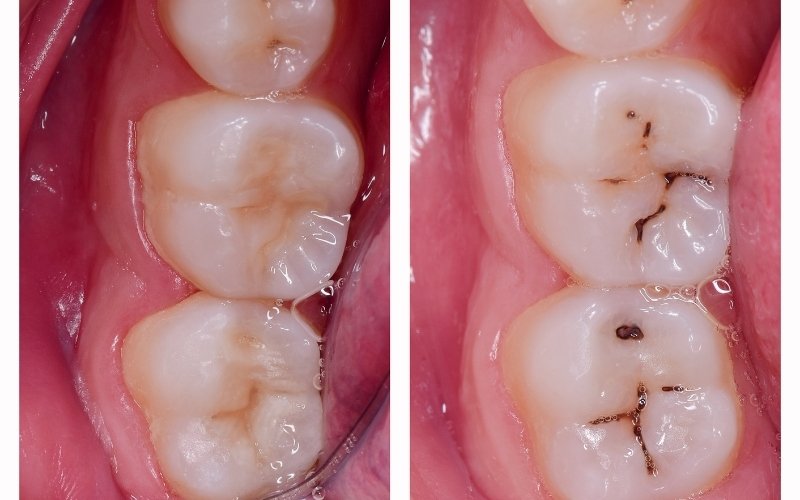
Thinking About Composite Bonding? Here’s What Islam Says
If you are thinking about getting composite bonding, but wondering if it’s allowed in Islam. You’re not alone. Many Muslims want to know if cosmetic dental treatments like composite bonding are halal or haram. It’s important to know what’s okay and what’s not when it comes to our teeth and looks.
If you’re thinking about fixing your smile with composite bonding or other dental treatments, it’s perfectly fine to ask if it fits with your faith. This article will help you understand the basics so you can make the right choice for yourself.
We’ll also mention options like affordable dental veneers in Turkey, which many people choose because they offer good quality at a lower cost. Let’s see what Islam says about composite bonding and how you can feel confident in your decision.
Satisfied Patient Reviews
EXCELLENTTrustindex verifies that the original source of the review is Google. Service impeccable. Je suis venue pour des implants. La prise en charge a été rapide et la douleur pendant et après l’opération a été à peine ressentie. Clinique très professionnelle et chirurgien expert. Personnel très accueillant, en particulier la Directrice. Recommande à tous ceux qui sont à la recherche de professionnels pour régler des problèmes dentaires Suis venue finaliser la pose des implants et des couronnes. Résultat impécable!Posted onTrustindex verifies that the original source of the review is Google. I visited from England and had a positive experience. I went for a Hollywood Smile look and couldn’t be happier with them. The clinic was very aesthetic & clean, the staff were very attentive and supportive & I high recommend them.Posted onTrustindex verifies that the original source of the review is Google. İmplantlarımı ve zirkyonyumlarımı yaptırdım 2 sene önce iyiki yaptırmışım çok memnunum doktorum emrah hoca işinde çok iyi birisi tüm çalışanlara çok teşekkür ediyorum güler yüzlü anlayışları için gülşah hanıma ayriyetten teşekkür ederim 🌹Posted onTrustindex verifies that the original source of the review is Google. Çok güzel ve güveninirPosted onTrustindex verifies that the original source of the review is Google. Friendly and approachable staff, above all I haven’t experienced any pain what so ever, it does truly shows core professionalism. Coming from Wolverhampton, UK and made implant surgery with sinuslifting Gedi JafarPosted onTrustindex verifies that the original source of the review is Google. Ik Marco, hebt mijn gebit laten doen bij Avangart.. En ben door lieve mensen goed ontvangen en behandeld.. Kliniek zeer hygienisch en goede apparatuur.. Deze kliniek zo ik zeker aanraden om je laten behandelen..😁Posted onTrustindex verifies that the original source of the review is Google. I traveled from the U.S. and had Avantgart Clinic positively transform my smile in a manner that I wouldn’t have conceived as being possible. Dr. Egemen, a true master in his field, was patient, considerate, and communicative throughout the process and his assistant, Sevim, was a real joy to work with. Together, the two of them combined to make the overall experience much greater than I could have ever hoped for, and the end result is a smile that is on par with the most glamorous of Hollywood stars. I am extremely satisfied and would highly recommend Avangart Clinic to anyone looking to enhance their smile at a great price and of the highest quality.Posted onTrustindex verifies that the original source of the review is Google. Herkes mükemmel ıscılık mükemmel teşekkür edıyorumPosted onTrustindex verifies that the original source of the review is Google. Emrah bey‘in diş konusundaki tecrübesi, güler yüzü ve uzmanlığı nedeniyle diş tedavilerim için her seferinde Avusturya‘dan İstanbul’a gelmekteyim. Diş kliniği de son teknolojik donanıma sahip güven verici muayenehaneler içermekte.Posted onTrustindex verifies that the original source of the review is Google. Güler yüzlü ekip, temiz ve modern bir klinik. Tedavi sürecim baştan sona çok profesyoneldi. Gönül rahatlığıyla tavsiye ederim.Verified by TrustindexTrustindex verified badge is the Universal Symbol of Trust. Only the greatest companies can get the verified badge who has a review score above 4.5, based on customer reviews over the past 12 months. Read more
What Does Islam Say About Beautification and Dental Work?
Islam teaches us that taking care of how we look is good. Allah has created us with love for beauty, and looking after ourselves is part of honoring that gift. In fact, looking after our appearance is like showing gratitude to Allah.
But there’s a balance to keep. Islam encourages us to beautify ourselves but not to go overboard or harm our health in the process. Taking care of our teeth and smile falls right into this idea—it’s a way to feel confident and healthy without going too far.
So, dental work like cleaning, fixing or improving our teeth is okay in Islam as long as it’s safe and done with the right intention.
What is Composite Bonding?
If you want to understand what is composite bonding? It’s a simple dental treatment that helps improve our teeth. It uses a special material called composite resin, which the dentist shapes and puts on our teeth to make them look straighter and nicer. This treatment works for gaps, chips or stains on our teeth.
The composite resin is made from a mix of plastic and tiny particles like silica. This combination makes it strong and mouldable. For many years, dentists have used this material to help people repair their smiles and feel more confident.
Overall, composite bonding is a quick and easy way to improve our teeth without major dental work. It’s a popular choice for those who want a brighter, smoother smile.
Islamic Views on Dental Aesthetics and Modifications
In Islam it’s okay to improve how we look as long as it doesn’t harm our health. The Prophet Muhammad (peace be upon him) said that Allah likes to see the good results of His blessings on his servants. This means taking care of ourselves and even using safe cosmetic procedures to look better is allowed.
One way to do this is through composite bonding. This dental treatment uses a tooth-colored resin to fix small problems like chipped or cracked teeth, gaps or uneven color. It makes our smile look healthier and more even.
So, as long as the treatment is safe and done carefully, Islam allows looking after our dental health and appearance in a way that feels good to us.
Is Composite Bonding Permissible in Islam?
Composite bonding is generally allowed in Islam if it’s safe and doesn’t cause any harm. This treatment doesn’t change how our tooth works or its structure—it only makes our teeth look better. So, if there are no bad side effects, composite bonding is halal.
It’s very important to have these procedures done by skilled and qualified dentists. They should use safe (and halal) materials and follow strict safety rules to make sure the treatment doesn’t harm our health.
In short, as long as the bonding is done carefully and safely, it fits within Islamic guidelines and can improve our smile without worry.
Addressing Islamic Concerns Around Cosmetic Dentistry
Many Muslims wonder if cosmetic dental treatments like composite bonding are allowed or haram. This worry comes from some hadiths that say we shouldn’t change the natural way Allah created us. Because of this, some believe any cosmetic procedure is not allowed.
But not everyone agrees to this. Some Muslims and scholars say it’s okay to have these treatments as long as they don’t harm or change our natural look in a significant way. If the procedure helps with a real problem and makes life better, it can be allowed.
So, the key is whether the treatment is safe and needed—not just for looks. It’s a topic many still discuss and getting advice from knowledgeable scholars can help make the right choice.
Is Composite Bonding Islamically Acceptable?
Composite bonding is a common dental treatment that fixes chipped or broken teeth, fills gaps and makes teeth look better overall. It works by applying a tooth-colored resin that the dentist shapes and polishes to match our other teeth. In Islam, there is no consensus among scholars about composite bonding. Some say it’s okay because it doesn’t harm the tooth or change it much. Others say even small changes to our natural look are not allowed, so they avoid it.
But many Muslims who have had composite bonding say it has helped them feel more confident without going against their faith. They point out that the procedure is gentle, safe and makes their smile better which helps in daily life and social situations.
What Makes Composite Bonding Halal According to Scholars?
In Islam, something is halal if it doesn’t contain any haram ingredients and doesn’t harm yourself or others. When it comes to composite bonding, the materials used need to be checked carefully to make sure they don’t contain anything haram. If the materials are clean and safe, then composite bonding can be considered halal.
There’s also a teaching in Sahih al-Bukhari that “Allah has forbidden you to be dishonest and to deprive others of their rights.” So, if composite bonding causes any harm or damage, it could be seen as haram.
So, it’s a good idea to get in touch with a trusted religious scholar before getting composite bonding. This will help make sure the treatment is done in a way that respects your faith and keeps everyone safe. If you want personalized advice, you can fill the form to get free consultation from our dental experts.
The Role of Intention (Niyyah) in Cosmetic Procedures
In Islam, the reason behind doing something—called Niyyah or intention—is very important. When it comes to composite bonding, if a person chooses the treatment just to improve their smile and feel good about themselves, it can be halal. But if they do it to trick or deceive others, then it would be haram.
It’s also about how someone behaves after getting the treatment. If they use their new smile to show off or boast, that could be wrong. But if they enjoy their smile quietly and use it modestly in everyday life, then it’s okay.
So, both the reason for getting composite bonding and how a person carries themselves afterward matters a lot in Islam.
Conditions That Make Composite Bonding Permissible in Islam
When Composite Bonding Aligns with Medical and Religious Needs?
Islam tells us to take care of our health and get medical help when needed. If someone has broken or chipped teeth from an accident, composite bonding can be a way to fix and protect them.
When composite bonding is done for real health reasons like restoring the tooth’s natural look and function, Islam sees it as allowed. It’s a way to care for the body that Allah has given us.
So if you need composite bonding to heal or improve your teeth, it fits with both medical advice and Islamic teachings.
Does Composite Bonding Contain Haram Substances?
In Islam, some materials like alcohol and pork are haram, meaning they are forbidden. When it comes to composite bonding, the materials used don’t contain any of these haram substances.
Composite bonding is made from synthetic resins and ceramics which are safe and allowed for use. So you don’t have to worry about haram ingredients being part of this dental treatment.
This makes composite bonding a cleaner and safer option for those concerned about following Islamic guidelines.
How Composite Bonding Supports Oral Health and Self-Esteem in Line with Islamic Values?
In Islam, keeping your mouth clean and healthy is very important. The Prophet Muhammad (peace be upon him) reminded us to take care of our oral hygiene. Composite bonding helps with this by fixing damaged teeth and stopping more decay or infection from happening. When your teeth are healthy, it’s easier to feel confident and good about yourself, which is something Islam encourages through self-care and personal growth.
Many Islamic scholars agree that cosmetic dental procedures like composite bonding often performed by experienced professionals such as a skilled dentist in Turkey are allowed as long as they don’t change the natural body harmfully. They believe it’s okay to improve your smile if it helps keep your teeth healthy and doesn’t go against Islamic teachings.
Islam provides clear guidance about health care, including dental treatments. Altering the body is not allowed unless it’s necessary for health reasons. But if a cosmetic procedure doesn’t change your body’s natural state and follows Islamic rules, then it is acceptable.
So composite bonding can be a way to care for your oral health and feel better about yourself, all while respecting your faith.
Does Composite Bonding Affect Wudhu or Ghusl?
Composite bonding is a dental treatment that adds a tooth-colored resin to improve your smile. Some Muslims worry that this might affect their wudhu or ghusl, the important cleansing rituals. However, many scholars say that composite bonding does not stop wudhu or ghusl from being valid. The resin doesn’t block water from reaching the necessary parts of the body, so your prayers remain pure.
If you have concerns taking care of how you perform ablution can help but overall composite bonding is not a problem for these rituals.
Can Water Reach Beneath Composite Bonding?
One common question about composite bonding is whether water can reach the skin or the tooth beneath it during wudhu or ghusl. The good news is that composite bonding material is not completely sealed or waterproof. This means water can still pass through and reach the area underneath.
To keep the bonding in good shape during ablution it’s important to take care of your teeth. This means visiting the dentist regularly, avoiding biting hard foods or objects and brushing gently with a soft toothbrush.
With proper care composite bonding will stay strong and won’t block water so your ablution remains valid and complete.
Maintaining Composite Bonding to Preserve Ritual Purity
Composite bonding doesn’t stop wudhu or ghusl from being valid, but it’s important to take good care of your bonded teeth. Avoid eating hard foods or biting on objects that might break the bond. When brushing, use a soft-bristled toothbrush to protect the bonding from damage. Regular visits to the dentist also help keep everything in good condition.
When doing ablution be slow and careful. Make sure water reaches all parts of the body that need washing—like the face, arms up to the elbows, the head and ears and the feet up to the ankles. This careful washing helps keep your ritual pure and complete.
By looking after your teeth and performing ablution mindfully, you can maintain both your oral health and spiritual cleanliness.
Composite Bonding vs Veneers: Which Is More Permissible in Islam?
When it comes to improving the look of your teeth, two popular choices are veneers and composite bonding. Both can give you a beautiful smile, but they work differently and have different materials, which can affect what Islam says about using them.
Veneers are thin shells made of porcelain or ceramic that cover the front of your teeth. They are very strong and can last a long time, usually 10 to 15 years, if cared for properly. Because veneers last longer and don’t need to be replaced often, many scholars consider them more acceptable in Islam. This is partly because they create less waste and are more durable.
Another point to consider is that veneers usually don’t use adhesives with alcohol, which Muslims avoid because alcohol is forbidden in Islam. But it’s good to know that some dental cements might have tiny amounts of alcohol. So if you’re thinking of veneers it’s a good idea to talk to an Islamic scholar or a knowledgeable dentist to make sure you feel comfortable with the materials used.
In summary, veneers tend to be seen as more permissible because of their lasting quality and less frequent need for replacement, but personal research and advice are important before making a choice.
Concerns Over Non-Halal Materials in Composite Procedures
Composite bonding is a way to fix teeth by applying a tooth-colored resin right onto the surface. It usually costs less than veneers and doesn’t require removing much of the natural tooth. However, some people worry about the materials used in composite bonding because they might not be halal.
Some composite resins have alcohol-based solvents or other ingredients that Muslims consider haram. Since composite bonding doesn’t last as long as veneers it may need to be replaced more often which raises more questions about the materials used over time.
Islamic scholars don’t all agree on whether composite bonding is halal. Some say it’s okay if the materials are free from haram substances and the dentist is qualified while others feel any use of alcohol or questionable ingredients makes it forbidden.
Because of these concerns and its shorter lifespan, many scholars suggest choosing veneers instead. Veneers tend to last longer and often use materials less likely to contain haram substances. This makes veneers a safer and more lasting choice for those who want to follow Islamic guidelines closely.
Final Thoughts: Making an Informed Decision on Composite Bonding in Islam
After looking at what Islam says about cosmetic dental work and answering common questions, it seems that composite bonding is not haram. Still, it’s important to think about your own beliefs and values before deciding to get this treatment.
Things like why you want the procedure, the materials used and whether the dentist is qualified all matter in making composite bonding halal. If you worry about how it affects wudhu or ghusl, take some care, like waiting a bit after the procedure before performing these rituals can help.
Compared to veneers, composite bonding is usually cheaper and less invasive but can give you the same smile. Just remember cosmetic treatments can improve how you look but shouldn’t become something you focus too much on or let affect your spiritual health.
In the end, the best choice is one that respects your faith and makes you feel comfortable. Take the time to think about everything and you’ll stay true to yourself and your connection to Allah and take care of your smile.