Key Questions to Ask During a Dental Implant Consultation Abroad

Dr. Emrah YEŞİLYURT
Dr. Emrah Yeşilyurt is the Founder of Avangart Clinic. He combines advanced dental expertise with a genuine commitment to helping patients feel comfortable and informed about their oral health journey.
During a dental implant consultation abroad, ask about the surgeon’s qualifications, the implant system and whether a 3D CBCT scan is included. You should also clarify all possible costs, when it will be safe to fly home, and how the clinic handles aftercare, complications, treatment records and warranties.
Researching these questions before booking is a sensible and proactive step. Dental treatment in Turkey can cost conHas a dentist reviewed my records?
- Is this confirmed siderably less than private care in the UK or Europe, but travelling for surgery requires closer checks than visiting a local high street dentist.
- According to official Turkish health tourism data, 1,398,580 people visited Türkiye for healthcare services in 2025. A further 302,487 international health visitors were recorded during the first quarter of 2026.
- This guide has been medically reviewed by Dr Emrah Yeşilyurt and informed by our experience supporting international dental patients.
- Medical disclaimer: This article is for general educational purposes only and does not replace a personal examination, diagnosis, or treatment plan from a qualified dental professional. Implant suitability, risks, recovery and travel advice vary between patients. Always discuss your individual circumstances with the dentist or surgeon responsible for your care.
Why an International Dental Consultation Is Different
A consultation with a local dentist usually begins with an examination and fresh imaging. An international consultation often starts through WhatsApp, email, or video call, using photographs, existing X-rays, and the medical information you provide.
This first conversation can help the clinic understand your concerns and prepare an initial proposal. It cannot confirm every clinical detail.
Photographs cannot show your bone width, nerve position, or sinus anatomy. An old panoramic X-ray may also miss changes in your teeth, gums or jawbone.
Ask the clinic:
- Plan or a provisional estimate?
- Which parts may change after my examination?
- What information cannot be confirmed remotely?
- Will I speak directly with the treating dentist before treatment?
- Can I reconsider if the plan or price changes after arrival?
A trustworthy clinic should explain the limits of a remote assessment. Be cautious when someone guarantees a final treatment plan based only on photographs.
Medical Qualifications and Clinic Accreditations
“Who exactly will be performing my surgery?”
Ask for the full name of the dentist expected to place your implants. A photograph of the clinic team or a general statement about “our surgeons” does not answer this question.
You should confirm:
- The dentist’s qualifications
- Their training in implant surgery
- Their experience with cases similar to yours
- Whether they regularly carry out bone grafting or sinus procedures
- Who will take over if the original clinician becomes unavailable
Straightforward implant placement may be handled by a suitably trained dentist. More complex cases, such as those involving severe bone loss, sinus procedures, full-arch implants or implants placed close to major nerves, may need treatment from an oral and maxillofacial surgeon or another appropriately qualified specialist.
You should also ask who will plan and fit the final crowns or bridge. The surgical and restorative parts of treatment need to work together because implant position affects your bite, comfort and final appearance.
Make sure you meet the treating clinician before signing consent. An international patient coordinator can help explain the process, but they should not replace a clinical consultation with the dentist responsible for your care.
“Is your clinic internationally accredited?”
Ask whether the clinic is authorised to treat international patients in Turkey.
The clinic should be able to provide:
- Its official authorisation details
- The registered clinic name
- The address covered by the authorisation
- The validity of any accreditation certificate
- The organisation that issued it
Some clinics may also hold ISO certification or accreditation from an international healthcare organisation. These can provide an additional trust signal, but you should still check the qualifications of the individual treating dentist.
Do not rely on a logo displayed on a website. Ask for a certificate that you can verify.
Treatment Planning and Technology
“Which brand of dental implants do you use?”
Ask for the exact manufacturer and implant system before paying a deposit. Well-established brands include Straumann, Nobel Biocare and Osstem, although the best system for you depends on your clinical needs.
One important practical concern for an international patient is whether compatible replacement parts will be available after returning home. If a screw, abutment, or crown needs attention after you return home, a local dentist must know the exact implant brand and model used during your treatment.
Ask:
- Is the implant system widely supported in the UK or Europe?
- Can local dentists order compatible components?
- Does the implant have current CE marking or another relevant approval?
- Does the clinic buy it from an authorised supplier?
- Will I receive the original traceability labels?
After surgery, request an implant passport or written implant record.
It should identify:
- The manufacturer and product range
- The location of each implant
- The implant measurements
- The batch or lot number
- The abutment connection
- The placement date
- The treating clinician
Do not accept a vague answer such as “premium European implants”. Ask for the precise product name in writing.
“Do you perform a 3D CBCT scan upon arrival?”
Your final treatment plan should follow an in-person examination and suitable imaging.
A panoramic X-ray gives the dentist a broad view of the jaws. A 3D CBCT scan provides more detailed information about bone shape, nerves, tooth roots and sinus anatomy.
Ask whether your package includes:
- The CBCT scan
- A dentist’s review of the images
- Digital implant planning
- A surgical guide when clinically needed
- A copy of the scan for your records
The clinic should also explain how the scan could change the initial treatment plan. For example, it may show that a tooth can still be saved, that a bone graft is needed, or that an implant must be placed in a different position.
Be cautious when a clinic confirms the final number and position of implants before examining you and reviewing current imaging.
Financial Transparency and Hidden Costs
“What exactly is included in the ‘all-inclusive’ package?”
The phrase “all-inclusive” has no practical value unless every item appears in writing.
Ask for separate costs for dental care, accommodation, transfers and any support services.
Your proposal should clearly state whether it includes:
- Consultation and imaging
- Tooth extractions
- Implant placement
- Anaesthesia or sedation
- Implant fixtures and abutments
- Temporary teeth
- Final crowns or bridges
- Bone graft material
- Sinus procedures
- Prescribed medication
- Hotel accommodation
- Airport and clinic transfers
- English-speaking patient coordinator
- Laboratory adjustments
- Post-treatment check-ups during your stay
Flights are commonly excluded, and companion costs may be separate. Confirm whether your companion’s accommodation, transfers or meals are covered.
You should also ask what happens if your treatment takes longer than planned. Extra hotel stays, changed flights and additional appointments could increase the total cost considerably.
Request an itemised written quote rather than relying on a package price sent through a chat message.
“What happens to the quote if I need a bone graft upon arrival?”
A remote consultation cannot reliably measure your available bone. Your proposal should therefore explain what happens if the CBCT scan shows that grafting or a sinus procedure is needed.
Ask for written prices covering:
- Bone grafting in each treatment area
- The graft material
- Reference, serial or batch number
- Date of placement
- Abutment and prosthetic details
- Treating clinic and dentist
- Relevant material specifications
Manufacturer Warranties vs. Clinic Guarantees
A manufacturer’s warranty and a clinic guarantee protect different things.
The manufacturer’s warranty usually concerns eligible products, such as the implant fixture or specified restorative components. It follows the manufacturer’s conditions and may require the dentist to submit records, X-rays, product information or the removed component.
The clinical warranty concerns the clinic’s own services. Depending on the written terms, it may cover replacement surgery, laboratory work, an abutment, crown fitting or local repairs.
A workmanship guarantee may apply to issues such as early loosening, fit or cement failure. It should never be confused with a promise that the patient’s bone and gums will remain healthy indefinitely.
If a clinic closes, its free clinical work, travel assistance and other treatment-related promises may no longer be available. A manufacturer’s product warranty may remain relevant after a clinic closes, but the patient should contact the manufacturer directly. Another provider is not automatically required to carry out the replacement or accept the original clinic’s guarantee.
Always request an implant passport or equivalent treatment record containing:
- Manufacturer and implant system
- Implant dimensions and placement location
- Reference, serial or batch number
- Date of placement
- Abutment and prosthetic details
- Treating clinic and dentist
- Relevant material specifications
An implant passport helps another dentist identify the components if maintenance or revision dentistry becomes necessary. It does not itself guarantee free treatment.
Before relying on long-term protection, check the clinic’s physical address, health-tourism authorisation, treatment documentation and professional accreditations. An implant guarantee is only useful when the provider can be identified, contacted and held to clear written terms.
FAQs
They may be enforceable, but patients should never assume that enforcement abroad will be simple or automatic. The result depends on the written contract, the legal identity of the provider, the governing law, the chosen jurisdiction and the exact promise made. Obtain independent legal advice for a specific dispute.
It depends entirely on the written terms. Some lifetime warranties cover only specified implant components, while others also cover eligible abutments or restorative components. Items such as the abutment, crown, bridge, removal procedure, laboratory work and replacement surgery may be covered for a shorter period, or not covered at all.
Smoking, poor oral hygiene, missed reviews, untreated gum disease and failure to follow aftercare instructions may invalidate coverage. Bruxism damage may also be excluded when a prescribed night guard is not worn. The clinic should state every condition in writing before treatment.
The patient usually pays unless the written travel warranty expressly covers flights, accommodation or transfers. A free replacement component from the manufacturer does not automatically cover the cost of returning to Türkiye, additional surgery or time away from work.
An implant passport records the system and identifying details of the components placed in your mouth. It helps future dentists verify the implant fixture, dimensions and batch information when maintenance, compatible parts or revision treatment is required.
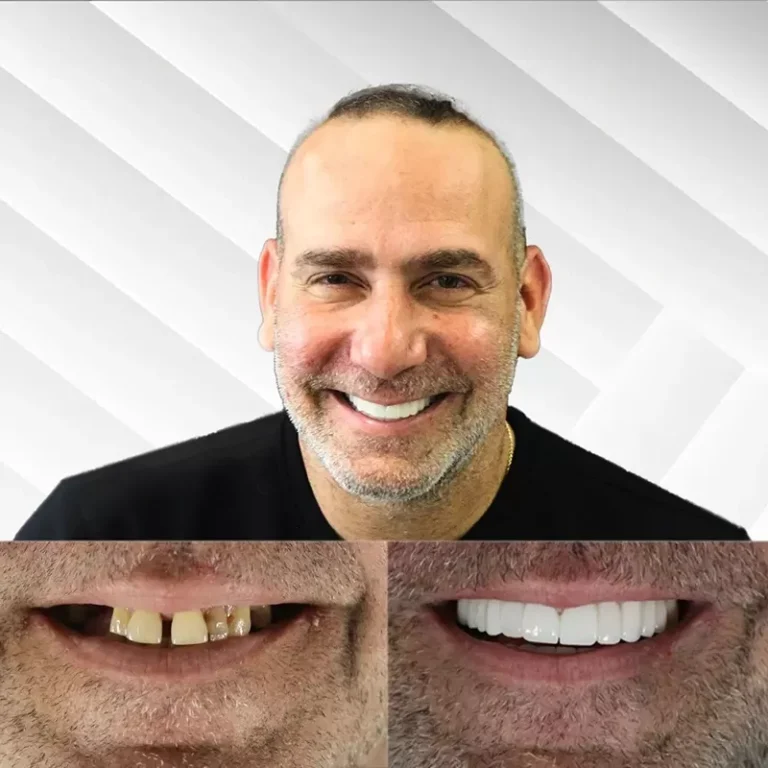
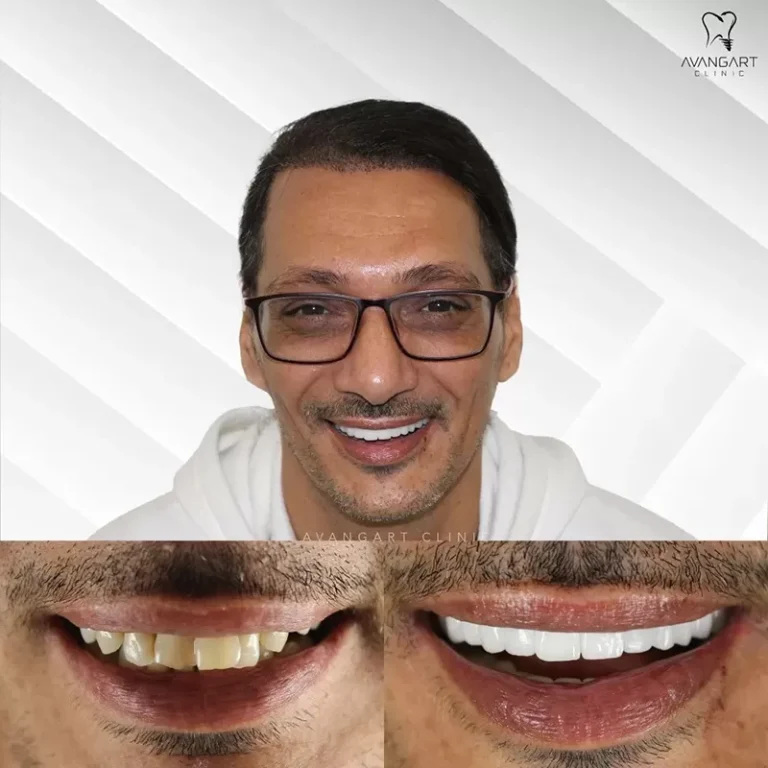
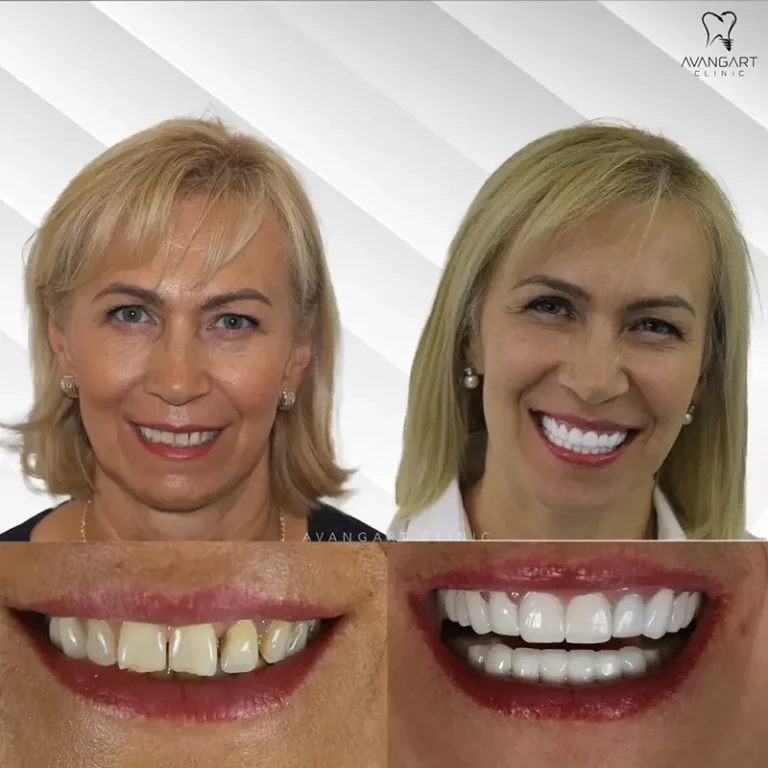
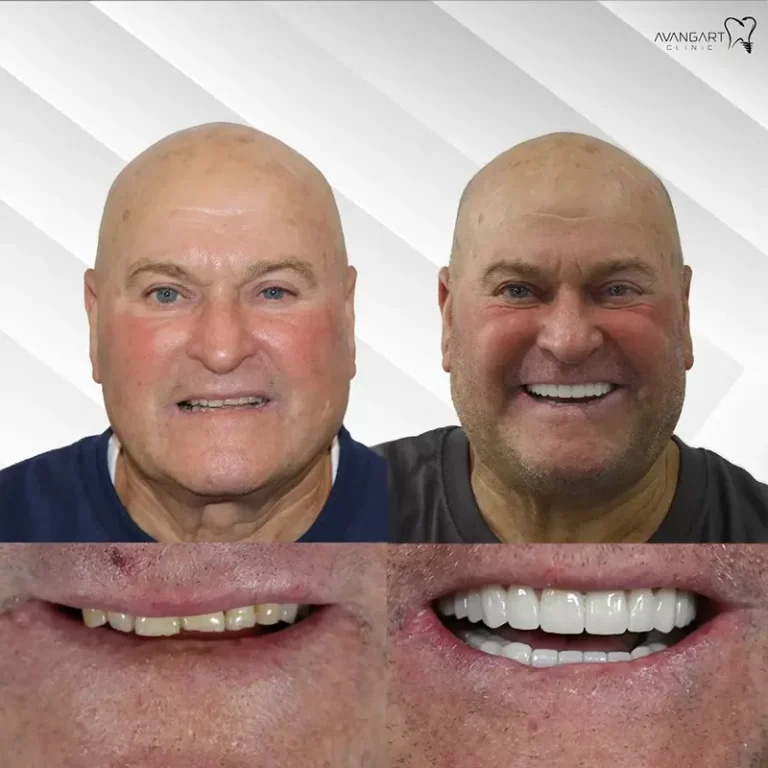
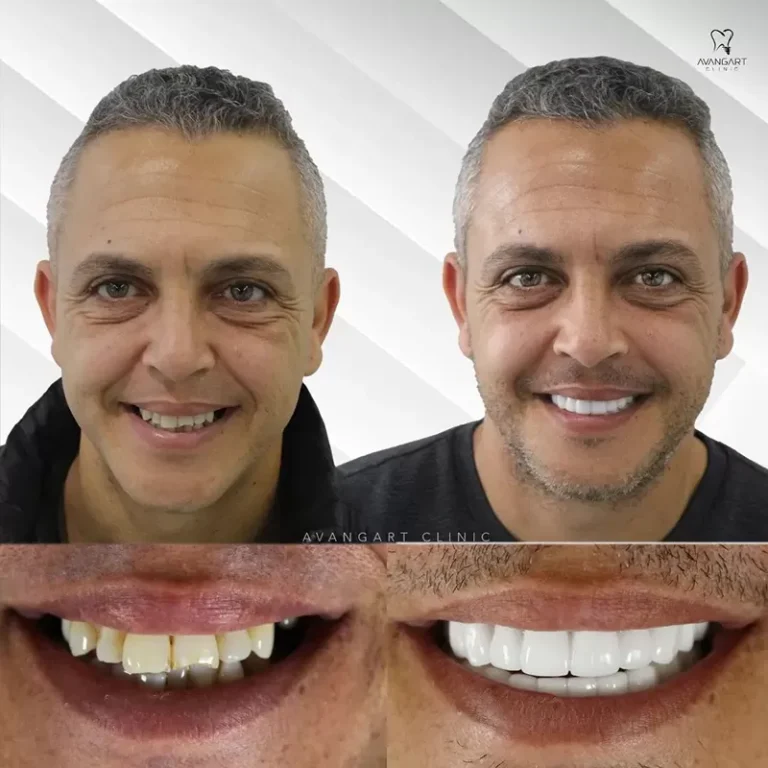
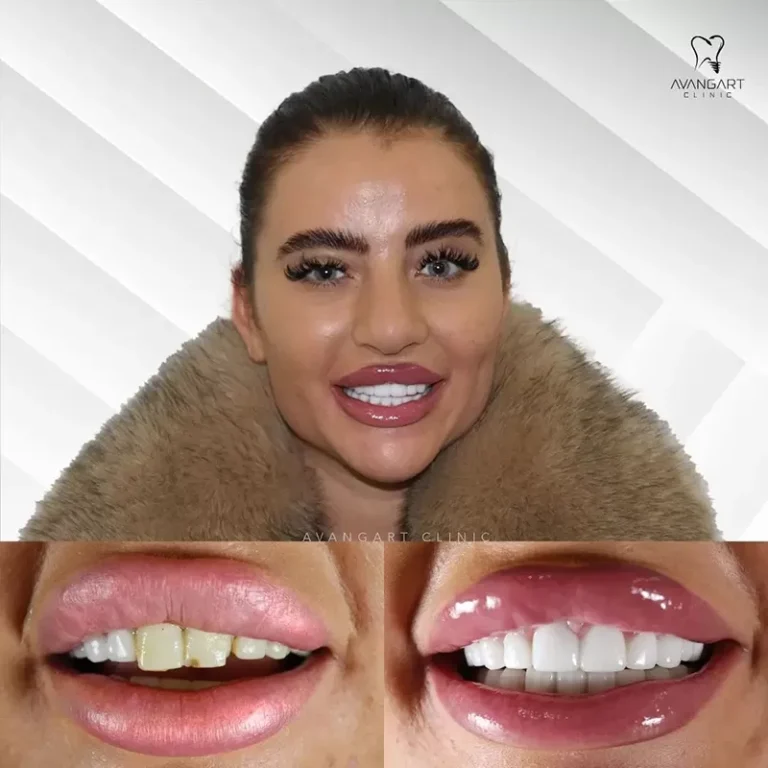
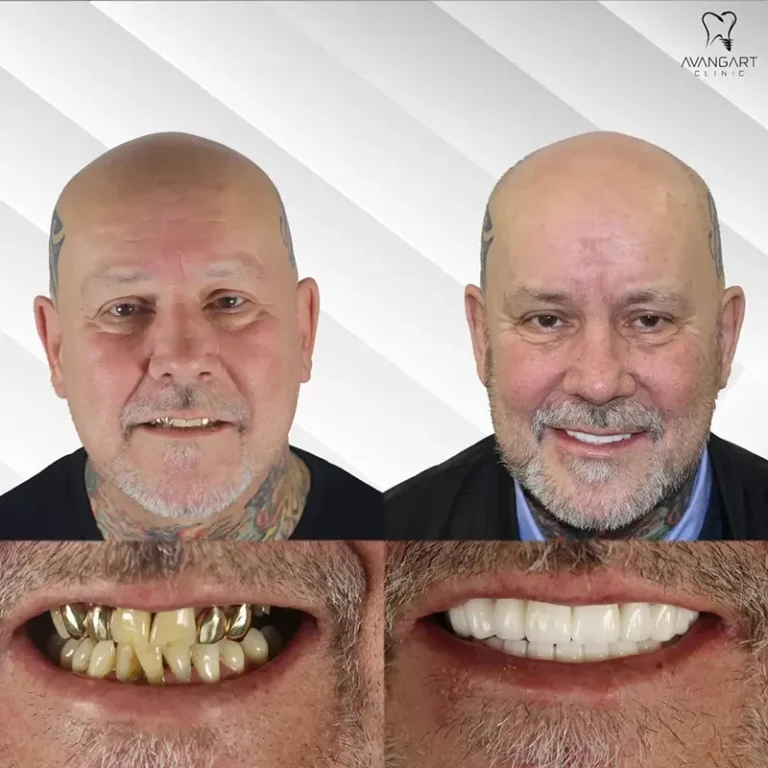
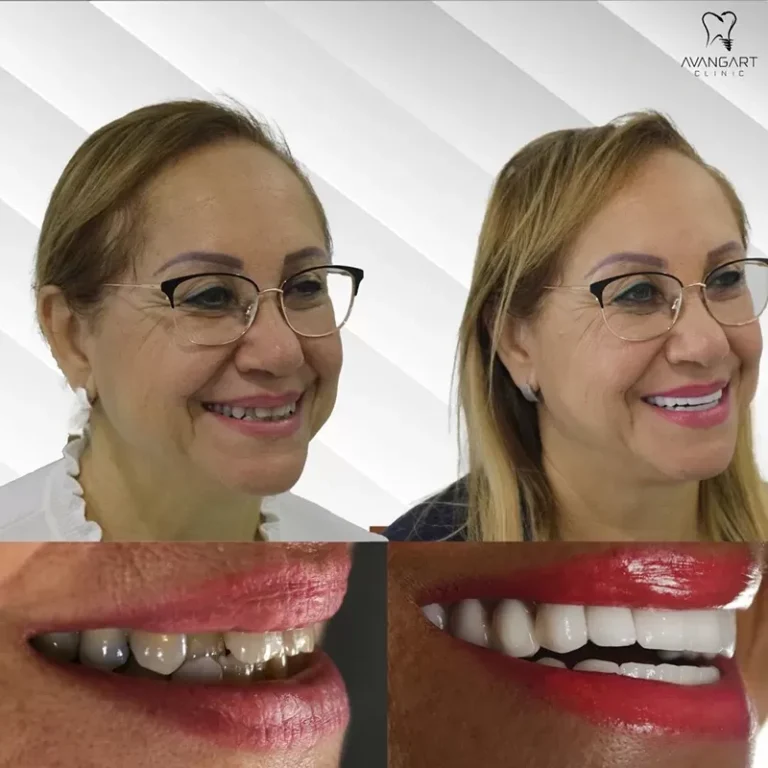
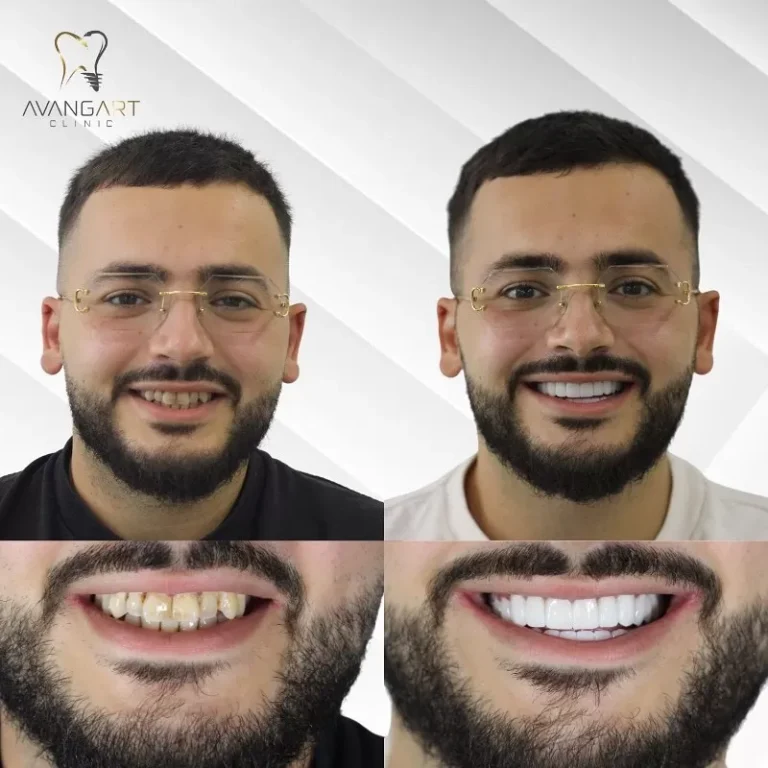
Before and After: Transformative Results with Avangart Clinic
We carry out all our dental treatments with care and strive to give your smile an elegant appearance.