
Severe Tooth Sensitivity After Teeth Whitening? 10 Relief Tips

Dr. Emrah YEŞİLYURT
Dr. Emrah Yeşilyurt is the Founder of Avangart Clinic. He combines advanced dental expertise with a genuine commitment to helping patients feel comfortable and informed about their oral health journey.
Before and After: Transformative Results with Avangart Clinic
We carry out all our dental treatments with care and strive to give your smile an elegant appearance.


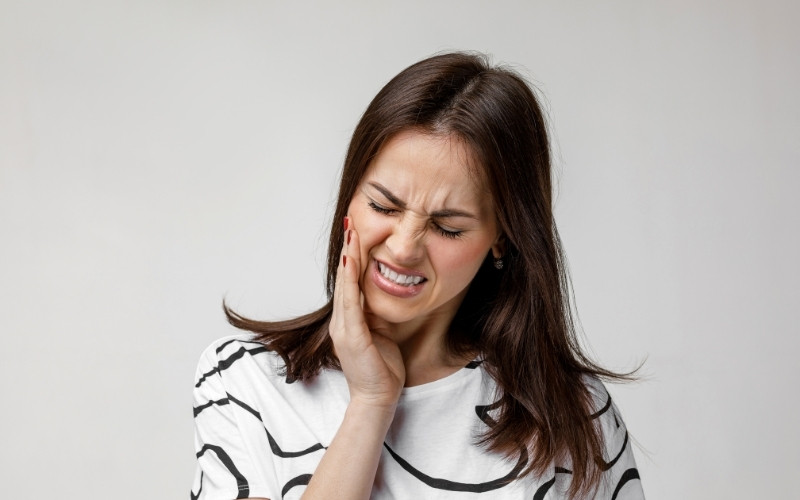
How To Deal With Teeth Sensitive After Whitening?
A brighter smile can boost your confidence after a whitening treatment. However, if you feel a sharp twinge or ache afterward, you’re not alone. Teeth sensitivity after whitening is common and happens to many people.
When performed correctly, whitening is both safe and effective. The good news is that most discomfort is temporary and often resolves within a few days. Understanding what causes teeth whitening sensitivity can help you relax and make wise decisions.
This guide shows clear, gentle steps on how to help sensitive teeth after whitening. You will learn simple habits to use before and after treatment, so you can lower the pain without losing results. With the right care, you can enjoy a bright smile and feel comfortable again.
Satisfied Patient Reviews
EXCELLENTTrustindex verifies that the original source of the review is Google. Service impeccable. Je suis venue pour des implants. La prise en charge a été rapide et la douleur pendant et après l’opération a été à peine ressentie. Clinique très professionnelle et chirurgien expert. Personnel très accueillant, en particulier la Directrice. Recommande à tous ceux qui sont à la recherche de professionnels pour régler des problèmes dentaires Suis venue finaliser la pose des implants et des couronnes. Résultat impécable!Posted on GoogleTrustindex verifies that the original source of the review is Google. I visited from England and had a positive experience. I went for a Hollywood Smile look and couldn’t be happier with them. The clinic was very aesthetic & clean, the staff were very attentive and supportive & I high recommend them.Posted on GoogleTrustindex verifies that the original source of the review is Google. İmplantlarımı ve zirkyonyumlarımı yaptırdım 2 sene önce iyiki yaptırmışım çok memnunum doktorum emrah hoca işinde çok iyi birisi tüm çalışanlara çok teşekkür ediyorum güler yüzlü anlayışları için gülşah hanıma ayriyetten teşekkür ederim 🌹Posted on GoogleTrustindex verifies that the original source of the review is Google. Çok güzel ve güveninirPosted on GoogleTrustindex verifies that the original source of the review is Google. Friendly and approachable staff, above all I haven’t experienced any pain what so ever, it does truly shows core professionalism. Coming from Wolverhampton, UK and made implant surgery with sinuslifting Gedi JafarPosted on GoogleTrustindex verifies that the original source of the review is Google. Ik Marco, hebt mijn gebit laten doen bij Avangart.. En ben door lieve mensen goed ontvangen en behandeld.. Kliniek zeer hygienisch en goede apparatuur.. Deze kliniek zo ik zeker aanraden om je laten behandelen..😁Posted on GoogleTrustindex verifies that the original source of the review is Google. I traveled from the U.S. and had Avantgart Clinic positively transform my smile in a manner that I wouldn’t have conceived as being possible. Dr. Egemen, a true master in his field, was patient, considerate, and communicative throughout the process and his assistant, Sevim, was a real joy to work with. Together, the two of them combined to make the overall experience much greater than I could have ever hoped for, and the end result is a smile that is on par with the most glamorous of Hollywood stars. I am extremely satisfied and would highly recommend Avangart Clinic to anyone looking to enhance their smile at a great price and of the highest quality.Posted on GoogleTrustindex verifies that the original source of the review is Google. Herkes mükemmel ıscılık mükemmel teşekkür edıyorumPosted on GoogleTrustindex verifies that the original source of the review is Google. Emrah bey‘in diş konusundaki tecrübesi, güler yüzü ve uzmanlığı nedeniyle diş tedavilerim için her seferinde Avusturya‘dan İstanbul’a gelmekteyim. Diş kliniği de son teknolojik donanıma sahip güven verici muayenehaneler içermekte.Posted on GoogleTrustindex verifies that the original source of the review is Google. Güler yüzlü ekip, temiz ve modern bir klinik. Tedavi sürecim baştan sona çok profesyoneldi. Gönül rahatlığıyla tavsiye ederim.Verified by TrustindexTrustindex verified badge is the Universal Symbol of Trust. Only the greatest companies can get the verified badge who has a review score above 4.5, based on customer reviews over the past 12 months. Read more
Steps to Take after Your Teeth Whitening Treatment
1. Foods and Drinks to Avoid After Whitening
Your teeth are most sensitive during the first one to two days after treatment. If your teeth hurt after whitening, avoid very hot or very cold foods and drinks that can trigger sharp pain.
Choose room temperature meals and drinks to keep tooth sensitivity from whitening under control.
To protect your new tooth color, also watch out for surface stains. Avoid tobacco, dark fruits like blueberries, red wine, coffee, tea, and dark colas during this time.
Choose lighter-colored foods and clear drinks instead, which are gentler on your enamel while it recovers.
2. Limit Acidic and Temperature-Extreme Foods
Acidic foods and drinks can make sensitive teeth feel worse. Sodas, citrus fruits, and sports drinks may irritate your mouth and increase sensitivity. Choose gentle options like water, milk, bananas, and plain yogurt while you recover.
Very hot or cold foods and drinks can cause sharp pain after whitening. Consume foods and drinks near room temperature for the first couple of days after treatment.
This simple diet change supports comfort during teeth whitening and sensitivity recovery.
3. Toothpaste for Sensitive Teeth After Whitening
For teeth whitening pain relief, use a toothpaste made for sensitive teeth. Brush with it during the first 48 hours after your whitening session, and add a desensitizing gel if your teeth still hurt.
These products help calm the nerves so the sensitive phase feels easier.
Check the label for potassium nitrate. This ingredient can ease sensitivity when you use it twice a day before or during treatment.
4. Gentle Brushing Techniques for Sensitive Teeth
Use a soft toothbrush and brush gently instead of scrubbing hard. Move in small, slow circles and let the bristles do the work without pressing too much. Let the bristle tips do the work without applying much pressure.
Rinse with lukewarm water to avoid hot or cold shocks. This gentle routine can ease teeth bleaching sensitivity and keep your smile comfortable. If any area feels sore, stop for a moment and brush again later with light, careful strokes.
5. Fluoride and Desensitizing Products That Help
Fluoride toothpaste and mouthwash can help strengthen enamel and calm nerve signals that cause pain after treatment; use them in the morning and at night to keep your smile comfortable. These simple tools are a smart start for how to reduce teeth sensitivity after whitening.
Desensitizing gels add another layer of relief when teeth feel sensitive, especially in the first few days. At the clinic, your dentist can apply a fluoride varnish with up to 5 percent sodium fluoride to strengthen your enamel and calm sensitivity. Most people notice a quick improvement, and the soothing effect can last for several weeks.
Choose products labeled for sensitive teeth and follow the directions with care so you do not irritate your gums. If tooth sensitivity from whitening does not fade in a few days, book a checkup with your dentist.
6. Drinking Through a Straw Can Help Reduce Sensitivity
A simple trick right after whitening is to use a straw when you drink. Sipping this way prevents most liquid from washing over your teeth, which can ease the sharp pain. It is handy if you have pain after teeth whitening and want quick relief.
Hold the straw toward the back of your mouth and take slow, small sips. Pick room-temperature drinks so you avoid shock from heat or cold. This small habit is a gentle, sensitive teeth after whitening home remedy you can use for the first day or two.
7. Professional Whitening Options with Minimal Sensitivity
Over-the-counter kits often use one-size trays that do not match your bite, which can lead to gel overflow. When the trays don’t fit well, the whitening gel can leak onto your gums, causing irritation and soreness. This often leads to stronger and longer-lasting sensitivity, making recovery more uncomfortable.
Dr. Emrah YEŞİLYURT offers in-office and dentist-guided at-home whitening with custom trays built to fit your teeth precisely. Careful checks of gel strength and wear time help protect the gums and the nerve inside each tooth. Choosing supervised care is one of the best steps in how to get rid of tooth sensitivity after teeth whitening.
A short visit lets the team tailor a plan to your needs and budget, so your results are bright and comfortable. Custom trays keep the gel where it is useful and limit spillover around the gumline. These approaches can reduce tooth sensitivity whitening while, giving you an even shade.
Understanding Tooth Sensitivity After Whitening
Teeth can feel tender after whitening because the whitening gel penetrates the enamel and reaches the inner layer of the tooth. This can irritate the nerve, causing you to react to cold air, iced drinks, sugary snacks, or brushing. The feeling is common and usually short-lived.
Most people feel better within a few days. If the pain is strong or lasts longer, see your dentist to check for decay, cracks, or worn fillings. A checkup helps to identify the root cause and keeps your progress on track.
You can ease the sensitivity by choosing a lower strength product and using less gel in trays. Give yourself breaks between sessions if you feel zingers, and switch to a sensitive toothpaste with potassium nitrate. Your dentist can also apply a fluoride varnish or a desensitizing gel for quick relief.
Protect your new tooth shade by avoiding staining options like coffee, tea, red wine, and tobacco for a few days. If you are thinking about Hollywood smile veneers or planning care with Avangart Dental in Turkey, share your whitening history. We can tailor the method and strength so your smile stays bright and comfortable.
Causes of Sensitivity after Teeth Whitening:
Sensitivity after whitening has a few common causes, and most are temporary.
- Whitening gels can temporarily open microscopic channels in the enamel, increasing dentin exposure. This can irritate the nerves and cause short, sharp pain, which is why people ask how to get rid of sensitive teeth after whitening.
- Some whitening trays press on the teeth and make them feel sore for a while. A poor fit can add pressure, so sensitivity may increase.
- If bleaching gel touches the gums, it can irritate the tissue and lead to sensitivity and pain. Careful placement and quick cleanup are helpful, as are gentle home remedies for sensitive teeth after whitening that have been approved by your dentist.
Pre-Treatment Tips to Reduce Whitening Sensitivity
Start using a desensitizing toothpaste about a week before your visit to help minimize post-whitening sensitivity. Let a thin layer sit on your teeth for a few minutes before you rinse. This can block signals to the nerve and help if your teeth are sensitive from whitening in the past.
Before starting treatment, apply a desensitizing gel. Leave it on for the time shown on the label, then rinse with water. This additional step can reduce the likelihood that your teeth will be super sensitive after whitening.
Take over-the-counter pain relievers like ibuprofen just before your appointment. You can keep using it afterward as directed on the package, but check with your dentist first if you have any health concerns.
Tell your dentist about any past sensitivity or gum issues so your plan can be adjusted. Share other goals you are considering, even costs you compare, such as the best dental implants in Turkey cost. With a personalized approach, the chance of your teeth sensitive from whitening can be much lower.
FAQs About Tooth Sensitivity After Whitening
Most people experience temporary tooth sensitivity following a whitening session. The tingling usually subsides with each day and is gone by the fourth day. If you are wondering how long are teeth sensitive after whitening, the answer is typically a few days.
If the soreness lasts more than four days or is severe, see your dentist. Sensitivity from teeth whitening can be prolonged by hidden issues such as decay, exposed dentin, tiny cracks, and worn fillings and crowns. A quick dental exam can detect these issues and help guide safer care.
Involving your dentist before you whiten can reduce the risk. They can choose the appropriate product strength and address any issues first. This plan allows you to keep your smile bright while staying comfortable.
Feeling sore after whitening is common, and you can calm it fast. Here is how to help teeth sensitivity after whitening so you feel better soon.
Use a toothpaste for sensitive teeth twice a day. Add a desensitizing gel or a fluoride rinse to soothe the nerves during the first two days.
Skip very hot, very cold, and acidic foods and drinks. Choose water, milk, yogurt, bananas, and room-temperature meals until the sensitivity fades.
Brush gently with a soft-bristle toothbrush. Brush in short circles and rinse with lukewarm water so you avoid temperature shocks.
Give your teeth a break between whitening sessions. Do not overfill trays, and follow the wear time you were given.
Take over-the-counter pain relief if you need it, and sip through a straw to keep drinks off your teeth. If the pain lasts more than four days or feels strong, see your dentist for a check.
Permanent sensitivity after whitening is uncommon. Most people notice that sensitivity from teeth whitening fades within a day or two. The nerve usually settles as the teeth recover.
However, some dental issues can make the discomfort last longer. Gum disease and large cavities increase the risk of longer-lasting pain. If sensitivity lingers or worsens, book a dental visit for a careful check.
“Zingers” are short, shooting pains that can happen after a whitening session. They often strike when you sip very cold or very hot drinks. They are common and usually fade quickly.
Calm them by choosing room-temperature drinks and soft foods for a couple of days. Rinse with lukewarm water after meals and use a straw to keep liquids off your teeth. Give yourself a short break between whitening sessions to prevent sensitivity.
Use a toothpaste for sensitive teeth and add a desensitizing gel if needed. You can take an over-the-counter pain reliever for comfort. If the shocks last more than a few days or feel stronger, contact your dentist for advice.
After whitening, your teeth can feel dry and porous as the surface opens briefly. Saliva naturally bathes enamel with calcium and phosphate, helping restore minerals and relieve dryness.
Sip water to keep your mouth moist, and give your smile time; saliva will naturally restore minerals and soothe your teeth each day.
Whitening burns differ from sensitivity. When the bleaching gel comes into contact with and irritates the gum tissue, it causes whitening burns. Sensitivity occurs when peroxide reaches the nerve inside the tooth, causing cold or hot drinks to sting.
White or bright red gums, as well as a mild burning sensation, are signs of whitening burn. They can begin on the first day and last several days. Stop whitening and gently wipe any excess gel away from your gums.
Simple home care can help relieve gum irritation. Rinse your mouth gently with salt water, use the whitening product only for the recommended time, and give your gums a short break to recover. Most people feel better after the gel has left the tissue and the mouth has had time to heal.
You can manage tooth sensitivity by eating foods at room temperature, using toothpaste for sensitive teeth, and spacing out your whitening sessions. If the discomfort continues or gets worse, visit your dentist so they can check your trays and suggest the best treatment to relieve the pain.
If your tooth sensitivity lasts more than four days after whitening, or if the pain is sharp, throbbing, or keeps you awake at night, schedule a dental appointment. You should also call sooner if you notice gum swelling, lingering zingers, temperature pain that is getting worse, or trouble chewing. Your dentist can look for decay, cracks, exposed dentin, or poorly fitting trays and provide safe, effective relief.
Ibuprofen can help relieve the soreness and nerve pain that can occur after whitening. It is an over-the-counter anti-inflammatory that many people find effective when taken as directed with food and water. If you prefer not to take ibuprofen or are unable to take NSAIDs, acetaminophen is a viable option for short-term relief; however, if you have a medical condition or the pain persists, consult your dentist or doctor.
Teeth may ache after whitening because the peroxide opens tiny pores in the enamel, temporarily irritating the nerve inside the tooth. Poorly fitting trays or whitening gel that touches your gums can also cause pressure and inflammation, which increases discomfort or “zingers.” Cold or hot drinks frequently cause pain, but it usually subsides after a few days as your teeth heal.