
Teeth bonding vs. veneers: what’s the difference?

Dr. Emrah YEŞİLYURT
Dr. Emrah Yeşilyurt is the Founder of Avangart Clinic. He combines advanced dental expertise with a genuine commitment to helping patients feel comfortable and informed about their oral health journey.
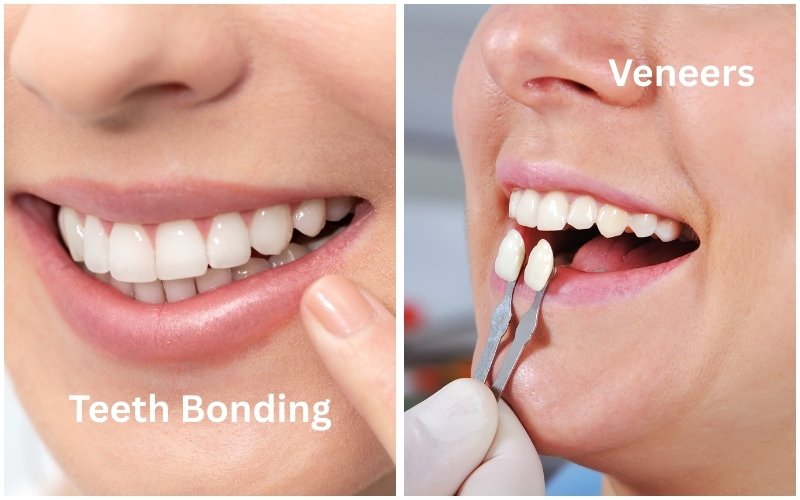
Teeth Bonding vs Veneers: What Patients Need to Know
Thinking about fixing chips, gaps, or stains in your smile? You will likely compare veneers vs bonding. This guide keeps it simple and useful.
Composite bonding uses a tooth colored resin that your dentist sculpts right on the tooth; it is quick and gentle, great for small changes. Dental veneers are thin porcelain shells applied to the front of teeth to provide a strong, lifelike appearance.
Both can improve your smile, but the best option depends on your objectives, budget, and timeline. We’ll go over how they differ, what each does best, and what to expect. Finally, you will be able to confidently choose between composite bonding or veneers.
Satisfied Patient Reviews
EXCELLENTTrustindex verifies that the original source of the review is Google. Service impeccable. Je suis venue pour des implants. La prise en charge a été rapide et la douleur pendant et après l’opération a été à peine ressentie. Clinique très professionnelle et chirurgien expert. Personnel très accueillant, en particulier la Directrice. Recommande à tous ceux qui sont à la recherche de professionnels pour régler des problèmes dentaires Suis venue finaliser la pose des implants et des couronnes. Résultat impécable!Posted on GoogleTrustindex verifies that the original source of the review is Google. I visited from England and had a positive experience. I went for a Hollywood Smile look and couldn’t be happier with them. The clinic was very aesthetic & clean, the staff were very attentive and supportive & I high recommend them.Posted on GoogleTrustindex verifies that the original source of the review is Google. İmplantlarımı ve zirkyonyumlarımı yaptırdım 2 sene önce iyiki yaptırmışım çok memnunum doktorum emrah hoca işinde çok iyi birisi tüm çalışanlara çok teşekkür ediyorum güler yüzlü anlayışları için gülşah hanıma ayriyetten teşekkür ederim 🌹Posted on GoogleTrustindex verifies that the original source of the review is Google. Çok güzel ve güveninirPosted on GoogleTrustindex verifies that the original source of the review is Google. Friendly and approachable staff, above all I haven’t experienced any pain what so ever, it does truly shows core professionalism. Coming from Wolverhampton, UK and made implant surgery with sinuslifting Gedi JafarPosted on GoogleTrustindex verifies that the original source of the review is Google. Ik Marco, hebt mijn gebit laten doen bij Avangart.. En ben door lieve mensen goed ontvangen en behandeld.. Kliniek zeer hygienisch en goede apparatuur.. Deze kliniek zo ik zeker aanraden om je laten behandelen..😁Posted on GoogleTrustindex verifies that the original source of the review is Google. I traveled from the U.S. and had Avantgart Clinic positively transform my smile in a manner that I wouldn’t have conceived as being possible. Dr. Egemen, a true master in his field, was patient, considerate, and communicative throughout the process and his assistant, Sevim, was a real joy to work with. Together, the two of them combined to make the overall experience much greater than I could have ever hoped for, and the end result is a smile that is on par with the most glamorous of Hollywood stars. I am extremely satisfied and would highly recommend Avangart Clinic to anyone looking to enhance their smile at a great price and of the highest quality.Posted on GoogleTrustindex verifies that the original source of the review is Google. Herkes mükemmel ıscılık mükemmel teşekkür edıyorumPosted on GoogleTrustindex verifies that the original source of the review is Google. Emrah bey‘in diş konusundaki tecrübesi, güler yüzü ve uzmanlığı nedeniyle diş tedavilerim için her seferinde Avusturya‘dan İstanbul’a gelmekteyim. Diş kliniği de son teknolojik donanıma sahip güven verici muayenehaneler içermekte.Posted on GoogleTrustindex verifies that the original source of the review is Google. Güler yüzlü ekip, temiz ve modern bir klinik. Tedavi sürecim baştan sona çok profesyoneldi. Gönül rahatlığıyla tavsiye ederim.Verified by TrustindexTrustindex verified badge is the Universal Symbol of Trust. Only the greatest companies can get the verified badge who has a review score above 4.5, based on customer reviews over the past 12 months. Read more
What Is Composite Bonding?
Composite bonding is a cosmetic dental treatment in which tooth-colored resin is used to shape, repair, or polish a tooth. Your dentist layers and smoothes the composite material on your tooth so that it looks natural with your smile.
It can repair minor chips and cracks, close tiny gaps, reshape uneven edges, and conceal light stains. The procedure is gentle and usually completed in one visit, making it a quick and cost-effective option. Later, we will compare composite veneers vs composite bonding so you can make an informed decision.
What Are Veneers and How Do They Work?
Veneers are thin, custom shells that cover the front of teeth. They are made of porcelain or composite resin and can conceal deep stains, close small gaps, and correct minor misalignment. This results in a more even and symmetrical smile.
They’re more permanent than bonding and usually take two visits. First, your dentist plans the procedure and takes molds; second, the veneers are bonded and polished. Emax veneers Turkey are one of the most popular veneer options right now.
Tooth Preparation for Bonding vs Veneers
The most obvious difference between bonding and veneers is in tooth preparation. Your dentist carefully removes a thin layer of enamel to make the veneers fit on your teeth naturally. In composite bonding, the tooth surface is simply roughened so that the resin can grip well.
Because a small amount of enamel is removed, veneers are usually not reversible. Composite bonding is a minimally invasive procedure that leaves most of the natural tooth intact. This matters if you prefer treatments that keep options open for the future.
If you want a conservative fix for chips or small gaps, bonding may suit you. If you want a full smile makeover and can accept the fact that your teeth will be changed irreversibly, veneers may be better. Keep this preparation difference in mind when comparing dental bonding vs veneers.
Aesthetic Results: Which Looks More Natural
Both composite bonding and veneers can look very natural. Your dentist picks a shade that matches your teeth, or you can choose a slightly brighter tone. Porcelain has a translucent glow like real enamel, which helps it blend in with your natural teeth.
Composite bonding is excellent for small chips or gaps, where a little resin can repair the tooth. In contrast, veneers cover the entire front of the tooth, which is ideal for creating a uniform color and shape across several teeth. For the most natural look in any lighting, porcelain is often the better choice; you may see this marketed as laminate veneers turkey.
Before and After: Transformative Results with Avangart Clinic
We carry out all our dental treatments with care and strive to give your smile an elegant appearance.


Good Candidate for Veneers or Composite Bonding
Choosing the right smile treatment starts with checking the fit. This quick guide shows who is a suitable candidate for dental veneers and who suits composite bonding, so your veneers vs bonding choice feels clear.
Who’s a good candidate for veneers
- You want to fix chips, cracks, dark stains, or uneven shapes across one or more teeth.
- Your teeth are fairly straight; a heavy bite or severe crowding can stress veneers and lead to cracks.
- Your enamel is healthy and thick enough to hold the veneer, and your gums are in good condition.
Who’s a good candidate for composite bonding
- You want minor changes like closing small gaps, building up short edges, or repairing small chips and fractures.
- There is enough natural tooth remaining for the material to bond securely.
- You have a healthy mouth with no untreated decay or gum infection.
Your dentist will evaluate your bite, enamel, and habits such as teeth grinding when sleeping. Grinding can chip both veneers and composite bonding, so mention it if you have this problem; your dentist may recommend a mouth guard. A comprehensive exam aids in the development of a safe, long-term plan.
If you want fast, budget-friendly refinements of your teeth, bonding is often the better option. If you want a broader color change and shape upgrade, veneers may be better.
Composite Bonding vs Veneers: Cost Comparison
Composite bonding is often the most cost-effective option. Typical starting prices for composite bonding can be around £100 per tooth, whereas veneers can cost anywhere from £200 to £600.
Final fees are determined by your smile and a dentist’s assessment, and financing plans are available to help you spread out payments. Prices vary depending on the materials used, the number of teeth, bite issues, and clinic location.
Durability and Longevity: Which Lasts Longer?
Composite bonding typically lasts 5 to 7 years with proper care. Porcelain veneers typically last 10 to 15 years, whereas composite veneers last about 5 to 7 years.
If longevity is your top priority, porcelain usually wins, but your habits and maintenance also play a key role. To determine which option is best, compare the cost dental bonding vs veneers.
Aftercare and Maintenance Tips:
Good care keeps bonding and veneers looking their best. Use these simple habits to protect your new smile and keep your results for a longer time.
- Limit coffee, tea, and wine; rinse after drinking them, as any of these options can stain.
- Remember, porcelain resists stains more than composite, but edges can still discolor.
- Wear a mouthguard for any contact sport to prevent chips and cracks.
- If you grind at night, get a night guard to shield your teeth.
- Avoid biting hard objects, such as pen lids or ice, which can chip the surface of veneers or composite bonding.
- Brush twice a day with a soft brush, and floss carefully around the edges.
- Keep up with the regular checkups and hygiene visits so small issues are caught early.
- Follow your dentist’s cleaning advice for your specific material and bite.
Smart daily care makes a real difference in how long your results last. If you are unsure about the difference between composite bonding and composite veneers, your dentist can explain which aftercare tips are right for you.
Treatment Time: How Long Does Each Procedure Take?
Time matters when planning treatment. Here’s a quick look at how long each takes, so choosing feels easier.
- Composite bonding: Often done in one visit. The dentist cleans, roughens the tooth surface, then layers the resin on the tooth surface, shapes it, and cures it with light. You leave with the final result.
- Porcelain veneers: Usually two visits. Visit one is prep and impressions, with temporary covers if needed. Visit two is bonding the custom veneers and polishing.
If your schedule is tight, bonding is faster; for a bigger makeover, veneers need more steps. When deciding between veneers or bonding, consider your schedule and goals.
Pros and Cons of Composite Bonding and Veneers
Pros of Composite Bonding
Bonding is quick and usually painless. It is budget-friendly and keeps most of the natural tooth structure. Small chips or gaps can be fixed, and repairs are simple.
Cons of Composite Bonding
It does not last as long as veneers. The resin can pick up stains from coffee or tea. It is not the best choice for a full smile makeover.
Pros of Veneers
Porcelain veneers deliver a durable, stain-resistant finish. They can reshape and brighten several teeth at once for a very uniform look. For many, this gives the most polished result in composite bonding vs porcelain veneers.
Cons of Veneers
They cost more and take more visits. However, some enamel must be removed, so this choice is permanent. Expect a little more planning time before the final fit.
Can Composite Bonding Be Whitened?
No. Whitening works on natural enamel, not resin. If your composite bonding looks darker or stained, a dentist can often polish light marks or replace the resin so it matches your preferred tooth shade.
Is It Possible to Combine Veneers and Composite Bonding?
Yes, you can combine veneers and composite bonding. Veneers can reshape or brighten the main teeth you show when you smile, while bonding fine-tunes the small chips or edges. Your dentist will design a plan that fits your goals.
Choosing the Right Option for Your Smile
Choosing between composite bonding and veneers comes down to goals, budget, and desired change. Use this short list to match your needs.
- Budget and time: Composite bonding is quicker and lower cost (often one visit, from about £100). Veneers need two visits and can cost anywhere from £200 to £600.
- Changes wanted: Small chips or gaps mean bonding. Big color and shape upgrades favor veneers.
- Durability and stains: Bonding lasts 5 to 7 years and can stain; porcelain veneers last 10 to 15 years and are stain-resistant.
- Tooth prep: Bonding needs little to no enamel removal; veneers require enamel shaving, which is not reversible.
- Look: Bonding blends well on single teeth; porcelain veneers mimic enamel to make them look like natural teeth.
- Health and habits: Grinding or severe crowding may need care first; ask about a guard.
Considering Veneers or Composite Bonding? Book a Consultation
If you’re considering treatment, book a consultation with our expert dentists to discuss options. We will listen to what you want, check your mouth health, and go over the best choices with you one at a time.
You will be treated by experienced cosmetic dentists who focus on natural-looking results. Our modern, comfortable clinic makes visits simple.
Ready to start? Schedule your visit and leave with answers, a timeline, and a treatment plan that is within your budget.