What to Do If Your Turkish Implants Need Adjustments Back Home?
Dr. Emrah YEŞİLYURT
Dr. Emrah Yeşilyurt is the Founder of Avangart Clinic. He combines advanced dental expertise with a genuine commitment to helping patients feel comfortable and informed about their oral health journey.
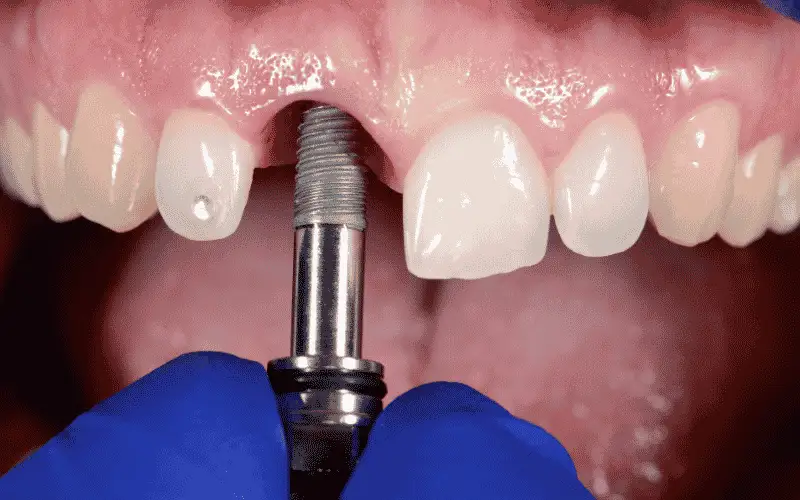
If a dental implant placed in Turkey needs attention after you return home, contact your treating clinic first. They may ask for photos or a local panoramic X-ray. Urgent symptoms should be treated locally, while major implant or bridge repairs may require a return visit to Turkey.
Dental implants in Turkey can make treatment more affordable, but being far from your clinic can feel worrying when something goes wrong. A small click, a change in your bite, or tenderness around a crown can be worrying and may make you think the implant has failed.
In many cases, the issue is much smaller than it first appears. The problem may involve the crown, the screw beneath it, or the surrounding gum rather than the implant inside the jawbone.
At Avangart Dental Clinic, we first try to understand what may be causing the problem. We can guide you through remote support, but severe pain, infection, or implant movement still requires an in-person examination.
Your original treatment timeline also gives us useful context. A sensation during the early healing period may have a very different cause from a problem that develops several months or years after your dental implant treatment.
Good continuity of care means keeping communication open between you and our team in Istanbul.
Identifying the Problem: Normal Healing vs. Implant Complications
A strange feeling around your implant does not always mean it has failed. Sometimes the crown or the small screw holding it in place becomes loose, while the implant underneath remains secure.
A large 2025 study of 158,824 dental implants found that 97.79% remained in place. The overall failure rate was 2.21%, including 1.56% that failed during the early healing and osseointegration stage.
During this stage of healing, the jawbone will grow around the implant and keep it firmly in place. The gum tissue also heals around the implant, creating a natural protective seal.
Get urgent help now
Go to the nearest emergency department or call emergency services if you have:
- Trouble breathing or swallowing
- Rapidly increasing swelling in your face or neck
- Heavy bleeding that will not stop
- Choking after a crown or implant component becomes loose
Do not wait for a reply from the clinic.
| Usually Normal or Manageable | Needs Prompt Dental Assessment | Needs Urgent Local Care |
|---|---|---|
| Mild sensitivity that improves | Throbbing pain that becomes stronger | Difficulty breathing or swallowing |
| Localized swelling during early healing | Swelling that increases or spreads | Rapid facial or neck swelling |
| Small changes in gum shape around a temporary crown | Pus, discharge, or a persistent bad taste | Heavy bleeding that does not stop |
| A slightly unfamiliar bite after new crowns | A sudden bite change or pain while chewing | Fever with worsening swelling |
| Mild tenderness during gum healing | Persistent numbness or altered sensation | A severe allergic reaction |
| Temporary crown feels loose, or moves when touched | Movement appears to come from the implant itself, not just the crown | Coughing, choking, or difficulty breathing after a component comes loose, as this may mean it has entered the airway |
Red, sore, or bleeding gums may be a sign of peri-implant mucositis, which affects the soft tissue around an implant. Peri-implantitis is more serious because it also causes loss of the supporting bone.
Try not to keep pushing the area with your tongue or fingers. Repeated testing can irritate the gum and make it harder to determine which part is moving.
A clicking sound may simply mean that the abutment screw has loosened, while the implant itself remains firmly fixed in the jaw. A proper examination is therefore important before assuming the implant has failed.
The “Turkey Teeth” Stigma: Will Local US and UK Dentists Treat You?
Having dental treatment in Turkey does not mean that local dentists will automatically refuse to see you. However, some dentists in the UK or US may be unwilling to repair work completed by another clinic.
This is often due to practical and professional concerns rather than prejudice. Overseas cases can involve single implants, full-arch bridges, zirconia crowns, temporary prostheses, bone grafts, or several procedures carried out together.
A local dentist needs to know whether they have the right experience, tools, records, and compatible components before making an adjustment.
They may decline treatment when:
- The implant brand or fitting system cannot be identified.
- No X-rays or component records are available.
- The repair needs a manufacturer-specific tool.
- A full-arch bridge must be removed.
- The case falls outside their experience.
- Their practice does not offer implant repairs.
In England, NHS services should assess and stabilise an urgent complication after private treatment in the UK or abroad. However, the NHS will not usually replace or rebuild a complex implant restoration once the immediate problem has been controlled.
A local dentist will still examine severe pain, spreading swelling, uncontrolled bleeding, or signs of an abscess as soon as possible. Antibiotics may help in some cases, but they are not always enough. The area may also need to be cleaned, drained, or treated to remove the cause of the infection.
Immediate Steps: What to Do If Your Implant or Crown Feels Loose
Stop chewing on that side.
Eat soft foods and avoid anything hard, sticky, or chewy. Try not to clench your jaw.
Do not pull or twist the loose part.
It can damage the crown, screw, implant connection, or surrounding gum.
Keep the crown safe if it comes out.
Place it in a clean, dry container with a lid. Do not file, scrub, boil, or reshape it.
Do not use household glue.
Superglue, nail glue, epoxy, and similar products can irritate the tissue, block the screw channel, and make a professional repair harder.
Take clear photos and a short video.
Use good lighting and take pictures from the front, side, and close up. Ask someone to help if the area is difficult to reach.
Write down what you are feeling.
Note when the movement started and whether you also have pain, swelling, bleeding, pus, numbness, fever, or a bite change.
Contact your clinic in Turkey.
Send your name, treatment date, photos, video, symptoms, current medication, and location to the aftercare coordinator.
Do not wait if the symptoms are serious.
Seek urgent local care for breathing or swallowing difficulty, rapidly spreading swelling, severe pain, fever, or bleeding that will not stop.
If a loose part disappears and you think you may have swallowed it, contact a dentist or medical service. Sudden coughing, choking, or breathing difficulty may mean it entered the airway and requires emergency care.
How Avangart Clinic Manages Remote Diagnostics
We first try to determine whether the problem appears to involve the gum, the implant, the restoration, or the bite.
We may ask for:
- Your treatment date and the area involved.
- Clear photos and a short video.
- Details of pain, swelling, bleeding, discharge, or numbness.
- Information about clicking, movement, or bite changes.
- Your current medication and relevant medical conditions.
- Notes from any local dentist who has examined you.
Then we cross-reference this information with your patient records. These records may include the implant brand, diameter, length and position, along with the abutment specifications, restoration design, previous X-rays, and clinical notes.
Keeping accurate records supports safer international aftercare. Patients can also review our professional affiliations and quality standards.
A panoramic X-ray can indicate the position of the implants, neighbouring teeth and the level of bone around the implants. However, it may not reveal a loose screw, an uneven bite, or early gum inflammation.
A CBCT scan may be needed when we require a three-dimensional view of the jaw, sinus, implant position, or a suspected fracture. When possible, ask the imaging centre for the original Digital DICOM files rather than screenshots.
These files allow our team in Istanbul to review the full scan.
Remote diagnostics can help us:
- Compare new images with earlier records.
- Identify the likely component involved.
- Give useful information to a local dentist.
- Decide whether local treatment is reasonable.
- Prepare replacement parts before you return.
There are still limits. A remote review cannot test implant stability, check the bite accurately, drain an abscess, or confirm exactly which part is moving.
Understanding Your Dental Implant Guarantee: Who Pays for What?
A dental implant guarantee usually comes with conditions, exclusions, and time limits. Coverage can vary from one clinic to another, so the written terms matter.
Depending on the agreement, it may cover:
- A replacement implant or manufacturer component.
- Surgical labour for an approved revision.
- Remaking a crown or bridge when a covered defect is confirmed.
- Assessment at the original clinic.
You may still need to pay for:
- Return flights and accommodation.
- Appointments with a local dentist and any X-rays or scans they request.
- Medication bought in your home country.
- Time away from work.
- Additional grafting or sinus treatment.
- Repairs linked to trauma, smoking, poor hygiene, or heavy jaw clenching.
What the guarantee covers usually depends on the cause of the problem. For example, a loose screw, a fractured crown, failed osseointegration, accidental damage, and peri-implantitis may each be covered differently.
Some guarantees also require you to maintain good oral hygiene, attend regular professional cleanings and six-month check-ups, and wear a night guard if one has been prescribed. Keep copies of your cleaning records, invoices, X-rays, and written communication with the clinic in case you need to make a claim.
Before arranging revision treatment, ask for a clear written breakdown of what the clinic will cover. This helps you compare travel expenses, local repair fees, and possible implant treatment costs.
When Is It Necessary to Fly Back to Istanbul?
Some problems can be managed in your home country. Others need the original clinic, implant components, laboratory support, or surgical team.
| May be Managed Locally | May Require a Return to Istanbul |
|---|---|
| Dental examination and basic X-rays | Movement of the implant body |
| Treatment of pain or infection | Failure of osseointegration |
| Drainage of an abscess | A fractured abutment or trapped screw |
| Minor bite adjustment | Removal and remaking of a full-arch bridge |
| Tightening a compatible abutment screw | Severe peri-implantitis requiring surgery |
| Recementing or replacing a simple crown | Revision involving bone grafting or sinus lifting |
| Replacing a night guard | A problem involving zygomatic implants |
| Professional implant cleaning | Several linked failures needing surgical and laboratory support |
A minor high spot on a crown can often be adjusted by an experienced local dentist. Any signs of infection should also be assessed and treated locally rather than left to worsen while you arrange travel.
Returning to the original clinic may be necessary if the implant itself is moving, the internal connection is damaged, or a full-arch restoration needs to be removed and remade.
Patients with a full-arch all-on-six bridge should give the local dentist the implant-system details and screw-access information before anyone tries to remove it.
Cases involving zygomatic implants, major grafting, or other advanced implant procedures usually need closer contact with the original surgical team.
Before booking your flight, send Avangart details of your symptoms, recent photos or scans, and any findings from your local dentist. Our team can then assess how soon you need to return, arrange the right implant components, and allow enough time for your treatment.
How to Provide Your Local Dentist with Your Implant Passport
An Implant Passport, also called an Implant ID Card, tells another dentist exactly which implant system is in your mouth.
This is important because implant parts are not universal. Different brands and implant systems may require different drivers, screws, abutments, and replacement parts.
Your Implant Passport should ideally include:
- Implant manufacturer.
- Product line or model.
- Implant position.
- Diameter and length.
- Connection or platform type.
- Reference or catalogue number.
- Lot or batch number.
- Placement date.
- Abutment and restoration details.
- Treating clinic and dentist.
Straumann, Nobel Biocare, and Osstem all produce several implant systems. Simply telling a dentist the manufacturer may not give them enough information to order the right component.
Send the Implant Passport before your appointment. Include your treatment summary, recent panoramic X-ray, any CBCT DICOM files, and written guidance from your Turkey clinic.
When calling the practice, ask:
“Do you assess and repair implant-supported restorations placed by another clinic, and can you work with this implant system?”
This gives the dentist a much clearer idea of what the appointment may involve.
If you do not have an Implant Passport, contact Avangart or your Turkey clinic (if you got treatment from another clinic in Turkey) and ask for the information in your clinical records. Save a digital copy on your phone and in cloud storage.
FAQs
In England, NHS services should assess and stabilise an urgent complication, even if the treatment was completed abroad. However, the NHS will not usually replace or rebuild a privately placed implant unless you meet specific clinical criteria.
Contact Avangart or the clinic in Turkey where you received treatment, and arrange an examination with a local dentist as soon as possible. Seek urgent care if you have worsening swelling, pus, fever, severe pain, or difficulty swallowing. Antibiotics may be needed, but the dentist may also need to drain the infection, clean the area, or treat its underlying cause.
A general dentist can examine the area and provide urgent care, but implant adjustments may require a dentist with experience in implant restorations. They may also need your Implant Passport, X-rays, and exact implant-system details before carrying out a repair.
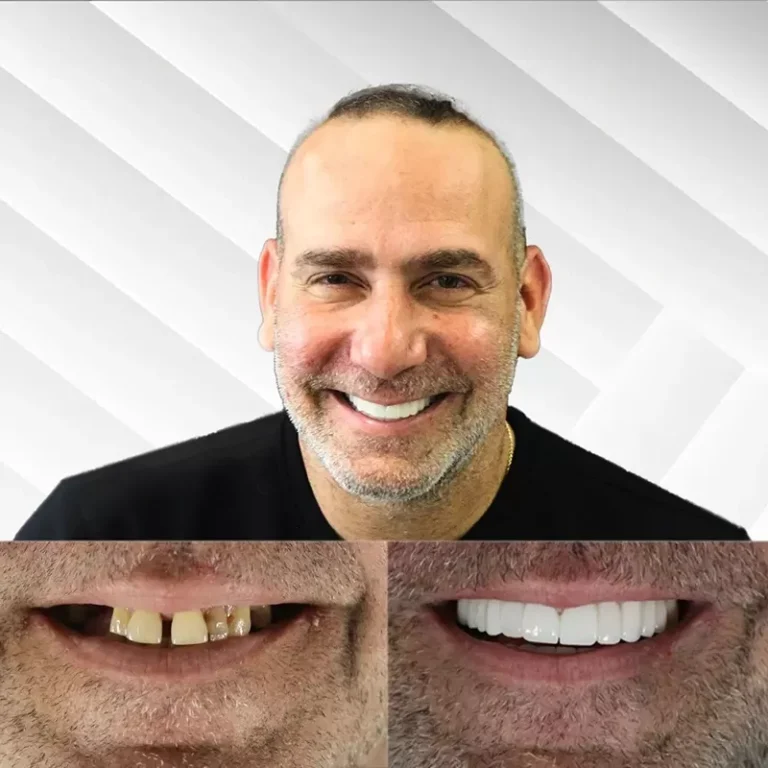
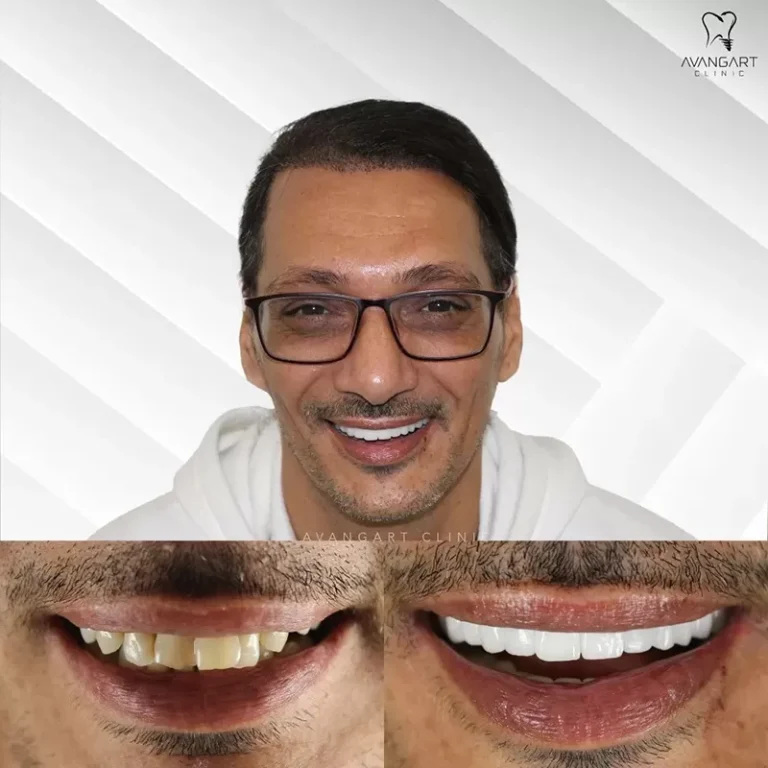
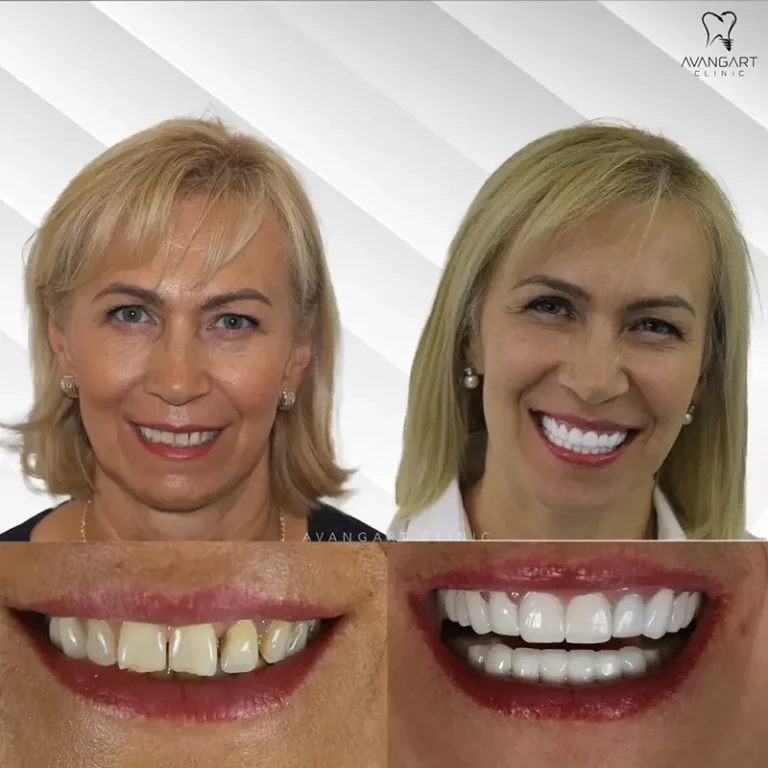
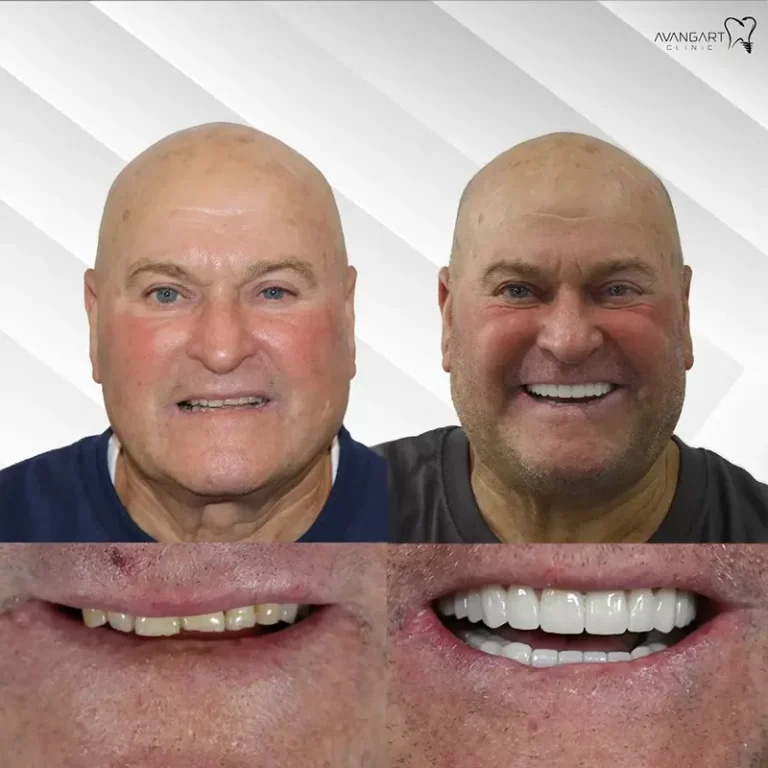
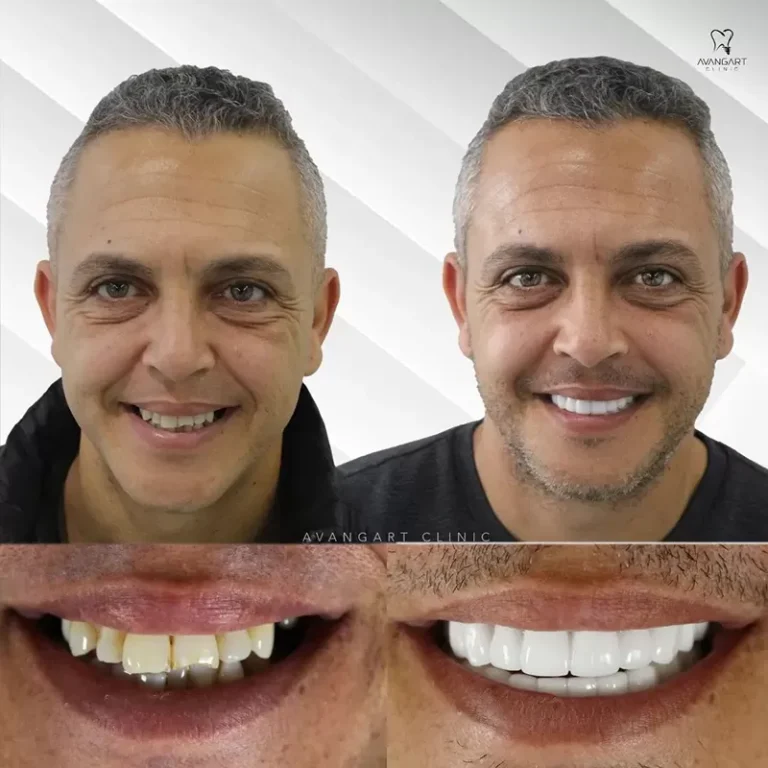
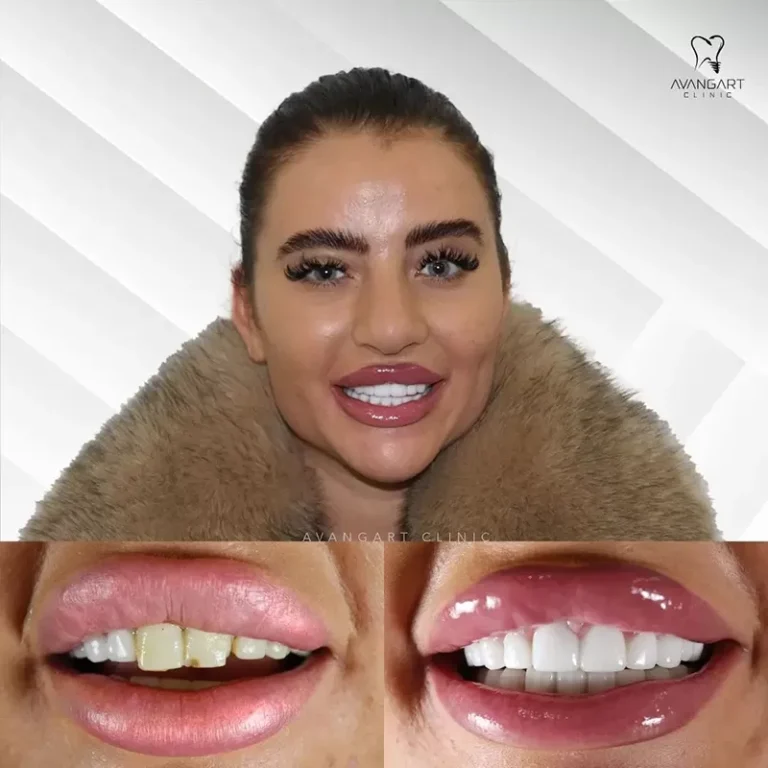
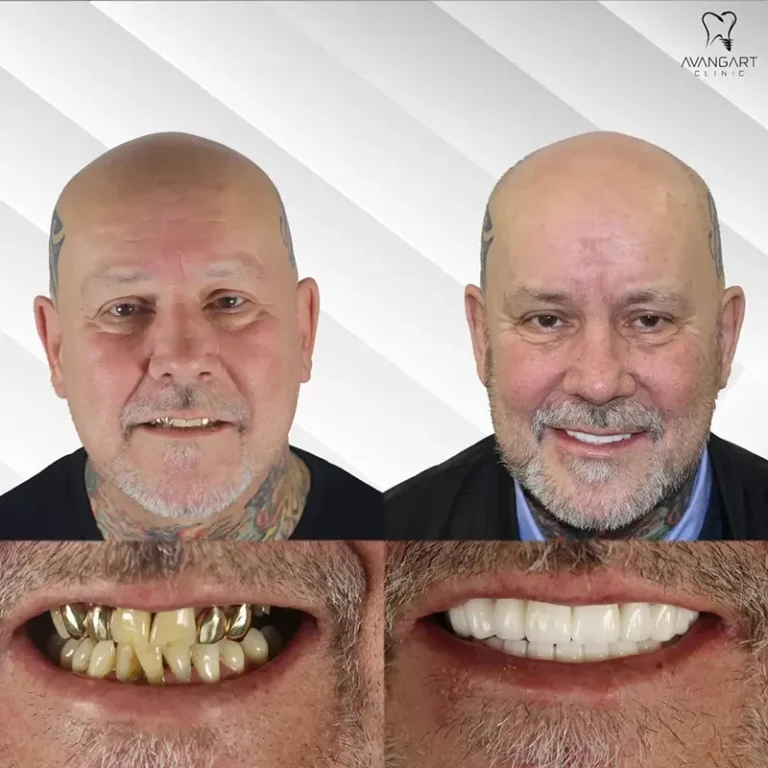
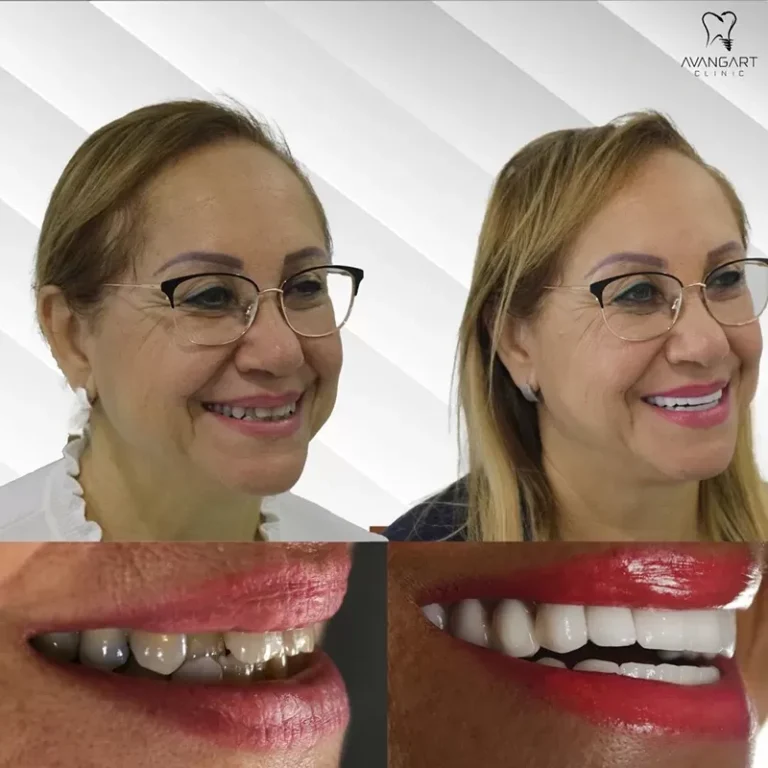
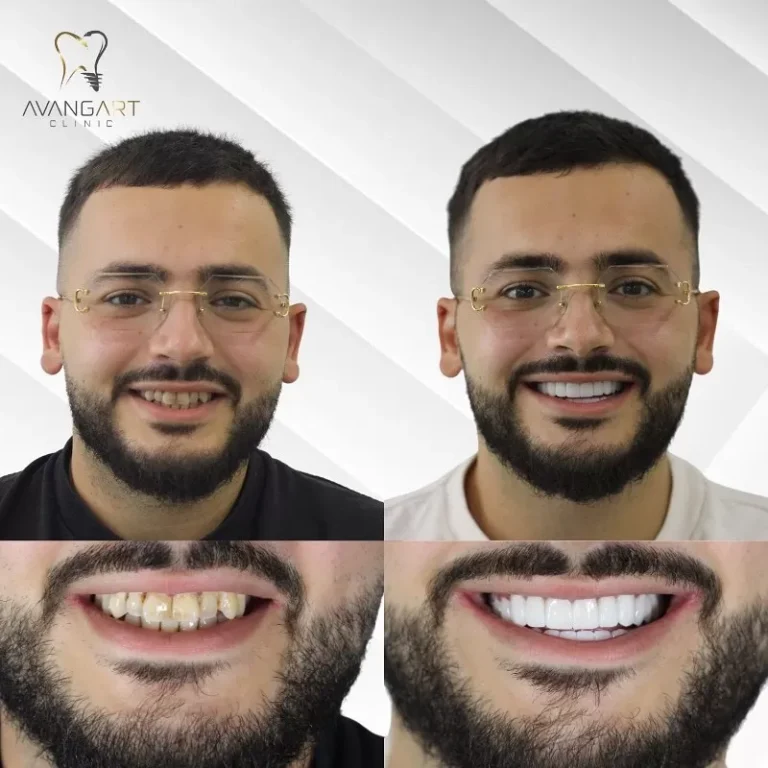
Before and After: Transformative Results with Avangart Clinic
We carry out all our dental treatments with care and strive to give your smile an elegant appearance.