Turkey Teeth Explained: What the BDA Recommends and How Dentistry Is Regulated in Turkey
Dr. Emrah YEŞİLYURT
Dr. Emrah Yeşilyurt is the Founder of Avangart Clinic. He combines advanced dental expertise with a genuine commitment to helping patients feel comfortable and informed about their oral health journey.
Dental tourism is no longer a niche topic for UK patients, and “Turkey Teeth” is no longer just a social media label. The British Dental Association worked with the BBC to highlight the pitfalls of seeking dental treatment overseas, and the documentary Turkey Teeth: Bargain Smiles or Big Mistake? helped push the subject into mainstream national debate.
That shift did not happen because every clinic in Türkiye delivers poor care. It happened because the gap between polished online marketing and real clinical decision-making can be wide, especially when treatment is chosen quickly, heavily promoted, or poorly explained. In the BDA’s survey of 1,000 UK dentists, 94% said they had examined patients who travelled abroad for care, and 86% said they had treated cases that later developed problems.
This guide is here to separate stigma from substance. We are not here to defend poor dentistry, and we are not here to repeat stereotypes either. We are here to compare what the British Dental Association advises patients to look for with how dentistry and health tourism are regulated in Türkiye, because clear, informed decisions are more useful than stereotypes.
Satisfied Patient Reviews
EXCELLENTTrustindex verifies that the original source of the review is Google. Service impeccable. Je suis venue pour des implants. La prise en charge a été rapide et la douleur pendant et après l’opération a été à peine ressentie. Clinique très professionnelle et chirurgien expert. Personnel très accueillant, en particulier la Directrice. Recommande à tous ceux qui sont à la recherche de professionnels pour régler des problèmes dentaires Suis venue finaliser la pose des implants et des couronnes. Résultat impécable!Posted on GoogleTrustindex verifies that the original source of the review is Google. I visited from England and had a positive experience. I went for a Hollywood Smile look and couldn’t be happier with them. The clinic was very aesthetic & clean, the staff were very attentive and supportive & I high recommend them.Posted on GoogleTrustindex verifies that the original source of the review is Google. İmplantlarımı ve zirkyonyumlarımı yaptırdım 2 sene önce iyiki yaptırmışım çok memnunum doktorum emrah hoca işinde çok iyi birisi tüm çalışanlara çok teşekkür ediyorum güler yüzlü anlayışları için gülşah hanıma ayriyetten teşekkür ederim 🌹Posted on GoogleTrustindex verifies that the original source of the review is Google. Çok güzel ve güveninirPosted on GoogleTrustindex verifies that the original source of the review is Google. Friendly and approachable staff, above all I haven’t experienced any pain what so ever, it does truly shows core professionalism. Coming from Wolverhampton, UK and made implant surgery with sinuslifting Gedi JafarPosted on GoogleTrustindex verifies that the original source of the review is Google. Ik Marco, hebt mijn gebit laten doen bij Avangart.. En ben door lieve mensen goed ontvangen en behandeld.. Kliniek zeer hygienisch en goede apparatuur.. Deze kliniek zo ik zeker aanraden om je laten behandelen..😁Posted on GoogleTrustindex verifies that the original source of the review is Google. I traveled from the U.S. and had Avantgart Clinic positively transform my smile in a manner that I wouldn’t have conceived as being possible. Dr. Egemen, a true master in his field, was patient, considerate, and communicative throughout the process and his assistant, Sevim, was a real joy to work with. Together, the two of them combined to make the overall experience much greater than I could have ever hoped for, and the end result is a smile that is on par with the most glamorous of Hollywood stars. I am extremely satisfied and would highly recommend Avangart Clinic to anyone looking to enhance their smile at a great price and of the highest quality.Posted on GoogleTrustindex verifies that the original source of the review is Google. Herkes mükemmel ıscılık mükemmel teşekkür edıyorumPosted on GoogleTrustindex verifies that the original source of the review is Google. Emrah bey‘in diş konusundaki tecrübesi, güler yüzü ve uzmanlığı nedeniyle diş tedavilerim için her seferinde Avusturya‘dan İstanbul’a gelmekteyim. Diş kliniği de son teknolojik donanıma sahip güven verici muayenehaneler içermekte.Posted on GoogleTrustindex verifies that the original source of the review is Google. Güler yüzlü ekip, temiz ve modern bir klinik. Tedavi sürecim baştan sona çok profesyoneldi. Gönül rahatlığıyla tavsiye ederim.Verified by TrustindexTrustindex verified badge is the Universal Symbol of Trust. Only the greatest companies can get the verified badge who has a review score above 4.5, based on customer reviews over the past 12 months. Read more
What Does "Turkey Teeth" Actually Mean?
“Turkey Teeth” is not a clinical diagnosis, a recognised dental procedure, or a legal treatment category. It is a media label that became popular through reality TV, influencer content, and viral smile transformation videos, usually showing dramatic before-and-after results without explaining the diagnosis, the planning process, or the long-term consequences.
Most of the time, the phrase is used to describe cases where healthy teeth were reduced heavily so they could be covered with crowns or veneers for a very white, uniform look. That is why the term often carries a negative tone. It is associated less with one country and more with a style of treatment that can become overly aggressive when cosmetic results are prioritised over preserving natural teeth.
This is also where confusion often begins. “Turkey Teeth” is commonly talked about as if it includes every kind of dental treatment carried out in Türkiye, but that is not accurate. It usually refers to heavily prepared cosmetic crown work, not veneers, root canal, or carefully planned implant treatment, such as All-on-4 Dental Implants, which is a very different form of restorative dentistry used for specific clinical needs.
The stigma grew because some widely publicised cases involved unnecessary tooth reduction, poor case selection, and weak treatment planning. In some cases, patients who could have been treated with orthodontics, whitening, or minor restorative work were given irreversible cosmetic treatment instead, often after rushed assessments or sales-led recommendations.
That does not mean every clinic in Turkey follows those practices. It means patients need to look beyond the label, ask what treatment is actually being proposed, and understand whether Turkey Teeth are worth it for their specific situation, as well as whether the goal is cosmetic change, restorative care, or a combination of both.
Why Has the "Turkey Teeth" Stigma Developed?
The stigma did not appear out of nowhere, and it did not develop because all dentistry in Türkiye is poor. It grew out of a mix of viral marketing, unrealistic patient expectations, price-led decision-making, and a visible stream of failed cases that later needed repair.
What people call the “Turkey Teeth” problem is usually not about one country. It is about complex dental treatment being marketed like a quick cosmetic upgrade. The real warning signs are rushed assessments, poor treatment planning, and clinics that patients have not properly vetted.
Social media transformations
Social media changed the way many patients first encounter cosmetic dentistry. A dramatic before-and-after video is easy to consume, easy to share, and easy to mistake for proof of good treatment, even when it reveals very little about diagnosis, tooth preparation, bite planning, healing, or long-term maintenance. Research has linked social media exposure with stronger interest in aesthetic dental treatment and with changes in how people picture an “ideal” smile.
That shift in presentation changes consumer psychology. A treatment that may involve irreversible enamel reduction, root sensitivity, provisional phases, laboratory work, and years of maintenance can start to look like a lifestyle purchase instead of a serious clinical choice. When that happens, patients may focus on the final shade and shape while giving too little attention to whether the treatment was biologically appropriate in the first place.
Highly publicised treatment failures
The negative press gained strength because there were enough visible failures to make the concern feel real to both patients and UK clinicians. According to the BDA survey, many dentists are dealing directly with fractured crowns, inflamed gums, open margins (microscopic gaps where a crown doesn’t form a tight seal against the tooth, trapping bacteria), unstable bites, pain, infection, and other complications after patients return home. That is why the issue gained momentum: it began showing up in UK clinics as follow-up care, emergency treatment, and corrective work.
However, a failed case does not prove that Turkish dentists are incapable. It usually points to poor due diligence, rushed treatment, unrealistic promises, or care delivered in a clinic that the patient was never in a position to assess properly before travelling.
Low prices attracting unethical providers
Price is one of the strongest forces behind the stigma. According to the BDA, 98% of dentists identified cheaper costs as the main reason patients seek treatment overseas. That helps explain why the market attracts both excellent clinics and dangerous ones: where demand is heavily cost-driven, bad actors know they can win attention by advertising an unrealistically low package before the patient has asked the right clinical questions.
Dental implants in Turkey are often less expensive than in the UK for legitimate reasons, including lower overheads, different operating costs, and currency differences. But there is a clear difference between competitive pricing and suspiciously low pricing.
If a package is priced far below the usual range, the problem is not lower prices alone. The concern is that corners may be cut in diagnostics, sterilisation and cross-infection control, laboratory work, implant components, or the time needed to plan and review the case properly.
Confusion between cosmetic dentistry and restorative dentistry
A major cause of the stigma is that many patients do not realise how different cosmetic and restorative treatments can be. Someone may travel expecting conservative porcelain veneers that require limited preparation, but return having received full-coverage crowns that involve much greater tooth reduction. Those are not interchangeable treatments, and the long-term biological cost can be very different.
That confusion becomes serious when the consultation is rushed or the treatment is framed only around appearance. If a patient agrees to aggressive crown preparation without fully understanding what is being removed from healthy tooth structure, the consequences can include ongoing sensitivity, pulpal irritation, bite problems, repeated replacement cycles, and, in some cases, early tooth loss.
The stigma surrounding “Turkey Teeth” grew because many of the most publicised cases were not simply bad cosmetic choices; they were cases where irreversible treatment was carried out on the wrong indication or with poor planning.
What Does the British Dental Association Advise Patients Considering Treatment Abroad?
The British Dental Association’s message is not “never go abroad.” It is closer to this: do not make a rushed decision about irreversible treatment, make sure you understand the risks, and think carefully about what happens after you return home. According to the BDA, patients should be wary of hard-sell tactics and should give informed consent only when they clearly understand the treatment, the alternatives, and the possible complications.
Research the clinic thoroughly.
Real research means going beyond polished Instagram posts and star ratings. Ask for the clinic’s full legal name, the treating dentists’ names, written treatment details, and proof that the provider is licensed and authorised to treat international patients. Türkiye’s official health tourism platforms publish lists of providers authorised by the Ministry of Health, including those with an International Health Tourism Authorization Certificate.
Understand your treatment options.
According to the NHS treatment-abroad checklist, patients should have enough information to make an informed decision and should be cautious if they feel pressured, receive limited information, or are given little explanation of the risks, complications, or aftercare. This is especially important with dental implants, because they are not a quick cosmetic treatment. They rely on healing and osseointegration (the biological process where your jawbone fuses with the titanium implant), which usually takes months.
If a clinic presents implant treatment as a permanent, all-in-one solution inside a very short holiday window, that should trigger more questions. Some cases can involve immediate temporary teeth, but that is not the same as compressing the entire biological process into a few days.
Ask about qualifications and experience.
Patients should know exactly who will place the implants, prepare the teeth, or design the final prosthetics. Ask for the operating dentist’s full name, training background, and clinical role in the case. The Turkish Dental Association provides a dentist search tool, and it is reasonable to ask whether the clinician has relevant postgraduate training in oral surgery, prosthodontics, or periodontics for complex full-mouth work.
Plan for follow-up care.
Dental implant recovery does not end when the flight home is booked. It can involve healing checks, stitch removal, bite adjustments, hygiene review, and monitoring how the bone and soft tissues respond over time. According to the NHS checklist, patients should be clear about how aftercare will be coordinated and should stay abroad for an appropriate recovery period before travelling home.
Do not assume a UK dentist will automatically take over review appointments or adjustments on treatment provided elsewhere. Before travelling, ask your local dentist whether they are willing to provide routine maintenance if needed.
Consider what happens if complications arise.
Patients should budget for the problem scenario, not only the ideal one. If a crown fractures, a bridge loosens, or an implant fails after you return, the original provider should usually be your first point of contact.
NHS England states that patients with acute complications can access NHS assessment and stabilisation. However, any treatment beyond stabilisation depends on normal NHS criteria. If the original work was self-funded and falls outside what the NHS would usually provide, it is not normally replaced once the patient is stable.
That is why return flights, private corrective costs, and time away from work belong in the original budget. A cheaper quote can stop looking cheap very quickly if the aftercare plan is weak.
How Is Dentistry Regulated in Türkiye?
Dentistry in Türkiye is regulated by law through a formal system of licensing, inspection, and clinical oversight. Private dental clinics cannot legally open or treat patients without approval from the Ministry of Health, which means patients are dealing with a clear legal and regulatory framework.
That framework is important, but it should be understood for what it is. Regulation sets the minimum standard a clinic must meet. It does not mean every clinic offers the same level of diagnosis, treatment planning, communication, or aftercare.
The role of the Turkish Ministry of Health
The Turkish Ministry of Health is the main authority responsible for overseeing dental clinics. It sets the rules for private oral and dental health facilities and works through provincial health directorates to supervise compliance.
Clinics can also be inspected to confirm that they still meet legal and clinical requirements. If problems are identified, the clinic may face warnings, correction deadlines, fines, or other administrative penalties.
Licensing requirements for dental clinics
A dental clinic is not legitimate simply because it has a professional website or attracts international patients. It must hold the correct licence and operating permit to provide care legally.
That process covers both the dentist and the facility. It can include checks on the dentist’s diploma and chamber registration, along with the clinic’s floor plan, equipment, emergency setup, fire safety documents, and medical waste arrangements.
International Health Tourism Authorisation
For clinics that treat patients travelling from abroad, a standard clinic licence is not enough. They also need an International Health Tourism Authorisation.
This is especially relevant for international patients, because it shows that the provider has been approved to deliver health tourism services under the applicable rules. It also places the clinic within a system that is designed for cross-border patient care rather than routine local treatment.
Patient safety and infection control requirements
The regulations also cover hygiene, sterilisation, and infection control. Clinics are expected to maintain safe treatment areas, follow disinfection and sterilisation protocols, and manage medical waste correctly.
For patients, this is one of the most important parts of the system. Clean instruments, safe radiology practices, proper sterilisation, and organised clinical areas are not added benefits. They are part of the basic standard of patient protection.
Professional standards for dentists
Professional standards depend not only on the clinic, but also on the person carrying out the treatment. A clinic should not use unauthorised staff for dental care, and patients should know the name, role, and responsibility of the dentist treating them.
BDA Guidance vs. Turkish Regulations: Where Do They Align?
The British Dental Association and Turkish regulations do not do the same job, but they often point in the same direction. The BDA gives patients a decision-making framework before they commit to treatment abroad, with a strong focus on informed consent, continuity of care, and realistic expectations. Turkish regulations, by contrast, set the legal and clinical rules that licensed clinics must follow.
| Area | BDA guidance focuses on | Turkish regulations focus on | Where they align |
|---|---|---|---|
| Patient safety | Helping patients think carefully about risks before treatment abroad | Requiring licensed providers to work within an official health system | Both place patient protection at the centre |
| Informed consent | Making sure patients understand the procedure, risks, alternatives, and likely outcomes | Requiring treatment to be delivered within a regulated healthcare setting | Both depend on patients receiving clear, accurate information |
| Treatment planning | Encouraging patients not to rush into irreversible treatment | Requiring authorised clinics to operate within defined professional and legal standards | Both support structured, accountable treatment rather than impulse decisions |
| Infection control | Warning patients to look beyond marketing and ask practical safety questions | Requiring clinics to meet hygiene, sterilisation, and operational standards | Both recognise that safe dentistry depends on proper clinical systems |
| Professional accountability | Urging patients to check who is treating them and what happens if things go wrong | Limiting care to authorised providers working under a regulated framework | Both rely on traceable responsibility, not anonymous treatment packages |
This comparison is important because patients are often shown these systems as if they compete with each other. They do not. One helps patients ask better questions before treatment. The other creates the legal framework within which clinics must work. When both are taken seriously, the result is safer, more transparent care, with clearer accountability for patient records, sterilisation, qualified clinicians, and communication.
Regulation Alone Doesn't Guarantee Excellent Treatment
Regulation gives patients a basic level of protection, but it is only the starting point. A clinic can meet legal requirements for licensing, hygiene, and safety, and still fall short when it comes to diagnosis, treatment planning, communication, or follow-up care.
What shapes the patient experience is everything that happens after that minimum standard is met. How carefully is your case assessed? Who is making the clinical decisions? Are your options explained clearly, or are you being pushed toward the fastest or most profitable treatment?
This is why two clinics operating under the same regulations can deliver very different results. One may take a careful, health-first approach built around long-term function and stability. Another may move too quickly, focus heavily on appearance, and leave too many important questions unanswered.
Patients should judge the individual clinic, not the country as a whole. What matters most is the quality of the diagnosis, treatment planning, technology, and clinical judgement.
How to Choose a Reputable Dental Clinic in Turkey
Choosing a clinic should feel more like checking a medical provider than shopping for a holiday package. The safest place to start is with verification: confirm that the clinic is licensed, ask who will carry out your treatment, and make sure you receive a written plan rather than a vague sales promise.
If you are comparing clinics, look closely at the details behind the marketing. Ask which implant brand is being used, whether your case will be planned with a CBCT scan, and whether the final recommendation is based on your bone levels, bite, and oral health rather than a one-size-fits-all package.
It also helps to ask practical questions that many patients forget until later. Who handles follow-up care? What records will you receive before you return to the UK? What happens if something needs adjustment after treatment?
Many patients begin by searching for the best implant dentist in Turkey; however, the better approach is to look for clear evidence of careful planning, relevant experience, transparent communication, and a clinic that is willing to answer detailed questions without pressure.
Questions UK Patients Should Ask Before Booking Treatment
Before you book anything, ask questions that reveal how the clinic actually works, not just how well it markets itself. A reputable clinic should be comfortable answering clearly and in writing.
- Is your clinic authorised for international health tourism?
- Who will perform my treatment, and what is their role in the case?
- Will I receive a CBCT scan and a full clinical assessment before any final treatment decision is made?
- What treatment options do I have, and why are you recommending this one?
- Which implant brand, crown material, or laboratory system do you use?
- Will I receive a written treatment plan with costs, stages, and timings?
- What happens if I need changes after the first visit or after I return to the UK?
- What does the warranty actually cover, and what does it not cover?
- Will I receive my X-rays, scan files, treatment notes, and implant details?
- Who should I contact if complications happen after I travel home?
If a clinic avoids these questions, gives vague answers, or pushes you to book quickly, that is useful information on its own. Good clinics do not need pressure to win trust.
Common Myths About Dental Treatment in Turkey
A few common myths keep coming up in this topic, and most of them oversimplify a much more complex picture.
Myth: All dental treatment in Turkey is of poor quality.
Quality varies from clinic to clinic, just as it does in any country. A licensed, well-planned case is very different from rushed treatment sold through pressure and short timelines.
Myth: Low prices always mean corners are being cut.
Lower prices can reflect real economic factors such as operating costs, currency differences, and local overheads. However, patients should be cautious when a clinic offers a quote with vague planning, unclear materials, or no clear aftercare pathway.
Myth: “Turkey Teeth” and implants are the same thing.
They are not. Viral crown makeovers are often cosmetic. Full-mouth dental implants are a restorative treatment used for replacing missing or failing teeth and require much deeper assessment, planning, and healing time.
Myth: A UK dentist will automatically fix everything after you come home.
A UK dentist may help with urgent pain or infection, but long-term remedial work is a separate issue. Policies, costs, and willingness to take over another clinic’s case can vary.
Key Takeaways for Patients Considering Dental Implants in Turkey
- Research matters more than stereotypes. A viral label cannot tell you whether a clinic is careful, qualified, or right for your case.
- Regulations provide a framework, but they do not replace due diligence. You still need to verify the clinic, the treating dentist, the plan, and the aftercare.
- The most important choice is the clinic itself. Experience, transparency, clear communication, and careful planning make the real difference. If you are ready to move beyond the headlines and explore an evidence-based approach, you can view our full clinical protocol and treatment phases on our Dental Implants in Turkey: Safety, Process, and What to Expect guide.
FAQs
No. “Turkey Teeth” is not a clinical term, a diagnosis, or an official treatment category. It is a media label often used for dramatic cosmetic cases, especially heavily prepared crowns or veneers. The term became popular online, but it does not describe a recognised dental procedure.
They are often mentioned in the same conversations, but they are not the same thing. Most “Turkey Teeth” stories focus on cosmetic crown or veneer work. Dental implants are used to replace missing or failing teeth and involve a different treatment plan, a different purpose, and a longer healing process.
Yes, dentistry in Türkiye is regulated. Private dental clinics must be licensed, and clinics are expected to work within the rules set by the Ministry of Health. That gives patients legal and clinical protection, although the standard of care can still vary from one clinic to another.
It is an official authorisation for providers offering treatment to international health tourists. According to HealthTürkiye and the Turkish regulation on international health tourism, providers and intermediary organisations need this approval to deliver health tourism services within the authorised system. It helps patients distinguish ordinary local practice from clinics approved for cross-border care.
Not as a blanket rule. The BDA’s focus is on helping patients understand the risks, ask better questions, and avoid rushed decisions about irreversible treatment. Its guidance is cautious because many UK dentists report seeing real complications after overseas care, not because every treatment abroad is unsafe.
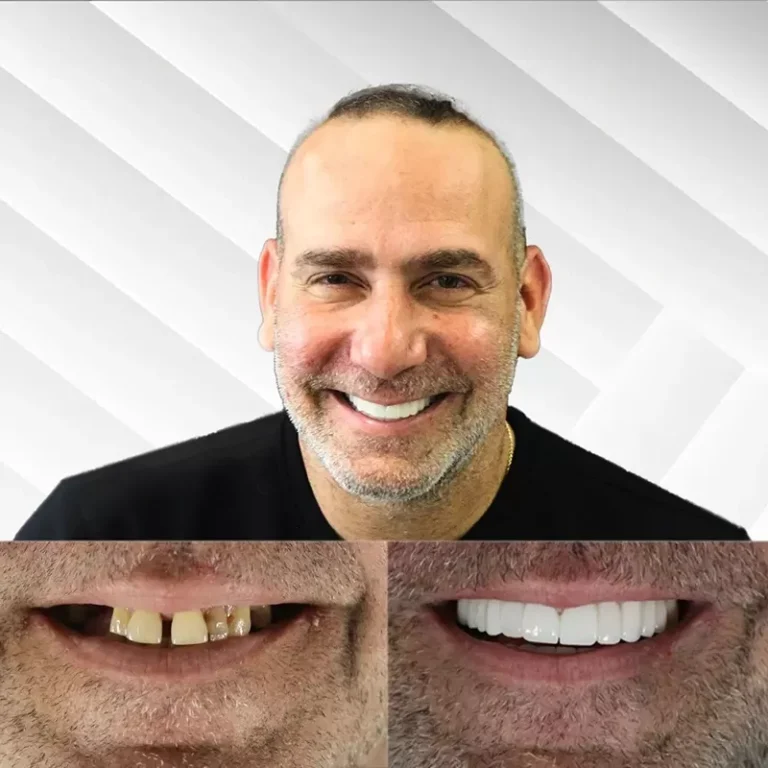
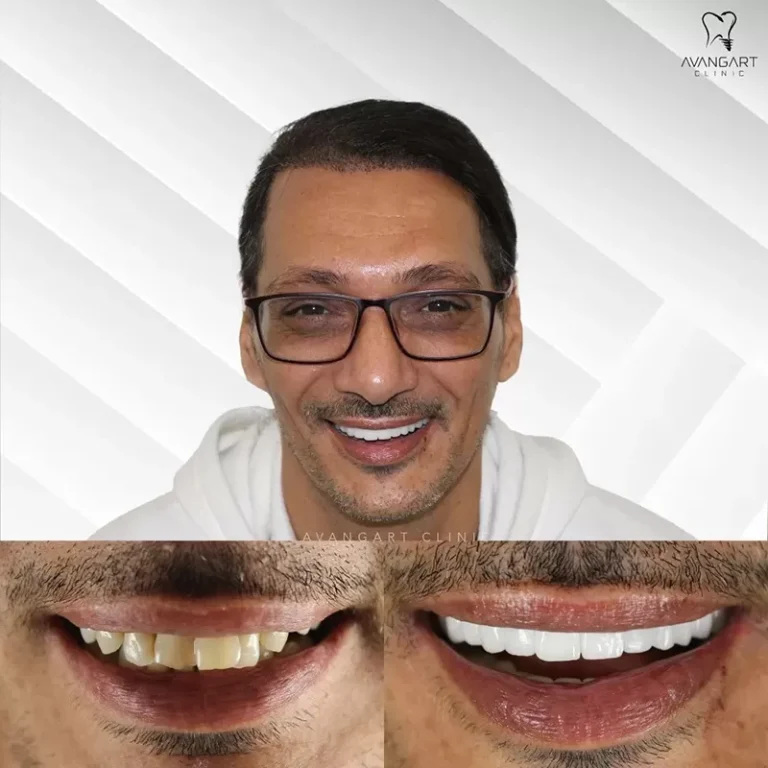
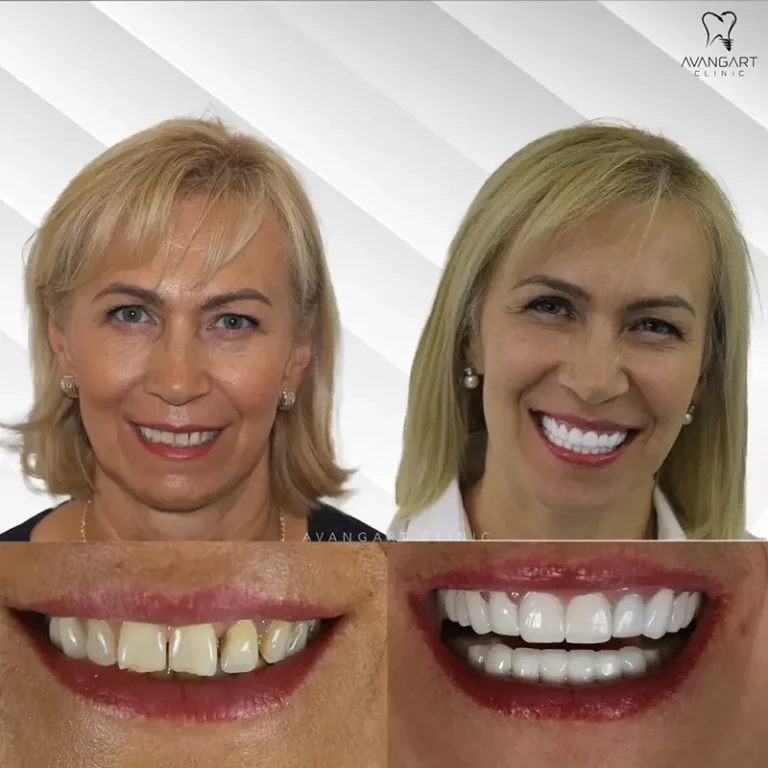
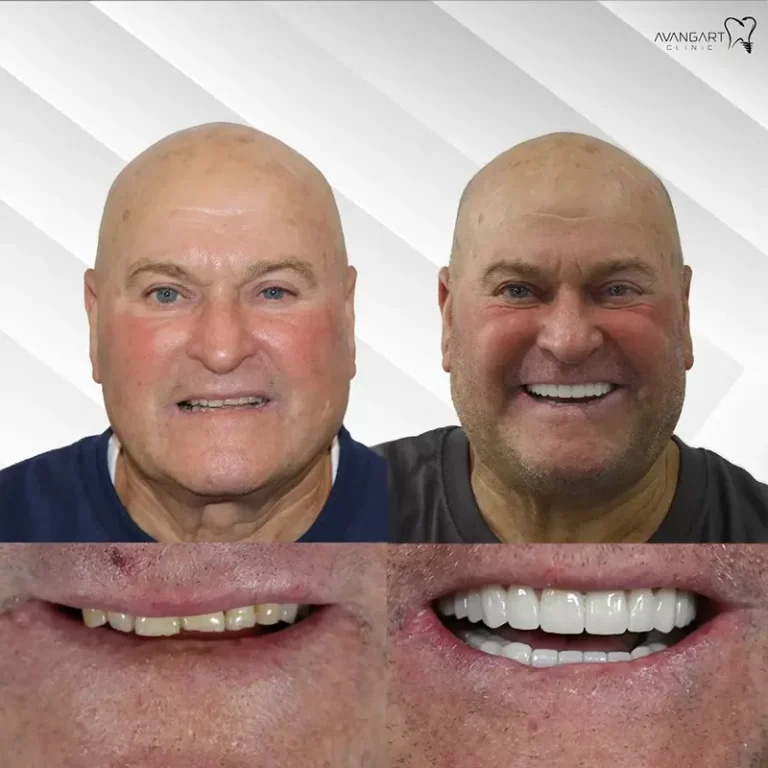
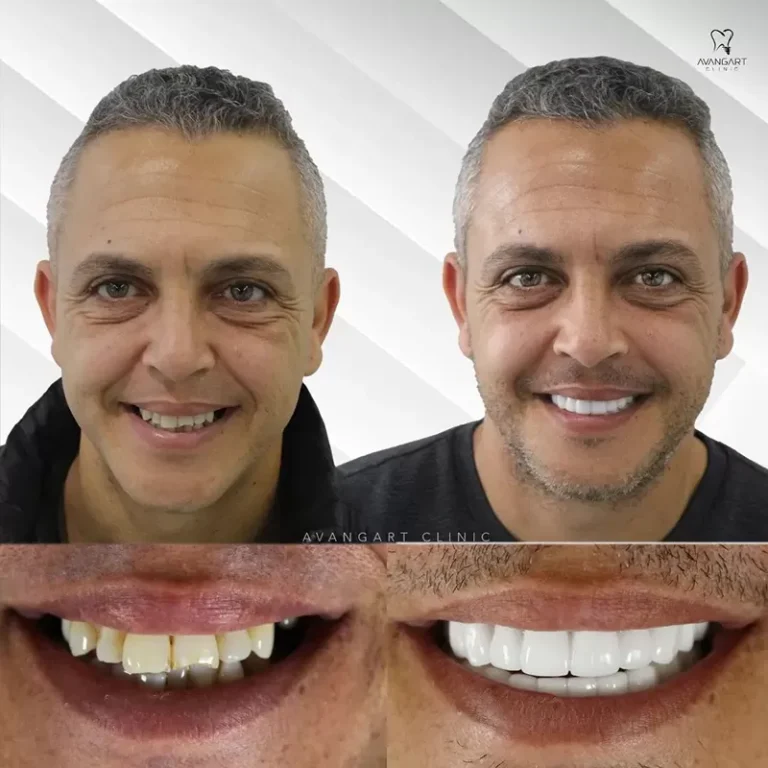
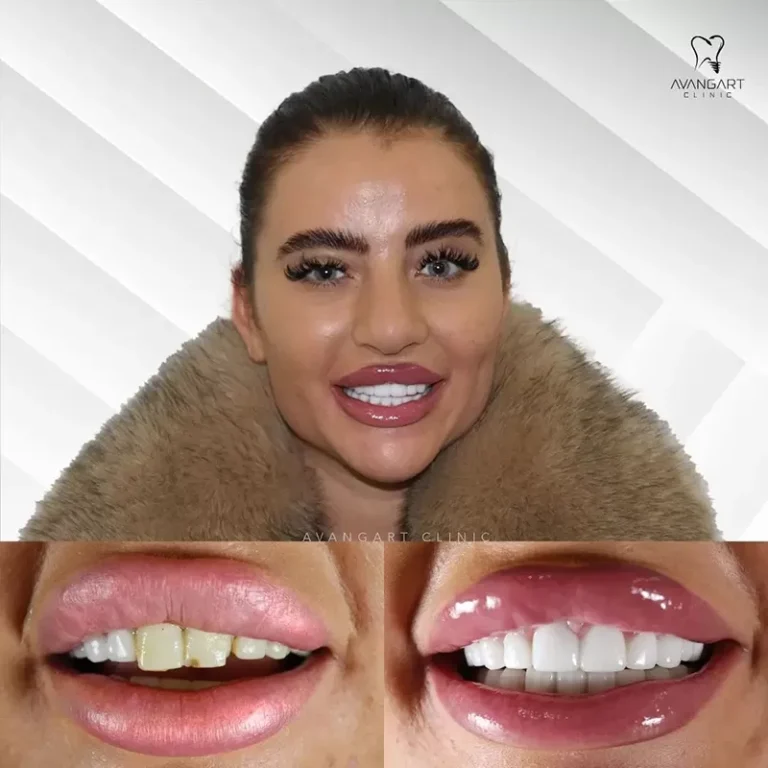
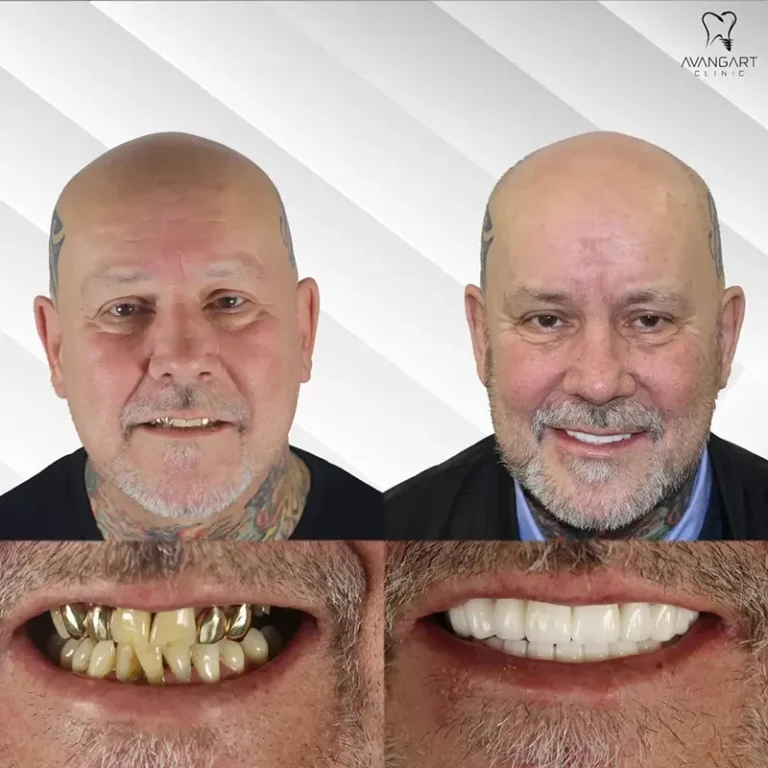
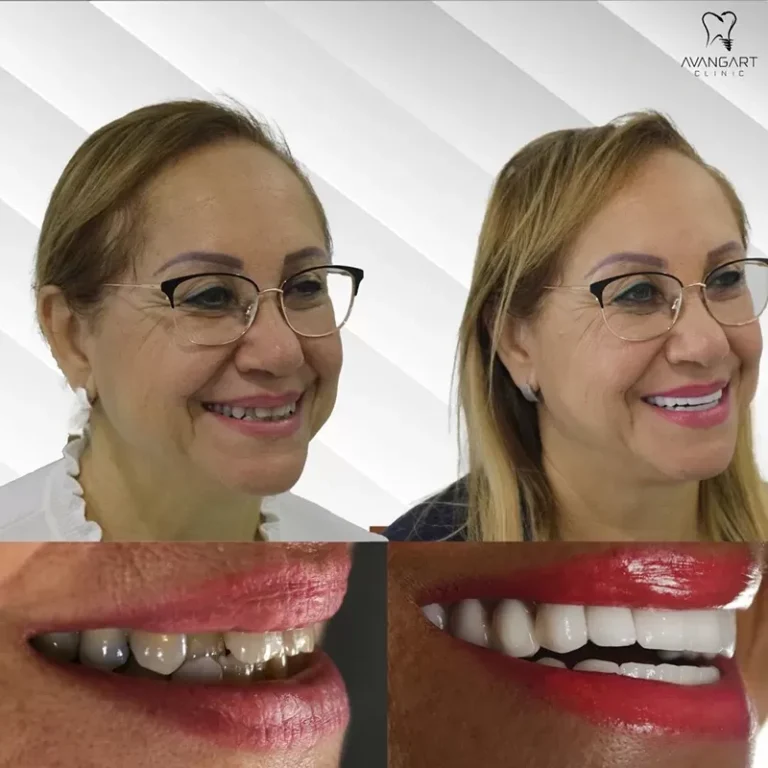
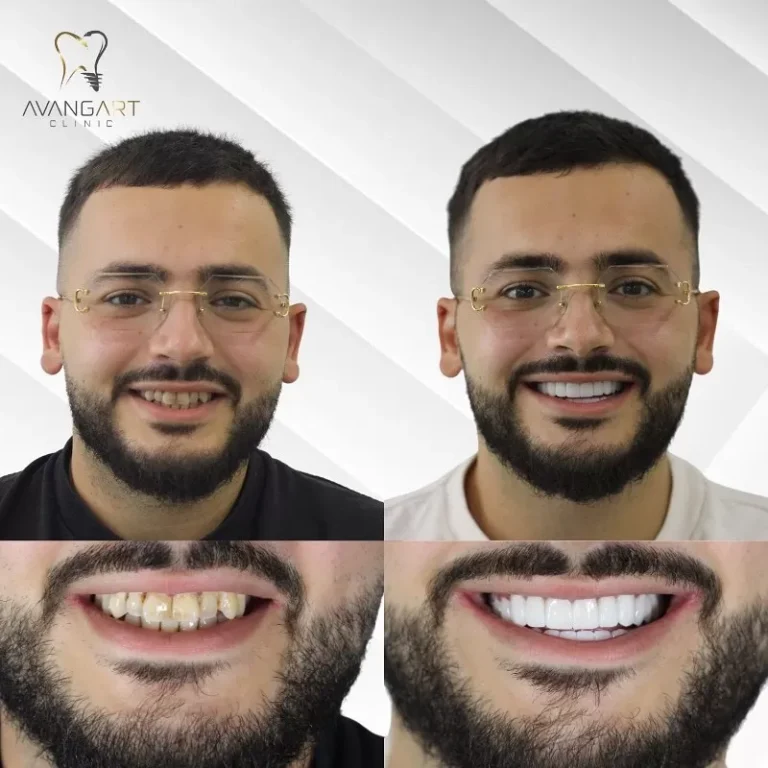
Before and After: Transformative Results with Avangart Clinic
We carry out all our dental treatments with care and strive to give your smile an elegant appearance.