Dental Implants Turkey vs. UK: 2026 Costs, Wait Times, and the NHS Reality
Dr. Emrah YEŞİLYURT
Dr. Emrah Yeşilyurt is the Founder of Avangart Clinic. He combines advanced dental expertise with a genuine commitment to helping patients feel comfortable and informed about their oral health journey.
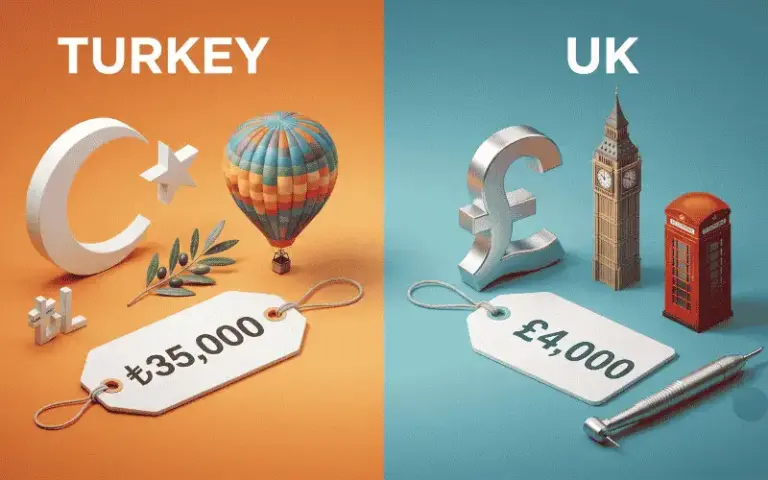
For many UK patients, this comparison starts with two hard facts. A private single dental implant in the UK often falls between £2,500 and £3,200, while treatment in Turkey commonly starts around £500 and reaches about £1,000. At the same time, according to the British Dental Association, 14 million adults in England remain unable to access NHS dental care.
That is why the decision is rarely just about price. It is about whether you want to absorb a UK private price tag for local convenience, keep waiting in a strained NHS system, or travel for treatment and manage the extra logistics that come with it.
For someone living with missing teeth, loose dentures that rub and slip, or failing dental work, the gap feels very real. One route offers easier follow-up close to home, but at a much higher cost. The other can cut the financial pressure dramatically, especially for larger cases, but it requires flights, hotel stays, scheduling, and a healing timeline that needs proper planning.
This guide explores that balance honestly. We will compare the 2026 cost gap, the reality of NHS access, the wait times many patients face in the UK, and what it actually means to choose dental implants in Turkey instead of staying with a private UK clinic.
Satisfied Patient Reviews
EXCELLENTTrustindex verifies that the original source of the review is Google. Service impeccable. Je suis venue pour des implants. La prise en charge a été rapide et la douleur pendant et après l’opération a été à peine ressentie. Clinique très professionnelle et chirurgien expert. Personnel très accueillant, en particulier la Directrice. Recommande à tous ceux qui sont à la recherche de professionnels pour régler des problèmes dentaires Suis venue finaliser la pose des implants et des couronnes. Résultat impécable!Posted on GoogleTrustindex verifies that the original source of the review is Google. I visited from England and had a positive experience. I went for a Hollywood Smile look and couldn’t be happier with them. The clinic was very aesthetic & clean, the staff were very attentive and supportive & I high recommend them.Posted on GoogleTrustindex verifies that the original source of the review is Google. İmplantlarımı ve zirkyonyumlarımı yaptırdım 2 sene önce iyiki yaptırmışım çok memnunum doktorum emrah hoca işinde çok iyi birisi tüm çalışanlara çok teşekkür ediyorum güler yüzlü anlayışları için gülşah hanıma ayriyetten teşekkür ederim 🌹Posted on GoogleTrustindex verifies that the original source of the review is Google. Çok güzel ve güveninirPosted on GoogleTrustindex verifies that the original source of the review is Google. Friendly and approachable staff, above all I haven’t experienced any pain what so ever, it does truly shows core professionalism. Coming from Wolverhampton, UK and made implant surgery with sinuslifting Gedi JafarPosted on GoogleTrustindex verifies that the original source of the review is Google. Ik Marco, hebt mijn gebit laten doen bij Avangart.. En ben door lieve mensen goed ontvangen en behandeld.. Kliniek zeer hygienisch en goede apparatuur.. Deze kliniek zo ik zeker aanraden om je laten behandelen..😁Posted on GoogleTrustindex verifies that the original source of the review is Google. I traveled from the U.S. and had Avantgart Clinic positively transform my smile in a manner that I wouldn’t have conceived as being possible. Dr. Egemen, a true master in his field, was patient, considerate, and communicative throughout the process and his assistant, Sevim, was a real joy to work with. Together, the two of them combined to make the overall experience much greater than I could have ever hoped for, and the end result is a smile that is on par with the most glamorous of Hollywood stars. I am extremely satisfied and would highly recommend Avangart Clinic to anyone looking to enhance their smile at a great price and of the highest quality.Posted on GoogleTrustindex verifies that the original source of the review is Google. Herkes mükemmel ıscılık mükemmel teşekkür edıyorumPosted on GoogleTrustindex verifies that the original source of the review is Google. Emrah bey‘in diş konusundaki tecrübesi, güler yüzü ve uzmanlığı nedeniyle diş tedavilerim için her seferinde Avusturya‘dan İstanbul’a gelmekteyim. Diş kliniği de son teknolojik donanıma sahip güven verici muayenehaneler içermekte.Posted on GoogleTrustindex verifies that the original source of the review is Google. Güler yüzlü ekip, temiz ve modern bir klinik. Tedavi sürecim baştan sona çok profesyoneldi. Gönül rahatlığıyla tavsiye ederim.Verified by TrustindexTrustindex verified badge is the Universal Symbol of Trust. Only the greatest companies can get the verified badge who has a review score above 4.5, based on customer reviews over the past 12 months. Read more
The NHS Reality: Can You Actually Get Dental Implants on the NHS?
Yes, but dental implants on the NHS are extremely rare and strictly reserved for patients with exceptional medical needs. Routine tooth loss is usually managed with dentures or bridges, because implants are not part of standard NHS provision in most everyday cases.
Many people search for the NHS dental implant price, expecting a simple fixed number. The current April 2026 NHS Band 3 charge in England is £332.10, but Band 3 usually covers complex restorative work such as crowns, bridges, and dentures rather than routine implant treatment.
Where NHS implants are considered, the case usually moves through a hospital-based specialist restorative dentistry referral pathway. According to Oxford University Hospitals, NHS implant funding is generally limited to patients with severe hypodontia, cleft lip and palate, tooth and tissue loss after severe facial trauma, or surgery linked to head and neck cancer.
That leaves many patients outside the NHS threshold for implant funding. If teeth have been lost because of age, decay, or common gum disease, implants are unlikely to be funded, even if eating has become difficult or dentures feel uncomfortable. In these situations, patients are usually offered removable dentures, bridges, or private treatment instead.
The General Dental Council requires clinicians to act in the patient’s best interests and follow relevant clinical guidance. In NHS practice, that usually means offering the treatment pathway that is clinically justified and realistically available within the service, not automatically the one a patient would prefer.
2026 NHS Wait Times by UK Region
How long does an NHS dental referral take? For non-urgent consultant-led treatment in England, the headline standard is 18 weeks. Specialist restorative dentistry often takes longer because patients usually need to get an NHS dental appointment first, then go through referral triage, consultant assessment, and, in some implant cases, a separate funding decision.
A realistic snapshot looks like this:
- Wales: In Cardiff and Vale, the average wait for a first restorative dentistry outpatient appointment is 21 weeks, and 1 in 10 patients wait 40 weeks or longer. NHS Wales also works to a planned care standard of 95% of patients being seen within 26 weeks, and all patients within 36 weeks, unless the case is more complex or the patient chooses to wait longer.
- London: Barts Health NHS Trust only accepts some restorative, prosthodontic, and implant referrals from specific local areas in order to manage demand and reduce pressure on waiting lists.
- West Midlands: Birmingham Dental Hospital is a specialist NHS dental hospital that mainly treats patients through referrals, so people cannot usually book themselves in directly.
- South West: Bristol Dental Hospital remains a regional centre for specialist restorative dentistry, which means access depends on referral acceptance and hospital capacity across the wider South West network.
For patients hoping for implants, qualifying is only the first hurdle. Getting through the specialist pathway, reaching consultant review, and securing NHS funding for an exceptional case can take far longer than most people expect.
UK Private Clinics vs. Turkey: The Complete 2026 Cost Breakdown
Once NHS treatment drops out of the picture, most patients are left with two realistic options: private care in the UK or travelling abroad. When we compare treatment prices side by side, the cost difference can be substantial, but it needs context. Lower prices in Turkey often reflect lower operating costs, lower lab costs, and a different cost structure, rather than automatically indicating lower-quality materials.
A private UK clinic carries higher rent, staffing costs, indemnity cover, and lab bills, especially in cities such as London. Turkish clinics in Istanbul or Antalya often run with lower operating costs and may also bundle scans, transfers, medication, and accommodation into all-inclusive packages, which changes the final comparison.
| Implants | Türkiye | UK | Save |
|---|---|---|---|
| All-on-4 (per jaw) | From £2800 | From £7,950 | Save Up to 66.5% |
| All-on-6 (per jaw) | From £3600 | From £10,750 | Save Up to 54.7% |
| Full Mouth Implants (per jaw) | From £3600 | From £7,950 | Save Up to 83% |
| Single Tooth Implant | From £300 | From £1,750 | Save Up to 65% |
| Sinus lifting with 2 CC Graft (per side) | From £495 | From £3000 | Save Up to 83.5% |
Single Implant Cost Comparison (UK vs. Turkey)
For a standard single-tooth implant in the UK, private treatment usually costs between £2,500 and £3,200, including the implant, abutment, and crown. Published 2026 clinic prices broadly support that range, although some quote as low as £2,000 and others as high as £3,500, depending on the complexity of the case.
In Turkey, single implant prices in 2026 are often advertised between £500 and £1,000, with some Antalya and Istanbul clinics listing entry prices slightly below or within that bracket. That usually covers the titanium implant post itself, but the final figure still depends on brand, prosthetic material, bone condition, and whether the quote includes the abutment and crown.
This is where many patients misread the numbers. For a single missing tooth, the apparent savings can shrink quickly once you factor in two return flights, hotel costs, local transport, and time away from work during the healing period. Treatment in Turkey can still offer good value for a single implant, but it is usually not where the financial advantage is strongest.
Full Mouth Restorations: All-on-4 and All-on-6 Costs
The economics change sharply once a patient needs a full mouth dental implant solution or full-arch rehabilitation. UK private pricing for an all-on-4 dental implant case is often around £12,000 to £18,000 per arch, and All-on-6 can move higher depending on the prosthesis, surgeon, and whether bone grafting, sinus lift work, or more advanced support such as zygomatic implants is needed.
In Turkey, 2026 package prices for the same type of treatment often range from about £3,500 to £5,500 per arch for many All-on-4 and All-on-6 cases. The final cost can vary depending on the implant brand, the bridge material, and whether the final teeth are made from acrylic or zirconia. Zirconia usually costs more than acrylic, but even with that upgrade, treatment in Turkey is often still far cheaper than private treatment in the UK.
Turkey often makes better financial sense for larger treatment cases. A patient who has enough bone density for a standard full-arch plan and does not need extensive grafting may receive implants, temporary teeth, medication, hotel accommodation, and VIP transfers as part of one package.
Treatment Timelines: How Long Does the Implant Process Really Take?
Dental implants do not succeed on speed alone. The key stage is osseointegration, the healing process where the jawbone fuses with the titanium implant and creates a stable foundation for the final tooth or bridge.
That is why the phrase “teeth in a day” can be misleading. A patient may leave surgery with immediate-load implants or temporary teeth on the same day, but these are usually not the final teeth. The final teeth are fitted later, once healing has progressed, the bite is stable, and the lab work is complete.
In a UK private clinic, the timeline is often easier to manage locally. Appointments are spread over 3 to 6 months, with the implant placed first, followed by a healing phase, then the final crown or bridge once the site is ready.
For most implant cases in Turkey, you should expect two trips:
- Trip 1: consultation, scans, surgery, and temporary teeth if appropriate
- Healing phase: usually 3 to 6 months at home while the bone heals
- Trip 2: final impressions, fitting, and completion through the dental laboratory
If a clinic promises permanent teeth very quickly, ask which teeth are temporary, which are final, and whether your bone condition genuinely allows for that timeline.
Quality, Safety, and the "Turkey Teeth" Stigma
“Turkey teeth” has become a catch-all phrase online, but it usually points to aggressive cosmetic crown work on natural teeth, not to properly planned implant treatment for missing teeth. That distinction matters because over-preparation of healthy teeth is a very different clinical issue from replacing a lost tooth with a surgically placed implant. Reports on failed veneer and crown cases often involve healthy teeth being heavily reduced first, which is why the phrase carries so much stigma.
Are dental implants in Turkey actually safe? They can be, when the case is planned properly, the diagnosis is sound, and the clinic uses recognized systems rather than undocumented or non-traceable components. Reputable clinics in Turkey use the same global implant manufacturers seen across private dentistry internationally, including Straumann, Nobel Biocare, and Osstem.
A successful implant case starts before surgery. CBCT 3D scans are an important part of planning because they help the clinician assess bone volume, anatomy, and implant positioning in three dimensions instead of relying on a flat image. Guidance from the American Academy of Oral and Maxillofacial Radiology shows how important proper imaging has become in modern implant treatment.
Patients should also ask for an implant passport or written record showing the implant system, size, batch details, and restorative components. If a future dentist ever needs to assess the work, those details are far more useful than a vague line on an invoice.
The 9-Point Checklist for Choosing a Safe Turkish Clinic
Before you book, check these points carefully:
- Read independent patient reviews on platforms that the clinic does not control.
- Ask for the surgeon’s full name, qualifications, and registration details.
- Confirm whether the dentist is registered with the Turkish Dental Association or a local dental chamber. The association is the national professional body for dentistry in Turkey.
- Make sure a CBCT 3D scan is part of the diagnosis before surgery, not an optional extra.
- Ask which implant brand will be used. A clinic should answer clearly, not dodge the question.
- Request an itemized treatment plan that separates surgery, temporary teeth, final prosthetics, and any extras.
- Check the implant warranty in writing, including what is covered and what is excluded.
- Review deposit terms, refund terms, and the cancellation policy before you book flights.
- Pay attention to whether the clinic is willing to refuse unsuitable cases. A careful team does not approve everyone.
A clinic becomes a safer choice when it is transparent before treatment begins. Clear records, careful imaging, named components, and honest case selection reduce many of the dental tourism risks that make patients nervous in the first place.
Aftercare, Complications, and Warranties: The Crucial Difference
The biggest difference between local treatment and dental tourism often appears after the surgery, not on the day it is done.
If an implant becomes painful, a crown chips, or peri-implantitis develops six months later, the issue is no longer about what you saved on travel or treatment. It becomes a question of who will examine the problem, who will treat it, and how quickly that can happen.
Peri-implantitis is an inflammatory condition that affects the gum and bone around an implant. If it is not treated, it can reduce bone support and eventually lead to implant failure.
With a UK private clinic, aftercare is usually simpler. A bite adjustment, screw check, review X-ray, or minor remedial dental work can often be arranged locally with the treating team. When treatment was carried out abroad, the same problem may involve remote messages, requests for records, and the possibility of another flight if the original clinic needs to intervene. The GDC warns patients considering treatment abroad to understand the risks in advance and to think carefully about how complaints and concerns are handled in the country where treatment takes place.
Before booking, patients should ask for a detailed written treatment plan, a written guarantee, and a clear explanation of what the clinic’s International Patient Guarantee actually covers. A strong warranty should spell out whether it covers only the implant component or also the prosthetic work, clinical time, remedial treatment, and travel support if something goes wrong later.
The GDC also highlights that UK complaint routes, including the NHS complaints process and the Dental Complaints Service, apply to treatment provided in the UK and do not automatically cover treatment received abroad.
This is why GDC complaints are not a safety net for overseas clinic problems in the same way they are for UK treatment. The GDC regulates dental professionals working in the UK and explains that patients going abroad need to research the foreign regulator, standards, and complaint route for that country before committing.
Why UK Dentists May Refuse to Treat Turkey Complications
A UK dentist may be willing to assess pain, swelling, infection, or a loose prosthesis, but that does not mean they will take over the whole case. Dental professionals in the UK must work within their scope of practice and must have appropriate indemnity or insurance for the care they provide. If the implant records are incomplete, the component system is unclear, or the case is already failing, a dentist may decide that full corrective treatment is better handled by the original provider or referred on to a specialist service.
That can leave patients with a limited set of options in the short term. Some clinics will help with diagnosis, pain relief, antibiotics where appropriate, or extraction if the implant cannot be saved, but they may decline to rebuild or restore complex foreign implant work.
Verdict: Should You Wait for the NHS, Pay UK Private Fees, or Fly to Turkey?
The right choice depends on treatment viability, not price alone. A careful cost-benefit analysis usually points patients toward the UK when the case is small, medically complex, or difficult to manage from a distance.
Stay in the UK if you:
- Need only 1 to 2 implants
- Have complex co-morbidities (other medical conditions) or a medically demanding history
- May need close local follow-up
- Are not in a position to travel twice for treatment and review appointments
Turkey often makes better financial sense for larger treatment cases. If you need full-mouth restoration, are considering All-on-4, or have been quoted £5,000 or more in the UK, the savings can still be substantial even after adding flights and accommodation.
Flying to Turkey is usually the stronger option if you:
- Need a full-arch or full-mouth solution
- Have suitable bone density for the proposed plan
- Understand the two-trip timeline
- Are comfortable managing scans, travel, healing, and aftercare logistics
- Want access to all-inclusive packages that combine surgery, temporary teeth, hotel stays, and transfers
For many patients, the real question is not whether Turkey is cheaper. It is whether that lower price fits your health needs, your schedule, and your ability to manage follow-up care after surgery.
FAQs
In most cases, no. NHS implant funding is usually limited to exceptional medical situations such as major facial trauma, oral cancer treatment, or certain congenital conditions. For tooth loss caused by decay or gum disease, the standard NHS route is more likely to involve dentures, crowns, or bridges under the £332.10 Band 3 charge, rather than implants.
The concern is rarely about Turkey on its own. It usually comes from cases where healthy teeth were reduced too aggressively for crowns, or where patients return without proper records, scans, or clear details about the materials used. When implant treatment is properly planned and supported by clear records, scans, and documentation, the concern is usually far lower.
A UK dentist may be able to assess the area, take X-rays, manage pain, and treat any obvious infection. What many will not do is take over the full case, especially if the implant system, prosthetic parts, or original treatment details are unclear. In that situation, the written warranty and aftercare support from the original clinic become very important.
For most patients, it takes two trips. The first is for consultation, scans, surgery, and temporary teeth where suitable. Then comes a 3 to 6-month healing period, during which the implants integrate with the bone, before the second visit for the final bridge.
Not at reputable clinics. Good clinics in Turkey use the same well-known implant systems you would expect to see in private UK dentistry, including brands such as Straumann, Nobel Biocare, and Osstem. The lower cost usually comes from lower overhead, lower lab costs, and a different operating environment, rather than fake materials.
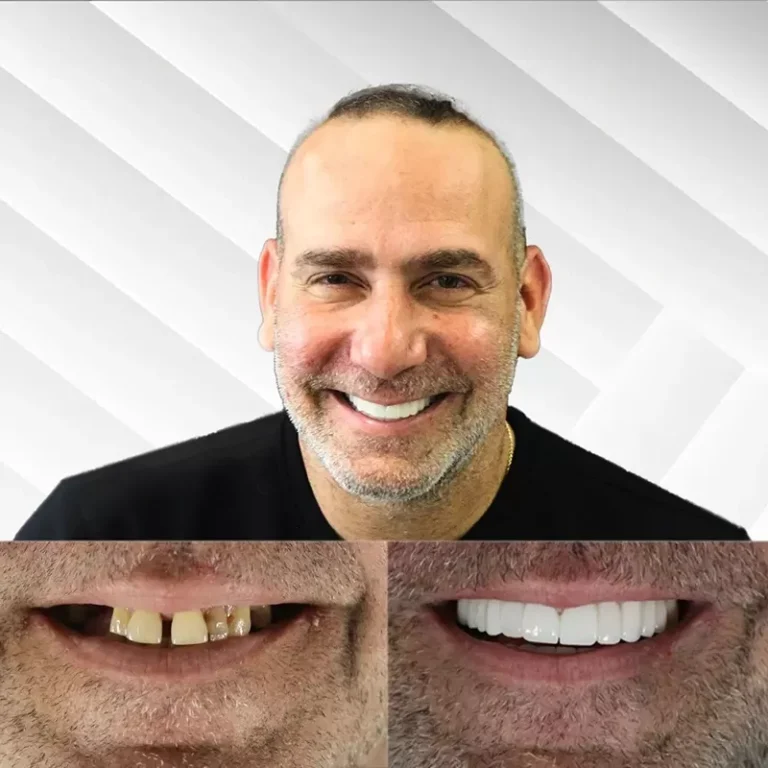
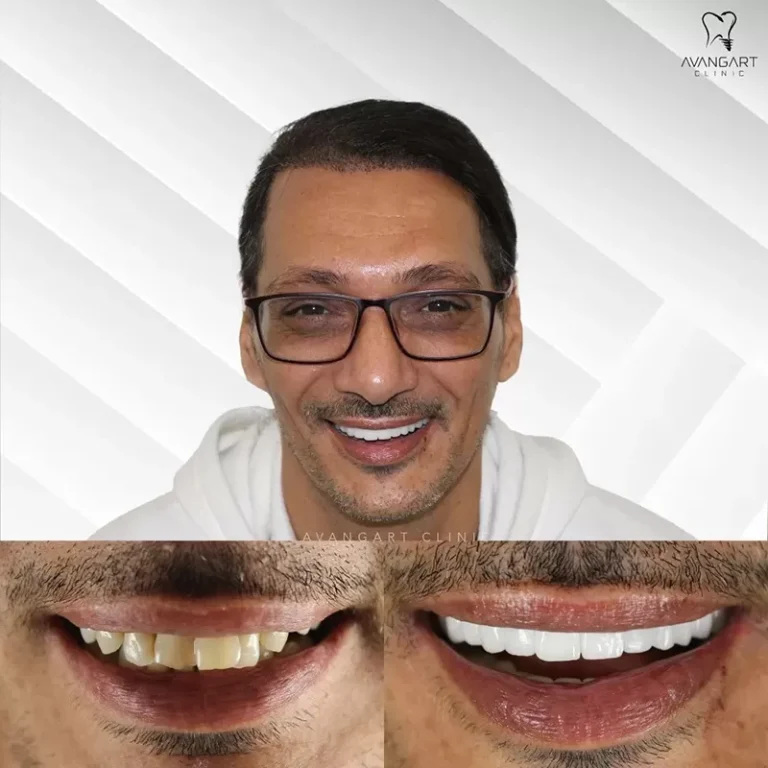
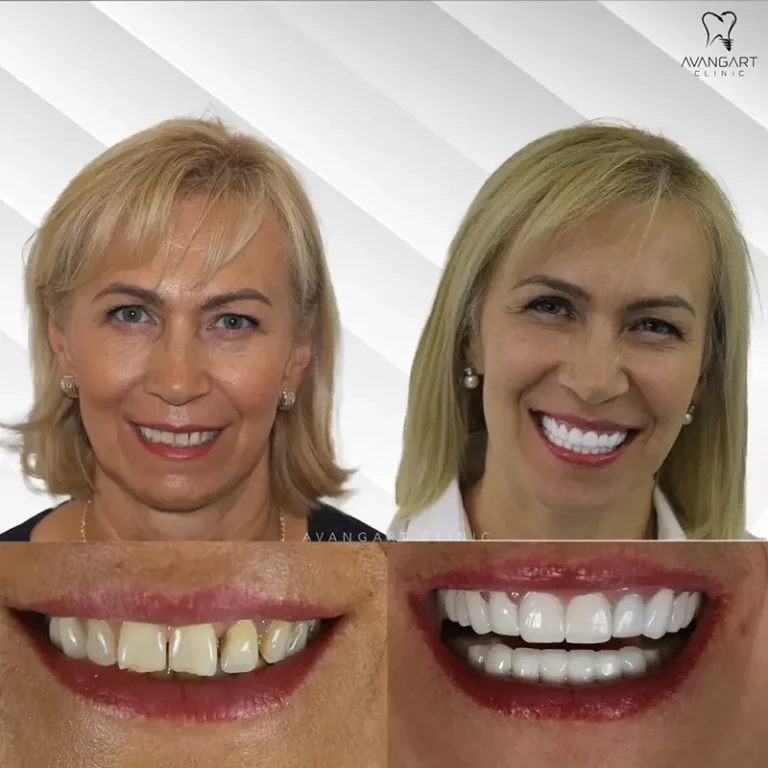
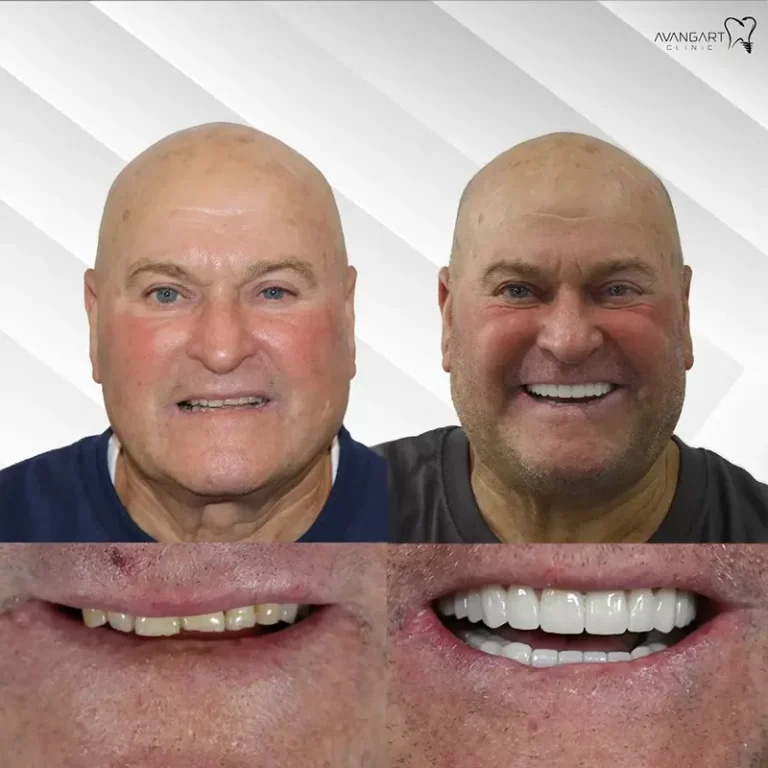
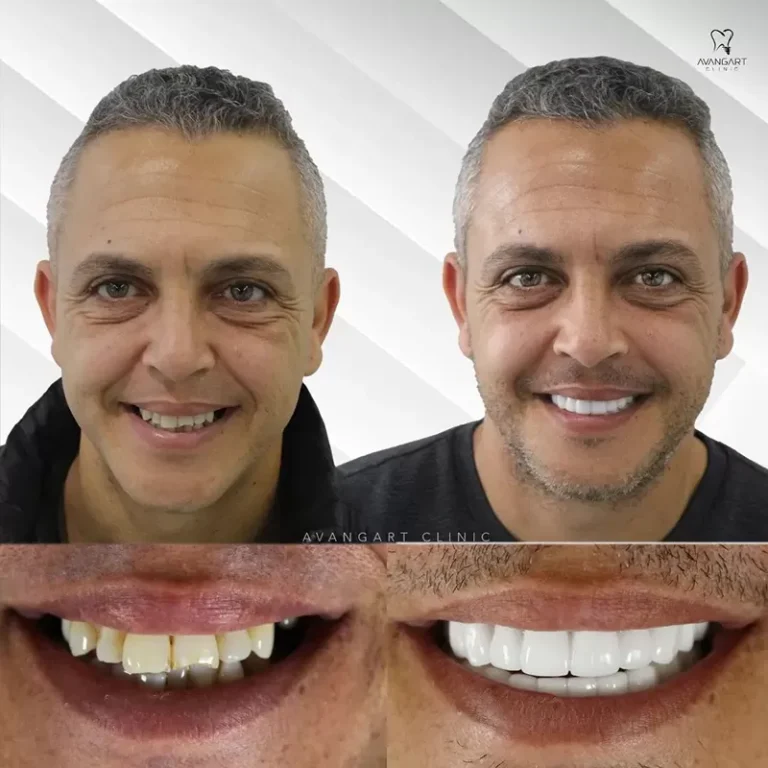
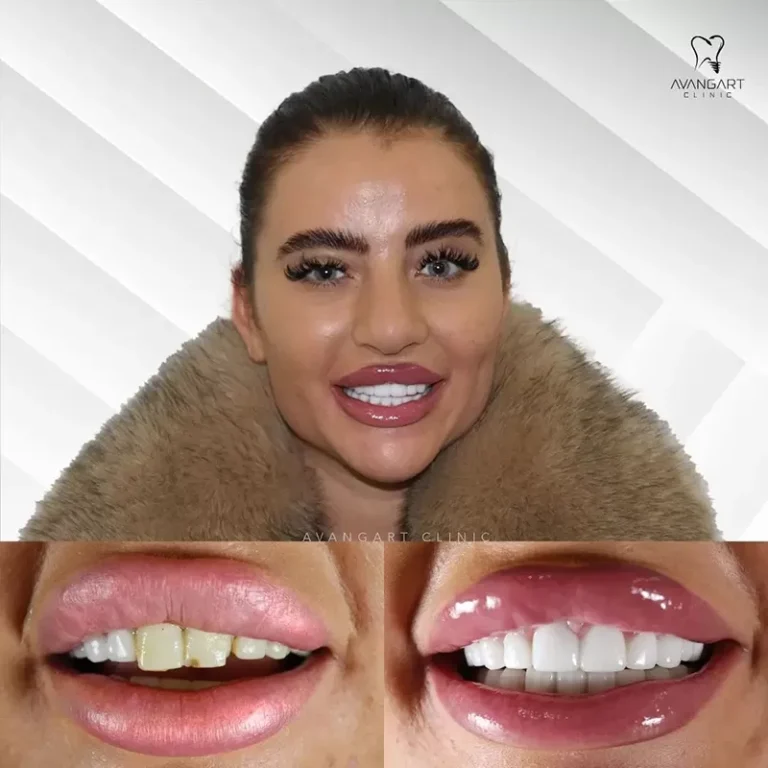
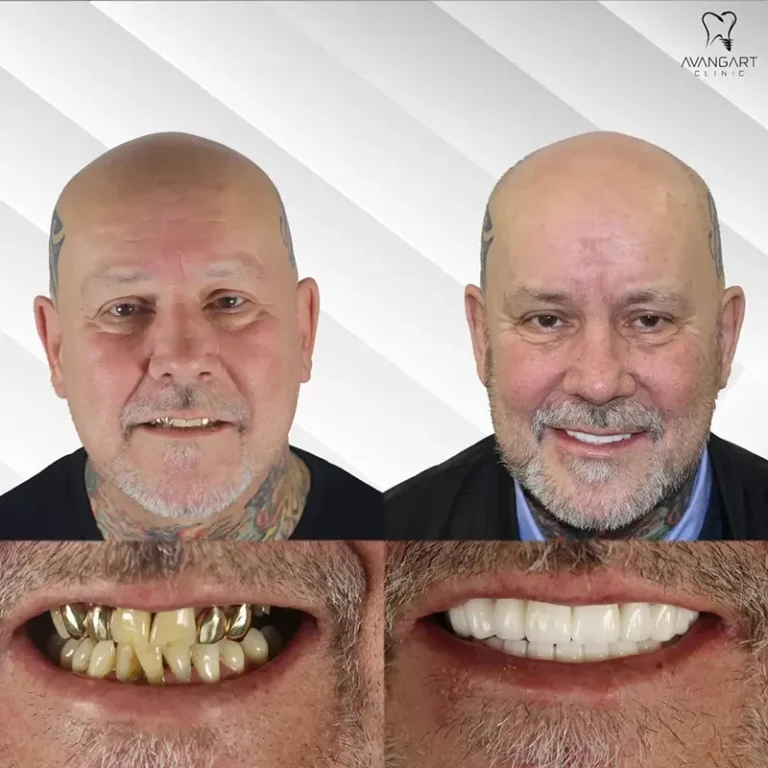
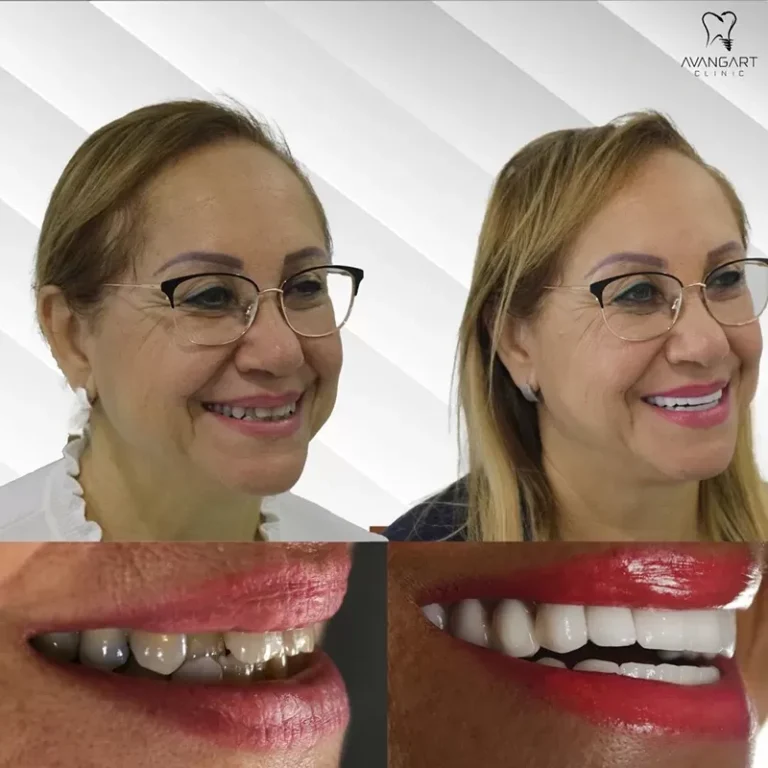
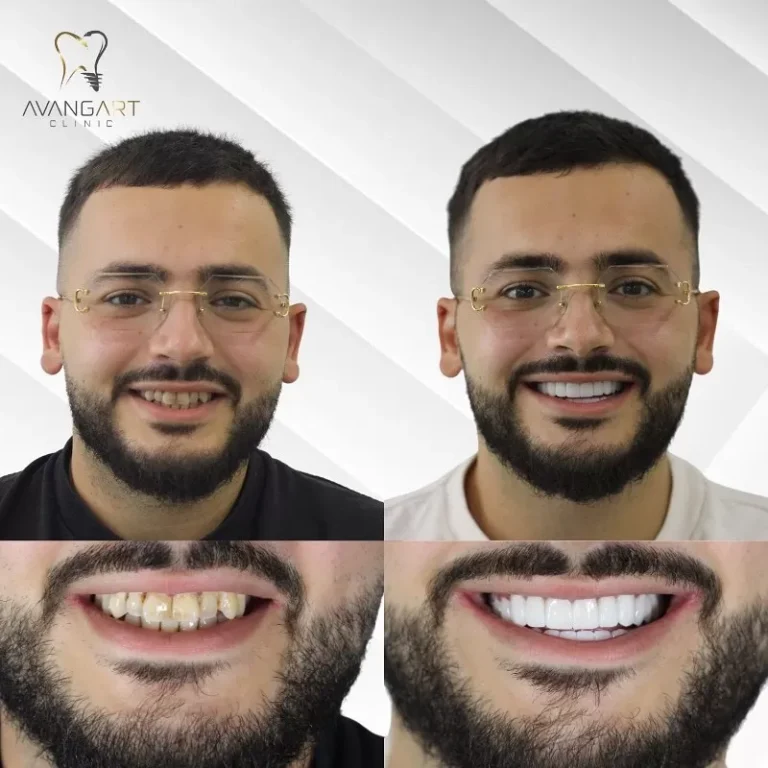
Before and After: Transformative Results with Avangart Clinic
We carry out all our dental treatments with care and strive to give your smile an elegant appearance.