Dental Tourism for US Patients: The 2026 Guide to Planning, Travel, and Recovery
Dr. Emrah YEŞİLYURT
Dr. Emrah Yeşilyurt is the Founder of Avangart Clinic. He combines advanced dental expertise with a genuine commitment to helping patients feel comfortable and informed about their oral health journey.
For many US patients, planning dental treatment abroad naturally brings up a lot of questions. You may be thinking about the flight, the timing, how long you need to stay, and what recovery will feel like once you leave the clinic.
If you are exploring treatment for implants, veneers, crowns, or full-mouth restoration, it helps to understand how the whole journey works before you book. Patients researching dental implants abroad usually want clear answers about the clinician, the materials, the treatment plan, and the support available once they are back in the United States.
That is what this guide covers. We walk you through travel planning, treatment timing, recovery in the first few days, flying home safely, and the steps that help you feel prepared before you book.
Medical Disclaimer: The clinical information in this guide has been reviewed by Dr. Emrah Yeşilyurt for general accuracy. However, this content is for educational and informational purposes only. It is not a substitute for professional dental advice, clinical diagnosis, or personalized treatment.
Dental implant surgery and other restorative procedures carry inherent medical risks. Always consult with a licensed dental professional or oral surgeon to discuss your personal health history and clinical suitability before planning dental travel.
Why American Patients Are Choosing Turkey for Dental Implants
For many American patients, the main concerns are the quality of care and the total cost of treatment. Turkey has become a serious option for people who want modern implant care, clear treatment planning, and a smoother path to full-mouth restoration without facing the very high out-of-pocket costs often seen in the United States.
According to Grand View Research, Turkey’s dental tourism market is expected to reach $234.8 million in 2026, with strong projected growth through 2033. This shows that traveling for treatment is no longer seen as a fringe option. For many patients, it is now a well-researched and deliberate healthcare decision.
People considering implant surgery at a certified Turkish clinic usually want clear answers about the clinician, the materials, the treatment plan, and the support available after they return home.
The Real Cost Breakdown: US Out-of-Pocket vs. Turkey Dental Packages
For major restorative work, international patients often see cost savings between 60% and 80% compared with domestic out-of-pocket treatment costs in the US. So many patients begin by comparing total treatment value rather than looking at a single procedure fee in isolation.
If you are researching dental implants costs in Turkey, it helps to look at the full journey, not just the surgery itself. A full-mouth restoration in the US can place a heavy financial burden on patients paying privately, while our all-inclusive packages give people a clearer view of what they will actually spend from start to finish.
A full upper-and-lower All-on-6 restoration can start at around $29,062 out of pocket in the US, while our package starts from $9,732. Our treatment packages include hotel accommodation and VIP transfers, which helps remove the hidden logistical costs that American patients would otherwise have to arrange and budget for separately.
Beyond the Price Tag: Quality Standards and FDA-Approved Materials in Turkey
Cost only matters when the treatment is clinically sound. We use globally recognized, FDA-approved implant brands such as Straumann and Nobel Biocare, which are trusted by leading clinicians around the world. The materials used here are the same high-grade systems trusted by respected dental practices in places such as Beverly Hills and New York.
That same standard extends beyond the implant itself. Careful diagnostics, clear treatment planning, proper sterilization standards, and documentation that supports long-term follow-up are part of quality treatment. Quality is visible in how the case is planned, carried out, and documented from start to finish.
Anyone still weighing the safety side of treatment abroad should look closely at the clinic’s credentials, planning process, materials, and aftercare pathway. Our guide on how to check whether dental treatment in Turkey is safe gives a clearer view of what patients should review before making a final decision.
Pre-Trip Logistics: Planning Your Journey from North America
A smooth treatment trip usually starts long before you arrive in Istanbul. Good dental tourism packages do more than cover treatment costs. They also make the travel side easier, so you are not trying to sort out flights, hotel details, and last-minute timing issues just before surgery.
Flight Scheduling: How to Coordinate Your Travel Around Surgery Days
- Try to match your trip with a long weekend, public holiday, or a block of PTO so you can protect recovery time without rushing back to work.
- If your consultation or scans are planned for Monday, arriving on Saturday or Sunday gives you time to settle in, sleep properly, and adjust to the new time zone.
- Book flights that allow date changes if possible. Treatment plans can shift by a day or two if extra imaging, additional work, or a short recovery extension becomes necessary.
- Avoid landing the night before surgery. A delayed international flight, lost baggage, or poor sleep can make the first clinical day harder than it needs to be.
- If you are having more extensive treatment, consider bringing a companion. That extra support can help with airport transfers, medication reminders, and the first day after treatment.
- Keep one extra buffer day before your return flight when your schedule allows. It gives you more breathing room if your dental team wants to check healing before you leave.
Beating Transatlantic Jetlag: Why Immediate Rest is Critical Before Oral Surgery
Arriving 24 to 48 hours before surgery is strongly recommended because jet lag, dehydration, and travel fatigue can affect blood pressure and slow early healing.
That short rest window gives your body time to settle after a long flight from the US. Even healthy patients can feel dry, tired, puffy, or light-headed after crossing several time zones, and those small things matter more when surgery is coming next.
Spend the first day drinking plenty of water, eating a light meal, resting, and getting a full night of sleep. Avoid heavy sightseeing, alcohol, and anything that leaves you feeling tired or run down. When patients arrive too close to treatment time, they often begin the procedure feeling more anxious, more tired, and less physically prepared.
The Treatment Timeline: How Many Days Do US Patients Need?
Dental implant treatment usually happens in stages, so international patients need to plan their calendar with care. For most cases, the first visit covers diagnosis, surgery, and the early healing period, while the second visit happens months later once the implant has bonded with the bone.
The 2-Trip Protocol for Standard Dental Implants
A standard dental implant procedure is usually planned in two trips, not one. That matters when you are arranging PTO, flights, and family responsibilities back home.
Trip 1: Consultation, scans, implant placement, and early recovery
Most patients should expect to stay around 5 to 7 days. This allows time for clinical evaluation, imaging, surgery, and a short period of follow-up before flying home.
Healing period in the US: about 3 to 6 months
During this stage, the implant bonds with the jawbone. You can return to your normal routine, but the healing period still matters because it helps create a stable long-term result.
Trip 2: Final crown placement
This visit is usually shorter, often 3 to 5 days. At this stage, we place the final restoration and check fit, comfort, and bite.
Zygomatic and Complex Cases: Why Severe Bone Loss Patients Travel Furthest
Some patients are told in the US that they do not have enough bone for standard implants. That can feel discouraging, especially after years of missing teeth, dentures, or failed treatment.
This is where advanced treatment options can make a real difference.
Patients with severe upper-jaw bone loss may travel for zygomatic implants in Turkey, because these cases need more experience, deeper planning, and a surgical team that works comfortably with complex anatomy. For the right patient, zygomatic implants can offer a path forward when conventional placement is no longer realistic.
Post-Op Recovery: Managing Aftercare Before and During Your Flight Home
It is normal to feel uneasy about flying after dental surgery, especially with a long trip back to the US ahead of you. Most patients travel home without major difficulty once they have had enough recovery time, followed their instructions carefully, and rested properly before the flight.
The First 72 Hours in Istanbul: Medication, Diet, and Rest
The first few days are usually quiet. The focus during this stage is rest and steady recovery.
- Take your pain relief exactly as prescribed. Pain is usually easier to manage when you treat it early rather than waiting for it to build.
- If you have been given antibiotics, finish the course unless your clinician tells you to stop.
- Rest in your hotel room as much as possible. A short walk is fine, but this is not the time to fill your day with sightseeing or shopping.
- Use cold packs as instructed to help with swelling.
- Drink water often After surgery, and especially after travel, many patients feel more dehydrated than they expect.
- Follow a safe soft-food diet during your recovery so you do not put pressure on the area too soon. Avoid straws, smoking, and forceful spitting, as suction can disturb healing and increase the risk of dry socket or a disrupted bone graft.
- Try to sleep with your head a little raised if swelling tends to build overnight.
- Reach out to your care team if pain is getting worse instead of better, swelling suddenly increases, or bleeding continues beyond mild oozing.
Safe Flying After Dental Surgery: Tips for the Long-Haul Return Flight
A long flight home can sound intimidating, but most of the time it is more tiring than it is difficult. Patients usually feel the strain from dryness, sitting too long, and general travel fatigue more than anything else. Once you have been cleared to fly, a bit of preparation makes the journey much easier.
What to keep with you on the flight:
- Your prescribed medication in your hand luggage
- A few pieces of clean gauze
- A bottle of water or regular access to water during the flight
- Soft snacks if you think you may need to eat
- Your follow-up instructions and contact details
If swelling bothers you during the flight, ask the cabin crew for ice and hold it gently against the outside of your face. Do not carry heavy luggage if you are still feeling sore, tired, or light-headed. Take the trip slowly and focus on staying comfortable rather than trying to power through it.
Financial Planning: Can You Use US Insurance, HSA, or FSA in Turkey?
Most US dental plans are built around domestic provider networks, so standard in-network insurance usually does not extend cleanly to treatment in Turkey. That does not always mean you are out of options.
According to IRS Publication 969, HSA and FSA funds can generally be used for qualified medical and dental expenses. IRS Publication 502 explicitly includes dental treatments, such as implants, crowns, and extractions, within those allowable dental expenses.
One important point to keep in mind is that HSA and FSA funds generally do not cover purely cosmetic dentistry, such as elective veneers or teeth whitening. Veneer treatment usually qualifies only when there is a clear medical reason, such as structural decay, severe enamel erosion, or damage caused by trauma. If that applies to your case, your dental team may need to provide supporting clinical documentation, such as a Letter of Medical Necessity, to help with your claim.
Many patients use HSA or FSA funds for medically necessary work abroad, including larger restorative cases such as an All-on-6. You should still confirm the specific claim rules with your plan administrator or employer before you travel.
It is a good idea to ask in advance what paperwork your plan may want. Patients often need invoices, proof of payment, treatment details, and clinical records that show the work was necessary rather than purely cosmetic.
We strongly recommend checking this before booking so you know what to keep and what to request.
Continuity of Care: What Happens When You Return to the United States?
Your care should still make sense once you are back home. A patient returning to the US may need routine cleanings with a local dentist, a bite check, or an assessment if something feels unusual.
That only works well when the original clinic gives clear records and stays available after the flight home. After you return home, you can contact us by WhatsApp or email, and we provide implant passports, surgical reports, and radiographic records to support future care.
How We Coordinate Treatment Records with Your Local American Dentist
Before you leave Istanbul, we provide the records your local dentist may need to understand which implant system was used, what treatment was carried out, and how the case was planned. That includes panoramic or other radiographic records, surgical notes, and implant passport details such as brand, model, and batch or lot information.
We also provide English-language records in a format another dentist can review easily. This helps your US dentist step in for routine maintenance or emergency assessment without guesswork.
Handling Post-Op Follow-Ups and Long-Term Guarantee Protection
If you feel discomfort six months later in the US, the first step is to contact us rather than trying to work it out alone. Send photos, your symptoms, and any new X-rays if a local dentist has taken them.
We review the issue, explain the next step clearly, and identify what kind of care is needed. That may mean a small local adjustment, a prosthetic correction, or treatment involving the implant itself. Once patients are back home, they can contact us by WhatsApp or email whenever something feels unusual.
If a problem comes up later, we do not leave you guessing about what to do next. Our guarantee policy sets out the support clearly. Implant treatment is covered for 10 years, and if an implant fails within that period and the terms are met, we replace it at no extra charge.
Some issues do not require a full return trip. If a covered crown, bridge, or veneer needs a small local repair, we may help with a one-time contribution of up to €100 where appropriate. The first step is always to contact us, share the details, and let us guide you toward the most suitable fix.
The Ultimate US-to-Turkey Dental Travel Checklist (2026 Edition)
Medical Documentation and Digital X-Rays to Carry
Checklist:
- Valid US passport with at least 6 months of remaining validity
- Flight details, hotel confirmation, and airport transfer information
- Digital copies of recent dental X-rays, scans, or treatment records from your US dentist
- A list of your current medications, including dose and timing
- A note of any allergies, medical conditions, or previous reactions to medication
- Your treatment plan and contact details for the clinic
- Copies of prescriptions or medical letters if you are travelling with important medication
Before flying home, keep your implant passport and treatment documents with you for follow-up care in the US. Save digital copies on your phone as well as in your email or cloud storage, so they stay accessible even if your phone battery dies or your luggage is delayed.
Packing Essentials for Dental Surgery Recovery
Checklist:
- Travel neck pillow so you can rest more upright during the flight
- Lip balm, because dry cabin air and mouth breathing can leave your lips dry and uncomfortable
- Soft travel-friendly snacks such as protein shakes, yoghurt drinks, applesauce, or mashed fruit pouches
- Reusable water bottle to help you stay hydrated throughout the journey
- Prescribed medication in your hand luggage (not in checked baggage)
- A few pieces of clean gauze for the return flight
- Loose, comfortable clothing that does not press on your neck or jaw area
- Cold pack sleeve or a simple compress option if your care team recommends it
- A small toiletry pouch with a soft toothbrush and anything else you may need for gentle oral care
Pack for comfort, not style. After treatment, patients usually appreciate anything that makes the trip back feel quieter, softer, and easier to manage.
FAQs
You can sometimes fly 72 hours after implant surgery, but for full-mouth restoration or cases involving sinus lifts or bone grafts, waiting at least 5 to 7 days is usually the safer option.
The main concern is not the flight itself. The delay allows swelling, pressure changes, and early healing to settle before a long journey.
If something feels wrong after you return, contact us first with photos, your symptoms, and any local X-rays. We review the case remotely and help identify whether it is a minor local adjustment, a prosthetic issue, or a deeper implant problem.
No, US citizens do not normally need a special medical visa for short dental treatment in Turkey. For stays of up to 90 days, standard tourist entry is usually sufficient, but it is still wise to check the latest entry rules before travel and make sure your passport is valid for long enough.
In most cases, yes, patients can return with prescribed post-op medication for personal use. U.S. Customs and Border Protection and the FDA advise keeping medicines in their original labeled containers, carrying only personal-use quantities, and bringing a valid prescription or doctor’s letter if needed.
For that reason, it is a good idea to keep your medication in the original pharmacy packaging and carry the English prescription letter and medical certificate we provide. That makes the process much smoother if a customs officer asks what the medication is for.
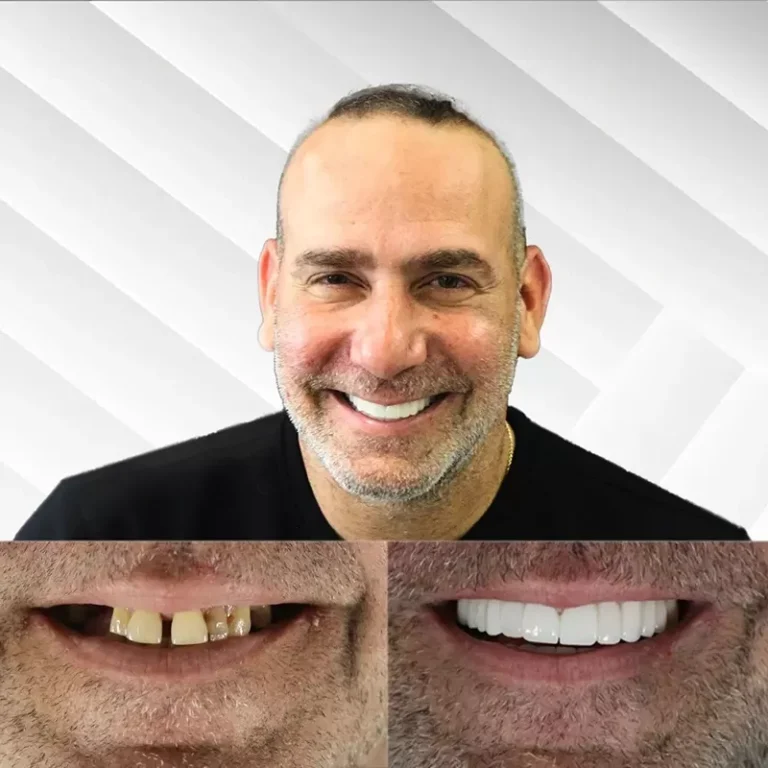
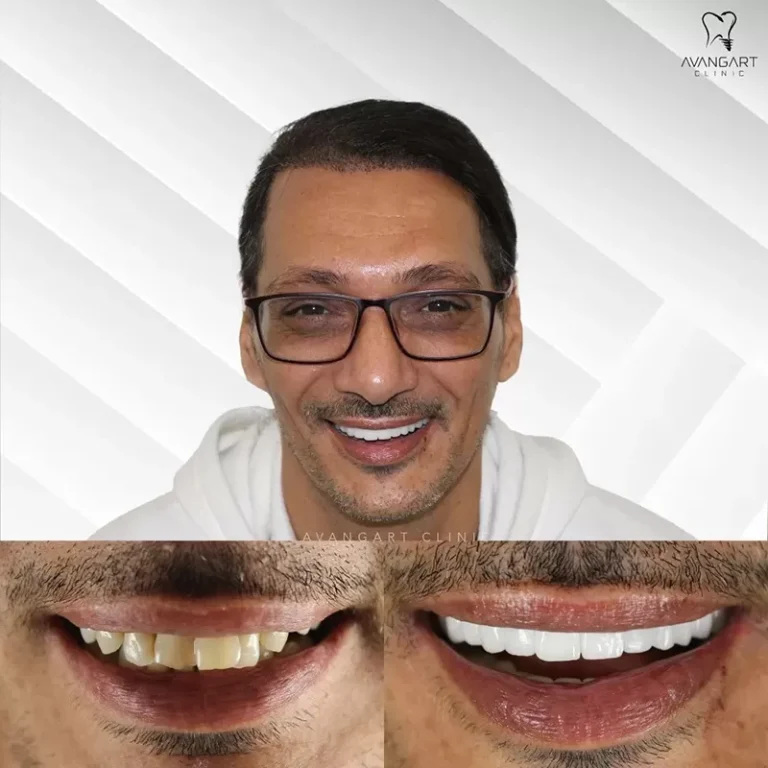
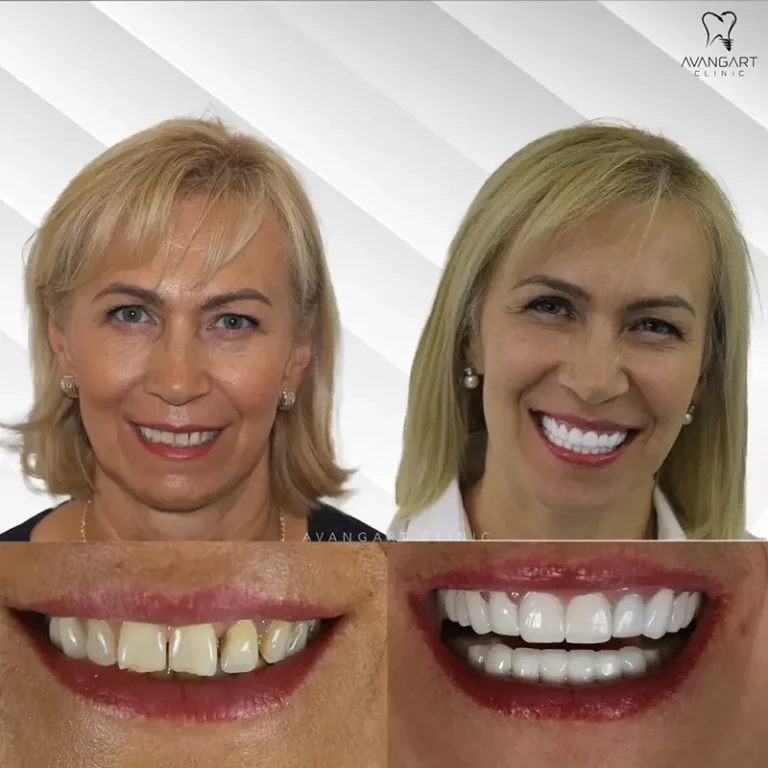
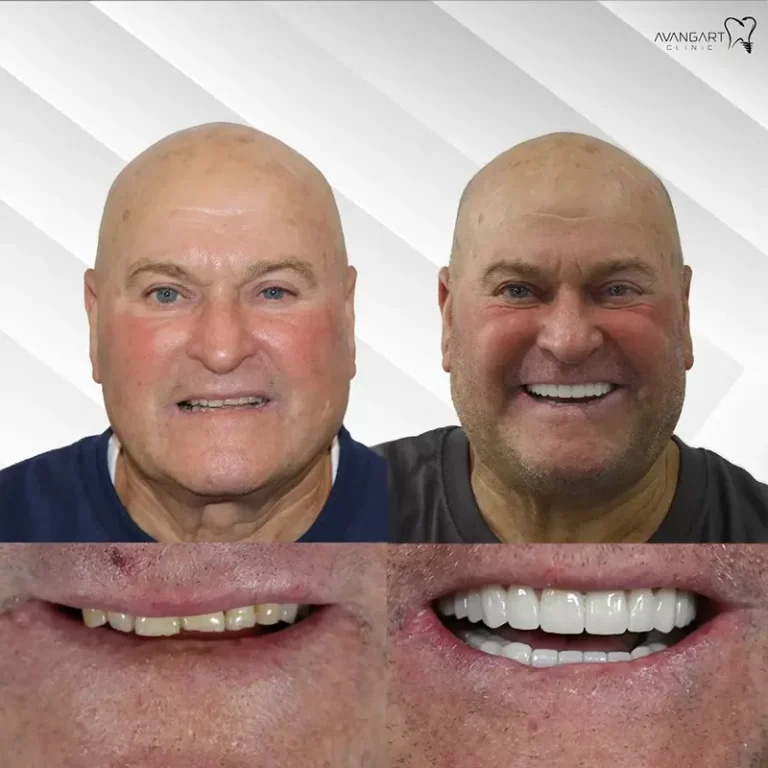
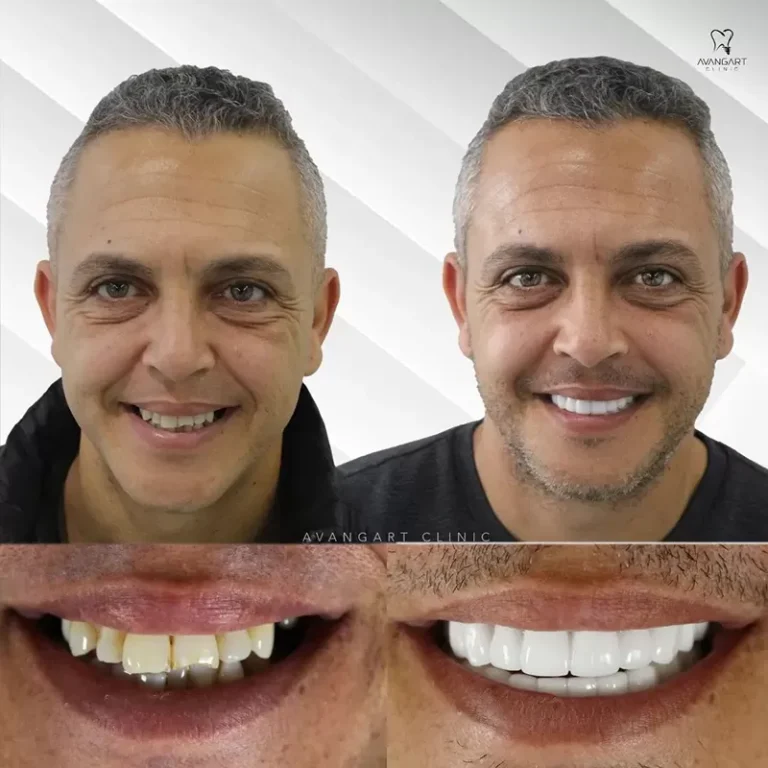
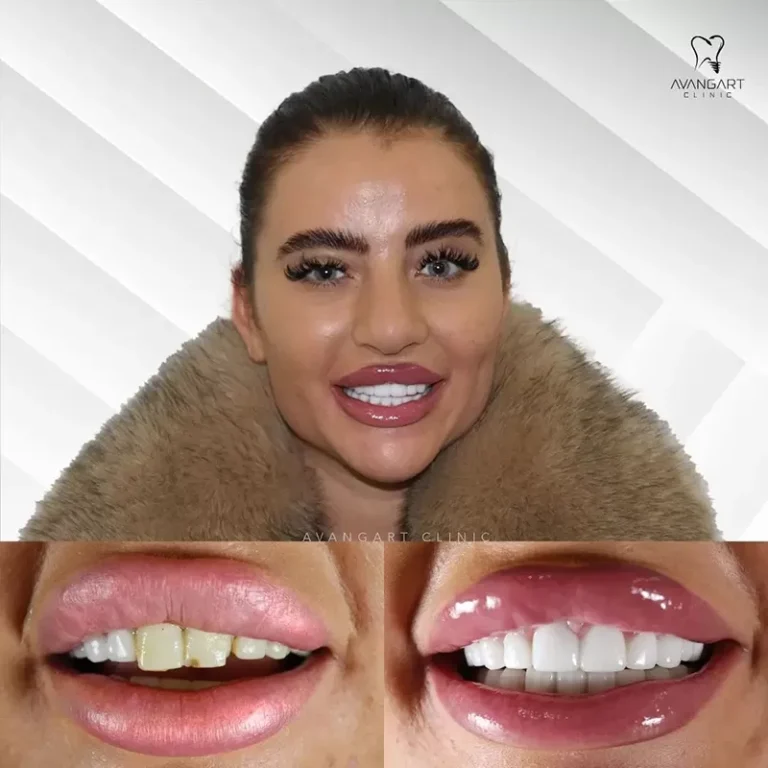
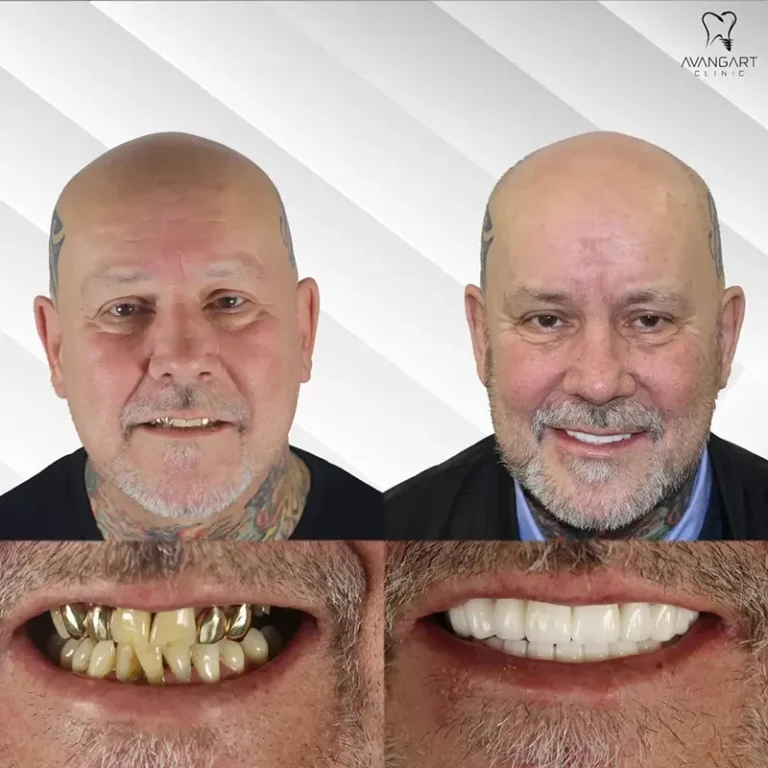
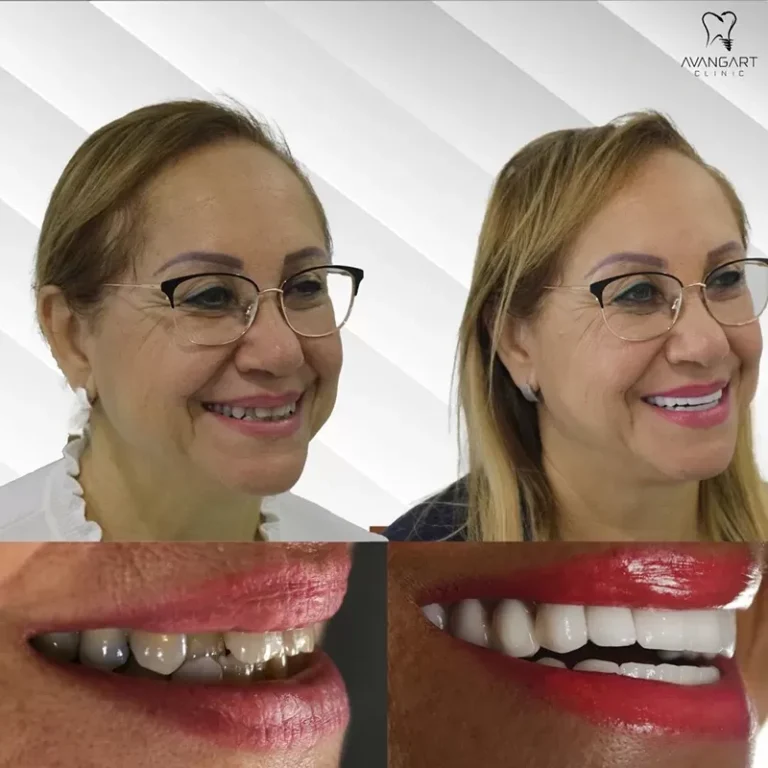
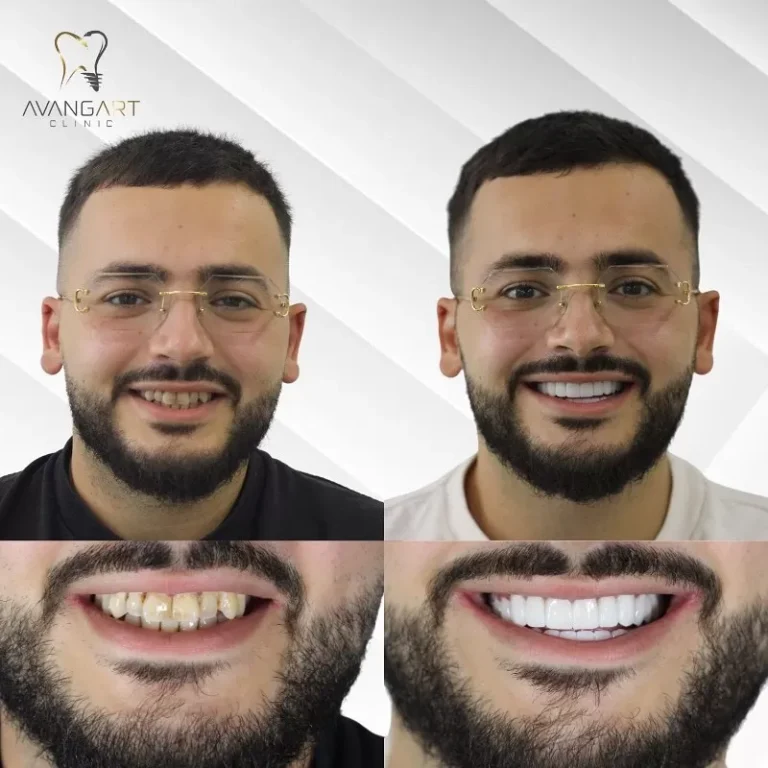
Before and After: Transformative Results with Avangart Clinic
We carry out all our dental treatments with care and strive to give your smile an elegant appearance.