How to Verify a Turkish Dental Clinic: Ministry of Health, TDB, and Accreditations
Dr. Emrah YEŞİLYURT
Dr. Emrah Yeşilyurt is the Founder of Avangart Clinic. He combines advanced dental expertise with a genuine commitment to helping patients feel comfortable and informed about their oral health journey.
To verify a Turkish dental clinic, confirm that it holds an International Health Tourism Authorisation Certificate from the Ministry of Health, identify and check your treating dentist through the Turkish Dental Association (TDB), and verify any ISO or international healthcare accreditations before paying a deposit or travelling.
Being cautious before booking dental treatment in Turkey is sensible. Turkey has a large and established dental tourism sector, but the large number of providers means patients should independently check the legal status of the clinic and the credentials of the clinician responsible for their treatment.
A solid background check covers everything from the clinic’s regulatory status and your dentist’s credentials to the exact materials being used, all before you hand over a deposit.
Why Vetting Your Turkish Dental Clinic is Crucial for Safety
Dental treatment abroad often attracts media attention when patients experience complications or poor outcomes. These cases should be taken seriously, although complications can occur even when treatment is carried out by qualified professionals in regulated healthcare settings.
What patients can control is how thoroughly they investigate a provider before booking. A low quote or impressive social media profile cannot confirm whether the facility is authorised, who will perform the procedure, or whether the proposed treatment is based on an appropriate clinical assessment.
Türkiye welcomed nearly 1.4 million international healthcare patients in 2025, generating approximately US$3.02 billion in health tourism revenue, according to official USHAŞ health tourism data. While these figures cover all health tourism rather than just dentistry, they highlight just how massive Turkey’s medical tourism industry has actually become.
Patients researching safe dental implant treatment in Turkey should complete the main verification checks before booking flights. You should know where treatment will take place, who will perform it, whether the facility is authorised and what information was used to prepare the proposed treatment plan.
Package pricing deserves similar scrutiny. When comparing dental implant treatment package details, separate clinical costs from accommodation, transfers and other non-medical services so you can see exactly what you are paying for.
The good news is that you can do most of these background checks online for free. While doing your homework can’t guarantee a flawless medical result, it does prove your clinic is a legitimate, legally operating business in Turkey. It’s a simple way to protect yourself and get the facts straight before you put down a deposit.
Step 1: Check the Ministry of Health International Health Tourism Certificate
Start by checking the healthcare facility itself.
Under Turkey’s current Regulation on International Health Tourism and Tourist Health, healthcare facilities providing services within international health tourism must hold an International Health Tourism Authorisation Certificate. For healthcare facilities, this authorisation comes from the Ministry of Health.
Because Turkey introduced new health tourism regulations in April 2025 (replacing the old 2017 rules), you should always verify a clinic using current Ministry records. Don’t rely on old blog posts or screenshots, as the requirements they mention might no longer apply.
The Ministry’s Health Tourism Department maintains lists of healthcare providers authorised for international health tourism. When checking a clinic, compare the registered facility name and address with the details you have been given.
This is especially important when a clinic uses a commercial brand name, operates more than one location, or arranges treatment at another healthcare facility.
What Role Does USHAŞ Play in Health Tourism?
USHAŞ (International Health Services Inc.) is another official organization you’ll likely come across. While they are heavily involved in Turkey’s health tourism sector, you shouldn’t confuse their role with the Ministry of Health.
The Ministry of Health (Sağlık Bakanlığı) issues the International Health Tourism Authorisation Certificate for healthcare facilities. USHAŞ handles authorisation relating to health-tourism intermediary organisations and performs other functions within the international healthcare system.
To keep things simple, here is where you should verify each part of your trip:
- For the clinic or hospital itself: Check their Ministry of Health authorization.
- For the agency arranging your medical package: Check their USHAŞ authorization.
- For the company booking your hotel and rides: Make sure they are a separately licensed travel agency.
It’s easy for a clinic to slap a “government approved” badge or a picture of a certificate on their website. Instead of taking these at face value, take a moment to confirm exactly which legal business was approved and which official authority actually gave them the green light.
How to Ask for Proof of Legal Authorisation
Before paying a deposit, ask the clinic:
“Can you provide the registered name and International Health Tourism Authorisation Certificate details for the healthcare facility where my treatment will take place?”
The provider should be able to identify the legal healthcare entity and the location covered by its authorisation.
Take those details and cross-check them against the Ministry of Health’s official records. The registered business name is key here, because it’s often different from the marketing name you see on social media.
If you’re dealing with one business but they want to do the surgery at a differently named clinic, stop and ask exactly who operates that facility and what authorizations they hold. Above all, don’t just accept a screenshot of a certificate via WhatsApp. Checking the official records yourself is the best way to prove the clinic is the real deal.
Step 2: Verify Your Dentist with the Turkish Dental Association (TDB)
Vetting the clinic itself is a great start, but it doesn’t tell you anything about the actual person who will be working on your teeth.
According to the Turkish Ministry of Health, Turkey has nearly 49,000 dentists (about 57 for every 100,000 people). With so many practitioners out there, finding out exactly who is responsible for your treatment is an absolute must before you travel.
You can verify your dentist through the Turkish Dental Association (TDB), the country’s national professional organization for dentistry. They offer an official “find a dentist” search tool on their website. Just keep in mind that while a TDB search proves they are a real, licensed dentist, it doesn’t automatically prove every fancy title, specialty, or marketing claim you might see on a clinic’s website.
The Importance of a Named Clinician
Be cautious if a clinic will only refer to a generic “medical team” before you pay.
Ask for the full registered name of the dentist expected to perform your procedure. For implant or surgical treatment, also ask about the clinician’s professional role and relevant qualifications.
Terms such as general dentist, prosthodontist, periodontologist and Oral and Maxillofacial Surgeon describe different professional roles and areas of training. A clinic should be able to explain which clinician will take responsibility for each part of a complex treatment plan.
This is especially true for major procedures. If you’re getting something complex like All-on-6 dental implants, you need to know exactly who is handling the surgical work and who is in charge of fitting your final teeth.
Several clinicians may legitimately contribute to one treatment plan. What matters is transparency about who is responsible for each stage and whether any clinical work is carried out outside the clinic or by subcontracted professionals.
Patient coordinators are there to help with logistics like translation and travel arrangements, but they shouldn’t be making clinical decisions. Always insist on communicating directly with the dentist responsible for your care.
Finally, if a clinic calls someone a specialist, ask what their official credentials are. Titles like “implant expert” or “cosmetic specialist” might sound impressive, but you want to verify real professional qualifications, not just marketing buzzwords.
How to Check the TDB Registry
Begin with the TDB’s official Dişhekimi Bul dentist-search facility.
Use the clinician’s full first name and surname exactly as provided by the clinic. Turkish characters and spelling can affect search results, so ask for the dentist’s registered professional name if you are unsure.
A useful verification sequence is:
- Ask for the treating dentist’s full registered name.
- Search that name using the TDB dentist-search tool.
- Compare the result with the clinic’s published clinician profile.
- Request evidence if a formal specialty is claimed.
- Confirm which clinician will perform each stage of treatment.
If the clinic suddenly changes your dentist after you’ve paid your deposit, ask them why. Having a substitute doctor isn’t always a bad thing, but you should always be given the time to verify the new doctor’s credentials before your treatment starts.
Step 3: Check International Medical Accreditations
Ministry authorisation establishes the legal regulatory baseline. International standards and healthcare accreditations can provide additional information about how a clinic manages quality, safety and organisational processes.
They should be treated as supporting evidence rather than replacements for Ministry authorisation or professional credentials.
When a clinic displays an ISO certificate or healthcare accreditation, check:
- The legal entity named on the certificate
- The facility or address covered
- The standard or accreditation programme
- The issuing or accrediting organisation
- The certificate’s current validity
A logo on a website does not confirm any of these points.
ISO Certifications: What They Actually Tell You
ISO standards cover different management systems, so they should not all be interpreted as direct measures of clinical quality.
ISO 9001:2015 relates to quality management systems. It covers areas such as organisational processes, responsibilities, monitoring and continual improvement.
ISO 45001:2018 concerns occupational health and safety management, including workplace risk management and safety controls.
Other common badges include ISO 14001 (environmental management) and ISO 27001 (information security). While it’s great that the clinic takes these operational responsibilities seriously, you shouldn’t confuse them with guarantees of clinical quality or patient care.
ISO itself does not certify dental clinics. Certification is carried out by independent certification bodies, so patients should check who issued the certificate and whether its scope actually covers the clinic they intend to visit.
When it comes to your actual medical care, don’t be afraid to ask the clinic direct questions. Ask them how they sterilize their tools, how they prevent cross-contamination, and how they dispose of medical waste. An accreditation badge is great supporting evidence, but it shouldn’t replace you asking these basic safety questions.
Global Healthcare Accreditations: AACI and JCI
You might also see logos for AACI or JCI. These are global groups that evaluate healthcare facilities to make sure they meet international safety standards.
Earning one of these accreditations shows the clinic has gone out of its way to pass an external review. However, it’s not a guarantee of a flawless procedure, and it certainly doesn’t mean you are getting “US-equivalent” or “UK-equivalent” care. Be highly skeptical of clinics that throw those terms around just to make a sale.
Lastly, if a clinic claims to be AACI or JCI accredited, take a minute to verify it on the accrediting organization’s website rather than just trusting a pasted image on the clinic’s website.
Step 4: Verify Travel Logistics and TÜRSAB Involvement
Dental tourism packages often bundle in hotel stays and airport transfers. Because medical licenses and travel licenses are completely different, you need to check these non-clinical services separately.
In April 2025, Turkey updated its regulations. Under the current rules, whoever arranges your medical trip must book your hotels and transport through a fully licensed travel agency.
This is why TÜRSAB (the Association of Turkish Travel Agencies) is important. You want to make sure the company handling your travel is a TÜRSAB member. However, be careful: some clinics show off a TÜRSAB badge as if it were a medical license. It is strictly a travel license.
If your dental package includes hotel accommodation or VIP transfers in Turkey, ask:
- Which company provides the transfer?
- Which company arranges the hotel booking?
- Is a separate health-tourism intermediary involved?
- If so, what authorisation does that intermediary hold?
- Which authorised travel agency is responsible for regulated travel services?
- Are the travel-related charges shown separately in writing?
An itemised breakdown is more useful than a single “all-inclusive” figure because it allows you to distinguish clinical treatment costs from accommodation, transportation and other services.
Major Red Flags: How to Spot an Unregulated or Poorly Transparent Dental Provider
One warning sign doesn’t automatically mean a clinic is breaking the law. However, if you spot multiple red flags or the clinic dodges your questions, do not send any money or book a flight until you get clear answers.
The Clinic Will Not Provide Its Registered Facility Details
You should be able to obtain the healthcare facility’s registered name, physical address, and Ministry of Health authorisation details.
If a provider avoids these questions or only provides a logo or screenshot, verify the facility independently before proceeding.
No Individual Dentist Is Named
If a clinic tells you, “Our medical team will decide when you arrive,” consider it a warning sign. That answer completely prevents you from doing a background check on your doctor. Before you book a planned procedure, always demand to know exactly who will be doing the work and what their official professional role is.
There Is No Verifiable Physical Clinic Address
WhatsApp is commonly used for international patient communication, but a phone number should not be the only identifiable presence of a healthcare provider.
Check that the treatment location corresponds with a real healthcare facility and the regulatory information supplied to you.
The Quote Is Unusually Low Without a Clear Explanation
A price that is substantially below comparable authorised providers deserves further questions.
Ask what the quote includes, which materials or implant systems will be used, whether laboratory costs are included, and whether additional charges may arise after examination.
Complex Surgery Is Promised from Photographs Alone
Photographs can help with an initial discussion, but complex implant planning requires a proper clinical examination to assess factors like periodontal disease and implant eligibility, along with appropriate diagnostic imaging, before a definitive surgical plan can be confirmed.
This is especially important when assessing advanced full-arch implant options or treatments such as zygomatic implants.
A CBCT evaluation may be used when clinically appropriate to assess three-dimensional anatomy for implant planning. Be cautious when a provider promises a definitive complex surgical approach before obtaining the diagnostic information required for that decision.
There Is No Written Treatment Plan or Itemised Quote
Ask for the proposed treatment in writing before travelling.
The documentation should make clear what treatment is planned, what is included in the quoted price and which services may lead to additional costs.
Avoid relying on vague package names that do not identify the actual clinical procedures.
Implant Materials Cannot Be Traced
If you are getting dental implants, always ask exactly which brand and components the clinic is using.
A reputable clinic will keep strict records of all their materials, tracking them by barcodes, serial numbers, or batches. Be sure to ask upfront if they will give you an “implant passport” or an official booklet with all these details after your surgery.
Keep this paperwork safe! If you ever need an adjustment, check-up, or repair with a local dentist back home, they will need those exact serial numbers to know what system is in your mouth.
The Warranty Sounds Better Than the Written Conditions
Do not judge aftercare by the word “lifetime” or similar marketing language alone.
Read the written warranty conditions, exclusions and complication protocol. Ask what happens if you need remote follow-up after returning home and whether corrective treatment requires you to travel back to Turkey. For example, their paperwork should address the various reasons a dental implant might fall out and explain exactly when a replacement is covered under the warranty.
Clinical complications and product warranties are not the same thing. The written terms should make this distinction clear.
How Avangart Clinic Maintains Regulatory Transparency
We believe you should hold us to the exact same high verification standards that you would apply to any other dental clinic.
Avangart Dental Clinic operates as Avangart Oral and Dental Health Polyclinic in Istanbul. We publish our clinicians and their professional roles so prospective patients can understand who may be involved in their care. We also encourage patients to carry out the independent checks described in this guide.
This kind of transparency also applies to the materials we use. We maintain strict records for all implants and components so that every product can be traced.
If you are getting implants, we make sure you fully understand your diagnosis, why we recommend a specific option (such as walking you through a clear dental implant versus bridge comparison), exactly what materials we will use, and which doctor will handle each stage of your care.
Aftercare is just as important, and it should be clearly outlined before your treatment begins. We always provide written warranty conditions, follow-up arrangements, and clear instructions on what to do if you have a complication.
Ultimately, doing your own independent checks is worthwhile, even if you already feel good about a clinic. A reputable provider will never make you feel bad for verifying their facility, their clinicians, and their credentials before you book.
FAQs
Dental treatment in Turkey can be provided within a regulated healthcare system, but no dental procedure or destination is risk-free. Check the healthcare facility's Ministry of Health authorisation, identify your treating dentist, and review the proposed treatment plan before travelling.
Start by getting your dentist's full registered name and searching for them using the official tool on the Turkish Dental Association's website. If they claim to have a formal specialty, it's always best to ask the clinic for real evidence of those credentials rather than just trusting a flashy marketing title.
TÜRSAB is strictly a license for travel agencies, not medical clinics. It shows that a company is authorized to book things like your hotel and airport transfers. Because of this, you should always verify the company handling your travel separately from the clinic doing your actual dental work.
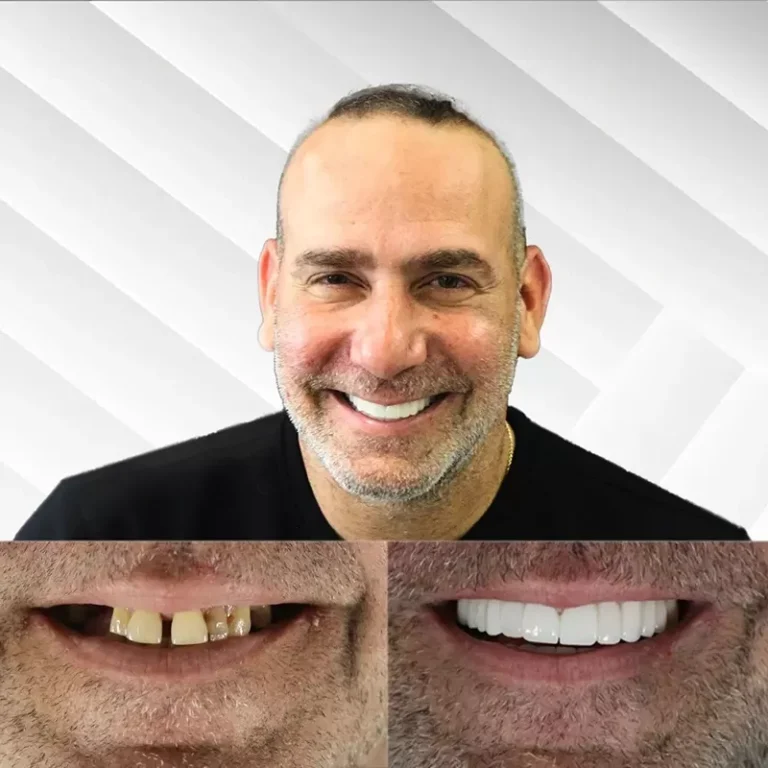
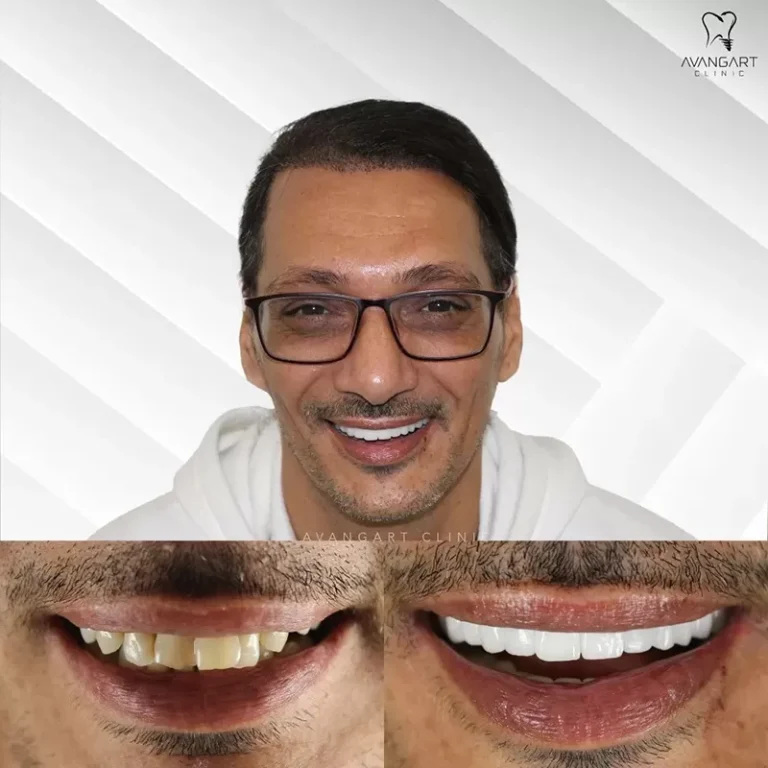
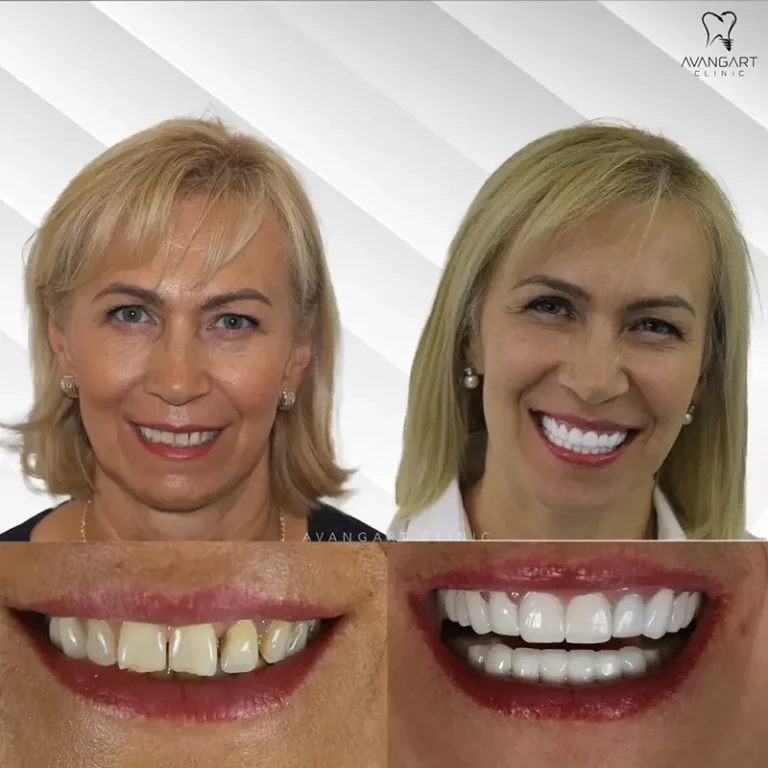
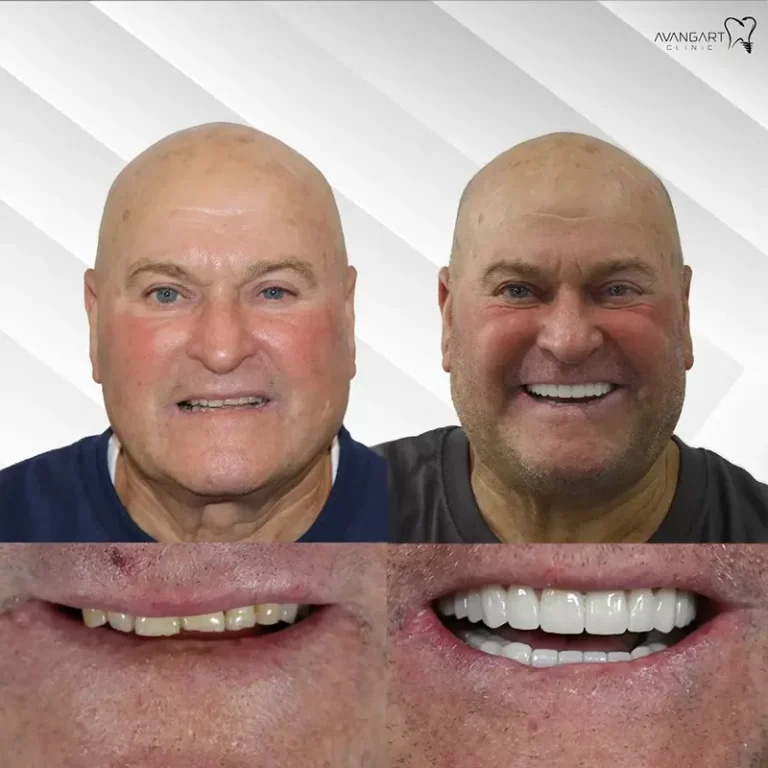
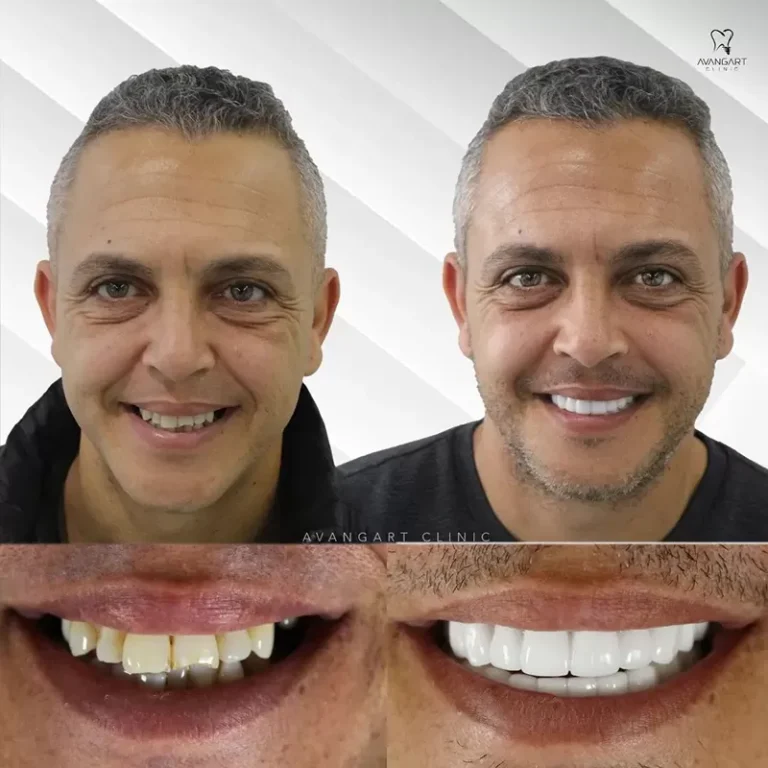
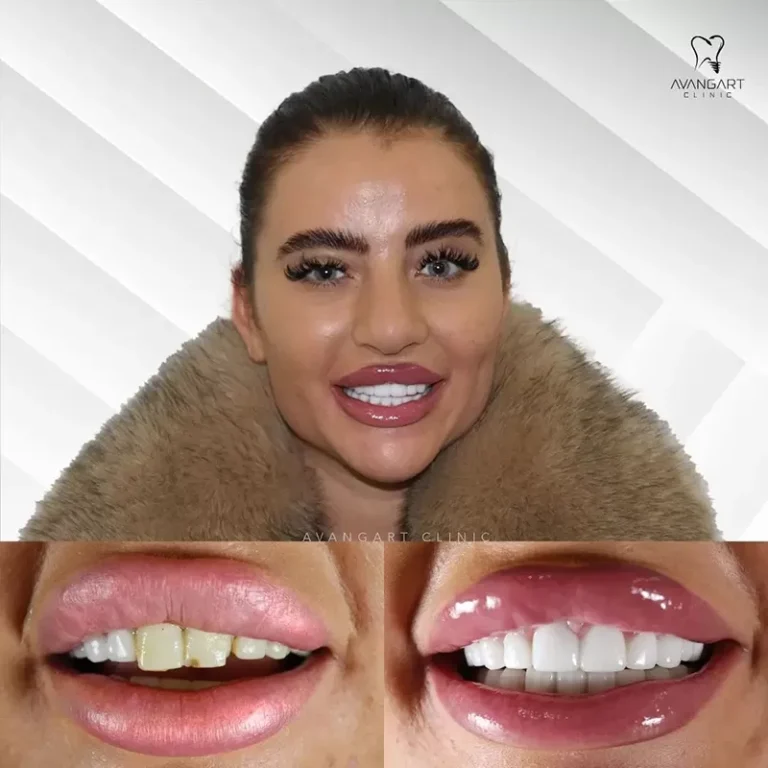
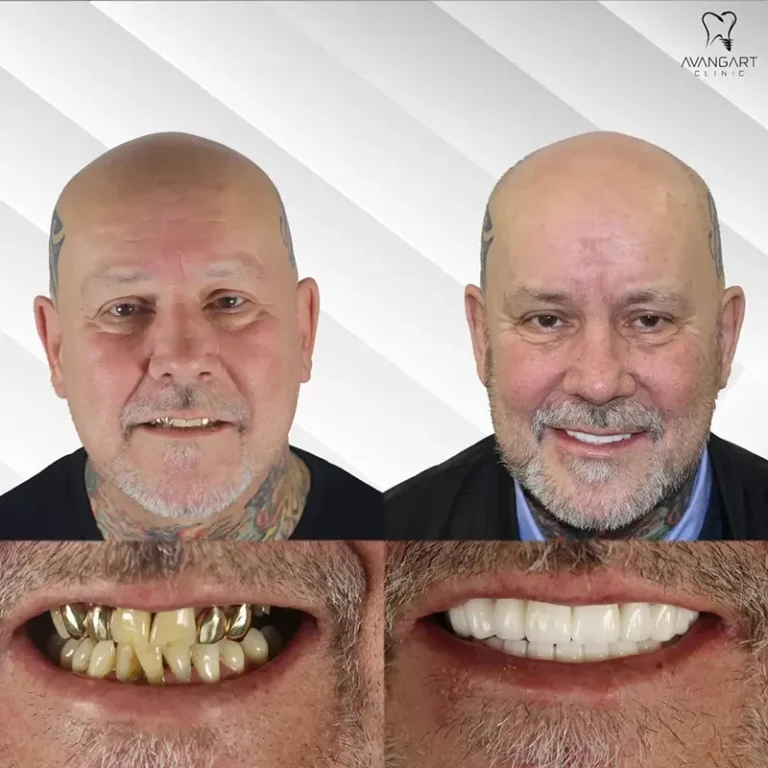
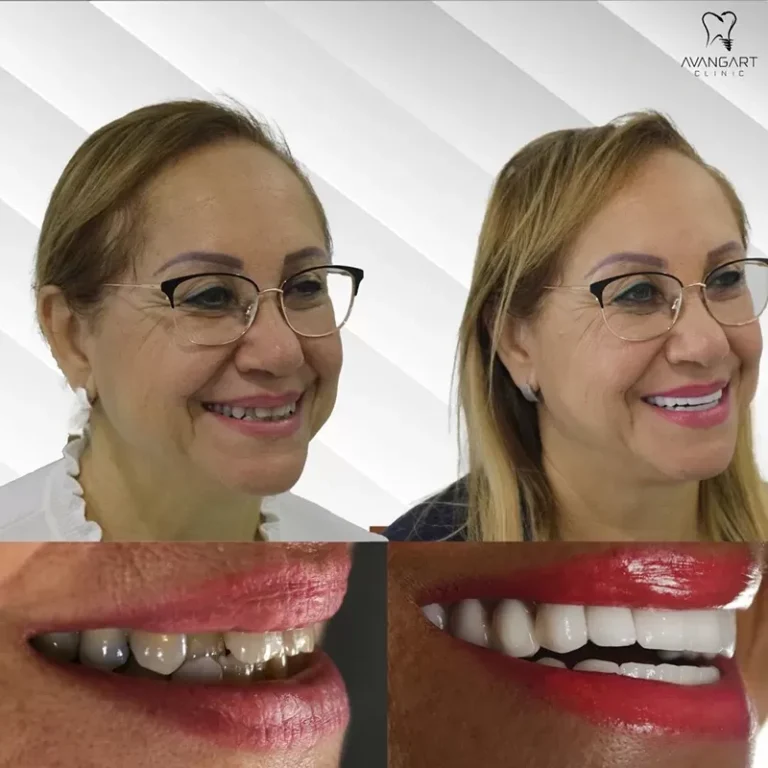
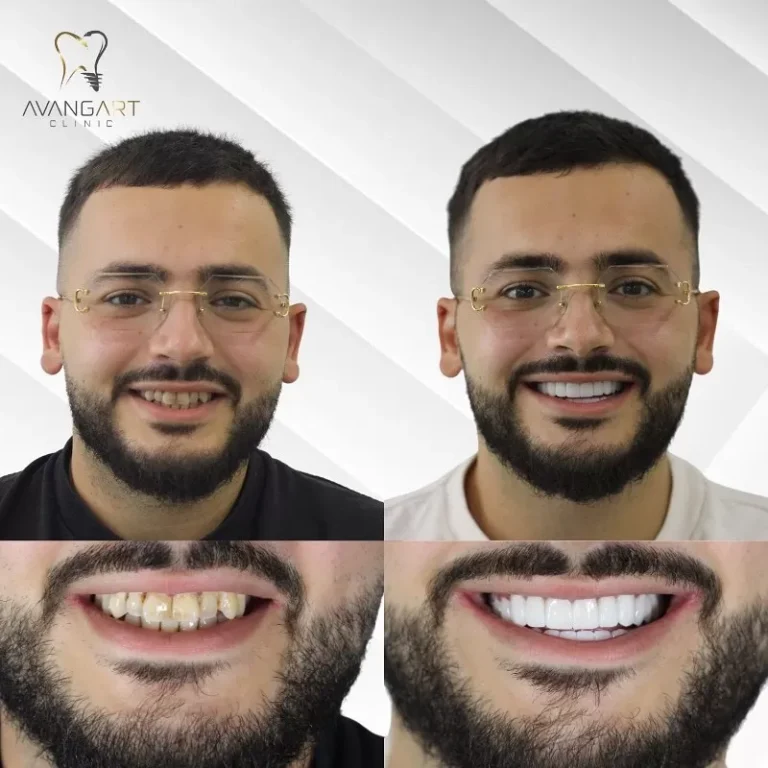
Before and After: Transformative Results with Avangart Clinic
We carry out all our dental treatments with care and strive to give your smile an elegant appearance.