Can a Dental Implant Fall Out? Identifying Early and Late Implant Failures

Dr. Emrah YEŞİLYURT
Dr. Emrah Yeşilyurt is the Founder of Avangart Clinic. He combines advanced dental expertise with a genuine commitment to helping patients feel comfortable and informed about their oral health journey.
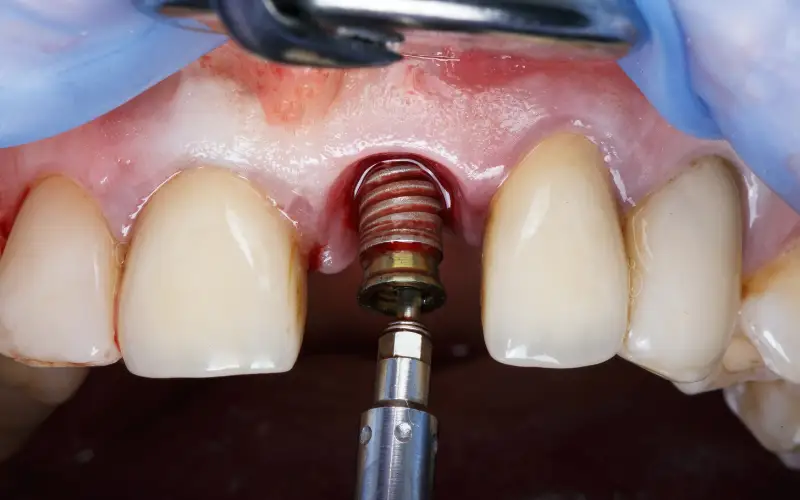
Seeing a dental implant or tooth-shaped piece come loose can be frightening. But don’t worry, complete implant failure is uncommon, and the detached piece may be the crown or abutment rather than the fixture anchored in your jaw.
Published long-term studies report a dental implant survival rate of 97.0% to 98.1% across different implant systems, patient groups, and clinical conditions. These results make implants one of the most predictable ways to replace missing teeth, although complications can still occur.
Yes, a dental implant can fall out, though this is rare. Most often, the loose part is the crown, abutment, or screw rather than the titanium fixture. True failure occurs when bone does not fuse during healing or later loses support through infection, inflammation, overload, peri-implantitis, or progressive bone loss.
This guide is intended to help you recognise what may have happened and decide how quickly you need dental care, particularly if you travelled abroad for treatment and are now back home. A photograph can help with remote triage, but only an examination and dental X-rays can confirm whether you have a loose crown, a broken abutment, or a loose dental implant.
Patients researching safe dental implant treatment in Turkey should look beyond price. A reliable clinic will provide traceable implant records, clear aftercare guidance, and continued support if a problem develops.
- Medical Disclaimer: This article provides general information and should not be used to diagnose or treat a dental implant problem. Only a qualified dentist or oral and maxillofacial specialist can confirm which implant component has loosened or failed after an examination and appropriate imaging. Seek urgent local care if you have severe swelling, uncontrolled bleeding, fever, difficulty swallowing, or difficulty breathing.
Don’t Panic: Did the Actual Implant Fall Out, or Just the Crown?
| Appearance of Detached Piece | Component Involved | Issue Classification | Clinical Meaning & Next Steps |
|---|---|---|---|
| Looks like a tooth (White porcelain or zirconia, sometimes with a small metal screw attached) | Crown or Abutment Restoration | Mechanical Issue | Loose cement, a loosened screw, or a broken connector. The titanium fixture inside the jawbone usually remains intact. Needs prompt dental repair, but does not mean the implant has failed. |
Grey threaded metal component: This could be an abutment screw, healing component, cover screw, or the implant fixture itself. Its appearance alone cannot confirm implant failure, so keep the piece and arrange a dental examination.
A large registry study analysing 158,824 dental implants found an overall failure rate of 2.21%. Early failures accounted for 1.56%, while late failures after prosthetic loading accounted for 0.65%.
Once an implant has fused successfully with the jawbone, the titanium fixture is much less likely to fall out. The crown, abutment screw, or another restorative component can still loosen after years of chewing.
Early Implant Failure: The First 3 to 6 Months
Early implant failure happens while the jawbone is still healing around the titanium post. The implant may feel loose from the start, or it may begin to move within the first few weeks after surgery.
During a normal implant treatment process, the implant screw first gains primary stability from its mechanical grip in the bone. Over the following weeks and months, new bone forms around its surface and creates secondary stability through osseointegration.
Early failure occurs when the implant does not develop a stable bond with the surrounding jawbone during healing.
Common signs include:
- Movement or a wobbly sensation
- Pain or throbbing that becomes worse rather than better
- Increasing Swelling, inflammation, or bleeding gums
- Pus or discharge near the implant
- Receding gum tissue
- Discomfort when chewing
- Persistent numbness or radiating pain
Some patients describe this as their body “rejecting” the implant. A reaction to titanium is uncommon. Early implant failure is much more often linked to infection, poor initial stability, excessive movement, or failure of the bone to fuse with the implant.
Lack of Osseointegration and Micro-Movement
Osseointegration is the process through which living bone grows closely around the implant surface. It does not happen immediately after surgery.
During the early weeks, the new bone is delicate. Excessive movement at the implant–bone interface can disrupt this healing process, allowing fibrous tissue to form instead of a firm connection between the implant and the jawbone.
This may happen when:
- The implant did not achieve enough primary stability at placement.
- Bone density or bone mass was lower than expected.
- The patient chewed hard food, putting pressure on the area too soon.
- A temporary restoration placed excessive pressure on the fixture.
- Teeth grinding or clenching repeatedly overloaded the implant.
- Immediate loading was attempted without enough stability.
In selected cases, a dentist may attach a temporary tooth soon after implant placement. The bite must be carefully controlled because excessive force during healing can prevent the implant from bonding firmly with the jawbone.
If the implant itself feels mobile, avoid chewing on that side and contact your treating clinic promptly. Do not keep checking it with your tongue or fingers, as this can place extra pressure on the healing area.
Post-Surgical Infection and Poor Healing
Bacteria can enter the surgical site and damage the blood clot, soft tissue, or developing bone around the implant. Infection may cause worsening pain, swelling, a bad taste, halitosis, pus, fever, or tenderness that continues beyond the expected recovery period.
Smoking is also a significant biological risk factor. Nicotine narrows small blood vessels and reduces the blood supply and oxygen available to healing gum tissue and bone.
A systematic review found that smokers face a 140% higher risk of implant failure than non-smokers. The first weeks after surgery are particularly important because soft tissue healing and early bone formation are still taking place.
Other factors that can interfere with early healing include:
- Poor oral hygiene
- Uncontrolled diabetes
- Significant surgical trauma
- Low bone density
- Active gum disease
- Certain autoimmune conditions
- Head or neck radiation therapy
- Failure to follow food and cleaning instructions
A dentist may prescribe antibiotics if there is a bacterial infection. However, antibiotics alone may not solve the problem. The area may also need professional cleaning, drainage, removal of anything causing irritation, or treatment of a loose implant.
Late Implant Failure: Years After Surgery
Late implant failure develops after the fixture has already integrated and functioned for months or years. A previously stable implant may begin to feel different when bone support is lost or restorative parts wear under repeated biting forces.
Warning signs may include:
- New movement or clicking
- Pain when biting
- Gum recession around the implant
- Bleeding during brushing
- Swelling or pus
- A persistent bad taste
- Visible implant threads
- Food trapping around the restoration
- A change in the bite
- Repeated crown or screw loosening
Long-term care differs between a single implant and complex full-arch implant options. Full-arch bridges create more cleaning surfaces and distribute chewing forces across several fixtures, so both hygiene access and bite balance need regular review.
Peri-Implantitis: Gum Disease Around the Implant
Peri-implantitis is inflammation around a dental implant that affects both the gums and supporting jawbone. It often begins with plaque buildup and can gradually cause bone loss if it is not treated.
Early gum inflammation around an implant is called peri-implant mucositis. At this stage, the soft tissue may bleed or become swollen without clear progressive bone loss. Peri-implantitis is more advanced and affects the hard tissue supporting the fixture.
One multi-year private-practice study found that peri-implant disease affected 23.3% of implants. This included different levels of inflammatory disease and should not be interpreted as a universal rate of advanced implant failure.
The amount of inflammation, bone loss, and implant stability guides the treatment plan.
Options may include:
- Professional deep cleaning or debridement
- Improved brushing and interdental cleaning
- Removal of trapped cement or plaque-retaining material
- Adjustment or replacement of a poorly fitting prosthesis
- Antimicrobial treatment in selected cases
- Surgical access and surface decontamination
- Bone grafting where regeneration is realistic
- Implant removal when bone support is no longer adequate
Implants cannot develop cavities, but the gum tissue and bone around them still require daily care. Daily brushing, cleaning between the implants, and regular dental check-ups can help spot gum inflammation early, before bone support is lost and the implant begins to loosen.
Changes in Medical Health or Bone Density
An implant that was stable for years can become less predictable if the patient’s health changes. Uncontrolled diabetes may affect immune response and healing, while osteoporosis and some medications can influence bone strength and the jaw’s ability to support the implant.
Head and neck radiation therapy may reduce blood supply to the jawbone. Autoimmune disease, severe dry mouth, recurrent gum disease, or a new smoking habit may also alter the implant’s long-term environment.
Bone loss does not automatically mean the implant must be removed. A dentist may monitor small stable changes or treat inflammation when enough support remains.
Advanced bone loss requires a wider reassessment. Bone grafting or a sinus lift may help selected patients, while zygomatic implants may be considered in carefully selected cases of severe upper-jaw bone loss. They are a specialist option anchored in the cheekbone, rather than a routine replacement for every failed implant.
What to Do Immediately If Your Dental Implant Falls Out
Keep the fallen piece.
Place it in a clean, dry container. Do not throw it away, as a dentist may be able to identify, repair, or reattach a crown or abutment.
Do not push it back into the gum.
Reinserting a contaminated component may damage the soft tissue or introduce bacteria. Never use superglue, denture adhesive, or another household product.
Avoid chewing on that side.
Choose soft foods and protect the area from further pressure. Do not keep touching the socket with your tongue or fingers.
Take clear photographs.
Photograph both sides of the fallen piece and the empty area in your mouth. Good lighting and a close, focused image can help the original clinic identify whether it is a crown, abutment, screw, or implant fixture.
Contact the clinic that treated you.
Send the photographs, explain when the problem began, and mention pain, swelling, bleeding, discharge, fever, or movement. Review the aftercare and dental implant treatment package details you received, including the implant brand and component records.
Arrange local dental care.
A clinic can review your symptoms and photos remotely, but this cannot replace an in-person examination. A local implant dentist can control bleeding, check for infection, take X-rays, assess the remaining bone, and provide urgent treatment if needed.
Seek urgent medical help for serious symptoms.
Rapidly increasing facial swelling, uncontrolled bleeding, difficulty swallowing, difficulty breathing, or a high fever needs urgent local care.
A warm salt-water rinse may help keep the area clean, but timing matters. If the implant has just come out or the site is actively bleeding, do not rinse, spit forcefully, or disturb the area during the first 24 hours unless a dentist tells you otherwise, as this may dislodge the fresh blood clot. After 24 hours, rinse gently instead of swishing vigorously, and avoid alcohol-based mouthwash on an open or irritated site unless your dentist recommends it.
Will My Clinic in Turkey Fix a Failed Implant? Understanding Warranties
Implant guarantees vary between clinics, manufacturers, components, and treatment plans. Ask for the written policy instead of relying on a verbal promise or a general statement about “lifetime” cover.
At Avangart Clinic, implant treatment is covered by a 10-year guarantee. If an implant fails during this period, it may qualify for one replacement at no additional treatment charge, provided the case meets the written guarantee terms and no exclusion applies. Crowns and bridges are covered separately for five years.
It may not automatically cover:
- Flights and accommodation
- Local dental treatment in your home country
- New bone grafting or a sinus lift
- Damage to the crown or bridge
- Problems linked to smoking
- Untreated teeth grinding
- Poor hygiene or missed maintenance
- DIY repairs or treatment by another provider
- Medical changes that affect healing
Even when a replacement fixture is covered, the patient may still have travel or additional treatment expenses. Check the written terms alongside current dental implant treatment costs before booking a return visit.
The clinic will normally need photographs, recent X-rays, your implant records, and an examination before deciding whether the fixture can be replaced immediately. If infection or bone loss is present, the site may need cleaning, implant removal (explantation), grafting, and a healing period before another implant is placed.
How High-Quality Clinics Prevent Implant Failure Before It Happens
Reliable implant care begins before surgery. A clinician must assess bone volume, gum health, bite forces, medical history, smoking, diabetes control, available space in the jaw, and the condition of nearby teeth.
A CBCT scan provides 3D imaging of the jawbone, sinus, nerves, and proposed implant site. It helps the surgeon select the implant position and identify whether bone grafting or a sinus lift is needed.
High-quality planning also includes:
- Choosing an implant size suited to the available bone
- Confirming primary stability before immediate loading
- Designing a restoration that can be cleaned properly
- Checking the bite for damaging overload
- Recording the implant brand, size, batch, and components
- Providing clear smoking, diet, hygiene, and maintenance advice
- Delaying treatment when medical or oral conditions are not controlled
Professional standards and traceability matter, particularly for international patients who may need care in another country years later. You can check our internationally recognised affiliations and the implant systems, grafting materials, and digital technologies used in treatment planning.
A full-mouth plan should never be selected based on price alone. CBCT findings, bone density, bite force, implant position, and the space available for the replacement teeth help determine whether a patient needs four implants, All-on-6 dental implants, bone grafting, or another approach.
Sometimes the safest decision is to treat gum disease first, rebuild bone, stabilise a medical condition, or postpone surgery. A responsible clinic should also be prepared to decline implant placement when the risks cannot be reduced to an acceptable level.
FAQs
A dental implant may come out with little pain if much of the supporting bone has already been lost. However, throbbing pain, swelling, bleeding, pus, or pain when chewing may indicate infection or tissue damage and should be checked promptly by a dentist.
The same implant fixture is not usually pushed back into the socket. The area must first be examined and cleaned, and bone grafting may be needed before a new implant is considered. A fallen crown or loosened abutment may sometimes be repaired and reattached.
It needs prompt dental care, even when there is little pain. Seek urgent local help if you have facial swelling, uncontrolled bleeding, fever, difficulty swallowing, or difficulty breathing. Otherwise, keep the piece, avoid chewing on the area, and contact both your treating clinic and a local implant dentist.
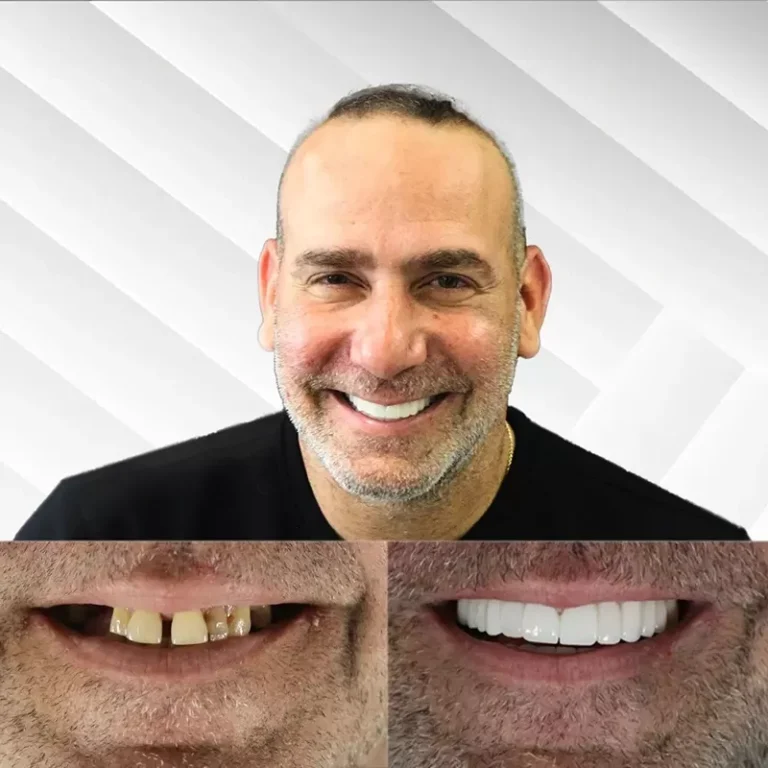
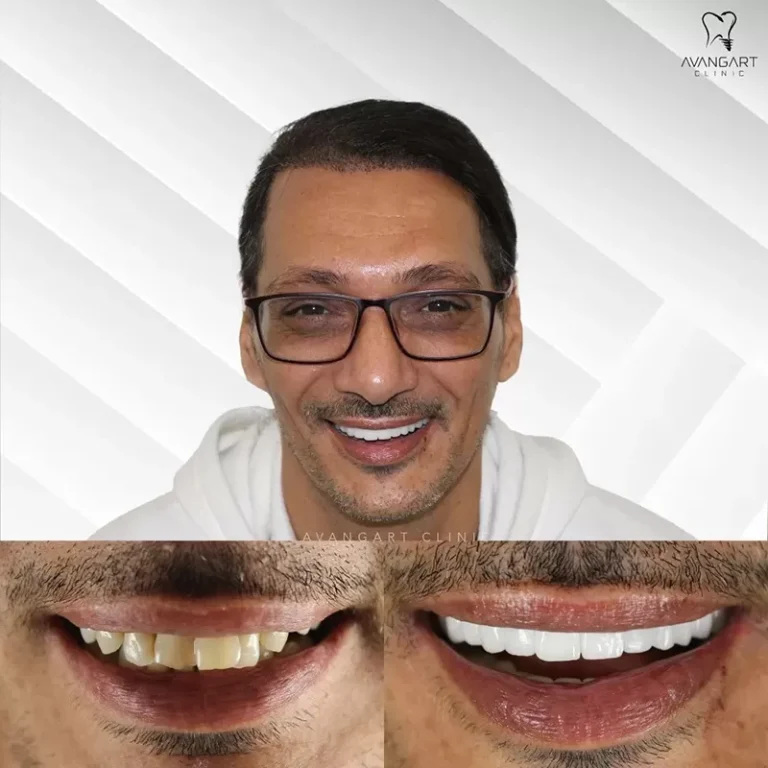
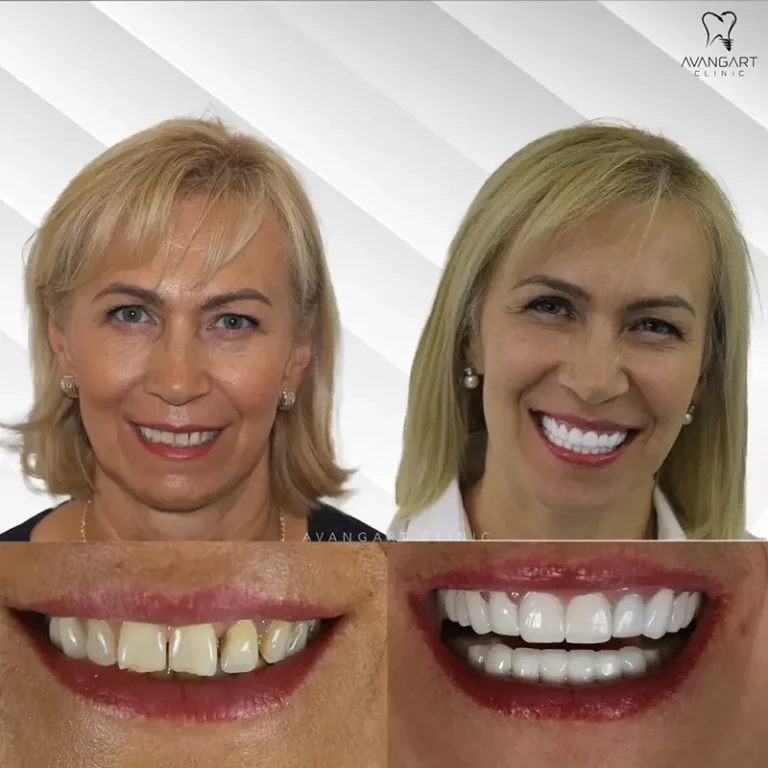
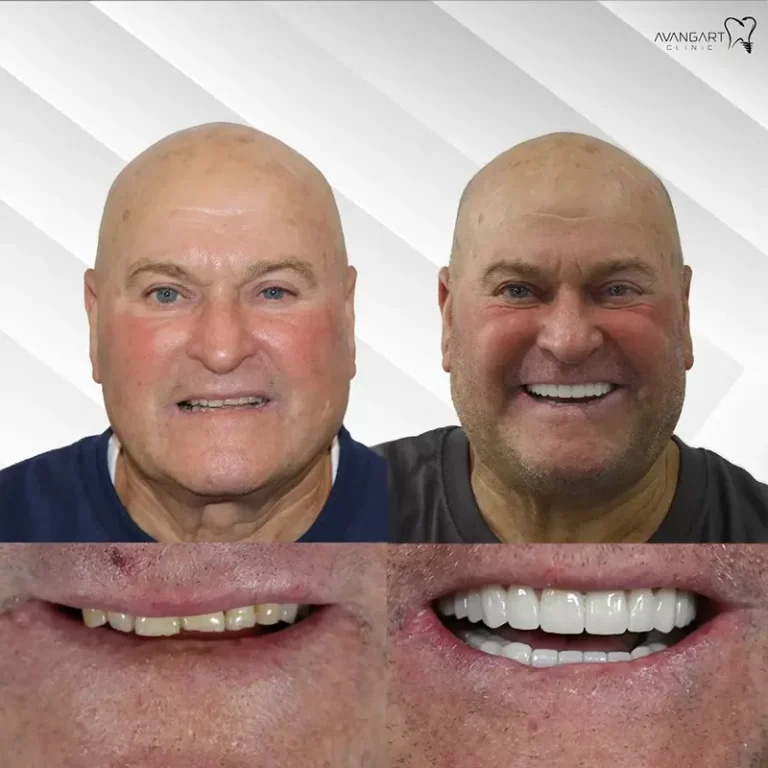
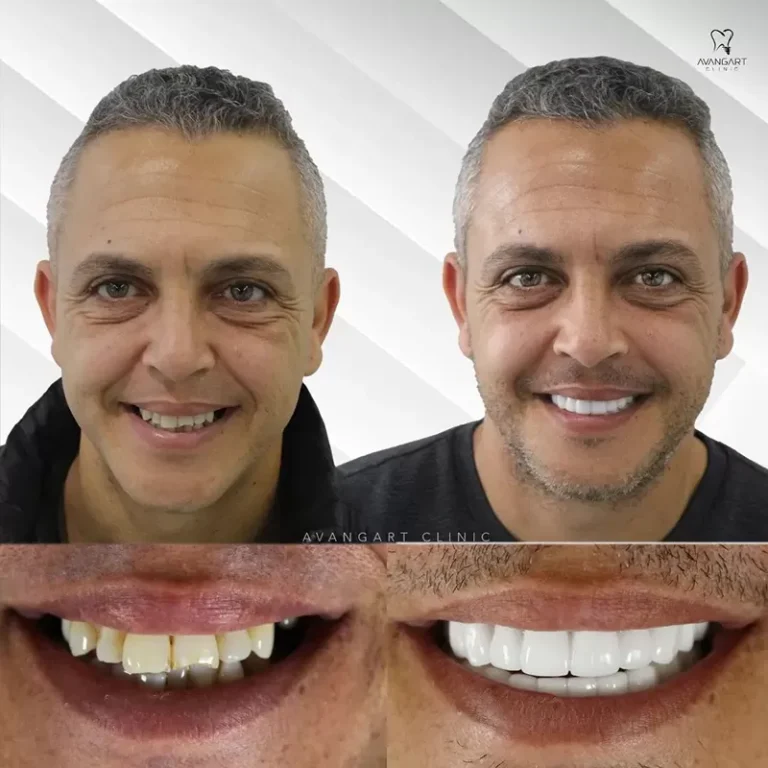
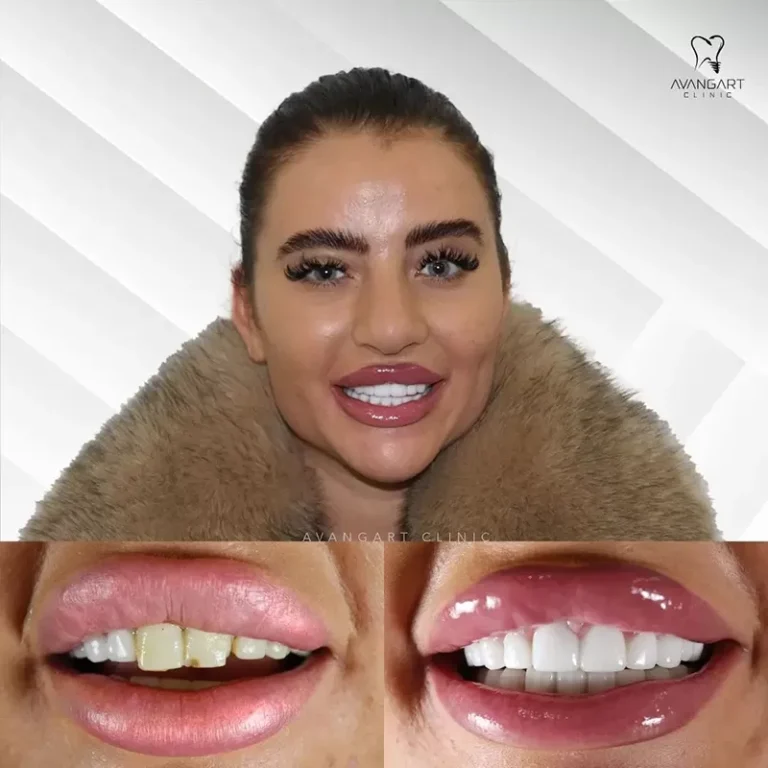
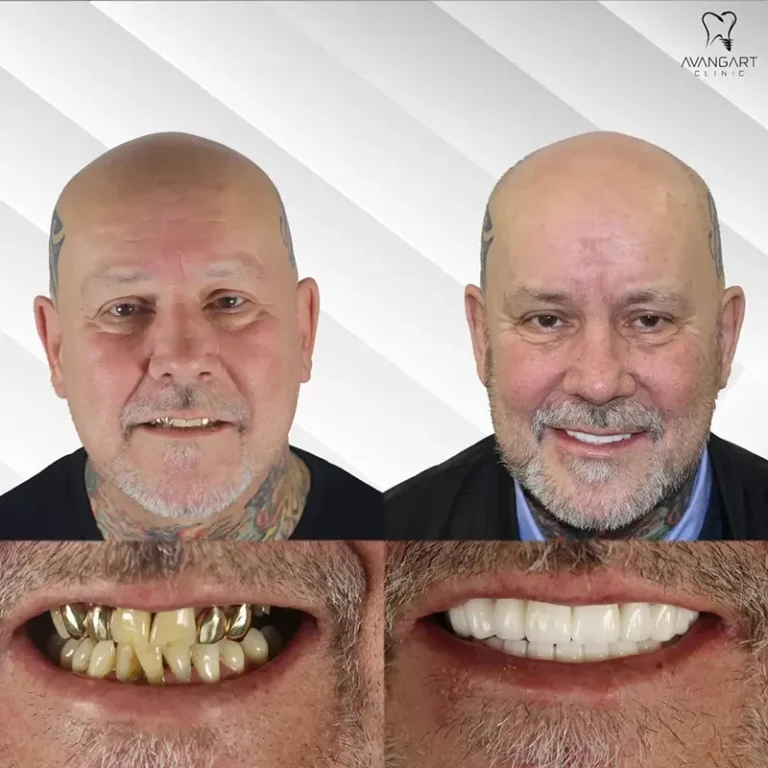
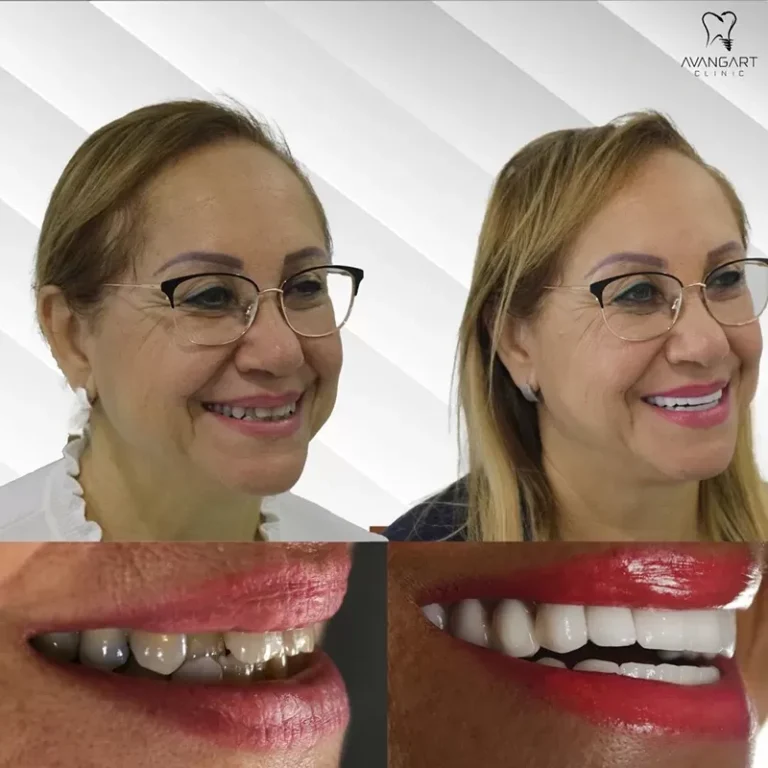
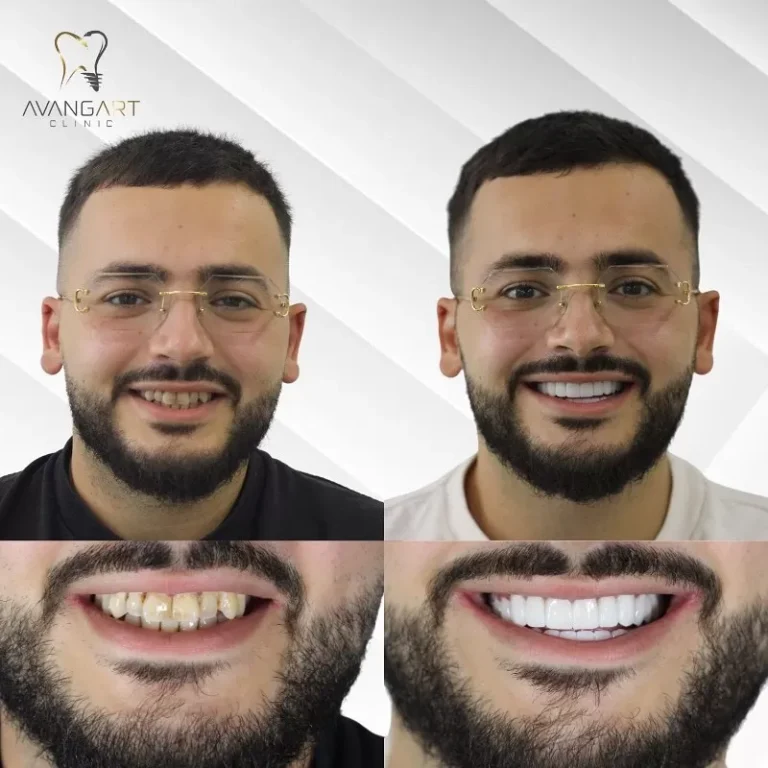
Before and After: Transformative Results with Avangart Clinic
We carry out all our dental treatments with care and strive to give your smile an elegant appearance.