Signs Of A Failed Gum Graft: How To Tell if It’s Failing Or Healing

Dr. Emrah YEŞİLYURT
Dr. Emrah Yeşilyurt is the Founder of Avangart Clinic. He combines advanced dental expertise with a genuine commitment to helping patients feel comfortable and informed about their oral health journey.
If you are checking your graft in the mirror several times a day and wondering whether something is wrong, you are not alone. After this type of surgery, normal healing can sometimes look quite different from what patients expect, which is why many people worry about gum graft failure earlier than necessary.
The challenge is that the early signs of a failed gum graft can seem similar to ordinary healing changes at first glance. A pale patch, tenderness, or a change in texture does not always mean the graft is failing, but some changes do need prompt professional attention.
In this guide, we’ll explain which changes are usually part of normal healing and what may be a sign that something is not progressing as it should. At Avangart Dental Clinic, we want you to feel informed, reassured, and clear about when a graft simply needs time — and when it is worth getting it checked.
What is Considered a Failed Gum Graft?
A gum graft is considered to have failed when the transplanted tissue does not integrate properly with the surrounding gums. For the graft to survive, it needs a healthy blood supply from the area around it. If that blood supply is lost, the tissue cannot stay alive or heal into place as it should.
One of the more obvious signs is when the graft starts to look like a large white patch that seems to have pulled away from the tooth. It sometimes looks as though the graft is slipping, peeling back, or hanging loose. When that happens, it can mean the tissue has lost its blood flow and is no longer viable.
A lot of patients describe this as gum graft rejection, even though that is not always what is actually happening. In many cases, the real problem is that the tissue has not kept its blood supply or has failed to integrate with the gum around it. If the graft looks detached or is hanging away from the tooth, it is important to have it checked by a periodontist as soon as possible, because the next step depends on how the area is healing.
Is My Gum Graft Failing or Just Healing Normally?
This is the point where many patients feel most unsure, because a healing graft can look quite alarming before it starts to look better. Not every colour or surface change means something has gone wrong, and some of the things people fear most are actually part of normal recovery.
One of the clearest ways to assess healing is to follow the typical timeline:
- Days 1–3: mild oozing, swelling, tenderness, and a tight feeling are all common. The area may look slightly uneven and feel more delicate than expected.
- Days 3–7: the graft may develop a white or yellowish surface layer. This is often normal surface sloughing (similar to a wet scab) and does not automatically mean the tissue is failing.
- By week 2: the area usually begins to look calmer, with less swelling and better colour blending. It may still feel sensitive, but it should start moving in the right direction rather than becoming more uncomfortable.
This is why a pale surface on its own is not enough to judge the outcome. Many patients worry when the graft still looks white after a few weeks, but appearance alone does not tell the full story. What matters more is whether the graft is gradually settling and maturing, or whether it looks more unstable and unhealthy as time goes on.
The same applies to discomfort. In the early healing phase, some pain after gum graft surgery is to be expected, particularly when eating, speaking, or cleaning the area. A more concerning pattern is when gum graft pain gets worse instead of slowly improving over the days that follow.
If you are worried about whether the graft is healing properly, try not to focus only on how it looks on a single day. The more useful question is whether it seems to be settling week by week. A graft that looks unusual but gradually becomes calmer is often healing normally, while one that looks more irritated, looser, or more uncomfortable over time should be assessed by a clinician.
Warning Signs of a Failed Gum Graft
Some changes after gum graft surgery are expected. Others are more concerning because they suggest the tissue is not stabilising as it should. These are some of the most important signs of a failed gum graft to watch for, especially when the area seems to be getting worse rather than gradually settling.
Graft Tissue Appears White, Gray, or Dead
A white surface does not always mean the graft is failing. A white surface does not always mean the graft is failing. In many cases, the outer layer looks pale or yellowish as part of the normal healing process. What matters is the overall pattern: whether the area is slowly improving or whether it starts to look dull, lifeless, and unhealthy.
The appearance becomes more concerning when the tissue turns grey, mushy, or stringy, or when it seems to peel away instead of blending in. That can suggest the graft is no longer receiving enough blood supply to stay viable. If a patient tells us, “It looks dead” or “It looks like wet tissue hanging off the tooth,” that is something we take seriously.
Persistent Bleeding or Severe Throbbing Pain
A little oozing in the very early stage can be normal, particularly in the first few days. What is less normal is bleeding that starts up again after those first few days, or bleeding that never seems to settle.
Pain also gives useful clues. General soreness and tenderness are expected after surgery, but a severe throbbing pain that feels sharper, deeper, or more intense with time can point to a problem. When pain stops following the usual pattern of healing and starts becoming more intense, the graft needs closer review.
Exposed Tooth Roots or Worsening Recession
A successful graft should begin protecting the vulnerable area it was placed to cover.
If the root (that was supposed to be protected by the graft) stays exposed, or if the tissue pulls back and reveals more of the tooth again, that can mean the graft has not attached properly.
Signs of Infection (Pus, Bad Odor, Fever)
An infected gum graft usually looks and feels different from ordinary post-operative irritation. The area may become more swollen, more tender, or more unpleasant instead of gradually calming down.
The clearest warning signs are yellow discharge, pus, a foul taste, a bad smell, or fever. Patients sometimes describe this as a strange taste that keeps returning, or fluid coming from the site when they swallow or move their mouth. These are not symptoms to monitor casually at home — they need prompt clinical attention.
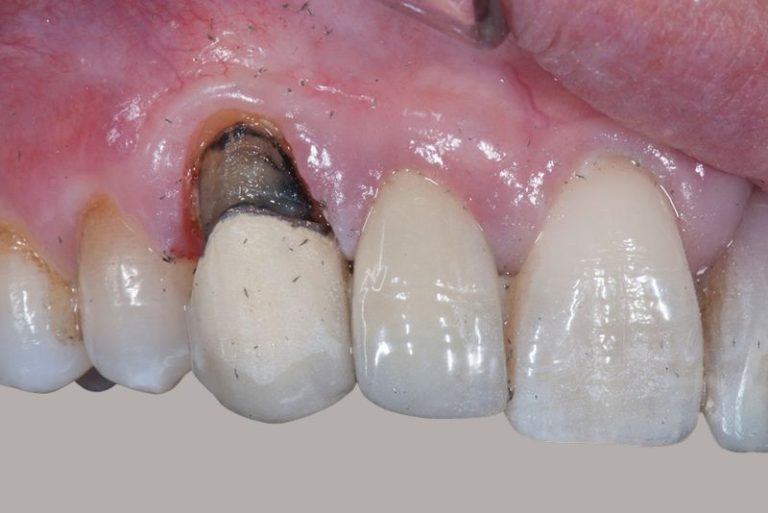
Visual Guide: Pictures of Failed Gum Grafts and What to Look For!

What Causes a Gum Graft to Fail?
In most cases, a gum graft does not fail because of one single dramatic event. It usually happens when the healing site is put under more stress than it can tolerate, or when the tissue does not receive the stable blood supply it needs in the first days of recovery.
The most common causes usually fall into four main groups:
- Mechanical stress during healing: a graft needs to stay still while it connects with the surrounding tissue. Brushing the area too soon, chewing on that side, eating hard or crunchy foods, pulling the lip to “have a look”, or even repeatedly touching the site with the tongue can disturb that early attachment. In some patients, clenching or grinding at night also places too much pressure on the area.
- Poor blood supply to the graft: healing depends on healthy circulation. Smoking and vaping can reduce blood flow to the surgical site, which makes it harder for the graft to survive. Thin gum tissue can also make healing less predictable, simply because the graft has less support around it from the beginning.
- Bacteria and uncontrolled inflammation: if plaque builds up around the site or the area is not kept clean in the way your clinician advised, bacteria can interfere with healing. A graft does not need a dramatic infection to struggle; sometimes, a constantly irritated healing environment is enough to prevent proper attachment.
- Surgical and anatomical factors: gum grafting is technique-sensitive. The position of the graft, the tension in the surrounding flap, the thickness of the tissue, and the shape of the recession defect all affect the result. Some areas are simply more demanding than others, especially where the tissue is very thin or the root surface is more prominent.
That is why two patients can follow the same aftercare instructions and still have very different healing experiences, particularly once they return home, where ongoing dental aftercare and follow-up adjustments continue to play an important role in recovery. The success of a graft depends on both what happens during the procedure and how protected the site remains afterwards.
What to Do If You Suspect a Failed Gum Graft
If you think your gum graft may be failing, try not to panic, but do not ignore it either. A struggling graft should be assessed quickly because early intervention can sometimes protect the area and prevent more tissue loss.
The way you look after the area over the next 24 hours can make a real difference. Try to keep the site as stable and undisturbed as possible until you can speak to your clinician.
- Call the clinic immediately. If you are one of our patients at Avangart Dental Clinic, contact us as soon as you notice a concerning change. If you are away from Istanbul, send clear photos if possible, so we can guide you on the urgency of the next step.
- Do not touch the graft. Do not press it with your finger, pull your lip to inspect it repeatedly, or try to move tissue back into place. Even small movements can make a fragile area worse.
- Stop brushing or flossing directly over the site unless you have been told otherwise. If the area looks unstable, avoid “testing” it while cleaning.
- Stick to cool, soft foods. Choose foods that do not require strong chewing, such as yoghurt, mashed vegetables, soup at a lukewarm temperature, or smoothies eaten with a spoon.
- Do not use a straw. Suction can disturb the healing area more than many patients realise.
- Chew on the opposite side. This reduces pressure and friction around the grafted tooth.
- Follow your prescribed rinse or medication plan exactly. Do not start using random mouthwashes or home remedies unless your dentist has advised them.
One practical mistake we often see is patients trying to “keep an eye on it” for a few extra days while continuing normal eating and cleaning. That delay can make a manageable problem more complicated. If the graft looks detached, feels increasingly uncomfortable, or seems obviously different from how it looked a day or two earlier, it is worth getting professional advice straight away.
Can a Failed Gum Graft Be Fixed?
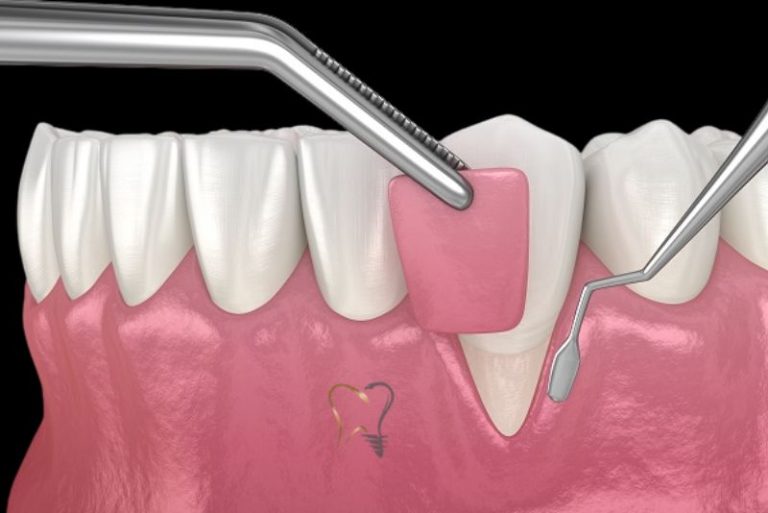
Yes, in many cases, a failed gum graft can be fixed. A problem with one graft does not automatically mean the area is beyond repair, and it does not mean you have lost your chance of protecting the tooth properly. What matters most is what the tissue looks like now, how much healthy gum remains, and whether the site needs time to settle before any further treatment.
In some cases, a periodontist can help a struggling graft early by protecting the area, adjusting the way it is healing, and reducing the stress on the site. In others, the best option is to let the tissue recover fully first and then plan a revision in a more controlled way.
When a second procedure is needed, it is usually planned after the area has healed and the tissue has matured, often over about 6 to 12 weeks. That healing window is important because revision surgery tends to be more predictable when swelling has settled, and the gum is healthier and more stable.
The right revision approach depends on the site, just as every restorative treatment requires careful planning before the final replacement tooth is fitted onto an implant Some patients do well with a Connective Tissue Graft using their own tissue, while others may be better suited to donor material such as Alloderm or another acellular dermal matrix. Similar personalised treatment planning is also essential when choosing the most suitable full-arch implant solution for long-term oral health. The choice is based on the thickness of the gum, the amount of root coverage needed, the condition of the surrounding tissue, and the overall treatment goal.
Many patients ask when it is too late for gum grafting after a failed result. In practice, it is rarely about being “too late” in absolute terms. It is more about whether the area is healthy enough for retreatment and whether the next graft can be planned under better conditions than the first.
At Avangart Dental Clinic, we see retreatment as a matter of careful planning, not simply repair. If a first graft has not succeeded, the aim is not simply to repeat the same procedure, but to understand why it failed and choose the technique that gives the site the best chance of long-term stability.
How to Minimize the Risk of Gum Graft Failure
No aftercare plan can reduce the risk to zero, but the way you look after the area in the first days and weeks makes a real difference. In our experience, the most successful recoveries are usually the ones where patients protect the site carefully and follow instructions closely, even when the gum starts to look “better” sooner than expected.
To minimise the risk of failure, focus on the basics and do them consistently:
- Do not smoke or vape. Nicotine can reduce blood flow to the healing tissue and make early attachment less predictable. Even a short break from smoking around the procedure can help, but longer is always better.
- Keep to a strict soft diet. Choose foods that are easy to swallow and do not require forceful chewing. Yoghurt, eggs, soft pasta, mashed vegetables, and smoothies eaten with a spoon are usually safer choices than crusty bread, nuts, crisps, or tough meat.
- Protect the graft site from unnecessary movement. The more stable the area stays, the better the conditions for healing. Avoid chewing directly on that side, pulling your lip to inspect the area, or pressing it with your tongue out of habit.
- Avoid strenuous exercise in the early healing phase. Heavy gym sessions, intense cardio, and activities that raise pressure in the body too quickly can increase swelling and disrupt the surgical area. Gentle rest is usually far more helpful than trying to return to normal too soon.
- Follow your cleaning instructions exactly. Good oral hygiene matters, but it has to be done in the right way and at the right time. Keep the rest of the mouth clean, and only clean around the graft exactly as your clinician has advised.
- Take all prescribed medication properly. If you have been given antibiotics, pain relief, or a medicated rinse, use them as directed and complete the course where needed. Stopping early or using them inconsistently can make healing less stable.
- Attend your follow-up appointments. Healing problems are often easier to manage when they are spotted early. A review visit is not just a formality — it gives your clinician the chance to check whether the graft is maturing as expected.
FAQs
Initial healing usually takes around 1 to 2 weeks, but full healing takes longer. In most cases, the tissue continues to strengthen, settle, and mature over 4 to 8 weeks, and sometimes longer, depending on the size of the graft and the area treated.
The clearest sign is that the graft stops looking like it is settling and starts looking more detached, unstable, or unhealthy over time. If the tissue pulls away from the tooth, the root remains exposed, or the area becomes increasingly painful or develops discharge, it should be assessed by a periodontist.
Do not try to push it back into place or remove anything yourself. Contact your clinic or periodontist as soon as possible, keep the area undisturbed, and stick to soft foods until you have been advised on the next step.
The area itself can heal, but a failed graft does not usually reattach or regrow on its own in the way patients hope. If the graft has been lost, the gum may recover to a stable point, but root coverage or gum thickness often needs further professional treatment.
Master Your Recovery with Avangart Clinic
If something about your gum graft feels off, trust that instinct and get it checked. Even when the problem turns out to be minor, having a specialist look at it can give you peace of mind and help you avoid unnecessary stress.
At Avangart Dental Clinic, Dr. Emrah YEŞİLYURT and our team understand how worrying recovery can feel when the area does not seem to be healing as expected. We are here to assess the site carefully, explain what we are seeing in clear terms, and guide you towards the right next step without delay.
If you would like us to review your healing, call +90 542 146 82 11 or book an appointment. Whether you are in Istanbul now or planning your visit from abroad for advanced implant treatment in Turkey we will help you move forward with clarity and confidence.
Before and After: Transformative Results with Avangart Clinic
We carry out all our dental treatments with care and strive to give your smile an elegant appearance.