
How Do Dental Implants Stay in Place?

Dr. Emrah YEŞİLYURT
Dr. Emrah Yeşilyurt is the Founder of Avangart Clinic. He combines advanced dental expertise with a genuine commitment to helping patients feel comfortable and informed about their oral health journey.
A dental implant does not simply sit in the mouth like a loose screw or a peg pushed into place. Once healing begins, the implant becomes part of the body through a biological process called osseointegration. That is the real reason it can feel stable when you eat, speak, and smile.
Many patients researching dental implants in Turkey ask whether an implant can move over time or fall out like a denture. A well-placed implant is designed to do something very different. A titanium post is placed into the jawbone, and over the following weeks and months, living bone cells begin attaching to its surface until the implant and bone function as one unit.
This process depends on much more than the implant itself. The quality of the jawbone, how securely the implant is placed during surgery, healthy blood supply, and proper healing all affect its long-term stability. The implant does not stay in place because it is forced there. It stays in place because the body accepts it, heals around it, and locks it into the bone naturally.
That is why proper planning matters so much before treatment begins. We look at bone support, gum health, bite pressure, and healing conditions before recommending an implant, because a stable result depends on each stage of treatment and healing. When each stage is handled properly, a dental implant can act like an artificial tooth root with strong and lasting support.
Disclaimer: The clinical information provided in this article is for educational purposes only and does not substitute for a personalized diagnostic consultation, 3D imaging assessment, or face-to-face evaluation by a qualified oral surgeon.
Understanding Dental Implants: The 3 Core Components
If you are considering getting a dental implant or dental implant replacement, it helps to know that an implant is not just one piece. It is made of three parts that work together. Only one of them is visible when you smile.
The Implant Post
This is the part your dentist places inside the jaw. It sits under the gum and takes the place of the missing root. You do not see it, but it is the base that keeps the new tooth secure.
The Abutment
This is a small connector that links the implant post under the gum to the tooth above it. It may be tiny, but it plays a big role because it holds the final tooth in place.
The Crown
This is the part you can see. It’s made to look like a natural tooth, so it fits in with the shape and colour of your smile. This is the part you bite and chew and talk with.
The Secret: What is Osseointegration?
Osseointegration is what makes a dental implant feel stable instead of loose. It is the natural healing process where your bone gradually bonds with the implant and helps keep it firmly in place.
A simple way to think of it is like a fixture becoming anchored in concrete as the material sets around it. First, the implant is newly placed. Then, as healing progresses, the bone gradually bonds to its surface and helps hold it firmly in place.
After the implant is placed, the bone begins to heal closely around the titanium surface. Because titanium is well accepted by the body, healing can happen in a stable and healthy way. Little by little, the implant becomes part of the jaw’s support system.
That is why the healing period matters so much. The implant is not just placed and left there. It needs time, good care, and the right conditions to settle properly and become strong enough to support the new tooth.
Primary vs. Secondary Stability (How the Implant Secures Over Time)
A dental implant becomes secure in two steps. It does not go from “just placed” to “fully healed” in one day. First, it needs a good grip on the bone. Then it needs time for the bone to heal tightly around it.
The first step is called primary stability. This is the firm hold the implant gets on the day of surgery. When the implant is placed into the bone, it should feel steady from the start. That early firmness helps protect it while the area begins to heal.
The second step is secondary stability. This is the stronger bond that develops over the next few months. As healing moves forward, the bone starts joining closely to the implant surface. That is what turns early stability into long-term support.
A simple way to think about it is this:
- Primary stability is the first grip
- Secondary stability is the lasting bond
Both matter. If the implant is not stable at the start, healing can be harder. If healing is interrupted later, the implant may not become as secure as it should. In some cases, bone grafting for dental implants may be needed first so the implant has enough support from day one.
There is also one detail many patients do not expect. Even a well-healed implant can run into problems if the final crown puts too much pressure in the wrong place. That is why good implant treatment is not only about placing the implant well. It is also about making sure the final tooth bites evenly and feels balanced over time.
Why Implant Shape and Material Matter
The way an implant is made has a lot to do with how well it holds over time. It is not just about putting something into the bone. The material has to suit the body, and the shape has to help the implant stay steady while healing takes place.
Most implants are made from titanium because the body usually accepts it very well. That matters more than people think. If the body did not respond well to the material, the bone would not heal around it in the way we want.
The shape also has a real purpose. Dental implants are made with tiny screw threads, and those threads help the implant grip the bone on the day it is placed. They also give the bone more area to heal against, which helps the implant become more secure as time goes on.
Think of the difference between a smooth peg and a threaded screw. A smooth surface has less to hold onto. A threaded design gives the bone more contact and more support during healing.
The surface of the implant is also prepared in a way that helps the bone settle onto it more easily. So when we talk about implant stability, we are not only talking about the dentist’s technique. We are also talking about smart design that gives healing the best chance to go well.
What Happens If You Don’t Have Enough Jawbone?
A dental implant requires sufficient healthy bone surrounding it to remain stable. If the jawbone is too thin, too soft, or has shrunk over time, the implant may not get the support it needs. In that situation, placing the implant straight away is often not the safest choice.
This usually happens when a tooth has been missing for a long time. Once the natural root is gone, the bone in that area can start to reduce little by little. So the real issue is not just the missing tooth. It is the missing support underneath it.
Bone grafting can help create the support an implant needs. A special grafting material is then placed in the area to act like a scaffold, giving your body a place to build new bone. Over time, this helps create a stronger base for the implant.
You may need a sinus lift on the upper back jaw. This is done when there is not enough bone height under the sinus area to hold an implant safely. It helps make room for more bone support before treatment goes ahead.
Some patients assume this means they need alternatives to Dental Implants in Turkey, but that is not always the case. In many situations, preparatory treatment makes implants possible and much more predictable. You can read more about this on our Bone Grafting service page.
What Can Make a Stable Implant Fail? (Risks & Aftercare)
A well-healed implant can last for many years, but it still needs the right care. Like a natural tooth, it can run into problems if healing is disturbed or the area is not kept clean. Implant success is not only about the surgery. It is also about what happens after.
Smoking is one of the biggest risks after implant treatment. Nicotine makes it harder for blood to reach the healing area, and that can slow down how well the bone and gums recover. This matters most in the first few months, when the implant is still settling and joining firmly with the bone.
Another common problem is putting too much pressure on the implant too soon. Biting hard foods on the healing side can create tiny movements before the implant has fully settled. That is why what you eat after dental implant surgery matters more than many patients realise.
Poor cleaning is another big reason implants fail later on. If plaque builds up around the implant, it can lead to peri-implantitis, which is an infection in the gums and bone around the implant. Over time, that infection can damage the bone support and make the implant loose.
To protect your implant, keep the routine simple and consistent:
- Brush and floss every day
- Go to your check-ups
- Avoid smoking during healing
- Avoid hard or crunchy foods for the first 2 weeks.
Satisfied Patient Reviews
EXCELLENTTrustindex verifies that the original source of the review is Google. Service impeccable. Je suis venue pour des implants. La prise en charge a été rapide et la douleur pendant et après l’opération a été à peine ressentie. Clinique très professionnelle et chirurgien expert. Personnel très accueillant, en particulier la Directrice. Recommande à tous ceux qui sont à la recherche de professionnels pour régler des problèmes dentaires Suis venue finaliser la pose des implants et des couronnes. Résultat impécable!Posted on GoogleTrustindex verifies that the original source of the review is Google. I visited from England and had a positive experience. I went for a Hollywood Smile look and couldn’t be happier with them. The clinic was very aesthetic & clean, the staff were very attentive and supportive & I high recommend them.Posted on GoogleTrustindex verifies that the original source of the review is Google. İmplantlarımı ve zirkyonyumlarımı yaptırdım 2 sene önce iyiki yaptırmışım çok memnunum doktorum emrah hoca işinde çok iyi birisi tüm çalışanlara çok teşekkür ediyorum güler yüzlü anlayışları için gülşah hanıma ayriyetten teşekkür ederim 🌹Posted on GoogleTrustindex verifies that the original source of the review is Google. Çok güzel ve güveninirPosted on GoogleTrustindex verifies that the original source of the review is Google. Friendly and approachable staff, above all I haven’t experienced any pain what so ever, it does truly shows core professionalism. Coming from Wolverhampton, UK and made implant surgery with sinuslifting Gedi JafarPosted on GoogleTrustindex verifies that the original source of the review is Google. Ik Marco, hebt mijn gebit laten doen bij Avangart.. En ben door lieve mensen goed ontvangen en behandeld.. Kliniek zeer hygienisch en goede apparatuur.. Deze kliniek zo ik zeker aanraden om je laten behandelen..😁Posted on GoogleTrustindex verifies that the original source of the review is Google. I traveled from the U.S. and had Avantgart Clinic positively transform my smile in a manner that I wouldn’t have conceived as being possible. Dr. Egemen, a true master in his field, was patient, considerate, and communicative throughout the process and his assistant, Sevim, was a real joy to work with. Together, the two of them combined to make the overall experience much greater than I could have ever hoped for, and the end result is a smile that is on par with the most glamorous of Hollywood stars. I am extremely satisfied and would highly recommend Avangart Clinic to anyone looking to enhance their smile at a great price and of the highest quality.Posted on GoogleTrustindex verifies that the original source of the review is Google. Herkes mükemmel ıscılık mükemmel teşekkür edıyorumPosted on GoogleTrustindex verifies that the original source of the review is Google. Emrah bey‘in diş konusundaki tecrübesi, güler yüzü ve uzmanlığı nedeniyle diş tedavilerim için her seferinde Avusturya‘dan İstanbul’a gelmekteyim. Diş kliniği de son teknolojik donanıma sahip güven verici muayenehaneler içermekte.Posted on GoogleTrustindex verifies that the original source of the review is Google. Güler yüzlü ekip, temiz ve modern bir klinik. Tedavi sürecim baştan sona çok profesyoneldi. Gönül rahatlığıyla tavsiye ederim.Verified by TrustindexTrustindex verified badge is the Universal Symbol of Trust. Only the greatest companies can get the verified badge who has a review score above 4.5, based on customer reviews over the past 12 months. Read more
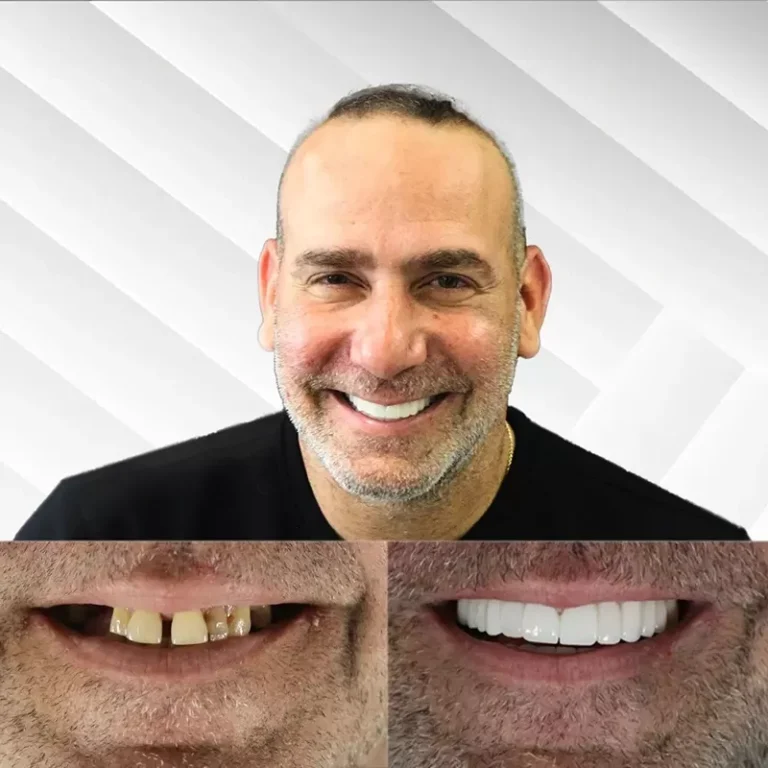
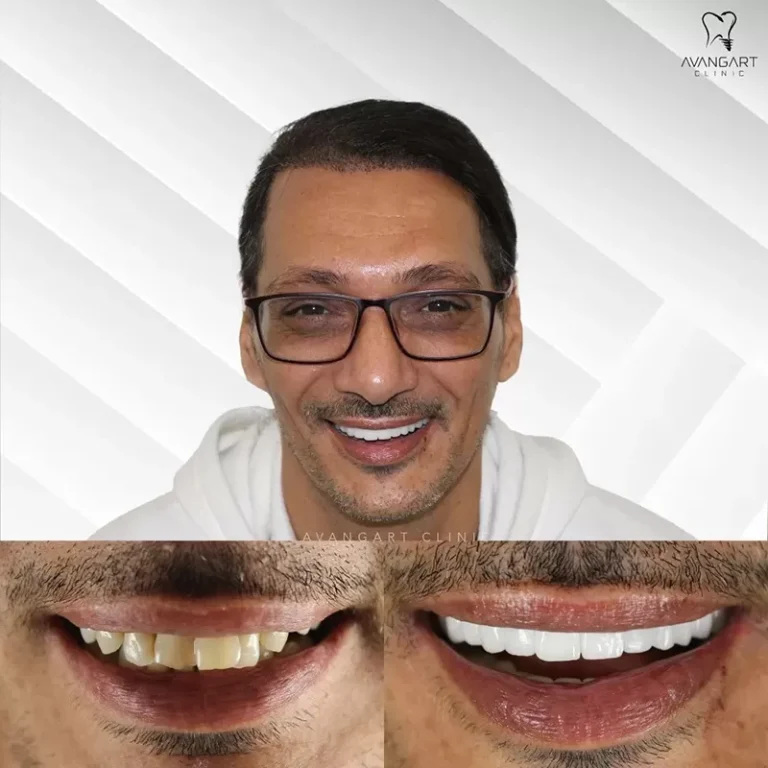
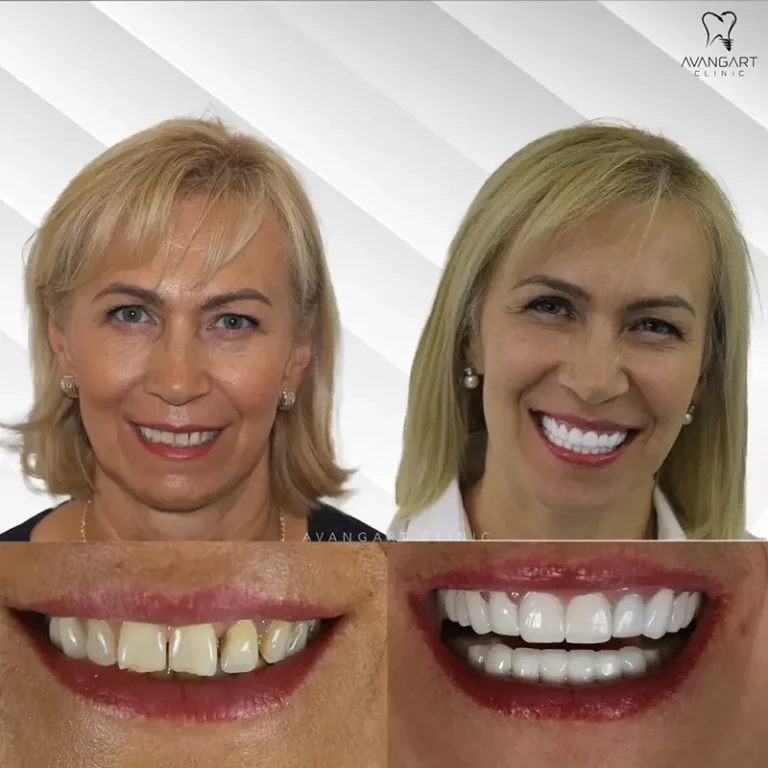
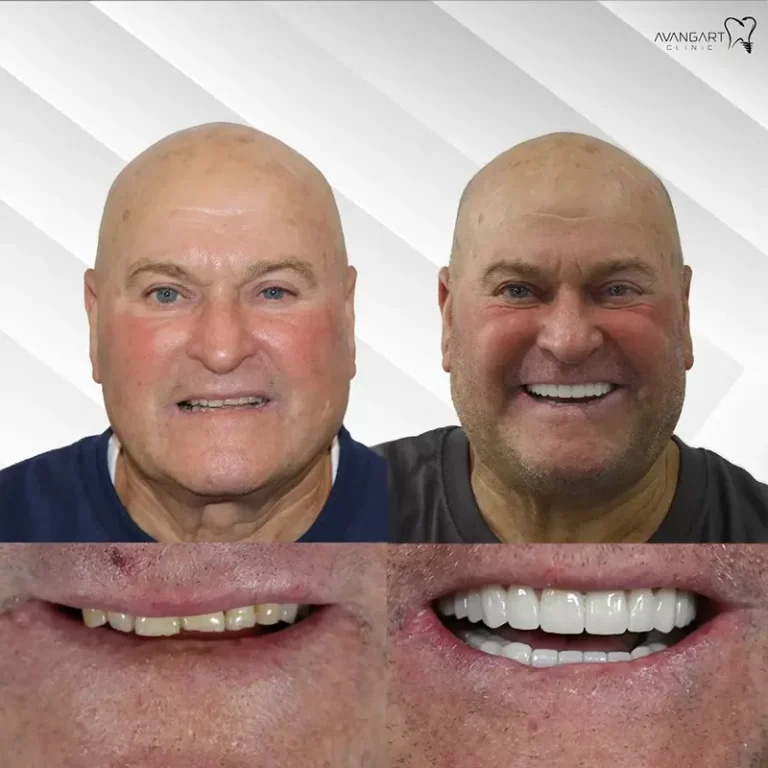
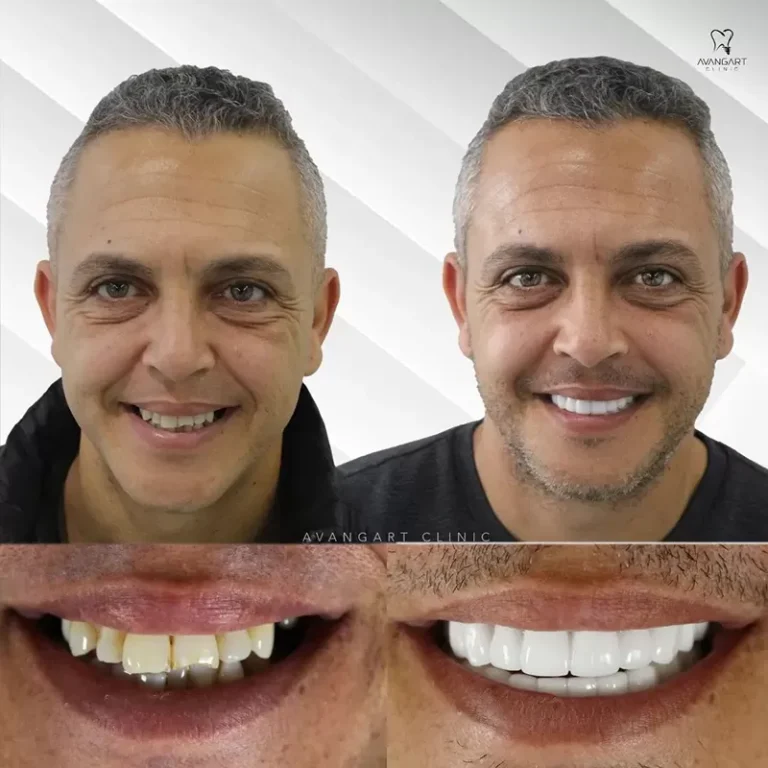
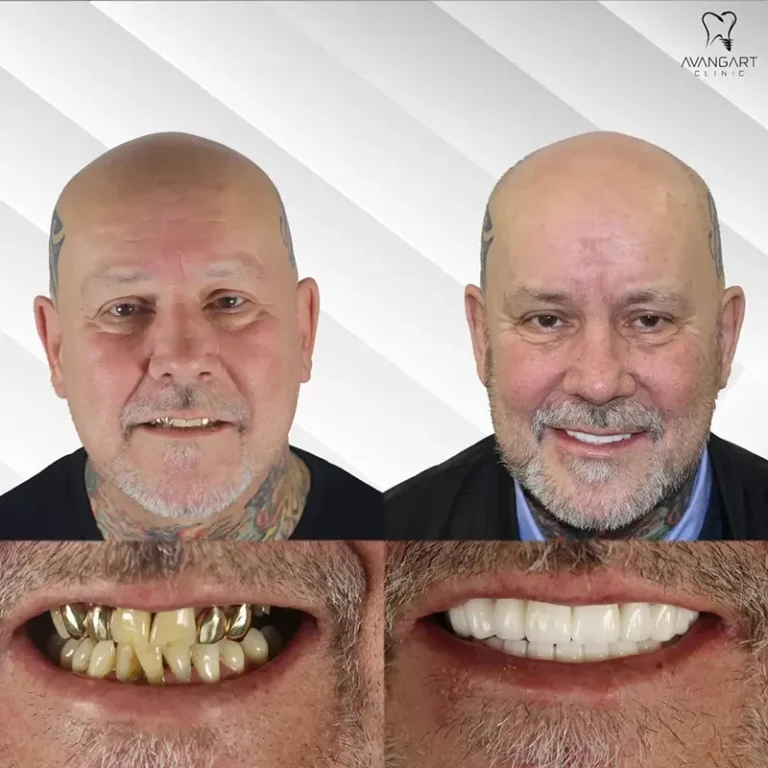
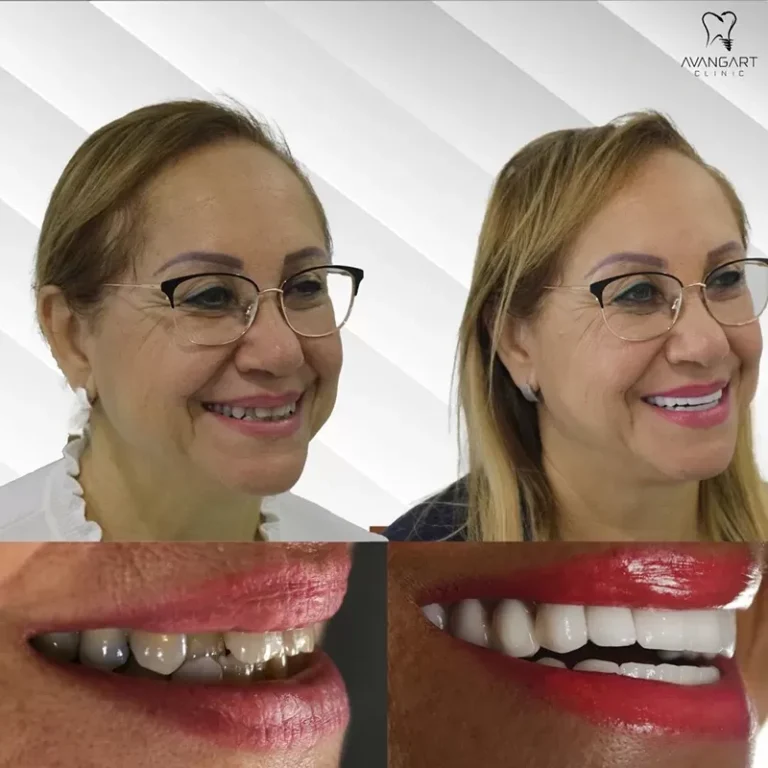
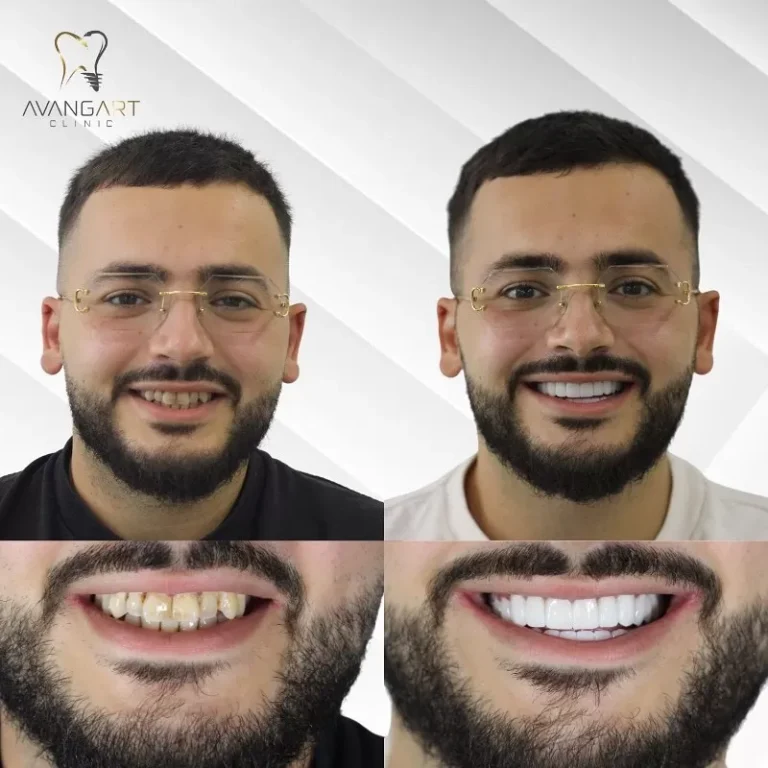
Before and After: Transformative Results with Avangart Clinic
We carry out all our dental treatments with care and strive to give your smile an elegant appearance.

Frequently Asked Questions
Yes, it can, but that is not something we expect when healing goes well. A dental implant is most at risk in the early stage, before the bone has fully bonded to it. Smoking, infection, poor cleaning, or biting too hard too soon can all cause problems.
For most people, the bone takes about 3 to 6 months to bond well with the implant. Some heal a little faster, and some need more time. It depends on the quality of your bones, the area treated, and how smoothly the healing period goes.
Once healing is complete, you should not notice the implant as a separate object. It should simply feel stable and comfortable, much like part of your natural bite.
Even when the final tooth has no visible screw, the implant itself stays in place the same way. The part inside the jaw heals into the bone over time. The “screwless” part usually refers to how the crown is attached, not how the implant is held.
Natural teeth stay in place because their roots sit in sockets within the jawbone and are attached by the periodontal ligament. These fibres act like a natural cushion and anchor, helping the tooth stay firm while still allowing very slight movement.
That depends on the type of tooth replacement. Implant teeth stay in because the implant bonds with the bone. A bridge stays in by attaching to nearby teeth. Dentures stay in with their shape, suction, and sometimes adhesive, so they work very differently from implants.
Secure Your Smile: Book Your Implant Consultation at Avangart Clinic
Getting a stable implant is not about rushing into treatment. It starts with taking a proper look at your bone, your bite, and the space where the implant will sit. That early planning makes a real difference to how secure and long-lasting the result can be.
At Avangart Dental Clinic Istanbul, we plan every case with care so the implant has the right support from day one. And if you are comparing implants with other tooth replacement options in Turkey, we will guide you through those choices honestly as well.
You can contact our team at +90 542 146 82 11 or contact@avangartclinic.com.