
7 Safer, Less Invasive Options Instead of Dental Implants

Dr. Emrah YEŞİLYURT
Dr. Emrah Yeşilyurt is the Founder of Avangart Clinic. He combines advanced dental expertise with a genuine commitment to helping patients feel comfortable and informed about their oral health journey.
Explore 7 Alternatives to Dental Implants
Losing a tooth can happen for many reasons, such as gum disease, an accident, or genetics. It is something people often deal with at some point in life. When it happens, you may start looking for a safe and lasting way to restore your smile.
The American Academy of Implant Dentistry, estimates that over 150 million people are missing at least one tooth, yet only around 1 million seek treatment each year. That gap matters because missing teeth can affect daily comfort and confidence. It also suggests that many people delay care, even though treatment could significantly improve their comfort and confidence.
A missing tooth is not only a cosmetic issue. It can change how you speak and how well you chew, which can make meals less enjoyable and harder to digest. Over time, it can also put extra strain on the remaining teeth.
For years, dentures were the best-known dental implant replacement for missing teeth. Now dental implants are widely used, where a titanium post is placed in the jaw to act like a new root, then a crown or bridge is attached on top. Many dentists rate implants highly, but they are not the right fit for everyone. For many people, there are options beyond extraction and implants that can still restore comfort, function, and confidence.
If you are comparing implant alternatives and considering a tooth implant alternative, you are not alone. In this guide, we will look at several options and answer common questions, such as what else is available besides dental implants and which option will best meet your needs. We will also go over how a skilled dentist can help you plan treatment that is right for you.
Satisfied Patient Reviews
EXCELLENTTrustindex verifies that the original source of the review is Google. Service impeccable. Je suis venue pour des implants. La prise en charge a été rapide et la douleur pendant et après l’opération a été à peine ressentie. Clinique très professionnelle et chirurgien expert. Personnel très accueillant, en particulier la Directrice. Recommande à tous ceux qui sont à la recherche de professionnels pour régler des problèmes dentaires Suis venue finaliser la pose des implants et des couronnes. Résultat impécable!Posted on GoogleTrustindex verifies that the original source of the review is Google. I visited from England and had a positive experience. I went for a Hollywood Smile look and couldn’t be happier with them. The clinic was very aesthetic & clean, the staff were very attentive and supportive & I high recommend them.Posted on GoogleTrustindex verifies that the original source of the review is Google. İmplantlarımı ve zirkyonyumlarımı yaptırdım 2 sene önce iyiki yaptırmışım çok memnunum doktorum emrah hoca işinde çok iyi birisi tüm çalışanlara çok teşekkür ediyorum güler yüzlü anlayışları için gülşah hanıma ayriyetten teşekkür ederim 🌹Posted on GoogleTrustindex verifies that the original source of the review is Google. Çok güzel ve güveninirPosted on GoogleTrustindex verifies that the original source of the review is Google. Friendly and approachable staff, above all I haven’t experienced any pain what so ever, it does truly shows core professionalism. Coming from Wolverhampton, UK and made implant surgery with sinuslifting Gedi JafarPosted on GoogleTrustindex verifies that the original source of the review is Google. Ik Marco, hebt mijn gebit laten doen bij Avangart.. En ben door lieve mensen goed ontvangen en behandeld.. Kliniek zeer hygienisch en goede apparatuur.. Deze kliniek zo ik zeker aanraden om je laten behandelen..😁Posted on GoogleTrustindex verifies that the original source of the review is Google. I traveled from the U.S. and had Avantgart Clinic positively transform my smile in a manner that I wouldn’t have conceived as being possible. Dr. Egemen, a true master in his field, was patient, considerate, and communicative throughout the process and his assistant, Sevim, was a real joy to work with. Together, the two of them combined to make the overall experience much greater than I could have ever hoped for, and the end result is a smile that is on par with the most glamorous of Hollywood stars. I am extremely satisfied and would highly recommend Avangart Clinic to anyone looking to enhance their smile at a great price and of the highest quality.Posted on GoogleTrustindex verifies that the original source of the review is Google. Herkes mükemmel ıscılık mükemmel teşekkür edıyorumPosted on GoogleTrustindex verifies that the original source of the review is Google. Emrah bey‘in diş konusundaki tecrübesi, güler yüzü ve uzmanlığı nedeniyle diş tedavilerim için her seferinde Avusturya‘dan İstanbul’a gelmekteyim. Diş kliniği de son teknolojik donanıma sahip güven verici muayenehaneler içermekte.Posted on GoogleTrustindex verifies that the original source of the review is Google. Güler yüzlü ekip, temiz ve modern bir klinik. Tedavi sürecim baştan sona çok profesyoneldi. Gönül rahatlığıyla tavsiye ederim.Verified by TrustindexTrustindex verified badge is the Universal Symbol of Trust. Only the greatest companies can get the verified badge who has a review score above 4.5, based on customer reviews over the past 12 months. Read more
What Can You Choose Instead of Dental Implants?
These are common replacement options after extraction, especially when you want to avoid surgery.
Option 1: Dental Bridges
If you want a straightforward implant alternative, dental bridges are often one of the first options a dentist will talk you through. A bridge does what the name suggests and fills the space left by a missing tooth, so your smile looks more even, and you can chew and speak with more confidence. It does this without placing a post into the jaw.
In many cases, the bridge is held in place by two crowns that fit over the teeth on either side of the gap, with a fake tooth fixed between them. Some people may be better suited to resin-bonded bridges, while others may require an implant-supported bridge for added stability. Bridges are usually simpler and less invasive than implants, but they can be less suitable if you are missing several teeth across different parts of your mouth.
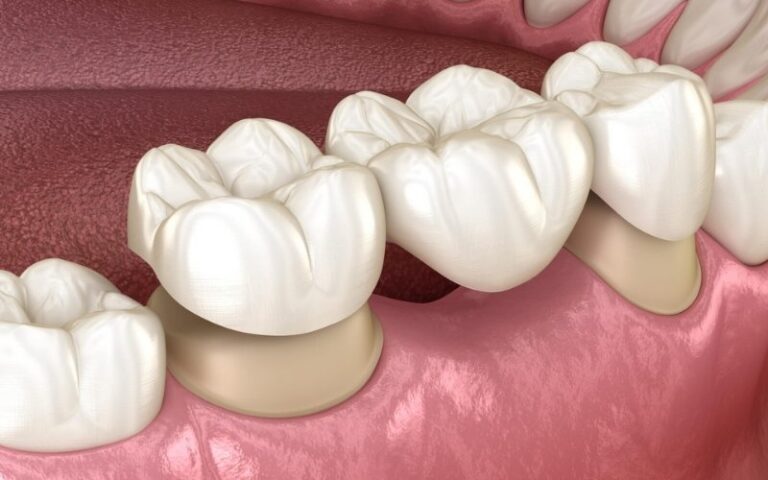
Types of Dental Bridges Explained
Dental bridges come in a few forms, and your dentist will usually suggest one based on the teeth you still have, your bite, and your budget. They are popular tooth implant alternatives because they can replace a missing tooth without placing a post in the jaw. For many people, a bridge feels like a practical alternative to dental implant treatment when surgery is not appealing.
Classic bridge:
A classic bridge is the most familiar type and works well when the teeth on either side of the gap are healthy enough to support it. Your dentist makes crowns for those supporting teeth and fixes an artificial tooth between them, so the space is filled. Once the bridge is fitted, it looks natural and helps you chew more comfortably.
Maryland bridge:
A Maryland bridge is often chosen when you want to keep the neighbouring teeth as untouched as possible. The false tooth has small wings that are attached to the back of the neighboring teeth with a strong dental adhesive, which usually means no injection is needed. Many clinics can fit it quite quickly, often within five days from the first visit to placement.
Resin-bonded bridge:
A resin-bonded bridge also aims to be gentle on nearby teeth, making it a good alternative to implants for missing teeth in the right case. Instead of full crowns, a special resin is placed behind the neighbouring teeth to hold the false tooth firmly in place. Because it is less invasive, it may also be possible to reverse it if your treatment plan changes later.
Advantages and Drawbacks of Dental Bridges
Advantages:
For many people, dental bridges feel like a sensible alternative for dental implants when they want a fixed tooth replacement without surgery. It can also help you avoid grafting with other solutions that may be suggested before implants. For many patients, a fixed bridge can also offer better stability compared to dentures during meals and conversation. A good bridge can make your smile look better and make it easier to chew and talk.
Drawbacks:
A bridge often needs the teeth beside the gap to be shaped for crowns, which means removing a small amount of enamel. Bridges also tend to wear out sooner than implants, and many need to be replaced after around 10 to 15 years. Daily cleaning is important because plaque can build up around the bridge and lead to decay or gum problems if it is missed.
Option 2: Dentures
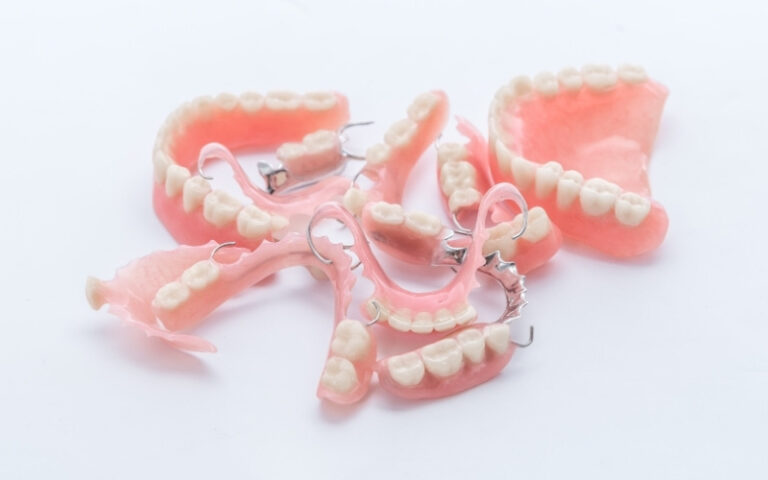
Dentures are one of the most realistic prosthetic options other than dental implants for many people, especially if they want to avoid surgery. They are removable false teeth that can replace an entire row of teeth or just a few gaps, allowing you to smile, eat, and talk with greater confidence. When they fit well, they can appear natural and feel like a big step back to normal.
Dentures can be full or partial sets and are usually made of plastic, metal, ceramic, or a mix of these. They are designed to replace missing human teeth and restore daily function. You can take them out to clean them, which many people find easy once they establish a routine.
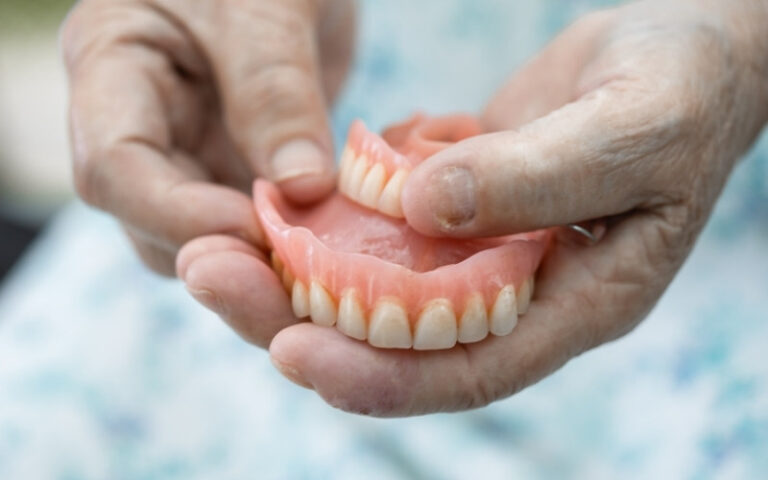
Full vs Partial Dentures – What’s the Difference?
Full dentures:
Full dentures are for times when you have lost all the teeth in your upper jaw, lower jaw, or both. They are a removable set of artificial teeth attached to a base that sits over your gums, typically made of acrylic and occasionally reinforced with metal. Because they can restore the appearance of a full smile and make eating and speaking more comfortable, many people view them as a cheaper alternative to dental implants.
Partial dentures:
Partial dentures are used when you have some natural teeth but want to fill a few gaps. The false teeth are fixed to a metal or acrylic frame that clips onto your existing teeth and rests on the gums. This helps the denture stay in place, and it also supports your remaining teeth so they are less likely to shift over time.
Weighing the Pros and Cons of Dentures
Pros:
Dentures are typically less expensive than implants, making them a popular choice. They are also non-invasive, which is ideal for people who do not want or are unable to undergo surgery. As an alternative dental implants, they can quickly improve your smile and can be adjusted as your mouth changes.
Cons:
Dentures may require periodic refitting to maintain comfort, especially if your gums change shape. When you first start wearing them, they may affect your speech, cause minor sore spots, or show slightly at the gum line until you get used to the fit. You must also remove and clean them on a daily basis to maintain good oral hygiene and fresh breath.
Option 3: Flippers – A Short-Term Replacement Option
When people ask if there is another way to replace a missing tooth, a flipper can be an unexpected option. It is a small, removable false tooth that functions similarly to a denture, but is designed to fill only one gap. Most flippers are made of acrylic and are designed to look natural when you smile.
A flipper is typically used as a temporary solution while you wait for a more permanent treatment. It can often be made quickly, and it tends to cost less than many other options. Because it is not built to last for years, it usually needs to be replaced later with something more permanent, such as a bridge or an implant.
Alternative Based on Prevention: Treating Gum Disease
Gum disease can quietly damage your mouth, and it often gets worse if it is ignored. Over time, it can lead to sore, bleeding gums, weakened enamel, decay, and even tooth loss. When you are looking at other options besides dental implants, treating gum disease is sometimes the most important first step.
The goal is to stop the infection, protect the remaining teeth, and strengthen the gums and bone to support future care. If you can keep more of your natural teeth, you may have more choices later, including restorative options like bridges or partial dentures. Good gum health also makes it easier to predict how treatments will work in the future because the tissues that support them are stronger.
Scaling and root planing is a deep cleaning procedure that doesn’t involve surgery and is commonly used to treat gum disease. Your dentist or hygienist removes plaque and hardened tartar from above and below the gum line before smoothing the roots to allow the gums to settle and heal. Many people notice less bleeding and better breath once their gums start to heal.
If gum disease has advanced, periodontal surgery may be necessary to remove infected tissue and reduce deep pockets around the teeth. This promotes gum reattachment and makes daily cleaning easier, lowering the likelihood of flare-ups. In some cases, the dentist may reshape the gums to create a better fit.
Gum grafting can help with receding gums by restoring lost tissue and protecting exposed roots. The dentist removes a small amount of tissue from another part of the mouth, usually the roof, and places it where support is required. This can increase comfort, reduce sensitivity, and make the gum line appear more uniform.
Other Dental Procedures That May Replace Implants
Root Canal Therapy as a Restoration Option
If your tooth can still be saved, root canal therapy may be an option to restore it instead of pulling it out. The dentist removes infected or dying tissue from the inside of the tooth before cleaning and sealing the root. A crown is usually placed on top to protect the tooth and help it work properly again.
In many dental clinics, this treatment can cost less than an implant and is often finished in two visits. The main drawback is that it may not last forever. Even with a crown, the tooth can weaken over time and may need further treatment or replacement later on.
Customised Treatment Plans for Tooth Replacement
Tooth replacement is not one size fits all, so many dentists will build a plan according to your mouth, your budget, and your long-term goals. In some cases, you may not require an implant at all, particularly if the tooth is damaged rather than missing.
Depending on your needs, your dentist may suggest composite bonding, porcelain veneers, or full-mouth restoration. Taking these steps can improve the appearance and function of your teeth, as well as your overall oral health. A good dentist will tell you the pros and cons of each option so you can make an informed decision.
Is Doing Nothing an Option After Tooth Loss?
It is normal to wonder if you can just leave a space after losing a tooth. People might not go to the dentist because they are worried about the cost, are afraid of going to the dentist, or are too busy. Still, it is helpful to know what could happen if you do not do anything.
If tooth problems like decay or infection are ignored, they can get worse and become very painful. What starts as mild discomfort can turn into swelling, repeated flare-ups, and sometimes even require an emergency appointment. When treatment is delayed, it often becomes more complex, which can also make it more expensive.
If you do not replace a missing tooth, the rest of your mouth will slowly change over time. Teeth that are close by may move into the space, which can change your bite and how your teeth touch when you chew. Over time, the gums and jawbone in that area can shrink because they no longer receive the natural pressure and stimulation they were designed for.
These changes can make future treatment harder, especially if you decide later that you want a bridge, denture, or implant. Fixing bite issues or bone loss may involve extra steps and sometimes more invasive procedures. If you are unsure what to do, a quick check-up can give you clear options and help you avoid bigger problems down the line.
Discuss Dental Implant Alternatives With Our Team
If you are not sure which dental implant alternative is right for you, our team at Avangart Dental Clinic is here to help. We will listen to what you want, check your teeth and gums, and explain your options in a clear, friendly way.
Give us a call on +90 542 146 82 11 to book a consultation. We will help you move forward with a plan that feels right for you.
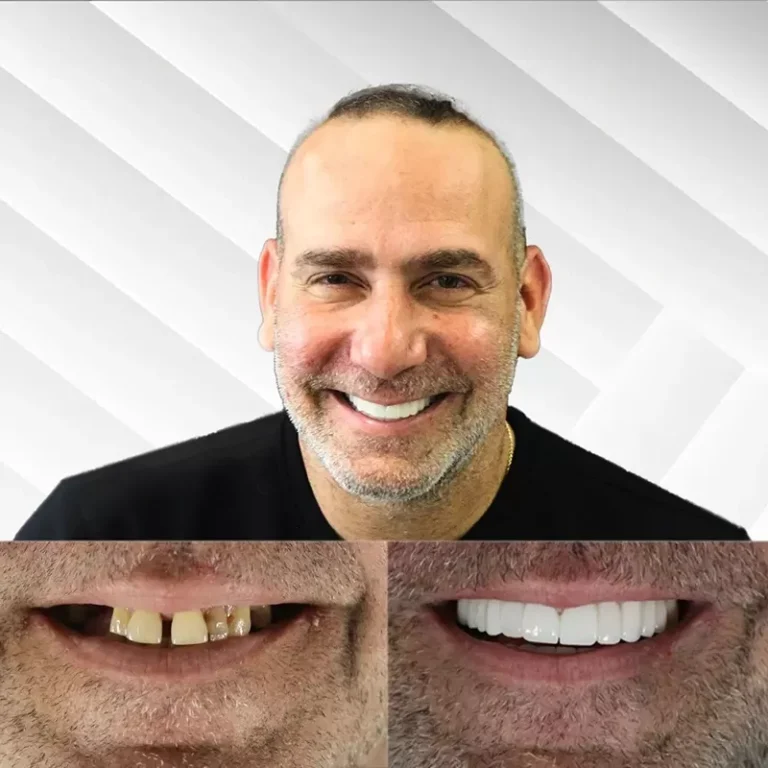
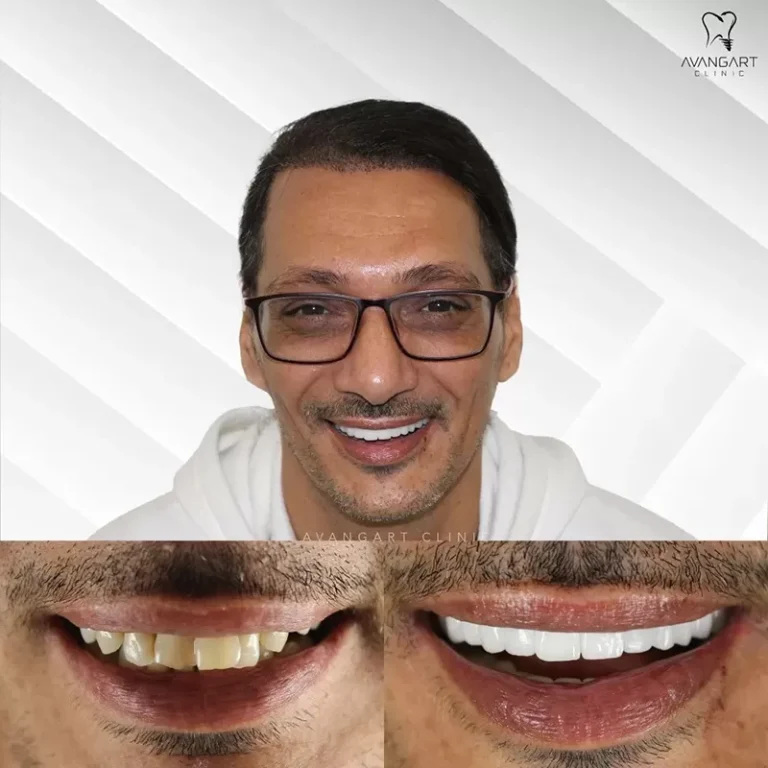
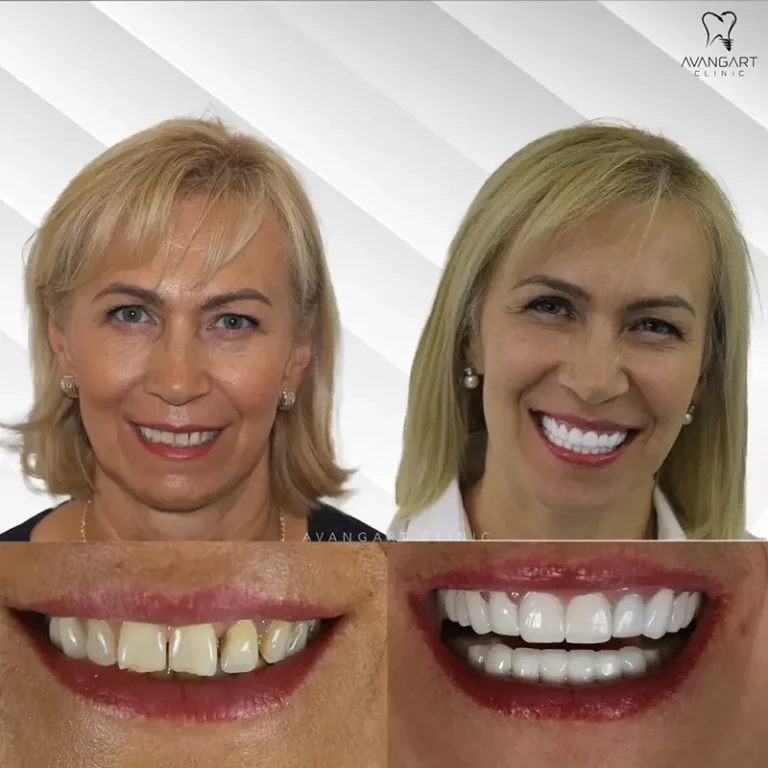
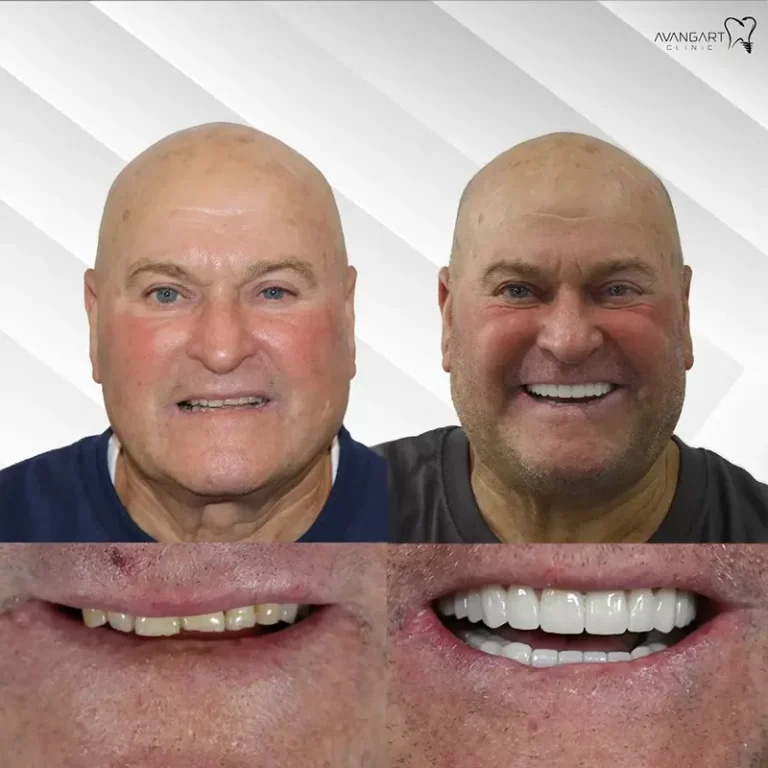
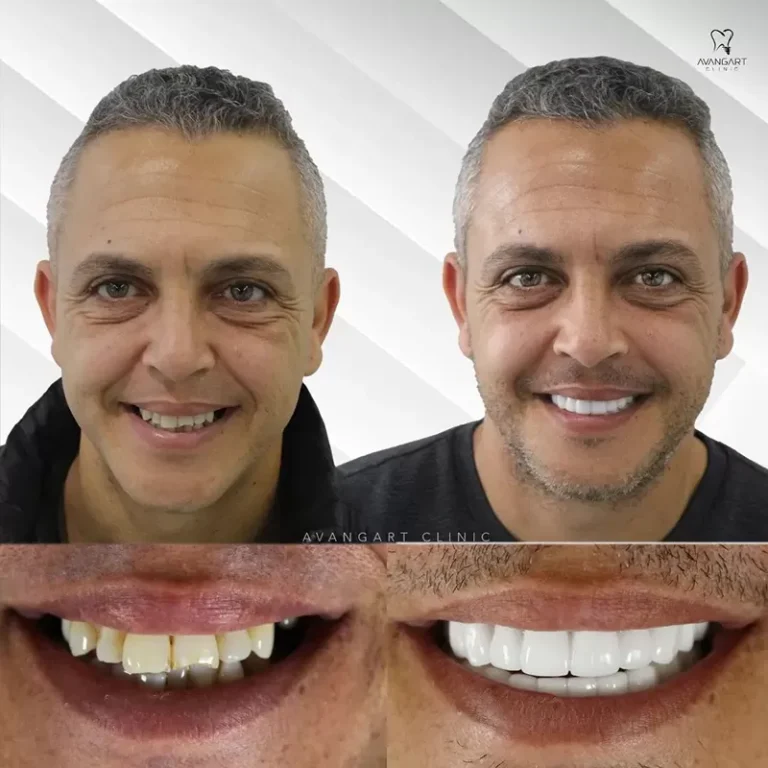
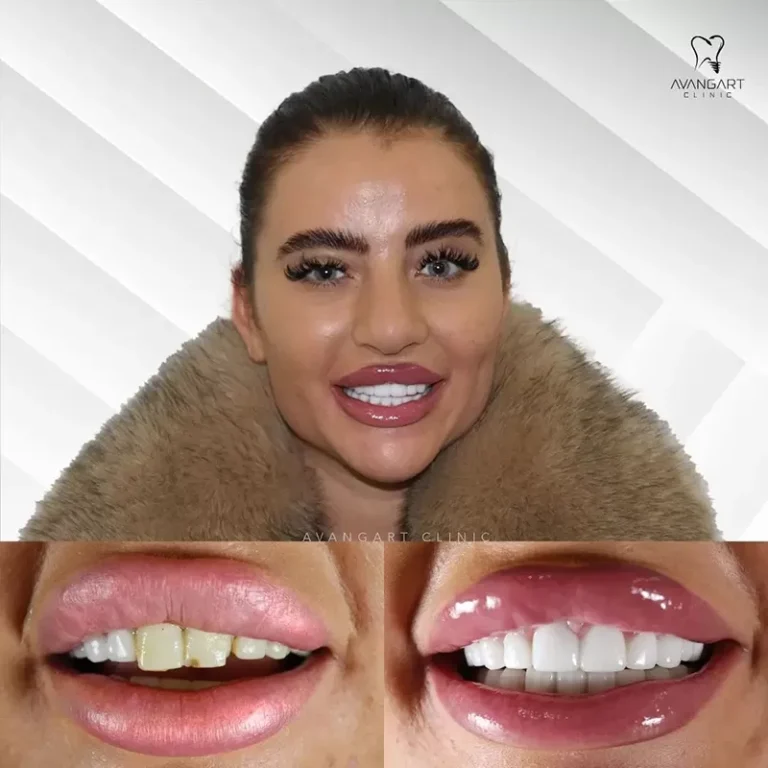
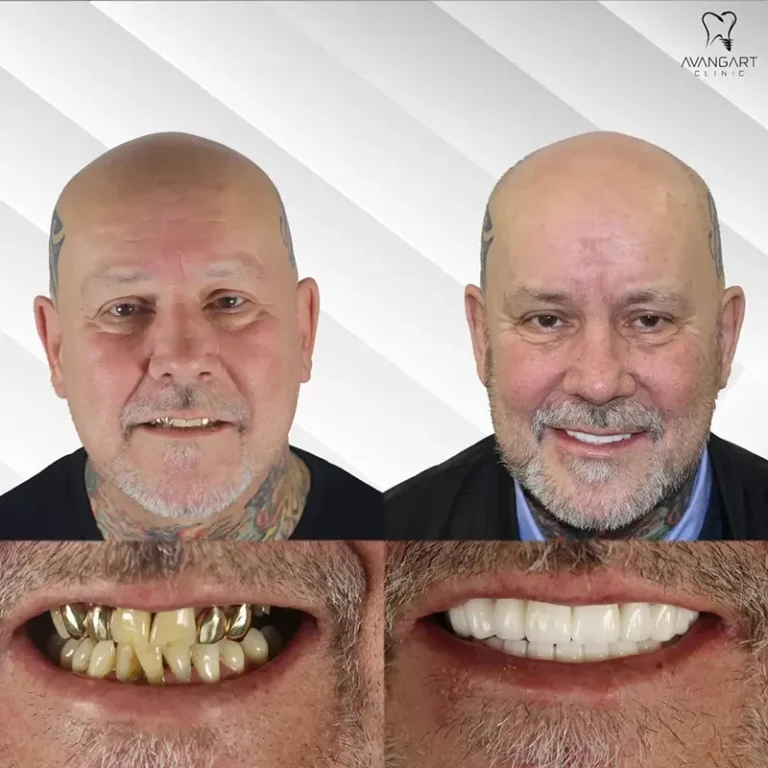
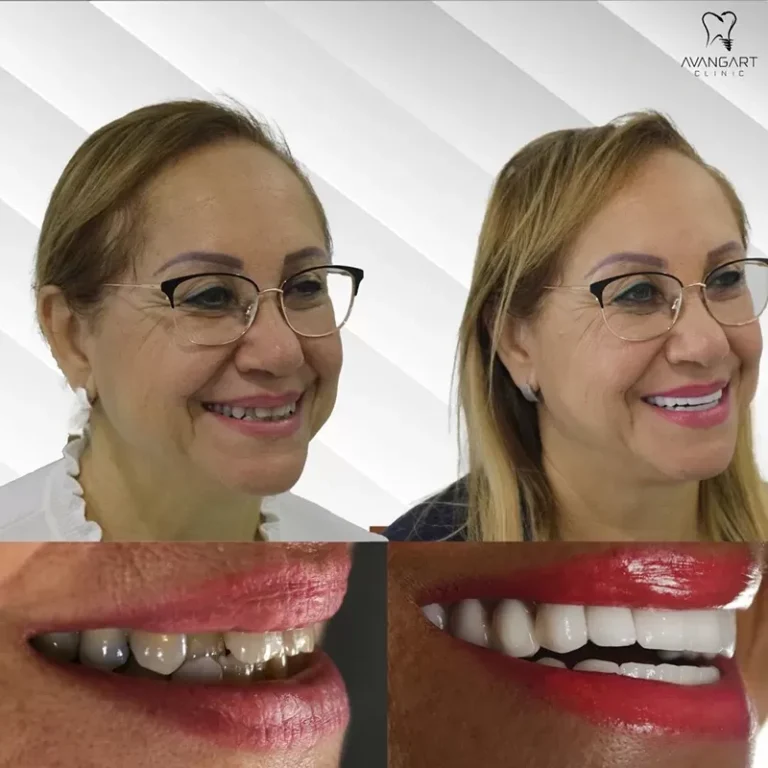
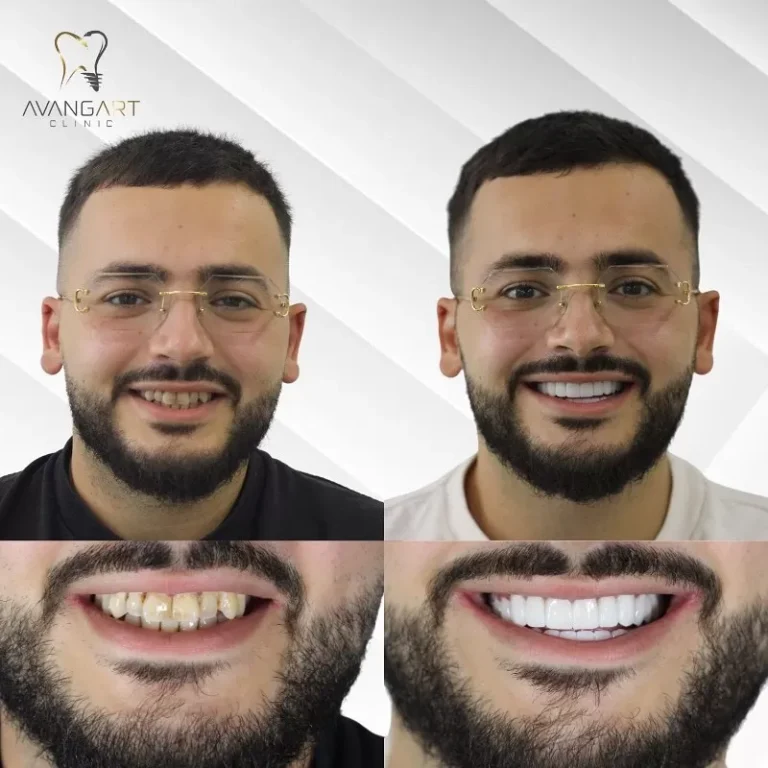
Before and After: Transformative Results with Avangart Clinic
We carry out all our dental treatments with care and strive to give your smile an elegant appearance.
FAQs
It all depends on your mouth, your budget, and your attitude towards surgery. For some people, a bridge or well-fitted dentures may be a better option because treatment is simpler and faster. A dentist can explain which option is likely to work well for you.
That is completely fine, and you still have choices. Dentures, bridges, and short-term options like a flipper can replace missing teeth without implant surgery. The best next step is a check-up, so you can pick an option that feels comfortable and fits your needs.
Implants can be expensive, so it's a good idea to ask for a written treatment plan and talk about options like staged treatment, payment plans, or financing. Some people reduce costs by addressing the most urgent areas first or by opting for a bridge or dentures instead. A dentist can help you understand the best options that provide the most value for your needs.
For many people with no teeth, full dentures are the simplest and most affordable option. If you want more stability, an implant-retained denture may be an option later, depending on your gum and bone health. A dentist can advise what will fit well and feel comfortable in your everyday life.