Freddie Mercury’s Teeth: The Truth Behind His Iconic Smile
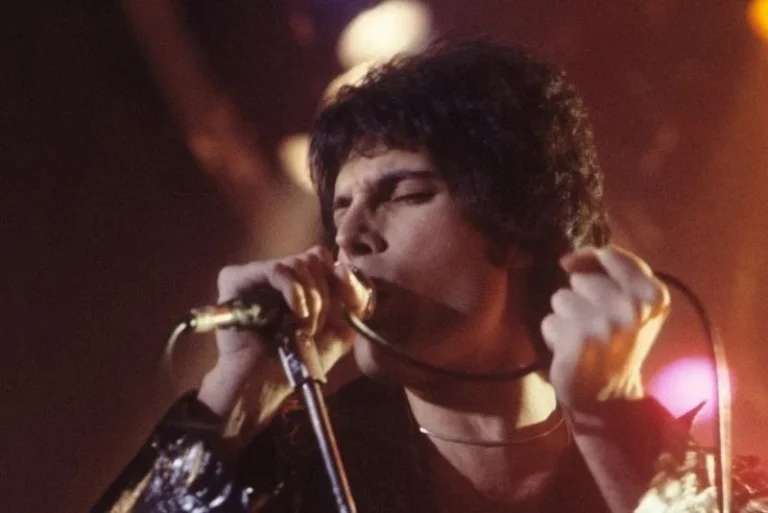
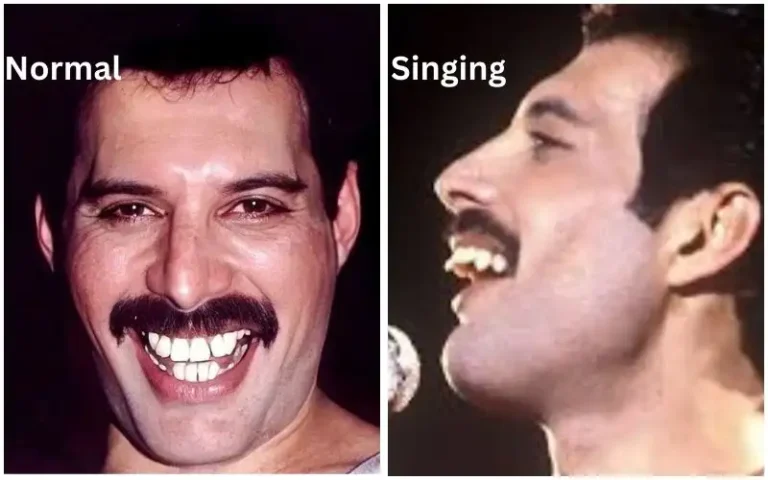
Freddie Mercury’s teeth were almost as recognizable as his mustache and stage outfits. His upper front teeth projected noticeably forward, giving his smile a shape that became closely associated with him.
This distinctive dental protrusion is generally linked to hyperdontia, a condition in which someone develops more teeth than usual. Mercury is widely reported to have had four extra teeth in his upper jaw. With limited room available, those teeth may have contributed to crowding and the forward position of his front teeth.
His smile also raises an interesting dental question: did the extra teeth help create the voice he became famous for? There is no good evidence that they gave him greater vocal range or power. His dental structure might have affected the pronunciation of some sounds, but singing ability is much more than the position of the teeth.
What Was Different About Freddie Mercury's Teeth?
The most noticeable feature was the way Mercury’s upper front teeth sat farther forward than usual. This is often called an “overbite” in everyday conversation, but overjet is the more useful term when describing how far the upper front teeth project in front of the lower ones.
Overbite and overjet are not quite the same thing. An overbite measures the vertical overlap of the front teeth, while overjet describes the horizontal distance between them. Based on photographs, the forward projection of Mercury’s upper incisors was the more obvious feature.
Did Freddie Mercury Really Have Extra Teeth?
Freddie Mercury is widely reported to have had four extra teeth. In the dental world, having extra teeth is called hyperdontia, and the extra teeth themselves are called “supernumerary teeth.”
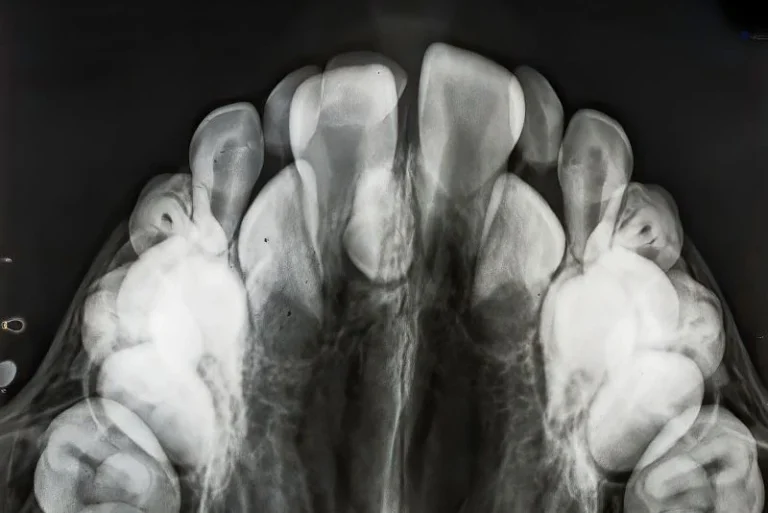
Typically, adults have up to 32 permanent teeth (if you count the wisdom teeth). People with hyperdontia just develop a few extras. These teeth may look similar to ordinary teeth, appear smaller or differently shaped, or remain partly hidden beneath the gums.
That means an extra tooth is not always obvious just by looking inside someone’s mouth. Dental imaging is usually required to reveal an extra tooth’s exact position and roots.
How Could Extra Teeth Have Changed His Smile?
The dental arch has a limited amount of room. If the normal teeth already occupy most of that space, an additional tooth can change the position of the teeth around it.
When an extra tooth crowds the mouth, it pushes nearby teeth out of place, causing them to twist or jut forward. This means having an extra tooth doesn’t just give you one unusual tooth; it shifts the alignment of your whole mouth.
What Causes Hyperdontia?
Dentists do not have one single explanation for every case of hyperdontia. Genetics appears to play a role, and extra teeth can sometimes occur in more than one member of the same family.
The condition is also linked to changes during early tooth development. In simple terms, extra tooth-forming tissue may develop and produce an additional tooth. Certain inherited or developmental conditions can also involve multiple extra teeth, although many people with hyperdontia have no related medical condition.
For treatment purposes, the cause is often less important than what the extra tooth is doing. A dentist needs to know whether it is affecting neighboring teeth, the bite, cleaning, or normal tooth eruption.
Satisfied Patient Reviews
EXCELLENTTrustindex verifies that the original source of the review is Google. Service impeccable. Je suis venue pour des implants. La prise en charge a été rapide et la douleur pendant et après l’opération a été à peine ressentie. Clinique très professionnelle et chirurgien expert. Personnel très accueillant, en particulier la Directrice. Recommande à tous ceux qui sont à la recherche de professionnels pour régler des problèmes dentaires Suis venue finaliser la pose des implants et des couronnes. Résultat impécable!Posted on GoogleTrustindex verifies that the original source of the review is Google. I visited from England and had a positive experience. I went for a Hollywood Smile look and couldn’t be happier with them. The clinic was very aesthetic & clean, the staff were very attentive and supportive & I high recommend them.Posted on GoogleTrustindex verifies that the original source of the review is Google. İmplantlarımı ve zirkyonyumlarımı yaptırdım 2 sene önce iyiki yaptırmışım çok memnunum doktorum emrah hoca işinde çok iyi birisi tüm çalışanlara çok teşekkür ediyorum güler yüzlü anlayışları için gülşah hanıma ayriyetten teşekkür ederim 🌹Posted on GoogleTrustindex verifies that the original source of the review is Google. Çok güzel ve güveninirPosted on GoogleTrustindex verifies that the original source of the review is Google. Friendly and approachable staff, above all I haven’t experienced any pain what so ever, it does truly shows core professionalism. Coming from Wolverhampton, UK and made implant surgery with sinuslifting Gedi JafarPosted on GoogleTrustindex verifies that the original source of the review is Google. Ik Marco, hebt mijn gebit laten doen bij Avangart.. En ben door lieve mensen goed ontvangen en behandeld.. Kliniek zeer hygienisch en goede apparatuur.. Deze kliniek zo ik zeker aanraden om je laten behandelen..😁Posted on GoogleTrustindex verifies that the original source of the review is Google. I traveled from the U.S. and had Avantgart Clinic positively transform my smile in a manner that I wouldn’t have conceived as being possible. Dr. Egemen, a true master in his field, was patient, considerate, and communicative throughout the process and his assistant, Sevim, was a real joy to work with. Together, the two of them combined to make the overall experience much greater than I could have ever hoped for, and the end result is a smile that is on par with the most glamorous of Hollywood stars. I am extremely satisfied and would highly recommend Avangart Clinic to anyone looking to enhance their smile at a great price and of the highest quality.Posted on GoogleTrustindex verifies that the original source of the review is Google. Herkes mükemmel ıscılık mükemmel teşekkür edıyorumPosted on GoogleTrustindex verifies that the original source of the review is Google. Emrah bey‘in diş konusundaki tecrübesi, güler yüzü ve uzmanlığı nedeniyle diş tedavilerim için her seferinde Avusturya‘dan İstanbul’a gelmekteyim. Diş kliniği de son teknolojik donanıma sahip güven verici muayenehaneler içermekte.Posted on GoogleTrustindex verifies that the original source of the review is Google. Güler yüzlü ekip, temiz ve modern bir klinik. Tedavi sürecim baştan sona çok profesyoneldi. Gönül rahatlığıyla tavsiye ederim.Verified by TrustindexTrustindex verified badge is the Universal Symbol of Trust. Only the greatest companies can get the verified badge who has a review score above 4.5, based on customer reviews over the past 12 months. Read more
How Many Teeth Did Freddie Mercury Have?
People love to say that Freddie had 36 teeth instead of the normal 32. While it is widely accepted that he had four extra teeth in his upper jaw, no one has ever officially confirmed it. His dental records are strictly private, so we just do not have the X-rays to prove the exact count.
Sure, old photographs make it incredibly obvious that his front teeth were pushed forward. But without a real dental scan, nobody can see what was happening under the surface to know exactly where those extra teeth were sitting.
Does Hyperdontia Need Treatment? Risks, Diagnosis, and Treatment
Having an extra tooth does not automatically mean it needs to be removed. In fact, many people live happily with extra teeth for years without ever feeling an ounce of pain or dealing with any crowding.
However, a dentist will have to intervene if the tooth starts getting in the way. If an extra tooth is pushing your other teeth out of alignment, causing aches and pains, or making it impossible to floss, you will probably need treatment. After all, teeth that are tightly jammed together create the perfect environment for plaque to hide and thrive.
A dentist may consider treatment when there is:
- Significant crowding
- Delayed or blocked eruption of another tooth
- Movement of neighboring teeth
- A noticeable change in the bite
- Difficulty keeping the area clean
- Pain or pressure
- Damage or risk to nearby teeth
How Would a Dentist Diagnose a Similar Case Today?
A modern assessment would begin with an examination and dental X-rays. A panoramic X-ray can show the number of teeth, their roots, available jaw space, and whether an extra tooth is hidden or impacted.
For more complicated cases, a dentist or oral surgeon may recommend a CBCT 3D scan. CBCT provides a three-dimensional view and can help show exactly how an extra tooth sits in relation to neighboring roots, bone, and other structures. It is generally used when that extra detail would change diagnosis or treatment planning, rather than automatically being required for every patient.
This type of imaging would have provided far more information about Mercury’s dental structure than photographs can.
What Treatment Might Be Needed?
If an extra tooth is causing no problem, monitoring may be enough. If it is blocking another tooth, worsening crowding, or damaging the surrounding area, tooth removal and orthodontic planning may be considered.
Once the problematic tooth is removed, some patients require orthodontic treatment to move the other teeth into better positions. Depending on the bite, available space, and position of the teeth, modern braces or clear aligners may be appropriate.
Treatment should therefore be based on the individual mouth rather than simply on the number of extra teeth. Removing every supernumerary tooth is not automatically the right choice.
As Dr. Emrah Yeşilyurt explains: “With adult hyperdontia, treatment starts by understanding the position of the extra tooth and what it is doing to the bite and neighboring teeth. We only consider removal or orthodontic movement when there is a clear clinical reason, with the aim of preserving healthy tooth structure wherever possible.”
Did Freddie Mercury's Teeth Affect His Voice?
Freddie Mercury is often said to have worried that changing his teeth might change his voice. For a singer who had already learned how to perform with his existing bite and mouth shape, that concern is understandable.
Research into Mercury’s actual voice gives us a better idea of where his unusual sound came from. A study by Christian T. Herbst and colleagues, published online in 2016 in Logopedics Phoniatrics Vocology, analyzed interviews and isolated recordings of Mercury’s singing. The researchers found a singing range of 37 semitones (from F#2 to G5), debunking the often-repeated myth that he had a four-octave range. They also discovered that his signature vibrato and those famous raspy notes actually came from the unique way his vocal cords vibrated.
That study matters because the unusual features researchers found were connected with how the voice was being produced, not with the number of teeth Mercury had. However, because the researchers did not physically examine his mouth, we cannot rule out the possibility that his dental structure played at least a minor role in shaping his sound.
The more reasonable conclusion is that his teeth may have affected articulation and the way certain sounds were shaped inside his mouth. But they certainly do not explain his incredible vocal power, range, or that famous vibrato. The science points directly to his amazing vocal control and technique.
While having dental work done can make singing feel a bit weird at first because your tongue hits your teeth differently, that is only temporary. A singer might need a little time to adjust to a new bite, but they certainly will not lose their voice.
Could Freddie Mercury's Teeth Have Been Straightened?
A patient with a similar dental presentation today could certainly be assessed for orthodontic treatment. The first step would not be to immediately remove four teeth, but to determine which teeth were actually causing the crowding and how the upper and lower teeth met.
By looking at detailed X-rays and 3D scans, an orthodontist could see if those extra teeth were pushing through the gums or buried deep near important roots. That information is crucial for deciding if pulling a tooth would actually give the mouth some much-needed breathing room.
The remaining teeth could then be moved gradually with orthodontic treatment if necessary. The plan would depend on the degree of overjet, crowding, jaw relationship, gum health, tooth roots, and the amount of space available.
That is why a modern treatment plan for a Mercury-like smile would be individualized rather than based simply on appearance.
Would Veneers Have Fixed Freddie Mercury's Smile?
Veneers alone would not address the main dental issue if the front teeth were pushed forward because of crowding. Veneers can change the visible shape, proportion, and color of teeth, but they do not create space in a crowded dental arch or correct a significant overjet.
There is also an enamel-preservation issue to consider. Preparing heavily protruding teeth for veneers can sometimes require more removal of healthy enamel than would be desirable. It is usually much better to use orthodontics to move the teeth into a healthier position first, leaving as much of the natural tooth untouched as possible.
For that reason, a modern dentist would normally examine the bite and tooth position before deciding whether veneers belonged in the treatment plan. Cosmetic treatment may be considered afterward, but it should not be used to hide a problem that would be better managed through orthodontics.
What Freddie Mercury's Teeth Tell Us From a Dental Point of View
Freddie Mercury’s smile offers a useful example of how extra teeth, limited space, and tooth position can combine to produce a distinctive appearance. While old photos will never tell us the exact layout of his extra teeth, they spark great conversations about dental health and what a modern orthodontist might recommend today.
Concerned About Extra or Crowded Teeth?
If you have an extra tooth, crowded front teeth, or teeth that sit farther forward than you would like, the first step is finding out what is actually causing the problem. What looks simple from the outside may involve tooth position, available space, or a hidden supernumerary tooth beneath the gums.
At Avangart, your dentist can assess your teeth, gums, bite, and available space before discussing whether monitoring, orthodontic treatment, or other restorative options like dental implants would make sense. The goal is not simply to make the teeth look straighter, but to find an approach that protects healthy tooth structure and gives the bite a stable, natural result.
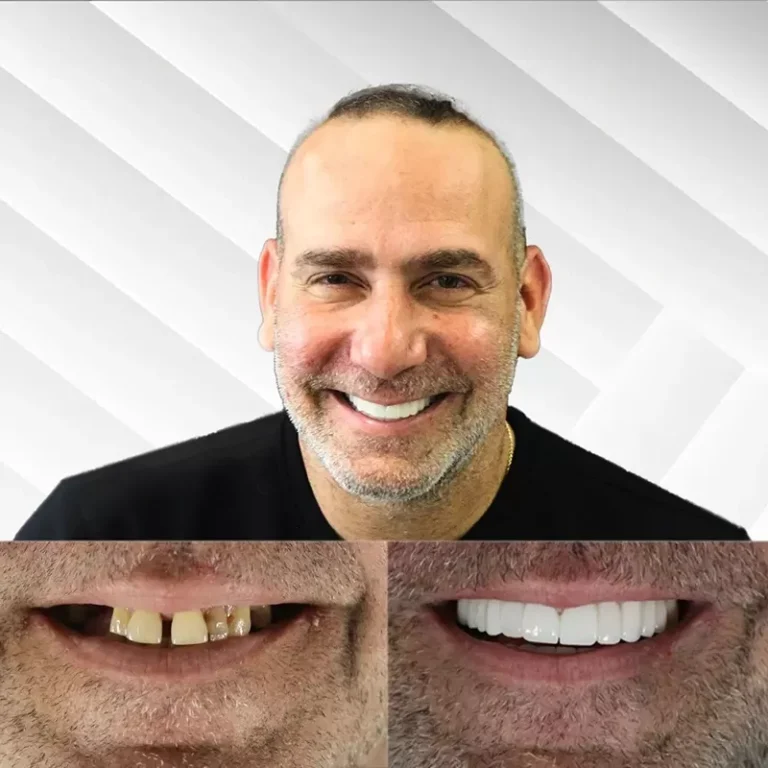
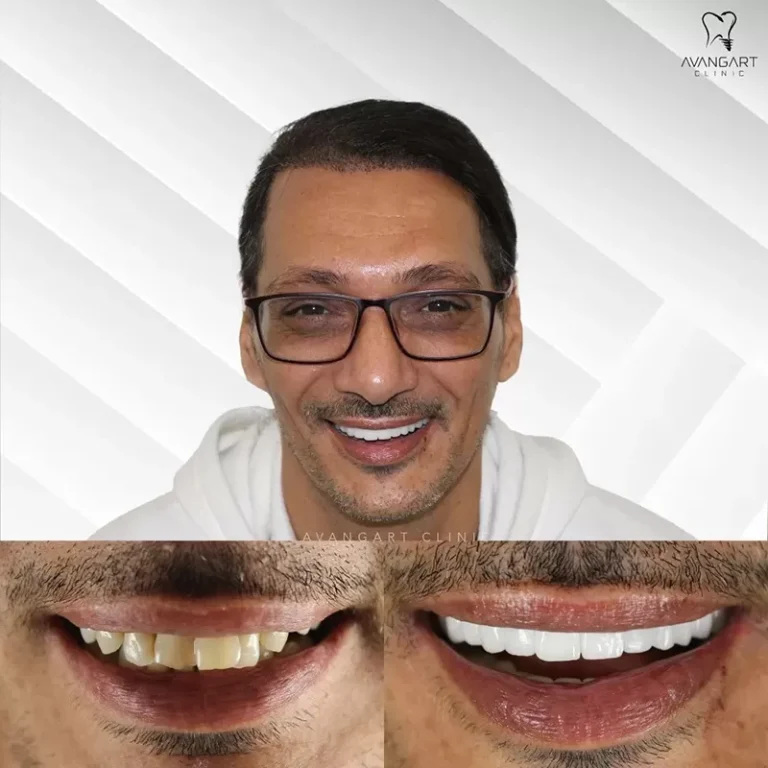
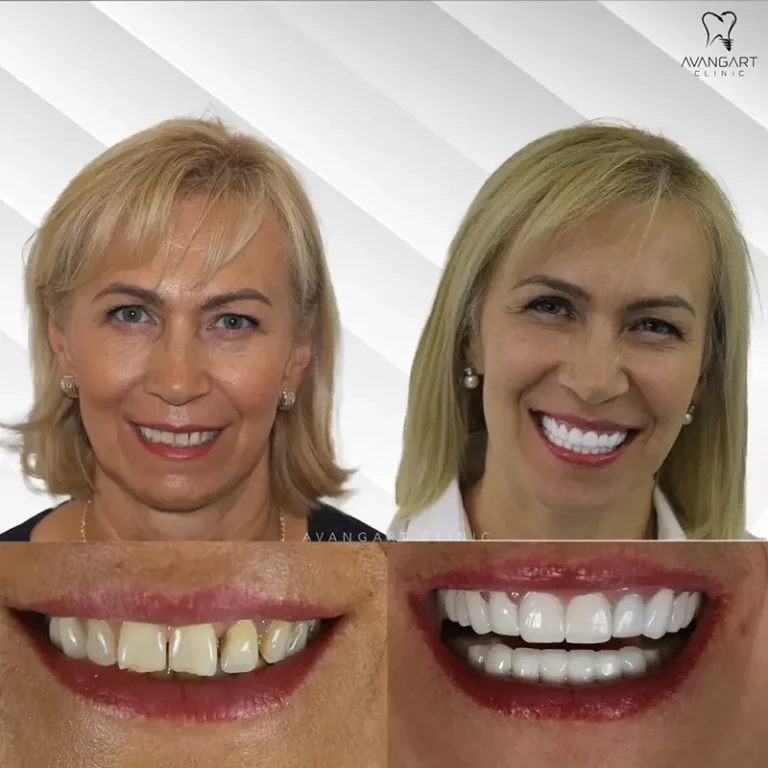
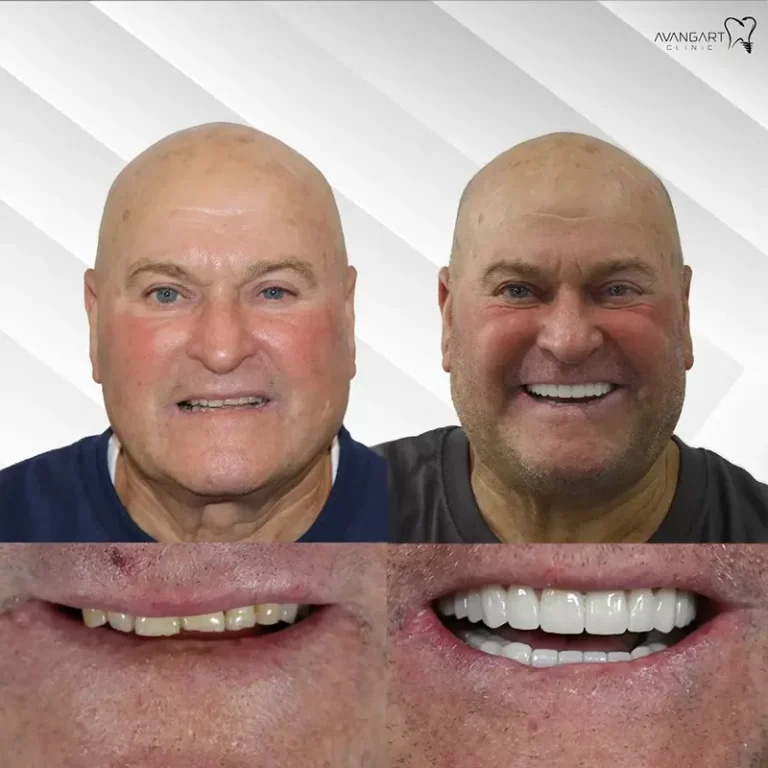
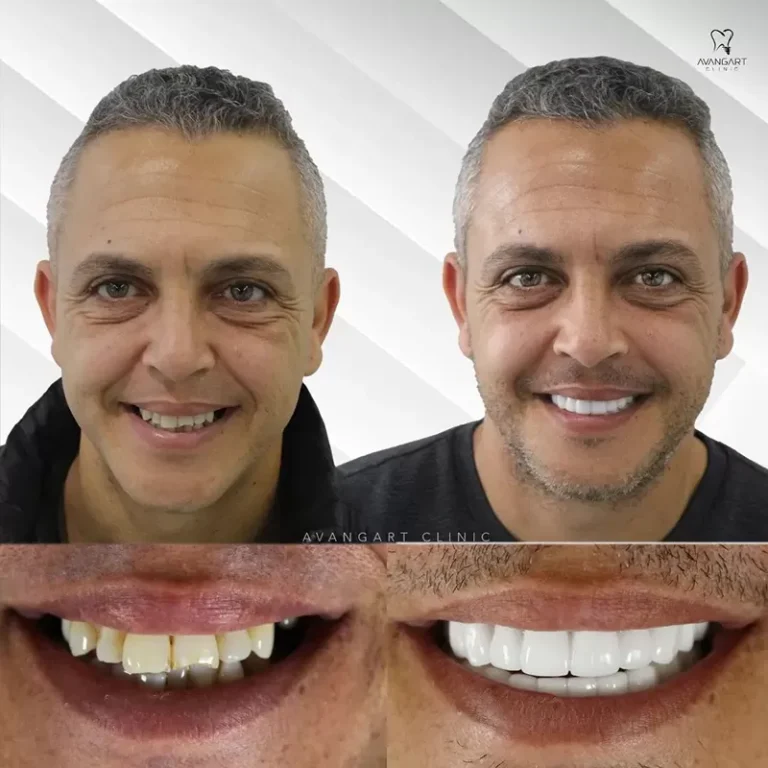
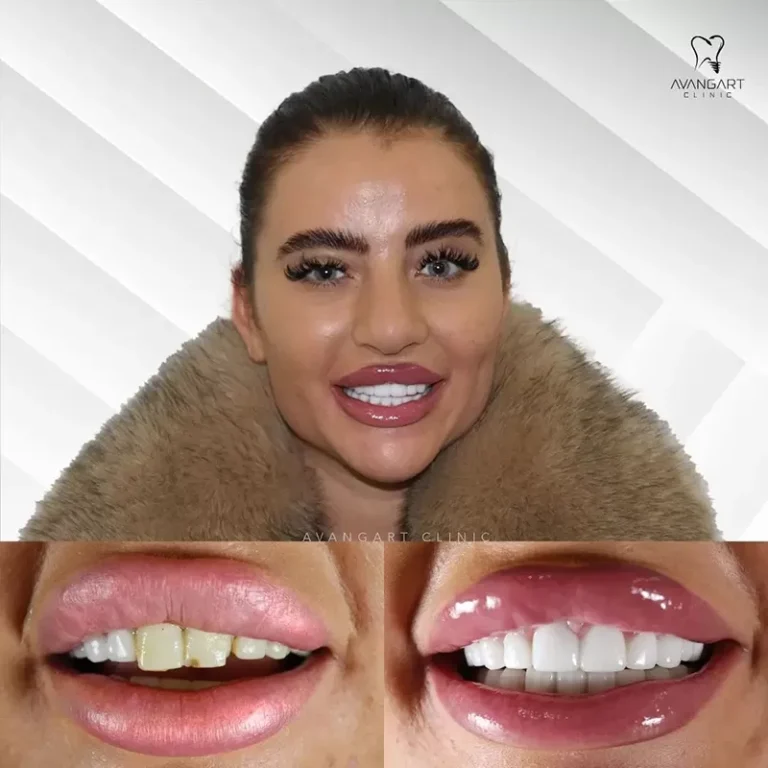
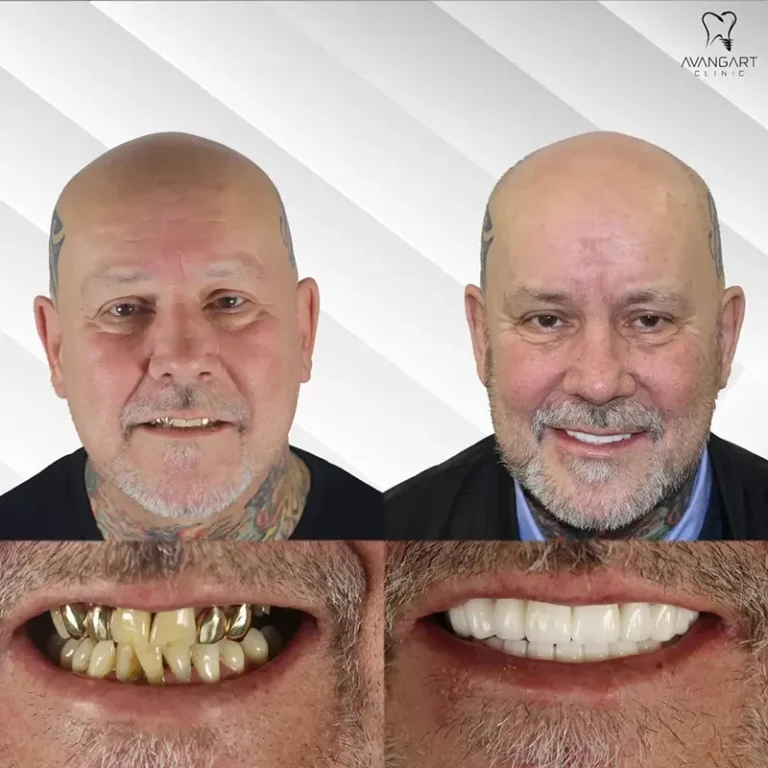
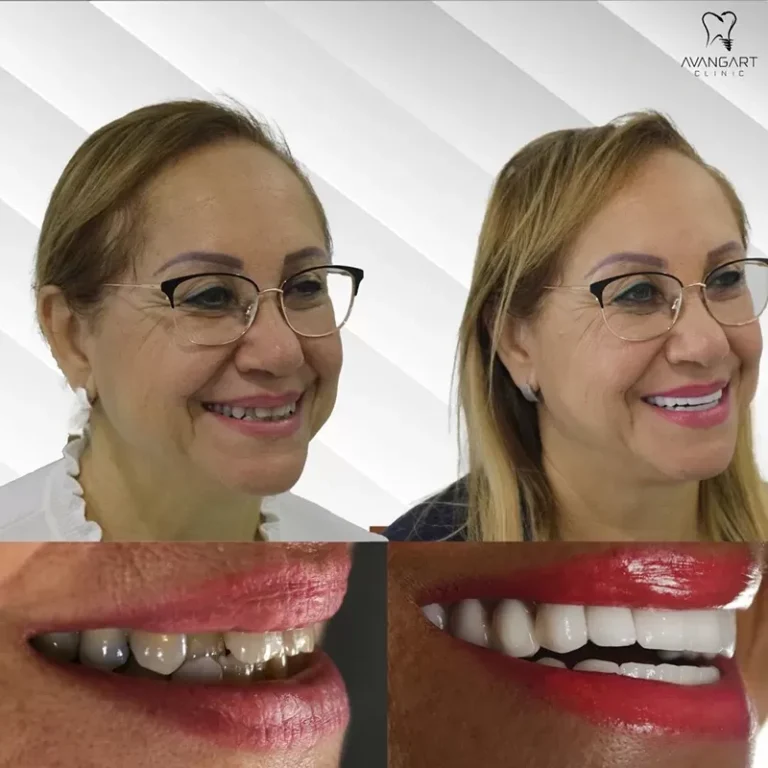
Before and After: Transformative Results with Avangart Clinic
We carry out all our dental treatments with care and strive to give your smile an elegant appearance.