
How Many Teeth Do Humans Have? A Look at Teeth Anatomy

Dr. Emrah YEŞİLYURT
Dr. Emrah Yeşilyurt is the Founder of Avangart Clinic. He combines advanced dental expertise with a genuine commitment to helping patients feel comfortable and informed about their oral health journey.
How Many Permanent Teeth Do Humans Have?
Most adults have 32 teeth, which includes wisdom teeth. Understand the full anatomy, count, and differences between adult and child teeth.
Have you ever stopped to wonder how many teeth you actually have in your mouth? It might seem like a simple question, but the number of teeth can vary depending on whether all your adult teeth have come in or if you’ve ever lost any. Generally, adults have 32 teeth, while babies and children have fewer—just 20 baby teeth that gradually fall out as they grow.
Our teeth do much more than just help us chew food; they play a vital role in shaping our faces and helping us speak clearly. Understanding the number of teeth in mouth gives you a glimpse into how your body works and why it’s important to take care of every single tooth you have. Let’s dive deeper into the story behind these numbers and what each type of tooth does.
Understanding the Structure of a Tooth
Each tooth in your mouth is made up of three important layers that work together to keep it strong and healthy. The outermost layer is called enamel. It’s the shiny, white part you see when you smile, and it’s actually the hardest tissue in your whole body, protecting your tooth from damage and decay.
Just beneath the enamel is dentin, which makes up most of the tooth. Dentin is a bit like bone and contains tiny tubes that connect to the tooth’s centre — the pulp. The pulp is the soft, living core filled with nerves and blood vessels, keeping your tooth alive. Above the gums, the tooth’s visible part is called the crown, while the root below holds the tooth firmly in your jaw. This structure helps your teeth do their important jobs every day.
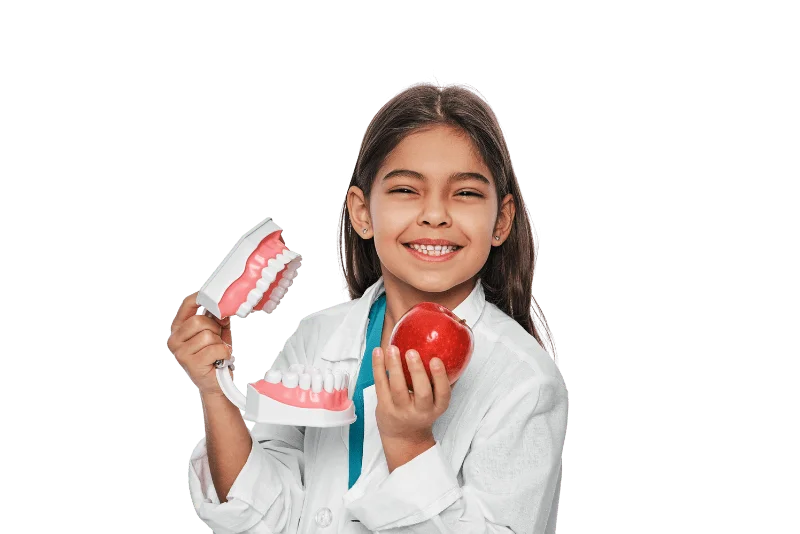
How many teeth do babies have?
Babies usually start getting their first teeth around six months old, though some might surprise you with a tooth as early as three months or take a bit longer to get their first one. By the time a child is between two and three years old, they should have a full set of baby teeth. These are called primary or deciduous teeth because they don’t last forever — there are 20 in total, with 10 on the top and 10 on the bottom.
Baby teeth serve an important purpose. Since a child’s mouth is too small to hold the full number of teeth in adults, these baby teeth act as placeholders. They help kids chew and talk while their jaws grow. As children get older, these temporary teeth fall out one by one, making room for the bigger, permanent adult teeth.
Even though baby teeth don’t stay forever, it’s essential to take good care of them. Healthy baby teeth set the stage for a strong, healthy adult smile. Brushing your child’s teeth for two full minutes each day can prevent decay and protect their future adult teeth. Good habits start early!
Caring for Your Child’s First Teeth
As soon as your baby’s first tooth appears, it’s time to start a brushing routine. You don’t need a toothbrush right away—just use a clean, warm, damp towel to gently wipe each tooth and even your baby’s gums. This helps keep their mouth clean and healthy.
If your baby seems uncomfortable from teething, letting them chew on a cold, wet towel can bring some relief.
Once your toddler has most of their teeth, switch to a kid’s toothbrush with soft bristles and a small head. This makes it easier to brush every tooth gently but thoroughly. Building good habits early sets the foundation for a lifetime of healthy smiles.
Adult Teeth Count and Their Function
Around age five, kids begin losing their baby teeth to make room for adult teeth. By late teens, most people have all 32 adult teeth, ready to help chew, bite, and speak clearly every day.
Caring for Senior Smiles
Older adults require tailored senior dental care. From replacing missing teeth to managing dry mouth and gum health, our clinic provides compassionate care for every stage of life.
Types of Teeth and Their Roles
Your adult teeth are a team of 32, each with its own job to help you eat and speak. The front eight teeth are called incisors. These sharp teeth on the top and bottom are perfect for holding and cutting food into bite-sized pieces. They also help you notice the texture and feel of what you’re eating.
Next are the four canines, or cuspids, which are pointy teeth located beside the incisors. Their sharp tips help you grab and tear food, making it easier to chew.
Behind those are the premolars, sometimes called bicuspids. There are eight of these, and they sit between the canines and molars. Premolars are a bit like molars but smaller, with two points, and they help cut and tear food into smaller bits.
Finally, there are 12 molars, the largest teeth at the back of your mouth. These broad teeth grind food into a soft mix that’s easier to swallow. This group includes your wisdom teeth, which usually come in during your early 20s.
Wisdom Teeth: What You Need to Know
Wisdom teeth are the third set of molars at the very back of your mouth. They’re often called a leftover from our ancestors long ago, humans had bigger skulls and tougher diets, which meant they needed extra chewing power. Today, our skulls are smaller, and food is softer, so wisdom teeth don’t always fit well. Because of this, many people have to have their wisdom teeth removed to avoid pain, swelling, or infections.
Surprisingly, some people don’t have wisdom teeth at all. Studies show that between 5 and 37 percent of people are missing one or more of these teeth. This could be due to genetics, so if your parents don’t have wisdom teeth, you might not either. Environmental factors like diet and how we chew might also play a role.
Even if you can’t see your wisdom teeth, they might still be there but stuck under the gums—this is called being impacted. A dental X-ray can show if wisdom teeth are hidden or causing trouble. Your dentist will decide whether to remove them or just keep an eye on them. Understanding the human teeth count and the number of human teeth you have helps you take better care of your smile as it changes.
Common Issues from Having Too Many Teeth
Having more than a normal amount of teeth can cause several problems. When extra teeth crowd the mouth, it can lead to misaligned teeth, making your smile uneven and harder to clean. This overcrowding also raises the risk of tooth decay and gum disease.
Wisdom teeth are often the troublemakers because they can become impacted, meaning they get stuck and don’t grow properly. Many people choose to have their wisdom teeth removed to avoid these issues and keep their mouths healthy.
Satisfied Patient Reviews
EXCELLENTTrustindex verifies that the original source of the review is Google. Service impeccable. Je suis venue pour des implants. La prise en charge a été rapide et la douleur pendant et après l’opération a été à peine ressentie. Clinique très professionnelle et chirurgien expert. Personnel très accueillant, en particulier la Directrice. Recommande à tous ceux qui sont à la recherche de professionnels pour régler des problèmes dentaires Suis venue finaliser la pose des implants et des couronnes. Résultat impécable!Posted on GoogleTrustindex verifies that the original source of the review is Google. I visited from England and had a positive experience. I went for a Hollywood Smile look and couldn’t be happier with them. The clinic was very aesthetic & clean, the staff were very attentive and supportive & I high recommend them.Posted on GoogleTrustindex verifies that the original source of the review is Google. İmplantlarımı ve zirkyonyumlarımı yaptırdım 2 sene önce iyiki yaptırmışım çok memnunum doktorum emrah hoca işinde çok iyi birisi tüm çalışanlara çok teşekkür ediyorum güler yüzlü anlayışları için gülşah hanıma ayriyetten teşekkür ederim 🌹Posted on GoogleTrustindex verifies that the original source of the review is Google. Çok güzel ve güveninirPosted on GoogleTrustindex verifies that the original source of the review is Google. Friendly and approachable staff, above all I haven’t experienced any pain what so ever, it does truly shows core professionalism. Coming from Wolverhampton, UK and made implant surgery with sinuslifting Gedi JafarPosted on GoogleTrustindex verifies that the original source of the review is Google. Ik Marco, hebt mijn gebit laten doen bij Avangart.. En ben door lieve mensen goed ontvangen en behandeld.. Kliniek zeer hygienisch en goede apparatuur.. Deze kliniek zo ik zeker aanraden om je laten behandelen..😁Posted on GoogleTrustindex verifies that the original source of the review is Google. I traveled from the U.S. and had Avantgart Clinic positively transform my smile in a manner that I wouldn’t have conceived as being possible. Dr. Egemen, a true master in his field, was patient, considerate, and communicative throughout the process and his assistant, Sevim, was a real joy to work with. Together, the two of them combined to make the overall experience much greater than I could have ever hoped for, and the end result is a smile that is on par with the most glamorous of Hollywood stars. I am extremely satisfied and would highly recommend Avangart Clinic to anyone looking to enhance their smile at a great price and of the highest quality.Posted on GoogleTrustindex verifies that the original source of the review is Google. Herkes mükemmel ıscılık mükemmel teşekkür edıyorumPosted on GoogleTrustindex verifies that the original source of the review is Google. Emrah bey‘in diş konusundaki tecrübesi, güler yüzü ve uzmanlığı nedeniyle diş tedavilerim için her seferinde Avusturya‘dan İstanbul’a gelmekteyim. Diş kliniği de son teknolojik donanıma sahip güven verici muayenehaneler içermekte.Posted on GoogleTrustindex verifies that the original source of the review is Google. Güler yüzlü ekip, temiz ve modern bir klinik. Tedavi sürecim baştan sona çok profesyoneldi. Gönül rahatlığıyla tavsiye ederim.Verified by TrustindexTrustindex verified badge is the Universal Symbol of Trust. Only the greatest companies can get the verified badge who has a review score above 4.5, based on customer reviews over the past 12 months. Read more
Frequently Asked Questions
Most adults have 32 teeth, but if you don’t count the wisdom teeth, the normal number of teeth is 28. Wisdom teeth often cause problems and get removed, so many people live comfortably with just these 28 teeth.
Adults usually have 32 teeth, but because wisdom teeth don’t always fit well, some people only have 28 teeth instead of 32. Removing wisdom teeth is common to prevent pain and overcrowding.
Typically, adults have 32 teeth. This includes incisors, canines, premolars, and molars. If wisdom teeth are removed, adults might have fewer, but the full adult teeth how many is generally 32.
Having 24 teeth can happen, but it’s less common than the usual amount of teeth in mouth for adults, which is around 32. Sometimes, missing teeth or delayed growth can cause fewer teeth. If you’re concerned, a dentist can check your teeth and jaw health.
Not everyone has the average teeth amount. Most adults have 32, but some may have fewer due to genetics, tooth loss, or dental treatment. Baby teeth also vary, so the total number changes as we grow.
Yes, the full set of 32 teeth includes wisdom teeth. These are the last to come in, usually in your late teens or early 20s. Some people don’t develop wisdom teeth, so their number for teeth may be lower.
No, humans don’t have 52 teeth. Typically, kids have 20 baby teeth, and adults have 32 permanent teeth. Some animals have more, but for humans, 52 teeth is not a normal number at all.
Kids usually have 20 baby teeth. These start coming in around six months old and should all be in by age three. These baby teeth help kids chew and speak until their adult teeth come in.
Adults have 12 molars in total—six on the top and six on the bottom. These teeth are strong and flat, designed for grinding food before swallowing. This includes the wisdom teeth, which are the last molars to appear.