
Smoking After Tooth Extraction: When Is It Actually Safe?

Dr. Emrah YEŞİLYURT
Dr. Emrah Yeşilyurt is the Founder of Avangart Clinic. He combines advanced dental expertise with a genuine commitment to helping patients feel comfortable and informed about their oral health journey.
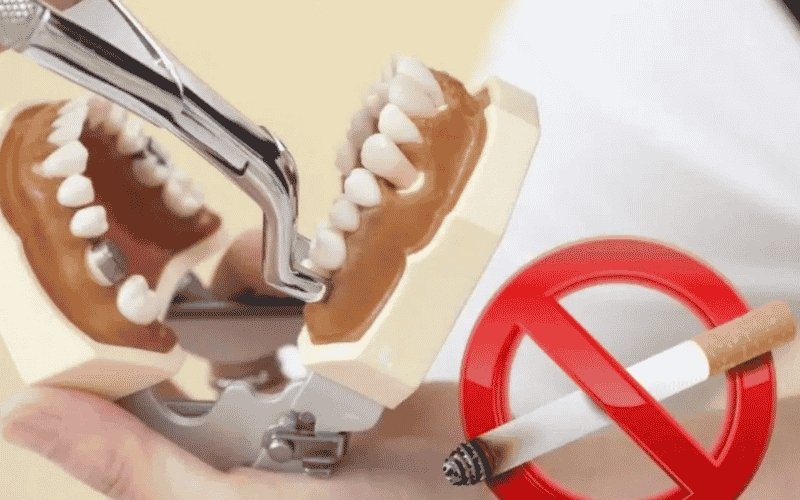
When is it safe to resume tobacco or nicotine use? The medical consensus is definitive: you must wait an absolute minimum of 72 hours (3 days) before smoking after a tooth extraction. If you want to ensure the surgical site has fully stabilised, waiting 7 to 10 days is clinically recommended. Ignoring this window drastically increases the incidence of severe, painful complications.
Managing extraction aftercare requires strict adherence to clinical guidelines. While denying a nicotine craving adds immediate stress to the recovery process, understanding the exact biological reasons behind this rule makes it much easier to comply. Your gums require a highly specific, clean environment to heal properly, and tobacco smoke systematically destroys that environment.
Satisfied Patient Reviews
EXCELLENTTrustindex verifies that the original source of the review is Google. Service impeccable. Je suis venue pour des implants. La prise en charge a été rapide et la douleur pendant et après l’opération a été à peine ressentie. Clinique très professionnelle et chirurgien expert. Personnel très accueillant, en particulier la Directrice. Recommande à tous ceux qui sont à la recherche de professionnels pour régler des problèmes dentaires Suis venue finaliser la pose des implants et des couronnes. Résultat impécable!Posted on GoogleTrustindex verifies that the original source of the review is Google. I visited from England and had a positive experience. I went for a Hollywood Smile look and couldn’t be happier with them. The clinic was very aesthetic & clean, the staff were very attentive and supportive & I high recommend them.Posted on GoogleTrustindex verifies that the original source of the review is Google. İmplantlarımı ve zirkyonyumlarımı yaptırdım 2 sene önce iyiki yaptırmışım çok memnunum doktorum emrah hoca işinde çok iyi birisi tüm çalışanlara çok teşekkür ediyorum güler yüzlü anlayışları için gülşah hanıma ayriyetten teşekkür ederim 🌹Posted on GoogleTrustindex verifies that the original source of the review is Google. Çok güzel ve güveninirPosted on GoogleTrustindex verifies that the original source of the review is Google. Friendly and approachable staff, above all I haven’t experienced any pain what so ever, it does truly shows core professionalism. Coming from Wolverhampton, UK and made implant surgery with sinuslifting Gedi JafarPosted on GoogleTrustindex verifies that the original source of the review is Google. Ik Marco, hebt mijn gebit laten doen bij Avangart.. En ben door lieve mensen goed ontvangen en behandeld.. Kliniek zeer hygienisch en goede apparatuur.. Deze kliniek zo ik zeker aanraden om je laten behandelen..😁Posted on GoogleTrustindex verifies that the original source of the review is Google. I traveled from the U.S. and had Avantgart Clinic positively transform my smile in a manner that I wouldn’t have conceived as being possible. Dr. Egemen, a true master in his field, was patient, considerate, and communicative throughout the process and his assistant, Sevim, was a real joy to work with. Together, the two of them combined to make the overall experience much greater than I could have ever hoped for, and the end result is a smile that is on par with the most glamorous of Hollywood stars. I am extremely satisfied and would highly recommend Avangart Clinic to anyone looking to enhance their smile at a great price and of the highest quality.Posted on GoogleTrustindex verifies that the original source of the review is Google. Herkes mükemmel ıscılık mükemmel teşekkür edıyorumPosted on GoogleTrustindex verifies that the original source of the review is Google. Emrah bey‘in diş konusundaki tecrübesi, güler yüzü ve uzmanlığı nedeniyle diş tedavilerim için her seferinde Avusturya‘dan İstanbul’a gelmekteyim. Diş kliniği de son teknolojik donanıma sahip güven verici muayenehaneler içermekte.Posted on GoogleTrustindex verifies that the original source of the review is Google. Güler yüzlü ekip, temiz ve modern bir klinik. Tedavi sürecim baştan sona çok profesyoneldi. Gönül rahatlığıyla tavsiye ederim.Verified by TrustindexTrustindex verified badge is the Universal Symbol of Trust. Only the greatest companies can get the verified badge who has a review score above 4.5, based on customer reviews over the past 12 months. Read more
The Medical Reality: Why Smoking Post-Extraction is Dangerous
Most of the time, getting a tooth pulled is the end of a long, painful road. For instance, recognizing a failed root canal usually means accepting that a tooth is beyond saving and your body is already exhausted from fighting off a bacterial infection. Your immune system needs a serious break to focus on regenerating your jawbone.
Patients frequently search online to see if there is a safe loophole to resume smoking early. The physiological reality is that dentists forbid tobacco use for two distinct reasons. Both the physical action of drawing smoke and the chemical toxicity of the substances inhaled work together to halt the healing process entirely.
The Physics of Suction (Dislodging the Blood Clot)
The second your tooth is extracted, a tiny blood clot starts forming in the empty socket. This clot acts as a biological scab that protects your exposed bone and raw nerves from the outside environment.
When you draw smoke from a cigarette, it creates a surprisingly strong intraoral vacuum effect. This intense suction is notorious for mechanically dislodging the fragile fibrin clot. Once that protective barrier is gone, you are leaving an open wound completely defenseless against food particles and oral bacteria.
Chemical Toxins and Tissue Hypoxia
Even if the blood clot remains intact, the chemical composition of tobacco severely impairs biological repair. Cigarettes contain carbon monoxide and thousands of toxic compounds that aggressively constrict blood vessels throughout the body.
In the medical field, this is known as tissue hypoxia, a severe lack of oxygen in the local tissues. Since your gum tissue requires a constant supply of oxygenated blood to rebuild itself, smoking essentially suffocates the surgical site. Cellular recovery slows to a crawl, and the likelihood of infection increases significantly.
What is a Dry Socket (Alveolar Osteitis)?
If the protective clot is dislodged or fails to form, you develop what dentists call alveolar osteitis, more commonly known as a dry socket. It leaves the raw jawbone completely exposed to air, liquids, and bacteria. The throbbing pain of a dry socket is often far more severe than the original toothache, even surpassing the intense discomfort that typically precedes a root canal treatment to remove the infection.
You will typically recognise a dry socket through several distinct symptoms:
- Intense, sharp pain shooting up towards your ear, eye, or neck.
- A lingering, foul taste in the mouth.
- Severe bad breath.
- Seeing exposed white bone when you look directly into the empty socket.
A comprehensive review of post-operative complications found that smokers face an overall dry socket incidence rate of 13.2%, compared to just 3.8% for non-smokers. This represents a more than 3-fold increase in risk, making tobacco use the absolute largest preventable roadblock to a smooth recovery.
CAUTION
Emergency Triage: When to Call Your Surgeon
If you suspect a complication, do not attempt to pack the socket at home with cotton, gauze, or over-the-counter remedies, as this can worsen an infection. Contact your dental surgeon immediately if you experience any of these red-flag symptoms:
- Throbbing pain that worsens after 48 hours instead of improving.
- Pain that radiates sharply to your ear, eye, or temple.
- Uncontrollable bleeding that does not stop with firm gauze pressure.
- A fever, chills, or visible pus around the extraction site.
The Timeline: Exactly When Can You Safely Smoke Again?
Understanding the timeline for your tooth extraction recovery is critical for preventing unnecessary pain. Since every patient heals at a slightly different pace and complex surgical extractions require longer wait times than simple extractions, you need to know exactly where you stand day by day.
Here is a realistic look at the clinical danger zones:
- First 24 Hours: The critical danger zone. The blood clot is actively forming and remains incredibly delicate. Using tobacco during this window drastically increases the incidence of alveolar osteitis and surgical complications.
- Days 2-3 (48-72 Hours): This is the peak risk period for a dry socket. The clot is present but still highly fragile and easily dislodged by physical suction.
- Days 4-6: The clot begins to convert into tougher granulation tissue. The risk of mechanical dislodgement decreases, but chemical toxins will still bottleneck blood flow and delay healing.
- Day 7 and Beyond: You are generally in the safe threshold. The socket has typically closed enough that the major risks of losing the clot are minimal.
Are Vaping, E-Cigarettes, or Hookahs Safer Alternatives?
A highly common question we receive from patients is whether they can safely vape 24 hours after an extraction. The definitive medical answer is no. Even though vaping devices do not burn tobacco leaves, they present the exact same mechanical and chemical dangers.
The physical suction required to draw vapour from an e-cigarette is often significantly stronger than dragging on a traditional cigarette. This heavy vacuum effect is highly likely to mechanically dislodge the fragile fibrin clot. Furthermore, the nicotine found in vape liquids aggressively constricts blood vessels, starving the surgical site of oxygen regardless of how it is consumed.
Product Risk Matrix
To clarify the dangers of various products, refer to this risk comparison table:
| Product / Method | Physical Suction Risk | Chemical/Toxin Risk | Overall Safety Post-Extraction |
|---|---|---|---|
| Cigarettes | High (Vacuum effect dislodges clot) | High (Carbon monoxide, tar, nicotine) | Highly Unsafe (Avoid for 72+ hours) |
| Vapes / E-Cigarettes | Very High (Often requires stronger suction) | Moderate to High (Nicotine constricts vessels) | Highly Unsafe (Avoid for 72+ hours) |
| Cigars / Pipes | High (Similar suction to cigarettes) | Moderate (Less tar, but still delivers nicotine) | Unsafe (Avoid for 72+ hours) |
| Hookah / Shisha | High (Intense inhalation) | High (Heat, toxins, and vessel constriction) | Unsafe (Avoid for 72+ hours) |
| NRT (Patches / Gum) | Low (No suction required) | Moderate (Systemic nicotine restricts blood flow) | Use with Caution (Can irritate the local wound) |
How Smoking Derails Your Dental Tourism Timeline
For international patients travelling abroad for complex full-mouth restorations, post-operative compliance is a matter of both biological and financial safety. Understanding the clinical realities of full-mouth restorations abroad requires acknowledging that successful, long-lasting results depend heavily on strict patient aftercare. If a patient smokes and triggers an infection, it brings their entire overseas dental procedure to a painful standstill.
Surgeons cannot place a new implant into infected gums. An extensive meta-analysis on implant failure reveals that dental implants placed in smokers present a 140.2% higher risk of failure compared to non-smokers. For anyone on a tight travel schedule, ignoring the nicotine ban puts the biological and financial investment of the trip at severe risk.
Furthermore, sitting on an airplane for the flight home with an active dry socket is an excruciating experience, as cabin pressure changes aggressively exacerbate the exposed nerve pain.
Harm-Reduction Guidance if You Are Struggling to Quit
It is common to wonder if patients ever break the rule and avoid a dry socket. While a rare few might avoid complications purely by chance, the overwhelming clinical data proves the odds are heavily stacked against you. If nicotine cravings are severe before the 72-hour mark, switch to clinical harm reduction rather than risking a cigarette.
- Utilise transdermal nicotine replacement therapy (NRT): Nicotine patches are the safest clinical workaround. This bypasses the mouth entirely, eliminating the intraoral vacuum pressure and direct tissue irritation. Just remember that systemic nicotine still carries a minor vasoconstrictive effect, but it is vastly safer than smoking.
- Skip the nicotine gum: While it seems like a safe alternative, chewing puts unnecessary mechanical stress on your jaw and can shift the healing tissues surrounding the surgical site.
- Perform a soft saltwater rinse: If you do smoke, immediately swirl warm salt water around your mouth to clear away lingering bacteria and tar. Let the water fall from your mouth naturally; never spit forcefully.
Safe Extractions and Implant Protocols at Avangart Clinic
Patients frequently seek out cost-effective, high-quality dental care in Turkey, but affordability should never mean compromising on elite medical standards. At Avangart Clinic, our oral and maxillofacial surgeons utilise advanced surgical techniques to accelerate healing and stabilise clots for international patients on tight schedules. We prioritise strict post-operative aftercare and daily monitoring while you stay in Istanbul.
Ultimately, our goal is to send you home with a healthy, painless smile. By combining our surgical expertise with your commitment to the 72-hour healing window, we can ensure your recovery is as smooth and comfortable as possible.
Frequently Asked Questions
Not at all. While some believe biting down on gauze creates a safe physical shield against the smoke, it does not. You are still creating that dangerous vacuum effect in your mouth, and you are still pumping carbon monoxide into your bloodstream. It remains highly unsafe during those first 72 hours.
Yes, tobacco use is a leading cause of dental implant failure. The toxins inhibit bone integration (osseointegration) and severely restrict the oxygenated blood flow required for the gums to heal tightly around the titanium post.
The earliest indicator of a dry socket is usually a sudden spike in throbbing pain a few days after your surgery, precisely when you should be feeling better. That pain is often followed by a foul taste in your mouth, severe bad breath, and sharp aches that radiate up toward your ear or eye.
Before and After: Transformative Results with Avangart Clinic
We carry out all our dental treatments with care and strive to give your smile an elegant appearance.