Bruxism Symptoms, Causes, and Treatments

Dr. Emrah YEŞİLYURT
Dr. Emrah Yeşilyurt is the Founder of Avangart Clinic. He combines advanced dental expertise with a genuine commitment to helping patients feel comfortable and informed about their oral health journey.
Waking up with a sore jaw or a headache around your temples can be easy to dismiss at first. But when it keeps happening, it may be one of the early symptoms of bruxism that many people do not recognise right away.
Bruxism is the involuntary clenching, grinding, or gnashing of teeth. For some people, it happens during the day, but for many, teeth grinding happens at night, when the jaw can stay tense for hours without them realising it.
Early teeth grinding symptoms often show up in small but frustrating ways, such as tight jaw muscles in the morning, sensitivity when eating or drinking something hot or cold, worn tooth edges, or a partner hearing grinding sounds during sleep. Some people notice the signs of jaw clenching first, with tension in the face when they wake up or a feeling of pressure around the cheeks, temples, or ears.
Left alone, that repeated pressure can wear down enamel and create bigger problems that may later need a mouthguard, veneers, dental crowns, or, in more advanced cases, dental implants.
Satisfied Patient Reviews
EXCELLENTTrustindex verifies that the original source of the review is Google. Service impeccable. Je suis venue pour des implants. La prise en charge a été rapide et la douleur pendant et après l’opération a été à peine ressentie. Clinique très professionnelle et chirurgien expert. Personnel très accueillant, en particulier la Directrice. Recommande à tous ceux qui sont à la recherche de professionnels pour régler des problèmes dentaires Suis venue finaliser la pose des implants et des couronnes. Résultat impécable!Posted onTrustindex verifies that the original source of the review is Google. I visited from England and had a positive experience. I went for a Hollywood Smile look and couldn’t be happier with them. The clinic was very aesthetic & clean, the staff were very attentive and supportive & I high recommend them.Posted onTrustindex verifies that the original source of the review is Google. İmplantlarımı ve zirkyonyumlarımı yaptırdım 2 sene önce iyiki yaptırmışım çok memnunum doktorum emrah hoca işinde çok iyi birisi tüm çalışanlara çok teşekkür ediyorum güler yüzlü anlayışları için gülşah hanıma ayriyetten teşekkür ederim 🌹Posted onTrustindex verifies that the original source of the review is Google. Çok güzel ve güveninirPosted onTrustindex verifies that the original source of the review is Google. Friendly and approachable staff, above all I haven’t experienced any pain what so ever, it does truly shows core professionalism. Coming from Wolverhampton, UK and made implant surgery with sinuslifting Gedi JafarPosted onTrustindex verifies that the original source of the review is Google. Ik Marco, hebt mijn gebit laten doen bij Avangart.. En ben door lieve mensen goed ontvangen en behandeld.. Kliniek zeer hygienisch en goede apparatuur.. Deze kliniek zo ik zeker aanraden om je laten behandelen..😁Posted onTrustindex verifies that the original source of the review is Google. I traveled from the U.S. and had Avantgart Clinic positively transform my smile in a manner that I wouldn’t have conceived as being possible. Dr. Egemen, a true master in his field, was patient, considerate, and communicative throughout the process and his assistant, Sevim, was a real joy to work with. Together, the two of them combined to make the overall experience much greater than I could have ever hoped for, and the end result is a smile that is on par with the most glamorous of Hollywood stars. I am extremely satisfied and would highly recommend Avangart Clinic to anyone looking to enhance their smile at a great price and of the highest quality.Posted onTrustindex verifies that the original source of the review is Google. Herkes mükemmel ıscılık mükemmel teşekkür edıyorumPosted onTrustindex verifies that the original source of the review is Google. Emrah bey‘in diş konusundaki tecrübesi, güler yüzü ve uzmanlığı nedeniyle diş tedavilerim için her seferinde Avusturya‘dan İstanbul’a gelmekteyim. Diş kliniği de son teknolojik donanıma sahip güven verici muayenehaneler içermekte.Posted onTrustindex verifies that the original source of the review is Google. Güler yüzlü ekip, temiz ve modern bir klinik. Tedavi sürecim baştan sona çok profesyoneldi. Gönül rahatlığıyla tavsiye ederim.Verified by TrustindexTrustindex verified badge is the Universal Symbol of Trust. Only the greatest companies can get the verified badge who has a review score above 4.5, based on customer reviews over the past 12 months. Read more
What are the signs and symptoms of bruxism?
Many people live with bruxism for months without realizing it. Because grinding often happens during sleep, the first warning signs are usually not the grinding itself, but the effects it leaves behind the next morning or over time.
Some people notice a sore jaw when they wake up. Others first notice headaches, tooth sensitivity, or a slight change in the way their teeth come together. Often, the teeth and jaw are causing the problem well before the person connects those symptoms to bruxism.
Dental and Oral Symptoms (What Happens to Your Teeth)
Bruxism puts repeated pressure on the teeth and restorations. Over time, that force can leave visible damage, even when the grinding sounds mild.
Different Types of Bruxism Explained:
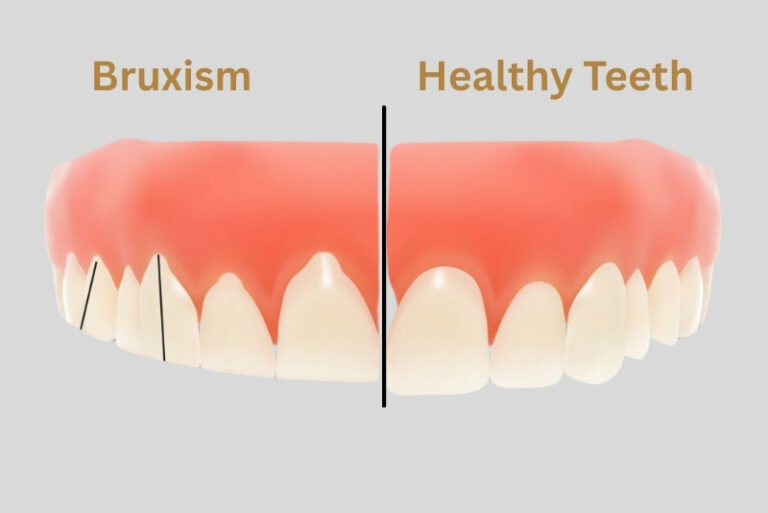
- Flattened tooth edges that no longer look as defined as before
- Chipped, cracked, or in some cases slightly loose teeth
- Worn enamel that exposes deeper tooth layers and makes the teeth more vulnerable
- Tooth pain or sensitivity, especially with hot drinks, cold foods, or sweets
- Small fractures or strains in existing fillings, crowns, or other dental work
This is often the point where the damage becomes harder and more costly to ignore. A patient may think they are only dealing with tooth sensitivity, when the real problem is the repeated pressure that has already started to wear the teeth down.
Musculoskeletal and Physical Symptoms (What You Feel)
Not all bruxism symptoms show up on the teeth first. In many cases, the earliest changes are felt in the muscles and joints around the jaw.
You may notice:
- Tired, heavy, or tight jaw muscles, especially in the morning
- Jaw pain that spreads into the cheeks, temples, or neck
- A dull headache that starts around the temples
- Pain that feels like an earache, even though the ear itself is healthy
- Clicking, stiffness, or a jaw that does not open and close as smoothly as it should
- In more advanced cases, a jaw that feels briefly locked or difficult to move fully
These symptoms are easy to misread. People often blame stress, poor sleep, sinus pressure, or an ear problem when the jaw is actually carrying the strain night after night.
Sleep Bruxism vs. Awake Bruxism: How Do They Differ?
Awake bruxism usually shows up as clenching rather than obvious grinding. It often happens during periods of stress or concentration, such as while driving, working, or focusing on a task, with the teeth held together for long periods without the person noticing.
Sleep bruxism is different. It happens unconsciously during sleep and is classed as a sleep-related movement disorder. This is the type more likely to involve grinding noises, disturbed sleep, and comments from a partner who hears it first.
The difference matters because the pattern can point toward different bruxism causes. Awake bruxism is more often tied to daytime tension and stress habits, while sleep bruxism may be linked with poor-quality sleep, snoring, or sleep apnea, as well as pressure on the jaw muscles and temporomandibular joints.
- Important: If sleep apnea is part of the picture, a standard over-the-counter mouthguard may do more harm than good. Unlike a professionally prescribed appliance, a generic guard may let the lower jaw fall backward during sleep, which can further narrow the airway and make nighttime breathing obstructions worse.
Check if you have teeth grinding.
Because grinding often happens during sleep, many people do not notice it directly. They notice the pattern around it.
Ask yourself:
- Do you wake up with a sore jaw or tight facial muscles?
- Do you feel a stiff neck or pressure around your temples in the morning?
- Have you started getting headaches without a clear reason?
- Do your teeth feel more sensitive to hot, cold, or sweets than before?
- Do your teeth look flatter, shorter, or more worn than they used to?
- Have you chipped a tooth, damaged a filling, or noticed strain on a crown?
- Does your jaw click, feel tired, or seem harder to open fully?
- Has your partner mentioned grinding noises during the night?
- Do you catch yourself clenching during work, driving, or stressful moments?
- Do you wake feeling unrested even after a full night in bed?
If several of these sound familiar, it is worth getting checked rather than waiting for the discomfort to settle on its own. Early bruxism treatment is often simpler and more conservative.
While waiting for an appointment:
- Reduce tension where you can.
- Keep your sleep routine steady.
- Avoid too much caffeine or alcohol at night.
- Avoid chewing gum or hard foods if your jaw is sore.
- Use a cold pack wrapped in a towel for short periods if there is tenderness or swelling.
Complications
Bruxism does not always become serious. But when the clenching or grinding keeps happening for months, the effects can go from annoying to difficult to ignore.
Teeth can wear down, enamel can thin out, and fillings, crowns, or other dental work can start to fail under repeated pressure. In more advanced cases, the teeth may no longer fit together the way they used to.
The jaw joints can also begin to suffer. This is where temporomandibular joint problems develop, with pain, clicking, stiffness, and difficulty opening or closing the mouth comfortably.
For some people, what starts as occasional soreness can develop into ongoing facial pain, frequent tension headaches, and persistent strain in the jaw and neck. When the damage becomes more extensive, treatment may need to go beyond a simple protective appliance and include more involved restorative work to repair worn, cracked, or broken teeth.
When to seek help
It is worth booking a dental exam if your teeth are starting to look worn, chipped, damaged, or more sensitive than usual. The same applies if you keep getting pain in your jaw, face, or ear, particularly when it is worse in the morning.
You should also get checked if your partner hears grinding sounds at night, or if you feel your jaw is becoming harder to open and close comfortably. These signs often mean the pressure has been building for some time, even if you have only recently noticed it.
If your jaw locks completely, do not ignore it. That needs a prompt professional assessment.
For children, mention any signs of teeth grinding at their next dental appointment so the bite and teeth can be checked early.
Diagnosis and Tests
A dentist will usually diagnose bruxism by putting your symptoms together with what they can see during the exam. That overall pattern is often very telling. Morning jaw pain, headaches, tooth sensitivity, and a partner noticing grinding during sleep can all point quite clearly to teeth clenching or grinding.
During the clinical exam, the dentist will usually check:
- Tenderness or tightness in the jaw muscles
- Wear on the enamel
- Small cracks, chips, or flattened tooth edges
- Damage to fillings, crowns, or other restorations
- Signs that the bite is under repeated pressure
Dental X-rays may also be used to look beneath the surface. They help assess the teeth, the surrounding bone, and any changes that may not be obvious just by looking in the mouth.
Management and Treatment at Avangart Clinic
Stress management can help reduce clenching for some people, especially when tension is part of the pattern. But when teeth are already under pressure every night, the first priority is to protect them before more wear, cracks, or jaw strain develop.
At Avangart Clinic, treatment usually starts with a careful exam of the teeth, bite, and jaw. For many patients, the most practical first step is a custom-fitted occlusal splint or night guard. Unlike ready-made options, it is designed to fit your bite properly and reduce the force placed on the teeth and jaw joints while you sleep.
If bruxism has already damaged the teeth, treatment may also include restoring what has been worn down or broken. Depending on the condition of the tooth, this may involve customized bruxism appliances, protective night guards, dental crowns, or porcelain veneers to restore function and improve comfort.
The right treatment plan depends on how much the grinding has already affected the teeth and jaw. Some people mainly need protection to prevent further damage, while others need both protection and treatment to repair what has already been worn down or damaged.
If you have started noticing worn teeth, jaw pain, morning headaches, or sensitivity, it is better to get it checked before the damage becomes more difficult to rebuild. To book an assessment, call +90 542 146 82 11 or email contact@avangartclinic.com.
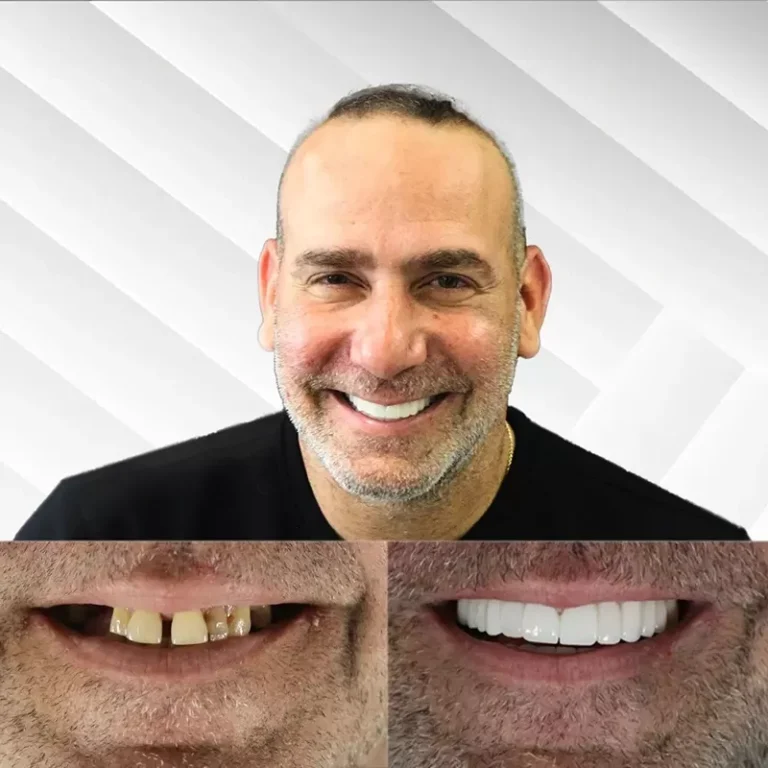
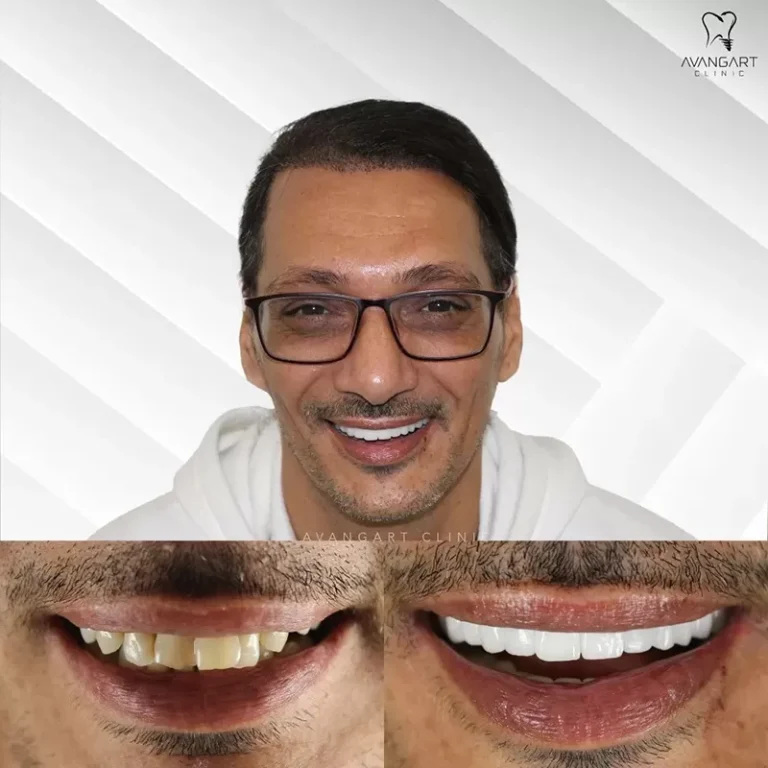
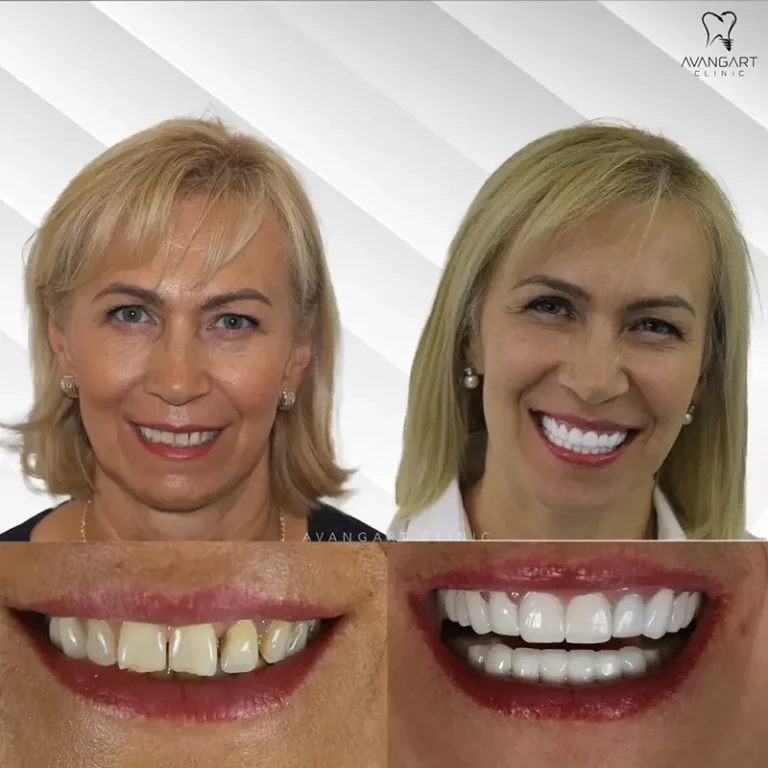
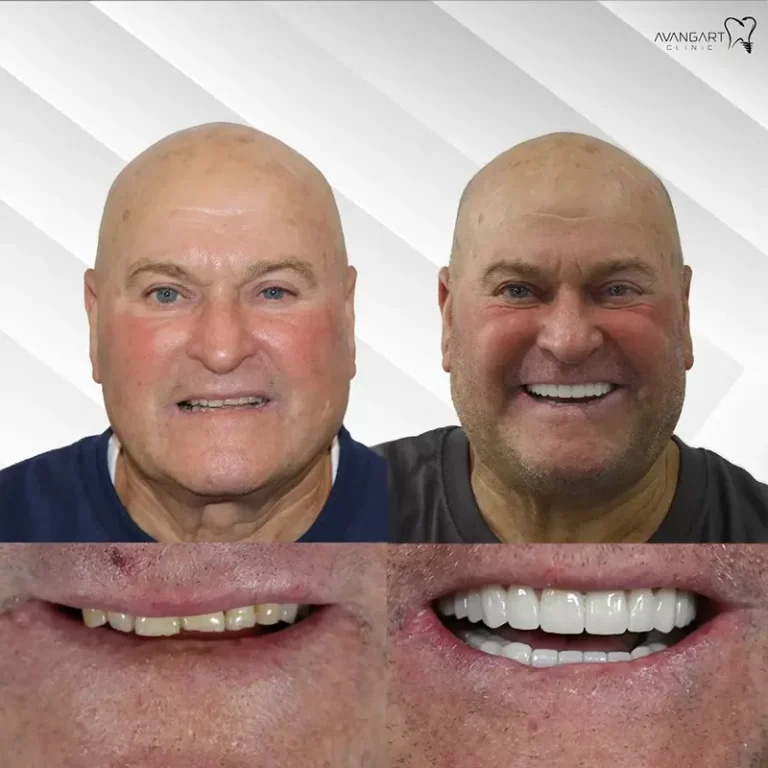
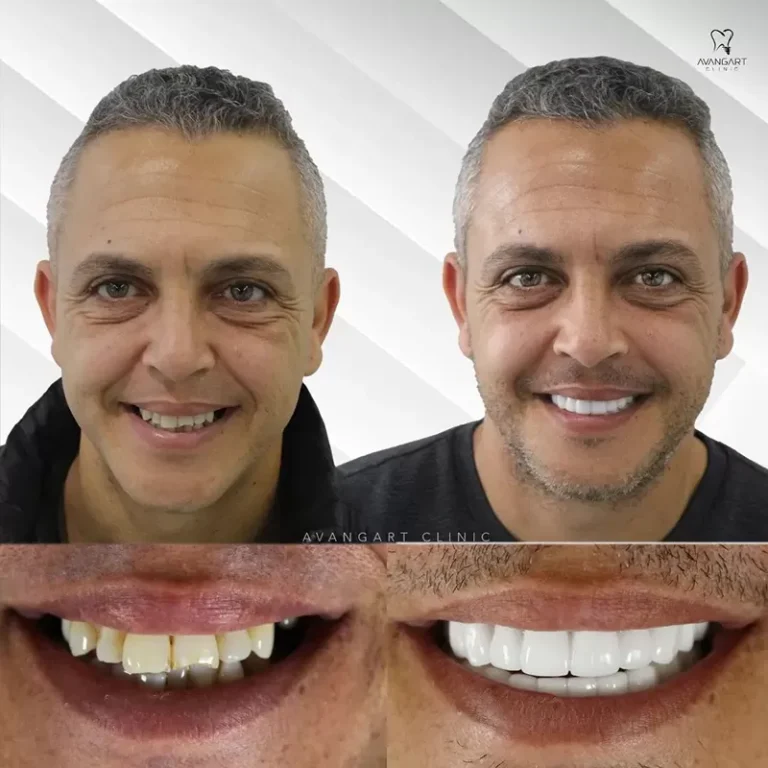
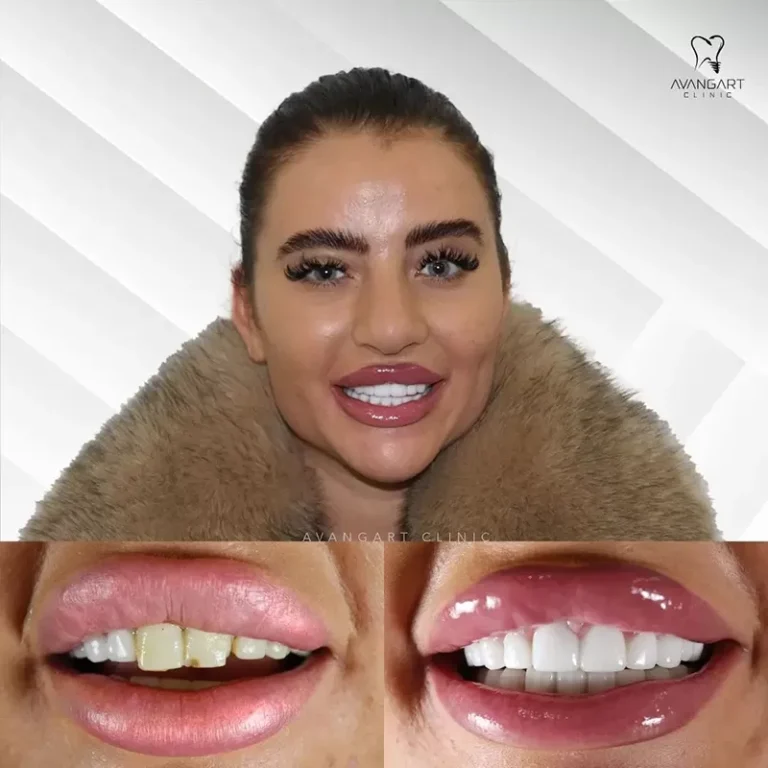
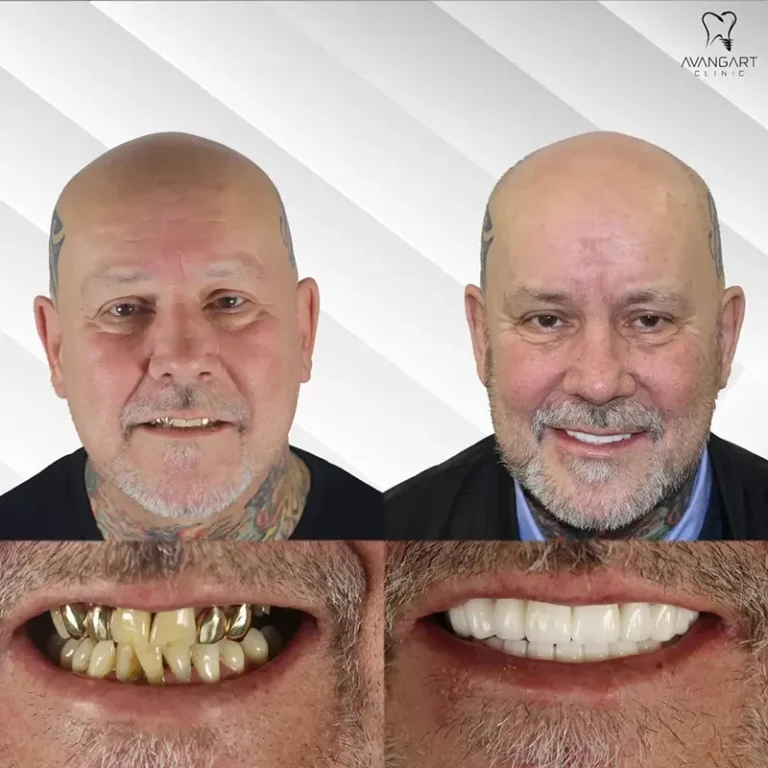
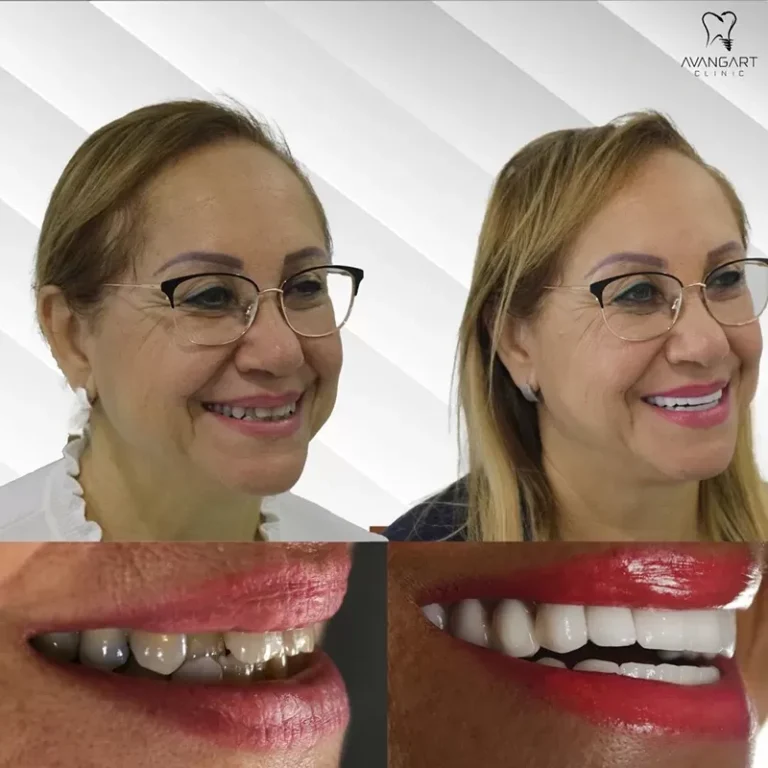
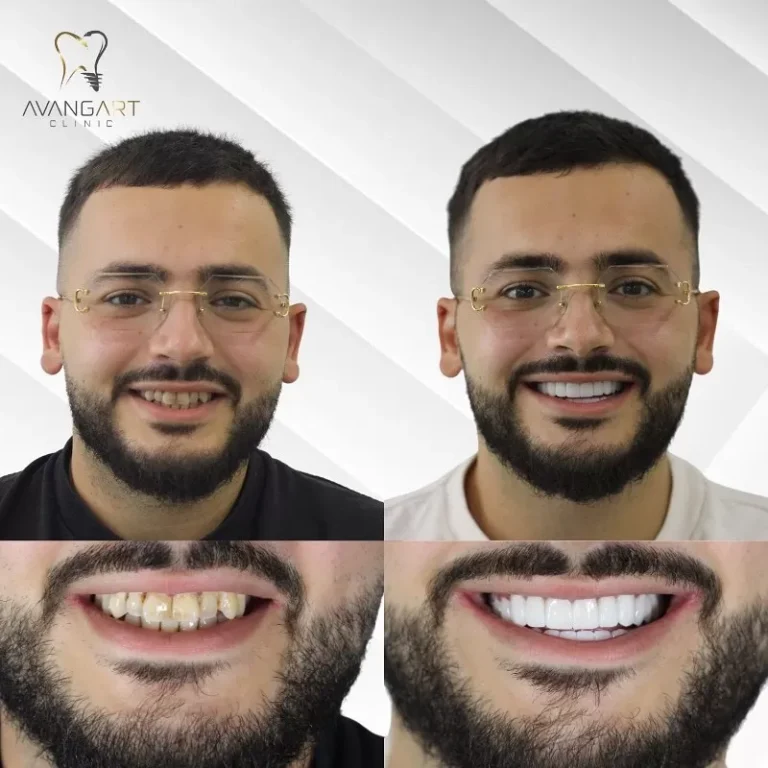
Before and After: Transformative Results with Avangart Clinic
We carry out all our dental treatments with care and strive to give your smile an elegant appearance.