SAVE UP TO 70% ON DENTAL TREATMENT

Do Dental Implants Trigger Alarms through Airport Security?

Picture of Dr. Emrah YEŞİLYURT​

Dr. Emrah YEŞİLYURT​

Dr. Emrah Yeşilyurt is the Founder of Avangart Clinic. He combines advanced dental expertise with a genuine commitment to helping patients feel comfortable and informed about their oral health journey.

Do-Dental-Implants-Set-Off-Metal-Detectors

Dental Implants Set Off Airport Security Alarms:

Short answer: no. This brief guide explains how dental implants work and why they’re very unlikely to trigger airport security alarms.

If you have dental implants or are planning to get them, you might wonder what will happen when you pass through airport security. Many travelers ask the same question. Do Dental Implants Set Off Metal Detectors is something that comes up often, and the simple answer is no in most cases.

This article will explain how implants are made and why they usually do not cause alarms at airports. We will also touch on situations where screening might pick them up. Whether you are traveling after surgery or flying home after Dental Implants in Turkey, knowing what to expect can make your journey less stressful.

Understanding Dental Implants and Their Materials

A dental implant is a small device that is inserted into the jaw to hold an artificial tooth in place. It is made up of two parts: the body and the abutment.

The body is anchored in the jawbone like a root, and the abutment connects the hidden post to the exposed tooth.

A fixation screw holds the abutment to the body and creates a steady base for a crown, bridge, or denture. Once implanted, the implant bonds with the bone over time, providing stability and comfort in daily use.

Other people are usually unaware of its presence because it looks and works similarly to a natural tooth.

Most implants use titanium or zirconia because these materials are strong, biocompatible, and resist wear in the mouth. Knowing this also helps when flying with metal implants, since their small size and material type explain why screening is usually simple.

If you enjoy the history of dental implants, modern designs grew from decades of research focused on safe, long-lasting support for replacement teeth.

How Airport Security Scanners Detect Metal

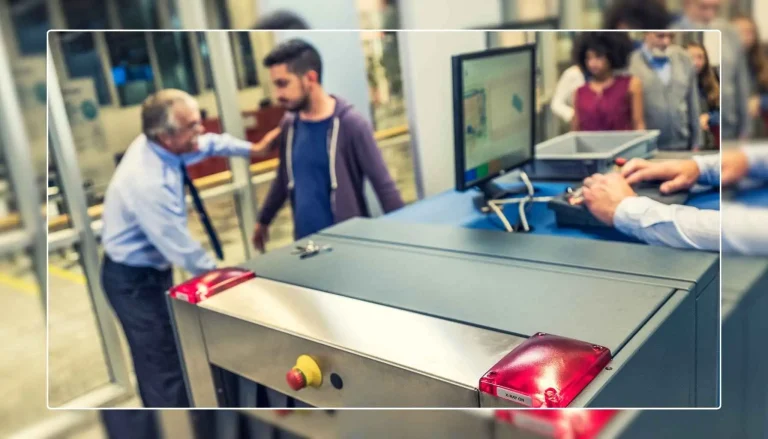
Airport walk-through detectors create a small magnetic field that reacts when metal passes through. When a metal item moves in that field, the machine senses a change and sounds an alert. These systems are tuned to be very sensitive for passenger safety.

Large implants, like those used in hips, knees, or plates, often trigger alarms at airport security because they contain significant amounts of metal.

Materials such as stainless steel, cobalt chrome, and titanium are easily detected by metal detectors. If you have one of these devices, be prepared for additional screening and try to stay calm.

People also ask, do metal dentures set off airport security? Dentures with metal parts can trigger a beep, but many pass without any issue due to their small size.

For metal implants airport security, tell the agent you have an implant, then follow the scan or physical inspection.

Will Dental Implants Trigger a Metal Detector?

Airport detectors do not all work the same, and settings can vary by country and by terminal. Some are so sensitive that even tiny items cause a beep. A gum wrapper or a metal hairband can do it, which is why simple swaps like paper wrappers are common now.

People often ask will dental implants set off metal detectors at the airport. Dental implants are small and are usually made from titanium, which is not magnetic. For that reason, most travelers pass without any alarm.

Titanium has a strength similar to steel while weighing much less, and many medical devices use it. Hips, knees, pins, posts, wires, and rods are common in everyday life. Dental implants use the same proven material, which is one reason they behave predictably at checkpoints.

Very sensitive scanners can still notice small amounts of metal. If an alarm sounds, it does not mean anything is wrong. It only means the system wants a closer look.

Tell the officer you have dental implants and let them scan your jaw area with a handheld detector. This quick step usually answers the question on the spot. Your screening then continues as normal.

Physical inspections are a routine part of security for many travelers. You cannot avoid them in every case, even with perfect planning. Staying calm and polite keeps the process simple.

Security staff see medical hardware every day and know the difference between a medical device and a threat. A rod that holds a joint together does not look like a weapon on their screens. Dental implants are even smaller and easier to clear.

If you wonder can you go through airport security with metal implants, the answer is yes. Arrive a bit early and remove extra metal, like hairbands, to cut false alarms. Keep a short dentist note on your phone if you want extra peace of mind.

Rare Situations When Implants May Set Off Alarms

Most travelers with dental implants pass security without any trouble, yet a few rare cases can trigger an alert. Knowing when this might happen helps you stay calm and move through the checkpoint with ease.

  • People often ask will metal dentures set off airport security, and the answer can be yes when dentures use a metal support bar that contains enough metal to be noticed.
  • Full body scanners at many airports can detect metal in the mouth, even when the walk-through detector stays quiet, because they use radio waves or low-level radiation to map the body.
  • Some international airports run very advanced scanners that detect even tiny amounts of metal, which can include parts of an implant or denture hardware.
  • If an alarm sounds for an implant, officers usually confirm the location with a quick handheld scan and move on without delay.


Even when a signal appears, it is rarely a problem. Airport security officers see tens of thousands of passengers with dental work each year and understand what they are seeing. A brief check is normal, and once the source is clear, you continue with your trip.

What Happens If Airport Security Alarms Go Off?

If an alarm goes off, stay calm. Security scanners are extremely sensitive, and small objects can set them off. A friendly officer will be there to guide you and explain what to do next.

Most airports will send you to a full-body scanner if it is available. The scanner creates an image that shows where the alert came from, such as a belt buckle or dental work. It takes only a few seconds, and you remain standing.

If that scanner is not available, or if the team needs more checks, you may have to go through a brief physical inspection. You can tell the officer about your implant and ask for a private room if you prefer. The process is routine, done for safety, and you go on your way once cleared.

How to Travel Smoothly with Dental Implants

Give yourself extra time at the airport so you do not feel rushed. Lines can move slowly, and a few minutes of buffer helps if screening takes longer. Bring a calm mindset and keep your travel papers in an easy-to-reach place.

Tell the officer you have dental implants as you approach the checkpoint. A short note from your dentist or a photo of an X-ray can help explain things if an alarm sounds. Keep this file on your phone or print a small copy so it is ready.

Wear clothes that make a quick check easy. If you have a scar near your jaw, choose a top that opens at the neck, so a handheld scan is easy. However, if you and non-metal implants like Hollywood metal free implants, you probably won’t have to worry about that.

Arrive at the Airport Early for Peace of Mind

Getting to the airport early is one of the easiest ways to reduce stress. Extra time gives you a buffer for traffic, check-in, security lines, and unexpected gate changes. It also lets you enjoy the terminal with a coffee, a quick meal, or a quiet seat before boarding.

Most airports publish simple time guides that help you plan. They suggest arriving at least two hours before domestic or European flights and about three hours before international flights. These windows work well for most travelers, keep your day steady even when lines move slowly, and leave room for small hiccups like a bag search.

If you have dental implants or any other metal device, plan a little extra time. You may be asked to step into a scanner or have a quick physical inspection, and the extra cushion keeps your trip calm. Use the spare minutes to review your itinerary or read up on care tips and the best dental implant brands, so you reach your gate relaxed and ready to fly. You can also pick a seat, fill your water, and breathe.

Let Airport Security Staff Know in Advance

Airport teams screen many travelers with implants every day, and they have clear steps for that. Tell a staff member before you reach the metal detector that you have dental implants, or show a short note from your dentist. This early heads up lets them choose the right screening and treat you with care.

A simple script works well, such as I have dental implants, happy to use the body scanner. If asked, share your note or an image of your X-ray, and then slowly follow their instructions. This simple step eliminates delays, reduces stress, and allows you to pass through security feeling ready and confident.

Carry Implant Documentation if Possible

Bringing simple paperwork about your implant can make airport screening smoother. A short note allows officers to see what is in your body and where it is located, allowing for faster and more thorough checks. This small step can transform a stressful situation into a routine pause.

A letter from your dentist or doctor works well. It can list the type of implant, the area of the mouth, and any details that matter for screening. A contact number for the clinic can add extra confidence for everyone involved.

A picture of your X-ray on your phone is also useful, and a small printout is even better in places with poor signal. Some travelers make a metal implant card to carry in a wallet. Even without a formal program in your country, a simple card with the device type, the date placed, and the clinic name is easy to read.

Save these files to a folder on your phone as well as offline. When you arrive at the checkpoint, inform the officer that you have dental implants and only show the note if asked. If you do not have any documents, a calm explanation will suffice; however, having proof can reduce questions, relieve stress, and help the team complete their checks quickly.

Wear Clothing That Makes Screening Easier

Clothing can make security checks simple when you travel with dental work or other implants. Choose outfits that let you show the area quickly if an officer needs to confirm something. A clear view helps the team find the source of an alert and keeps the line moving.

Loose layers are your friend. Pick tops that open at the neck if your implant is in the jaw, so a handheld scan is fast and comfortable. If your implant is in a knee or hip, shorts or wide-leg pants make a quick look easy without fuss.

Think about comfort and privacy as well. Wear items you can adjust without a struggle, like a zip hoodie or a button shirt, and you can ask for a private room at any time. Simple choices like slip-on shoes and leaving extra metal at home reduce delays and help you reach the gate relaxed.

Important Facts Every Dental Implant Patient Should Know Before Flying

Flying with dental implants is straightforward when you know a few core facts. Understanding how implants work and how to care for them makes travel days calmer. The points below keep you comfortable in the air and on the ground.

  • Implants function like natural teeth, so you can talk, smile, and eat without discomfort once healing is complete. Normal chewing and speech return as your mouth adapts. Most travelers forget the implant is there.
  • Surgery is usually done with local anesthesia, which keeps you comfortable during the procedure. Plan your trip with enough recovery time so swelling settles before you fly. Ask your dentist how long you should wait.
  • An implant does not harm nearby teeth or the supporting tissue when placed correctly. It becomes stable as the bone bonds to the post. This steady base makes day-to-day use easy.
  • Daily care still matters: Brush and floss around the implant to prevent plaque and irritation. Pack a travel brush, floss, and a small mouthwash for flights.
  • Not everyone is a candidate for dental implants at first. Active gum disease or poor bone quality can delay treatment. A qualified dentist will review your health and advise on the next steps.
  • Smoking slows healing and lowers long-term success. Cutting down or quitting smoking before treatment improves results.
  • With good care, implants can last for many years. Keep regular checkups and follow your dentist’s advice.


These facts help you plan with confidence. Bring a small care kit, give yourself time at the airport, and keep your dentist’s contact information with you. With simple habits and smart timing, your smile is ready for takeoff.

Why Choose a Trusted Dental Implant Provider Before You Travel

Choosing a trusted dental implant provider before you travel helps your trip go smoothly. A reliable team gives you a clear plan, honest timelines, and safe care. You know what to expect, from the first consultation to aftercare.

At Avangart Dental in Turkey, experienced dentists place implants and also offer bridges and dentures. You can discuss your goals, review costs, and set dates that match your flights.

To ask questions or book a visit, call +90 212 211 82 11 or send a request through our online form. Our team will explain options and help you prepare documents for travel. With the right clinic, you arrive confident and return home smiling.

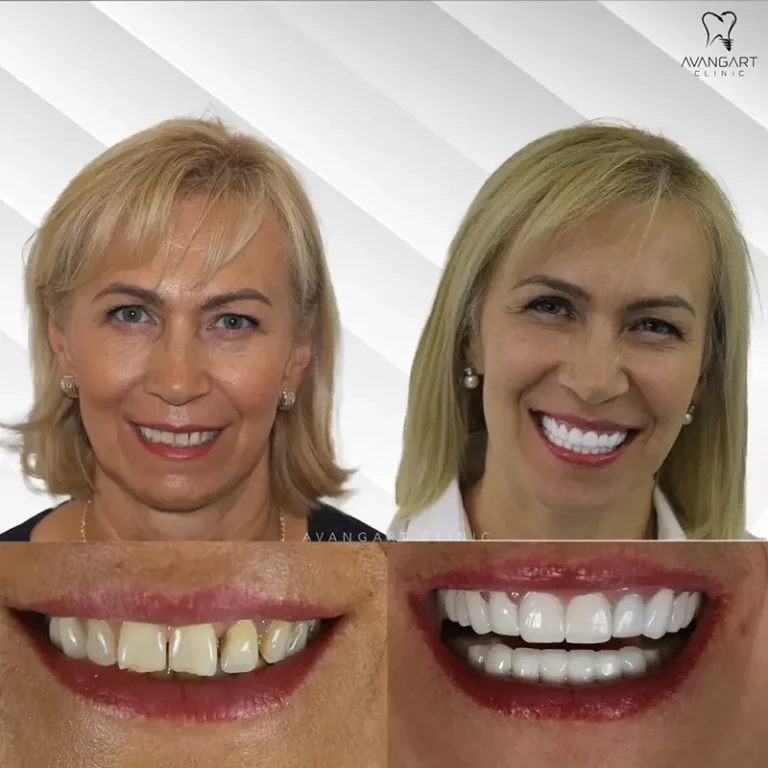
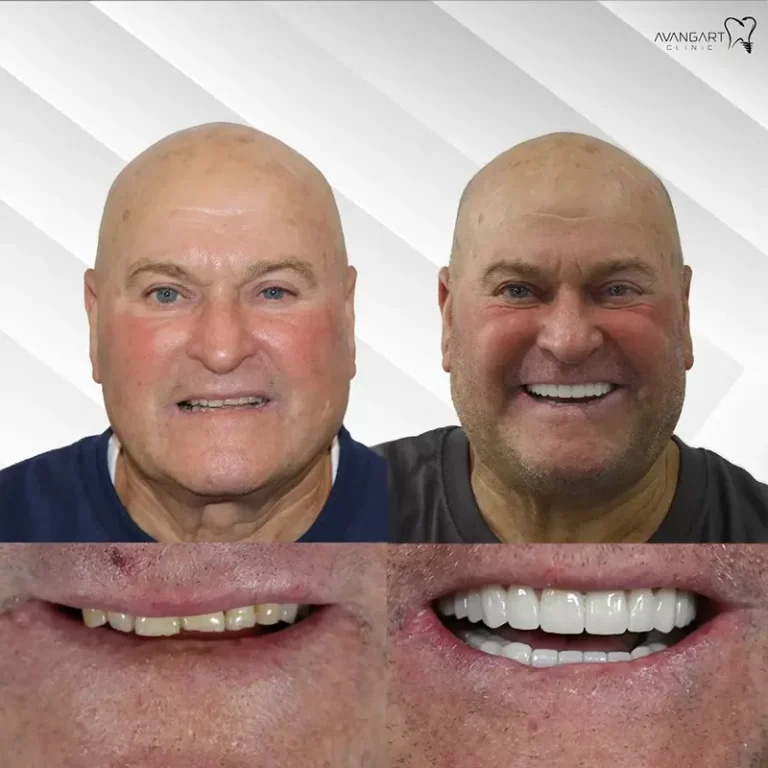
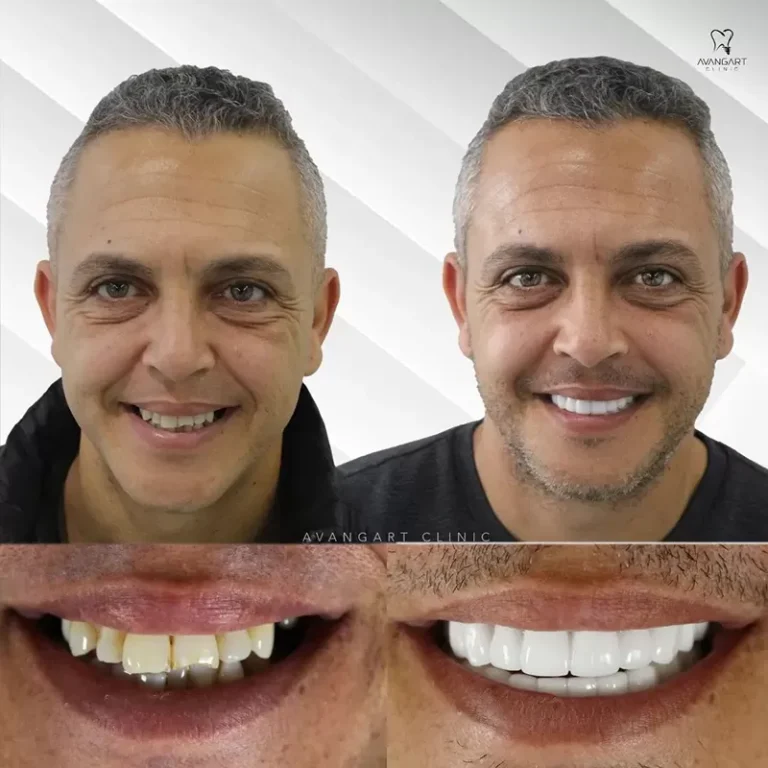
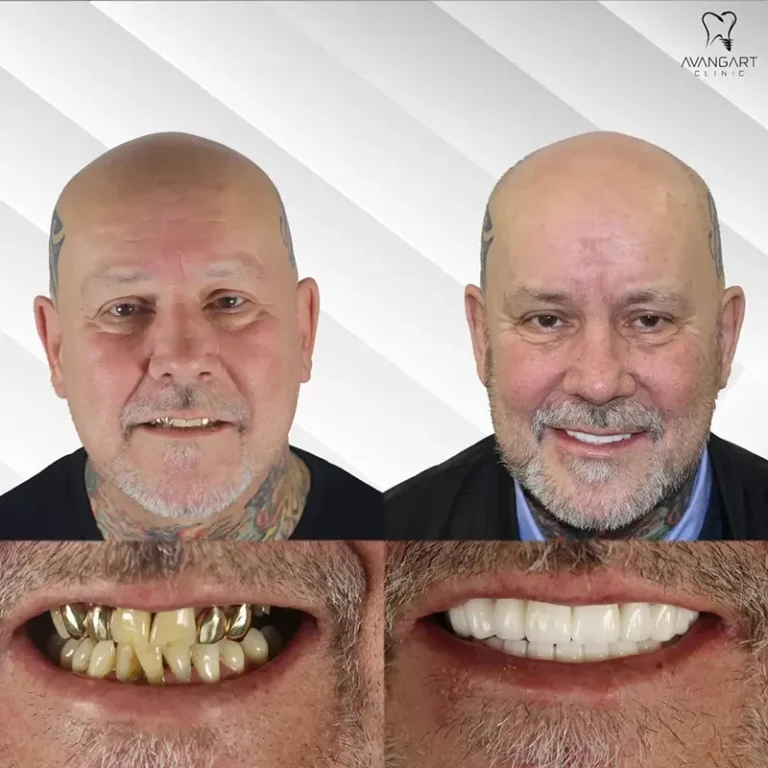
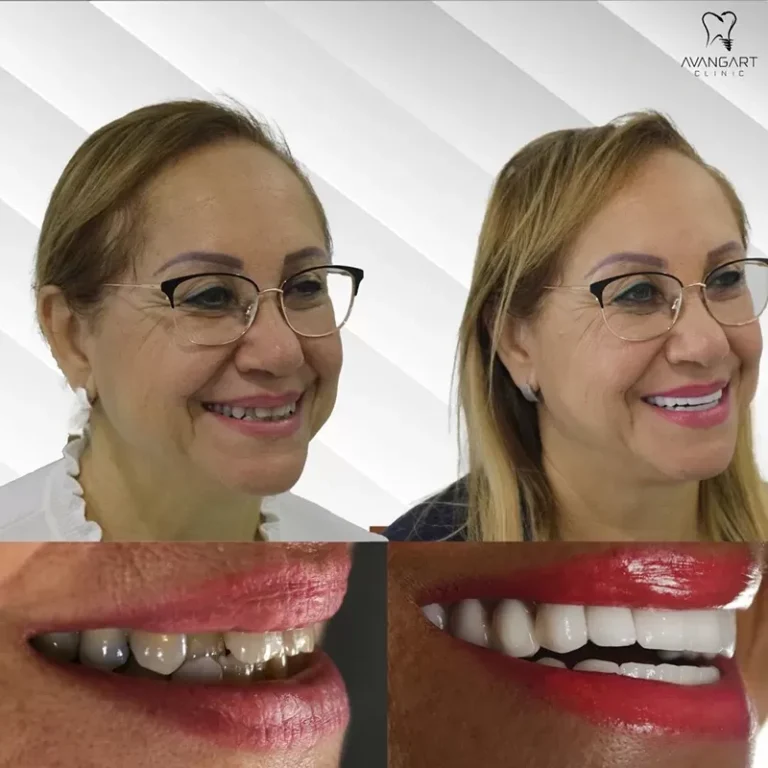
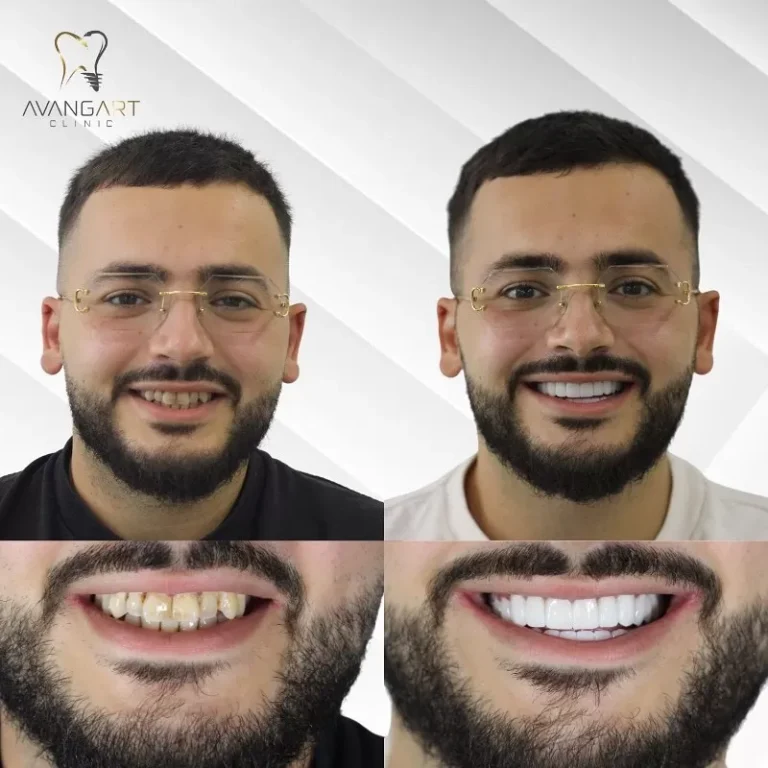
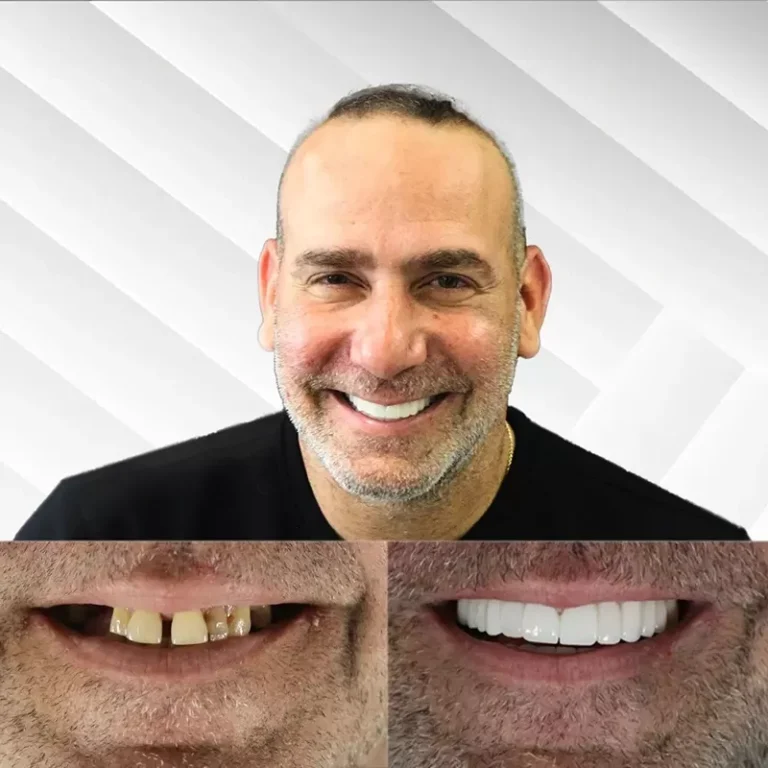
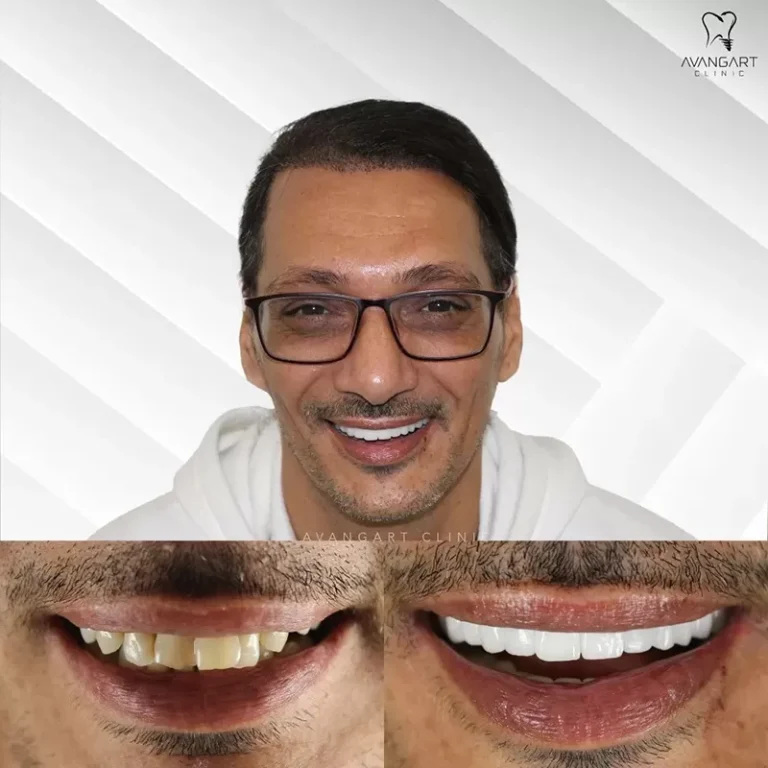
Before and After: Transformative Results with Avangart Clinic

We carry out all our dental treatments with care and strive to give your smile an elegant appearance.
FAQs

Most titanium implants do not trigger walk-through metal detectors. Titanium is not magnetic, and the implant parts are small, so the signal is weak. Very sensitive lanes or larger orthopedic hardware may still beep, and full body scanners can show metal, so telling the officer early helps.

Regular dental fillings rarely set off detectors. Amalgam and composite fillings are tiny, and the metal content is low, so walk-through systems usually ignore them. Body scanners may highlight dental work, but it is normal, and alarms are more often caused by belts, coins, or hairpins.

Most people pass without trouble. Dental implants are small and usually made from titanium, which produces a weak signal in walk-through detectors. Full body scanners can note the metal, but telling the officer in advance and following a quick handheld check keeps screening simple and brief.

Spinal hardware, such as rods, plates, or screws, contains more metal than dental work, so walk-through detectors may beep. Results vary by alloy and scanner settings, and full-body scanners will show the device. Inform staff, expect a short secondary check, and leave some extra time for a smooth experience.

Call Us Today